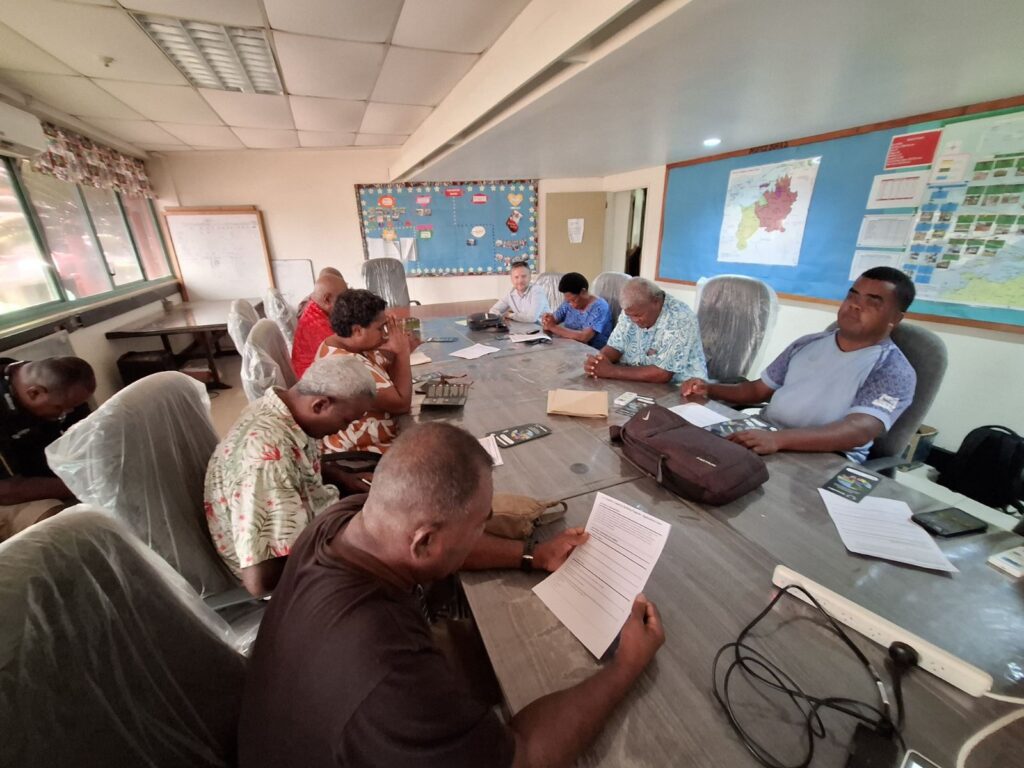
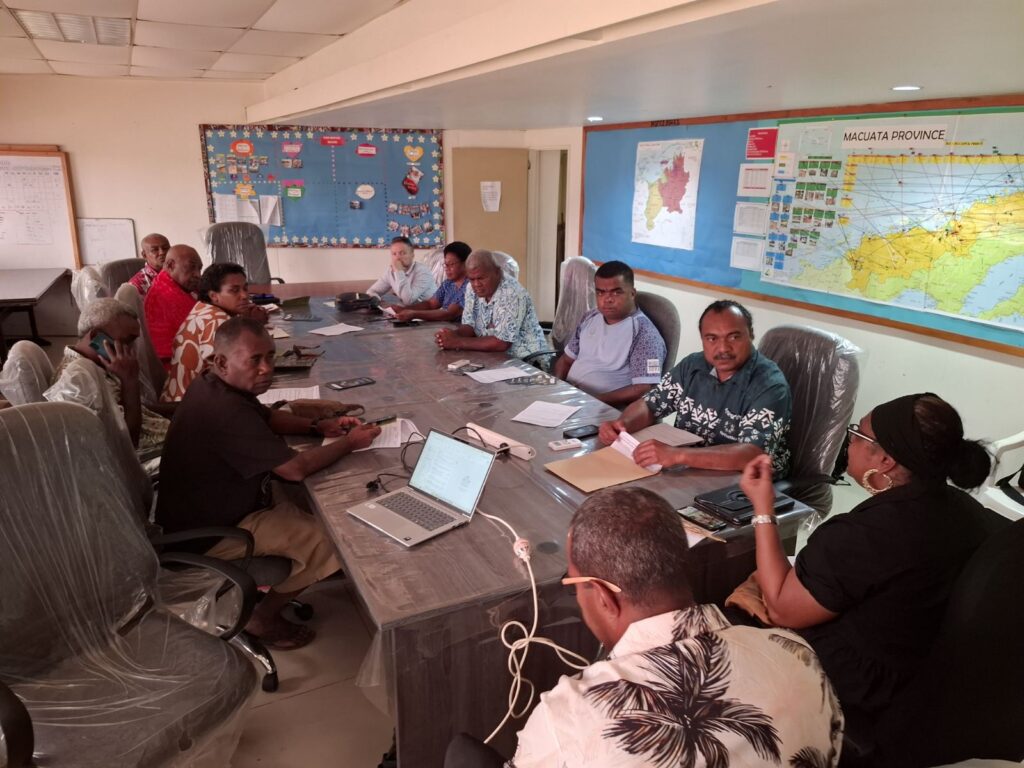
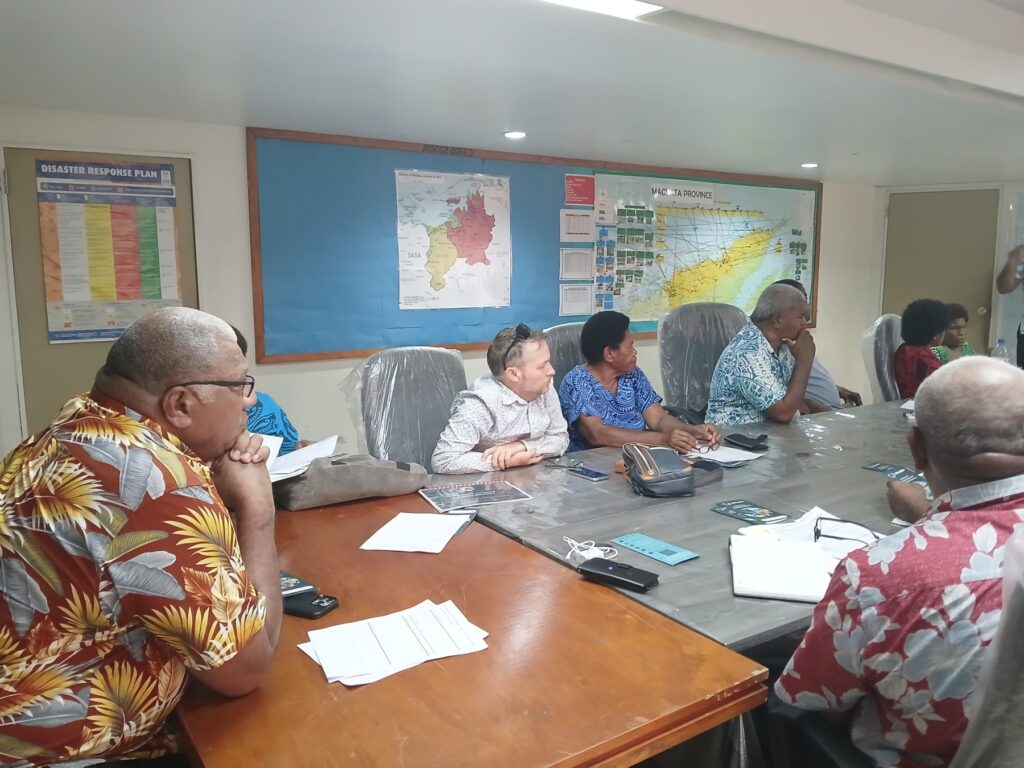
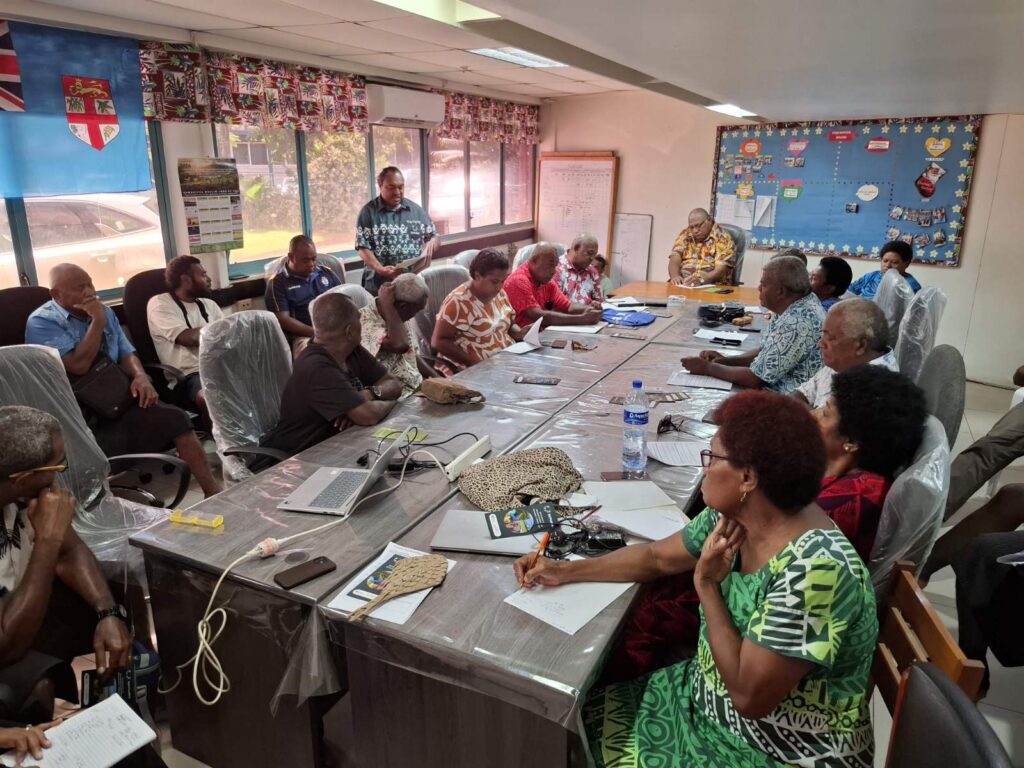
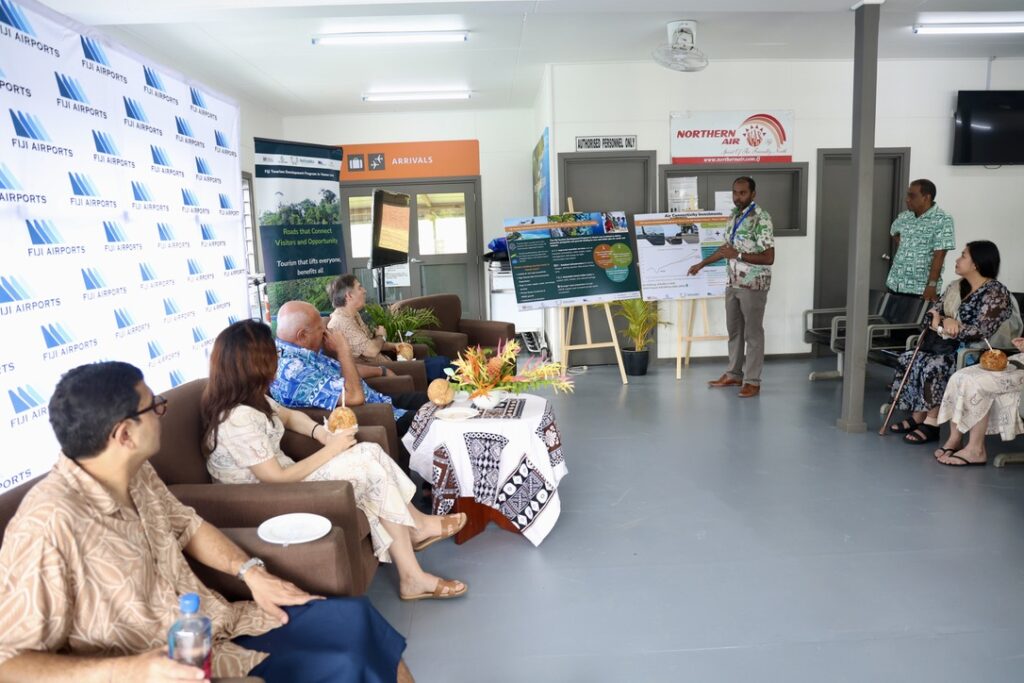
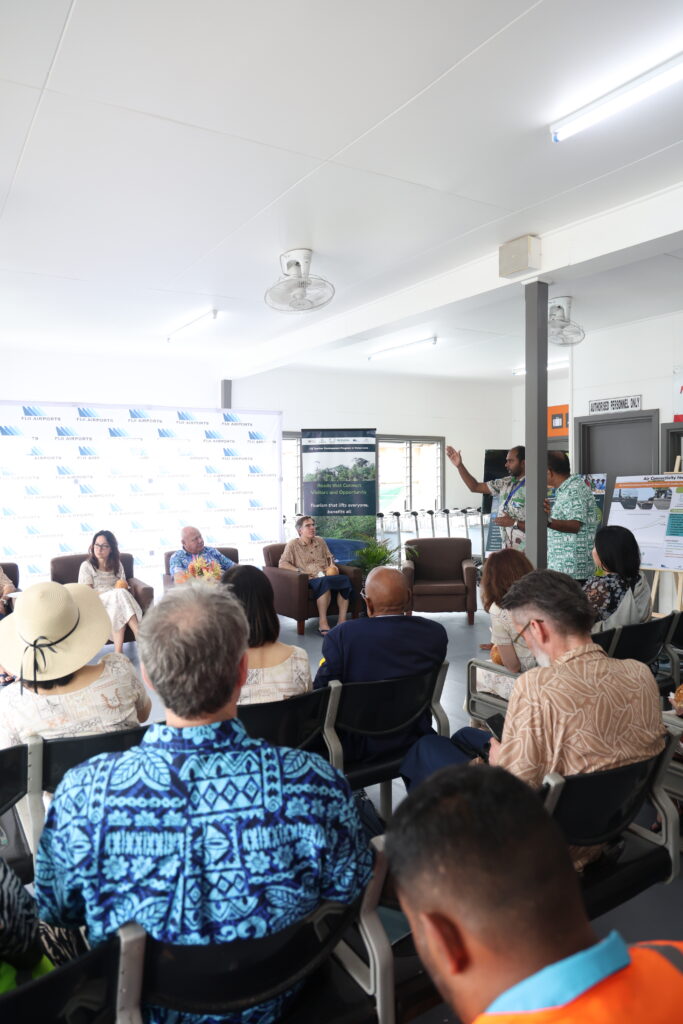
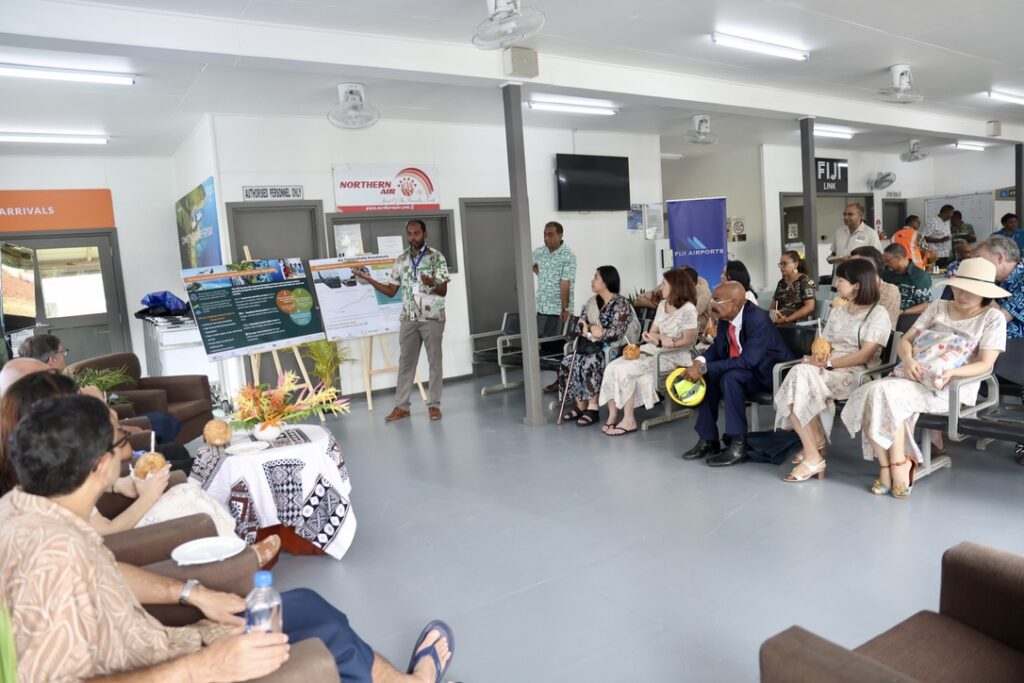
An international aviation consultancy, AirBiz, specialising in airport planning and development, is currently undertaking a feasibility study to assess future aviation needs in Vanua Levu.
This includes a feasibility study for a potential new airport in Vanua Levu, an air connectivity study for Taveuni Island, and the development of master plans for Labasa and Matei airports.
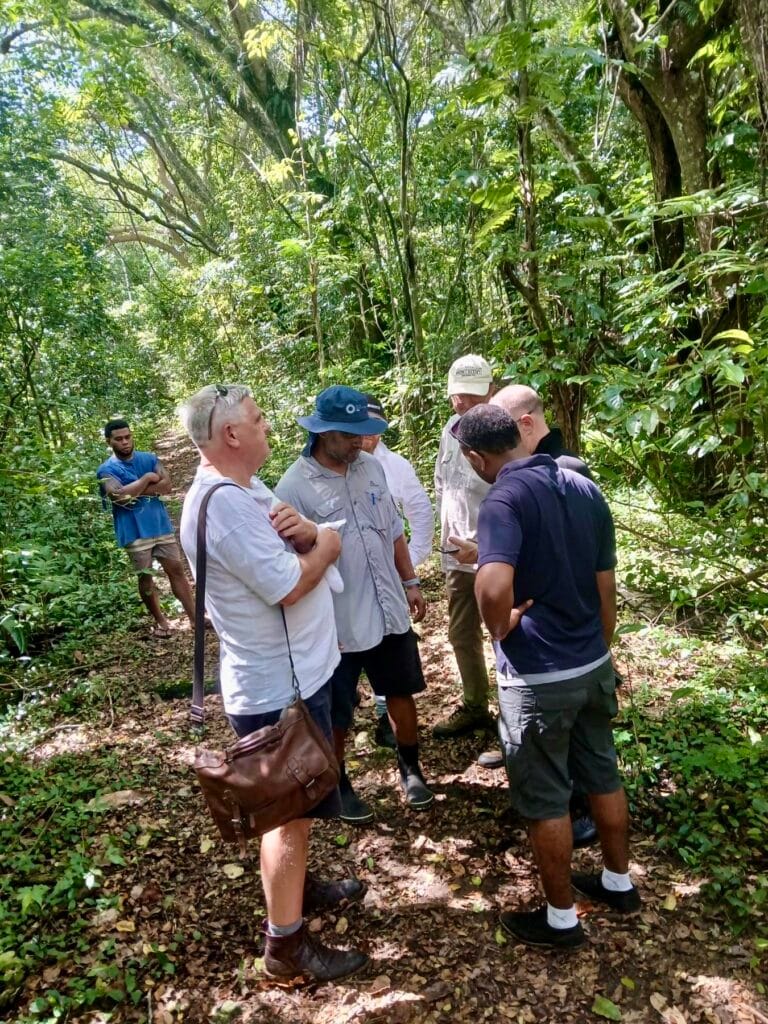
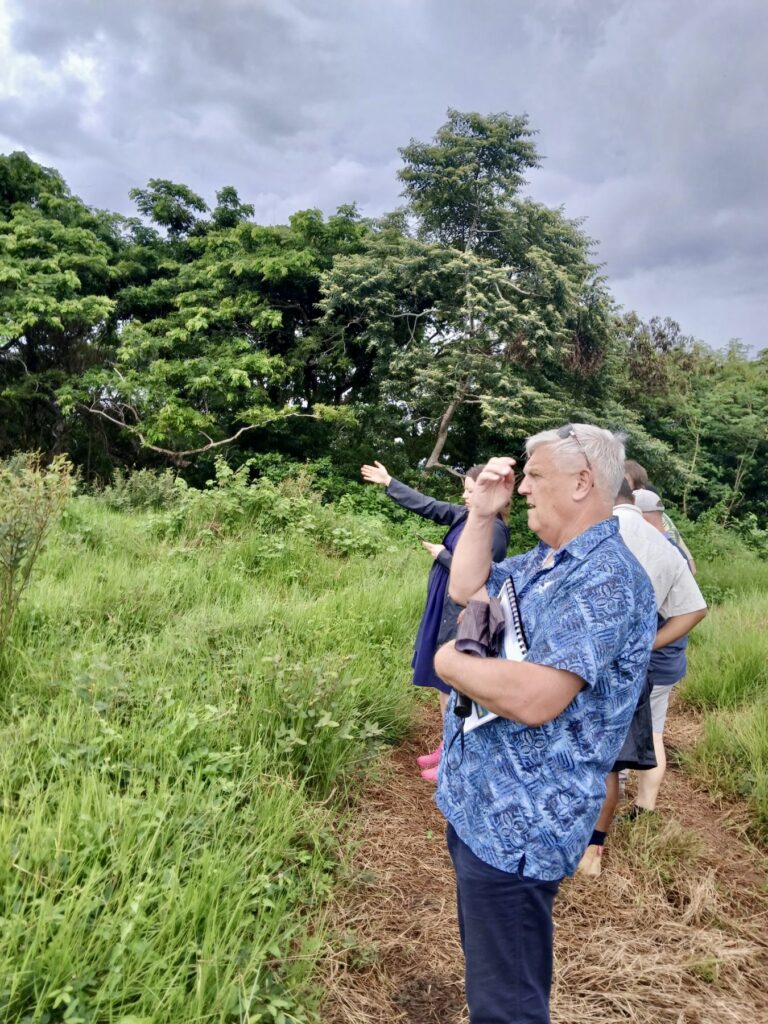
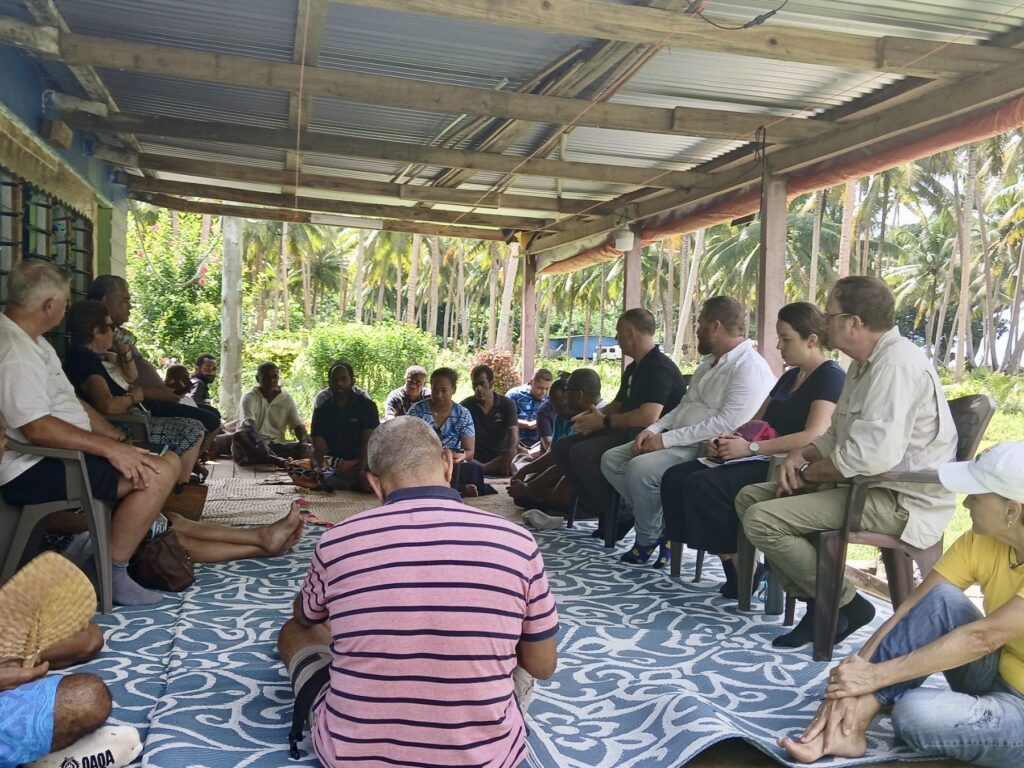
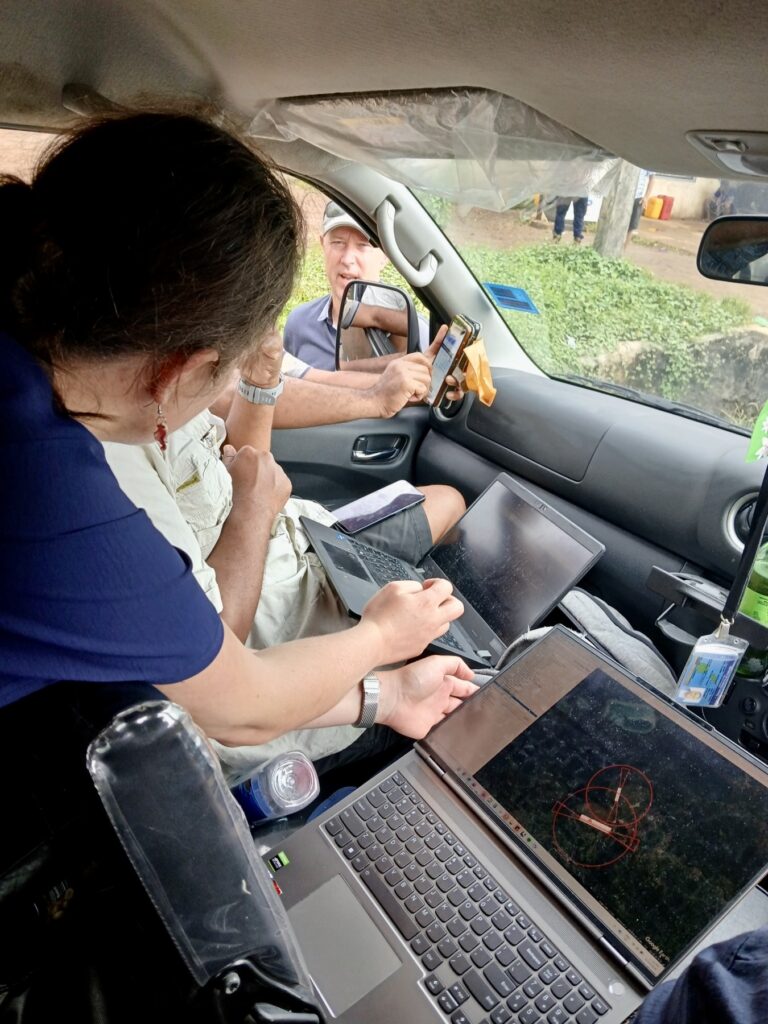
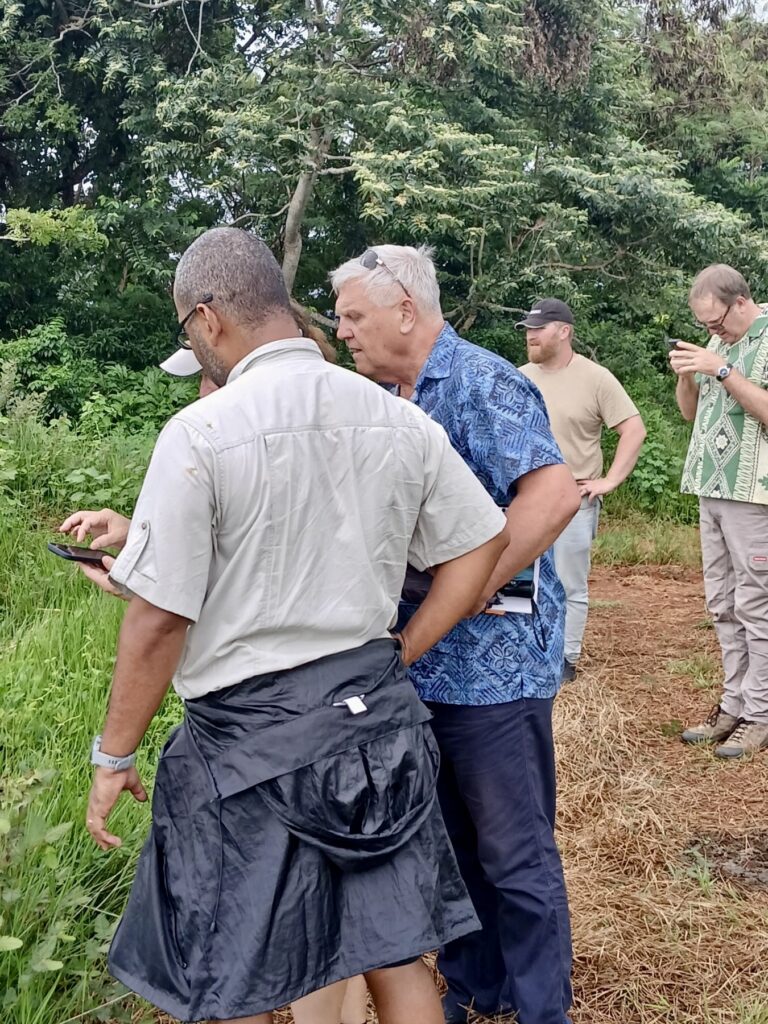
Following its kickoff meeting in January 2026 and submission of the Draft Inception Report in February, the team is progressing technical work, including field visits to Matei and Labasa airports, as well as assessments of four potential sites for a possible new airport in Vanua Levu.
Engagement is ongoing with government agencies, local councils, landowning units of potential sites, and industry stakeholders across the Northern Division to ensure the study reflects operational requirements, growth projections, and local context.
In parallel, a separate team is consulting stakeholders in Suva and Nadi, along with Fiji Airports management and technical teams, to inform the analysis.
This work is part of a feasibility assessment only. Once completed, the report will be presented to Cabinet with options and recommendations.
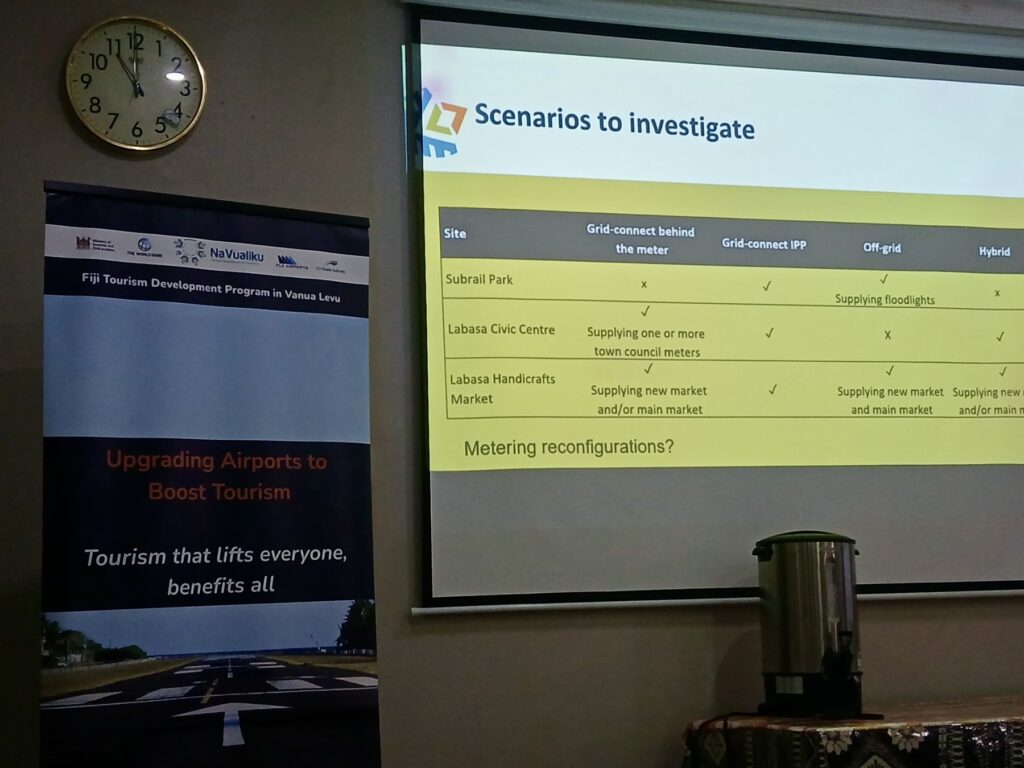
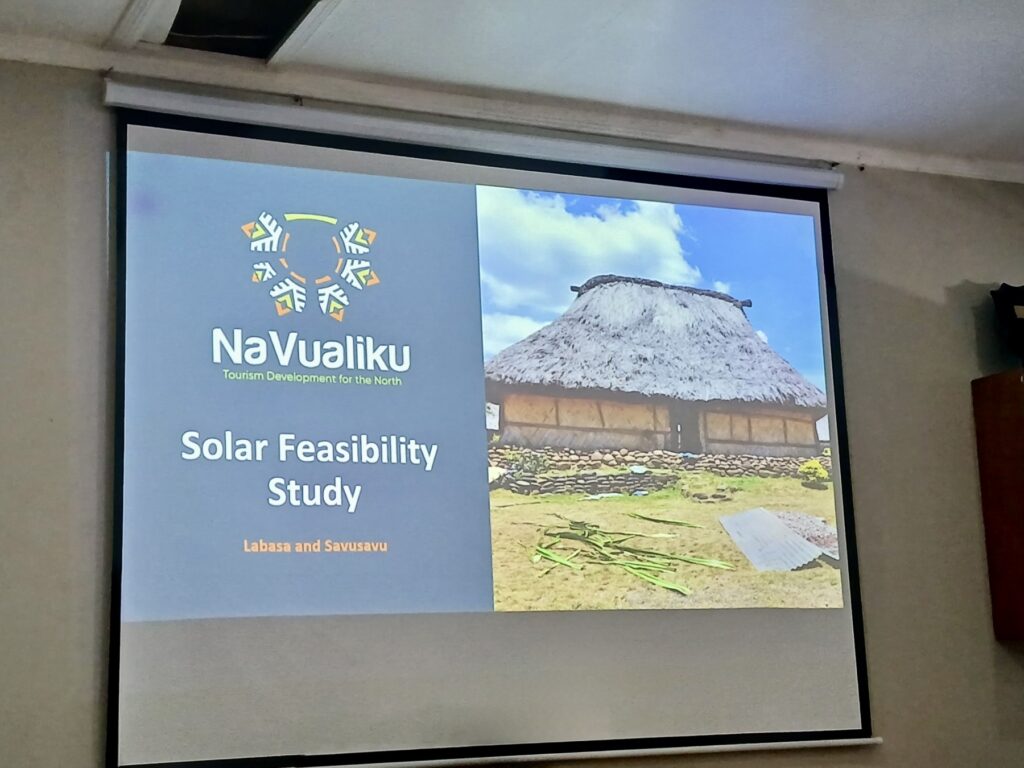
☀️Energy costs are on everyone’s mind nowadays given the ongoing hostilities in the Middle East and current global energy crisis . While the #NaVualikuProject’s feasibility study on rooftop solar across municipal buildings in Labasa and Savusavu was already underway, it is now more relevant than ever.
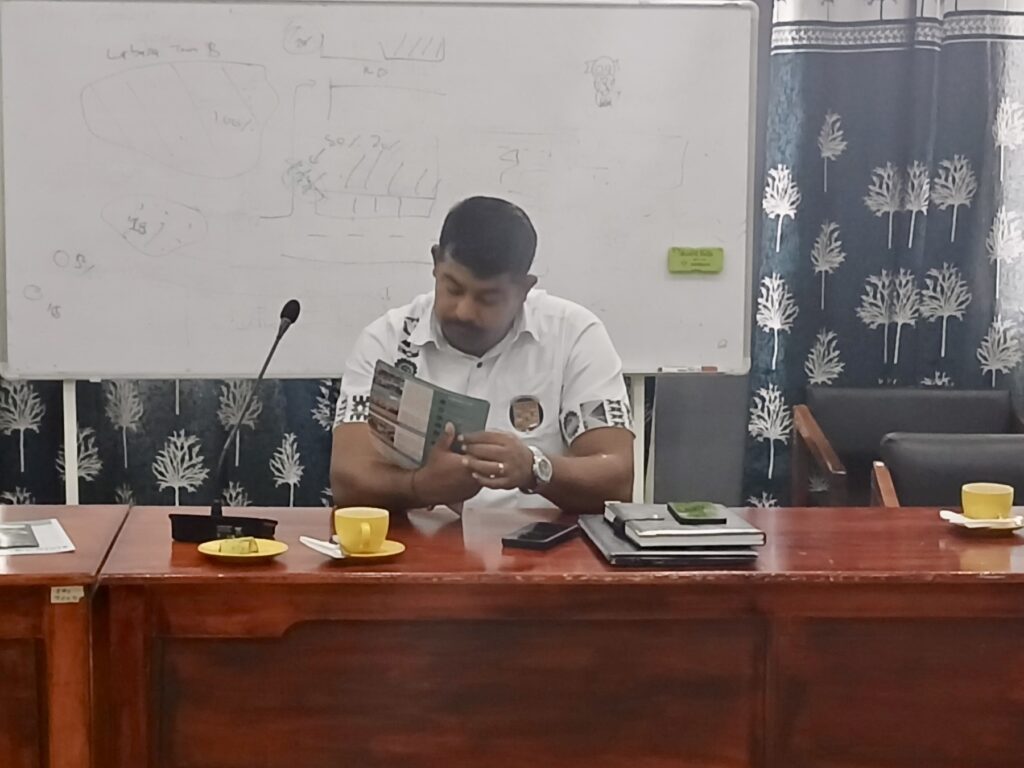
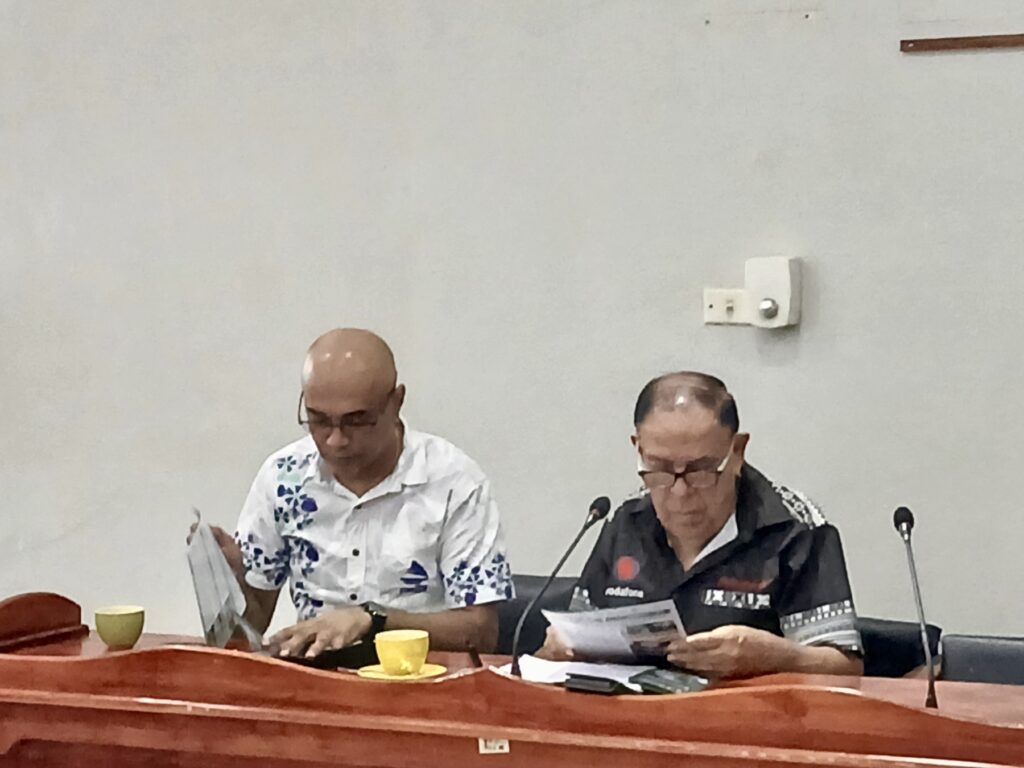
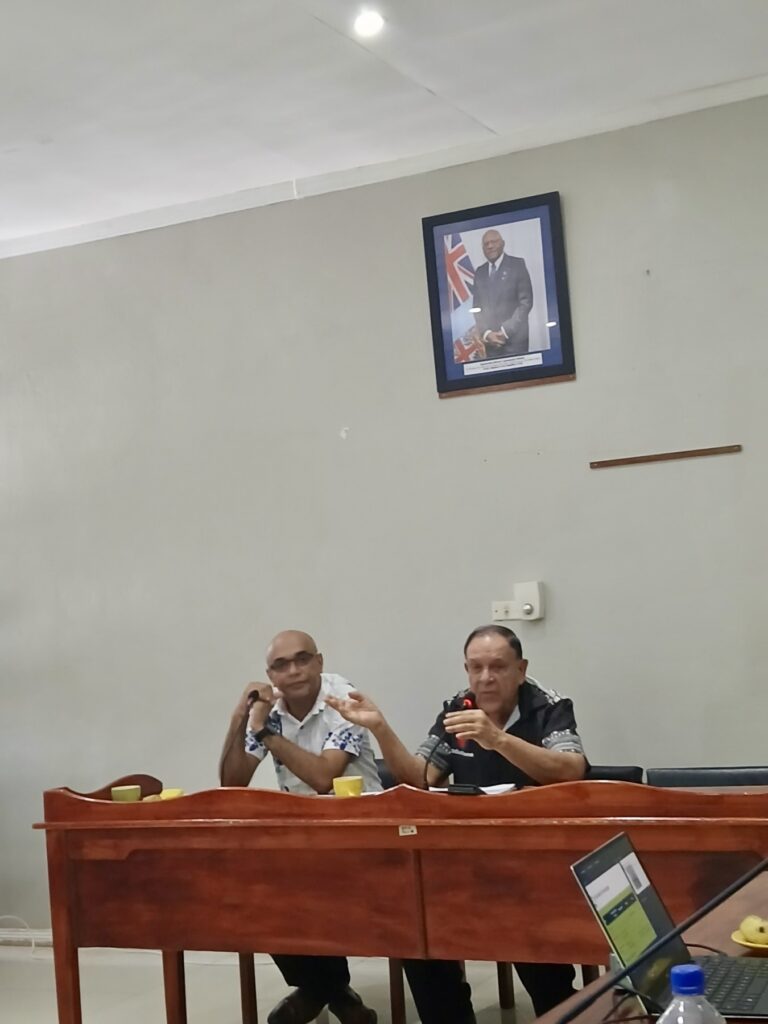
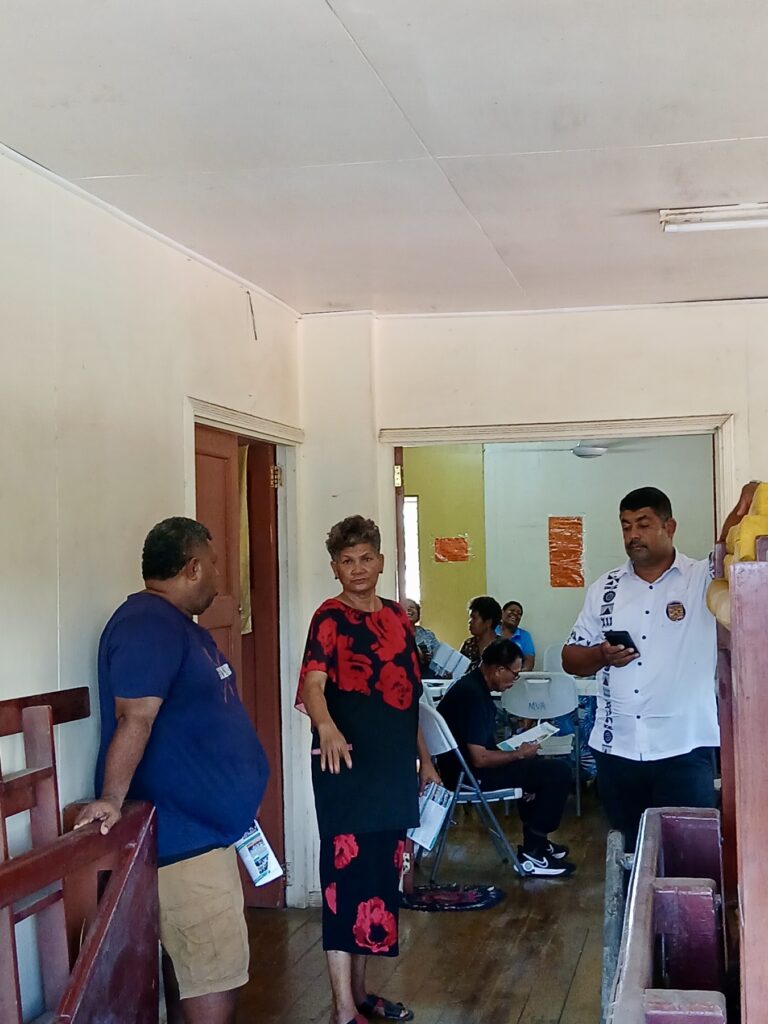
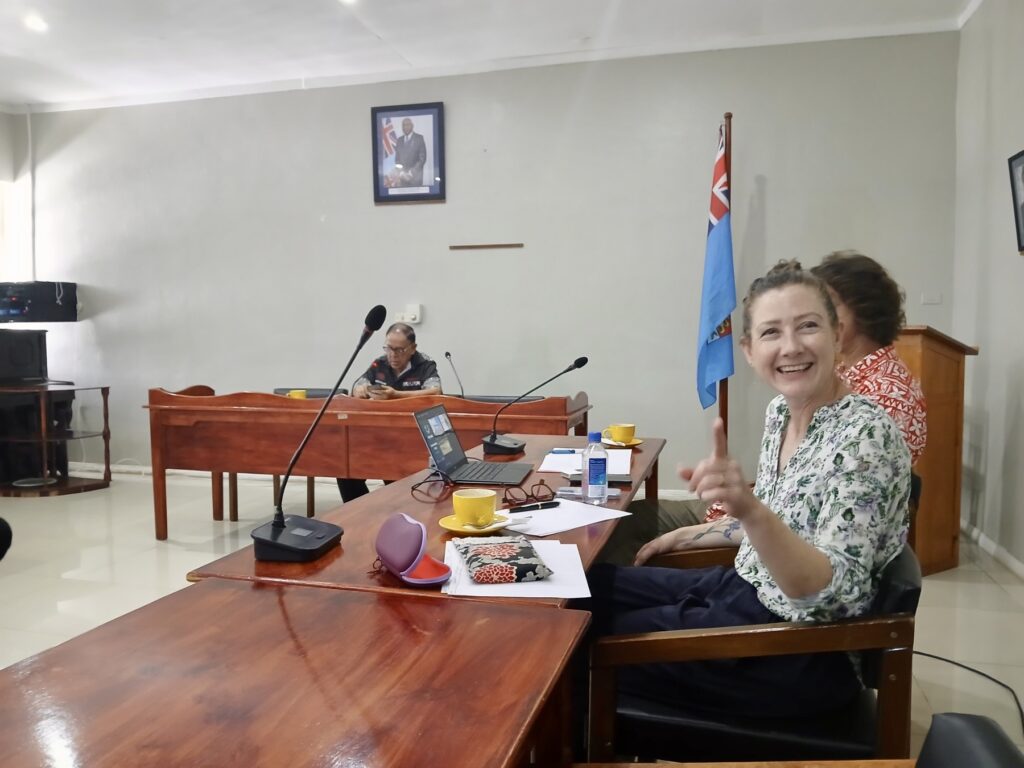
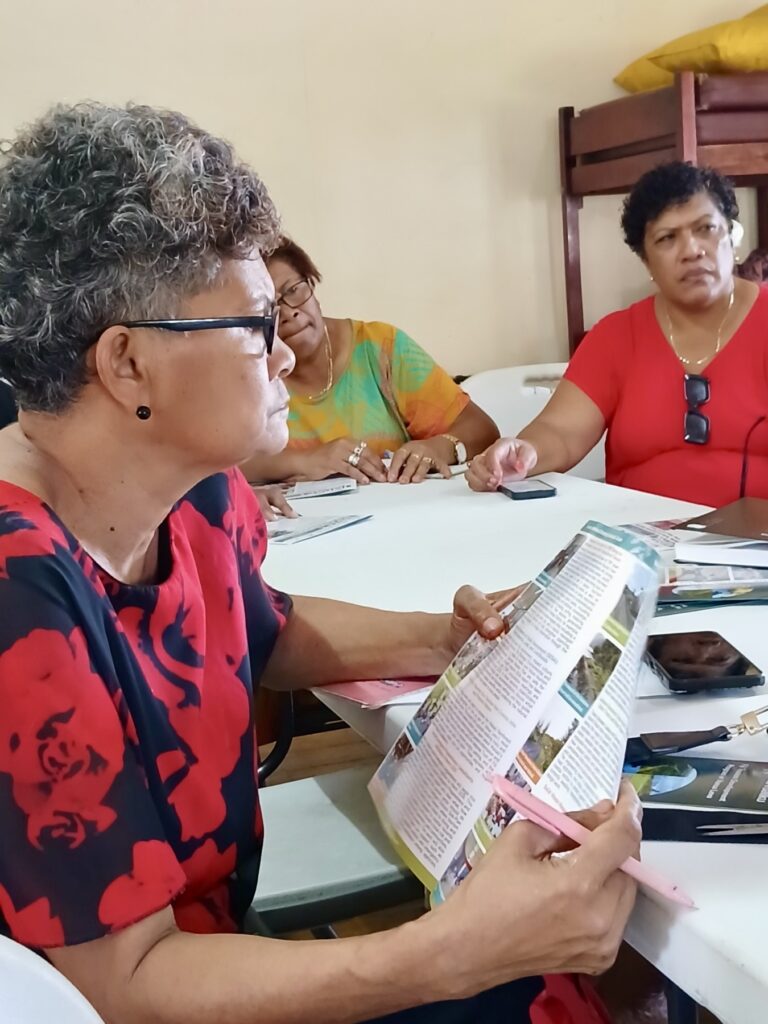
🤝 Over two days of consultations in Labasa and Savusavu, this work moved from technical analysis to real conversations. Consultants from Elemental Group Ltd met with market vendors, tenants of municipal buildings, and Town Councils, ensuring the feasibility study is shaped not just by data, but by how these spaces are used by ordinary people every day.
👥 With our stakeholders, market vendors and tenants, the discussions quickly turned practical. In Labasa, conversations focused on space, how equipment might fit within already busy market areas, and what that means for daily operations. Vendors also explored what solar energy could enable, from powering sewing machines in the handicraft market to supporting refrigeration and lighting during outages. At the same time, there was a clear understanding that benefits would be shared, improving services across the facility rather than providing individual access.
👥 In Savusavu, the response was overwhelmingly positive. Vendors recognised the value of reducing energy costs for the Town Council and what that could mean for the wider community. There was strong interest and enthusiasm, particularly in knowing that the infrastructure would be financed through the Project, removing the need for fundraising while still delivering tangible improvements. Conversations also touched on resilience, and the importance of planning infrastructure that can support communities during disruptions and disasters.
🏛️ Alongside these discussions, Town Councils, as eventual asset owners, focused on the longer-term picture. How will these systems be managed? What will operations and maintenance require? And, most importantly, how can savings be redirected to improve services? In Labasa, high energy costs, particularly from floodlighting at Subrail Park, stood out as a clear opportunity where solar could make a difference. The need to align with other infrastructure projects and plan for growing demand also came through strongly.
⚙️ At its core, the feasibility study is testing what is possible. It is assessing selected municipal sites across Labasa and Savusavu, examining technical suitability, energy demand, system design, and long-term financial viability. The aim is simple: to ensure that any future investment is practical, sustainable, and delivers real value.
🌱 If deemed suitable, rooftop solar systems could be installed from late 2026. But the outcome is bigger than infrastructure. It is about turning savings into services, strengthening public facilities, and ensuring municipal buildings work harder for the communities they serve.
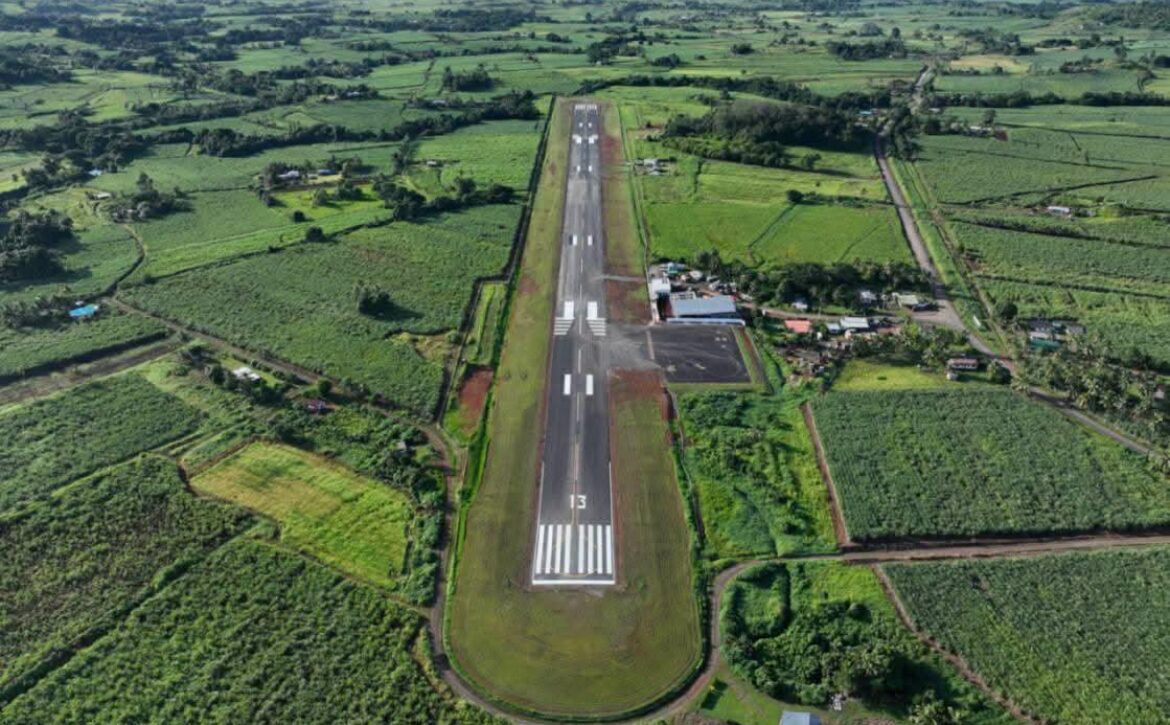
The Ministry of Tourism and Civil Aviation has welcomed the completion of the runway strengthening works at Labasa Airport, describing the development as an important step in the Government of Fiji’s continued efforts to improve air transport connectivity and support economic development in Vanua Levu.
The works, implemented by Fiji Airports, were undertaken with financing under the World Bank-financed Na Vualiku Project, for which the Ministry of Tourism and Civil Aviation serves as the lead implementing agency through the Central Project Management Unit.
Deputy Prime Minister and Minister of Tourism and Civil Aviation, Honourable Viliame Gavoka, commended Fiji Airports for the successful and timely completion of the works.
“I commend Fiji Airports for ensuring the timely completion of the runway strengthening works at Labasa Airport. This is an important achievement that will contribute to safer, more reliable and more efficient air services for the people and businesses of the Northern Division,” said Honourable Gavoka.
He said the completion of the works also reflects the Government of Fiji’s broader commitment to the development of Vanua Levu and to strengthening the infrastructure needed to support connectivity, tourism, trade and essential services.
“The Government of Fiji remains firmly committed to improving connectivity to Vanua Levu as part of our wider efforts to promote balanced national development and unlock greater economic opportunity in the North. Investments of this nature are critical to supporting communities, facilitating movement, and creating the conditions for sustainable growth,” Honourable Gavoka said.
The Minister further noted that the runway improvement forms part of the wider Na Vualiku Project, through which the Government has worked with the World Bank to mobilise financing for strategic investments in infrastructure and services in Vanua Levu.
“The Na Vualiku Project reflects the Coalition Government’s commitment to securing and advancing major development financing for Vanua Levu. Through this programme, we are pursuing practical investments that can strengthen infrastructure, improve access, and support long term tourism and economic development. The completion of the Labasa runway strengthening works is a tangible example of that commitment being translated into results,” he said.
The Ministry also acknowledged the collaborative efforts of Fiji Airports, project partners, contractors, landowners and local stakeholders who contributed to the successful completion of the works.
As lead agency for the Na Vualiku Project, the Ministry of Tourism and Civil Aviation will continue to work closely with Fiji Airports and other implementing agencies to advance priority investments that support sustainable development in Vanua Levu.
– ENDS –
Photos:
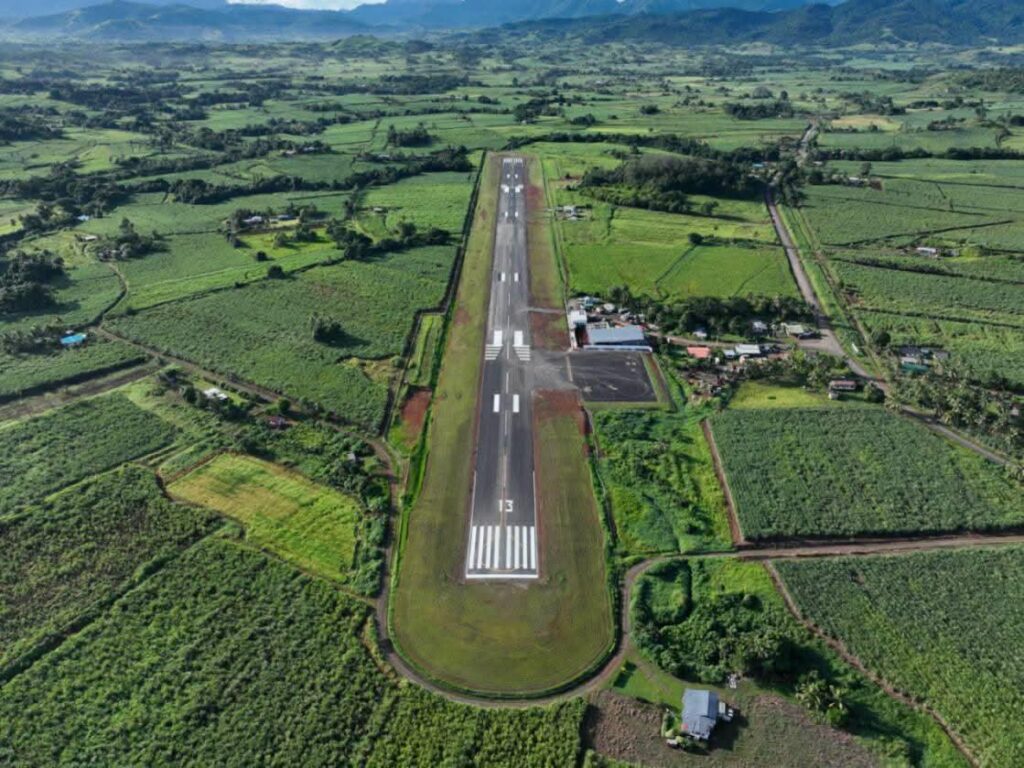
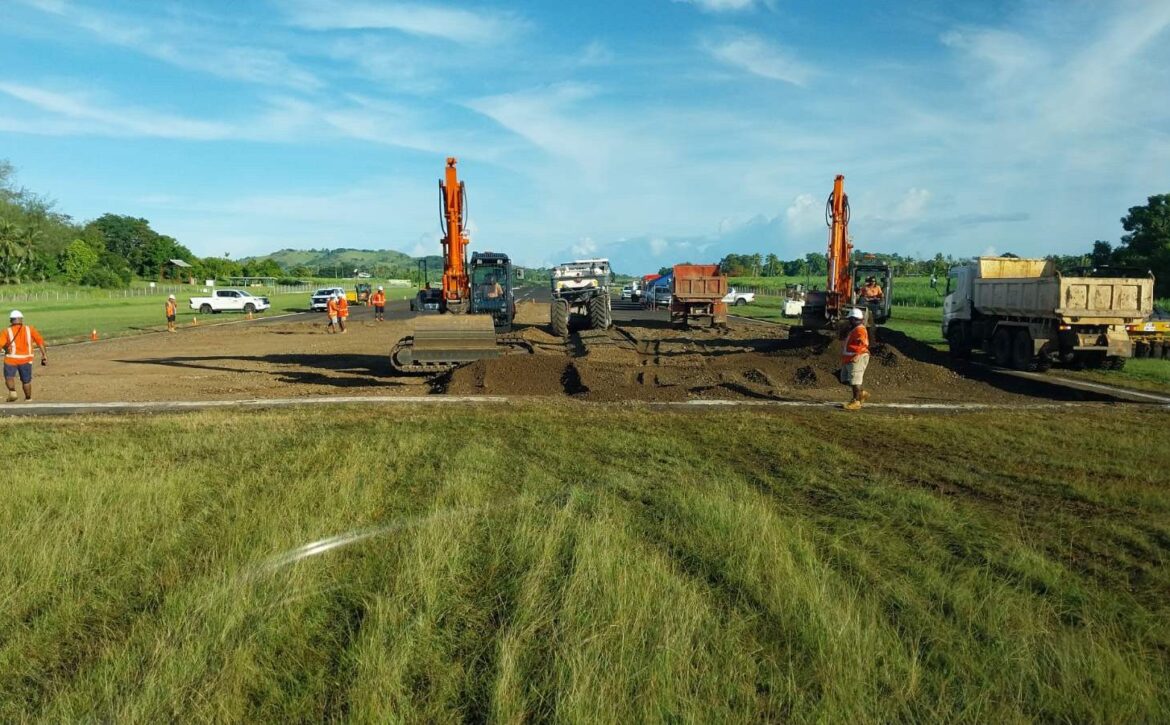
An aerial view of the Labasa Airport runway following the completion of the strengthening works this week.
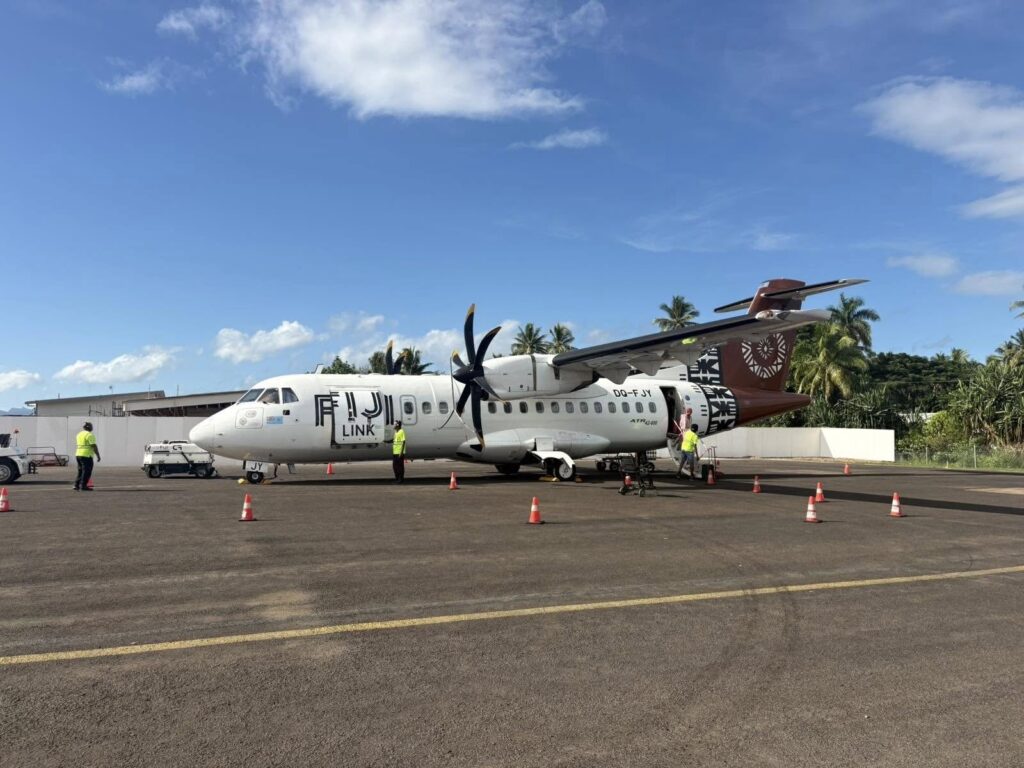
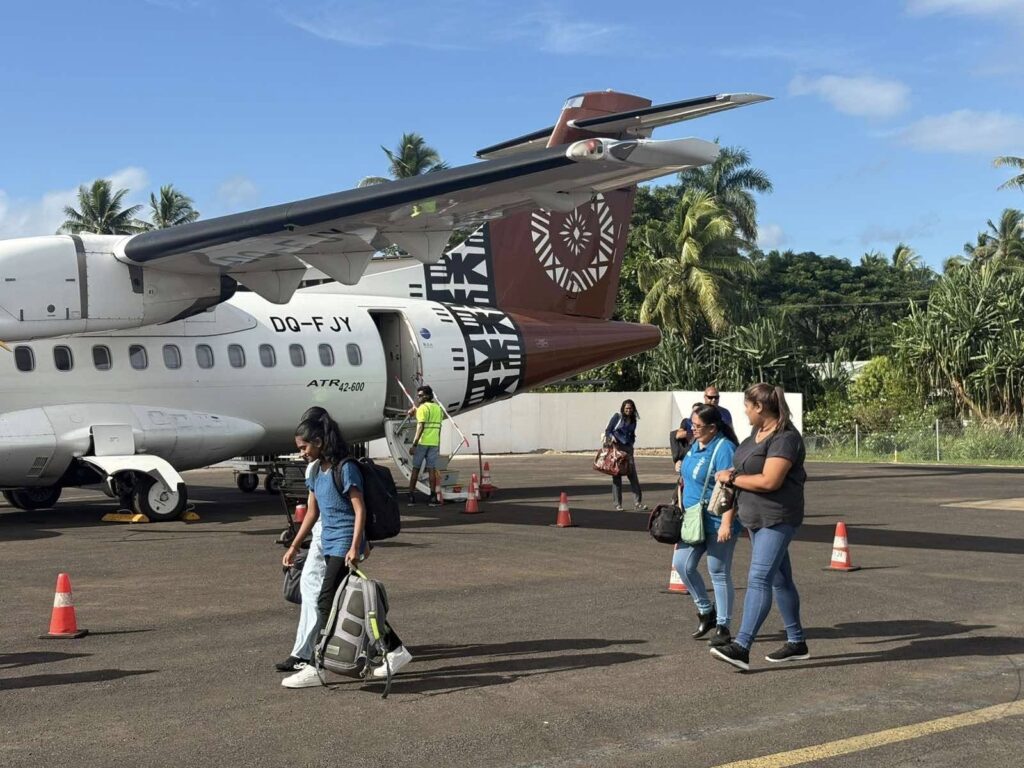
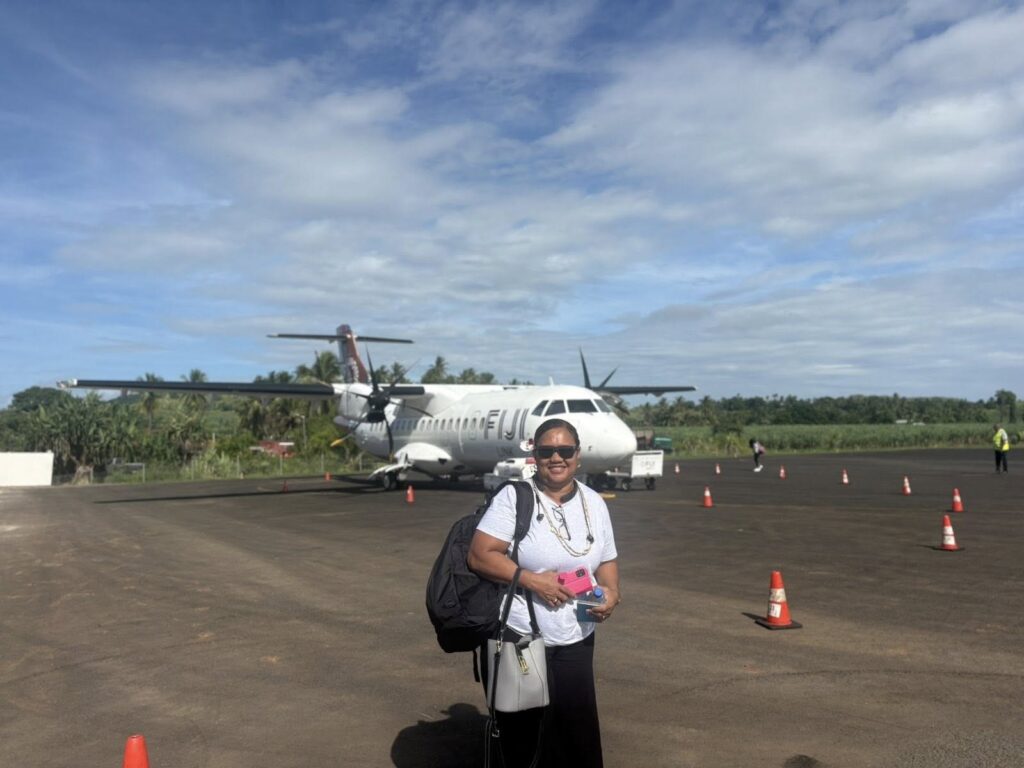
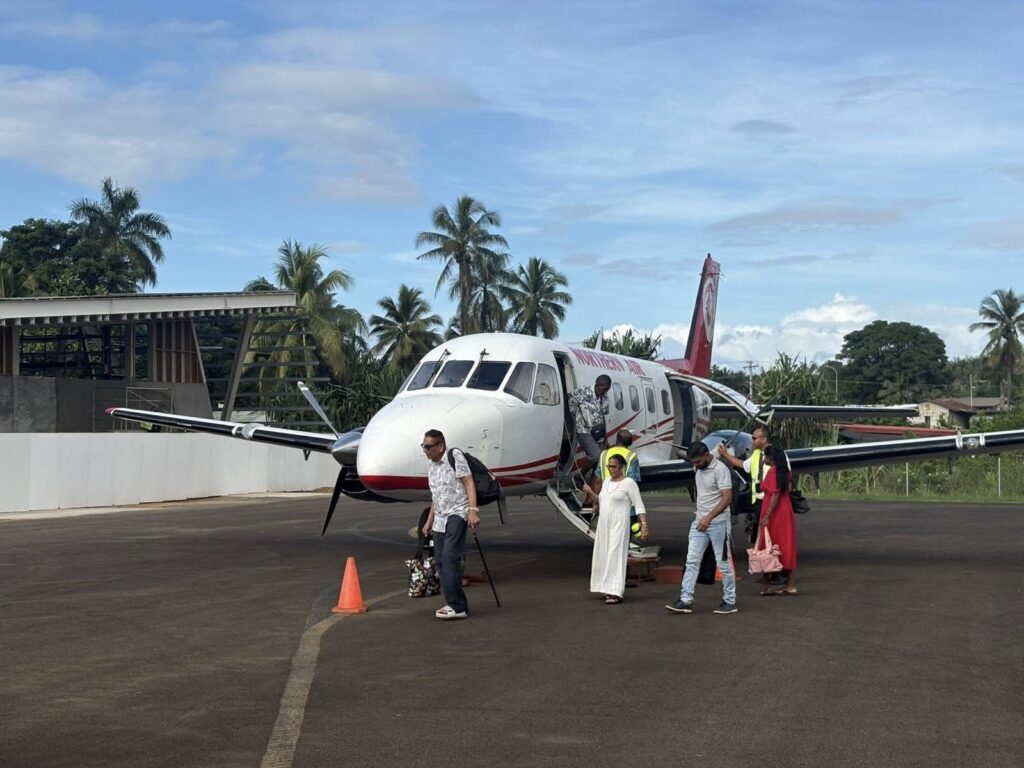
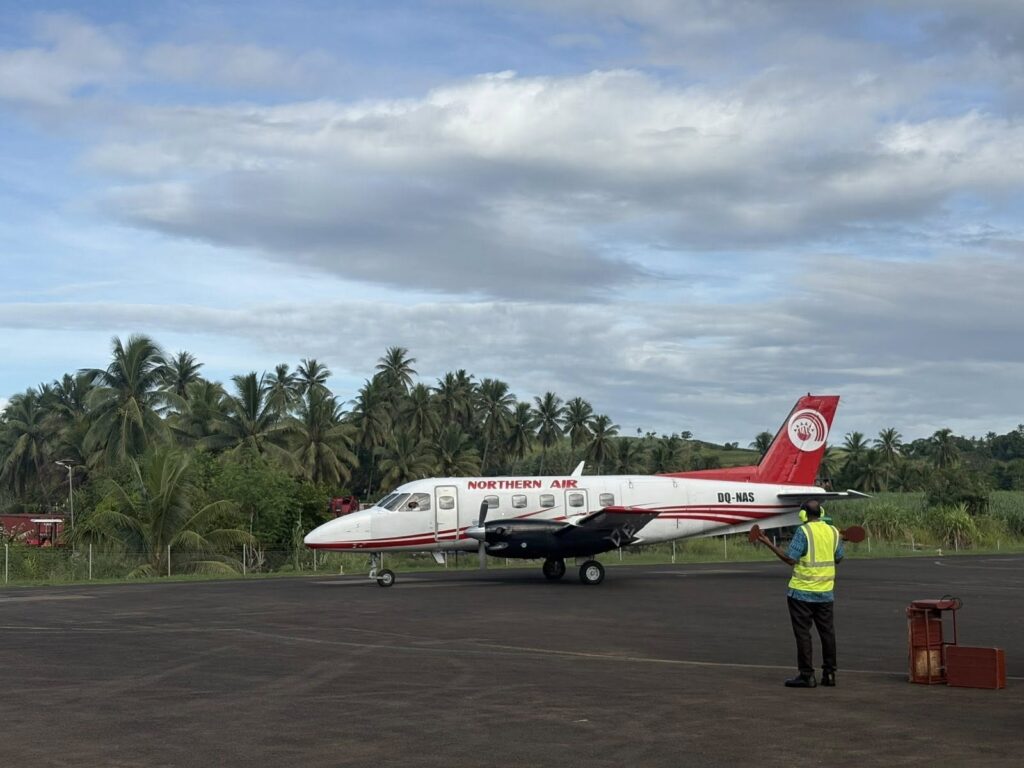
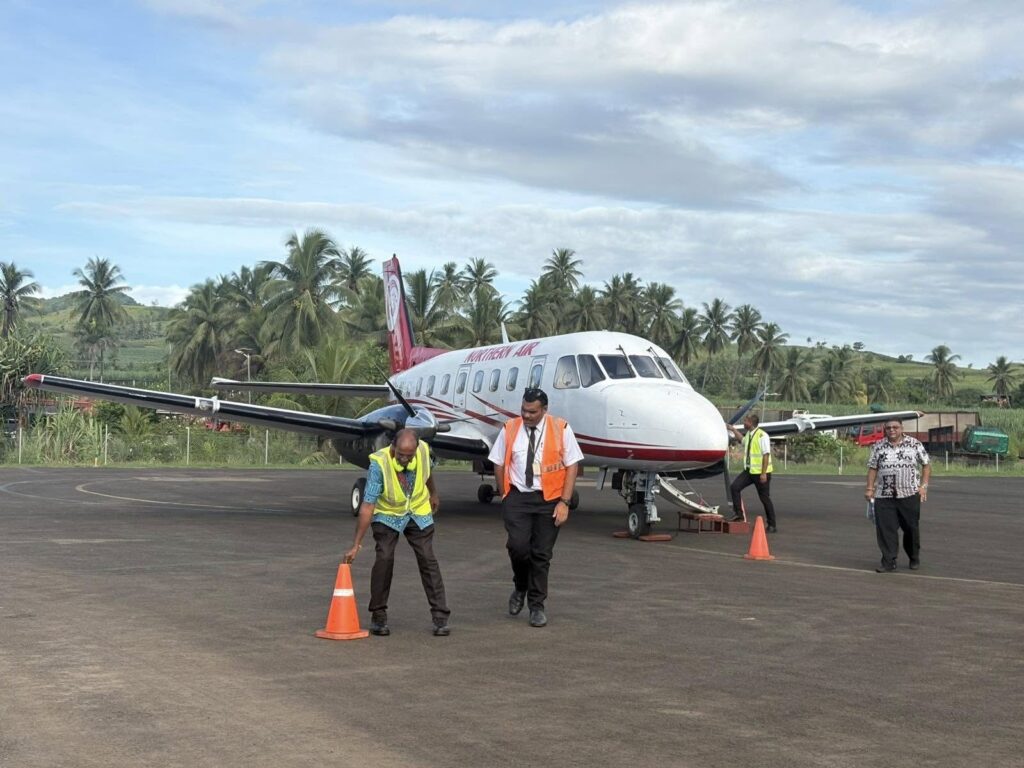
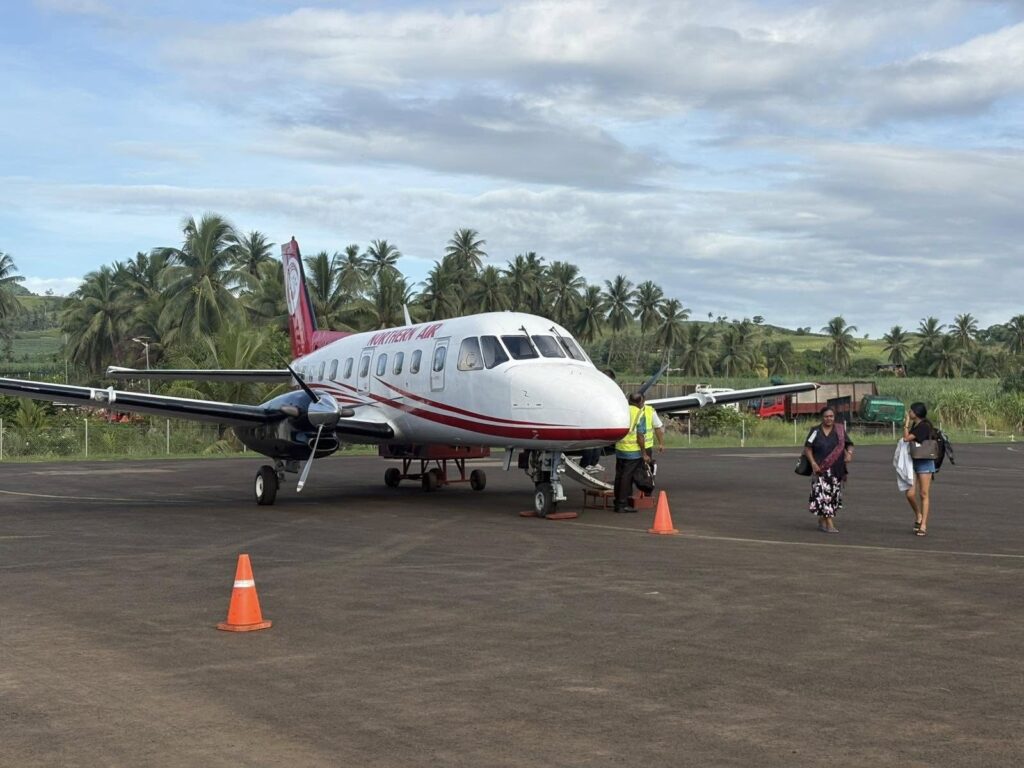
This morning,Fiji Airports welcomed Northern Air’s first arriving passengers to Labasa Airport as Waiqele officially reopened after six weeks.
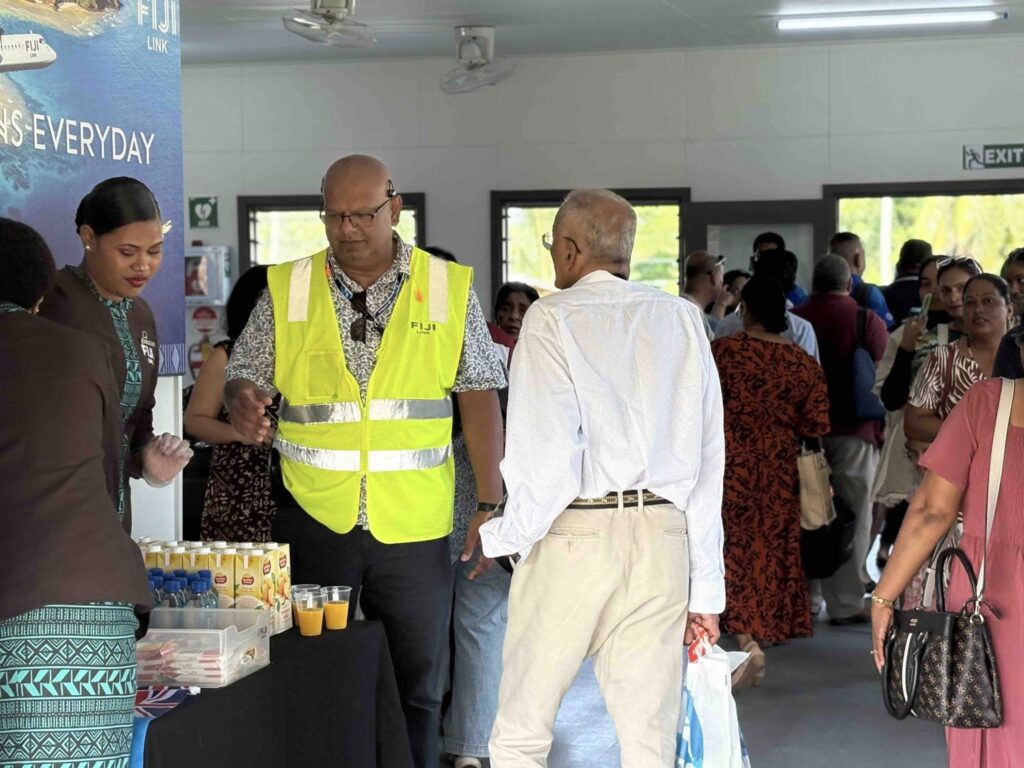
The Fiji Airways crew made it extra special by welcoming passengers with beautiful necklaces, refreshments, and warm island smiles.
✈️ Our Environment and Social Officers undertook an Environmental and Social (E&S) site inspection at #LabasaAirport to review ongoing resilience works and ensure compliance with project safeguard requirements.
As part of this engagement, the team also delivered training on Sexual Exploitation, Abuse and Harassment (SEAH) prevention and the Grievance Redress Mechanism (GRM) to staff from Flame Tree, BECA, and Fiji Airports.
These sessions reinforced clear reporting pathways, respectful workplace standards, and accountability across all contractors and partners operating on site.
Why this matters: strong safeguards and awareness on the ground help ensure infrastructure upgrades are delivered responsibly, with the safety, dignity, and rights of workers and communities protected throughout implementation.
Limited air connectivity has long constrained tourism growth and economic opportunities across Fiji’s Northern Division.
The #NaVualikuProject is helping address this challenge through coordinated investments to strengthen aviation infrastructure and improve access to the North.
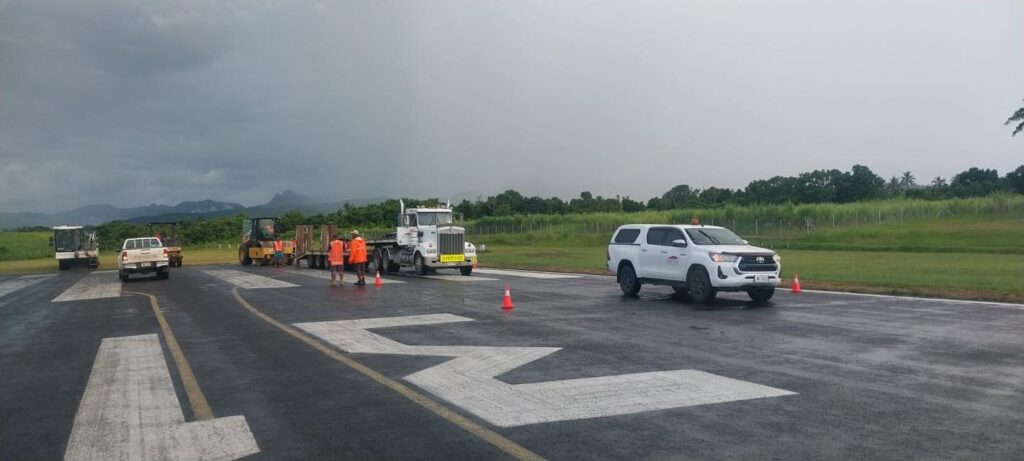
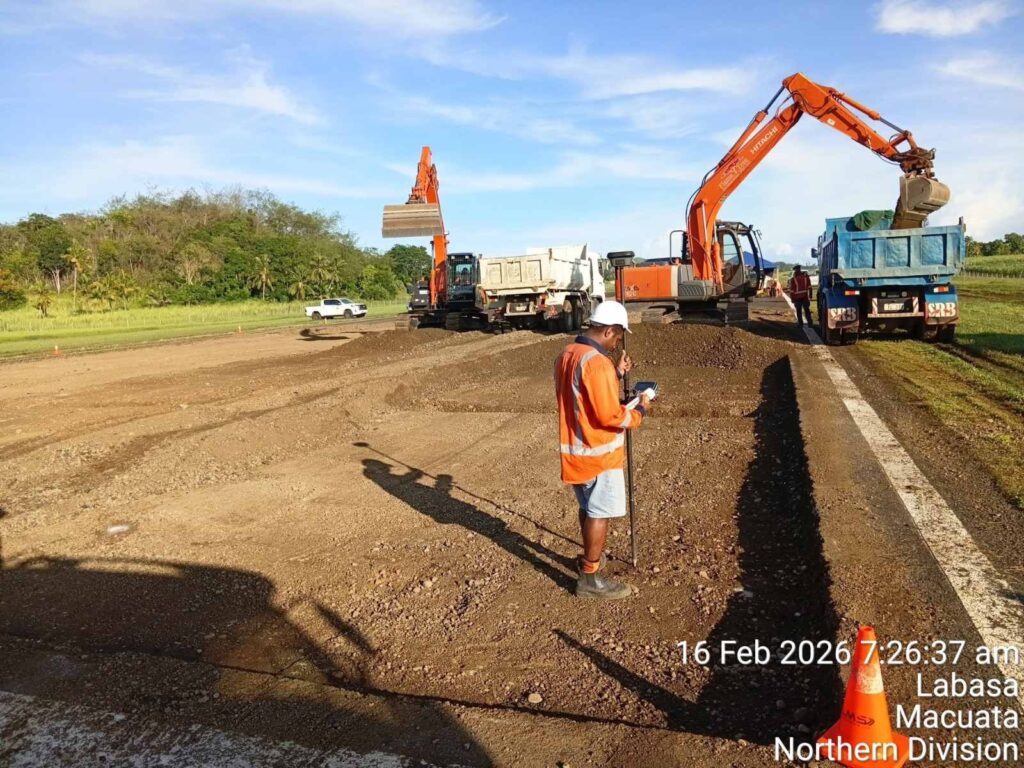
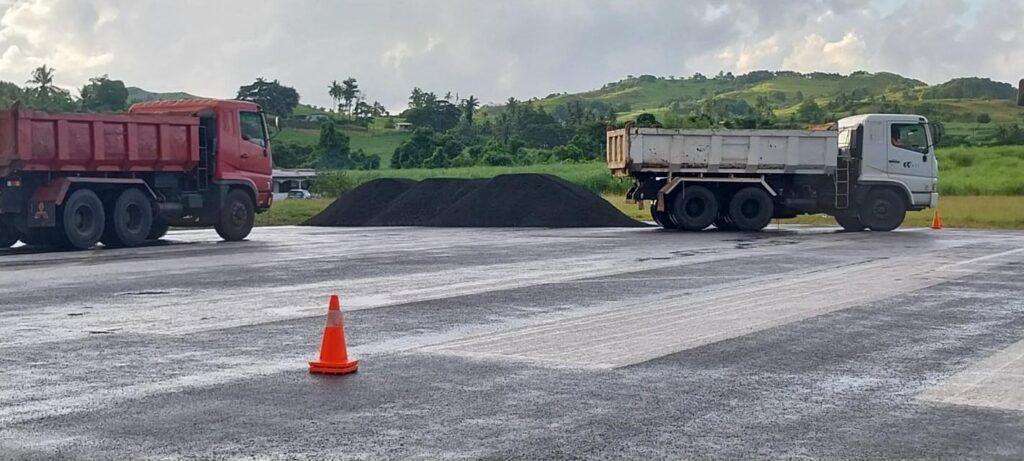
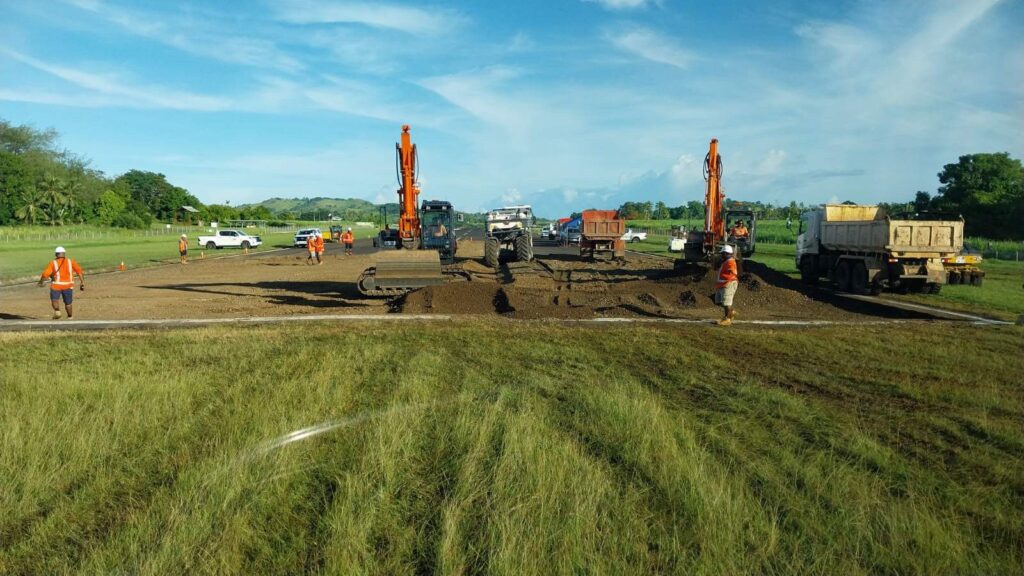
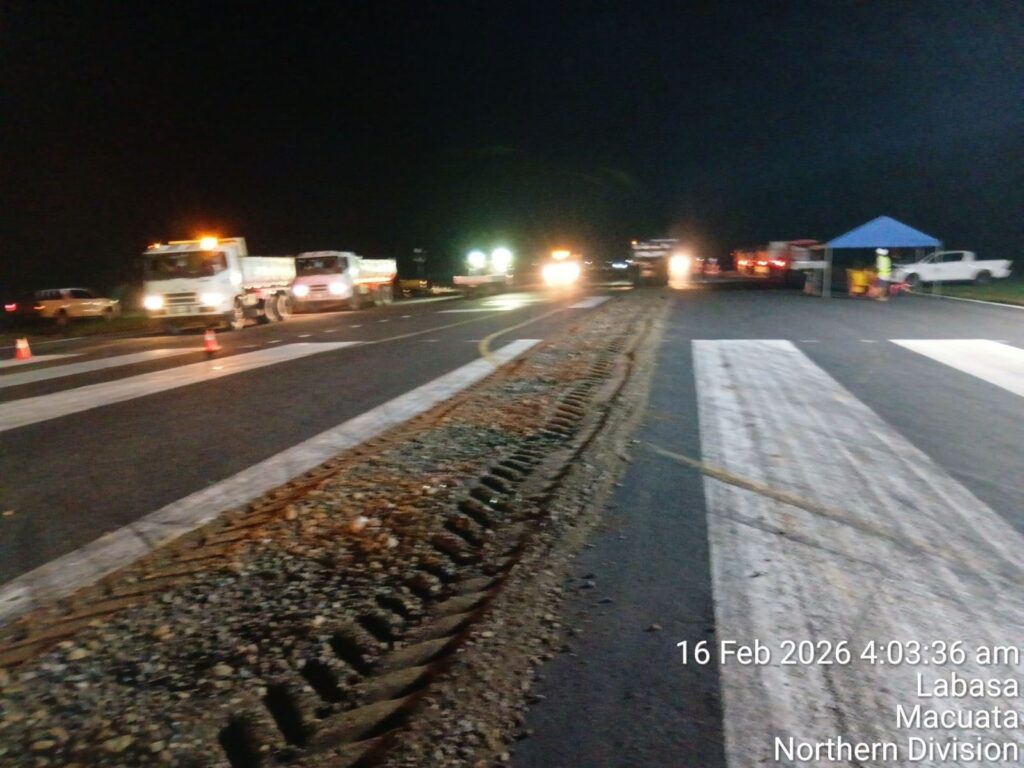
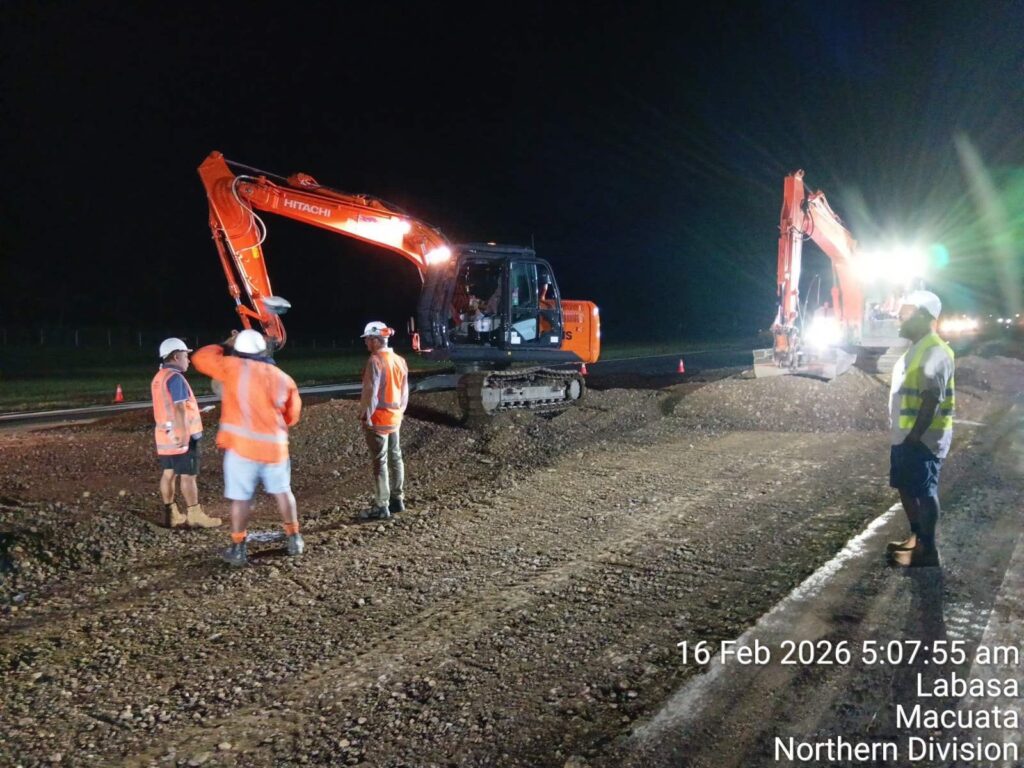
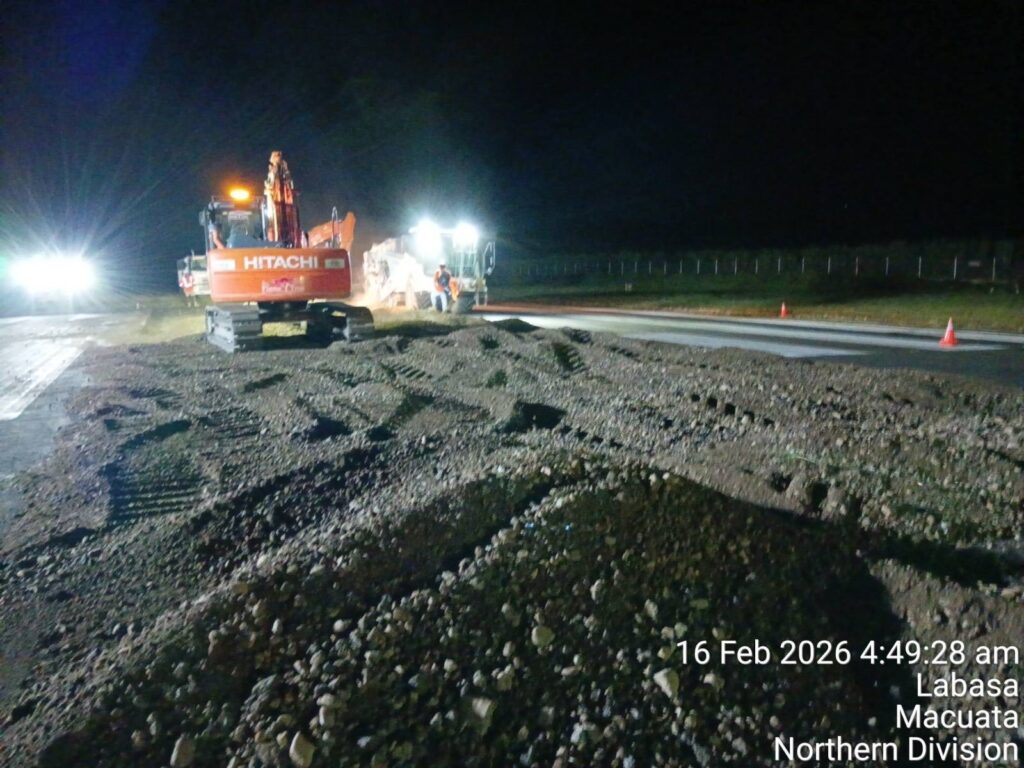
At Labasa Airport, critical runway strengthening works are underway from 16 February to 27 March 2026. The upgrade will improve safety and increase the runway’s load-bearing capacity, allowing it to accommodate ATR 72 aircraft once completed. Fiji Airports is working closely with airline partners and transport providers to ensure alternative travel options remain available during the temporary closure.
Further improvements are also being designed for Labasa and Savusavu airports, including a new terminal building for Savusavu Airport. In parallel, installation of a Remote Tower Aerodrome Flight Information System (AFIS) at Labasa Airport will begin early this year, enabling modern remote monitoring and management of air traffic to enhance aviation safety.
Assessments for a potential new domestic airport for Vanua Levu are also expected to begin soon.
Together, these investments are strengthening safety, expanding connectivity, and supporting the long-term growth of tourism and local economic opportunities in the Northern Division.
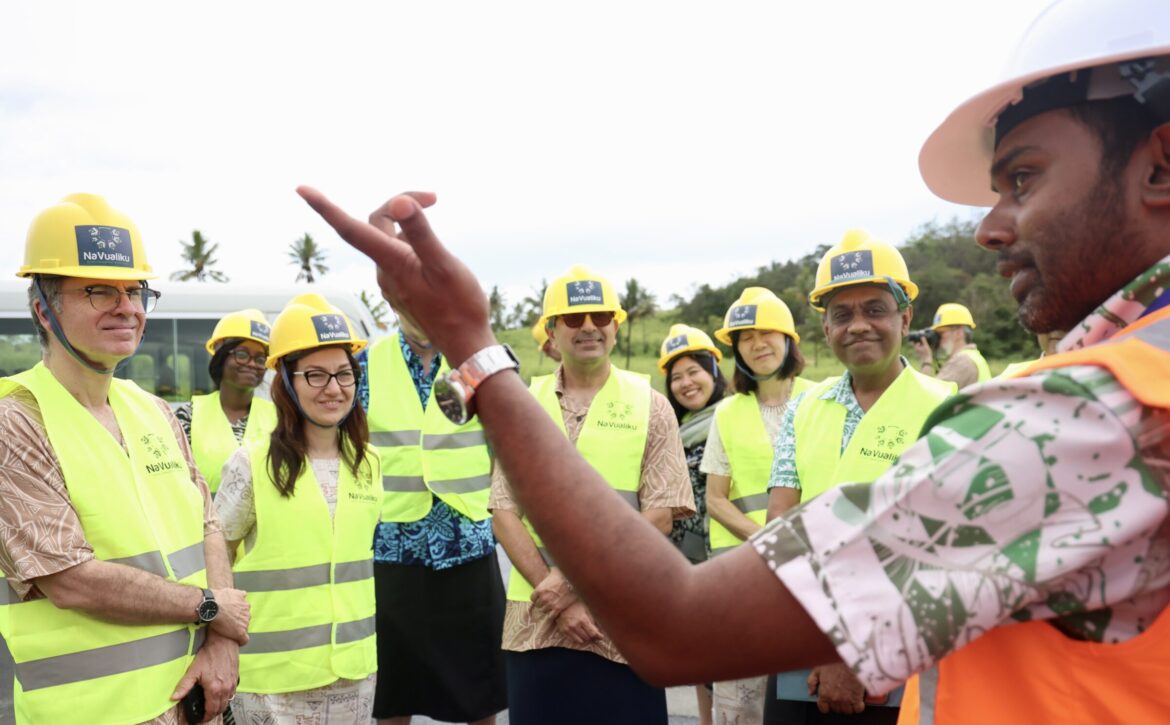
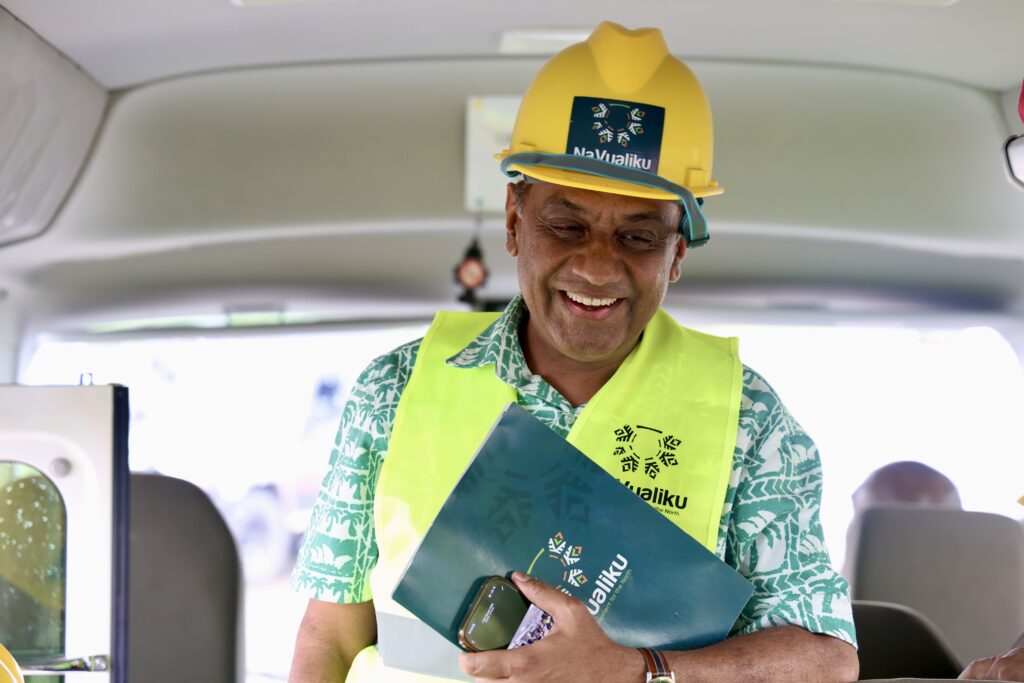
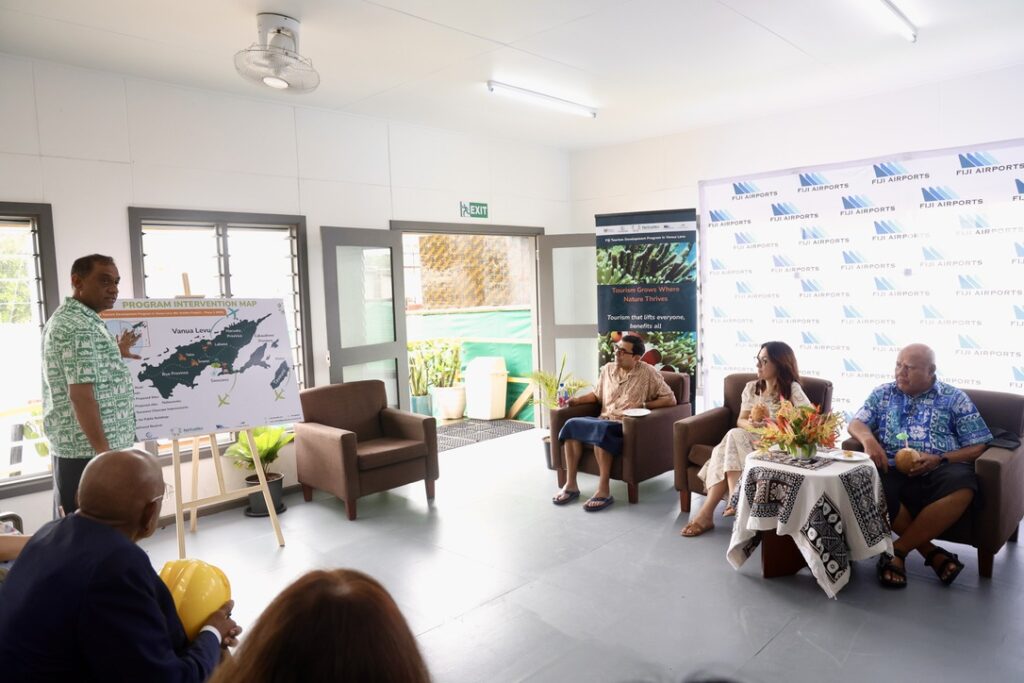
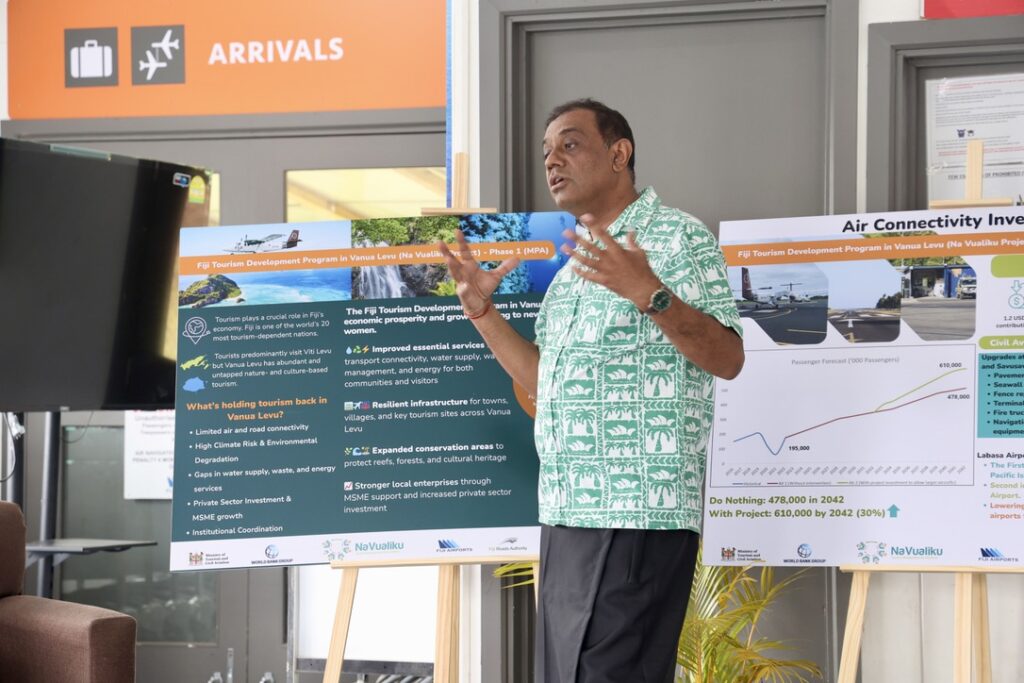
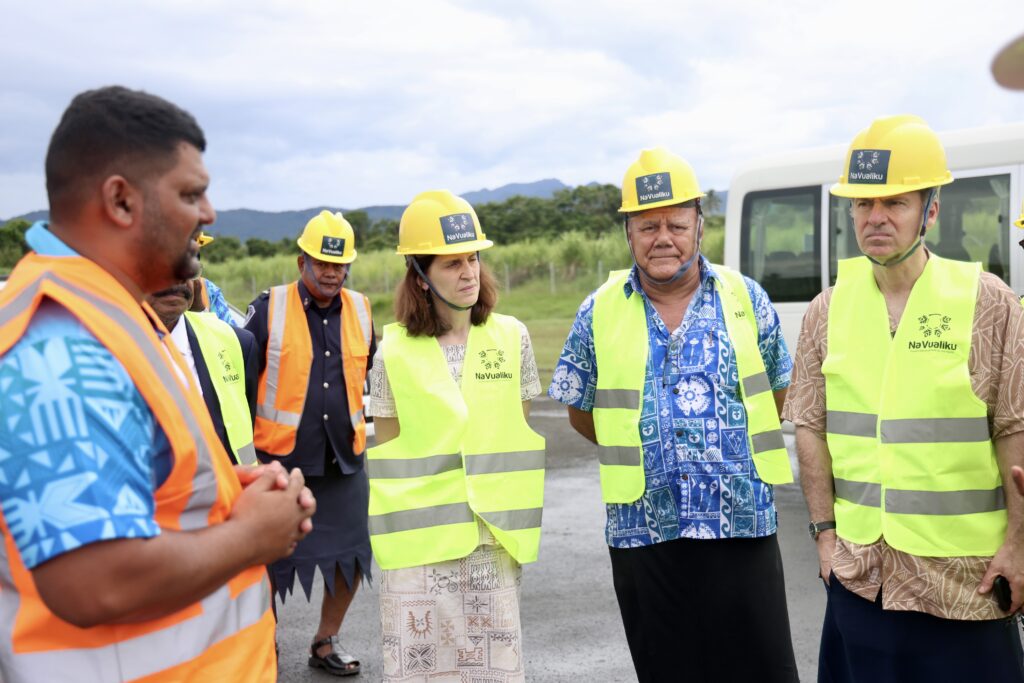
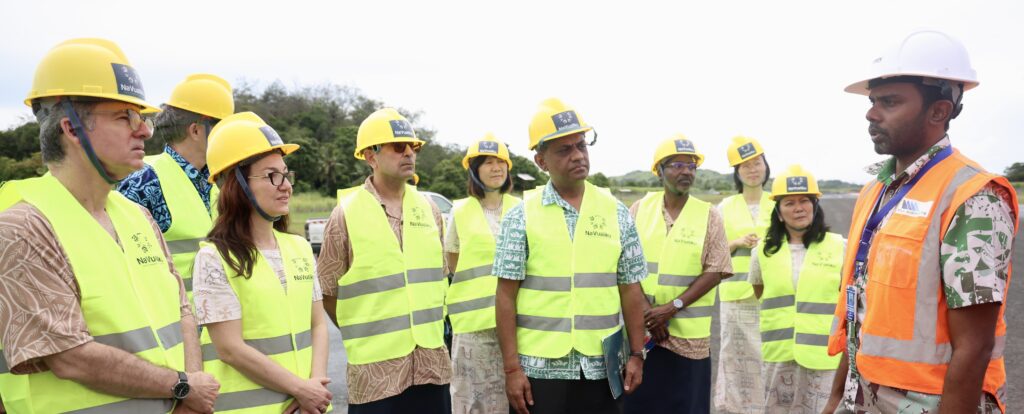
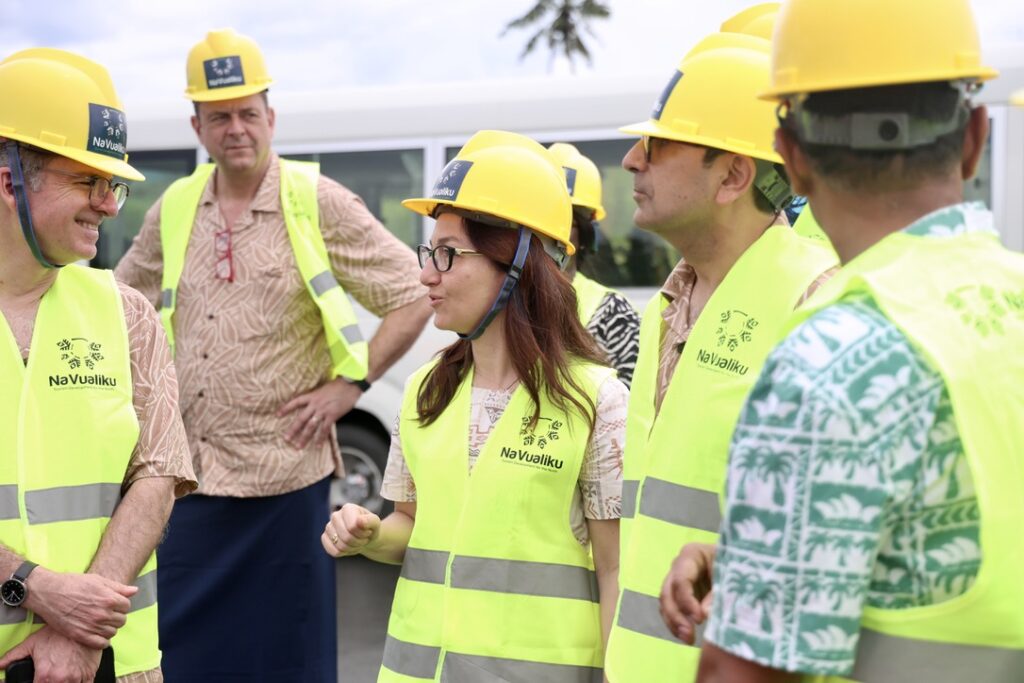
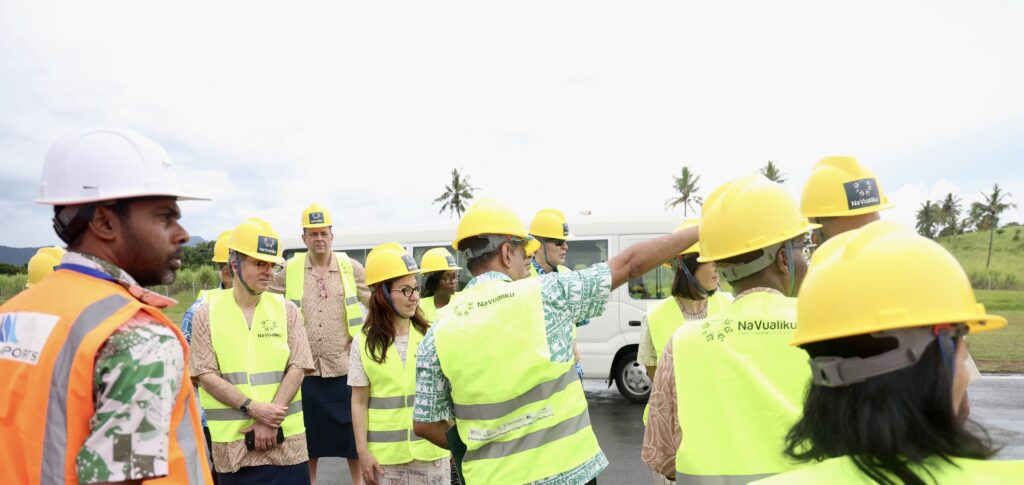
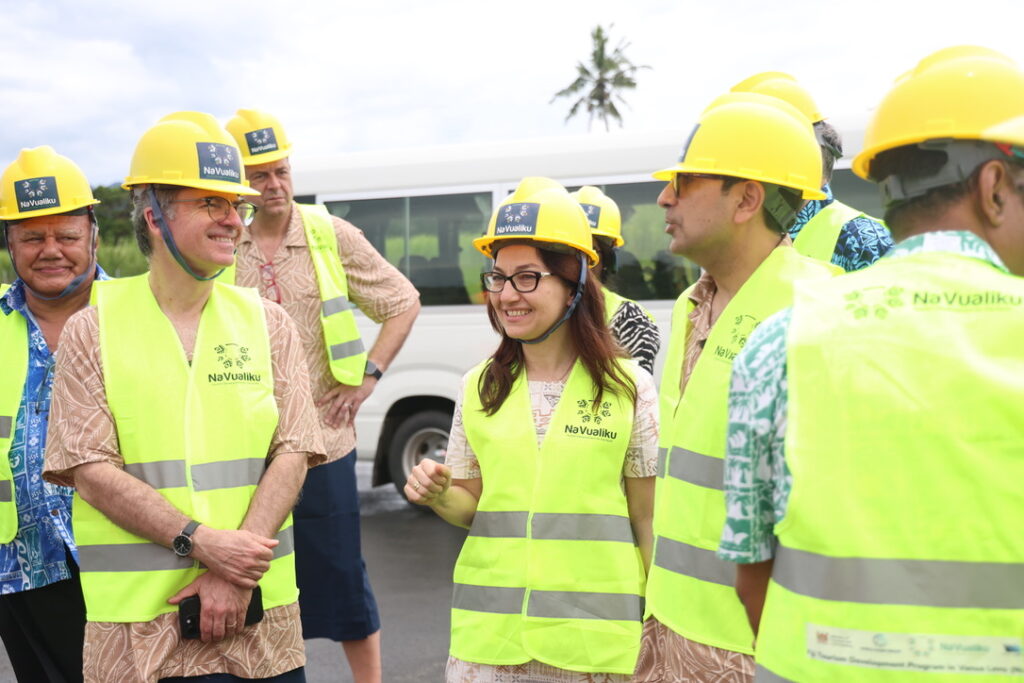
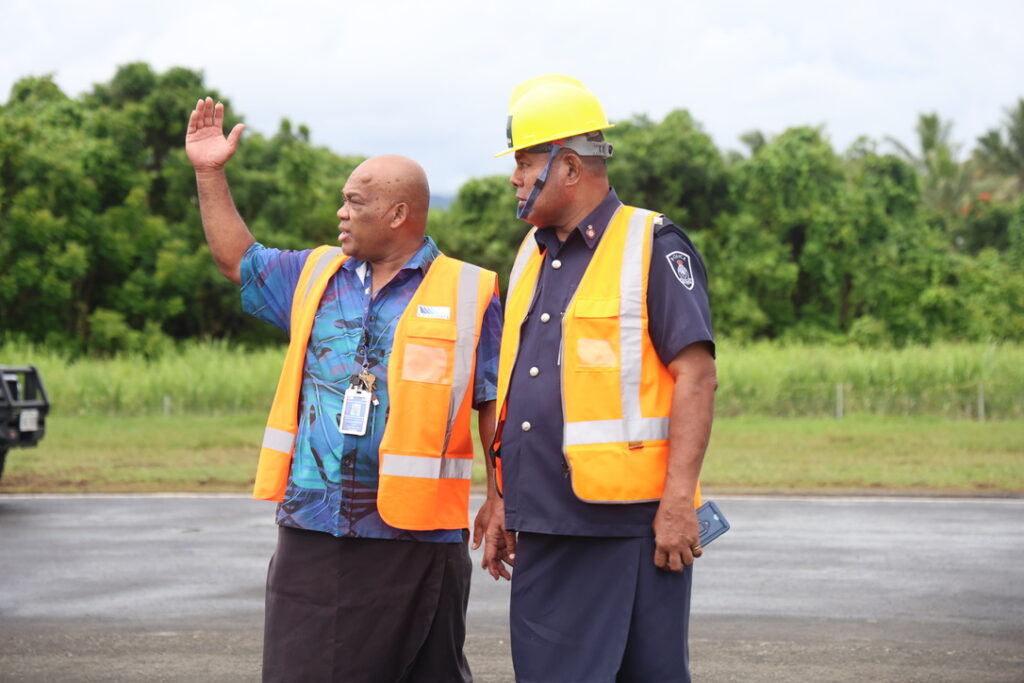
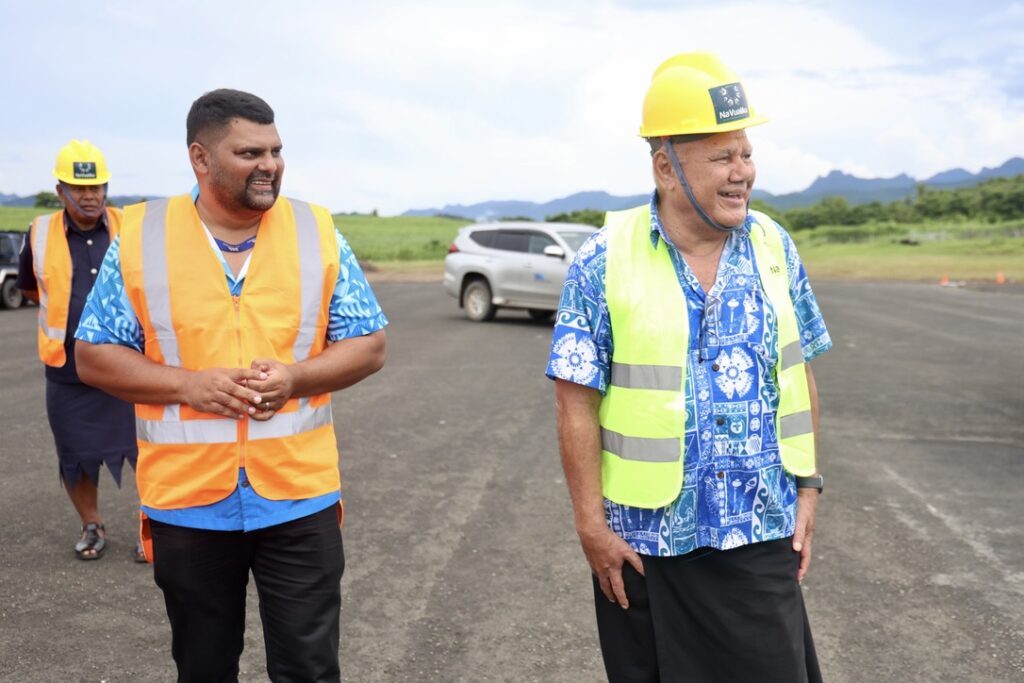
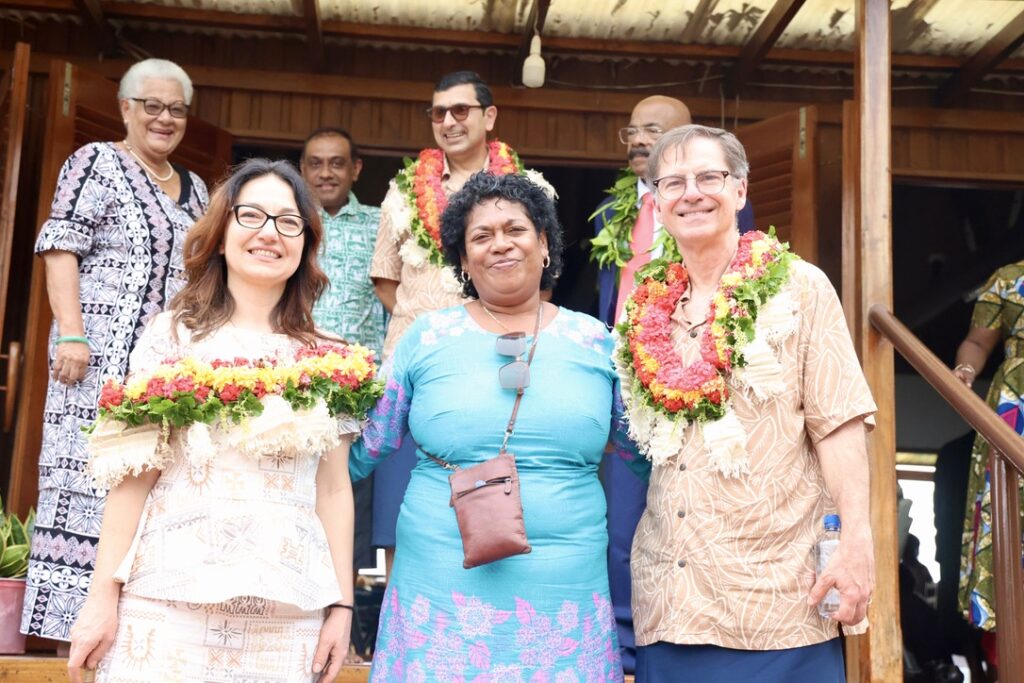
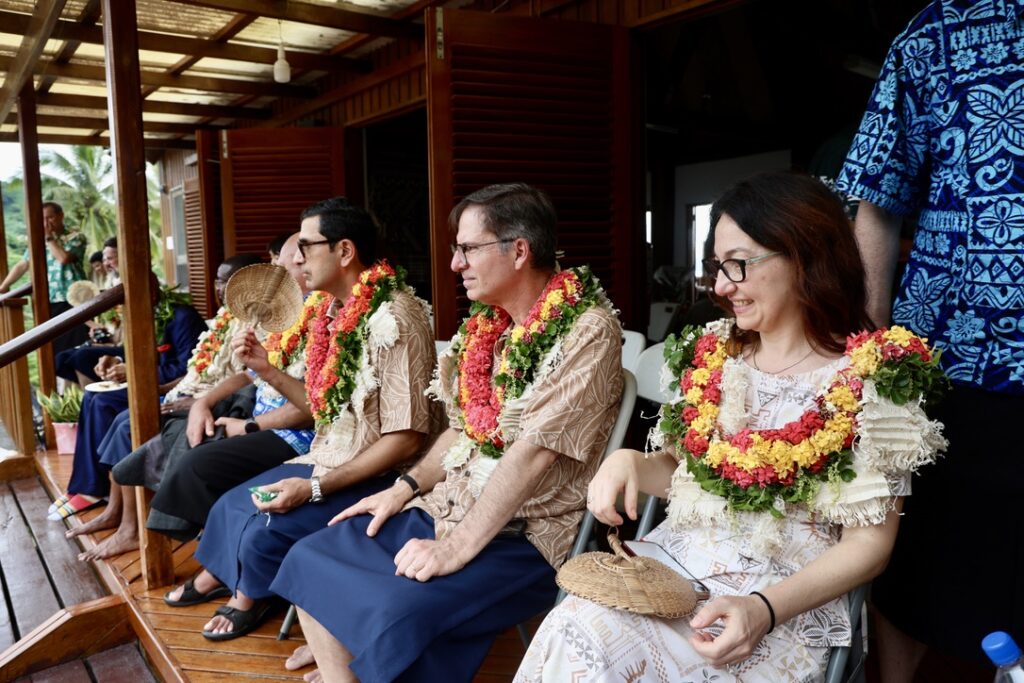
During their visit to Vanua Levu, Deputy Prime Minister and Minister for Tourism and Civil Aviation Hon. Viliame Gavoka, together with Carlos Felipe Jaramillo, World Bank Vice President for the East Asia and Pacific Region, Gallina A. Vincelette, World Bank Vice President for Operations Policy and Country Services, and Sarvesh Suri, IFC Regional Vice President for Asia and the Pacific, were updated by our implementing partner, Fiji Airports on progress toward these critical aviation investments.
Across Vanua Levu, many women entrepreneurs and Community-Based Tourism (CBT) enterprises have the ideas and cultural assets to participate in tourism but often face limited access to skills, networks, and investment.
The #NaVualikuProject is helping close this gap by strengthening MSMEs, CBTs and supporting women-led enterprises so tourism growth translates into real opportunities for local communities.
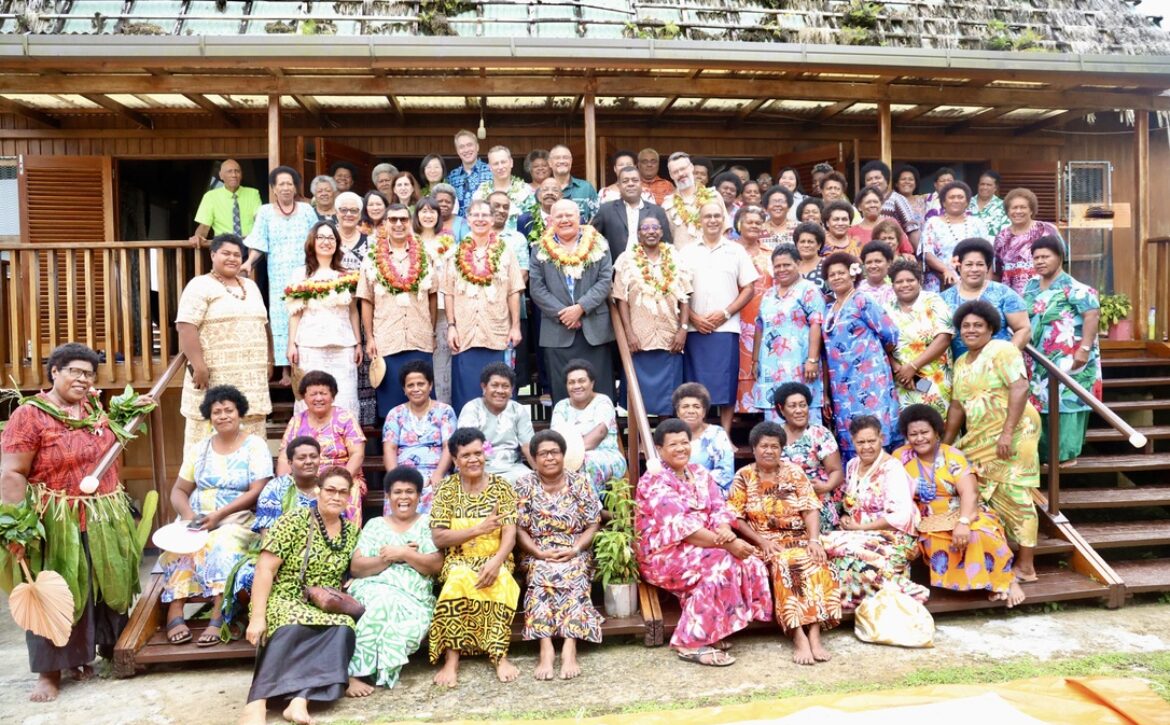
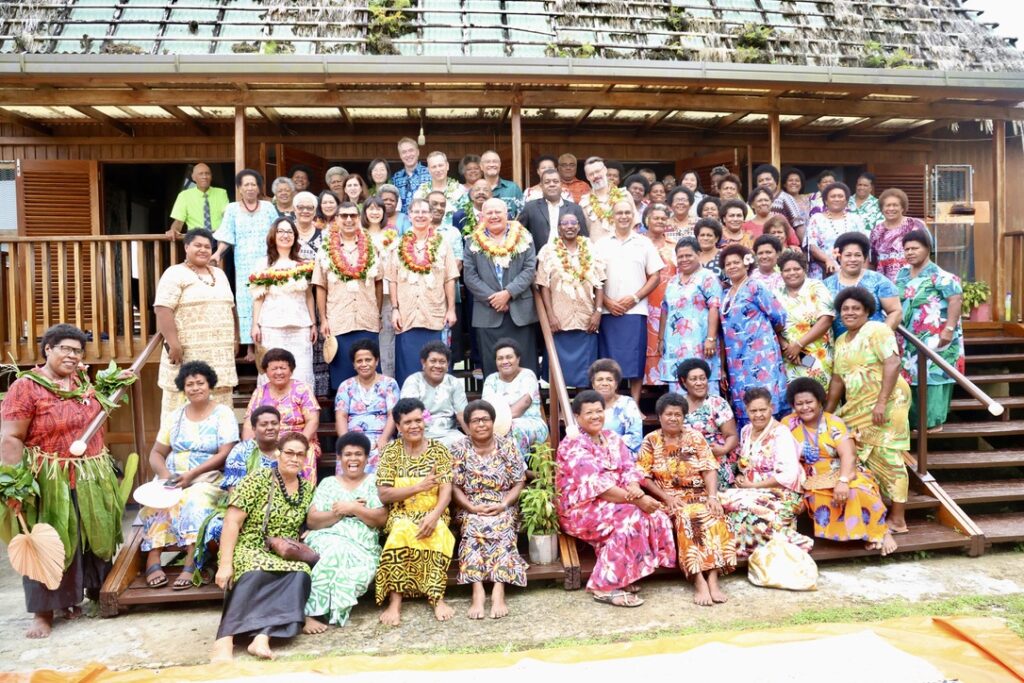
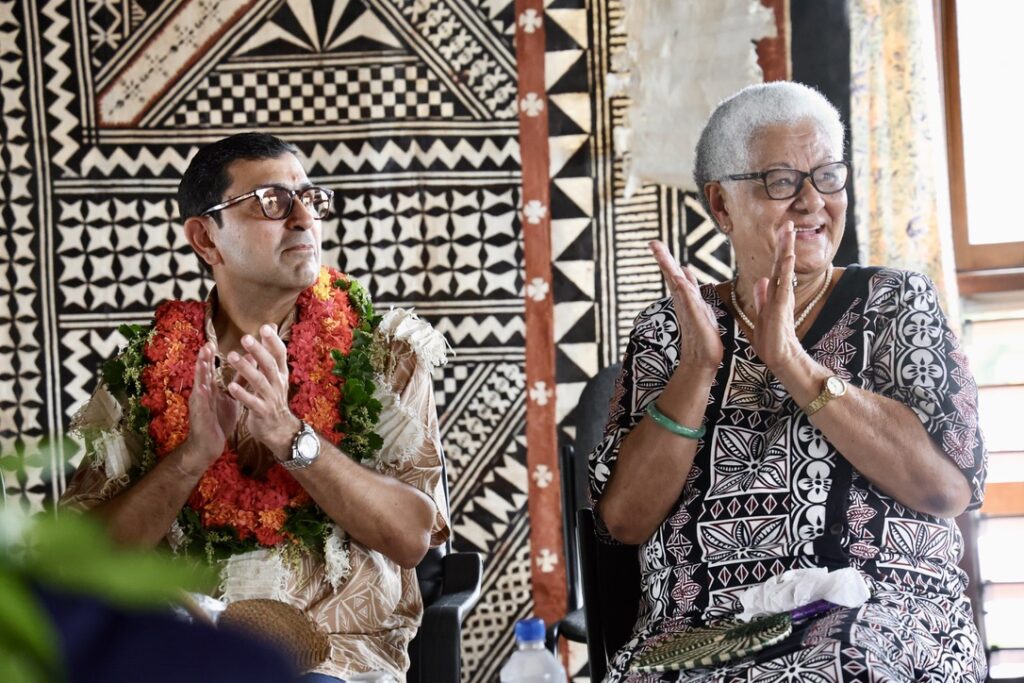
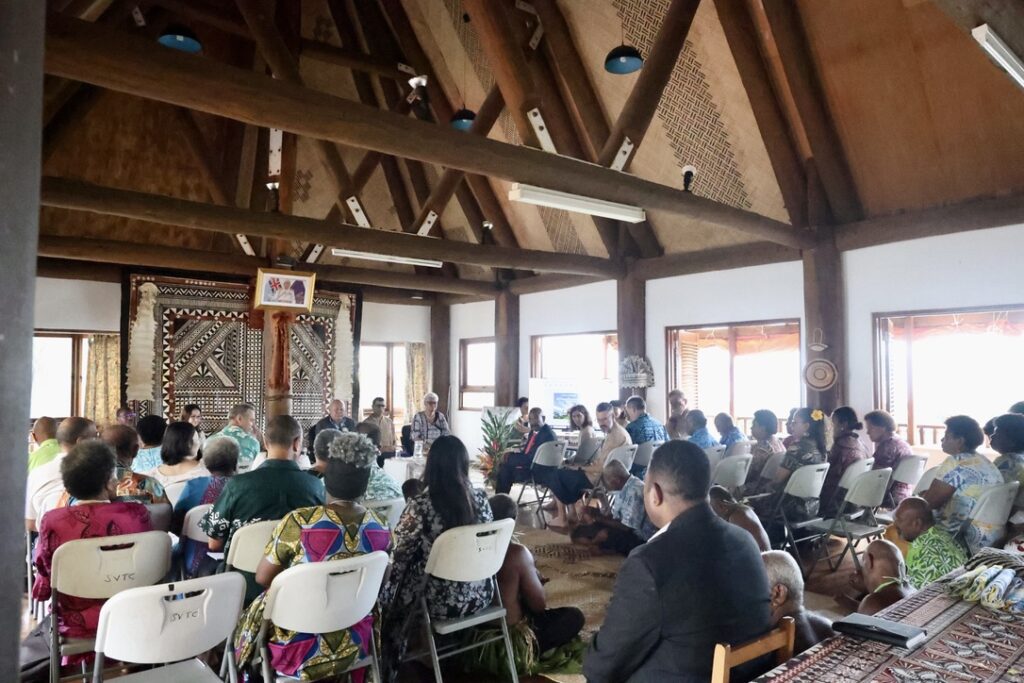
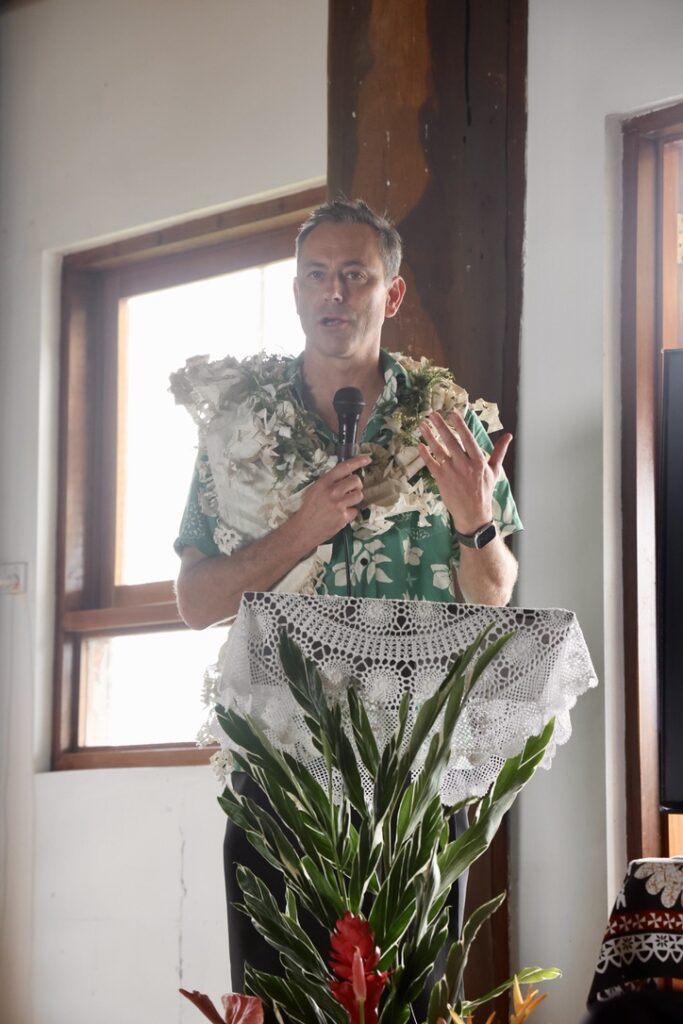
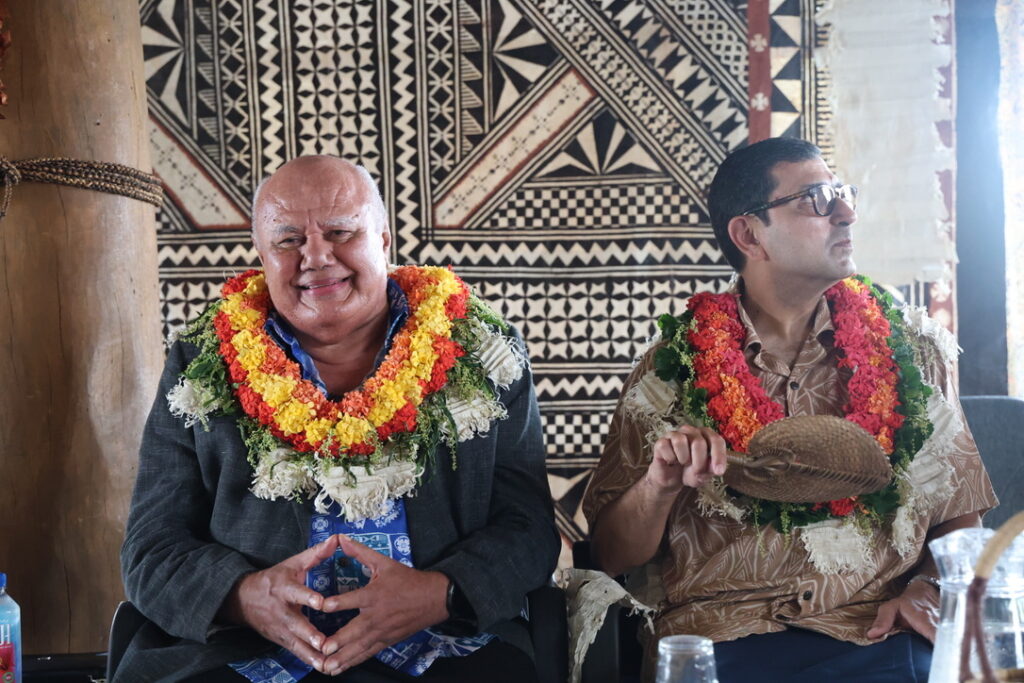
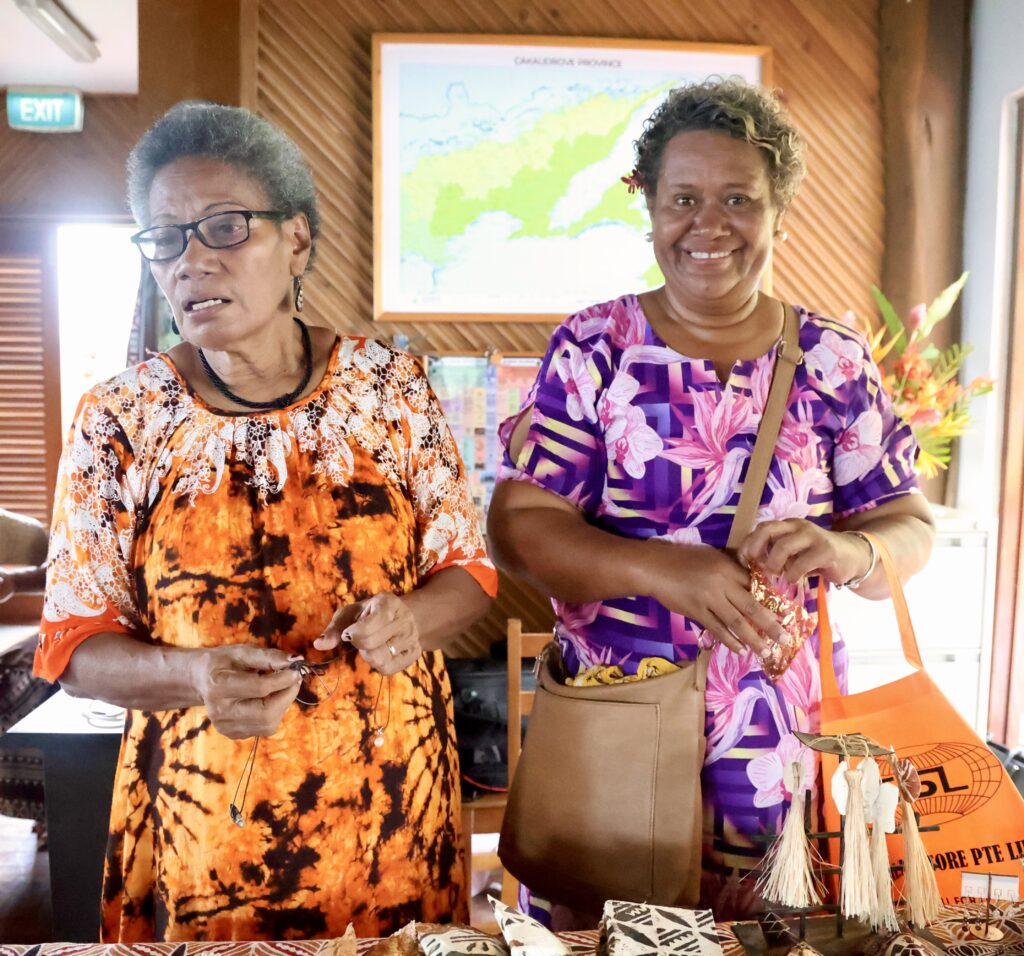
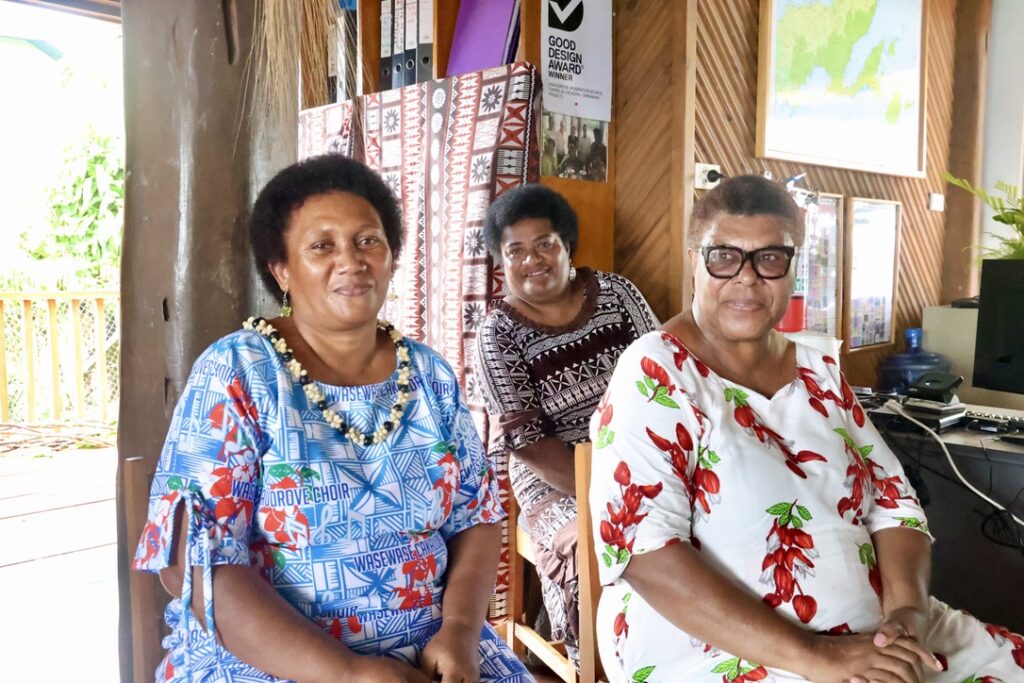
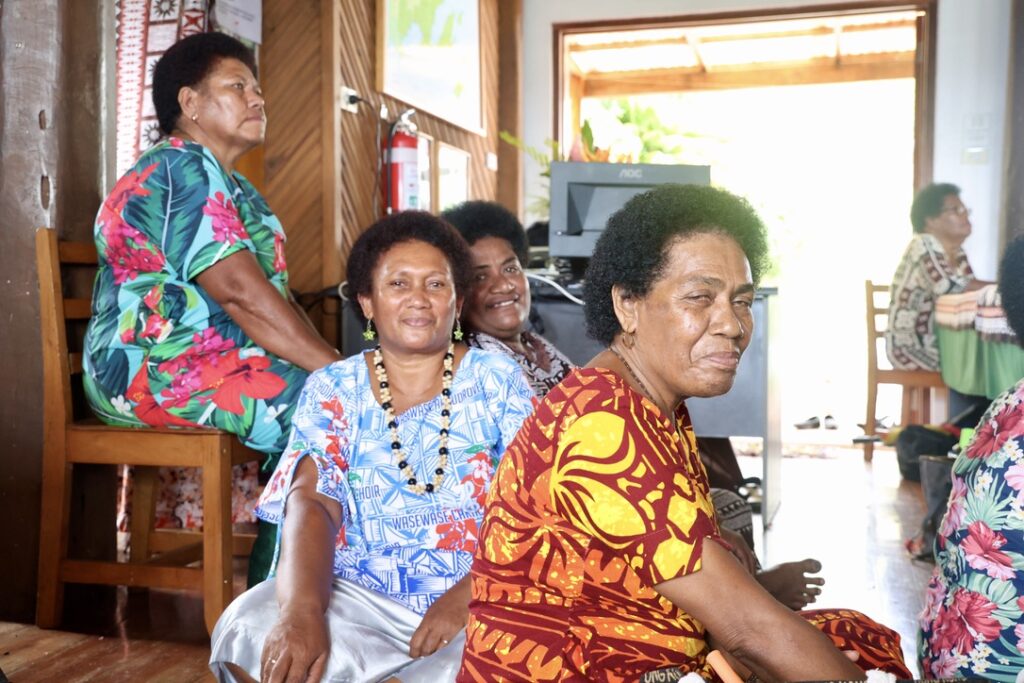
During their visit to Fiji, Carlos Felipe Jaramillo, World Bank Vice President for the East Asia and Pacific Region, Gallina A. Vincelette, World Bank Vice President for Operations Policy and Country Services, and Sarvesh Suri, IFC Regional Vice President for Asia and the Pacific, accompanied by the Deputy Prime Minister and Minister for Tourism and Civil Aviation Hon. Viliame Gavoka met with the women of Na I Soqosoqo Vakamarama I Taukei ni Cakaudrove – The Society for Indigenous Women of the Cakaudrove Province to hear directly from those helping shape resilient communities and local enterprise across the province. Representing indigenous women across all districts of Cakaudrove Province, the Soqosoqo Vakamarama Cakaudrove mobilises grassroots leadership and supports women-led initiatives that strengthen communities, culture, and local enterprise.
Supporting MSMEs, community-based tourism enterprises, and women entrepreneurs is a key pillar of the Project’s work to ensure tourism development in Vanua Levu and Taveuni is inclusive, locally driven, and economically empowering for all Fijians.
Works have commenced on runway pavement strengthening at Labasa Airport, with a temporary closure in effect from today until 27 March 2026. 🚧✈️
✅ Why this matters: These works are essential safety upgrades designed to strengthen the runway structure, support long-term operational performance, and ensure continued compliance with international aviation safety standards. This investment helps protect reliable air connectivity for the Northern Division well into the future.
🌴 Keeping Vanua Levu connected: To minimise disruption during the closure period, more than 40 additional flights to and from Savusavu Airport have been arranged in close collaboration with airline partners and key stakeholders.
🗣️ Have feedback or concerns? We are committed to transparency and accountability. Any grievances, questions, or feedback related to the works can be formally submitted through the official Grievance Redress and Feedback Portal: 🔗 https://navualiku.com/grievance-redress-feedback-portal/
Thank you for your patience as these important works are delivered to improve safety, reliability, and resilience for our communities.
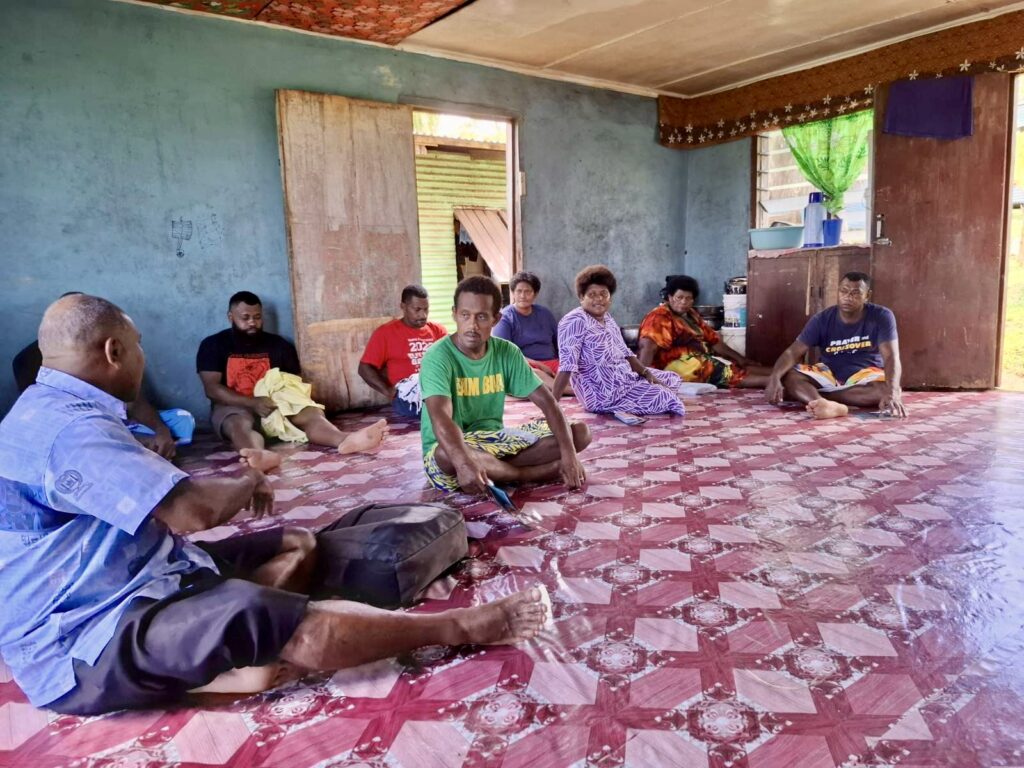
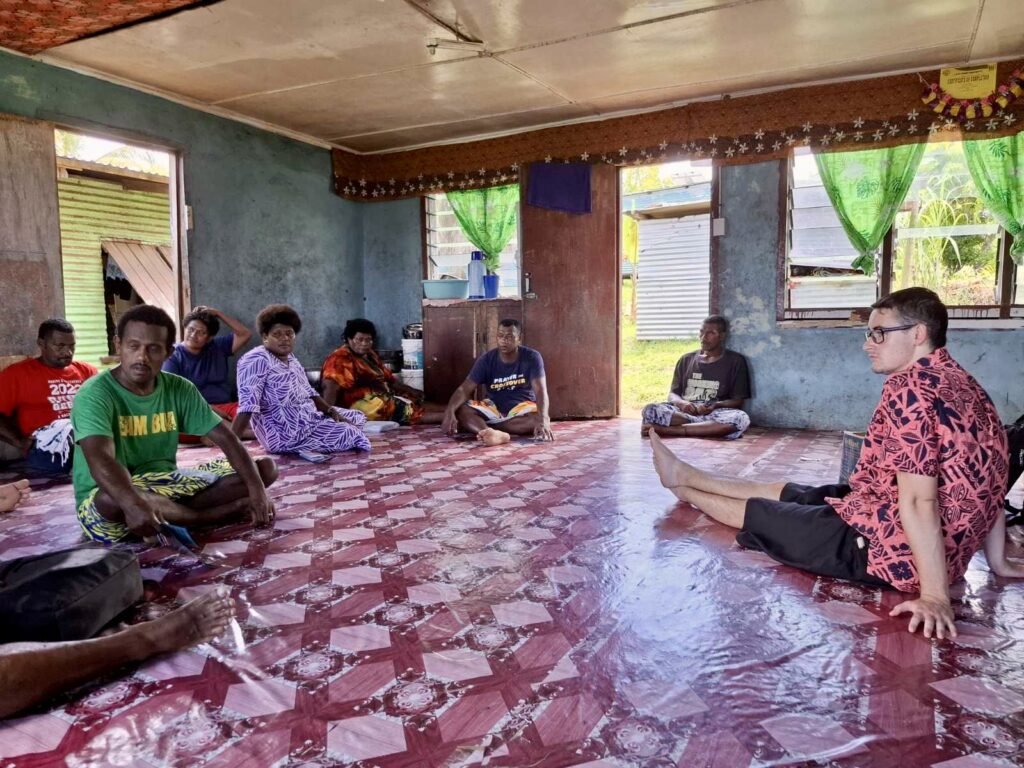
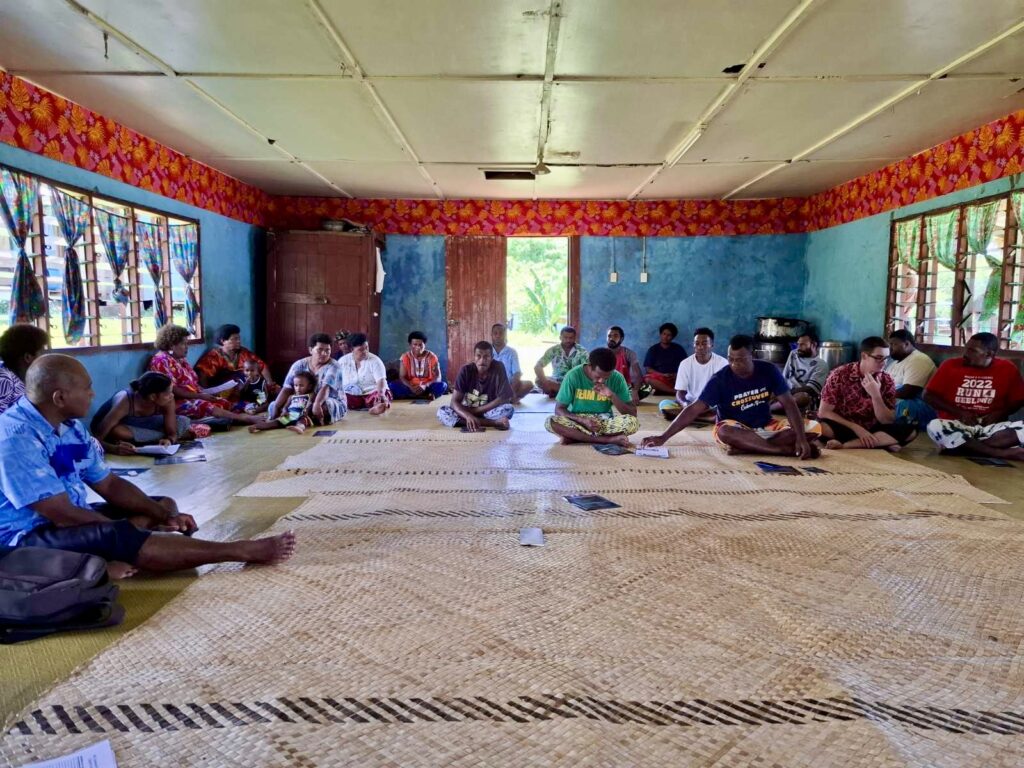
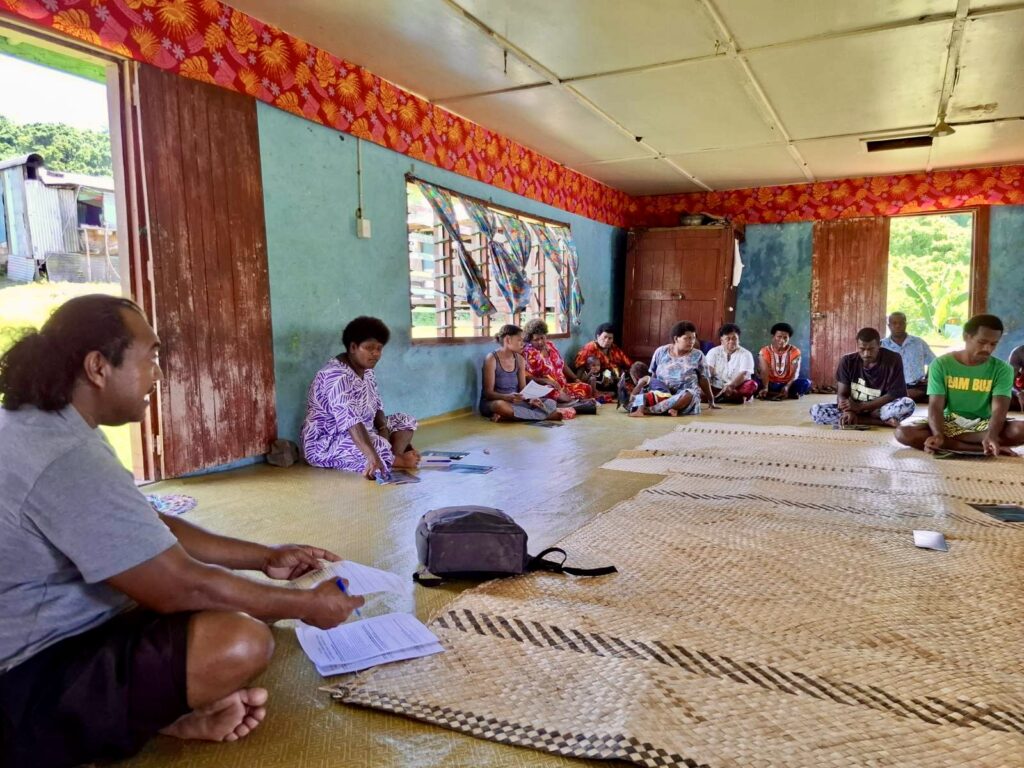
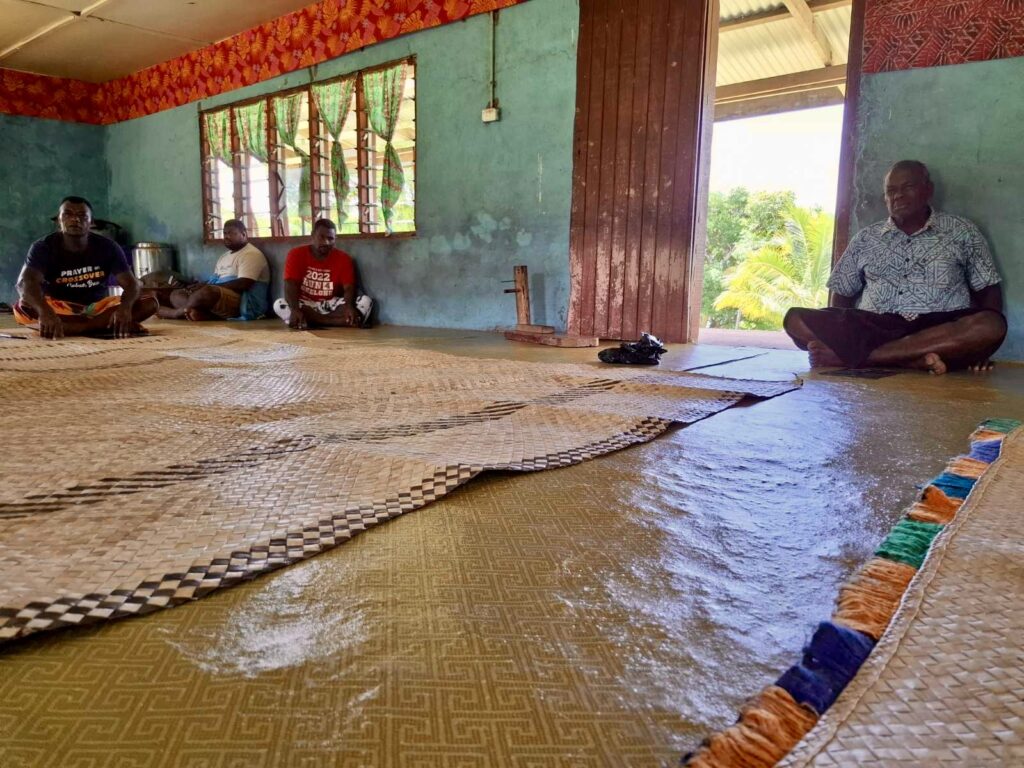
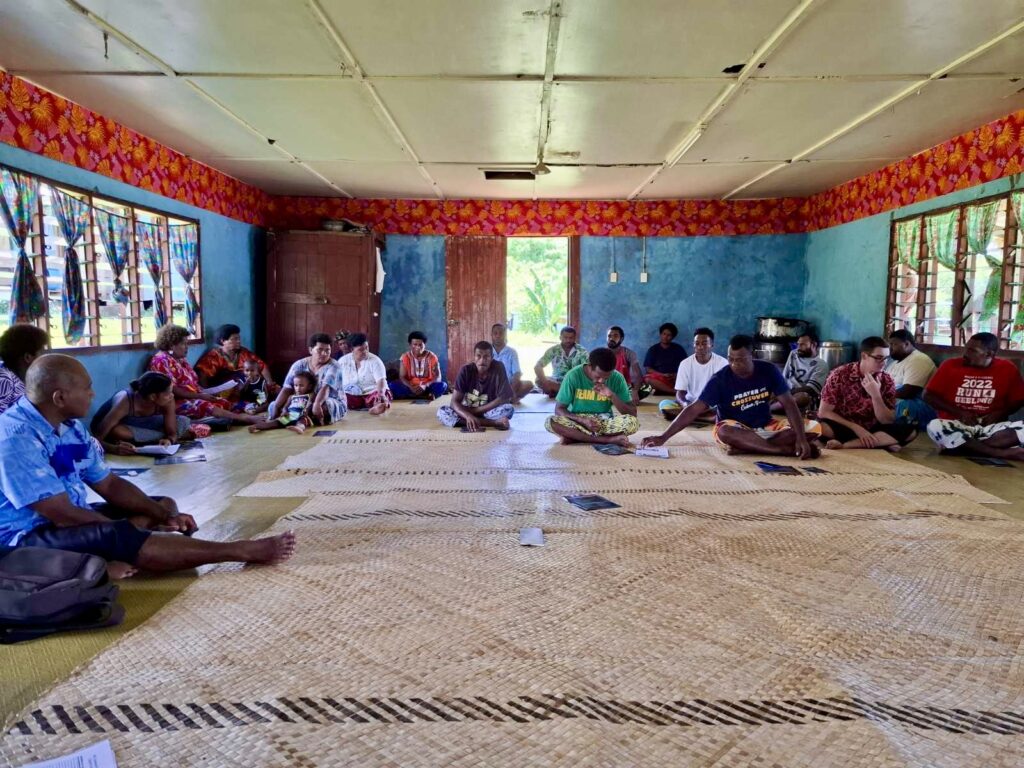
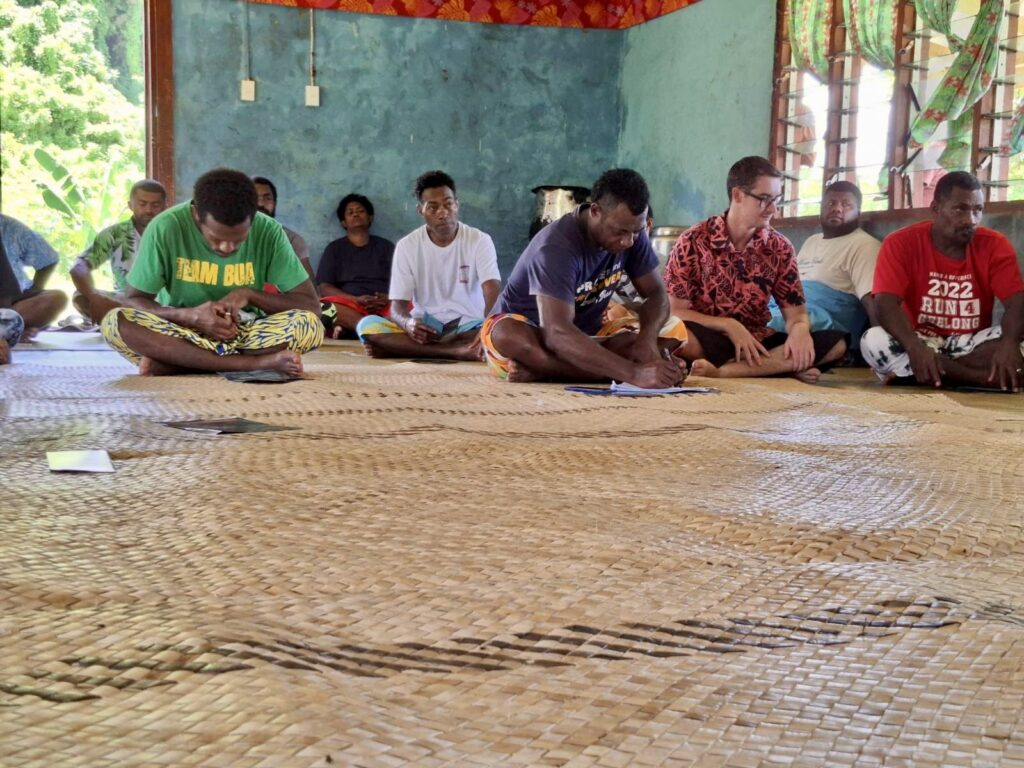
Nasau Village Mataqali Verevere | Nabouwalu Village |Dalomo Village | Votua Villag
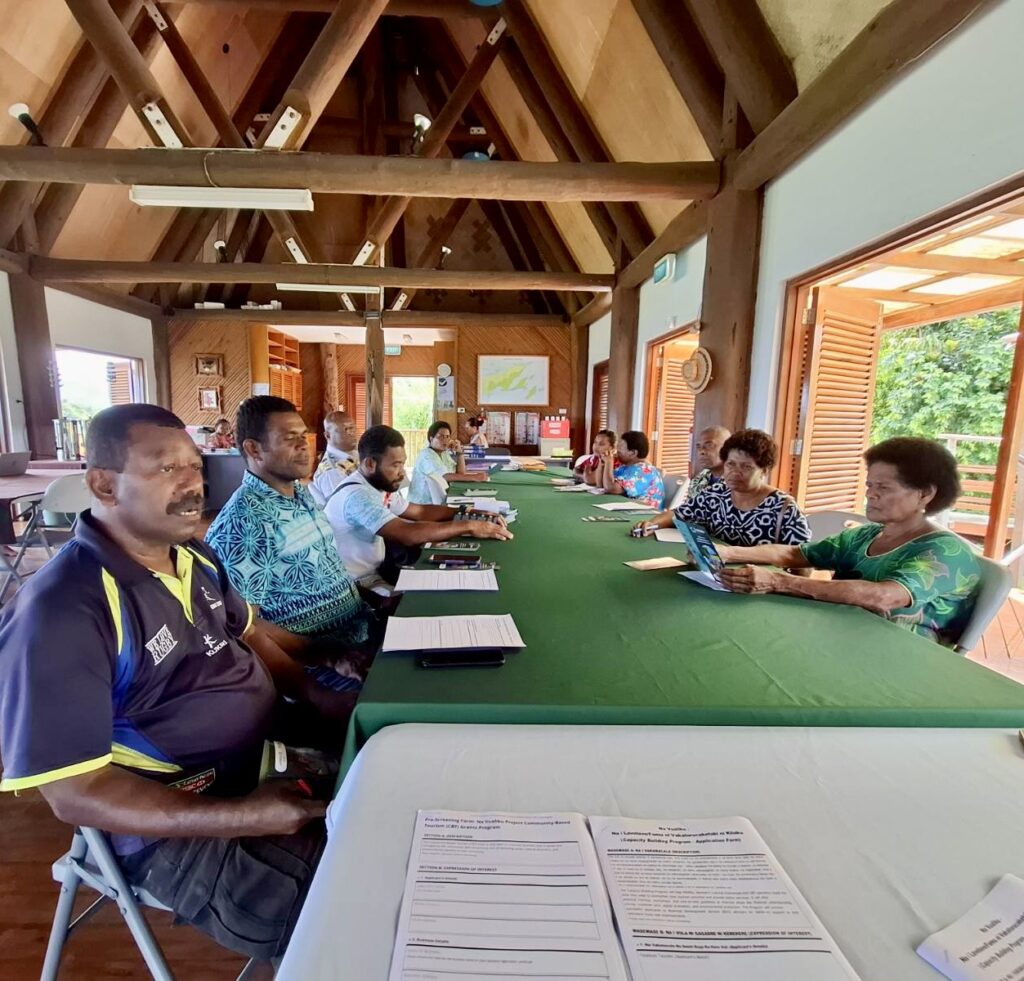
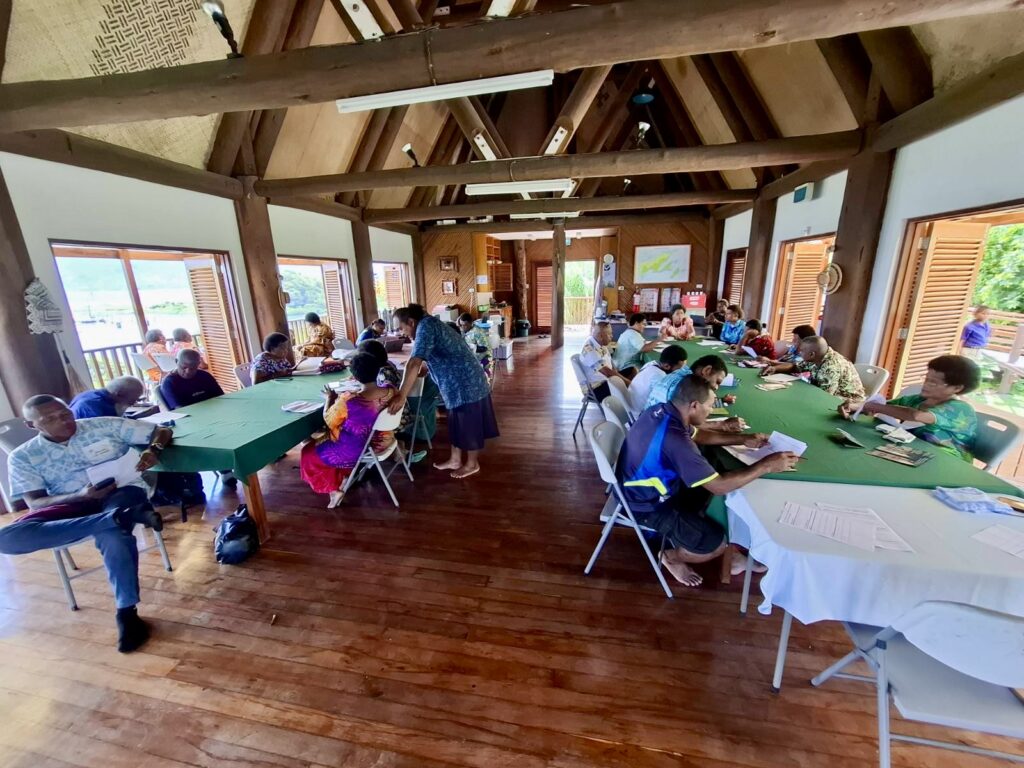
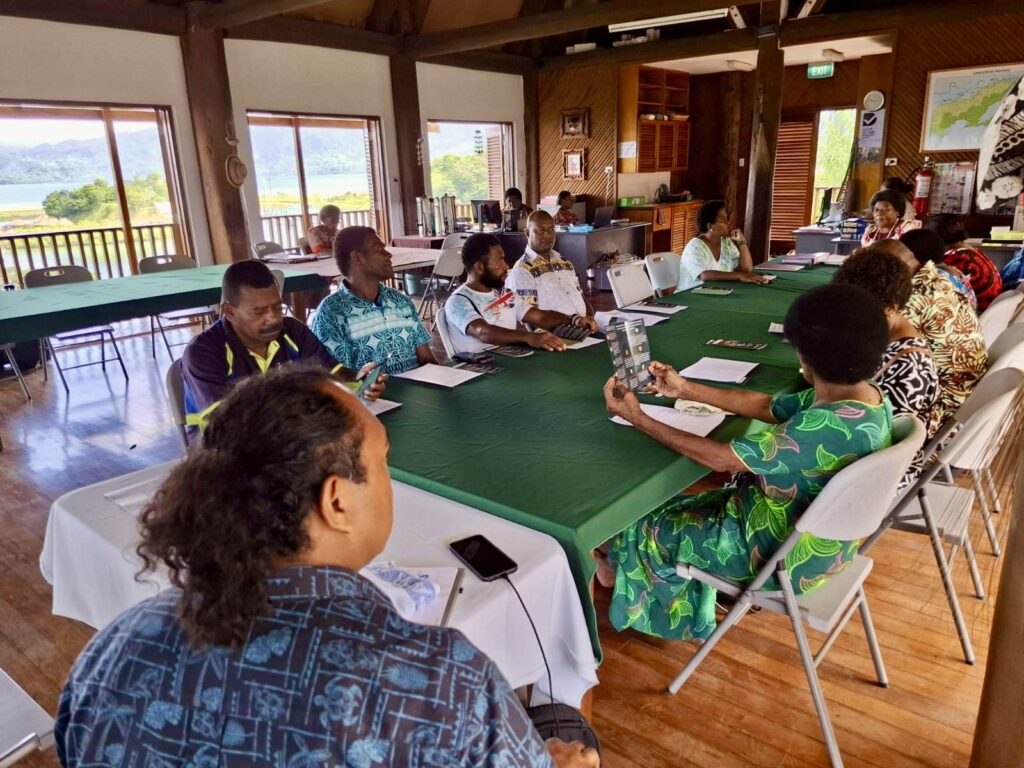
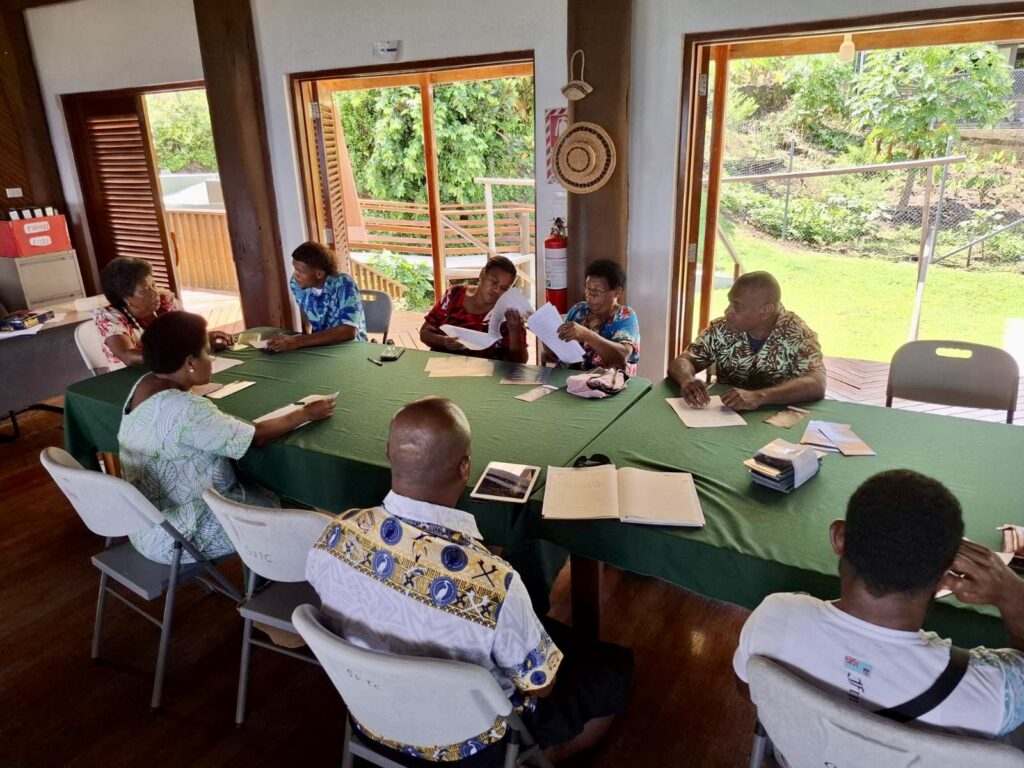
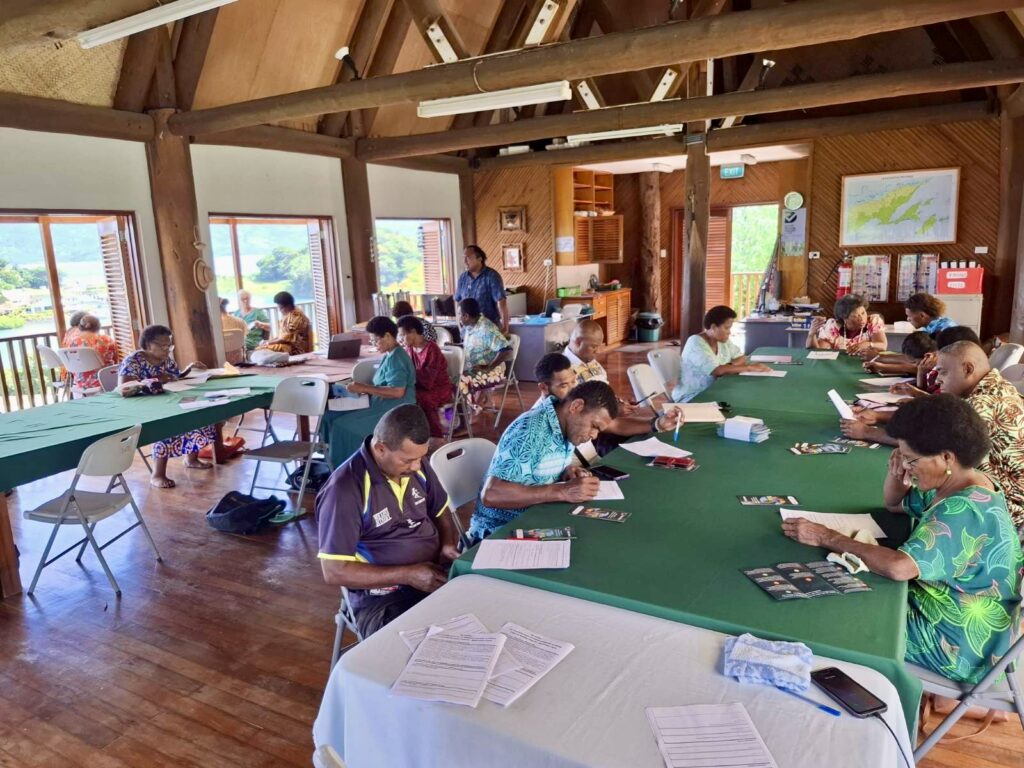
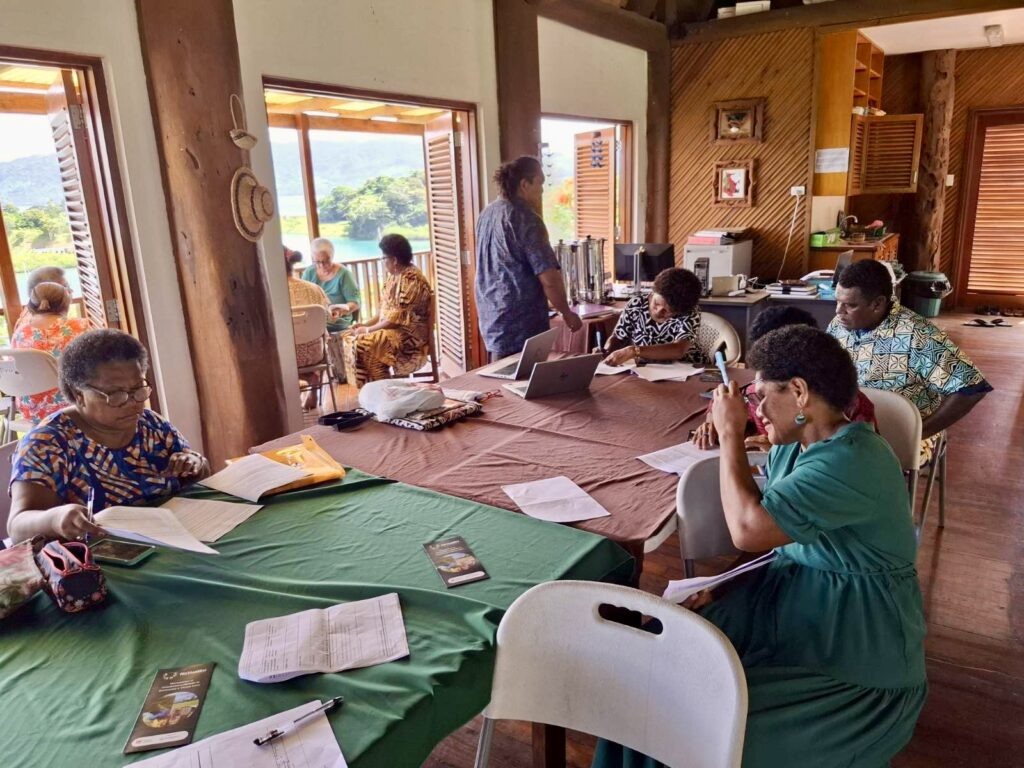
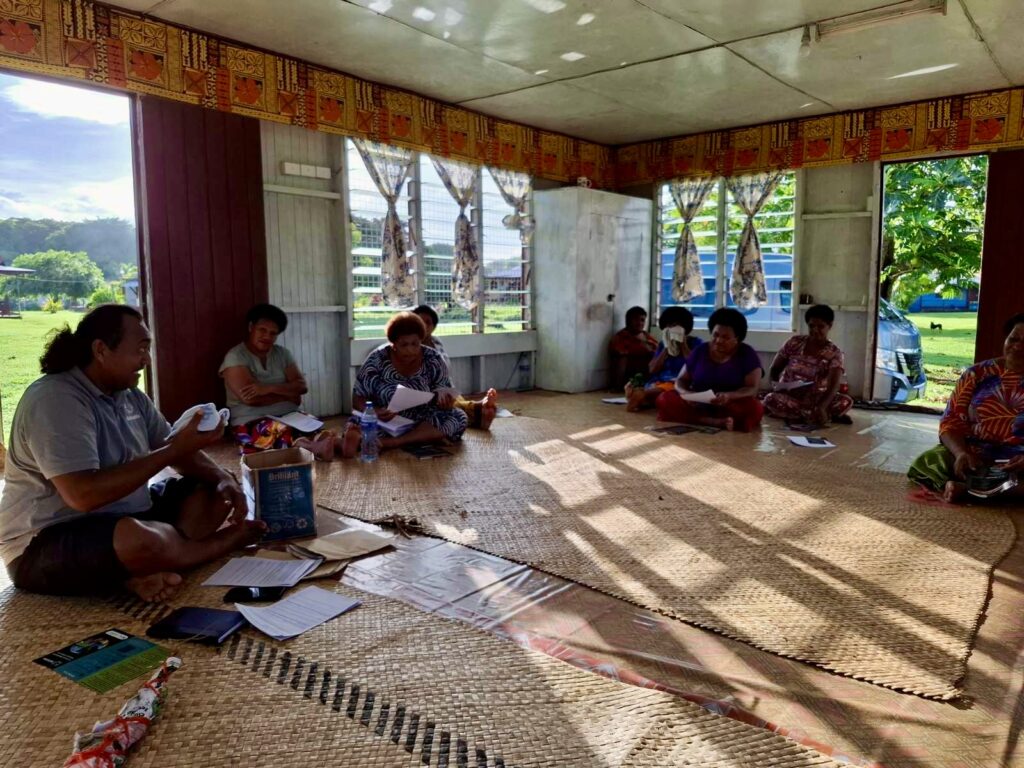
#Bua showed up. Our team delivered an awareness session and provided hands-on application support for the Na Vualiku MSME & CBT Capacity Building and Grant Program.
We supported participants to:
Confirm eligibility
Work through each section of the application form
Get practical, one-on-one guidance to submit correctly
Final call: don’t miss the window.
If you are still thinking about it, make TODAY your submission day.
Apply online or download forms (English, Hindi, iTaukei):
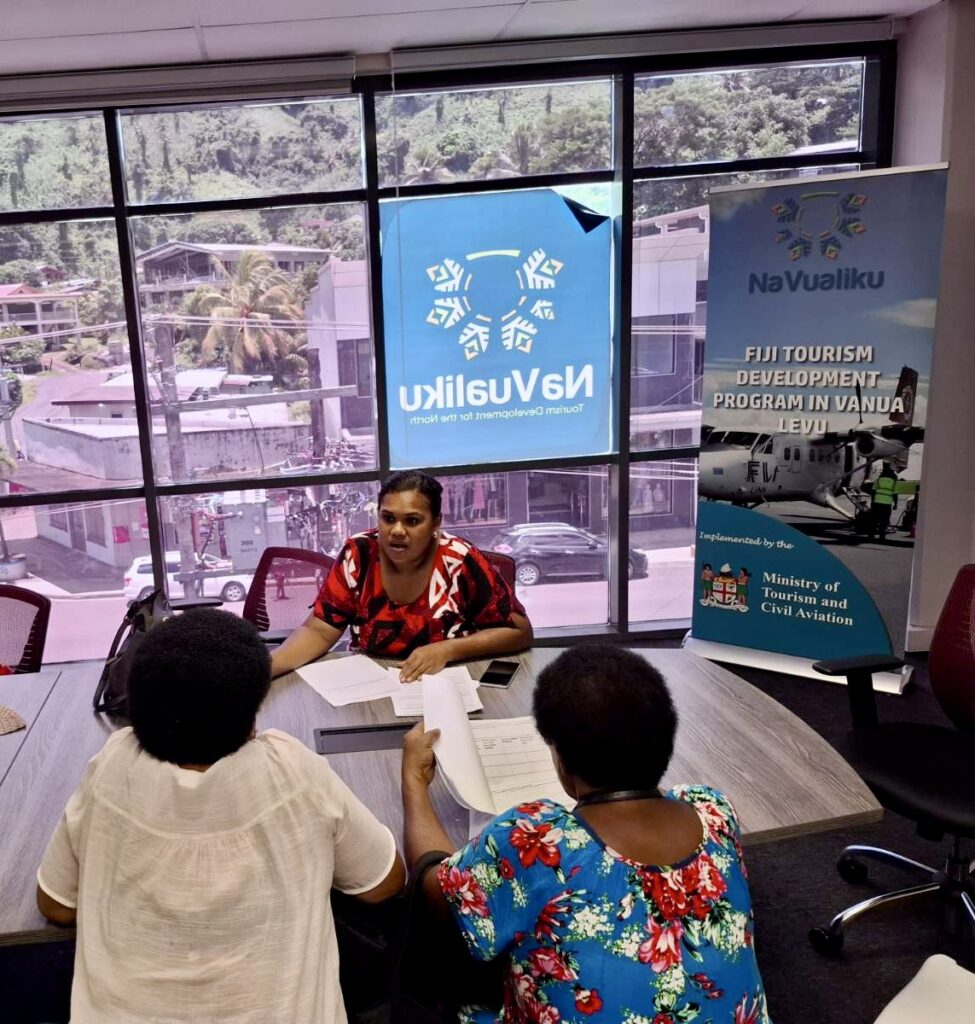
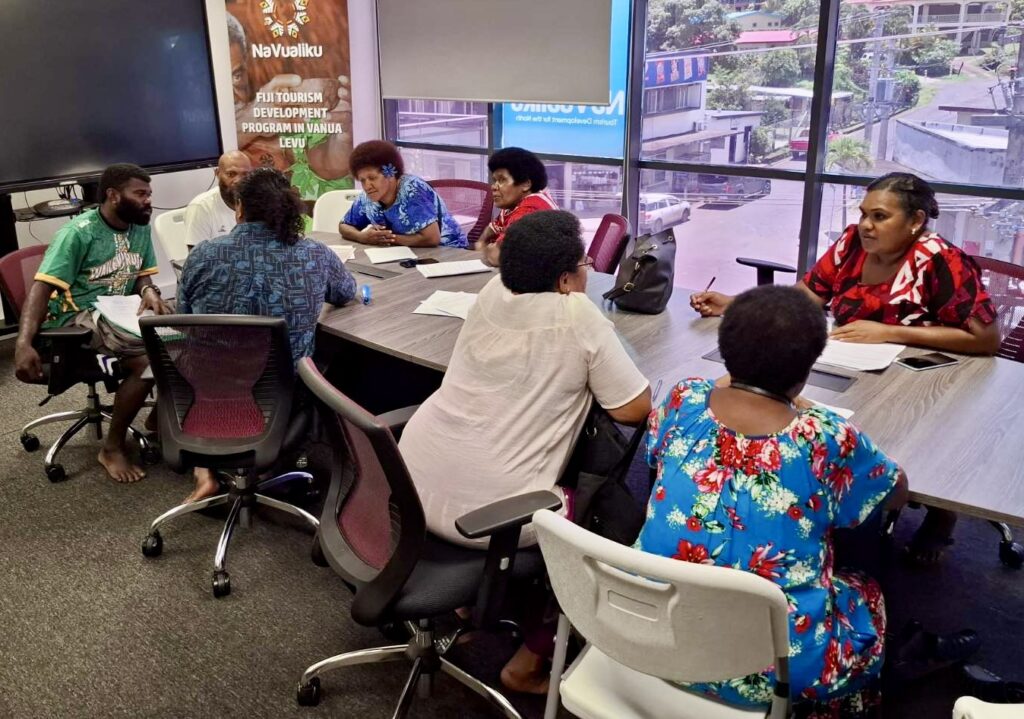
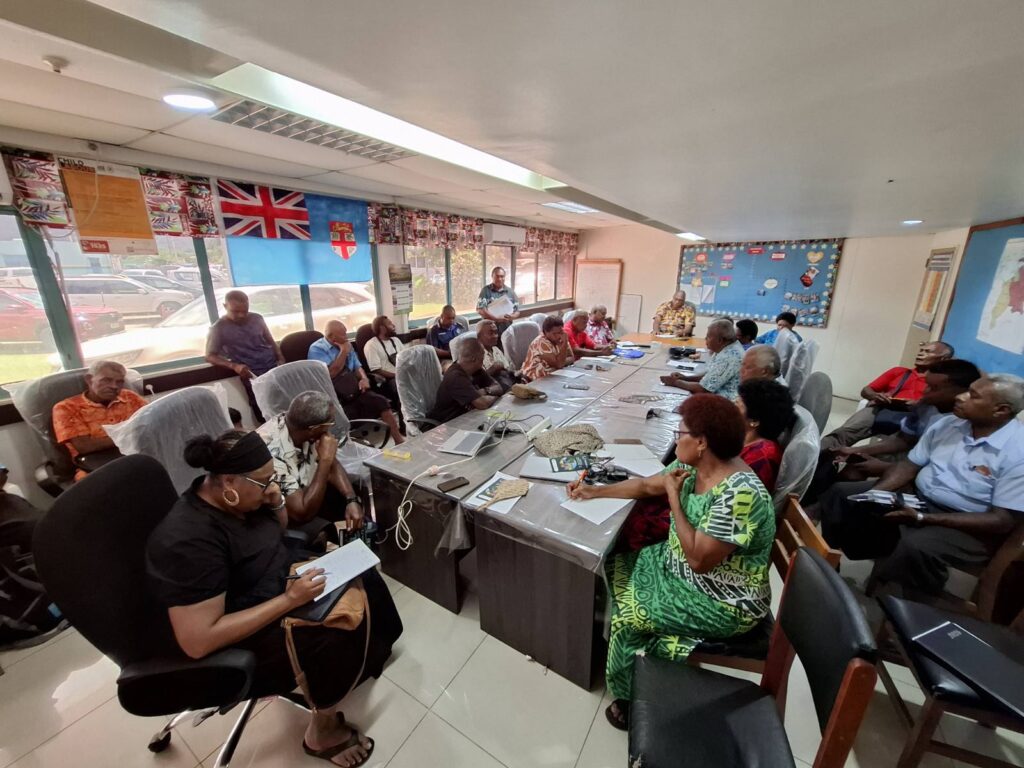
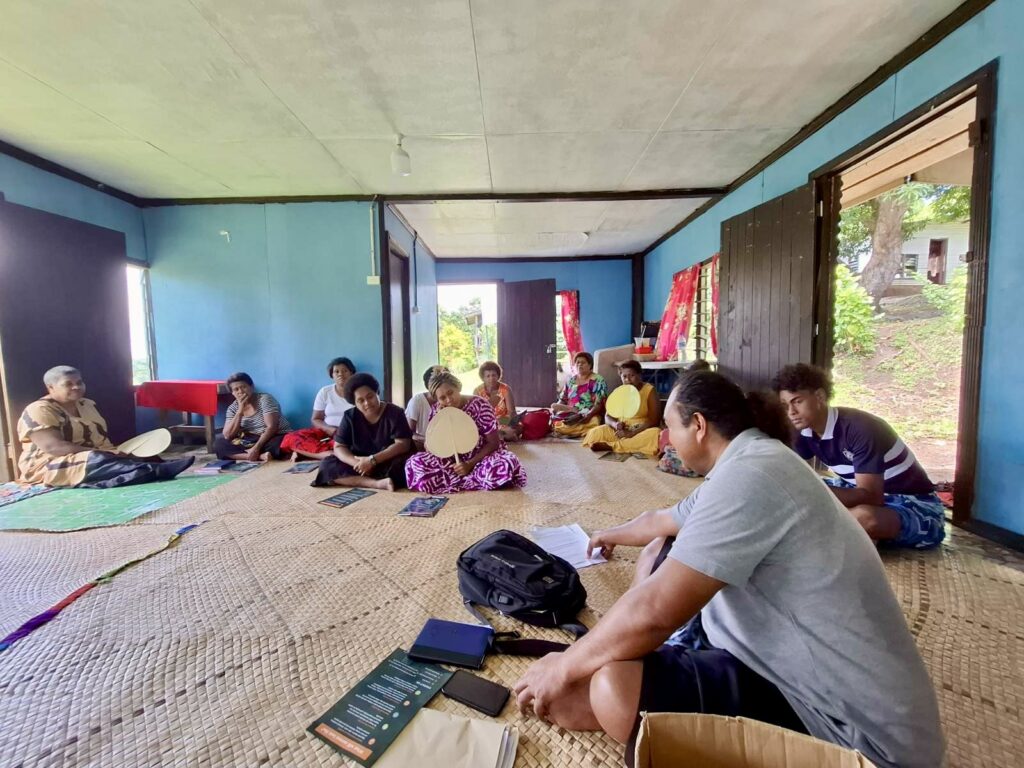
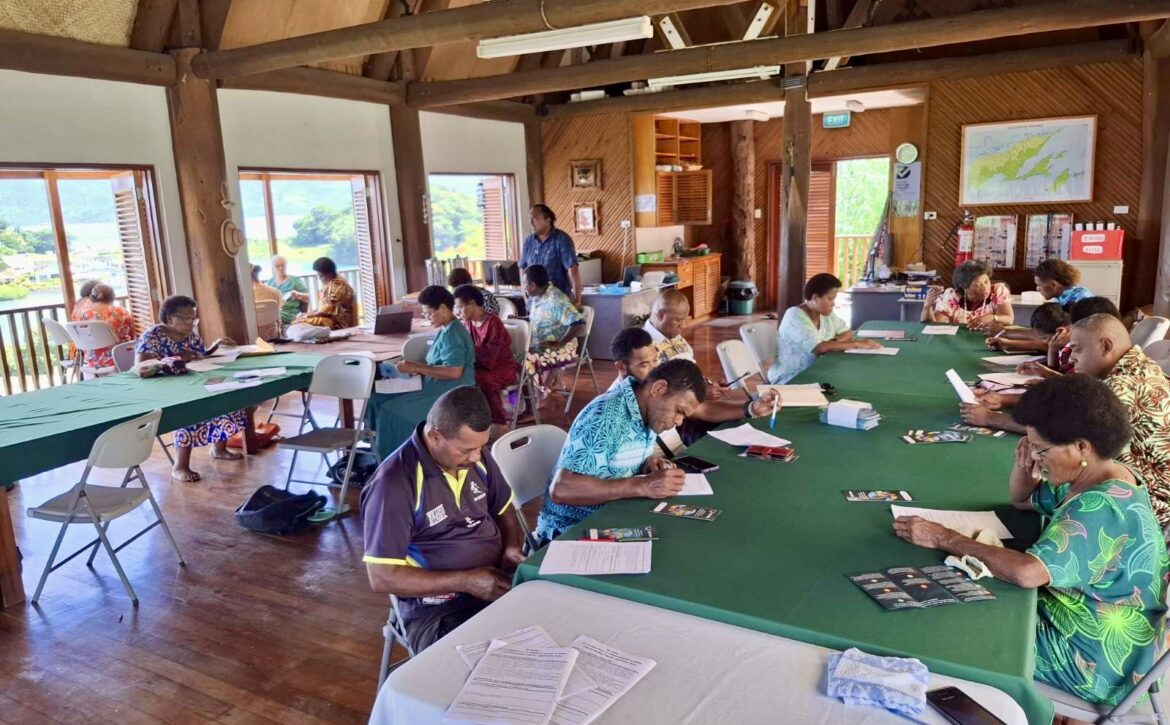
Our team was on the ground in Savusavu delivering an awareness session and providing hands-on application assistance for the Na Vualiku MSME & Community-Based Tourism (CBT) Capacity Building and Grant Program.
We met with local MSMEs and CBT operators to:
Explain program eligibility and requirements
Walk through the application process step by step
Answer questions and help applicants complete and submit their forms correctly
These sessions are about making sure businesses and community operators are informed, feel supported and confident to apply.
The application window is still open.
Apply online or download forms (English, Hindi, iTaukei):
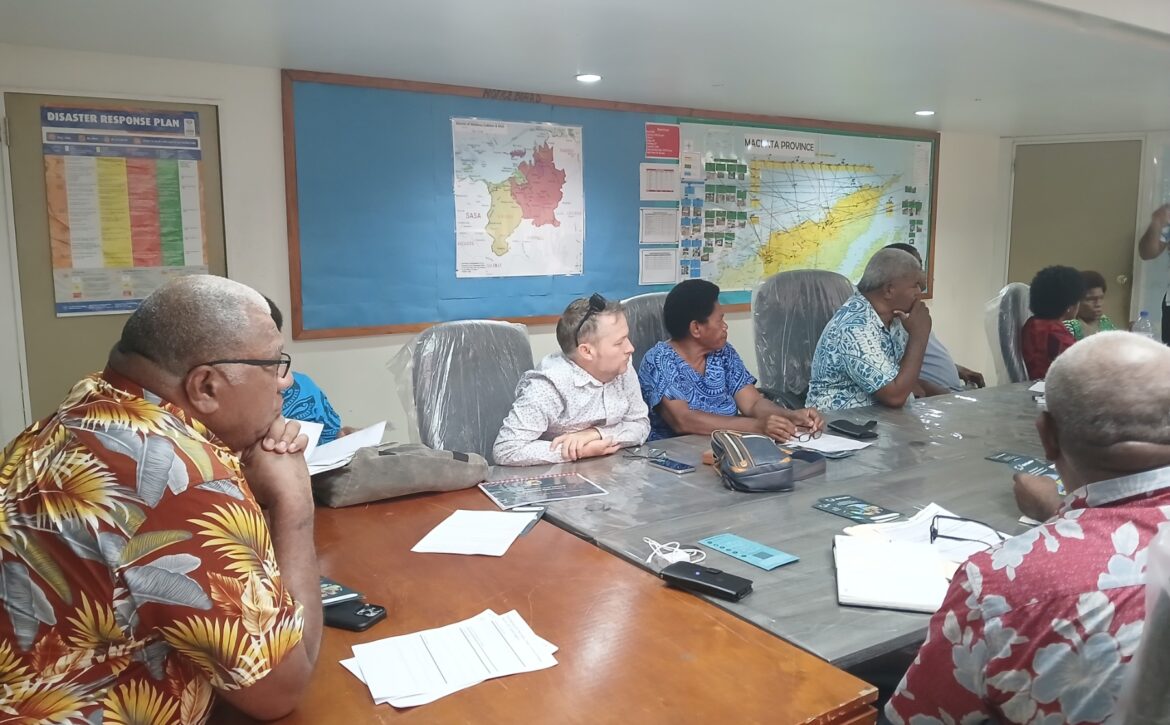
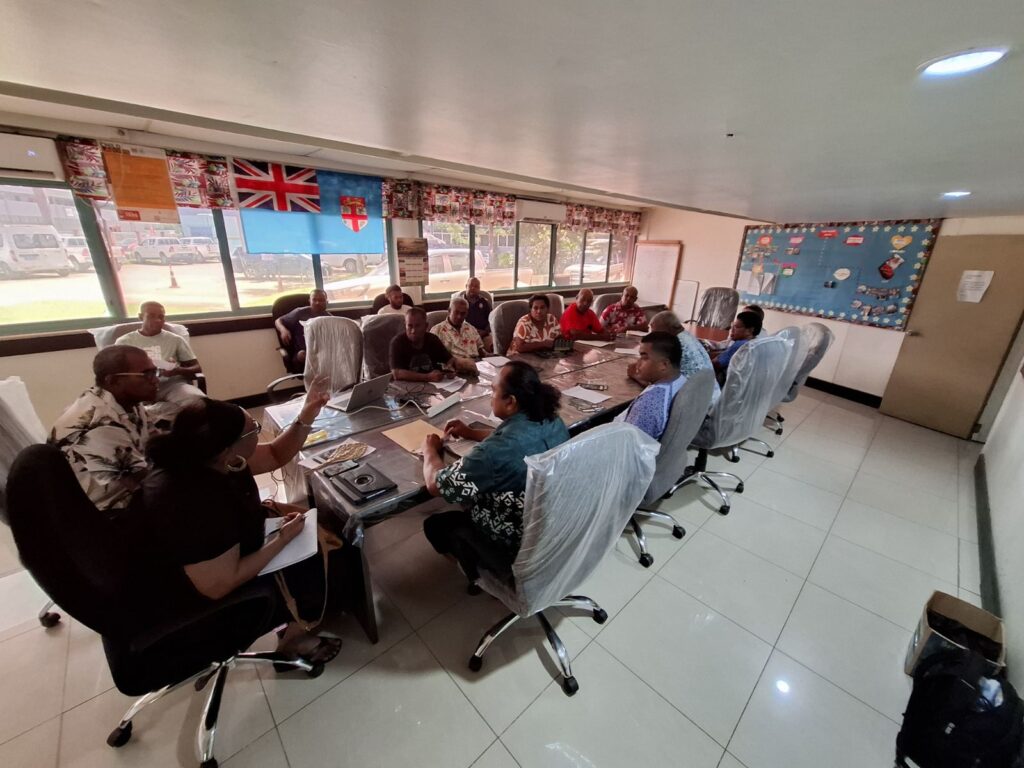
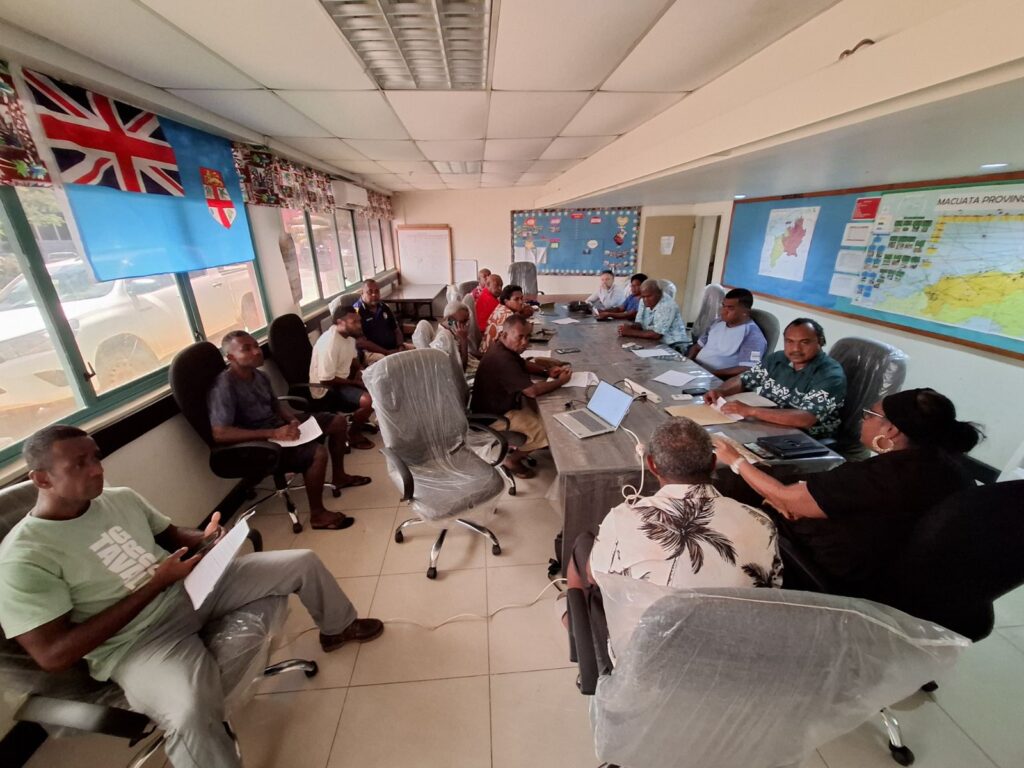
At the PA Macuata Office, our Na Vualiku team held an awareness session and provided application support for the MSME & Community-Based Tourism (CBT) Capacity Building and Grant Program. It was a great turnout, with strong participation from local MSMEs and CBT operators.
We worked alongside participants to:
Clarify eligibility and the key documents needed
Walk through each section of the application form
Provide practical, one-on-one guidance to help applicants prepare and submit correctly
Applications are still open.
Apply online or download forms (English, Hindi, iTaukei):

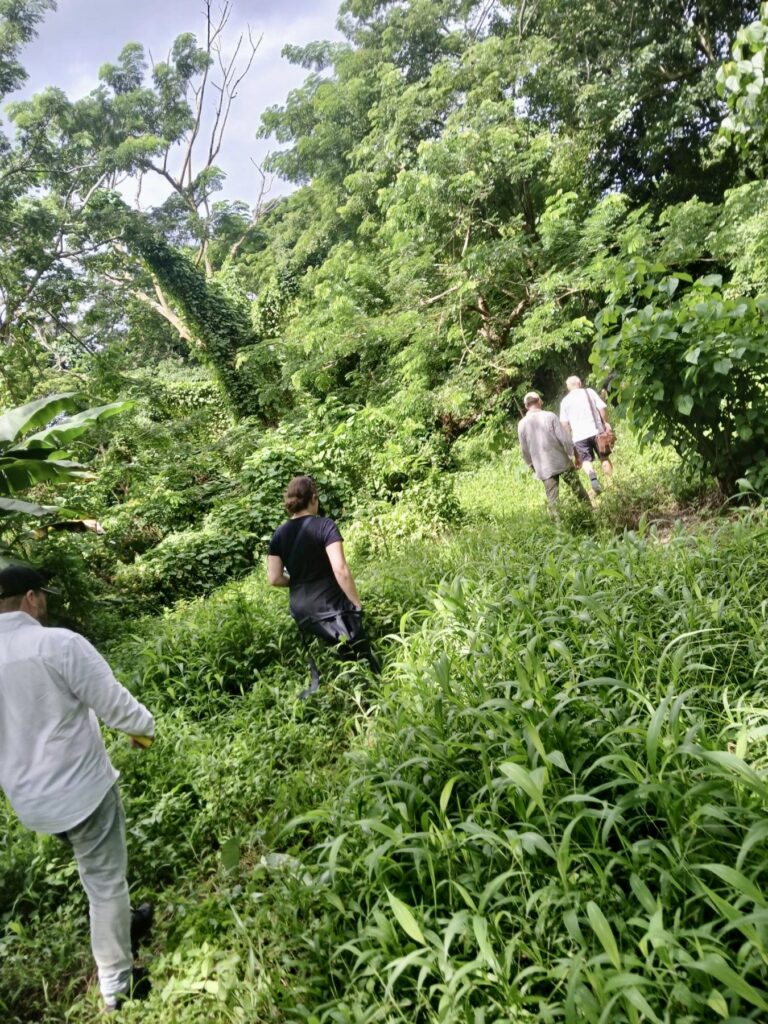
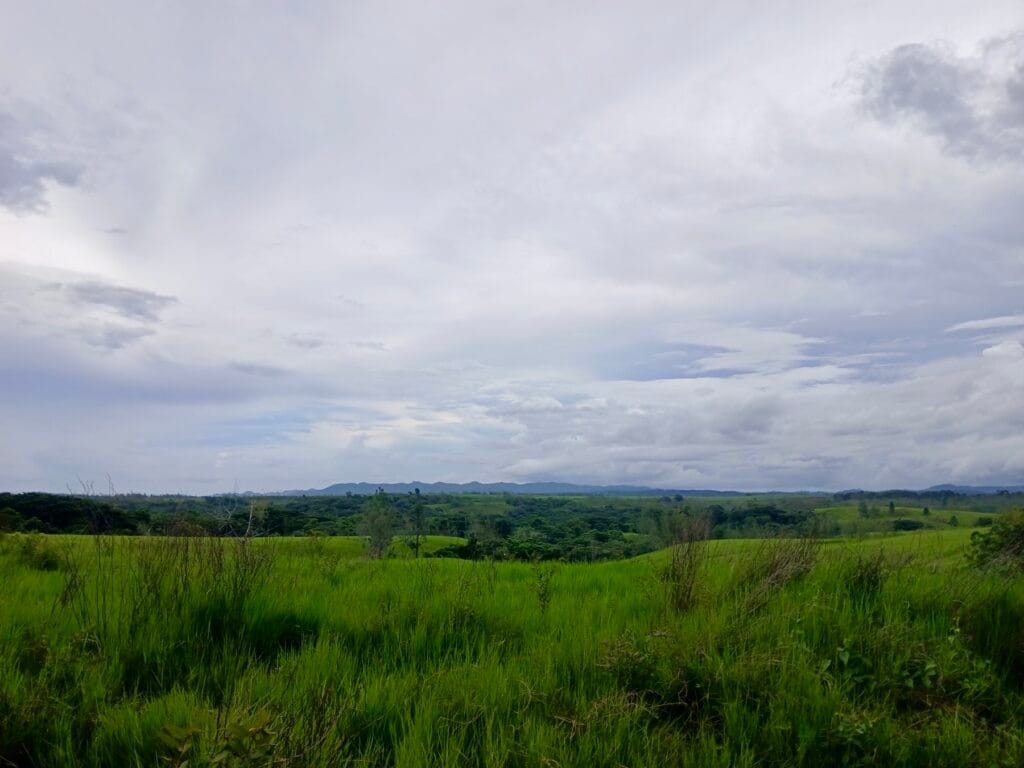
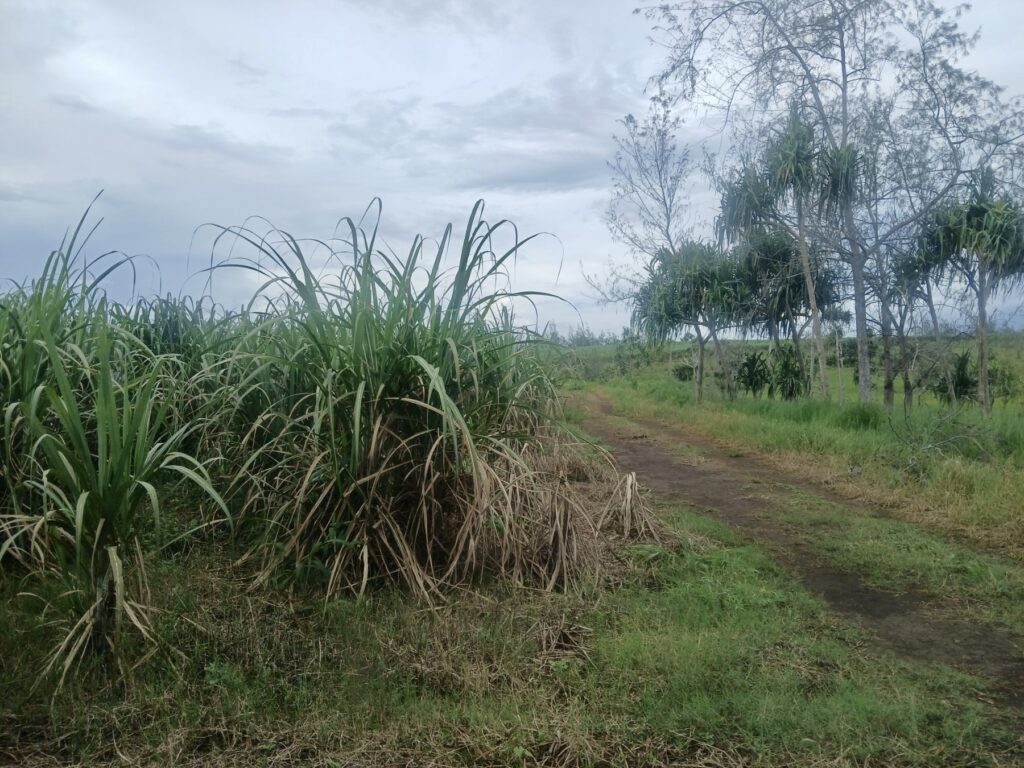
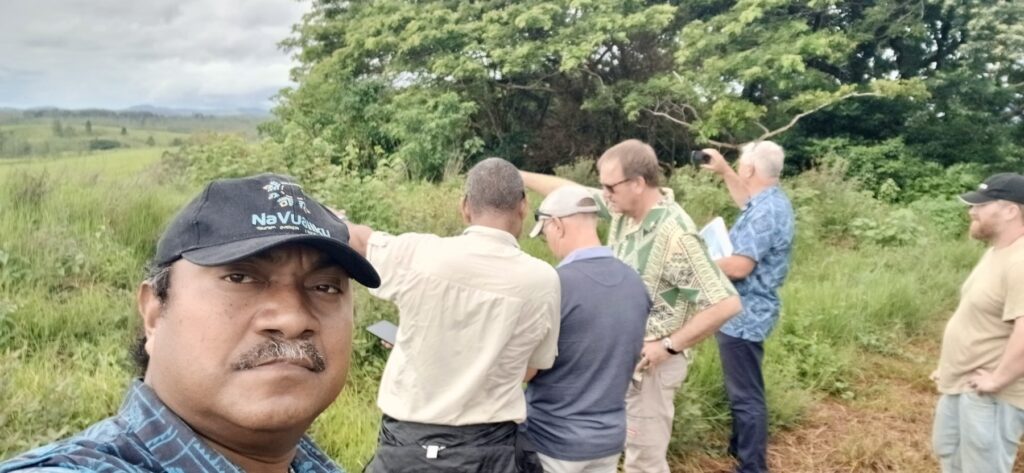
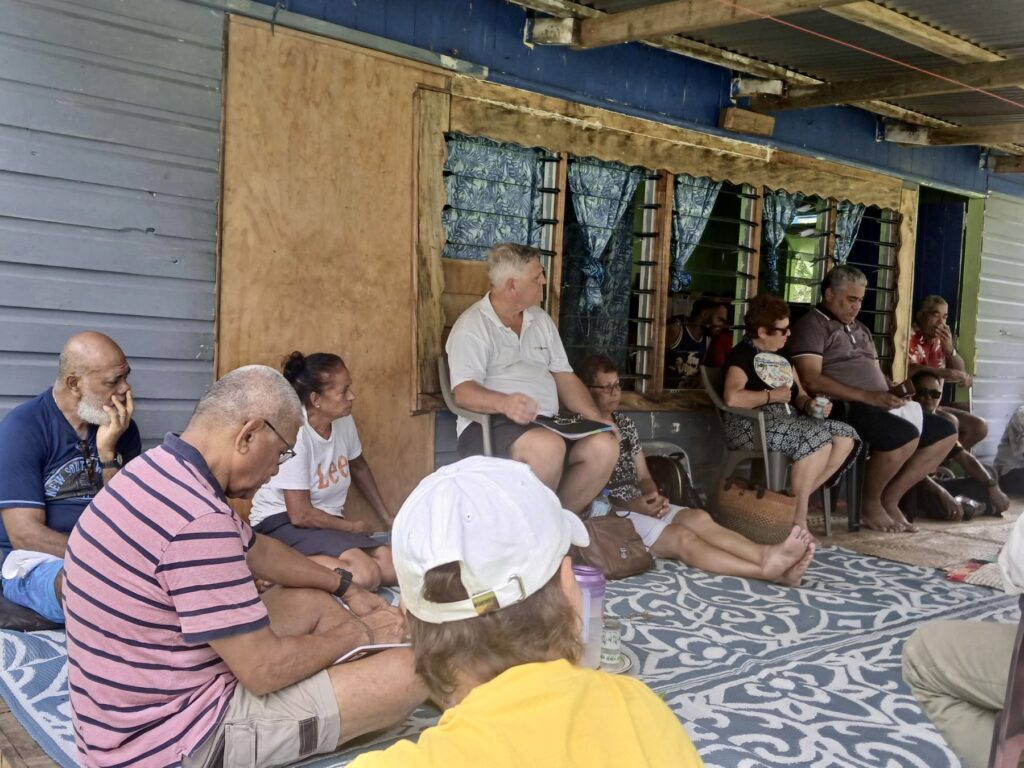
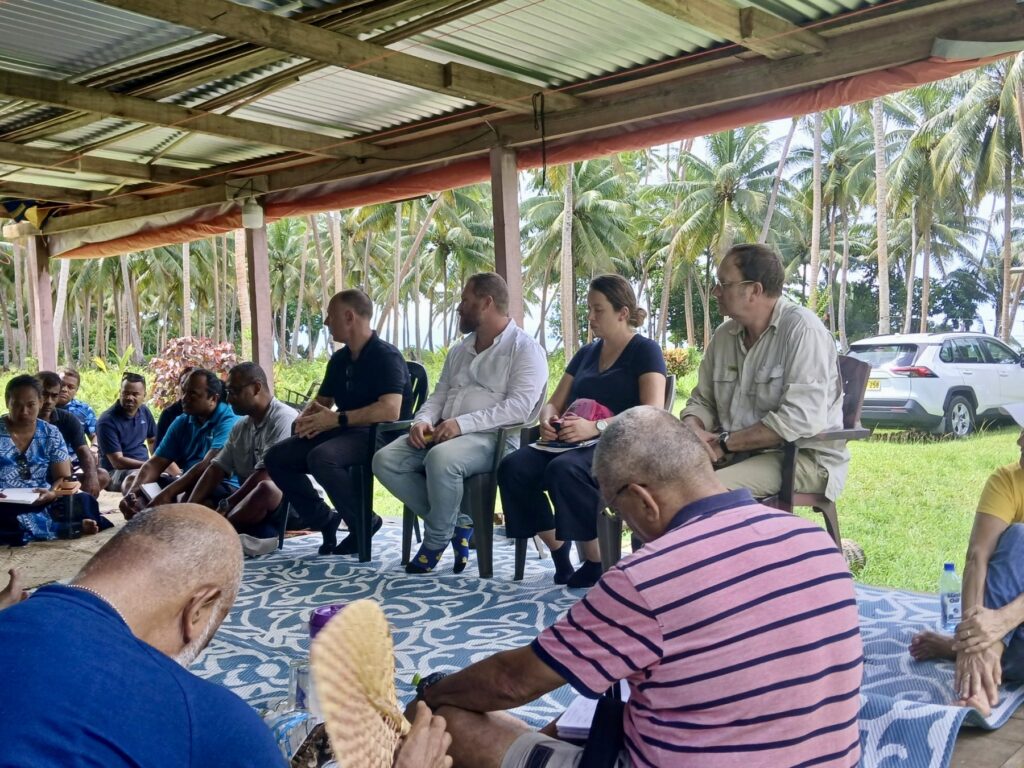
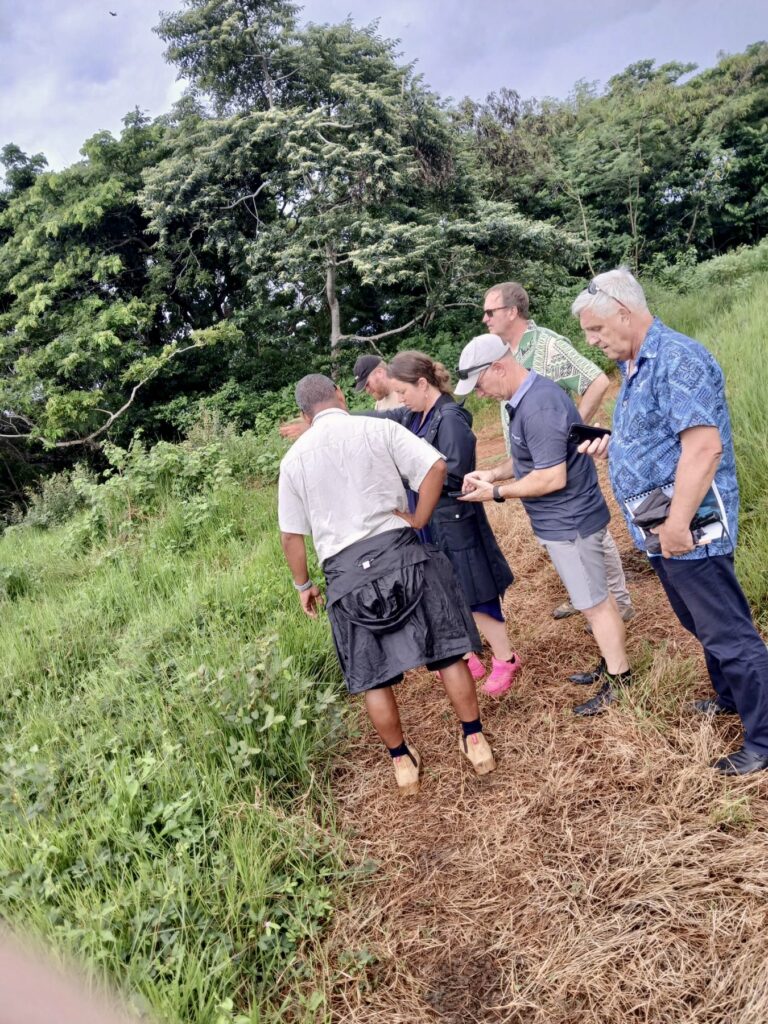
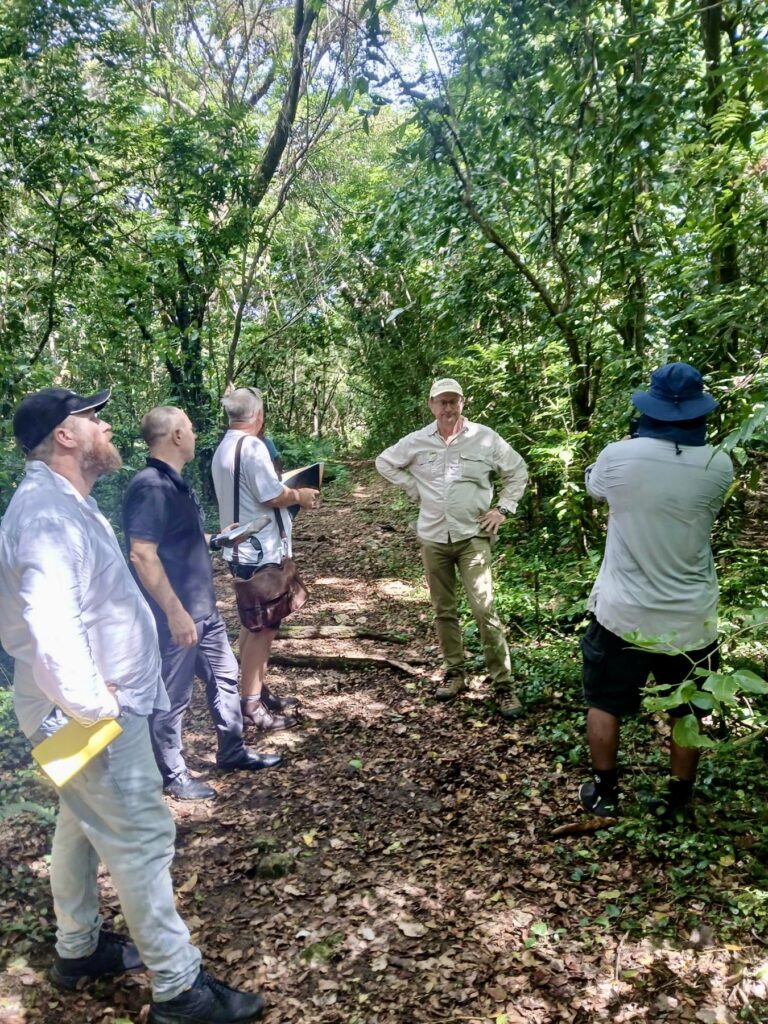

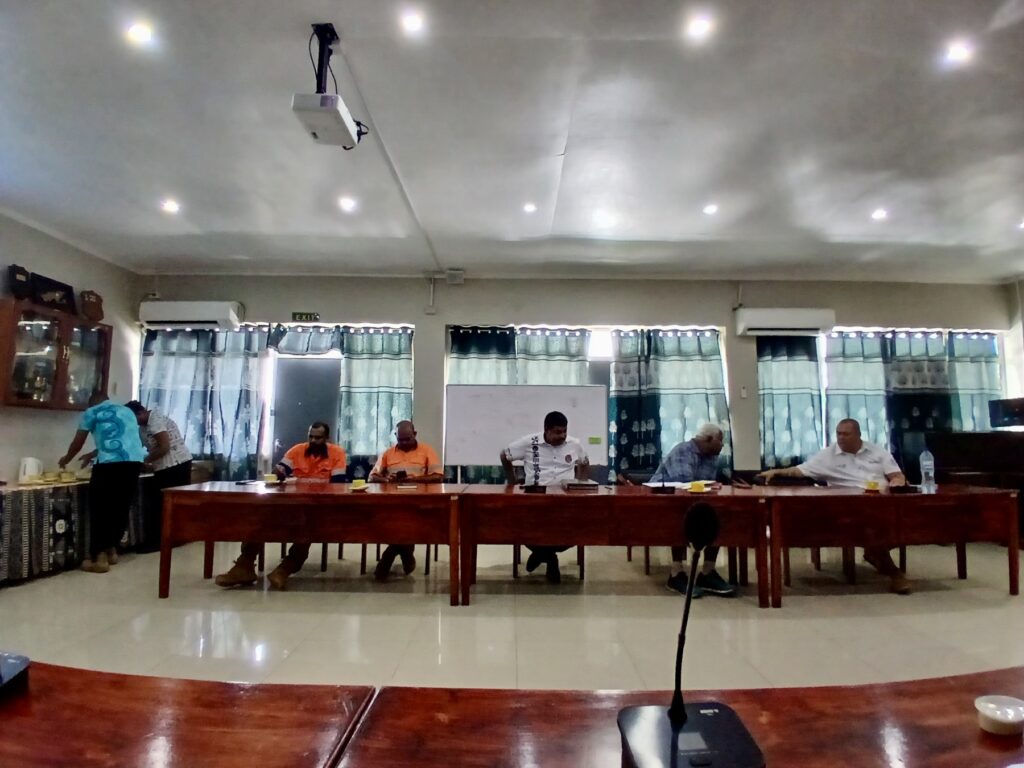
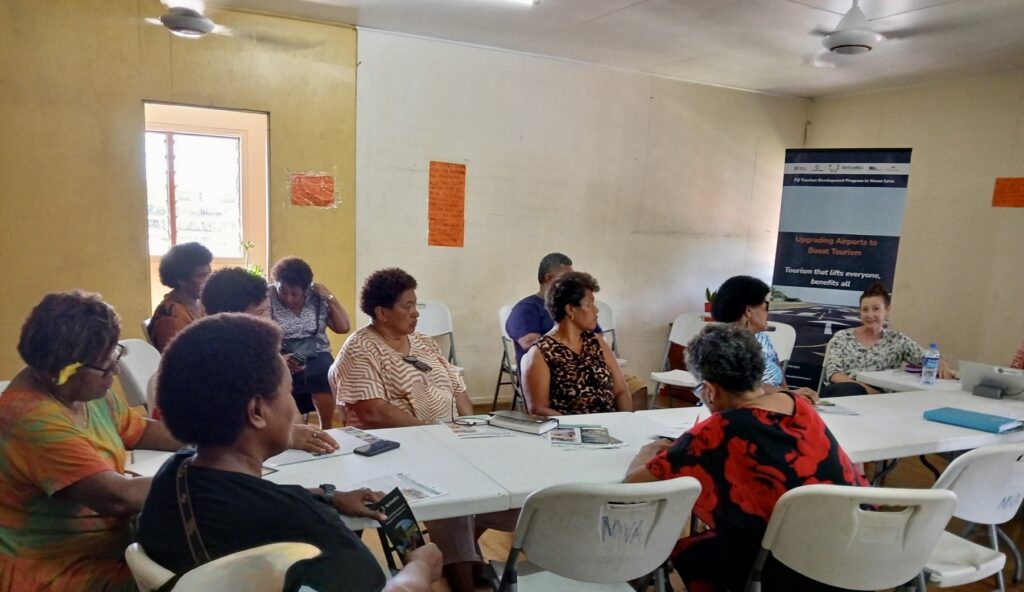
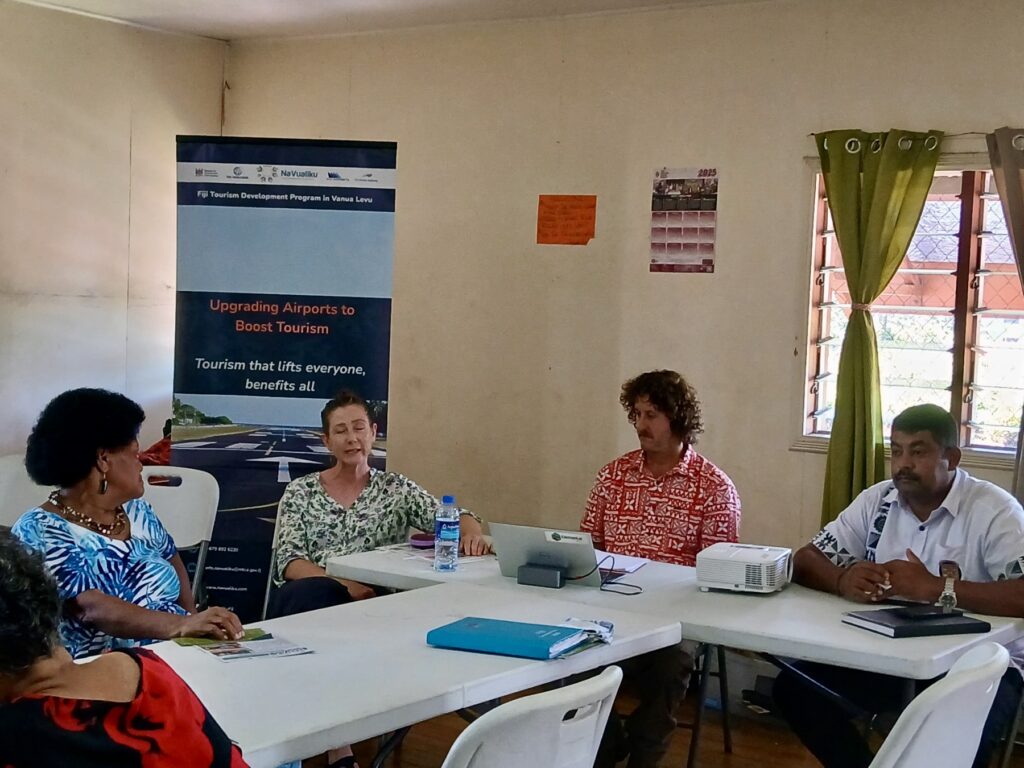
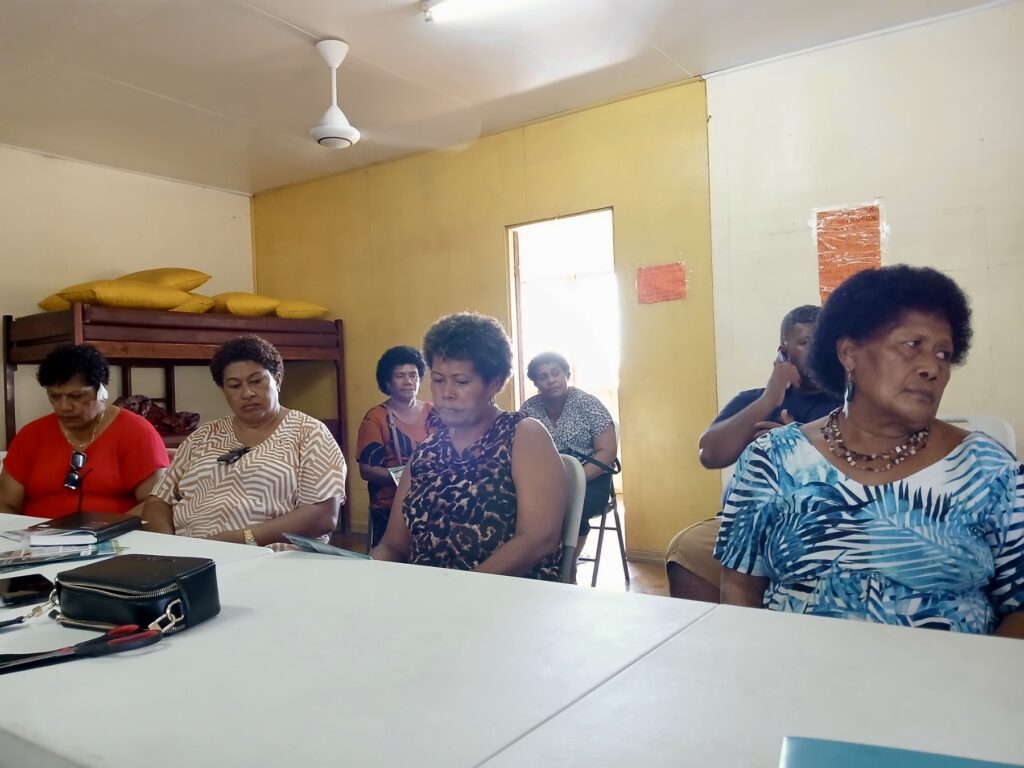


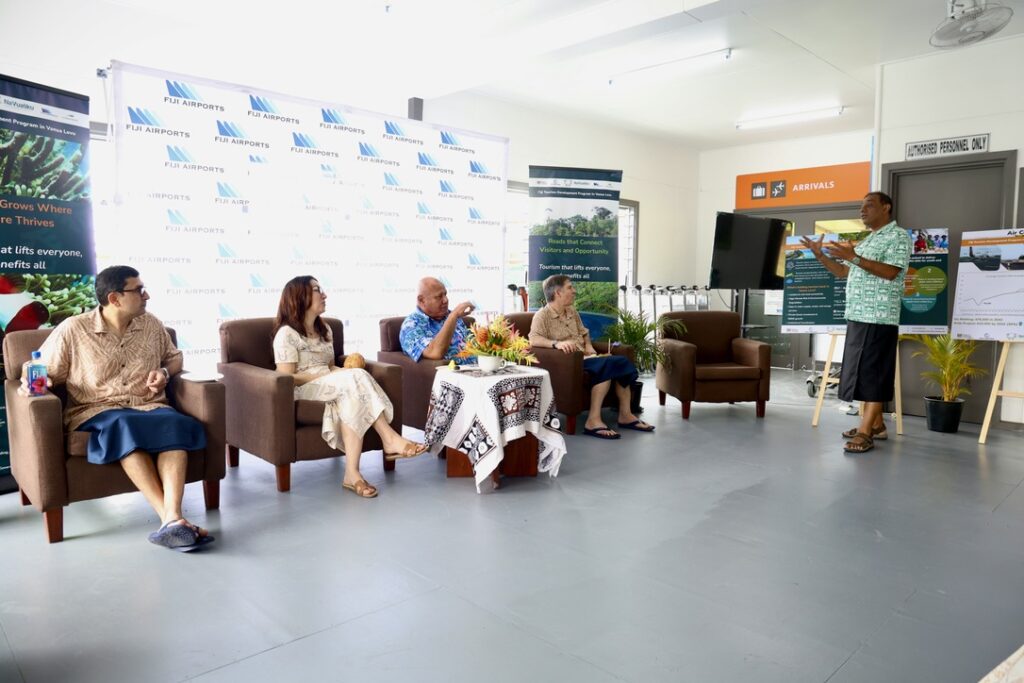
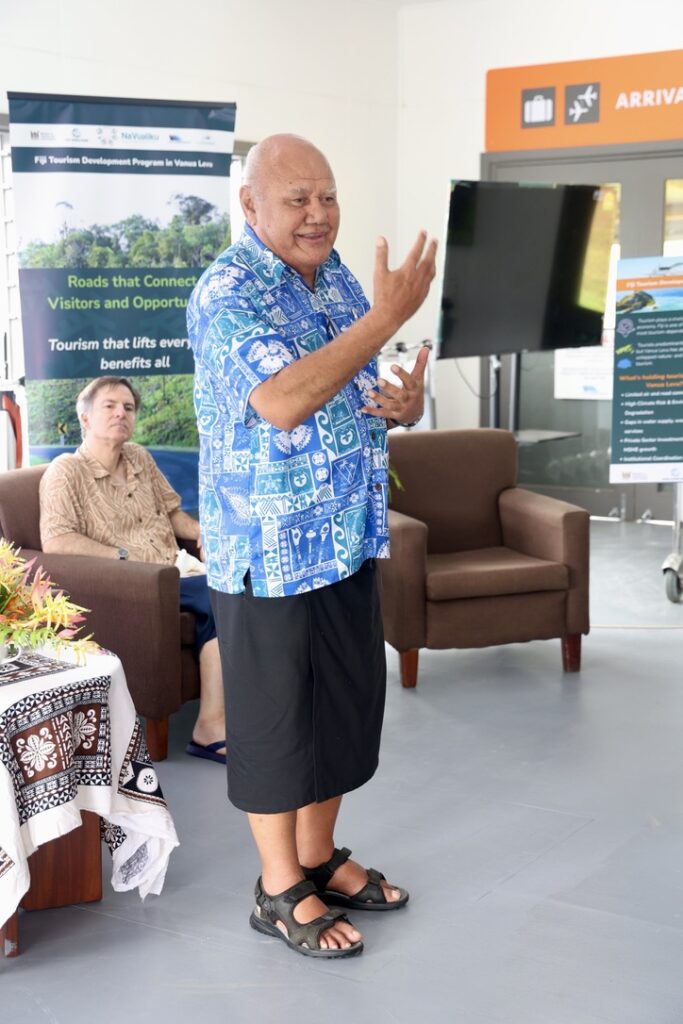
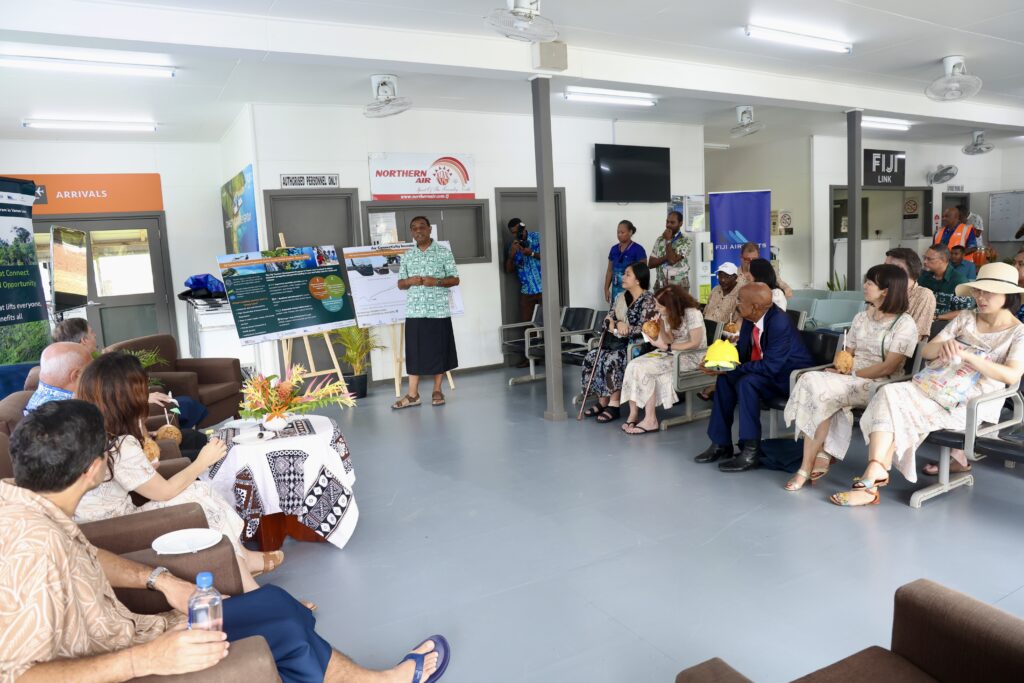
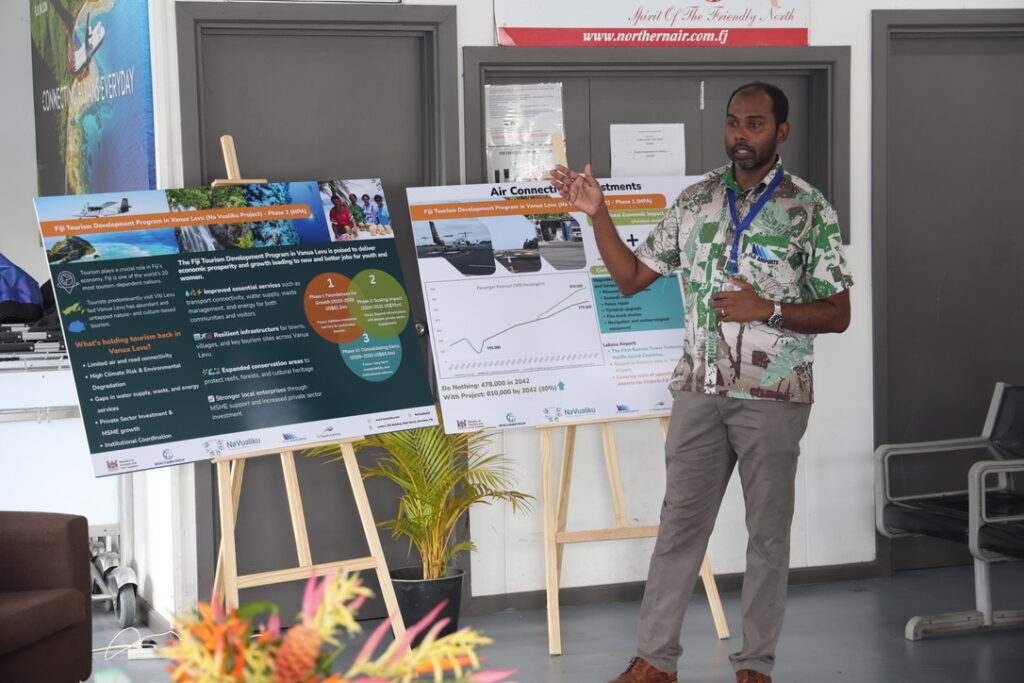
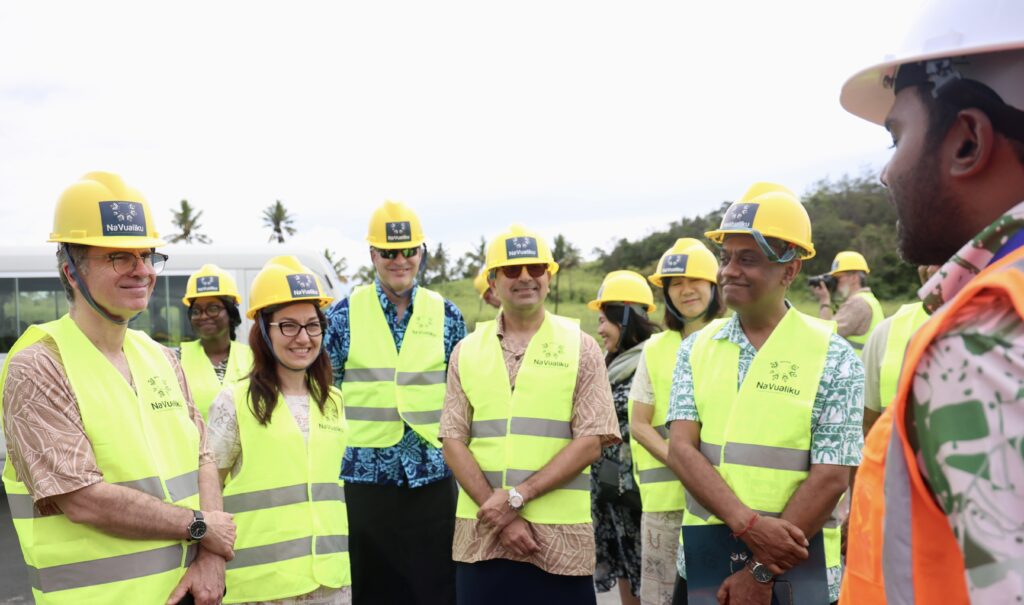
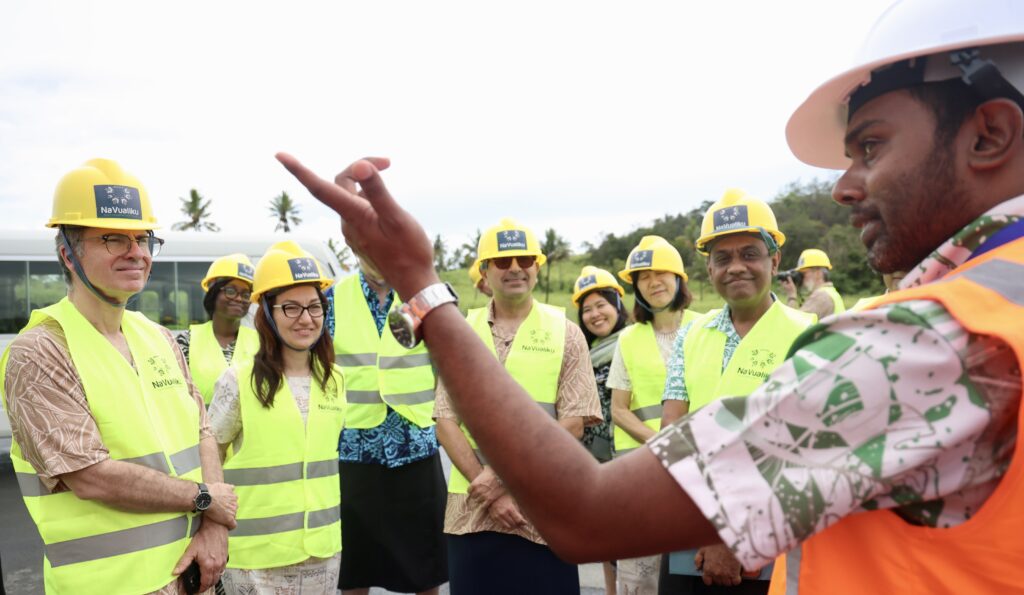
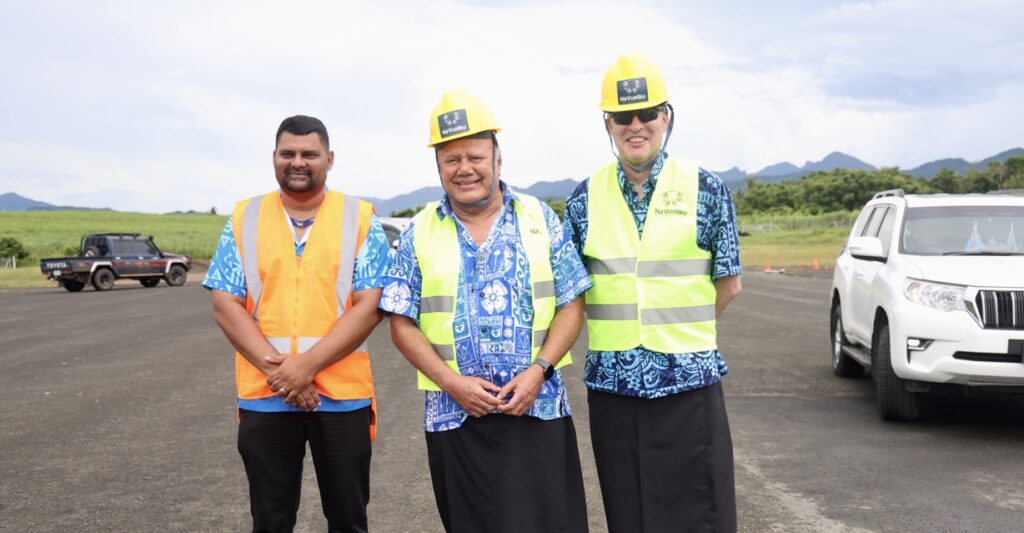
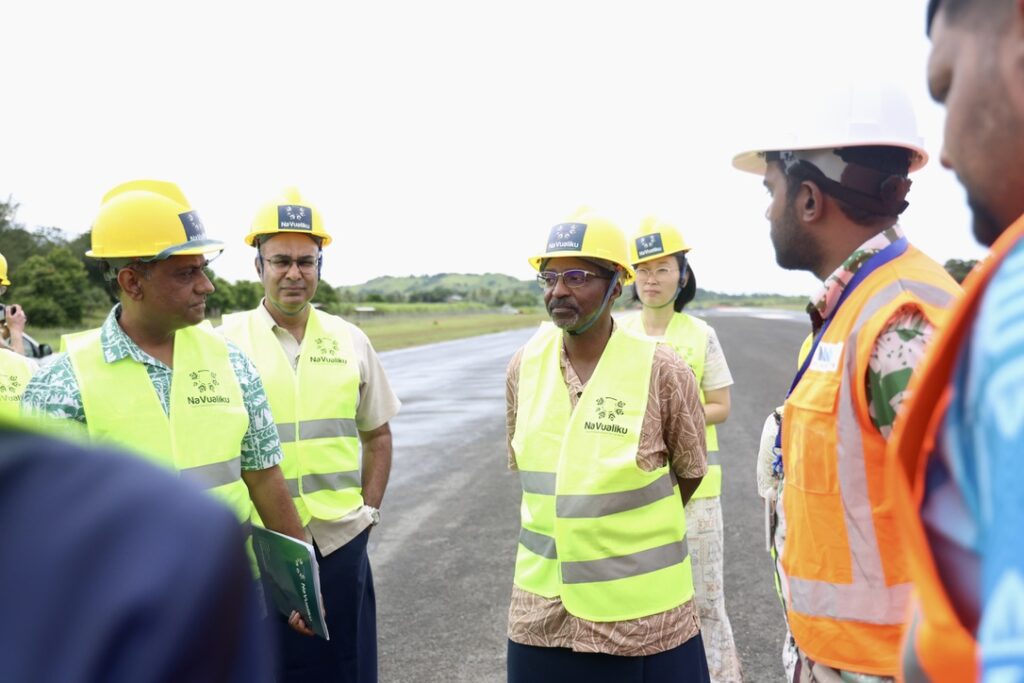
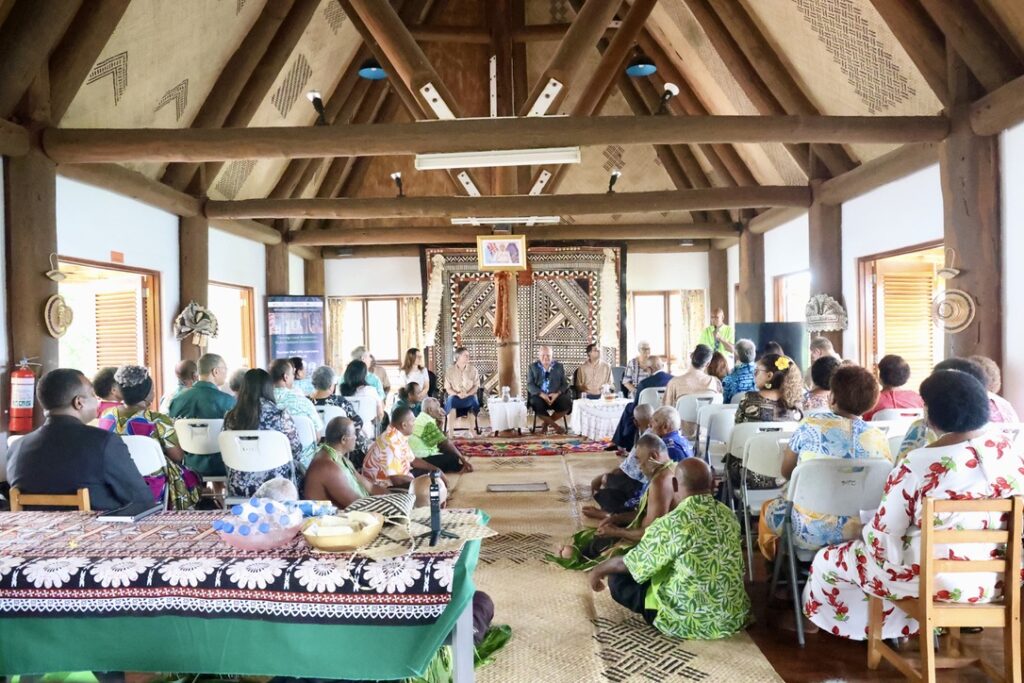
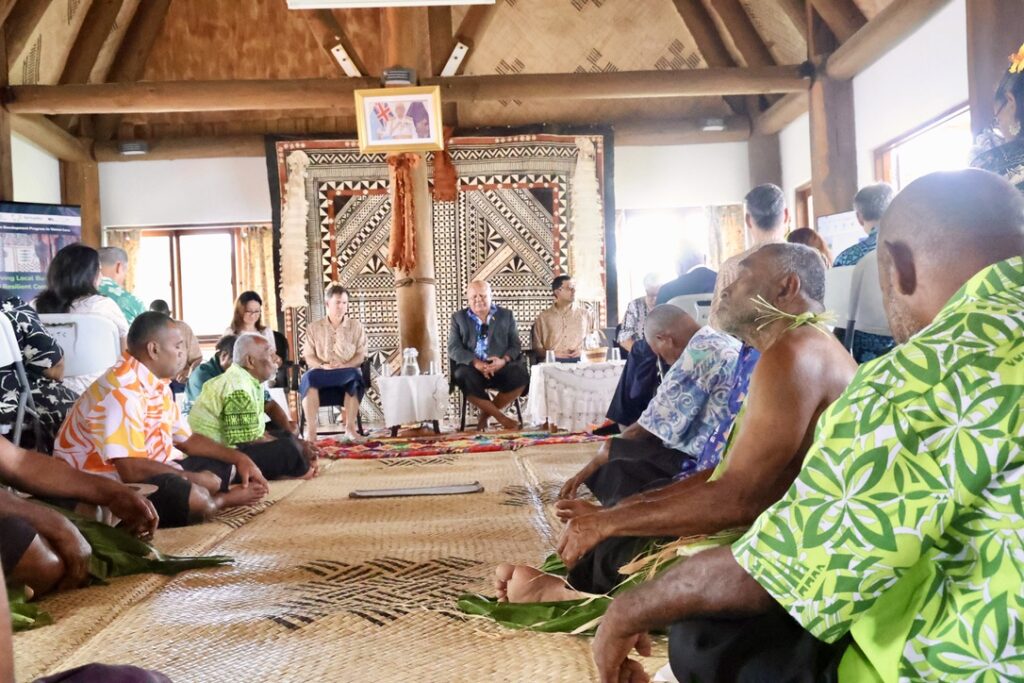
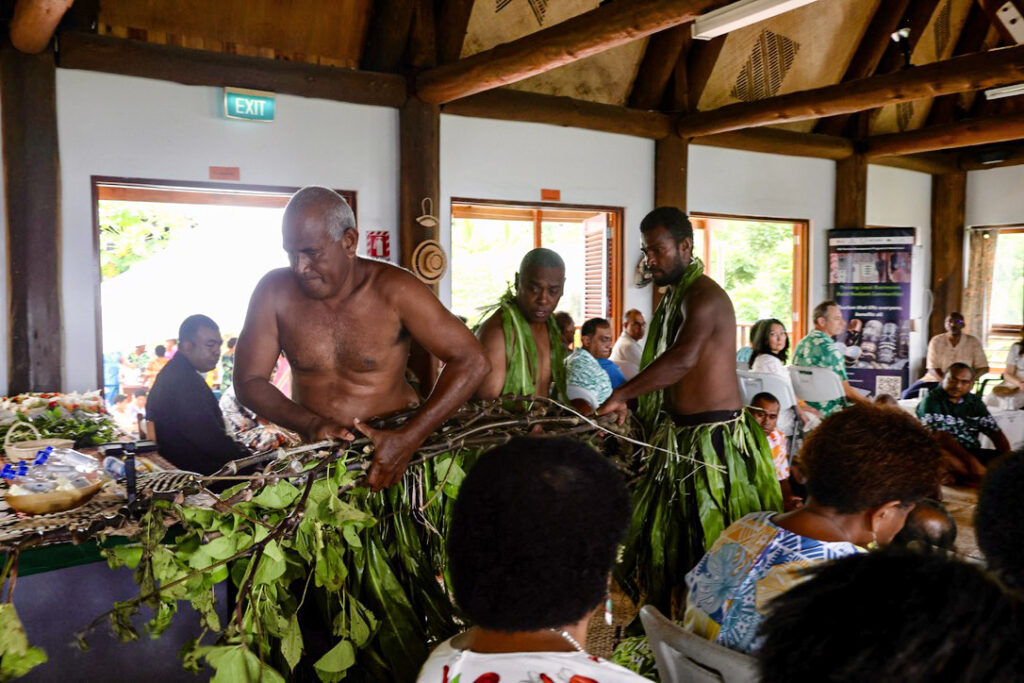
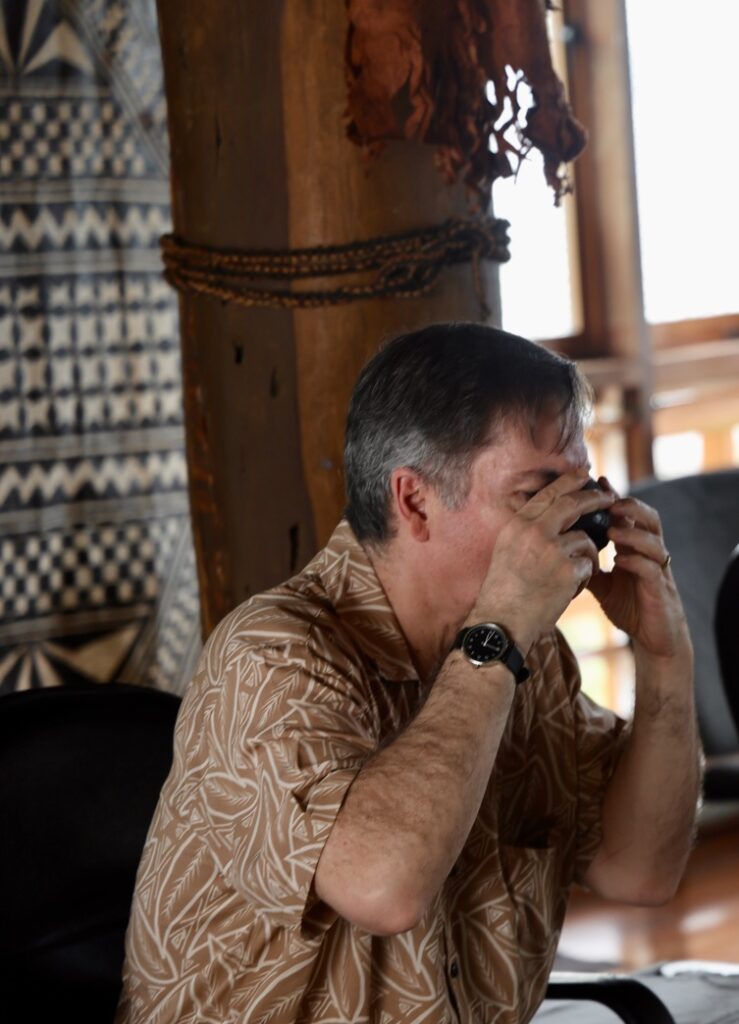
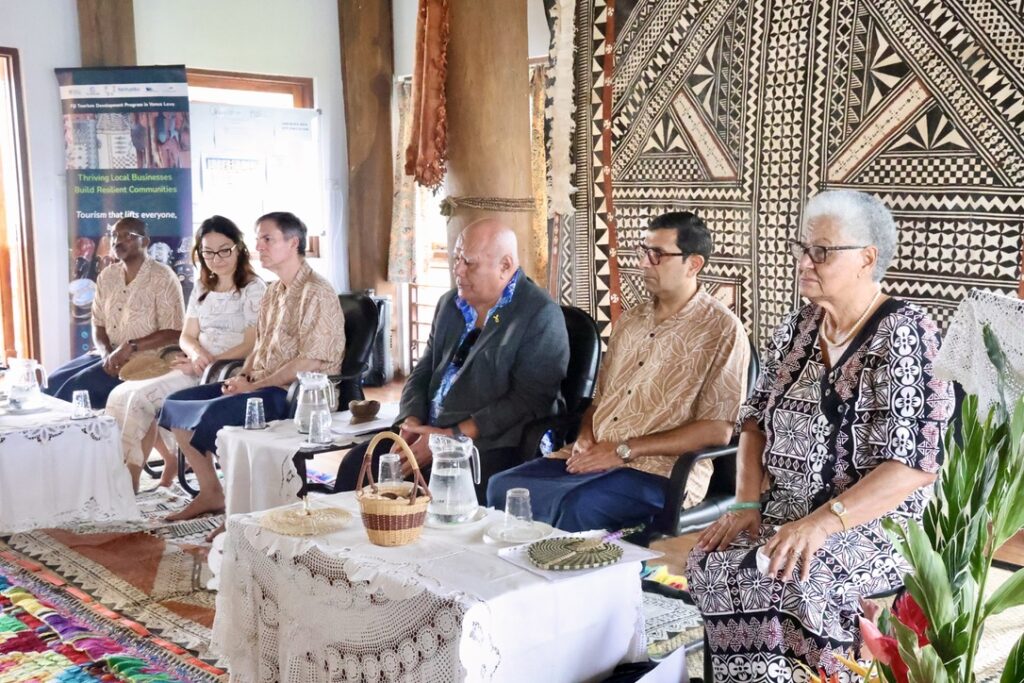
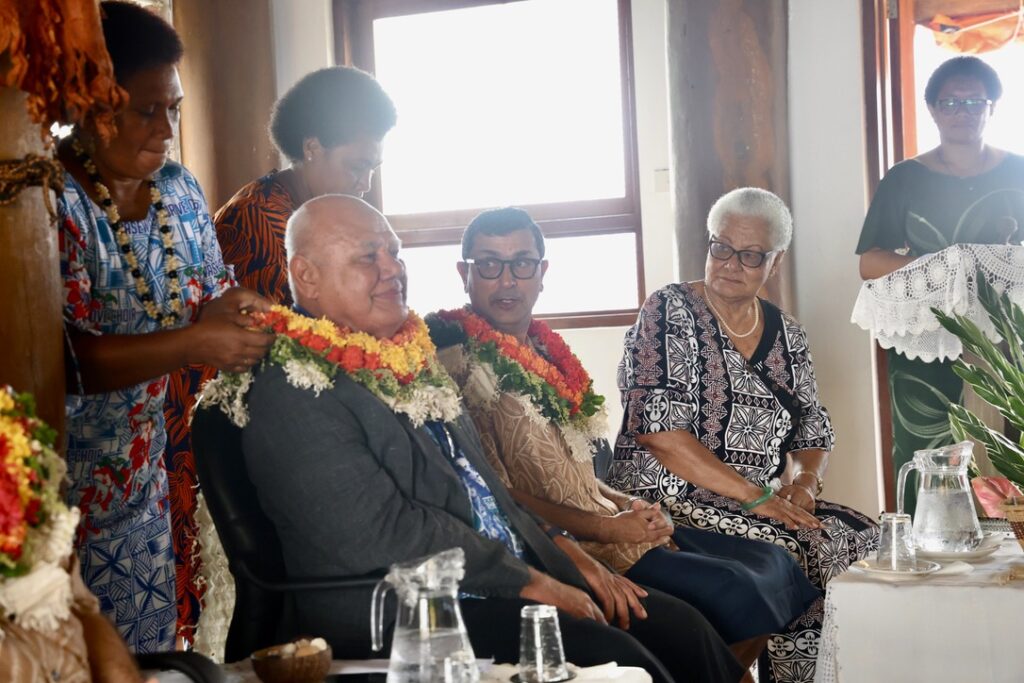
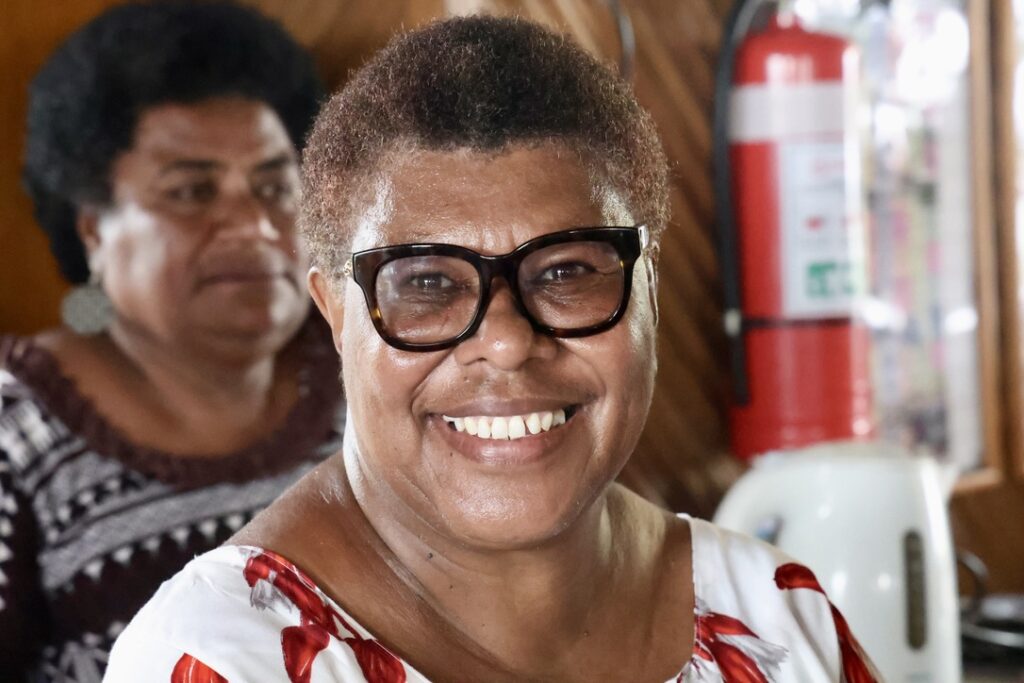
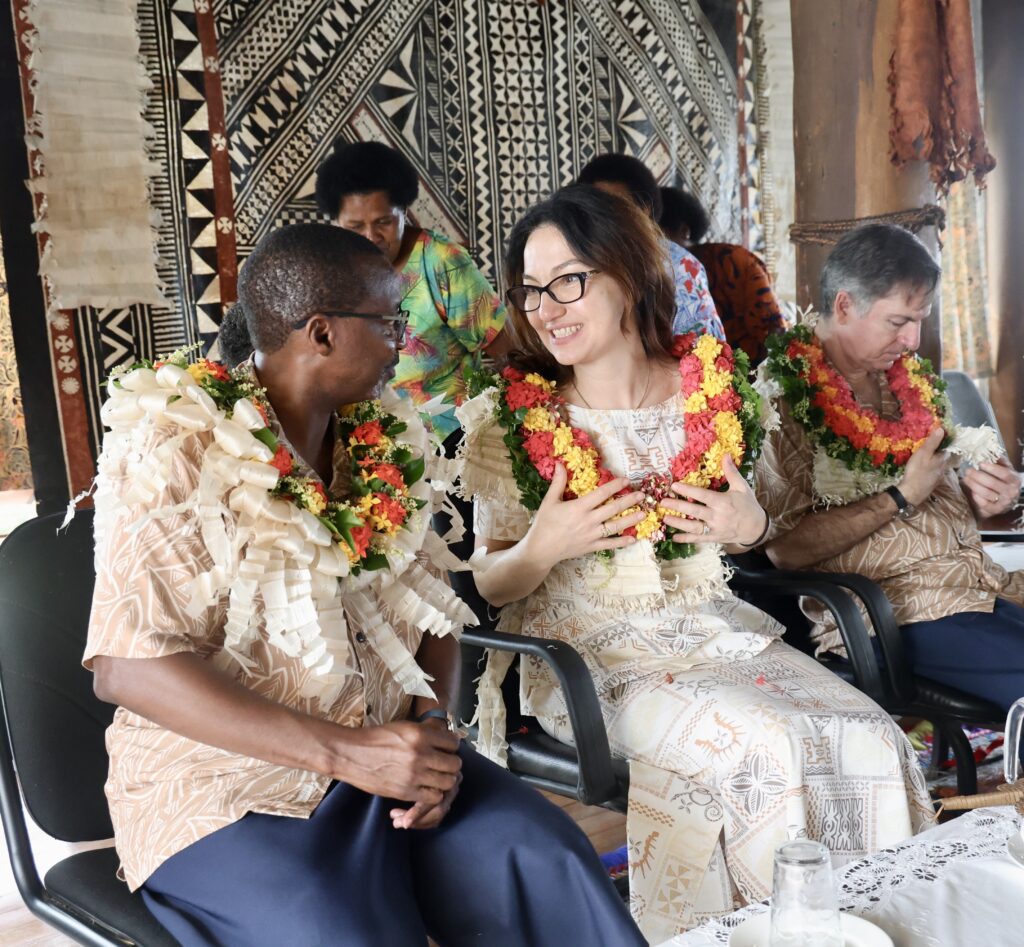
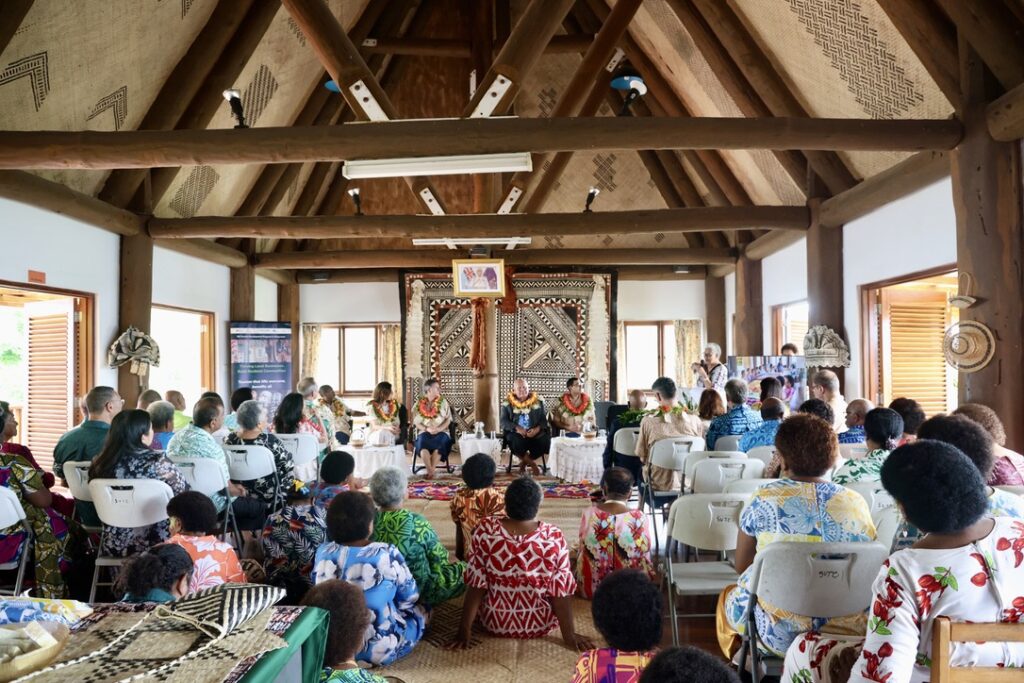
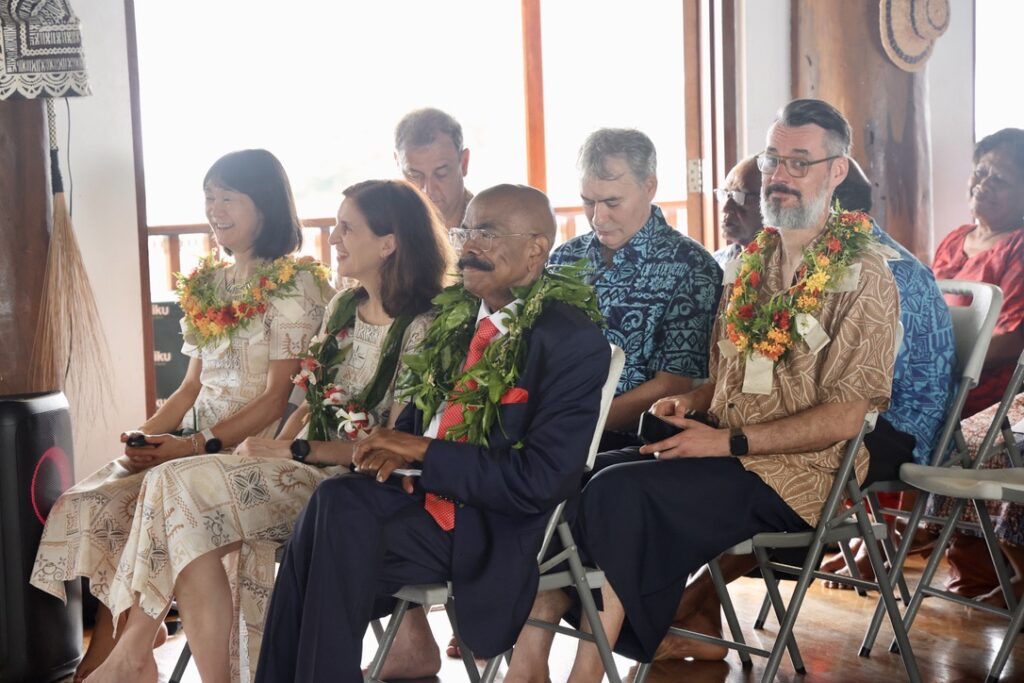
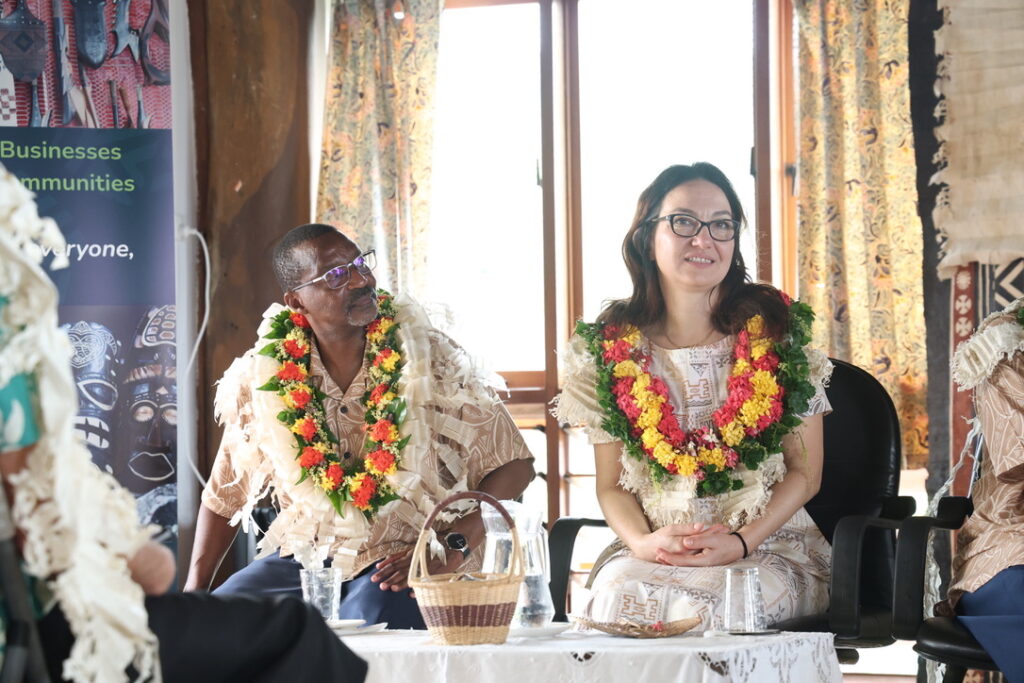
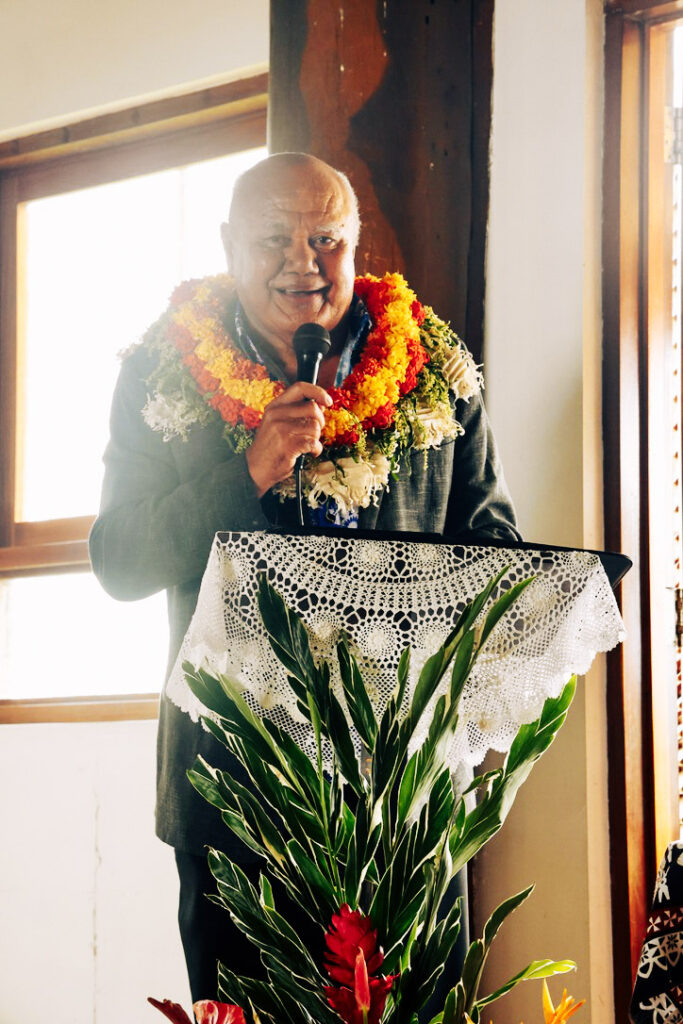
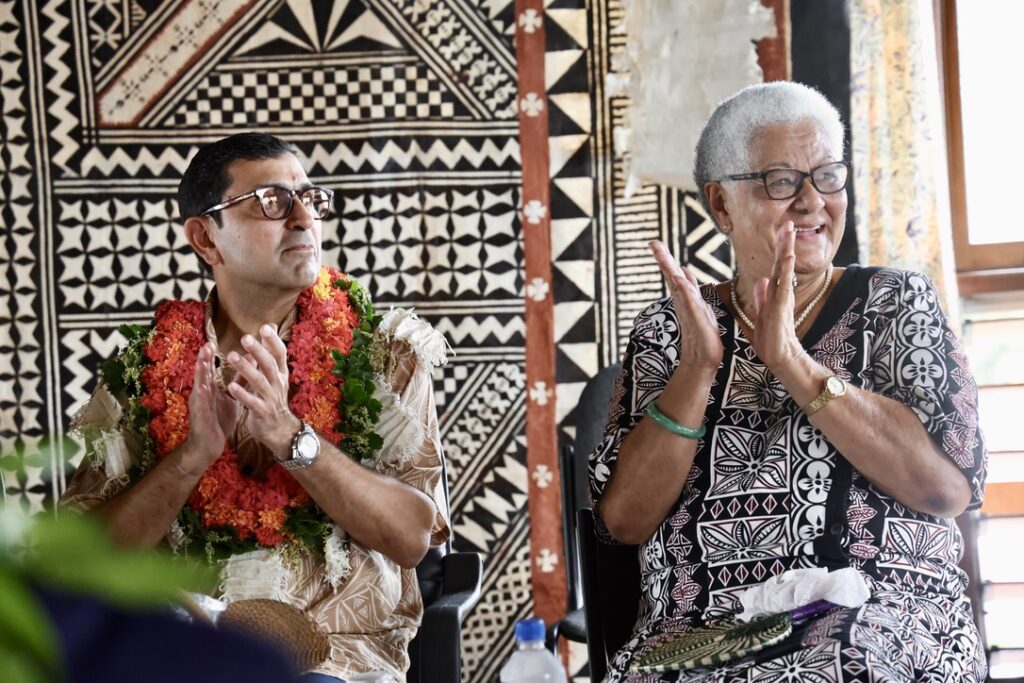
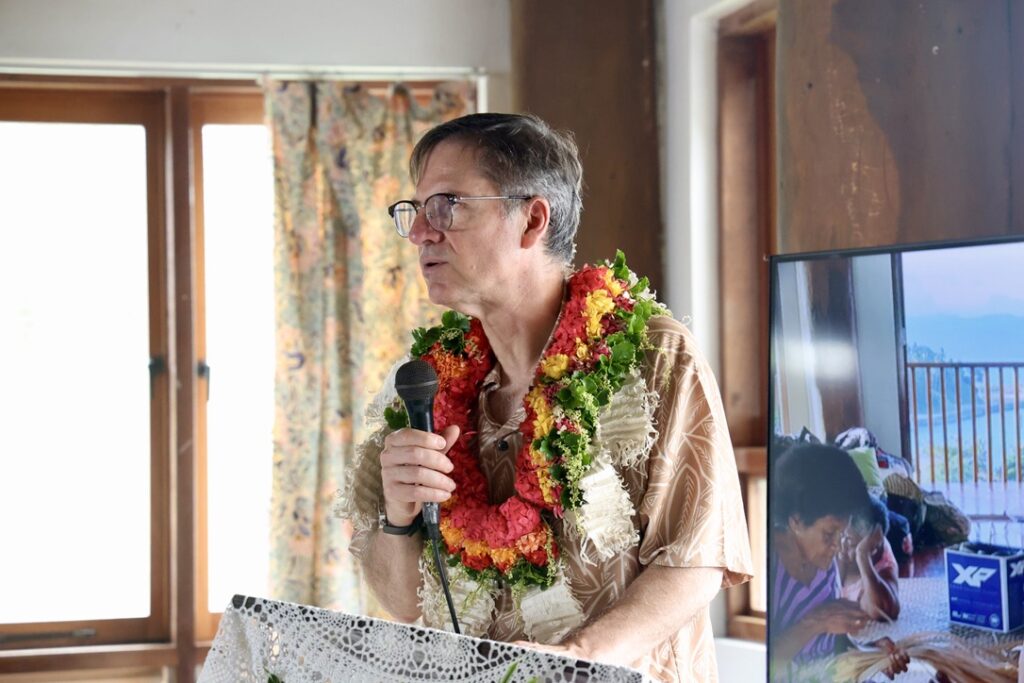
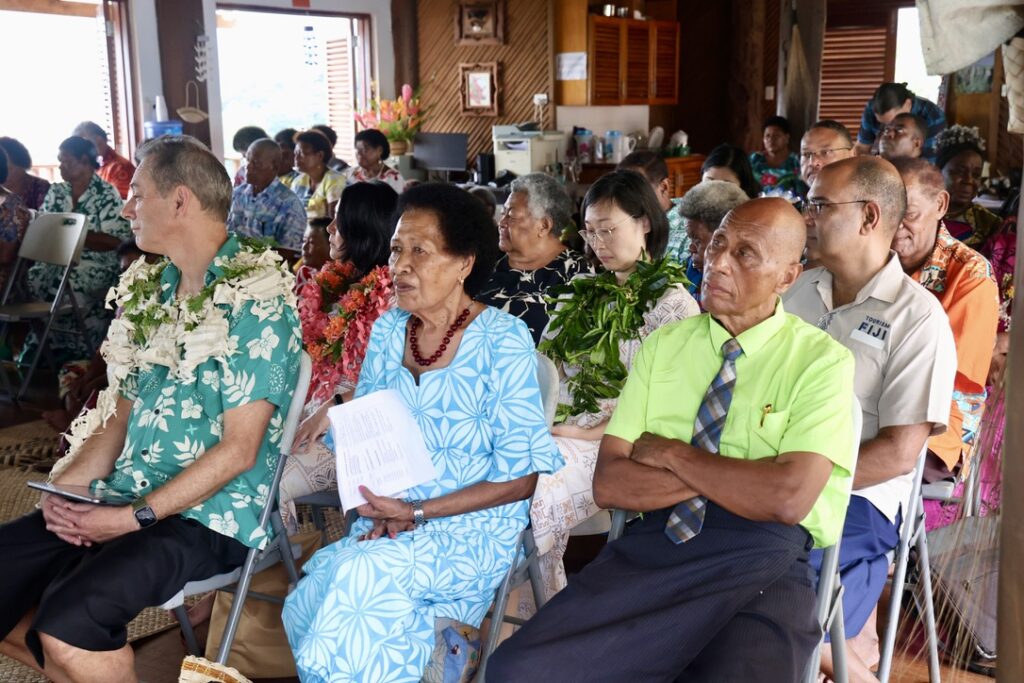
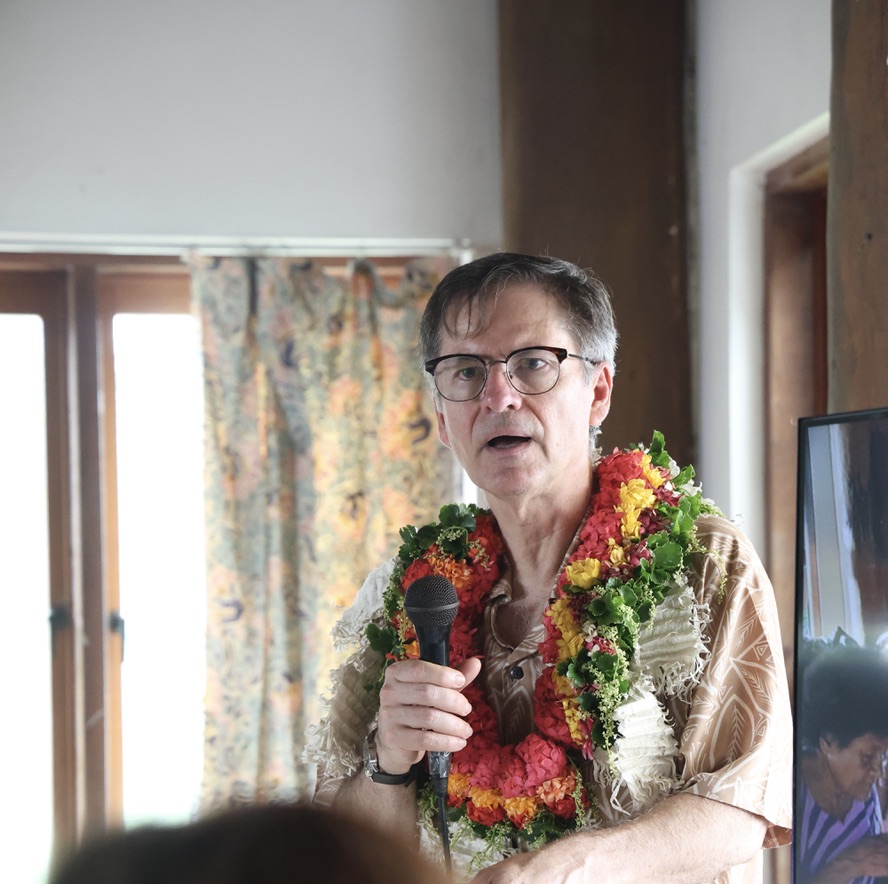
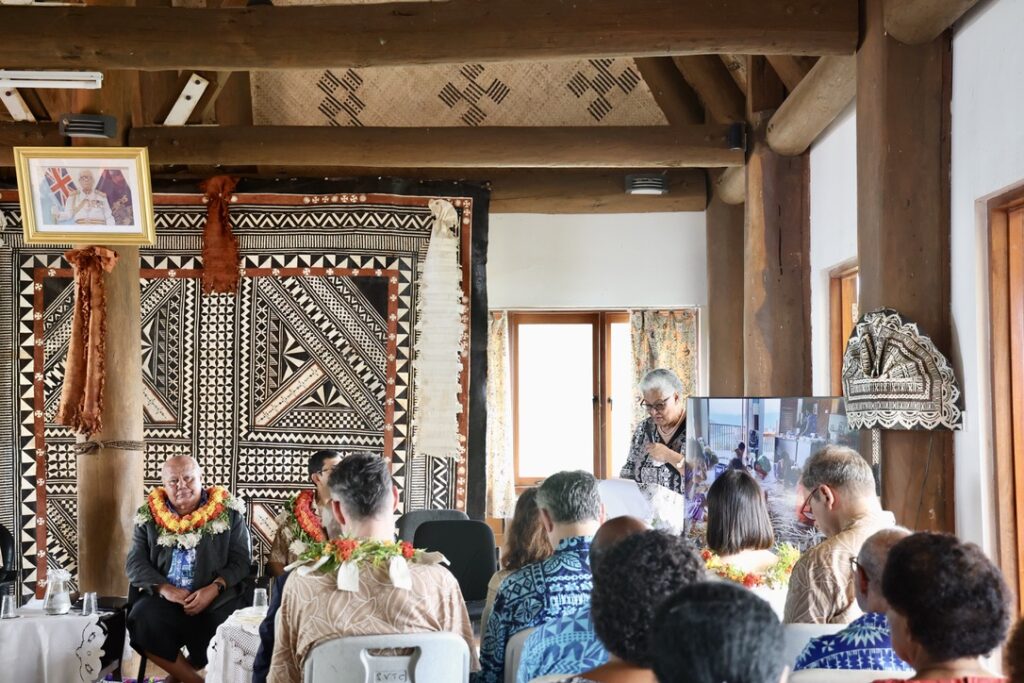
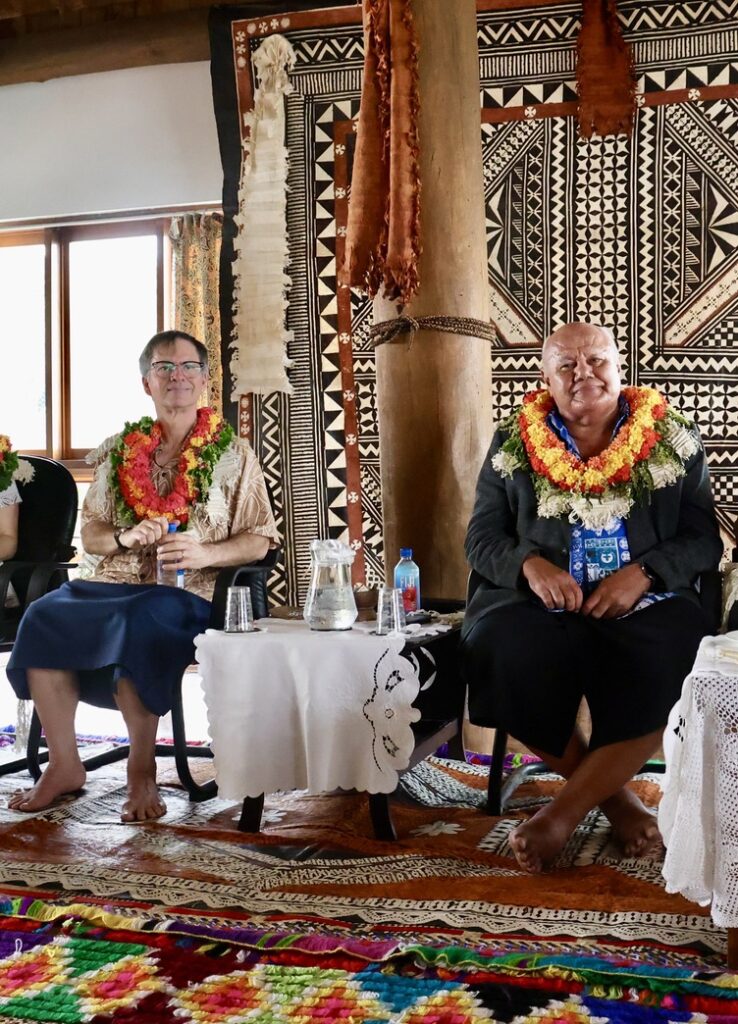
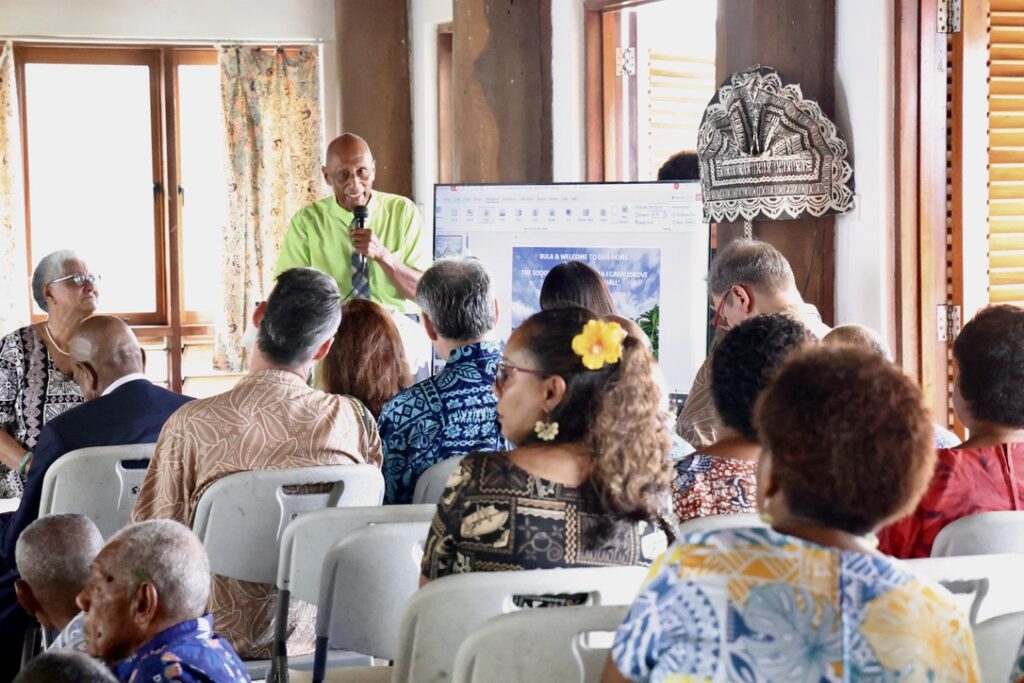
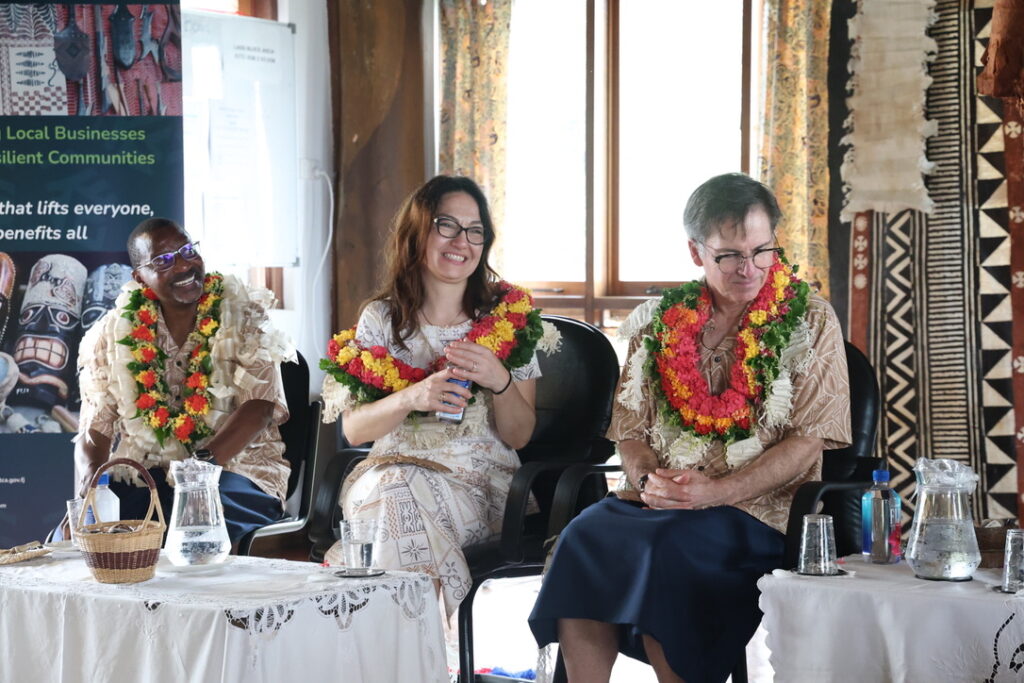
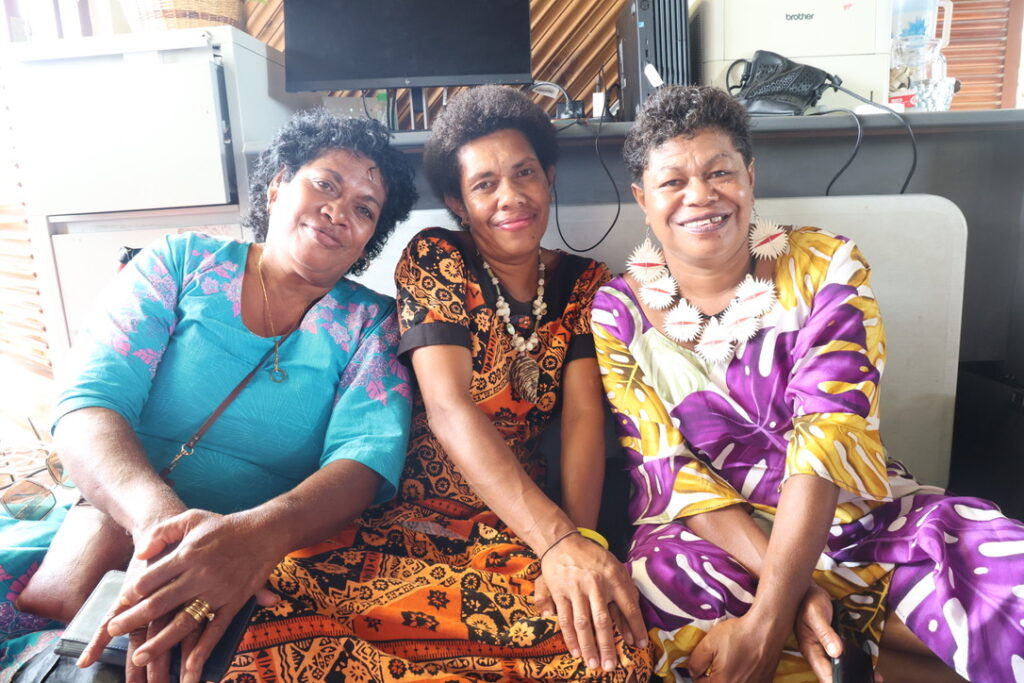
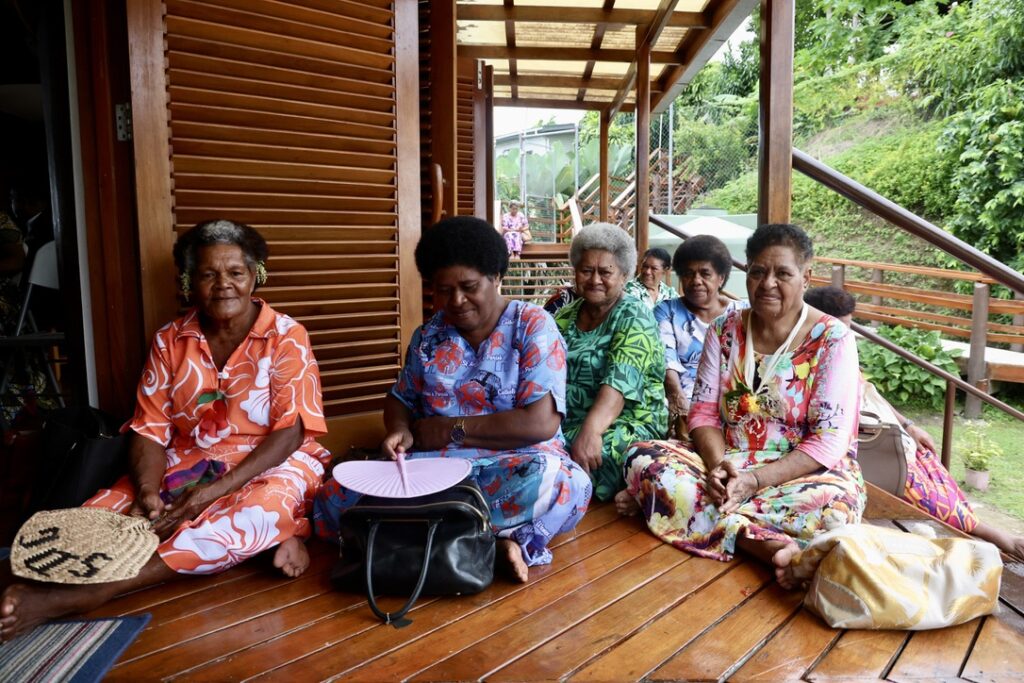
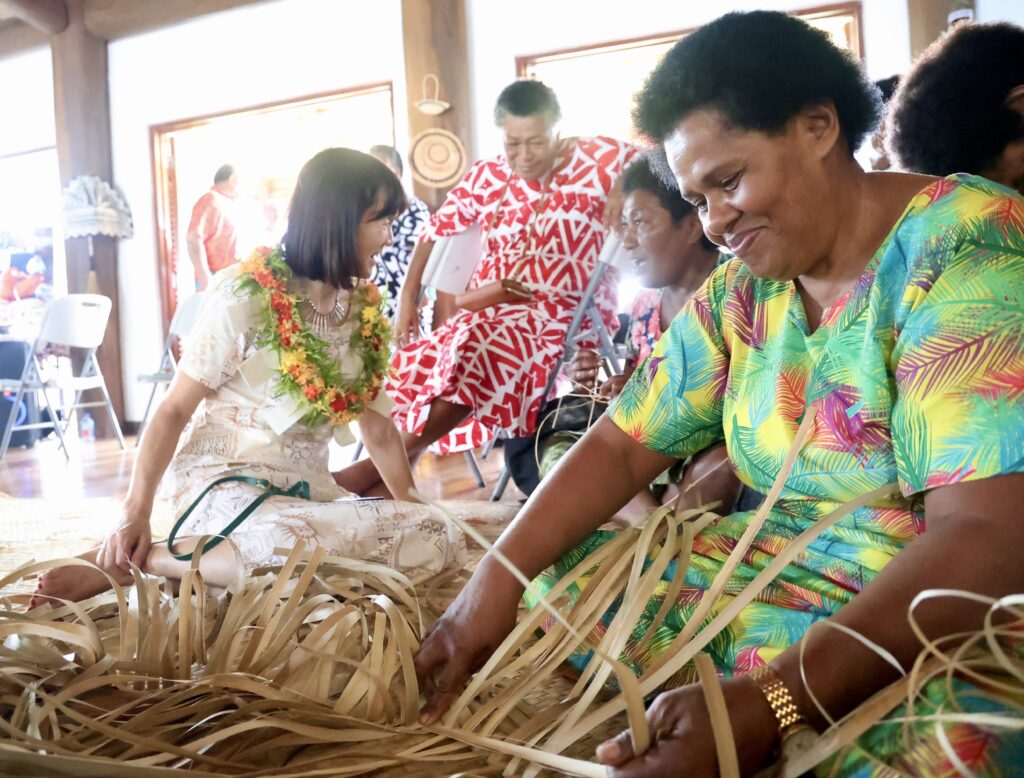
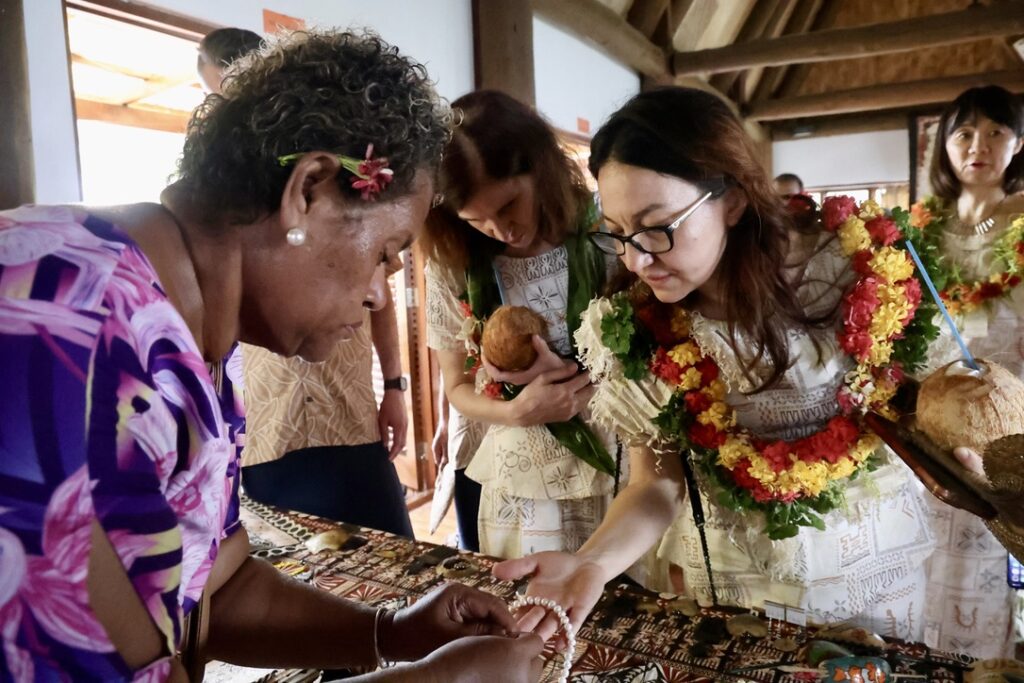
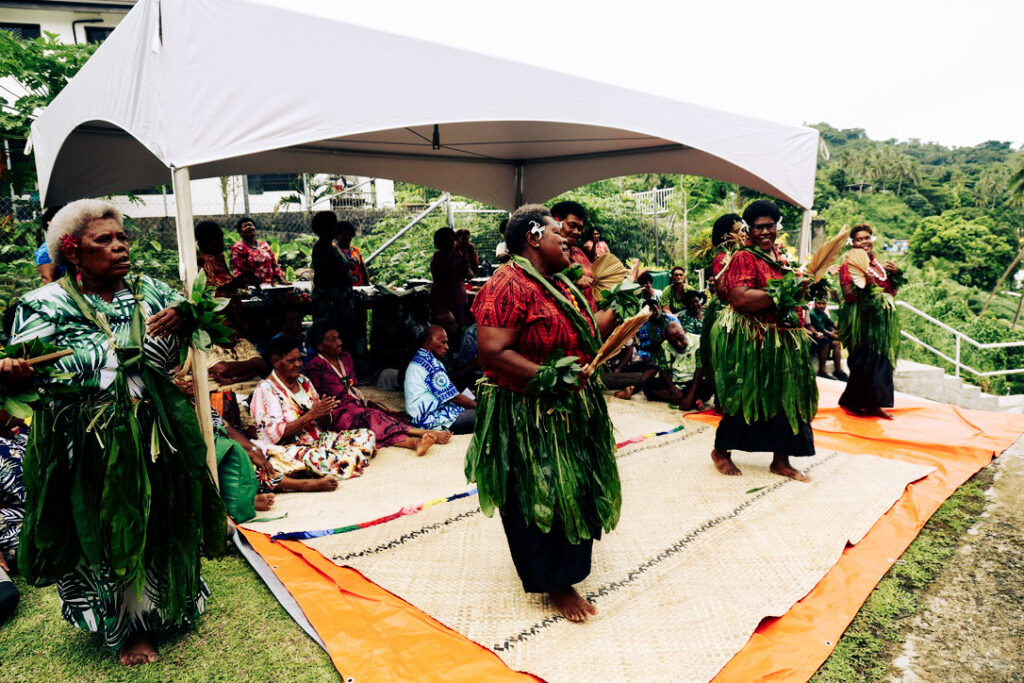
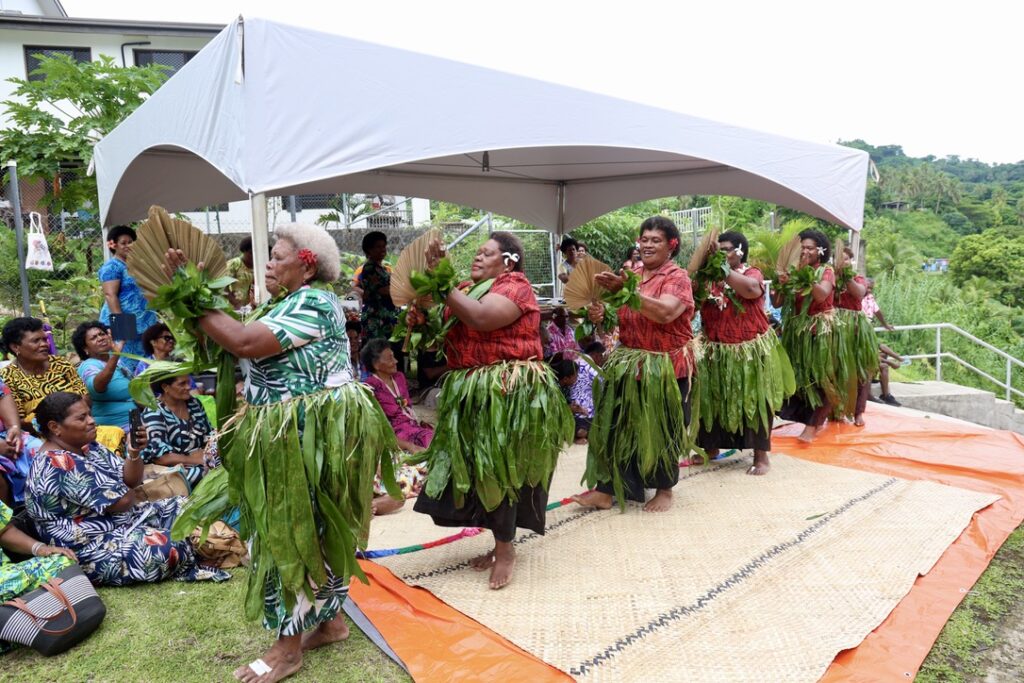
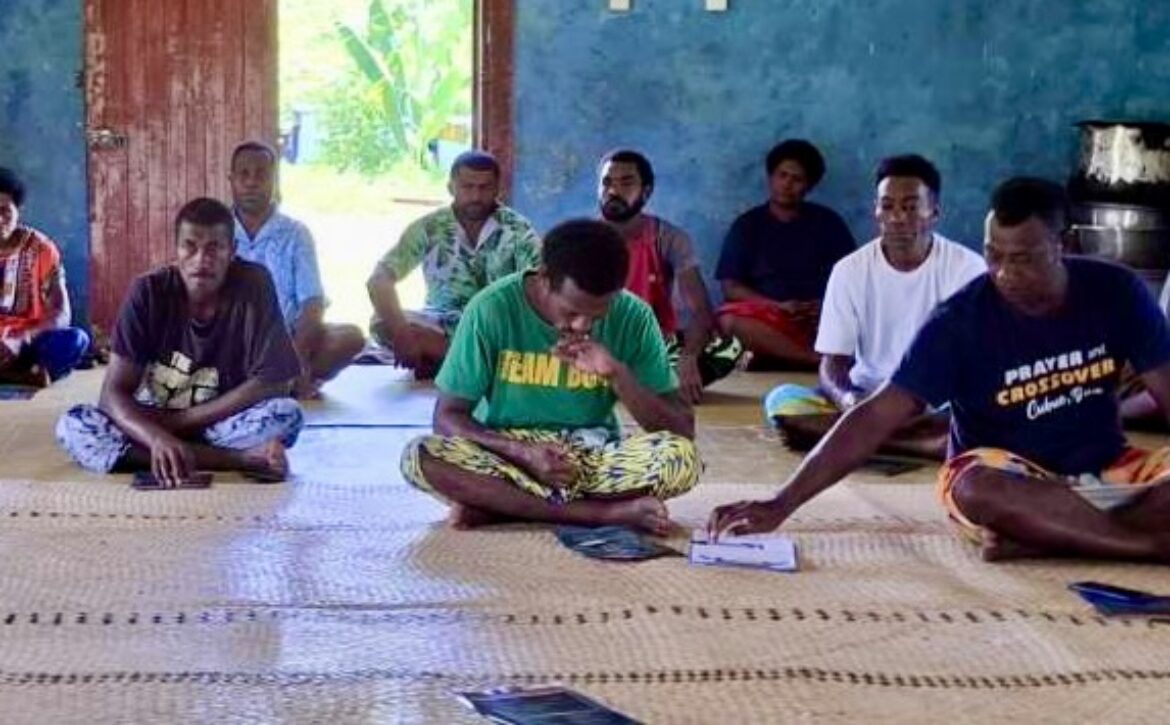
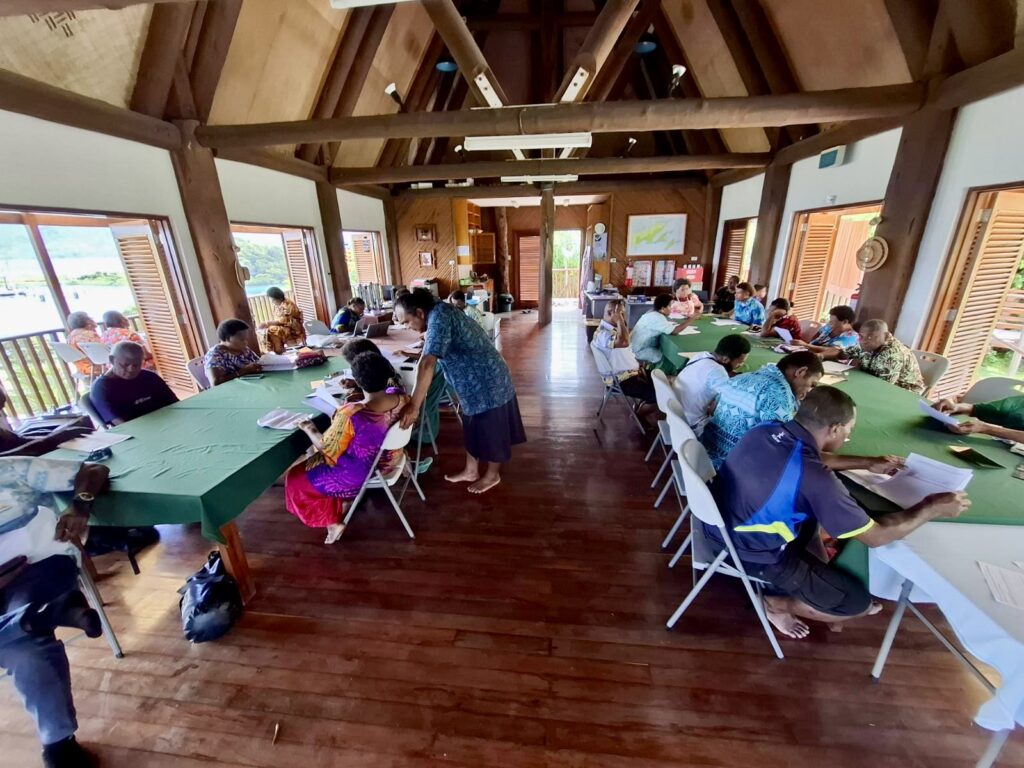
 Nasau Village
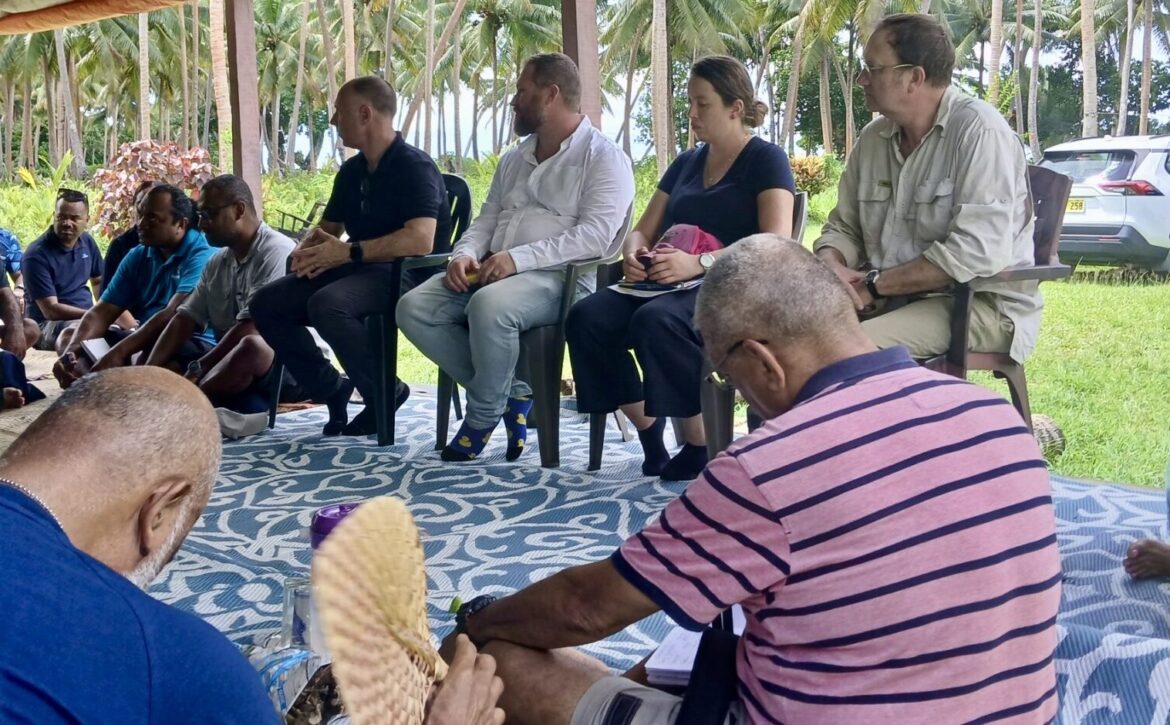
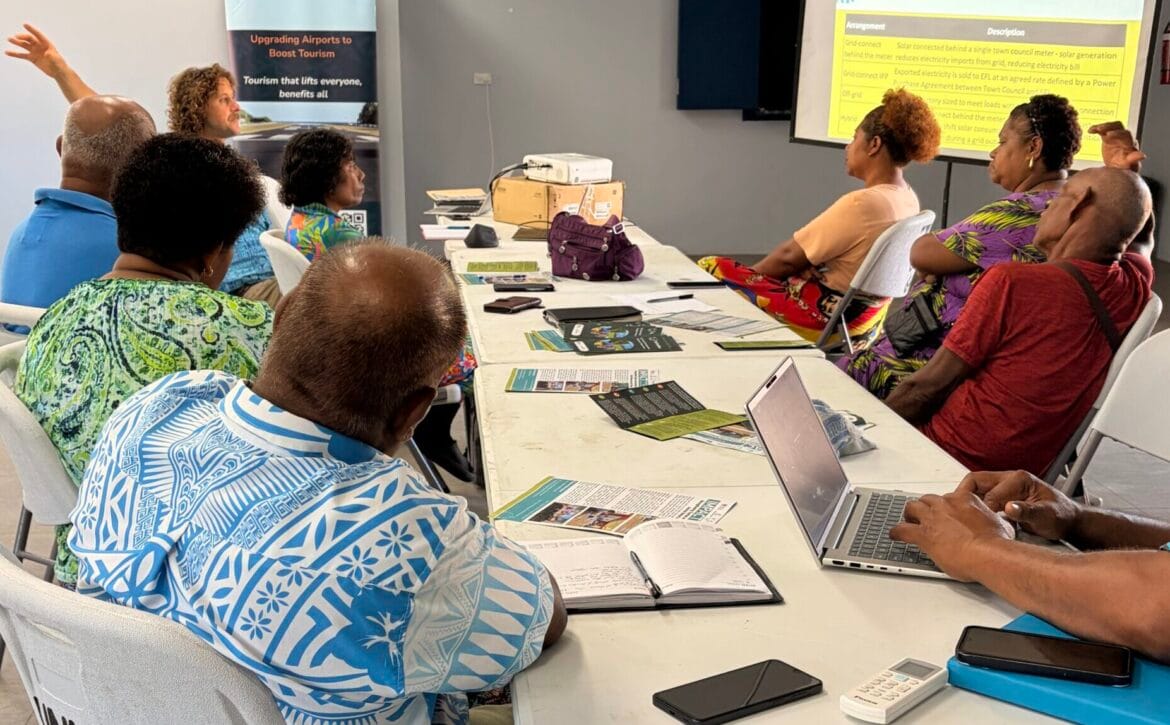
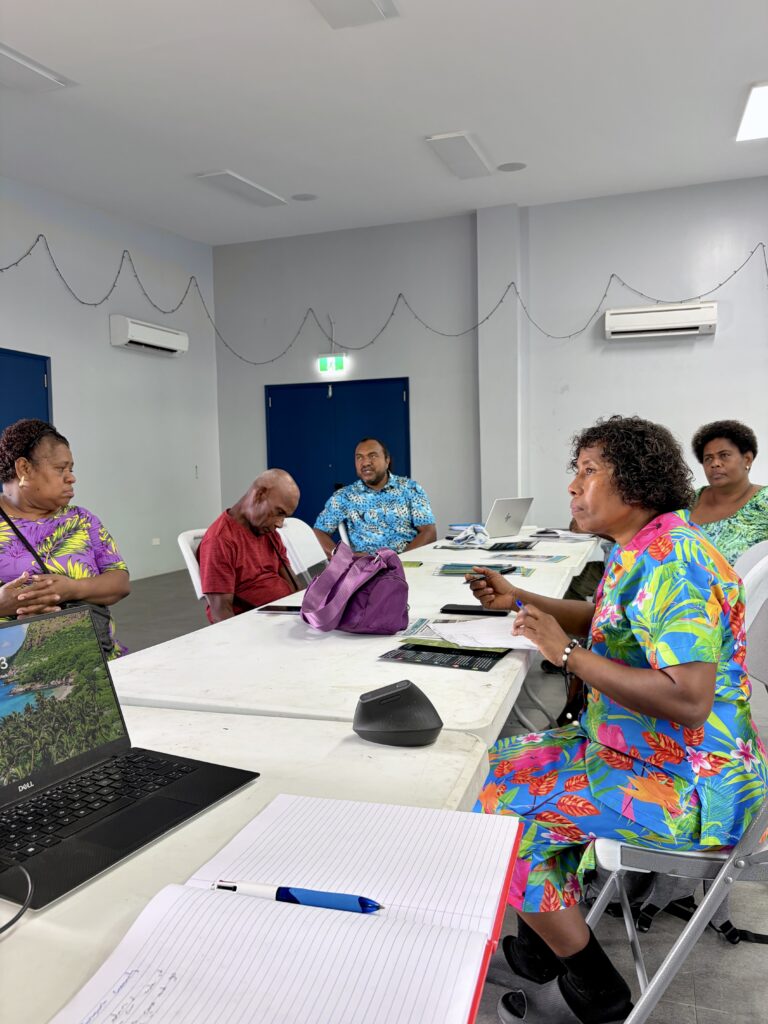
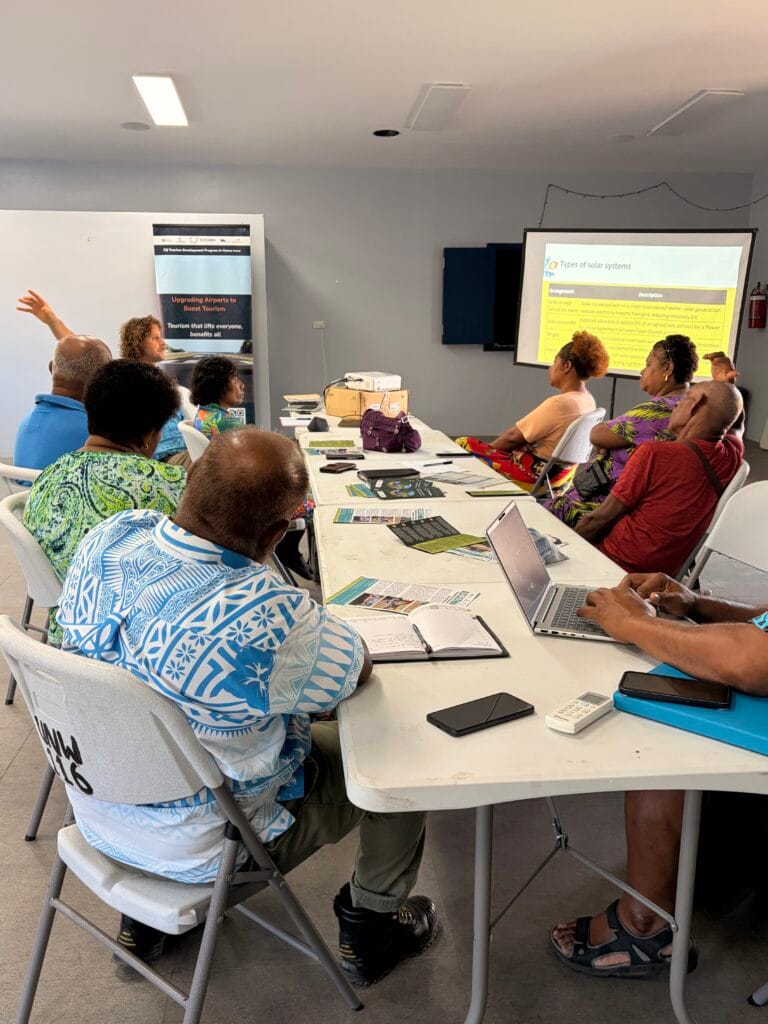
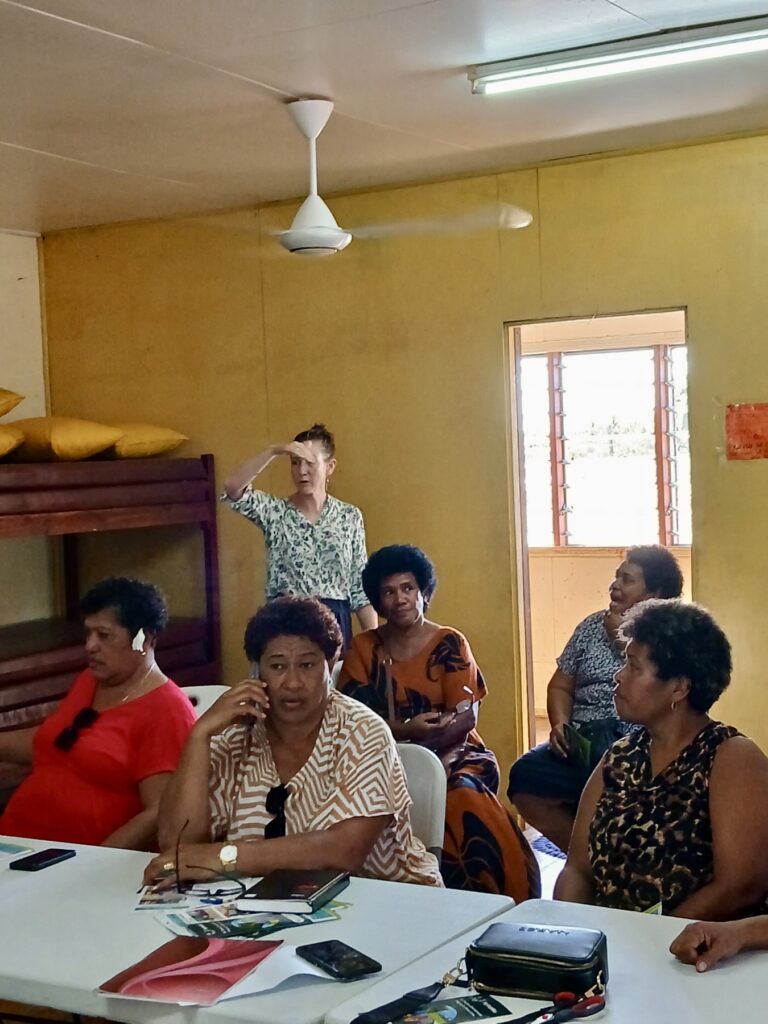
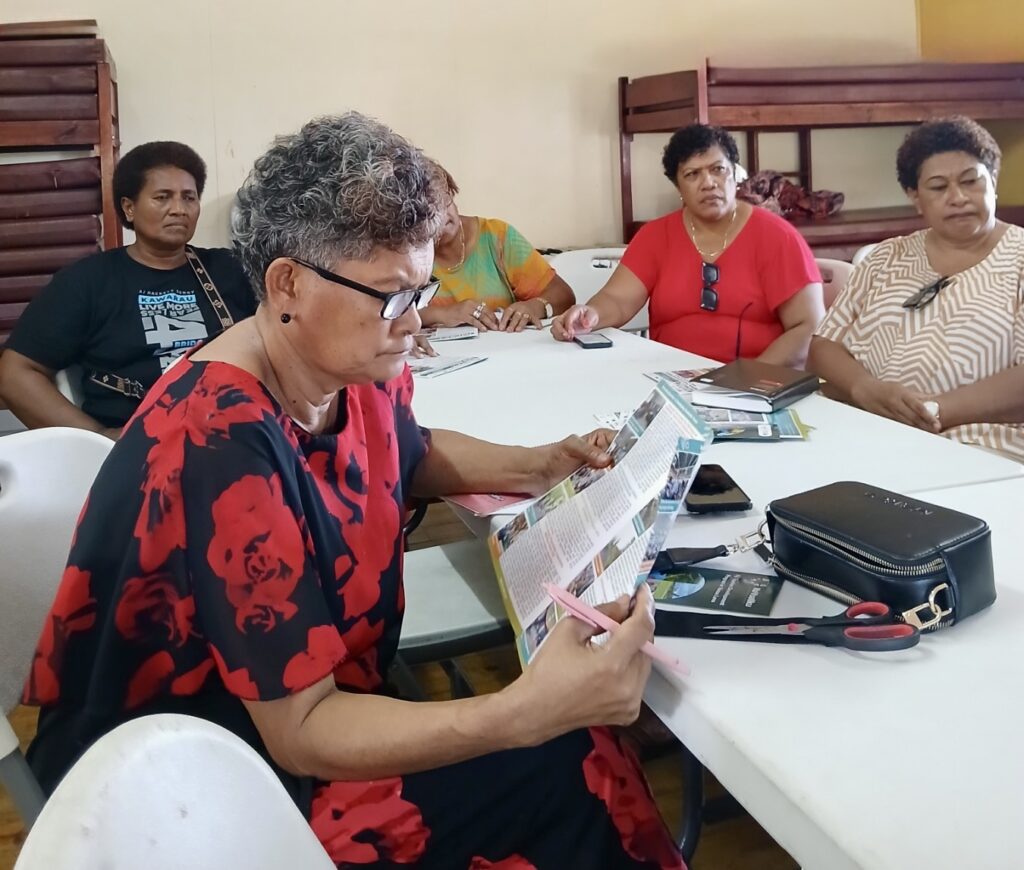
  Our team delivered an awareness session and provided hands-on application support for the Na Vualiku MSME & CBT Capacity Building and Grant Program.
 Confirm eligibility
 Final call: don’t miss the window.
 Apply online or download forms (English, Hindi, iTaukei):
 Need help fast? Call 9928657 or 9986503
 Closes 13 February 2026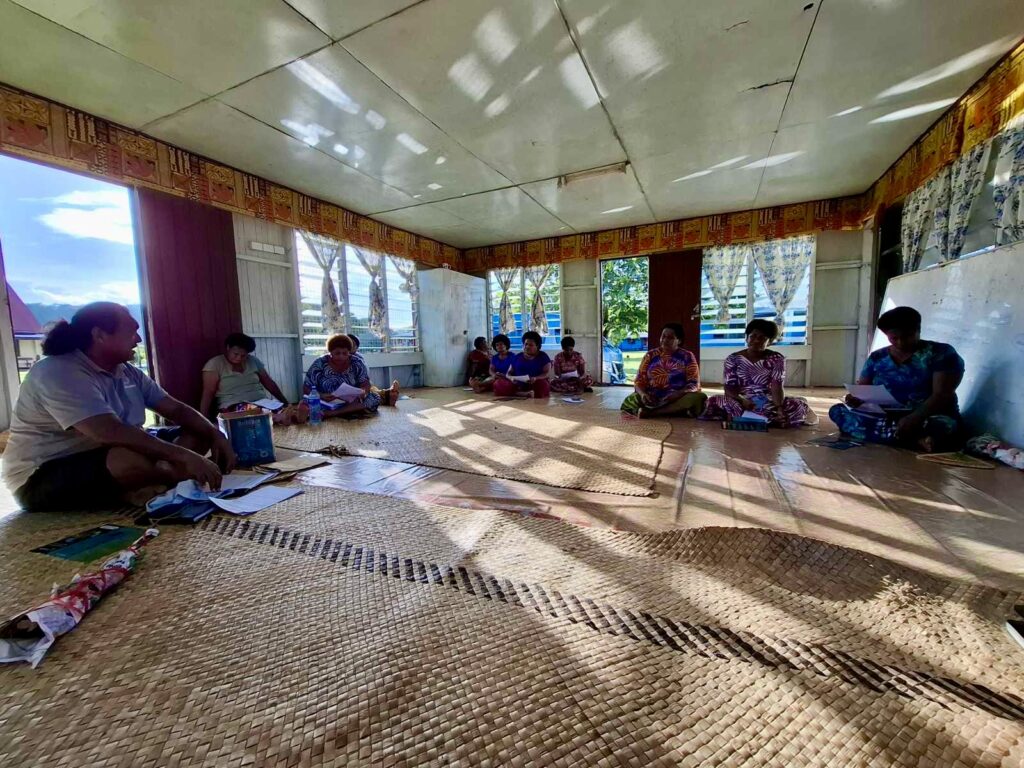
 The application window is still open.