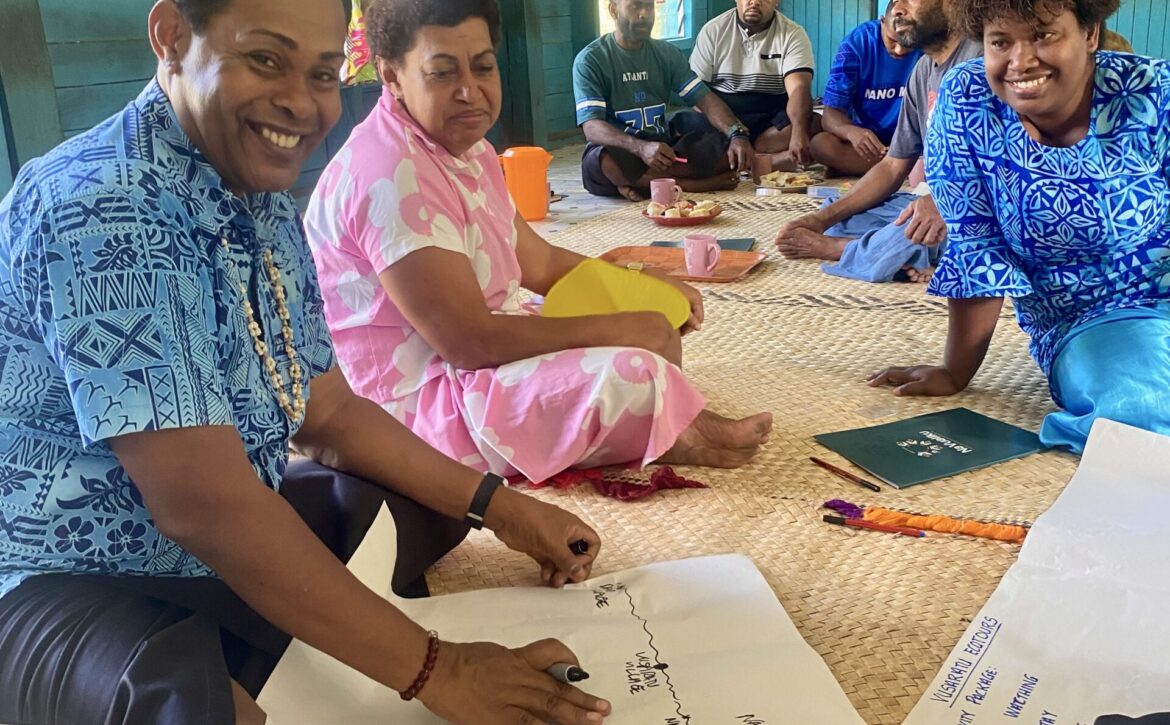
Communities are clear: tourism must grow in a way that protects people, land, and livelihoods.
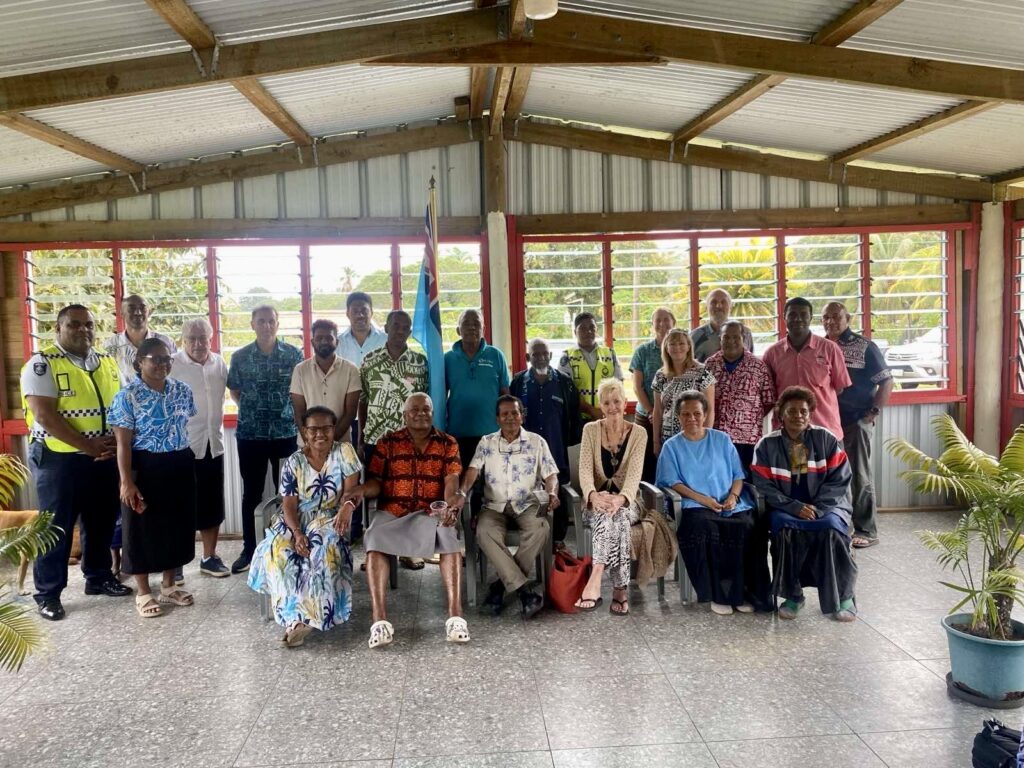
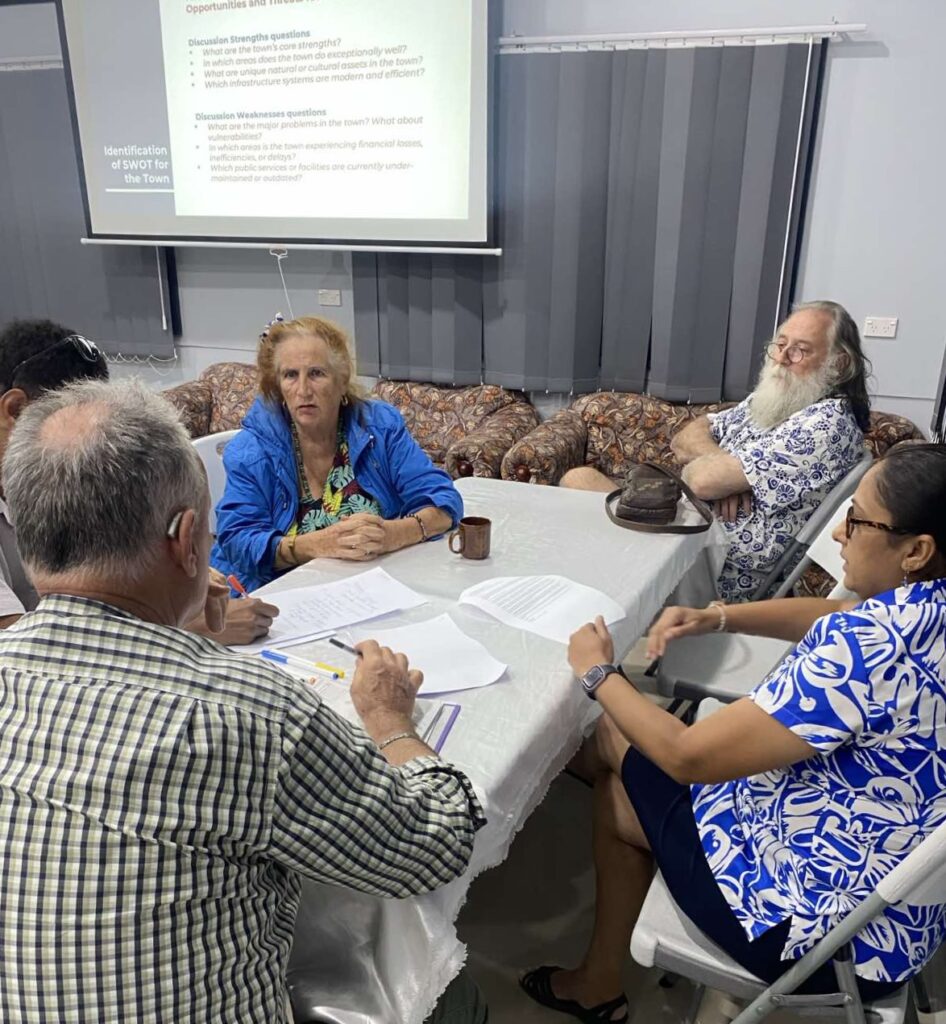
More than 120 stakeholders across Labasa, Bua, Savusavu, and Taveuni have validated key findings of the Strategic Environmental and Social Assessment (SESA), highlighting the need to actively manage environmental and social risks as tourism grows.
The SESA is informing tourism development to help protect communities, land, and livelihoods, while ensuring risks are identified early and addressed through planning.
Integrated Tourism Master Plan (ITMP): Planning for Sustainable Tourism Growth in Vanua Levu and Taveuni
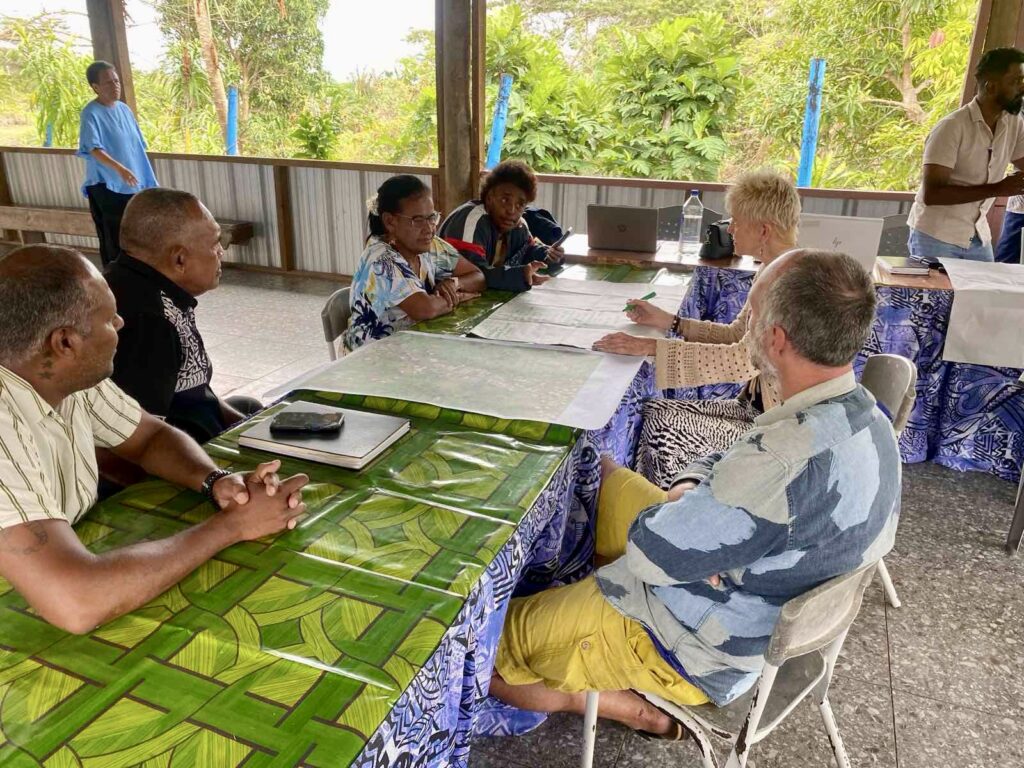
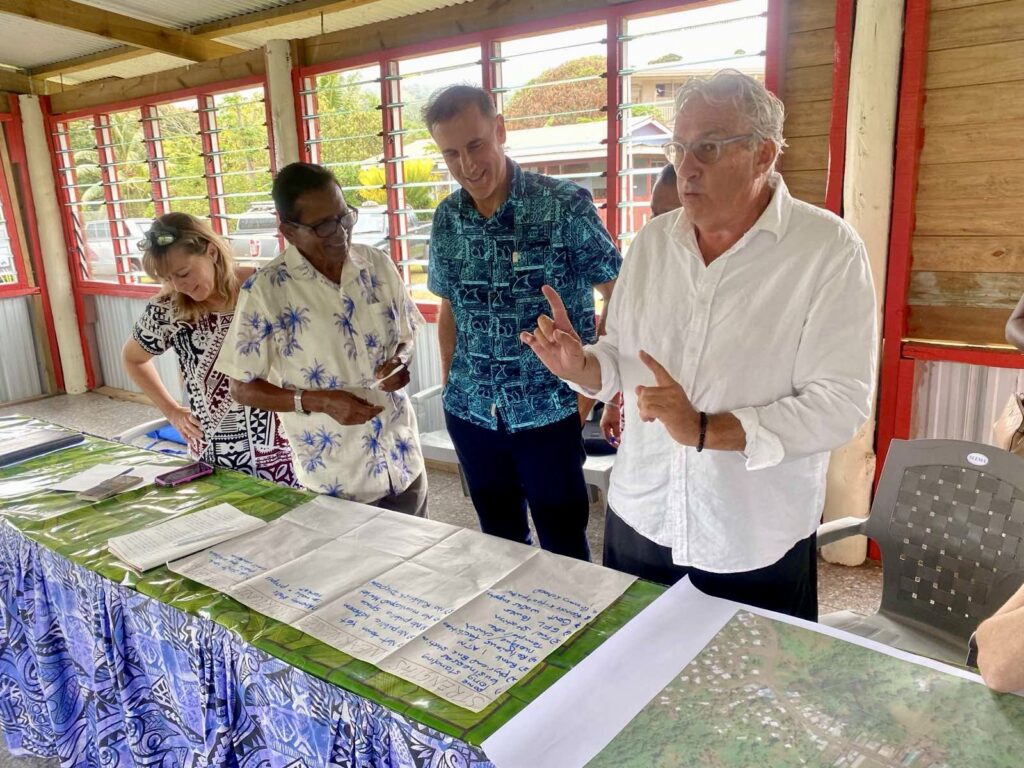
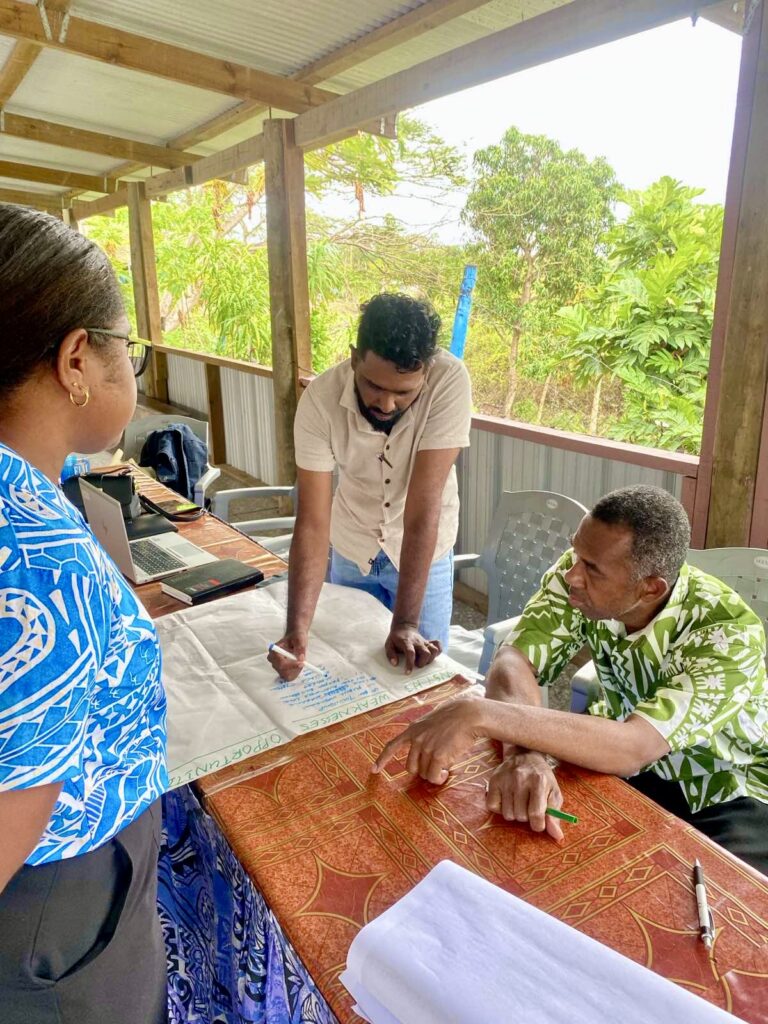
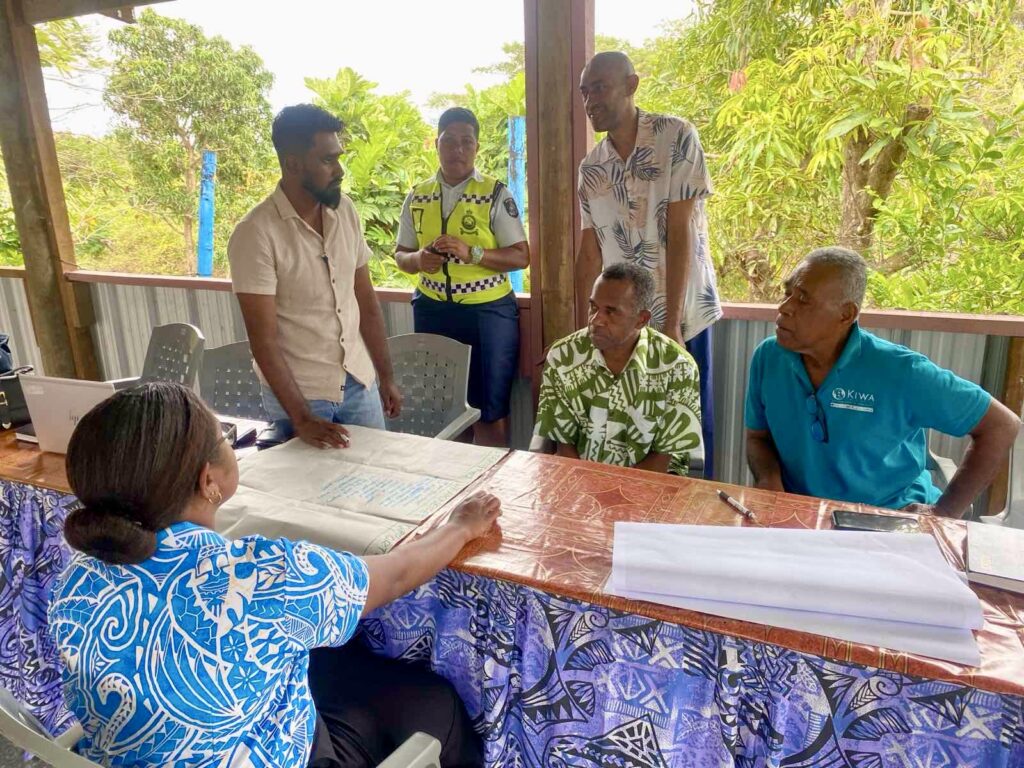
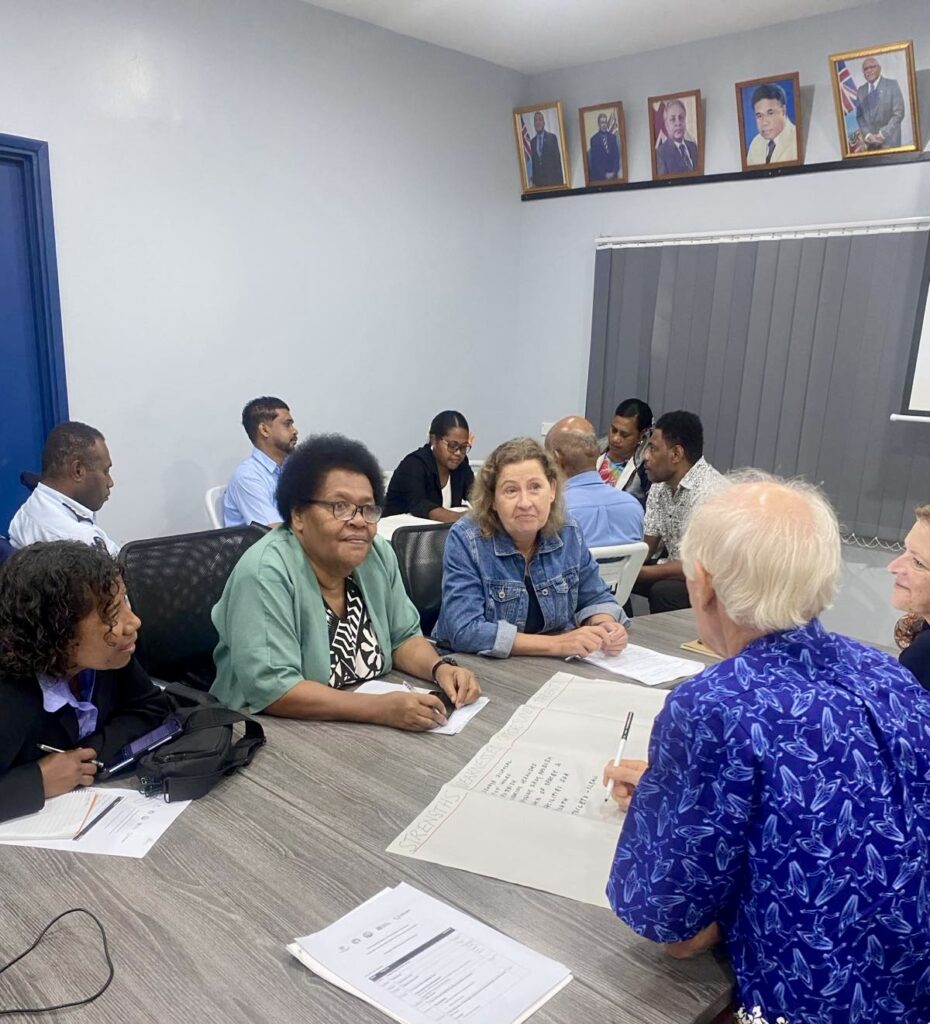
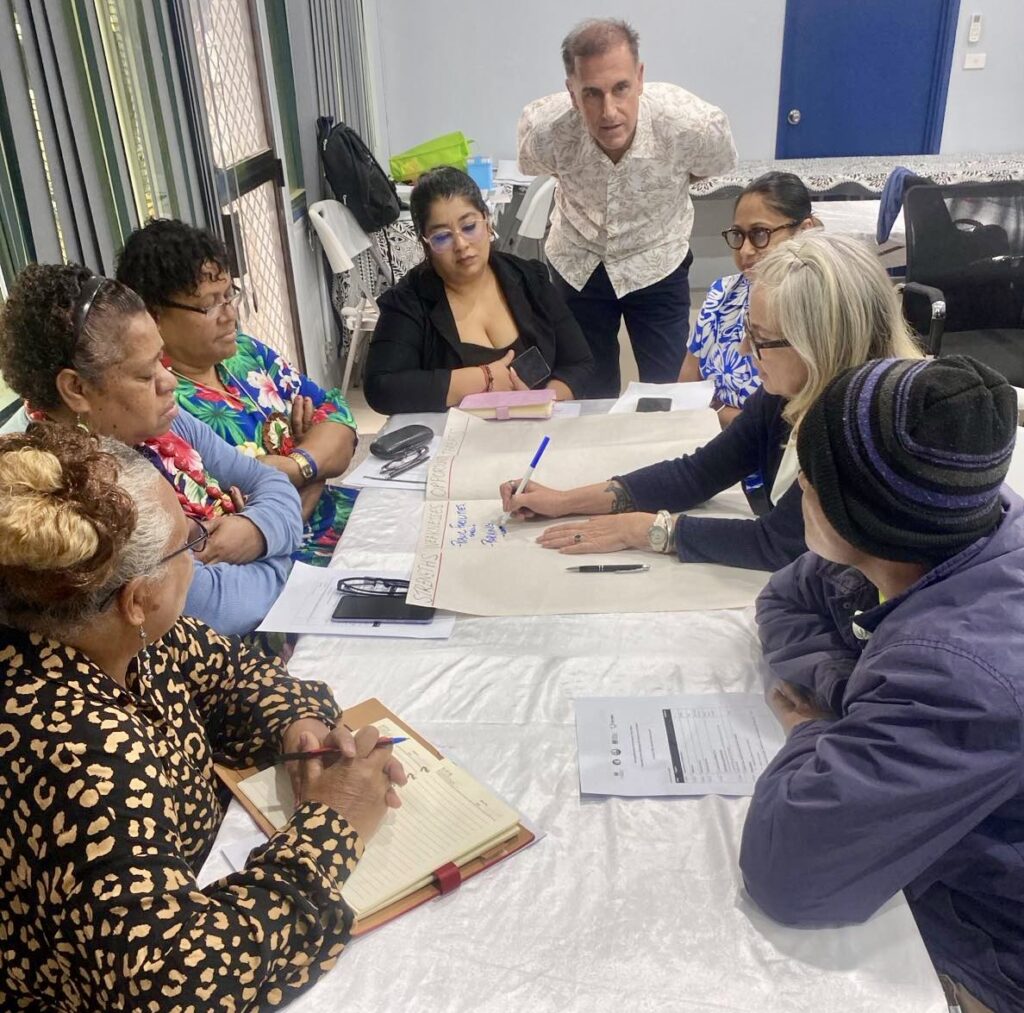
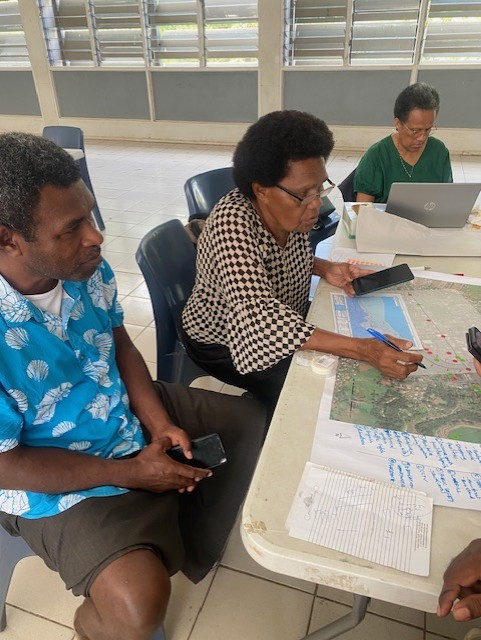
Following the wide consultations held last year, the ITMP team carried out further community engagements across Macuata earlier this year.
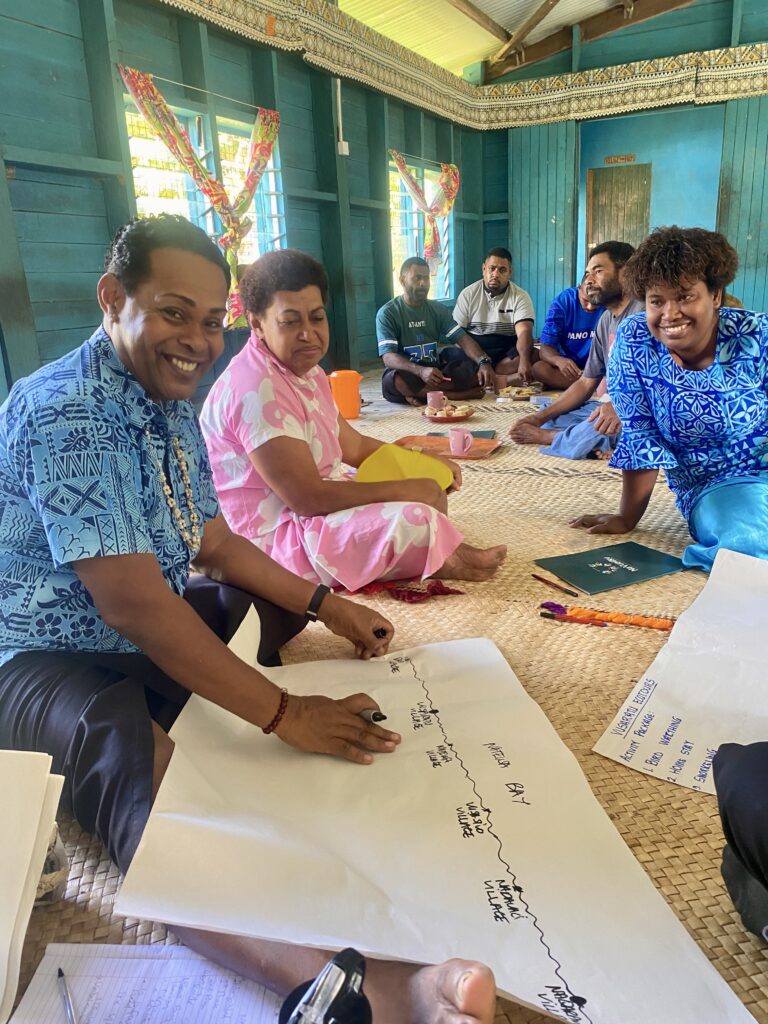
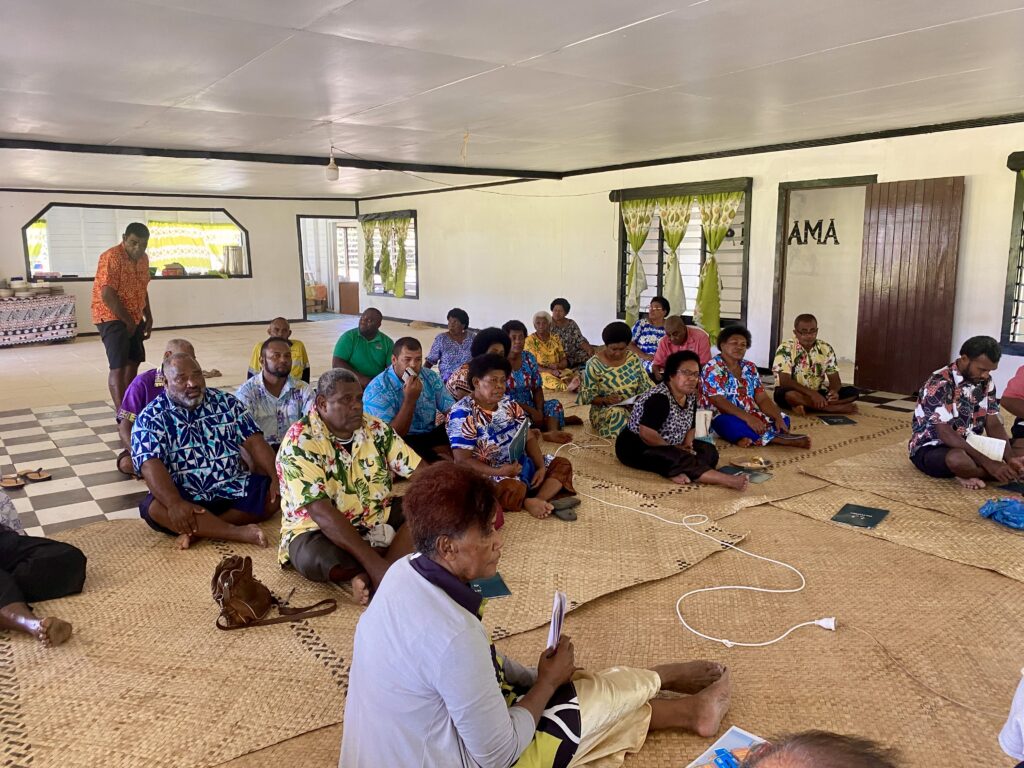
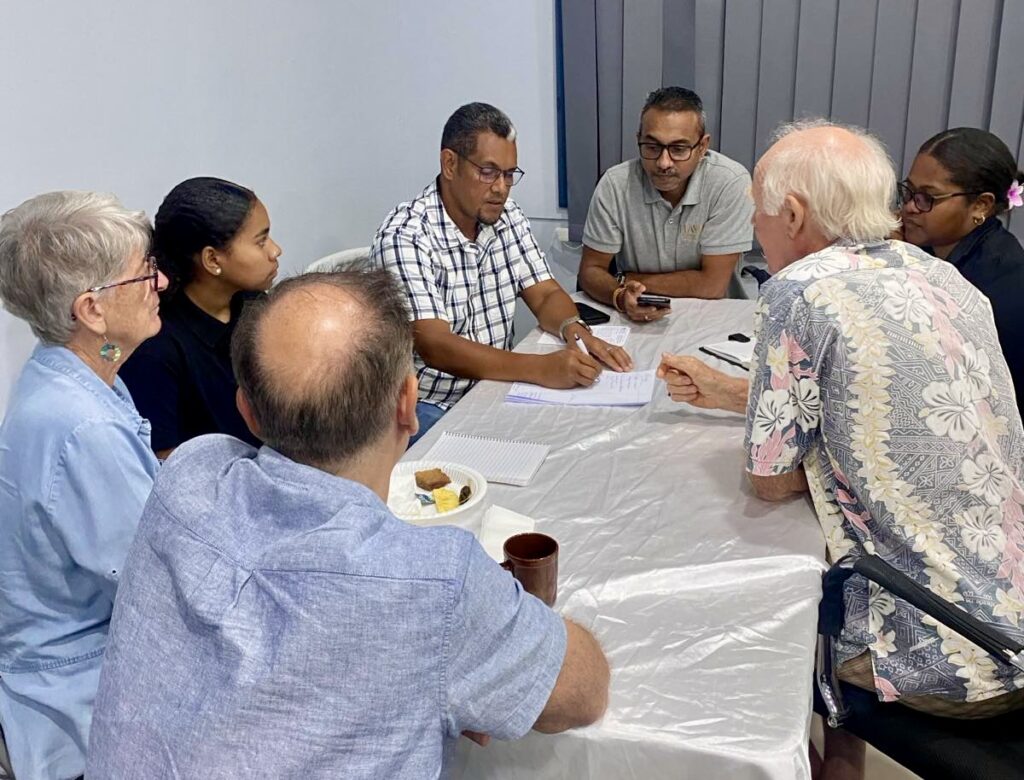
Consultations were well attended, with strong representation from community leaders, including women, youth, and persons with disabilities. Communities are now better informed of the project objectives and phases.
The team noted strong buy-in and ownership, alongside the need to balance tourism opportunities with protecting and preserving natural as well as cultural assets since cultural tourism options are being explored.
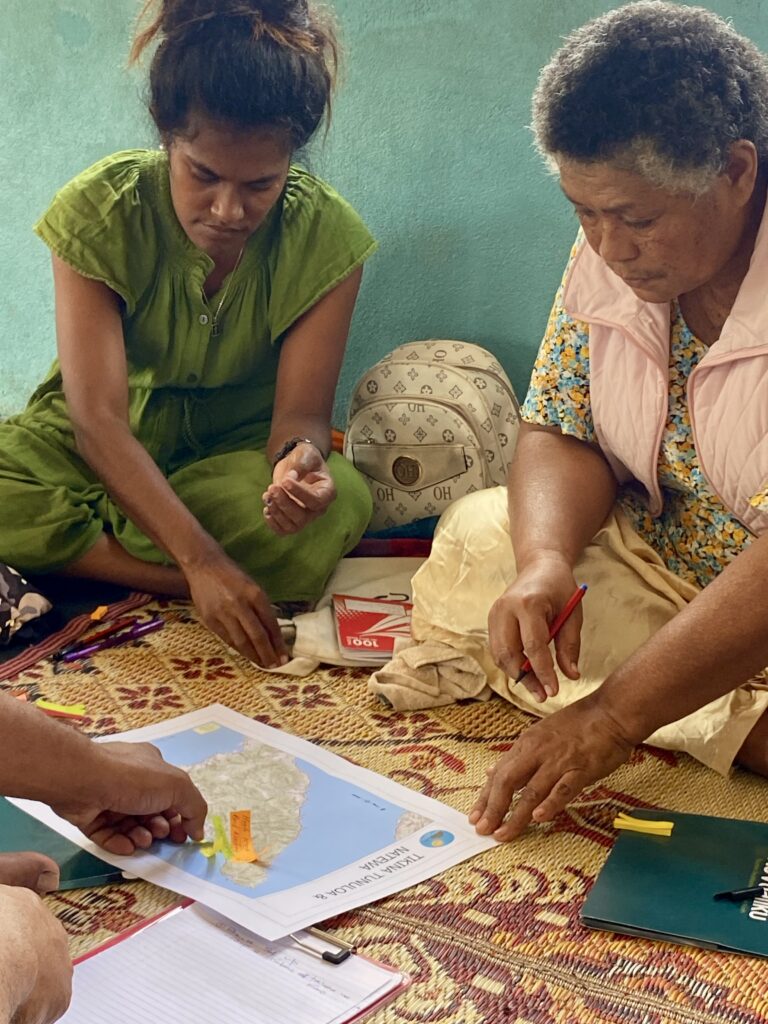
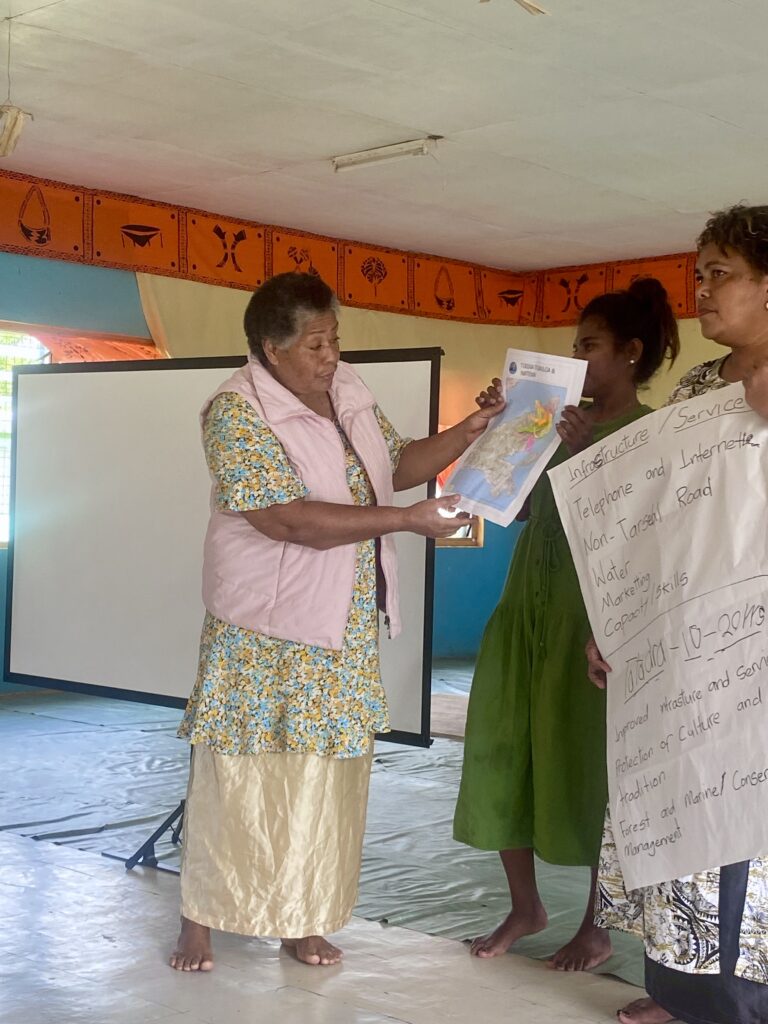
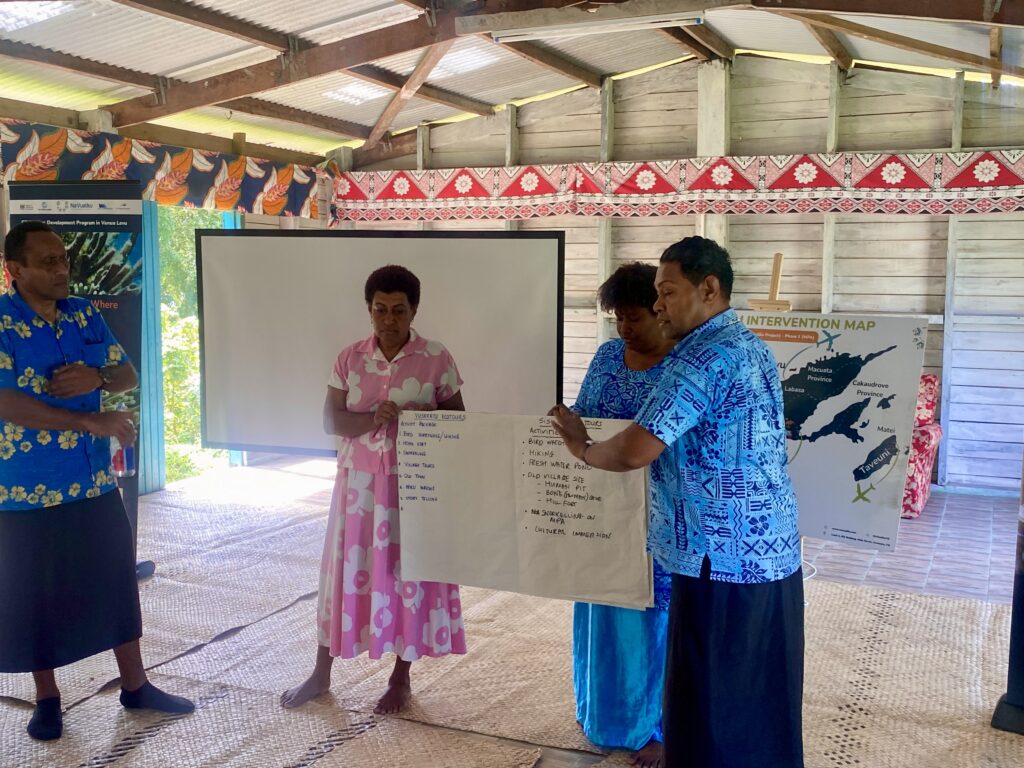
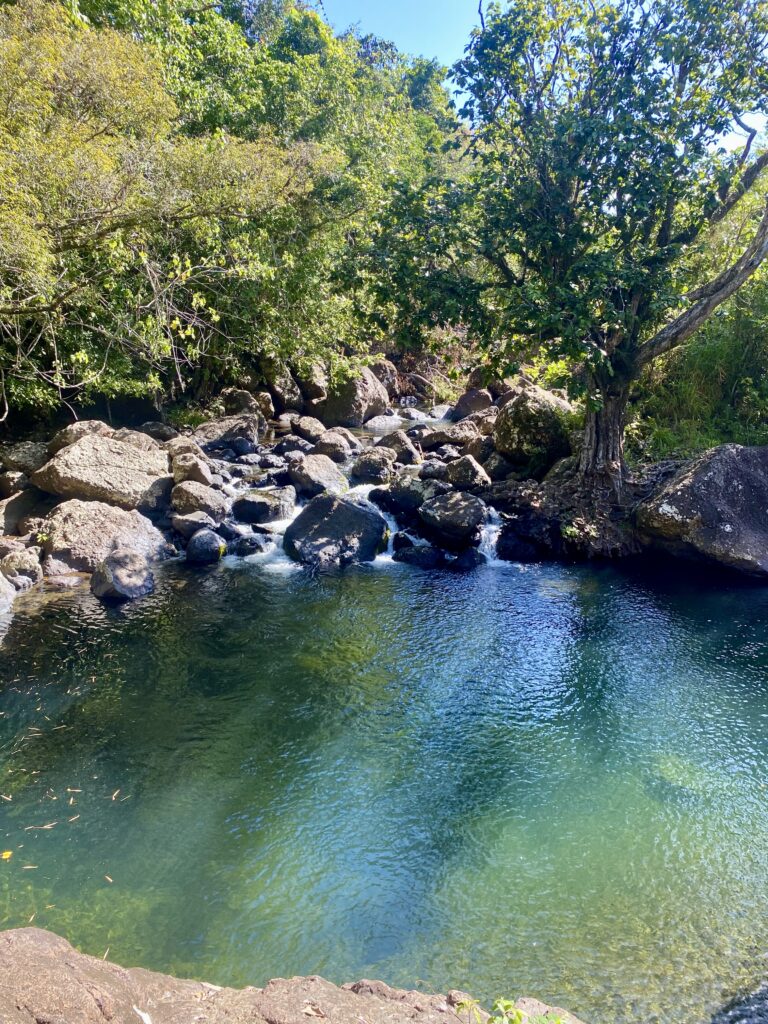
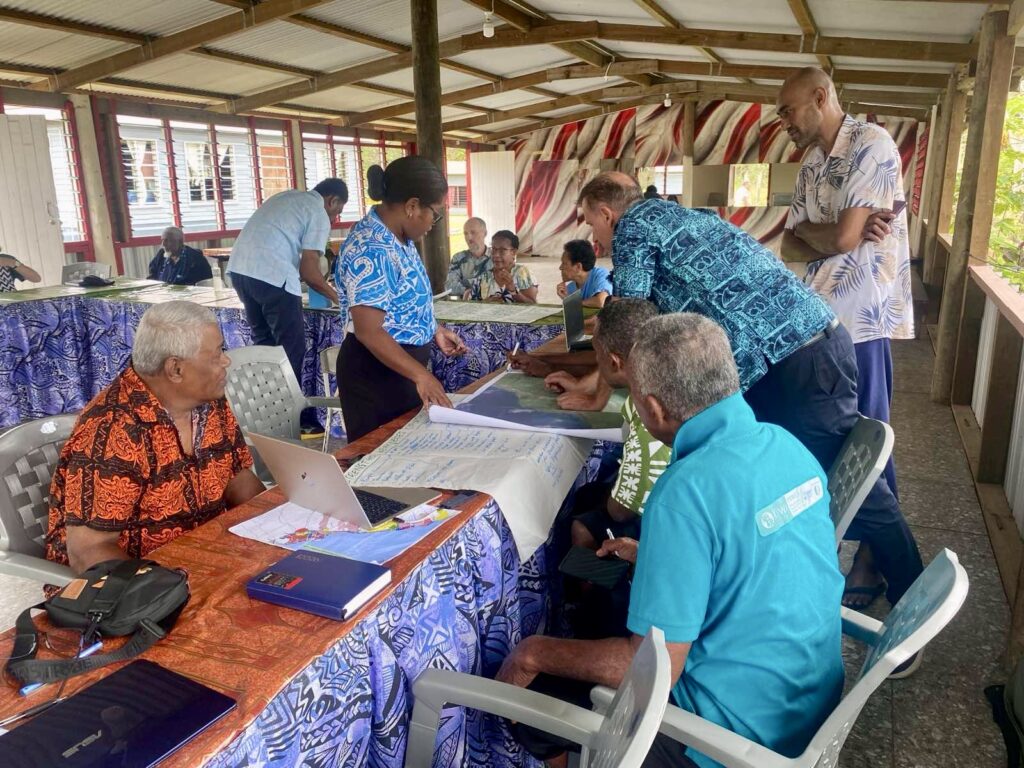
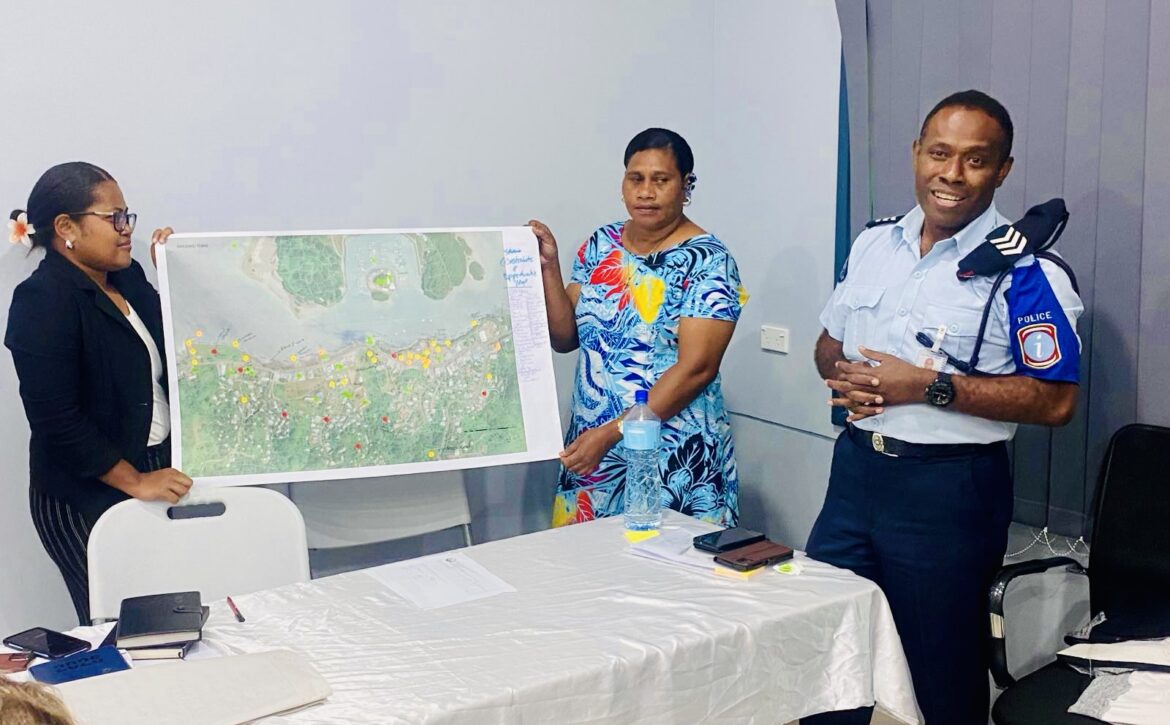
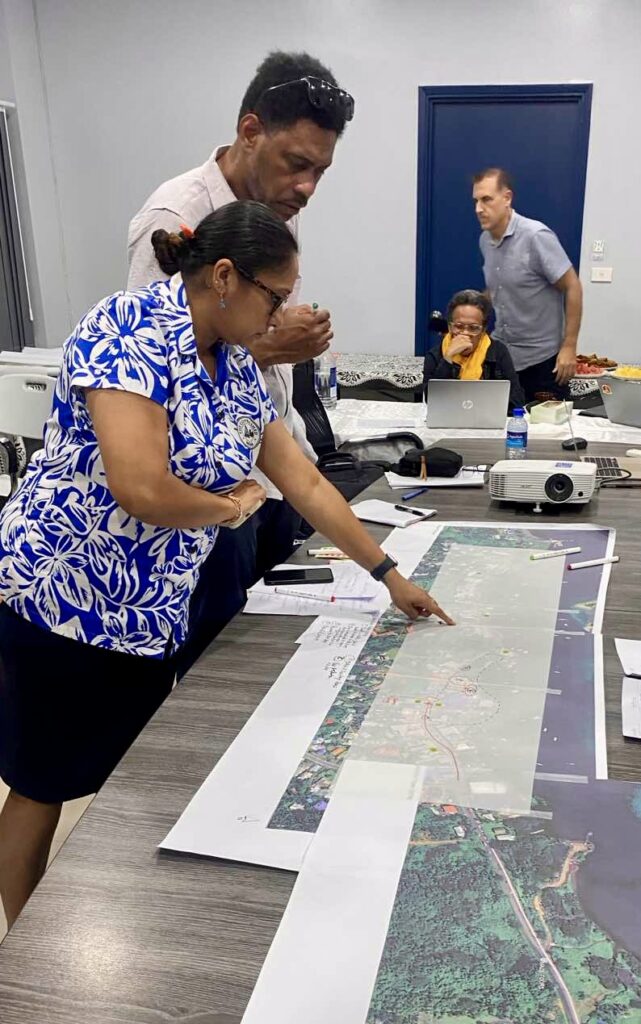
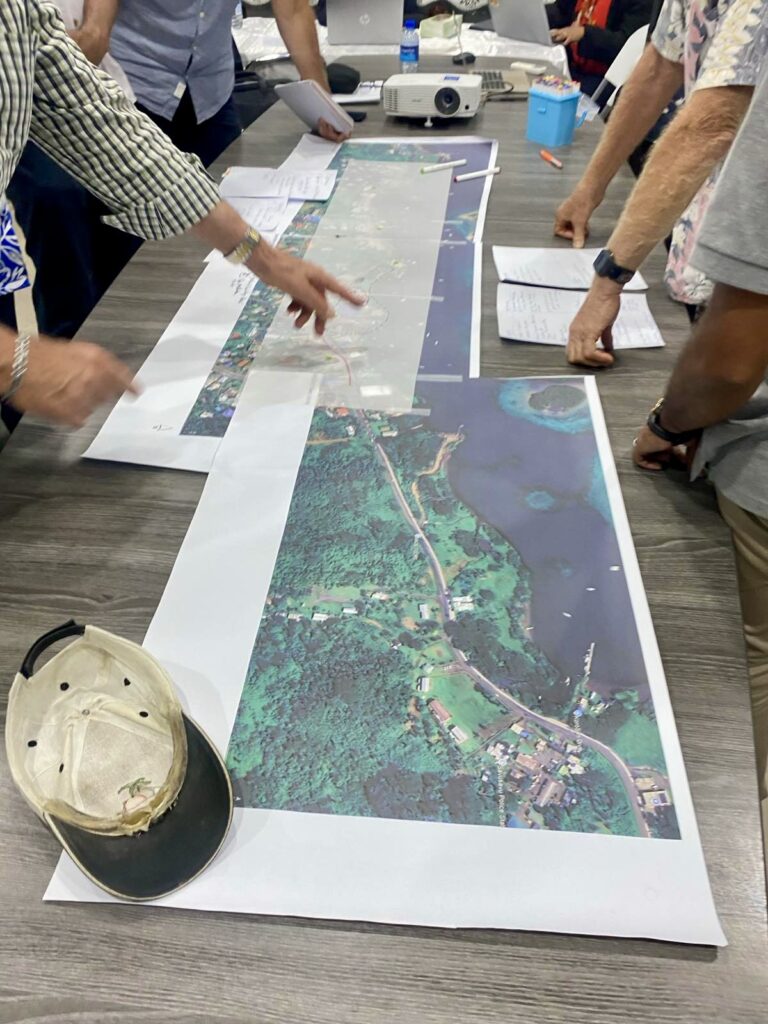
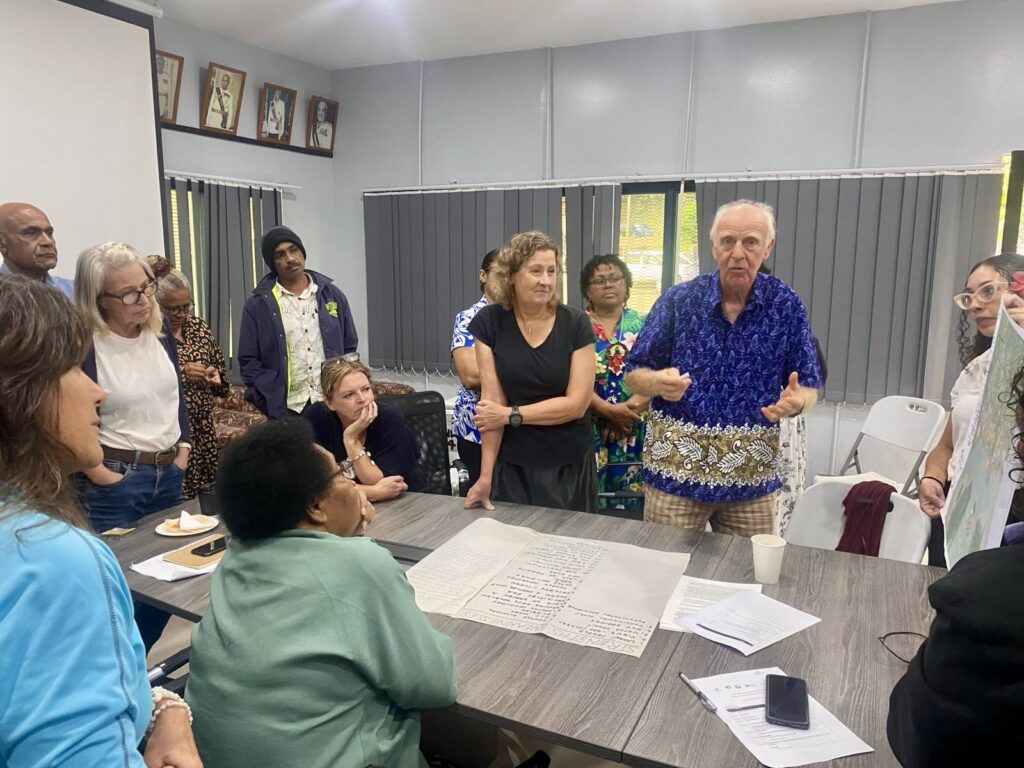
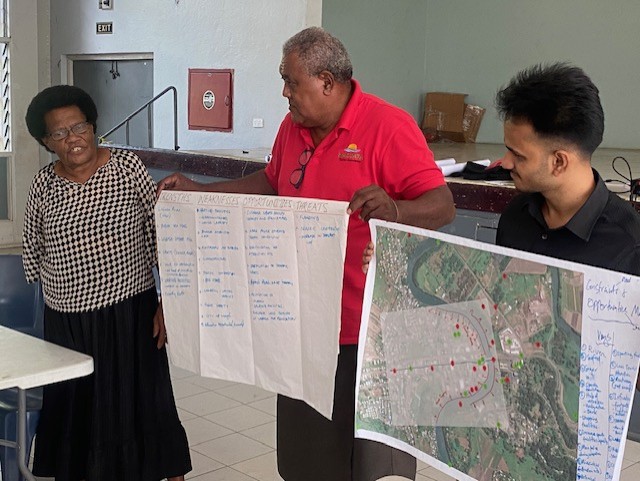
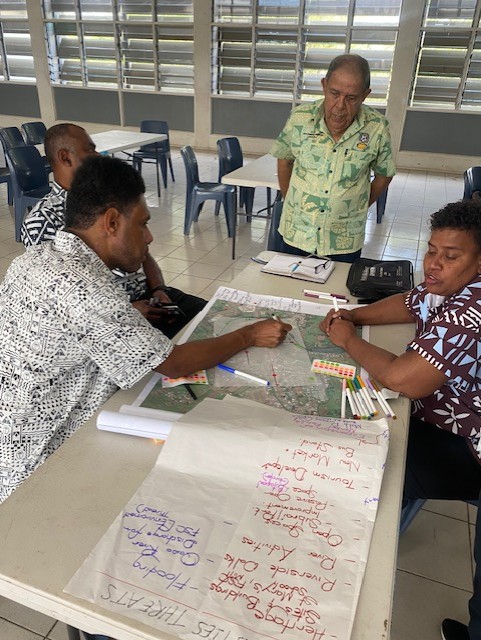
Cultural mapping was used during these sessions to systematically document both tangible and intangible cultural assets, including sites of significance, stories, traditions, and traditional knowledge, as well as potential opportunities for kayaking, surfing, trekking, eco-tourism and backpacker sites.
These sessions generated valuable conversations and inputs. In Nadogo District, for example, Kavewa Island Eco Sanctuary has already mapped sites including a turtle nesting site, a Lapita pottery site, and a locally managed marine area. Such information will help strengthen planning, responsible development, and heritage conservation through the ITMP process.
Strengthening partnerships with community leadership is essential to ensuring tourism development reflects local priorities.
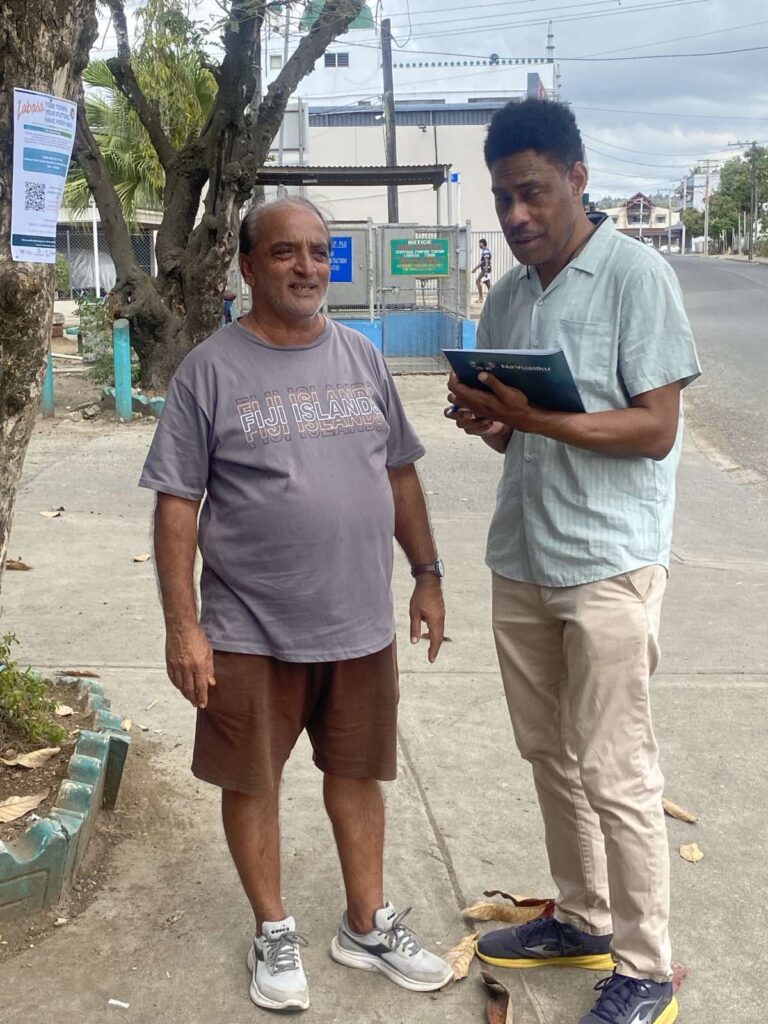
The Na Vualiku Project Local Project Coordinator, Mr. Sara Bulutani, recently engaged with members of the Tikina Nasavusavu Council to discuss key initiatives under the Fiji Tourism Development Program in Vanua Levu and to hear directly from community leaders on priorities shaping the future of tourism in the Northern Division.
Discussions included the MSME & Community-Based Tourism (CBT) Capacity Building and Grant Program, the application deadline for which closed on 13 February 2026.
The program, designed to strengthen tourism micro, small, and medium enterprises (MSMEs) and community-based tourism operators across Vanua Levu and Taveuni, will help with improving business skills, strengthening services, and helping local operators better connect to the tourism market. This in turn will support local enterprise development, create more jobs, and encourage greater participation of communities in the tourism economy.
Several communities had submitted applications and welcomed the opportunity to receive an update on the program and what to expect next.
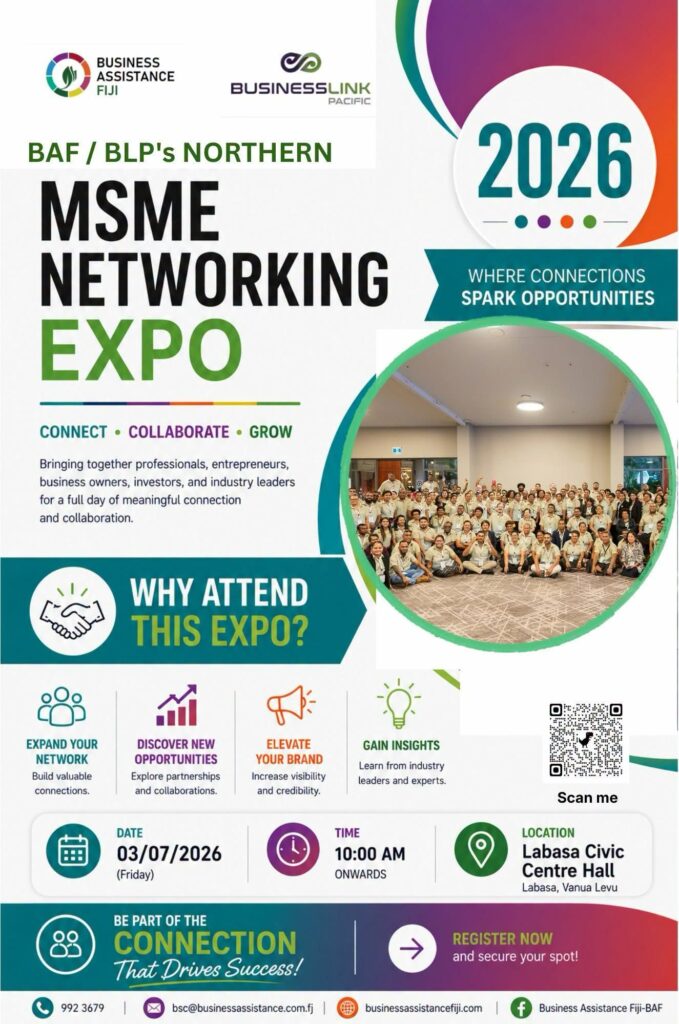
The engagement also opened discussion on waste management solutions, an important part of ensuring tourism growth is managed sustainably. Council members were invited to help identify suitable land that could be assessed as part of upcoming waste management feasibility studies, helping ensure solutions are practical, community-supported, and aligned with local priorities.
These engagements are essential to ensuring that tourism planning and investments under the Na Vualiku Project are grounded in community voices and local leadership.
πΏ Tourism growth must protect what matters most to communities. That is why the Strategic Environmental and Social Assessment is critical in helping ensure that future tourism development safeguards land, livelihoods, culture, and the natural environment, while supporting sustainable economic opportunities.
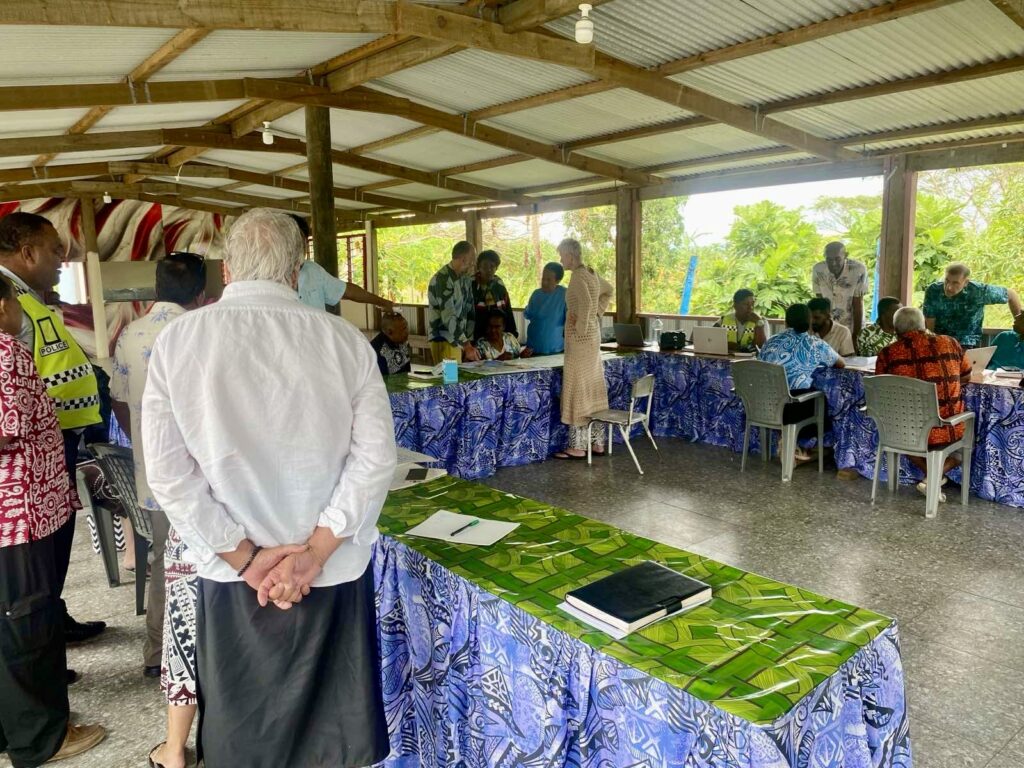
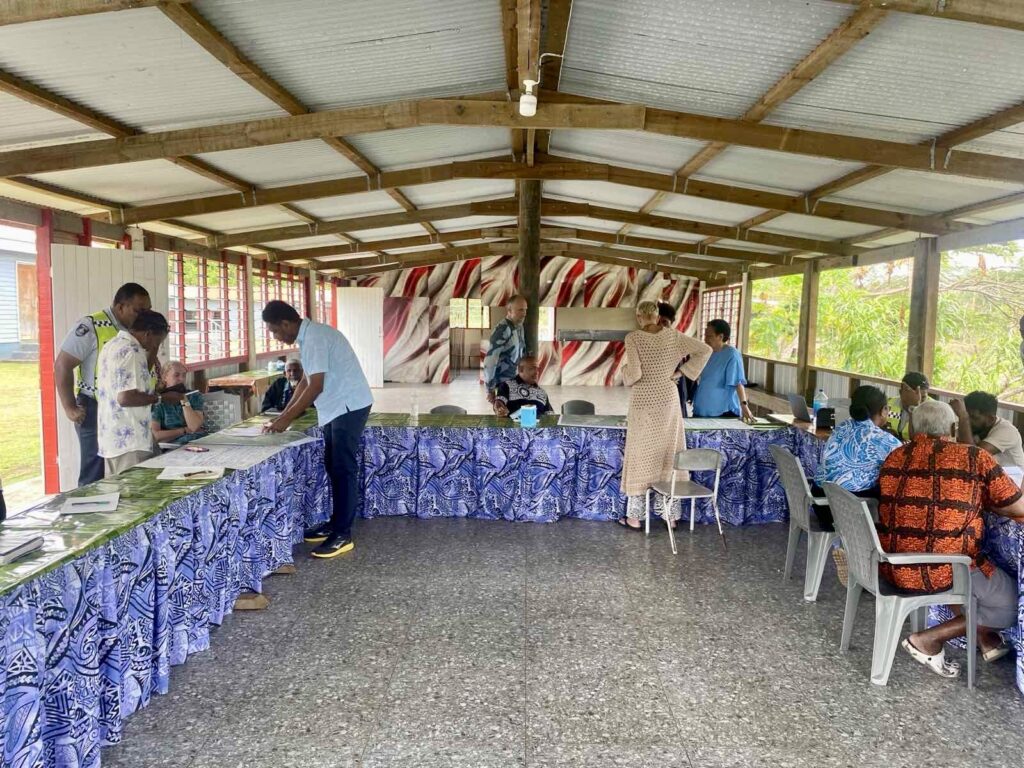
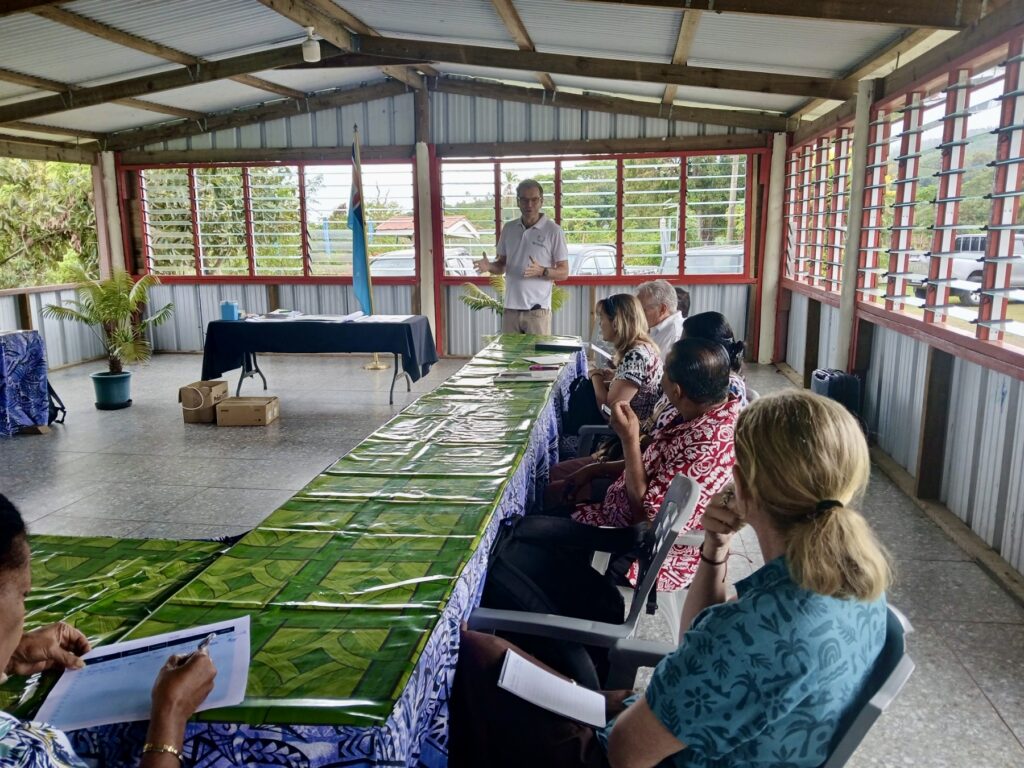
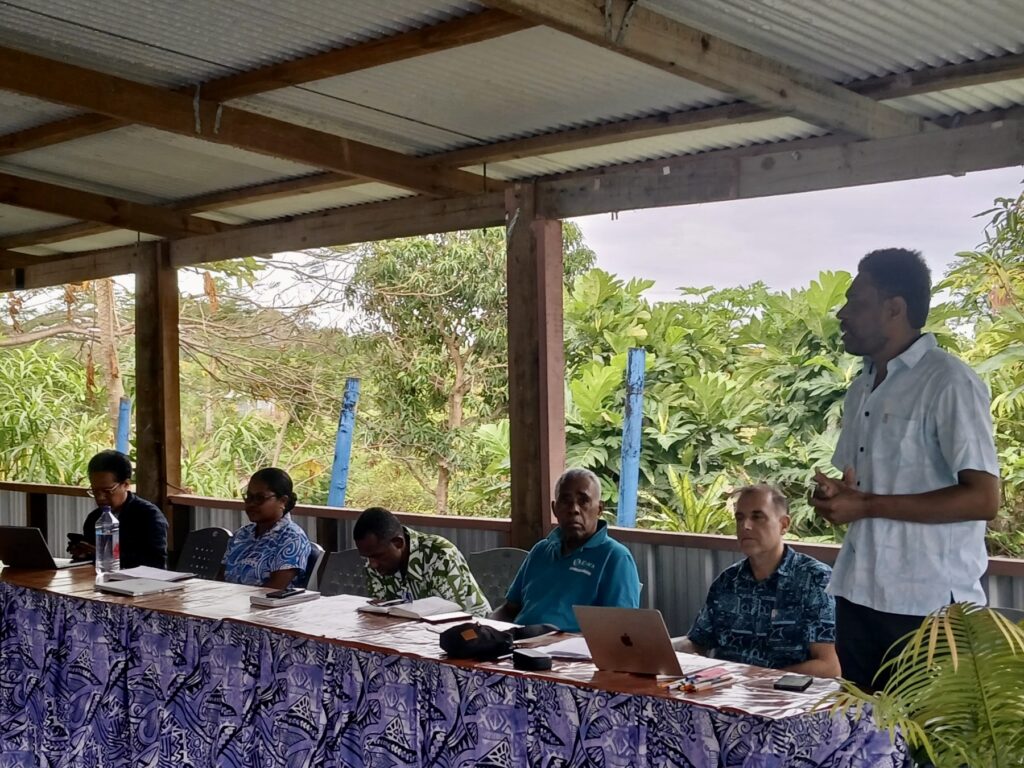
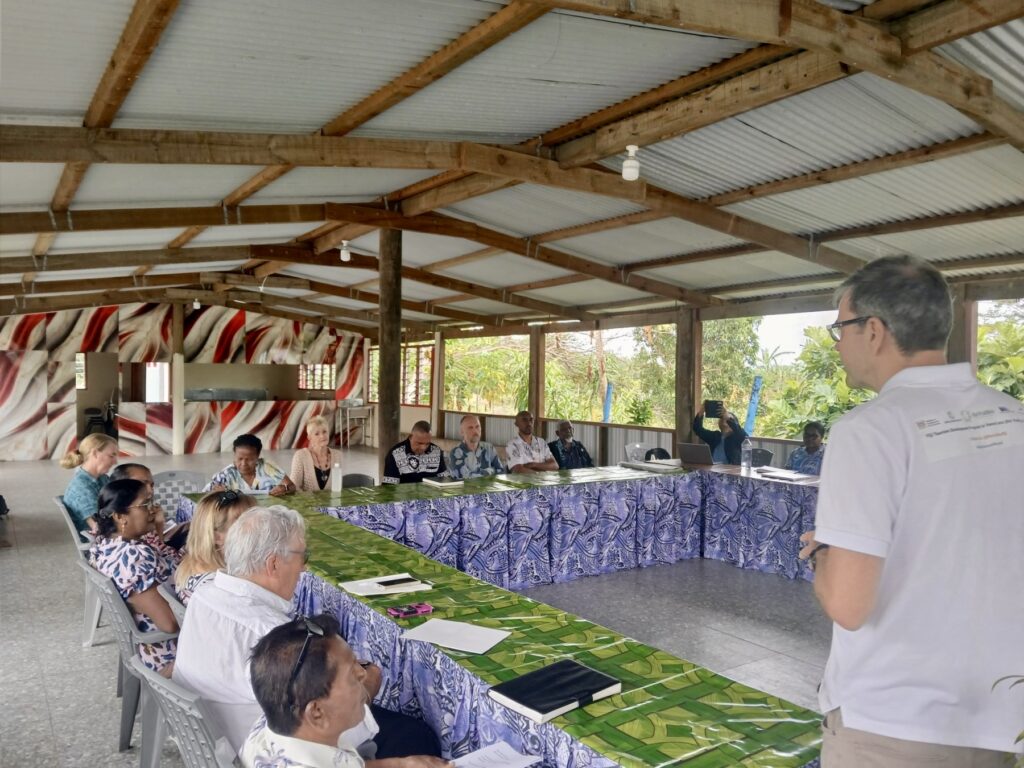
π Following extensive engagement last year, the Na Vualiku Project recently reconvened stakeholders in Labasa, Nabouwalu, Savusavu, and Taveuni to present the results of the assessment and invite feedback to help validate and strengthen the findings.Β
π€ These sessions brought together a range of stakeholders, including community representatives and private sector participants such as tourism MSMEs and community-based tourism operators, to review key insights and share perspectives on environmental and social priorities that should guide tourism planning across Vanua Levu and Taveuni.
π The feedback gathered will help refine the final recommendations and inform the Integrated Tourism Master Plan, ensuring that future tourism investments reflect community priorities and strong environmental and social safeguards.
π Through engagements like these, the Na Vualiku Project continues to ensure that tourism planning for the Northern Division is shaped by community voices and local knowledge.
Feature image: The Great White Wall, located on Fiji’s Rainbow Reef in the Somosomo Strait, is a world-renowned dive site famous for its vertical drop-off covered in luminous white soft corals (Dendronephthya). Photo: Taveuni Tourism Association
Discover how the Na Vualiku Project is shaping the future of tourism in Vanua Levu and Taveuni! Through a series of dynamic workshops, community voices are coming together to define a shared vision for sustainable tourism that reflects local aspirations. Participants, including community representatives and tourism operators, are mapping existing assets and identifying new opportunities while prioritizing the protection of natural and cultural treasures. Join us in exploring how these collaborative efforts will guide the Integrated Tourism Master Plan, ensuring that tourism development supports local livelihoods and fosters economic growth. Dive into the details and be part of this transformative journey!
Second ITMP Advisory Group Meeting: Advancing the Integrated Tourism Master Plan for Vanua Levu and Taveuni
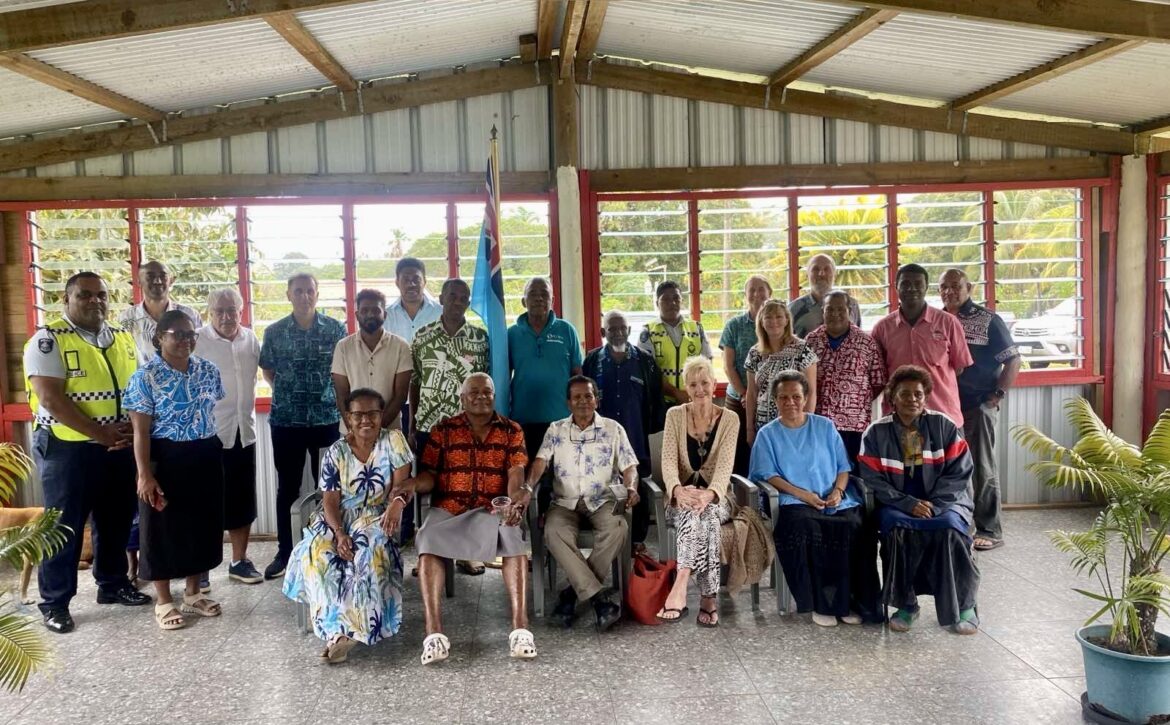
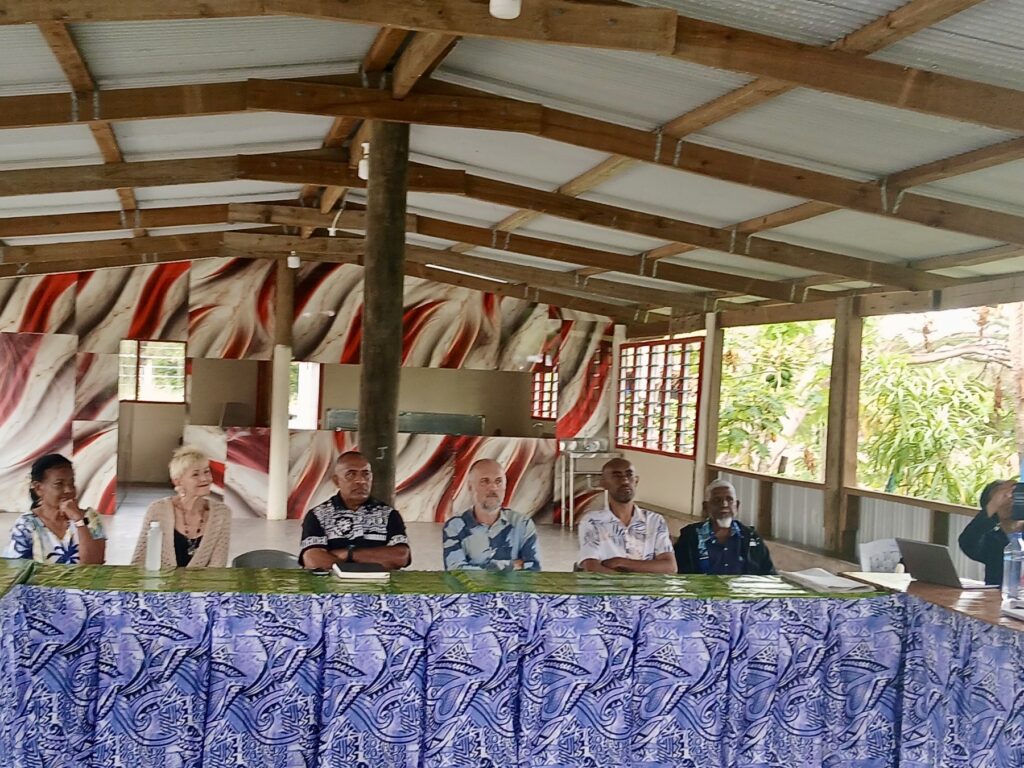
The second meeting of the Integrated Tourism Master Plan (ITMP) Advisory Group was held this month, bringing together key stakeholders to review progress and provide strategic guidance for the development of the Integrated Tourism Master Plan for Vanua Levu and Taveuni.
ποΈ The Advisory Group plays an important oversight role in the planning process, ensuring that community consultations, technical assessments, and sector priorities are properly reflected as the Plan is developed.
π¬ Discussions focused on feedback from recent community engagements, emerging planning directions, and the integration of environmental and social considerations to support responsible, sustainable tourism growth.
πΏ Why this matters: strong governance and informed oversight help ensure the final Plan is practical, locally grounded, and aligned with the long-term interests of Vanua Levu.
Tourism opportunities in Vanua Levu are expanding. The challenge is ensuring growth is carefully planned so communities benefit, risks are managed early, and the regionβs cultural and natural assets are protected.
The #NaVualikuProject team met with Divisional Planning Officer Ms Ruci Daveta to align local priorities with long-term tourism planning.
Teams engaged to develop the Integrated Tourism Master Plan were present to listen and accurately capture divisional priorities, including the Strategic Environmental and Social Assessment team reinforcing environmental and social safeguards within the planning process.
This approach ensures the Plan reflects what matters most to communities and stakeholders across Vanua Levu.
Private sector investment is key to unlocking the full tourism potential of Vanua Levu.
Business leaders, entrepreneurs, and local officials met with Deputy Prime Minister and Minister for Tourism and Civil Aviation Hon. Viliame Gavoka, together with Carlos Felipe Jaramillo, World Bank Vice President for the East Asia and Pacific Region, Gallina A. Vincelette, World Bank Vice President for Operations Policy and Country Services, and Sarvesh Suri, IFC Regional Vice President for Asia and the Pacific over a Business Leaders lunch at Nawi Island to discuss how sustainable tourism can drive jobs, investment, and long-term growth in the Northern Division.
Through our 10-year, US$200M Fiji Tourism Development Program in Vanua Levu #NaVualikuProject will strengthen infrastructure and create an enabling environment that helps crowd in private investment, grow businesses, and expand economic opportunities across Vanua Levu.
Across Vanua Levu, many women entrepreneurs and Community-Based Tourism (CBT) enterprises have the ideas and cultural assets to participate in tourism but often face limited access to skills, networks, and investment.
The #NaVualikuProject is helping close this gap by strengthening MSMEs, CBTs and supporting women-led enterprises so tourism growth translates into real opportunities for local communities.
During their visit to Fiji, Carlos Felipe Jaramillo, World Bank Vice President for the East Asia and Pacific Region, Gallina A. Vincelette, World Bank Vice President for Operations Policy and Country Services, and Sarvesh Suri, IFC Regional Vice President for Asia and the Pacific, accompanied by the Deputy Prime Minister and Minister for Tourism and Civil Aviation Hon. Viliame Gavoka met with the women of Na I Soqosoqo Vakamarama I Taukei ni Cakaudrove β The Society for Indigenous Women of the Cakaudrove Province to hear directly from those helping shape resilient communities and local enterprise across the province. Representing indigenous women across all districts of Cakaudrove Province, the Soqosoqo Vakamarama Cakaudrove mobilises grassroots leadership and supports women-led initiatives that strengthen communities, culture, and local enterprise.
Supporting MSMEs, community-based tourism enterprises, and women entrepreneurs is a key pillar of the Projectβs work to ensure tourism development in Vanua Levu and Taveuni is inclusive, locally driven, and economically empowering for all Fijians.
Nasau Village Mataqali Verevere | Nabouwalu Village |Dalomo Village | Votua Villag
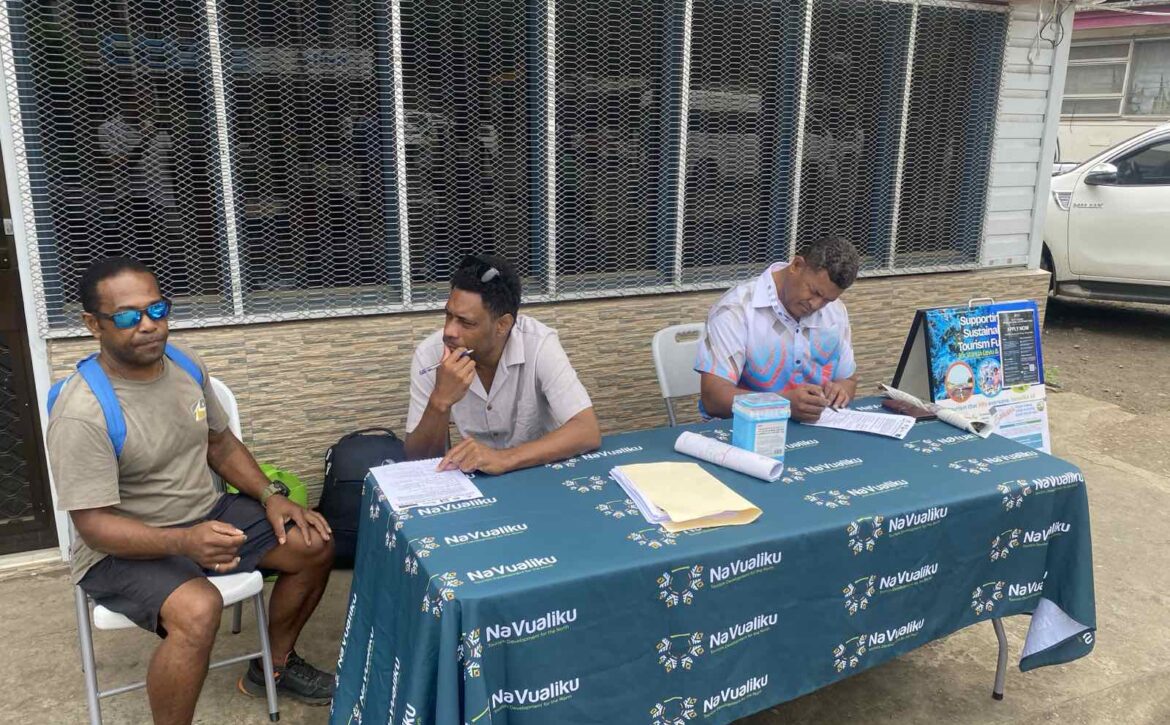
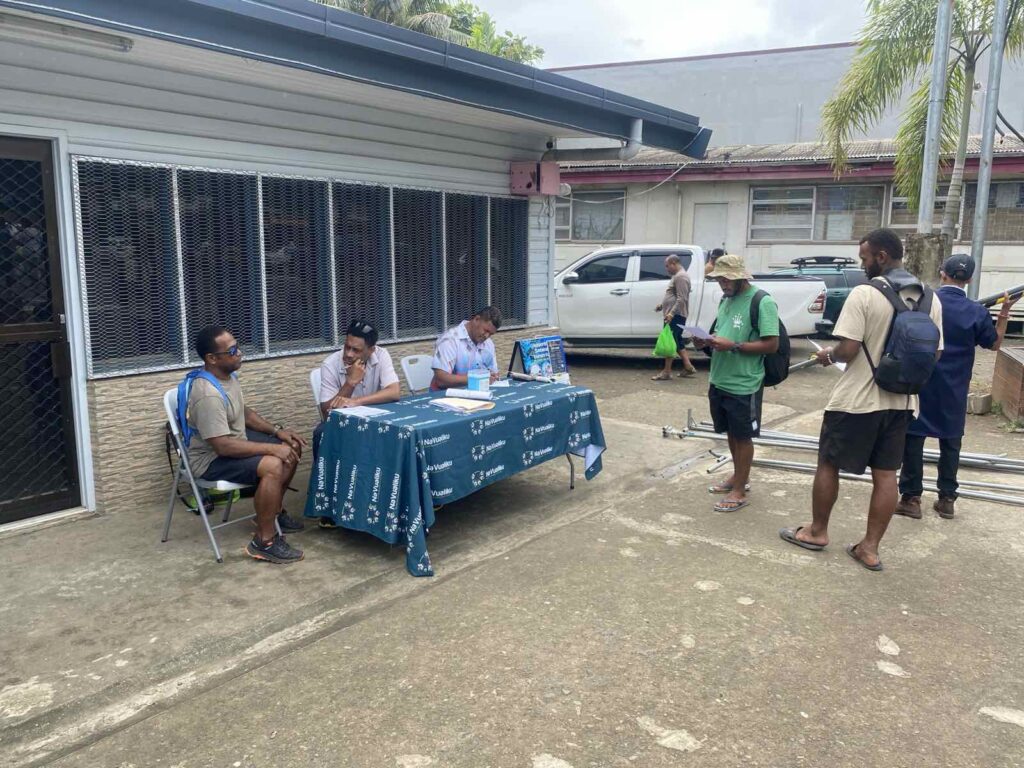
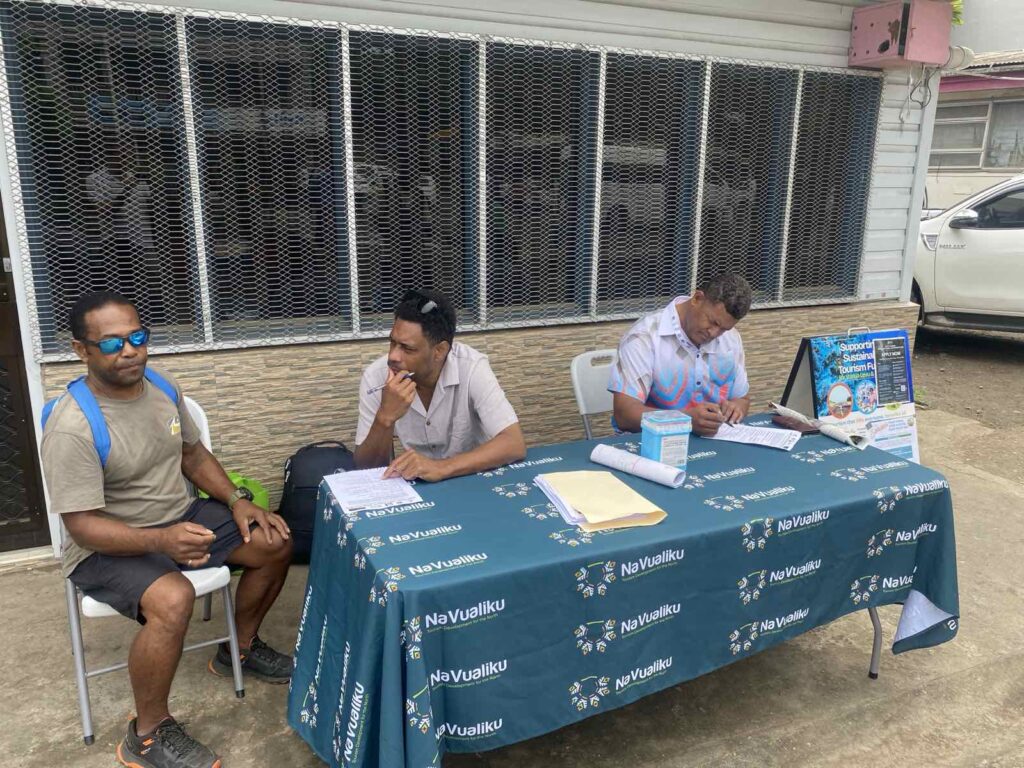
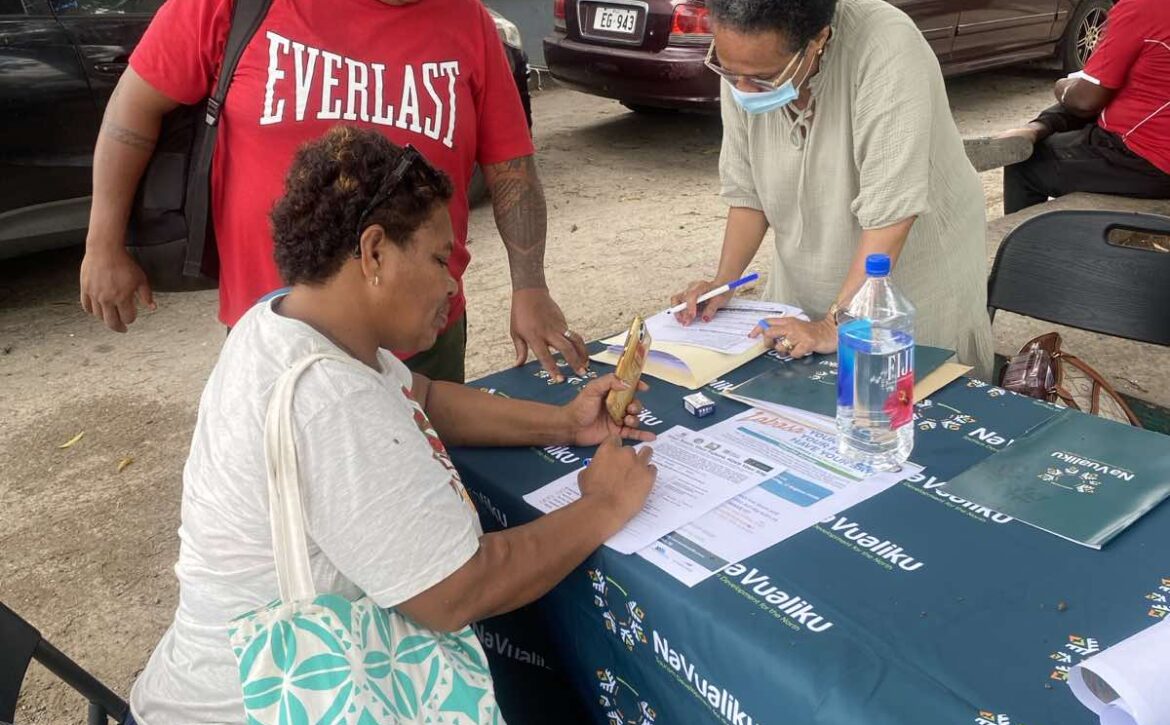
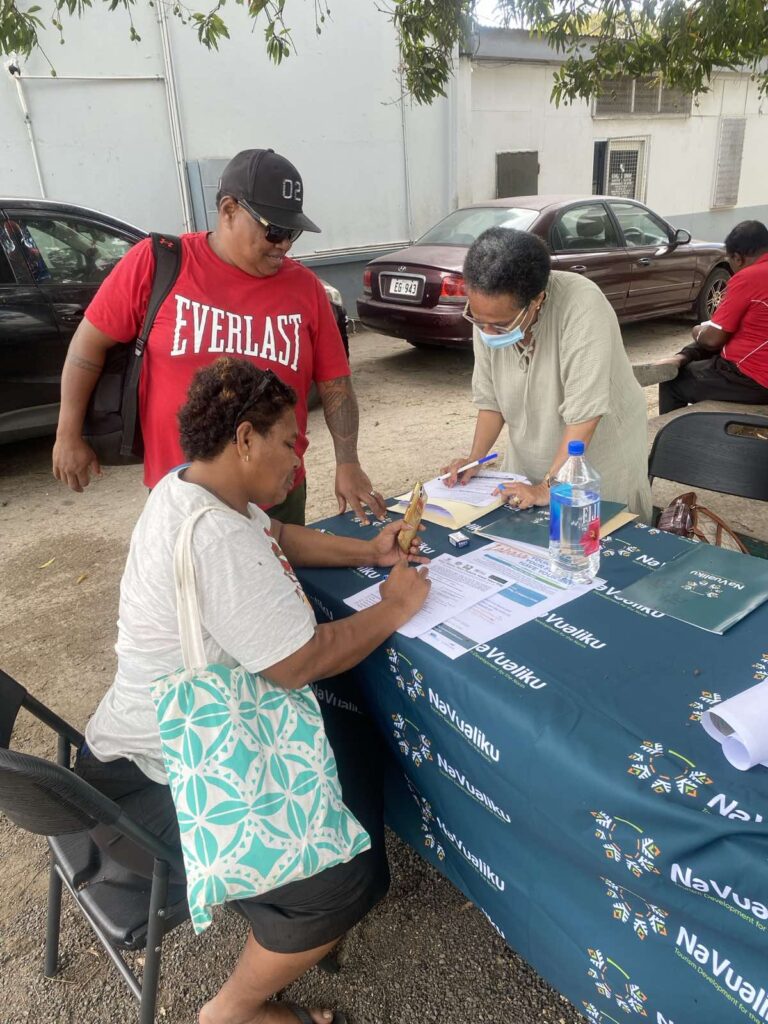
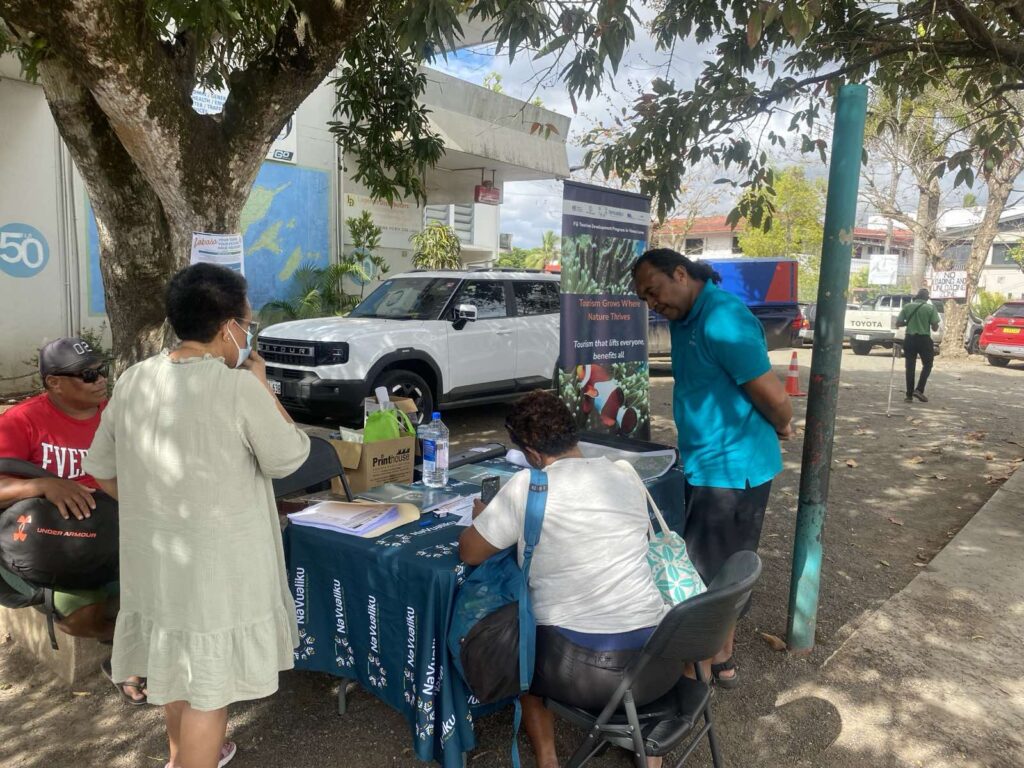
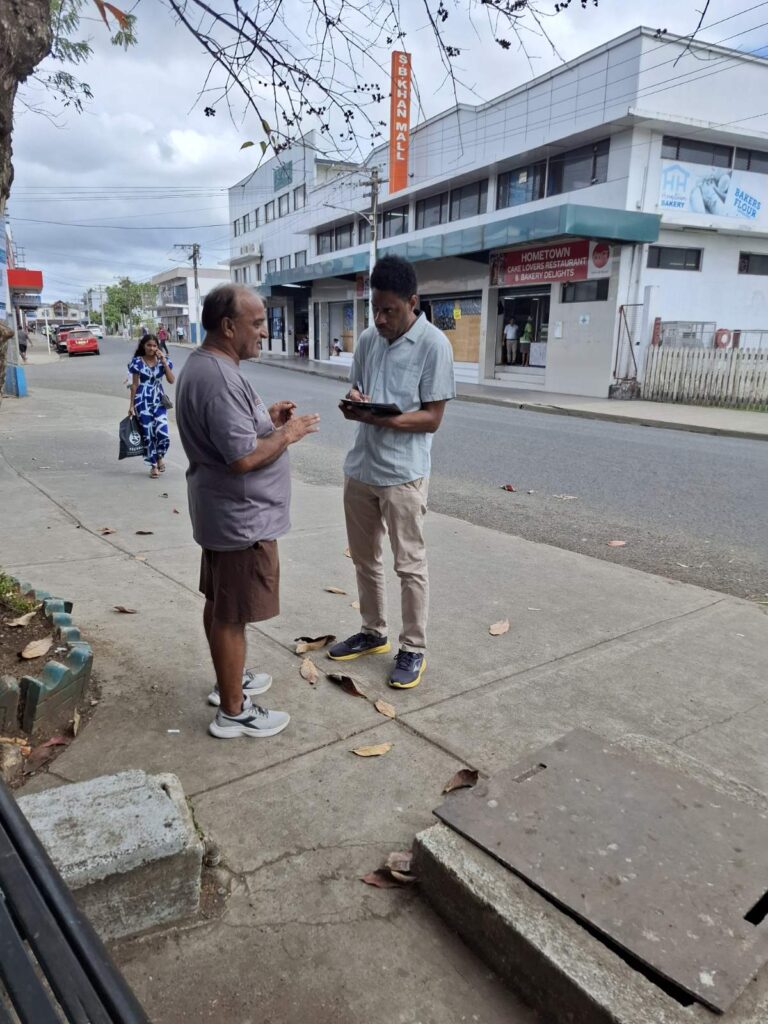
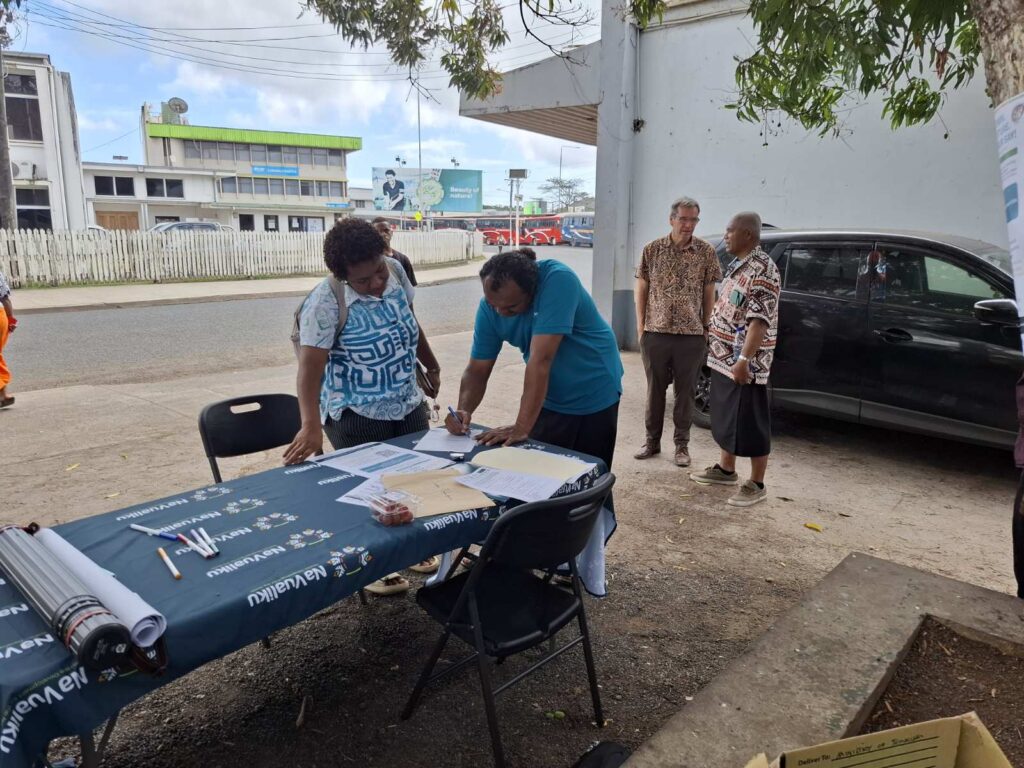
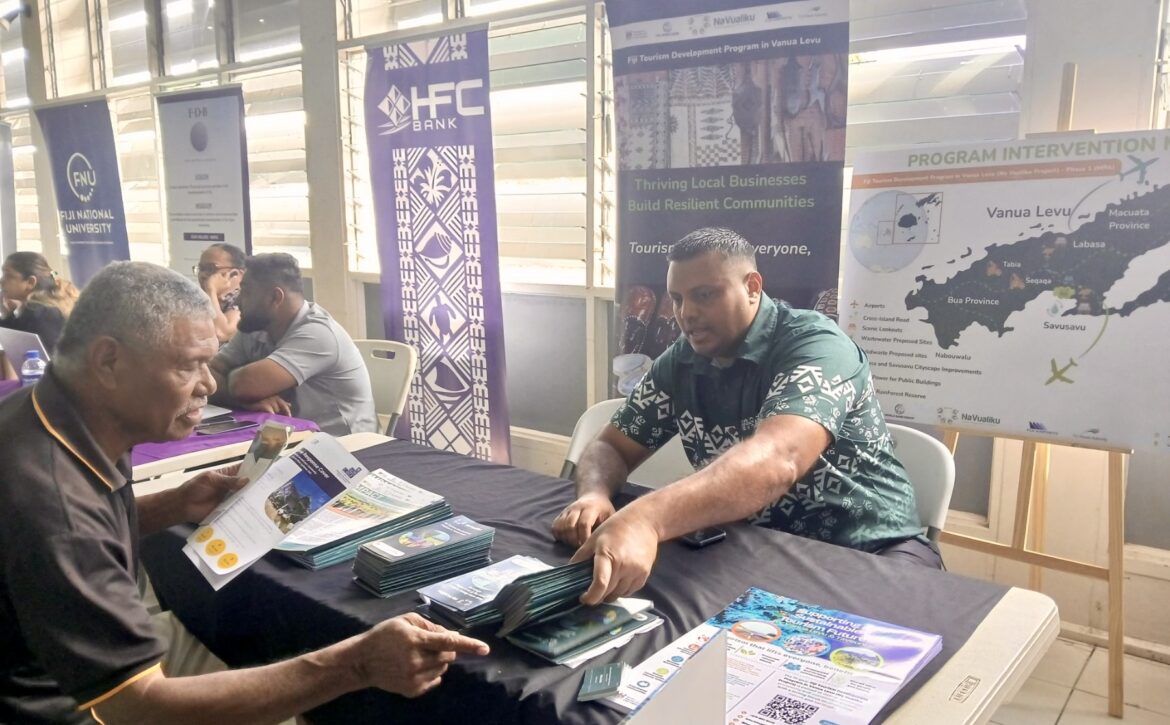
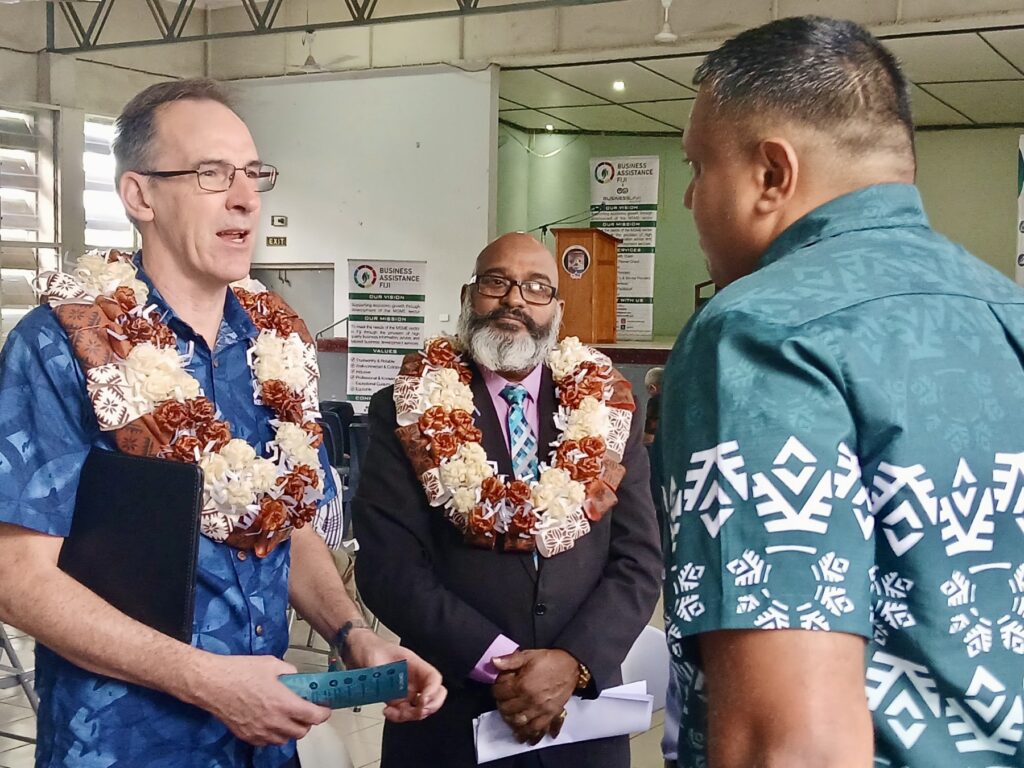
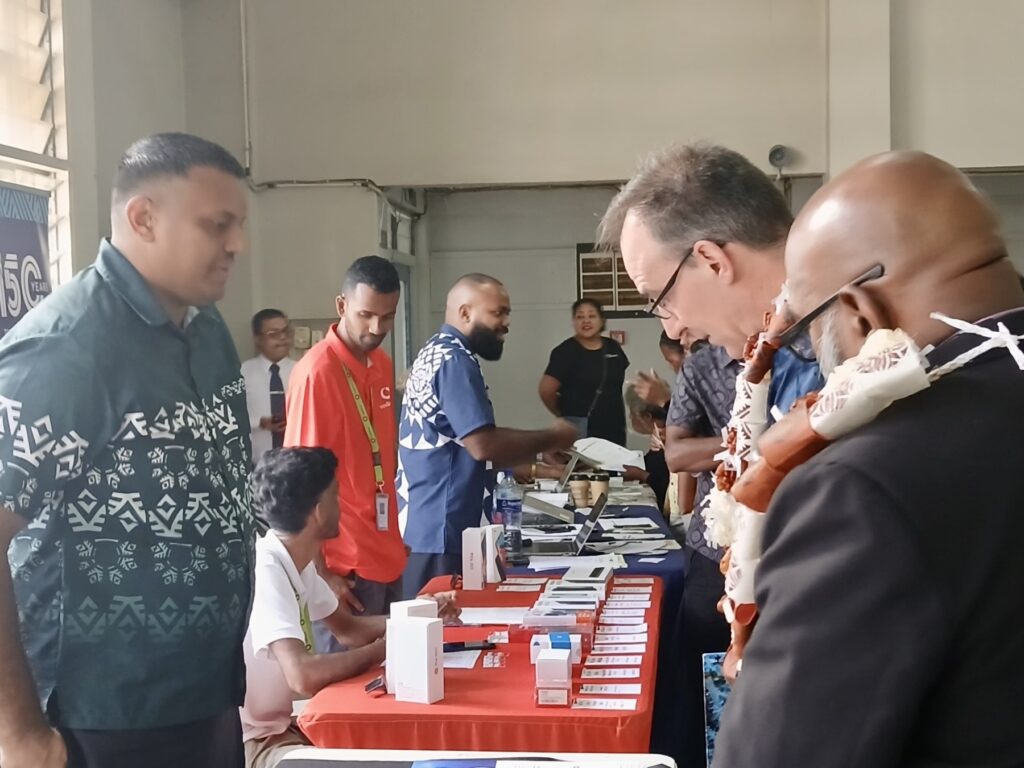
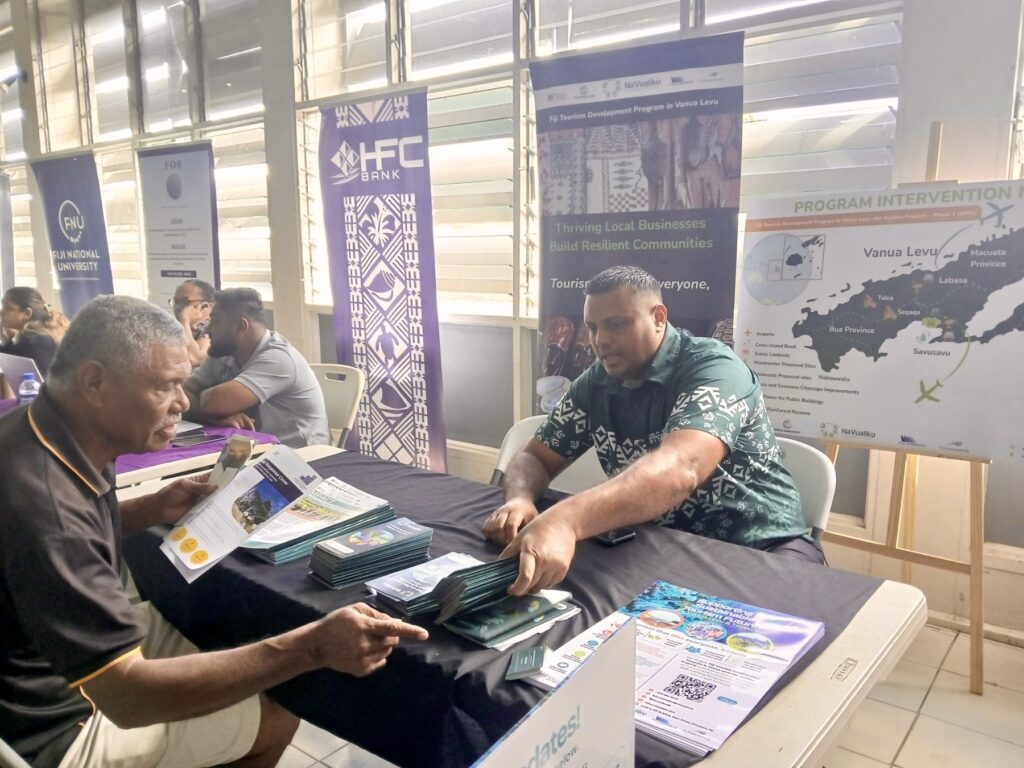
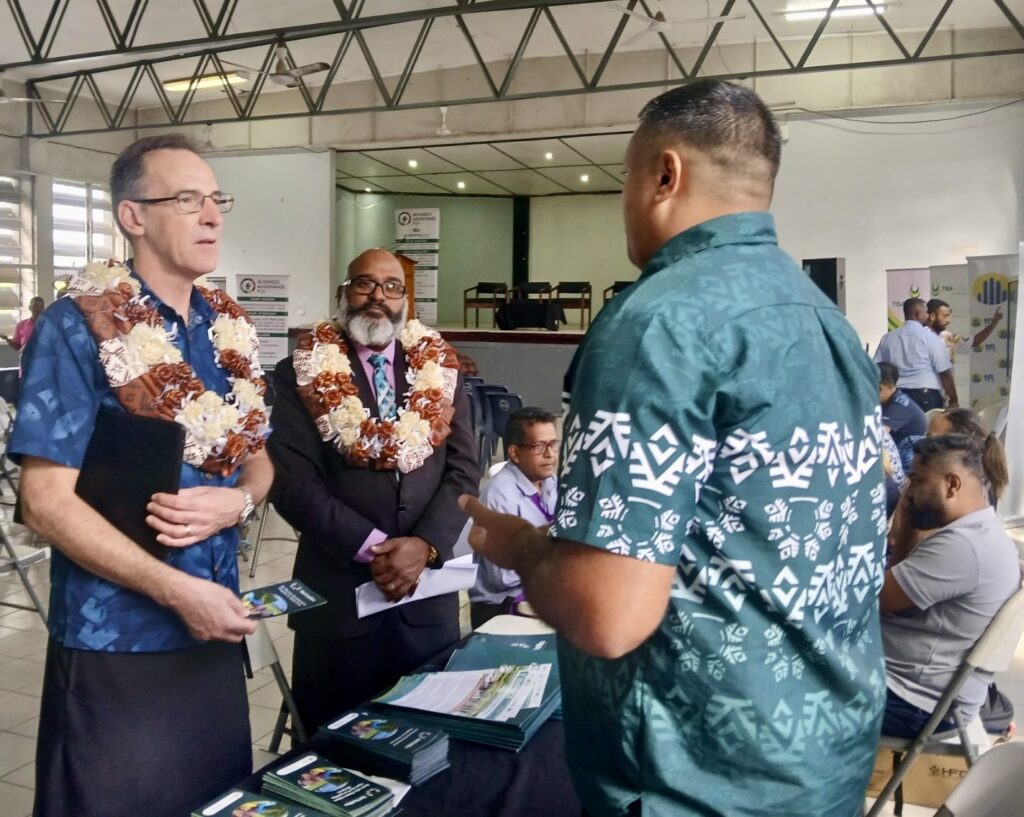
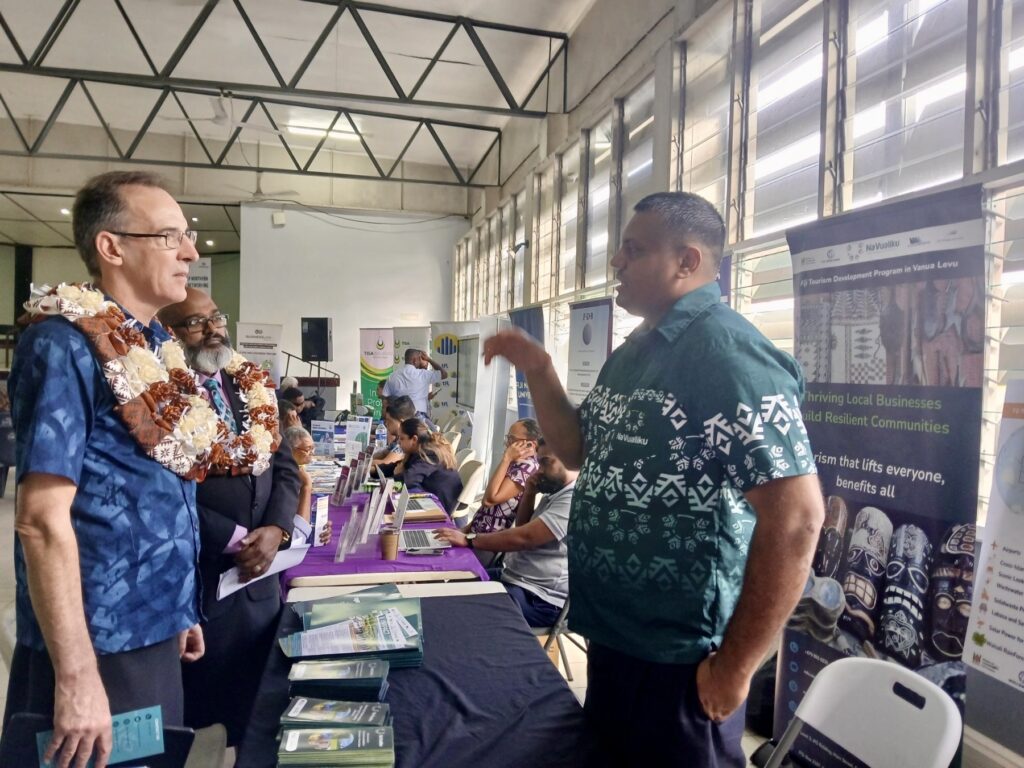
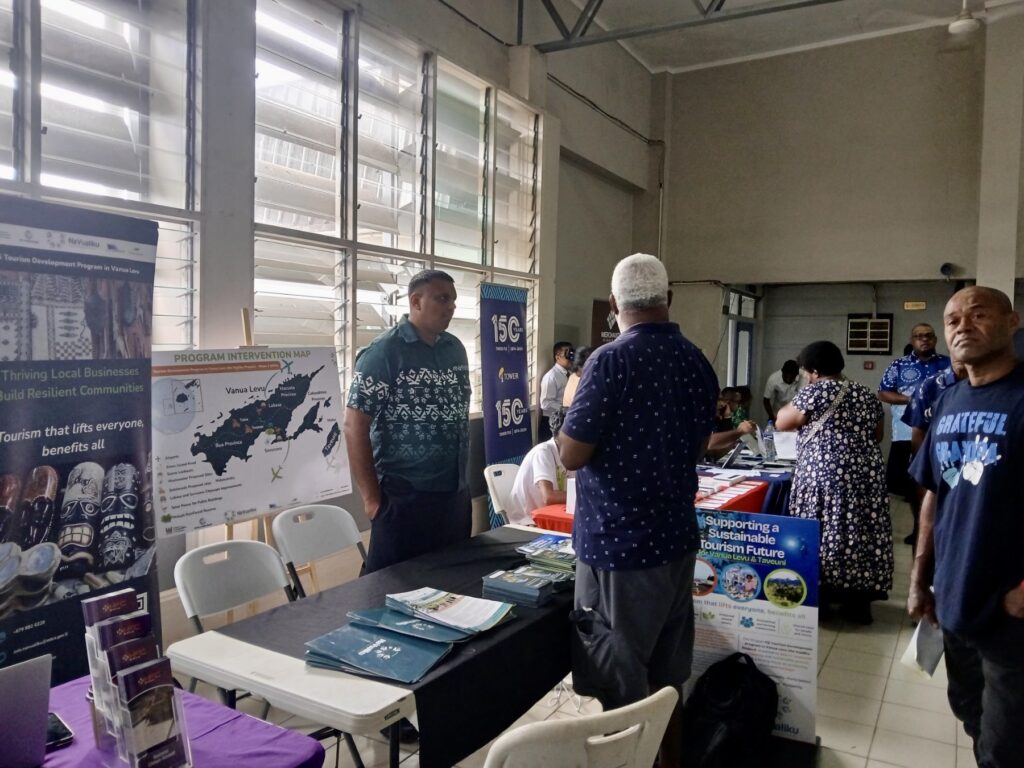
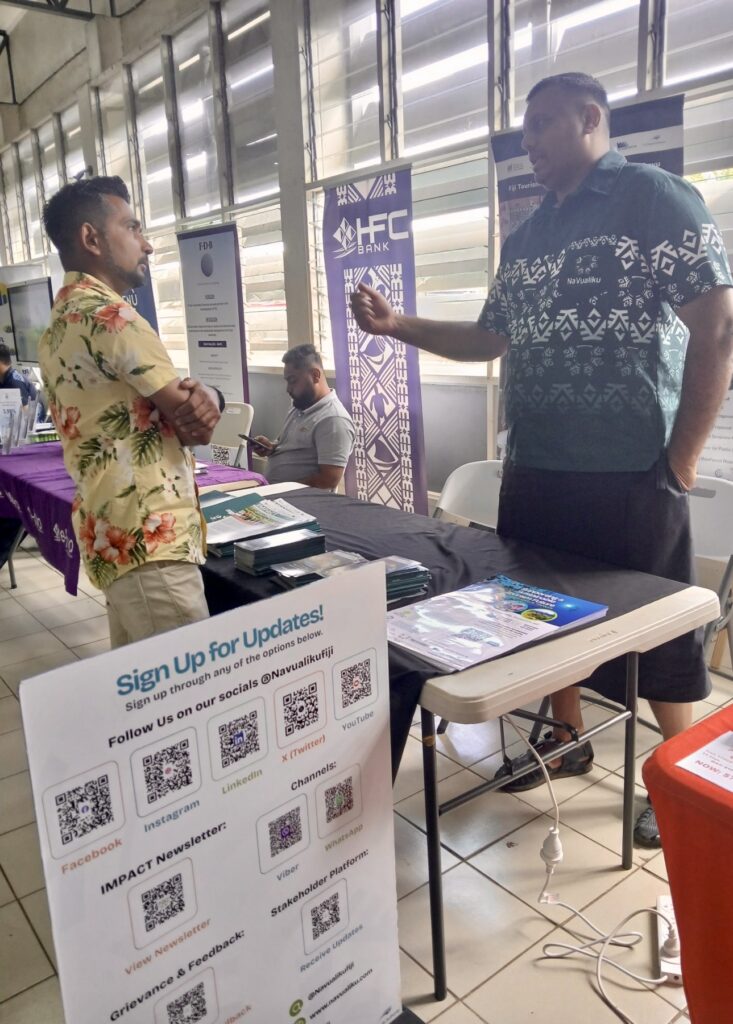
#Bua showed up. Our team delivered an awareness session and provided hands-on application support for the Na Vualiku MSME & CBT Capacity Building and Grant Program.
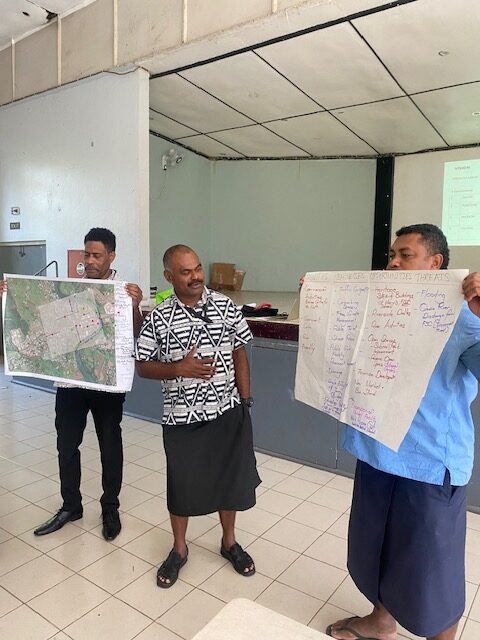
We supported participants to:
Confirm eligibility
Work through each section of the application form
Get practical, one-on-one guidance to submit correctly
Final call: donβt miss the window.
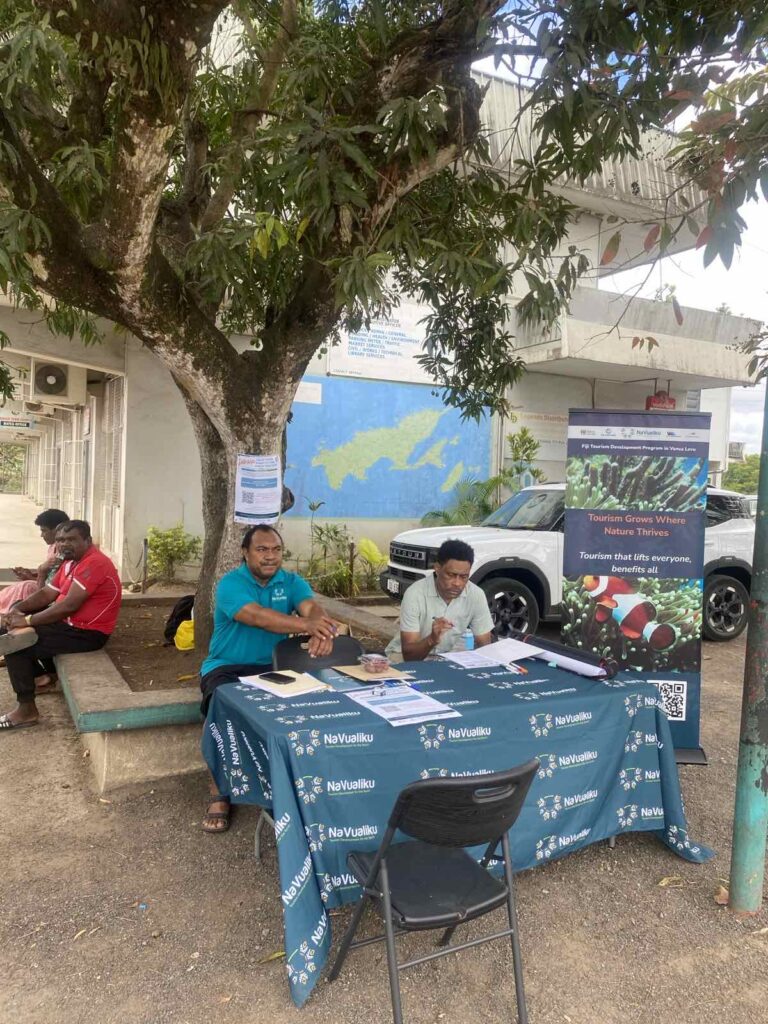
If you are still thinking about it, make TODAY your submission day.
Apply online or download forms (English, Hindi, iTaukei):