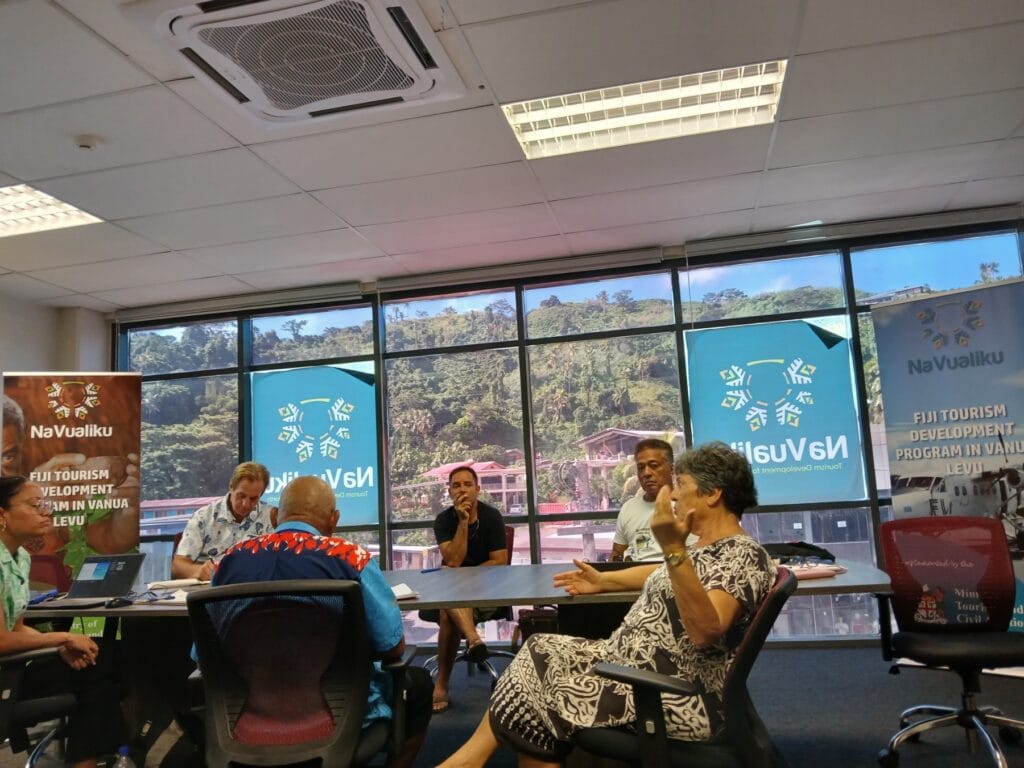
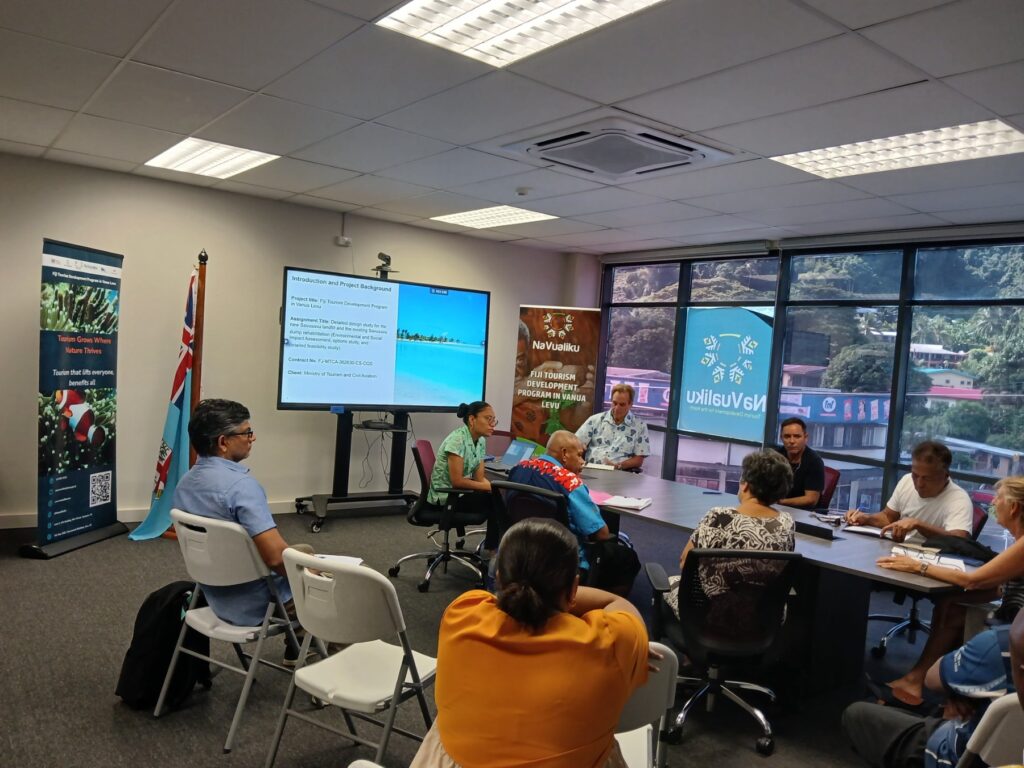
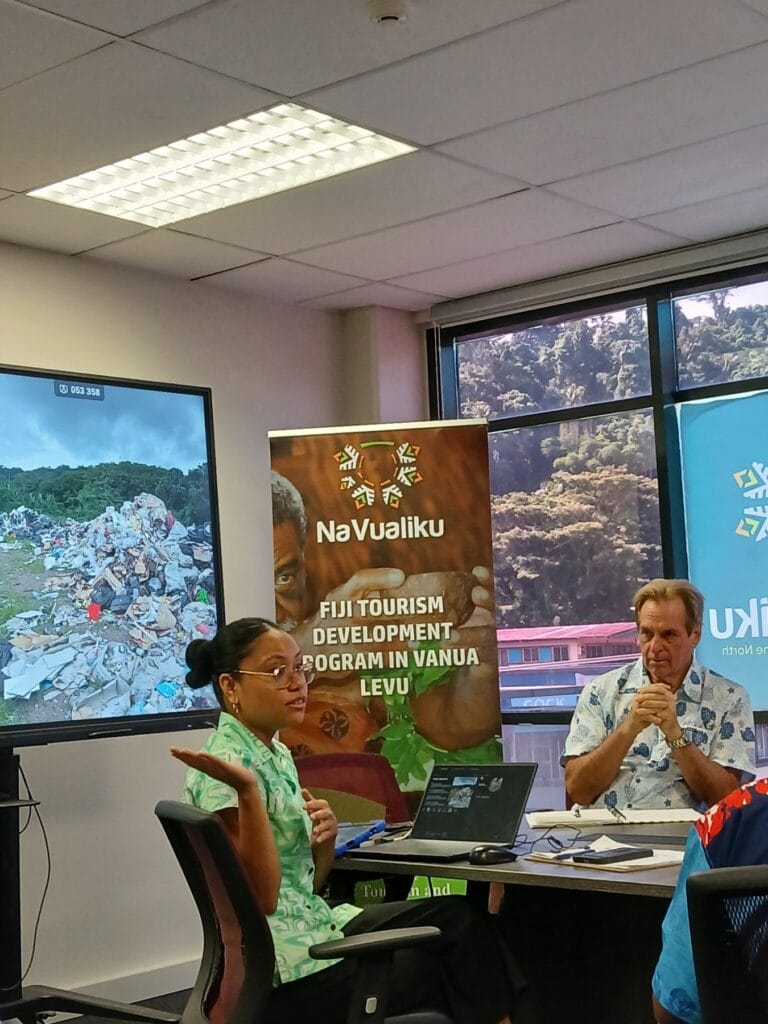
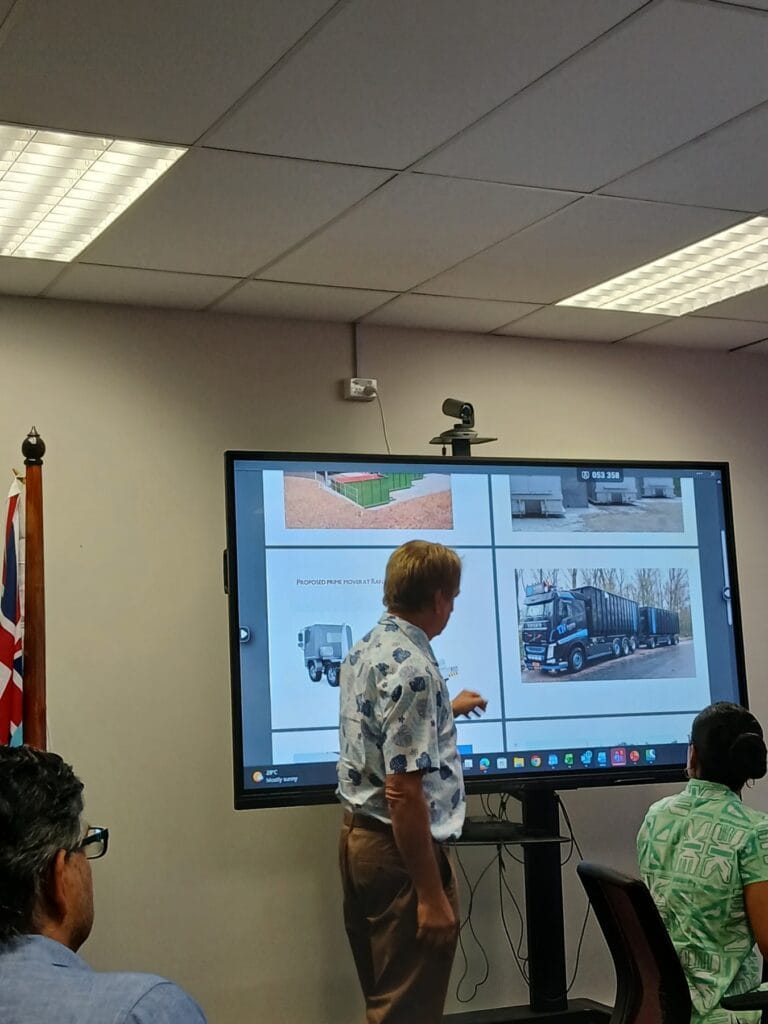
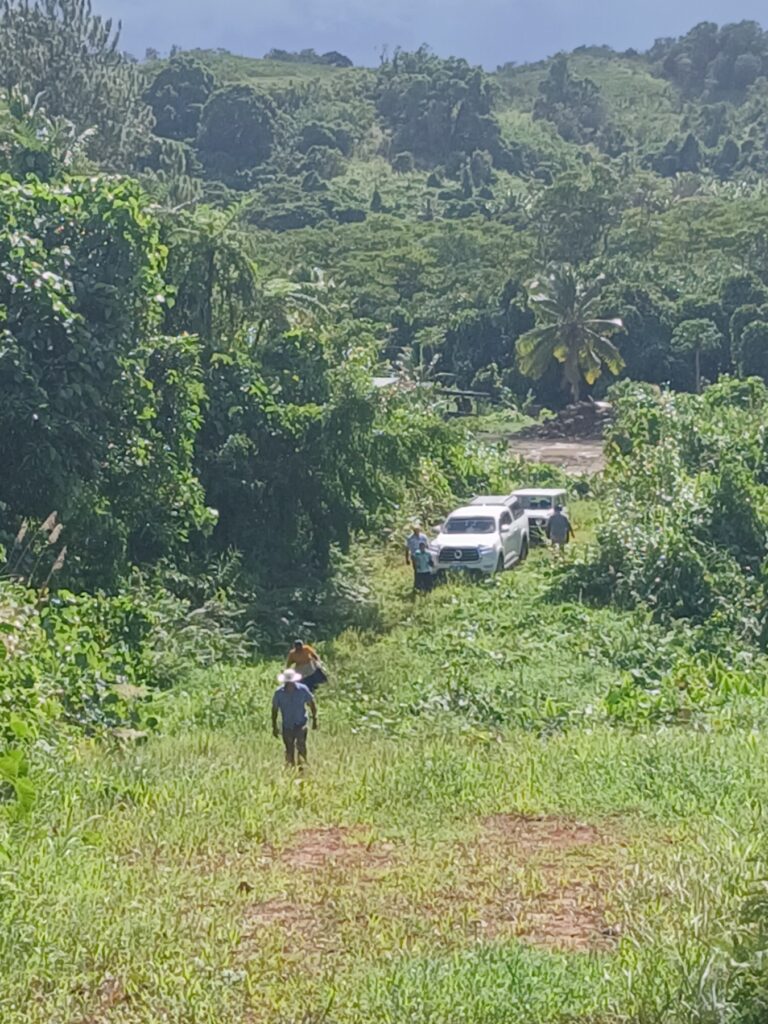
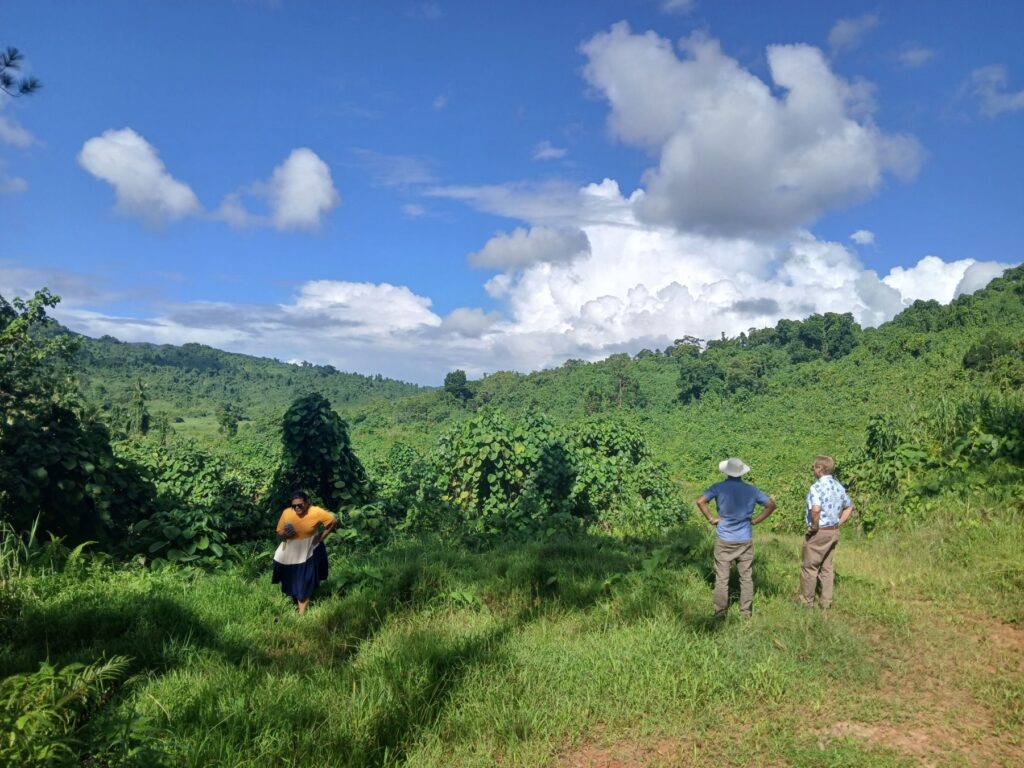
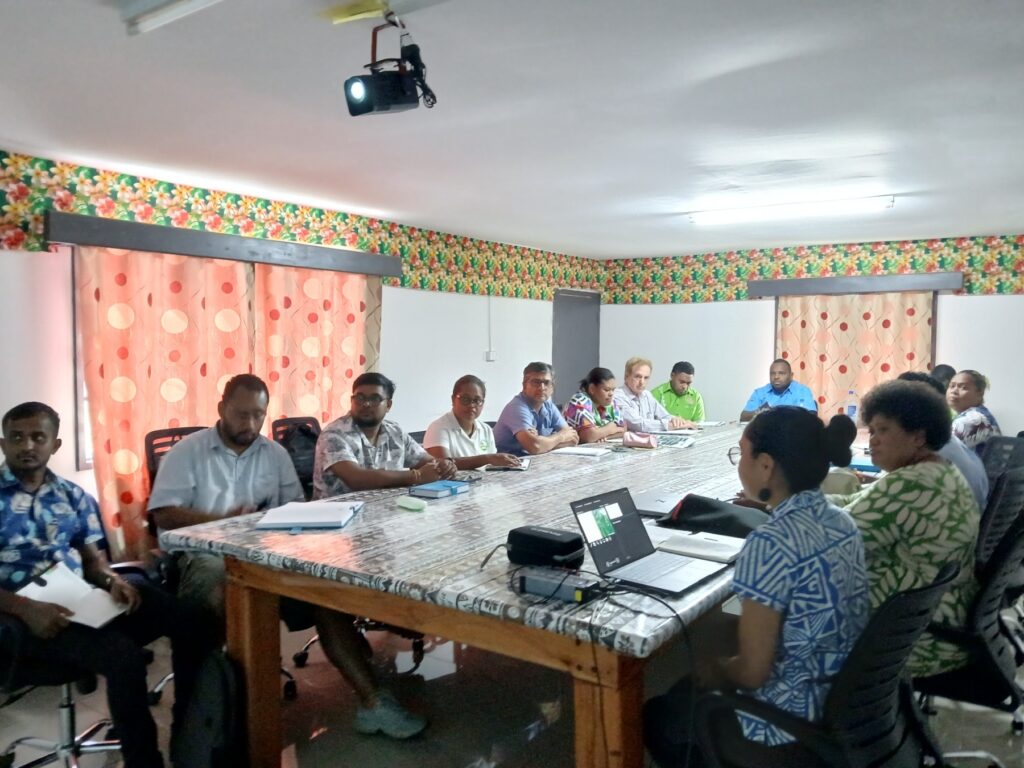
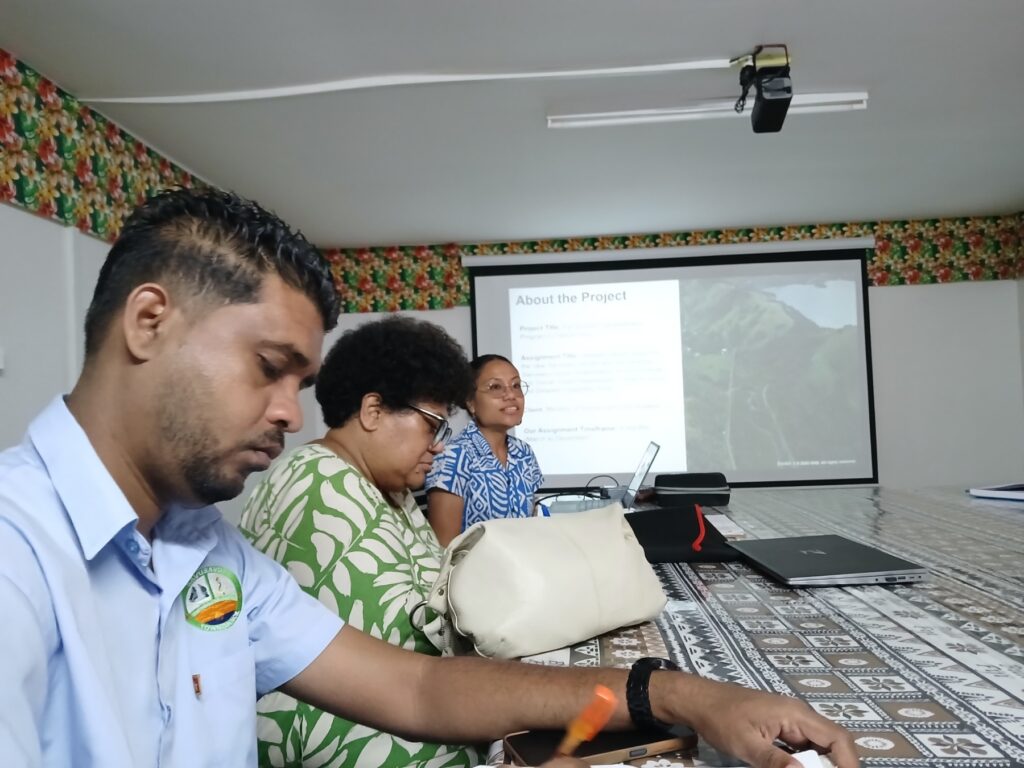
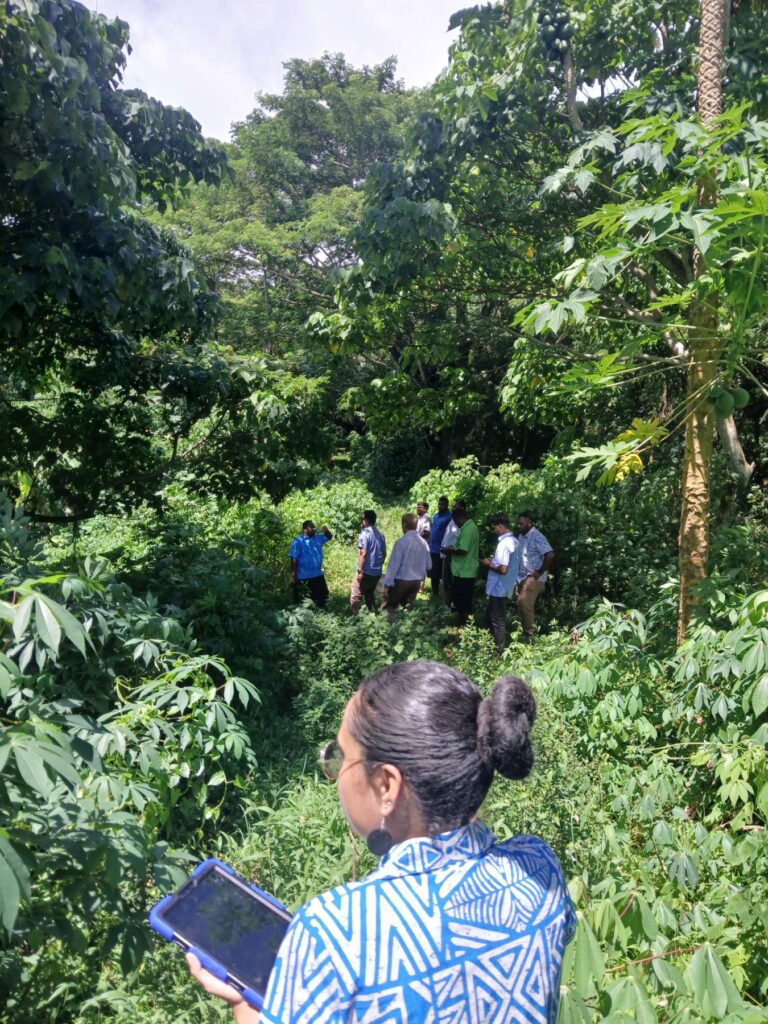
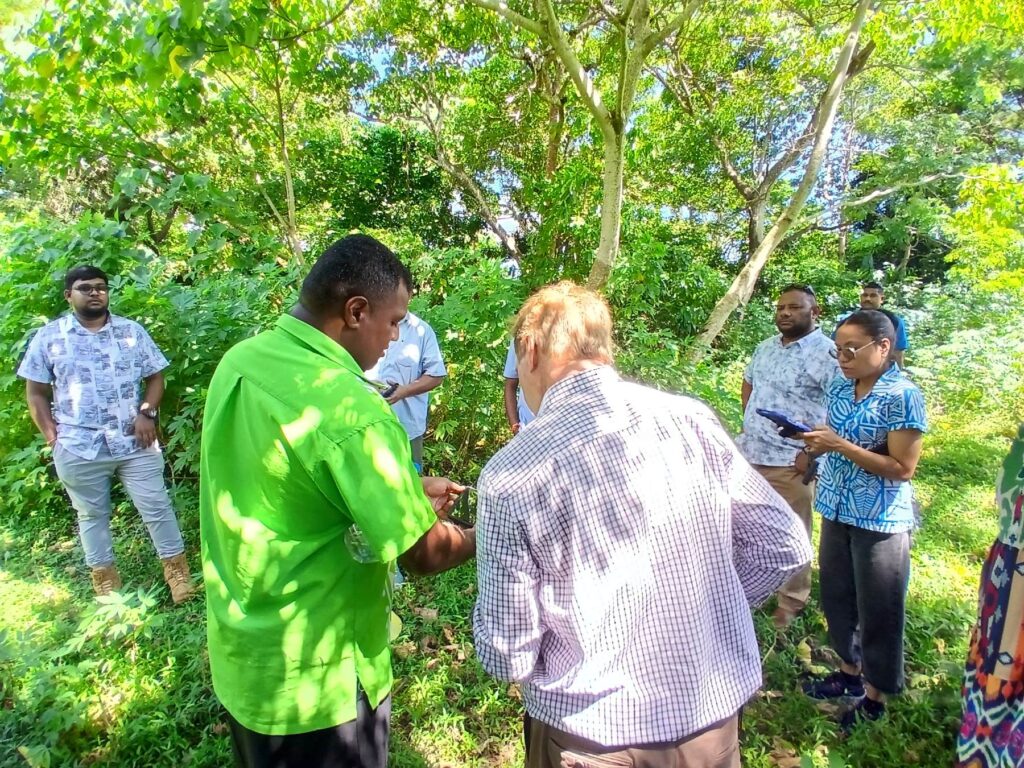
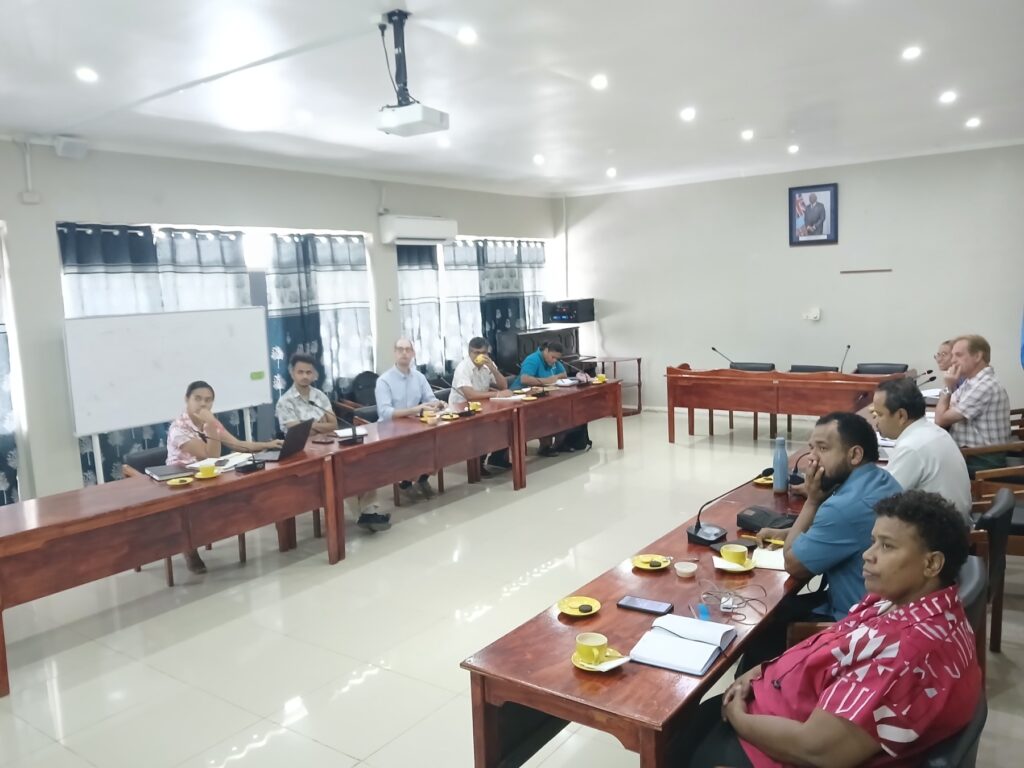
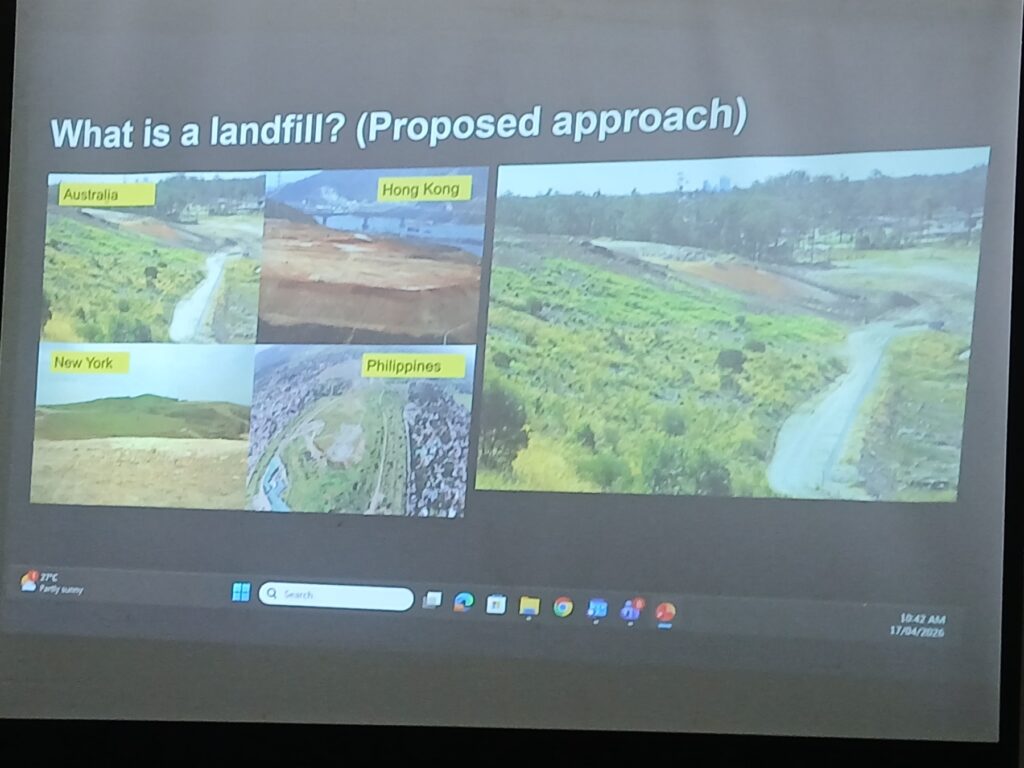
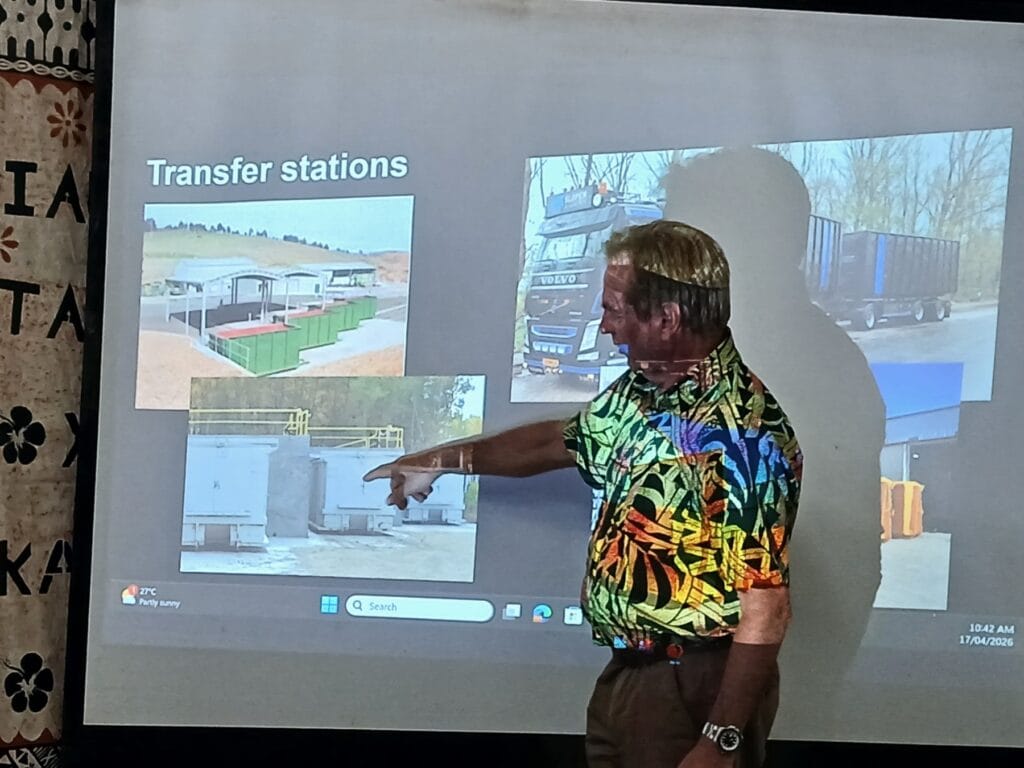
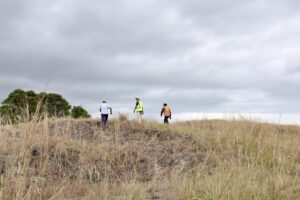
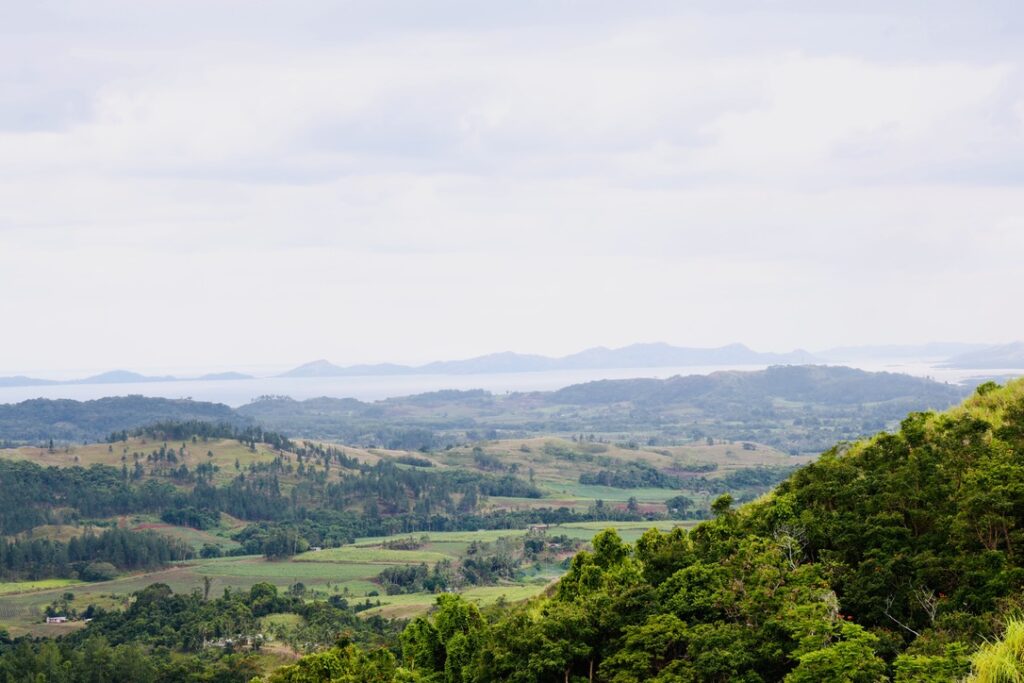
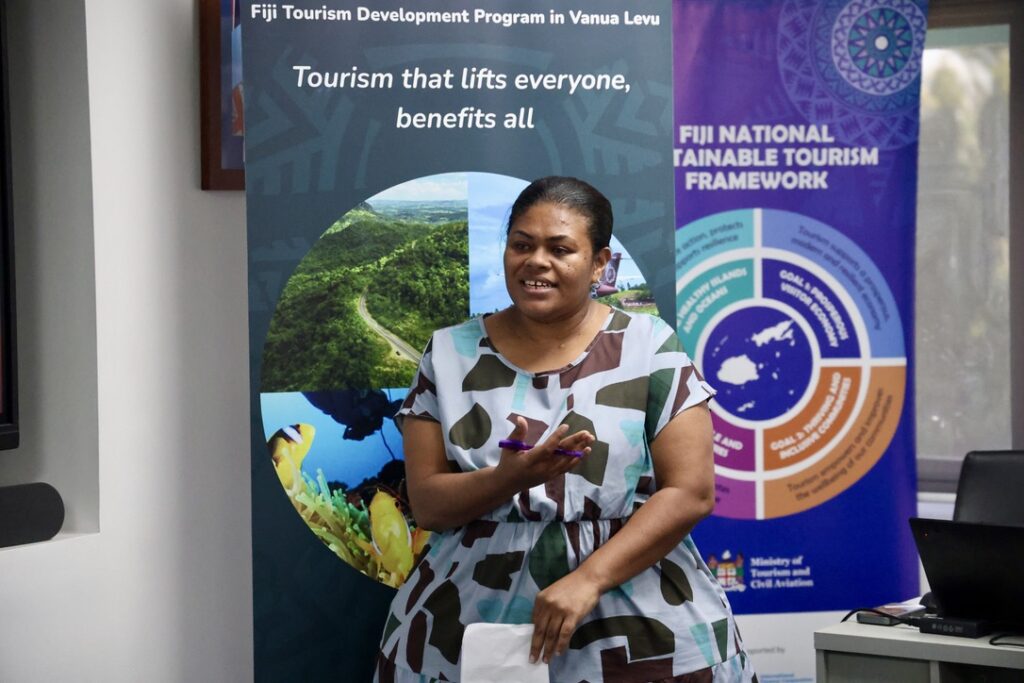
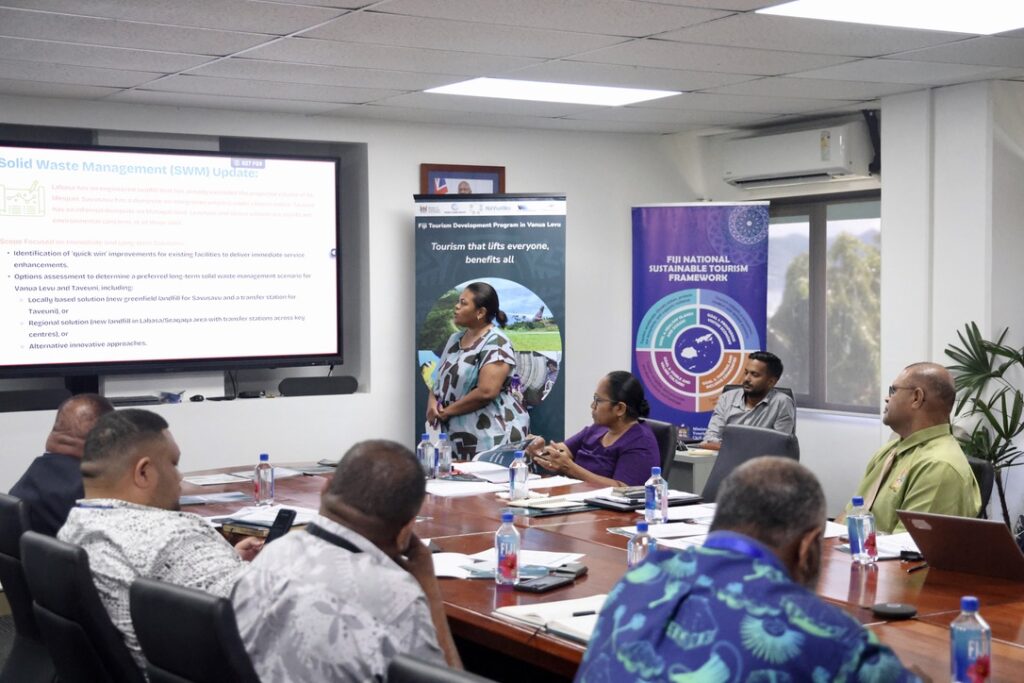
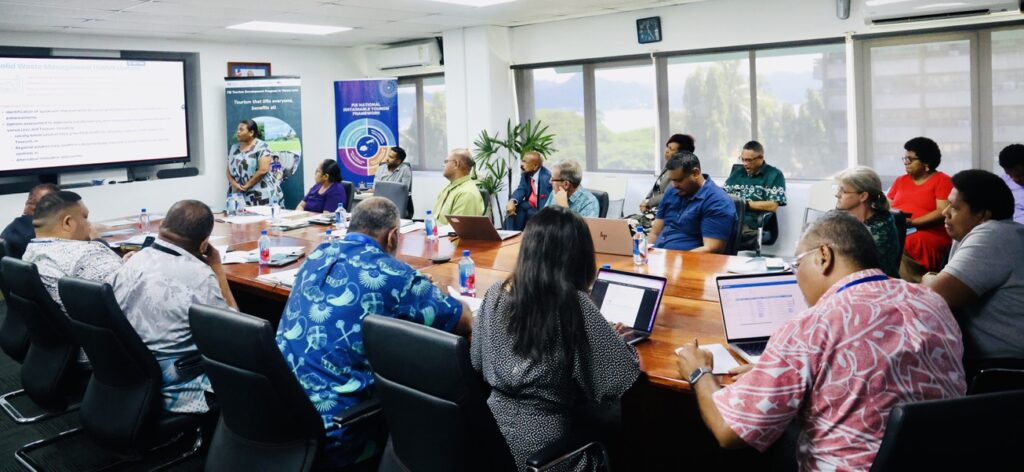
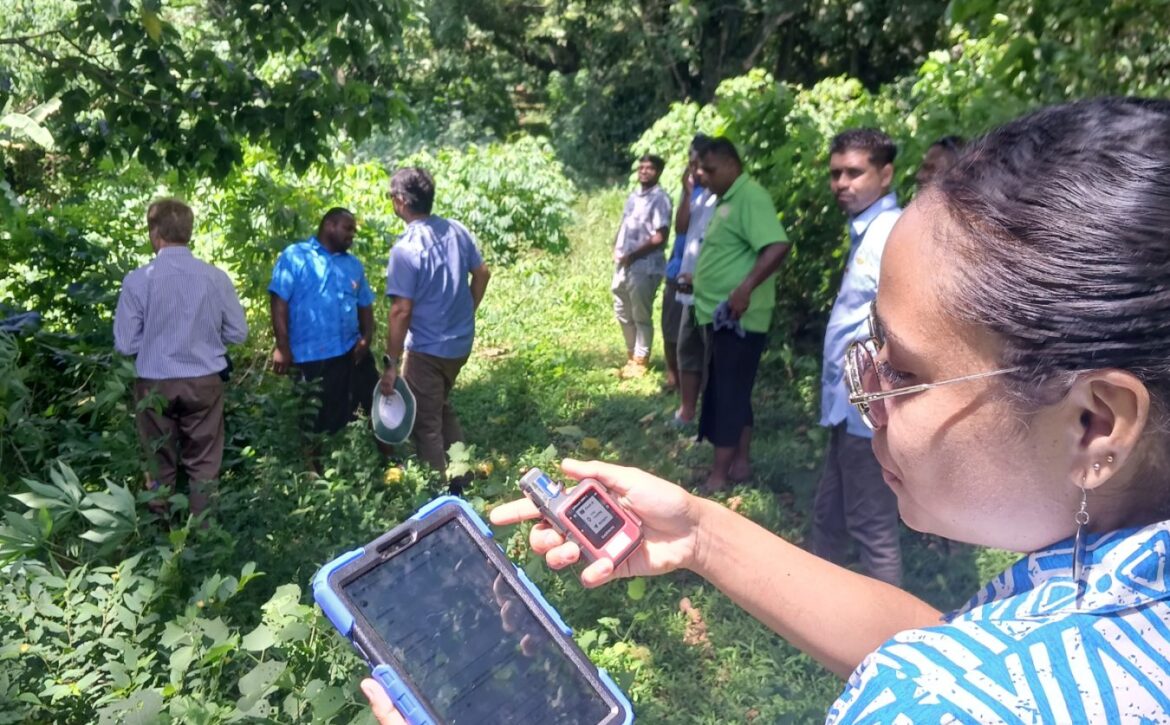
Through the Na Vualiku Project, work is underway to support better solid waste management planning for the Northern Division.
This includes technical assessments, site visits, stakeholder discussions, and analysis of practical options for Labasa, Savusavu, Taveuni, and surrounding areas.
The goal is not simply to find more space for waste. It is to plan a safer, cleaner, and more sustainable system that reduces environmental risks, protects communities, and supports the long-term growth of tourism and local development across Vanua Levu and Taveuni.
Better waste management is essential for healthier communities, cleaner towns, protected natural assets, and a stronger tourism future. Read more in our latest newsletter: https://navualiku.com/newsletters/
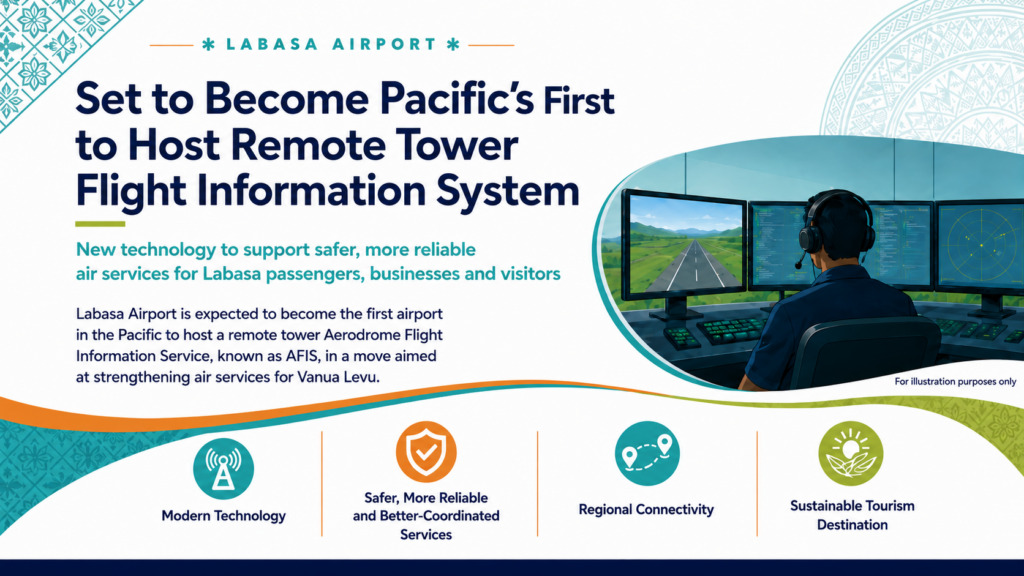
New technology to support safer, more reliable air services for Labasa passengers, businesses and visitors
Labasa Airport is expected to become the first airport in the Pacific to host a remote tower Aerodrome Flight Information Service, known as AFIS, in a move aimed at strengthening air services for Vanua Levu.
The planned system will use cameras and other equipment at Labasa Airport to transmit real-time flight information to the Nadi Operations Centre, supporting safer, more reliable and better-coordinated services for aircraft operating to and from Labasa.
For passengers, residents and businesses, the investment means Labasa Airport is being equipped with modern technology to support the air services that connect Vanua Levu with the rest of Fiji.
The initiative is being delivered through the Fiji Tourism Development Program in Vanua Levu, locally known as the Na Vualiku Project. The Program is a flagship Government of Fiji initiative financed by the World Bank and led by the Ministry of Tourism and Civil Aviation in collaboration with implementing partners, including Fiji Airports and the Fiji Roads Authority.
Under a contract awarded by Fiji Airports, Adacel Technologies Limited will deploy its REVAL remote tower system for Labasa Airport. The system will include a Remote Tower Module at Labasa Airport and a Remote Tower Centre at the Nadi Operations Centre, strengthening how flight information is captured, monitored and shared.
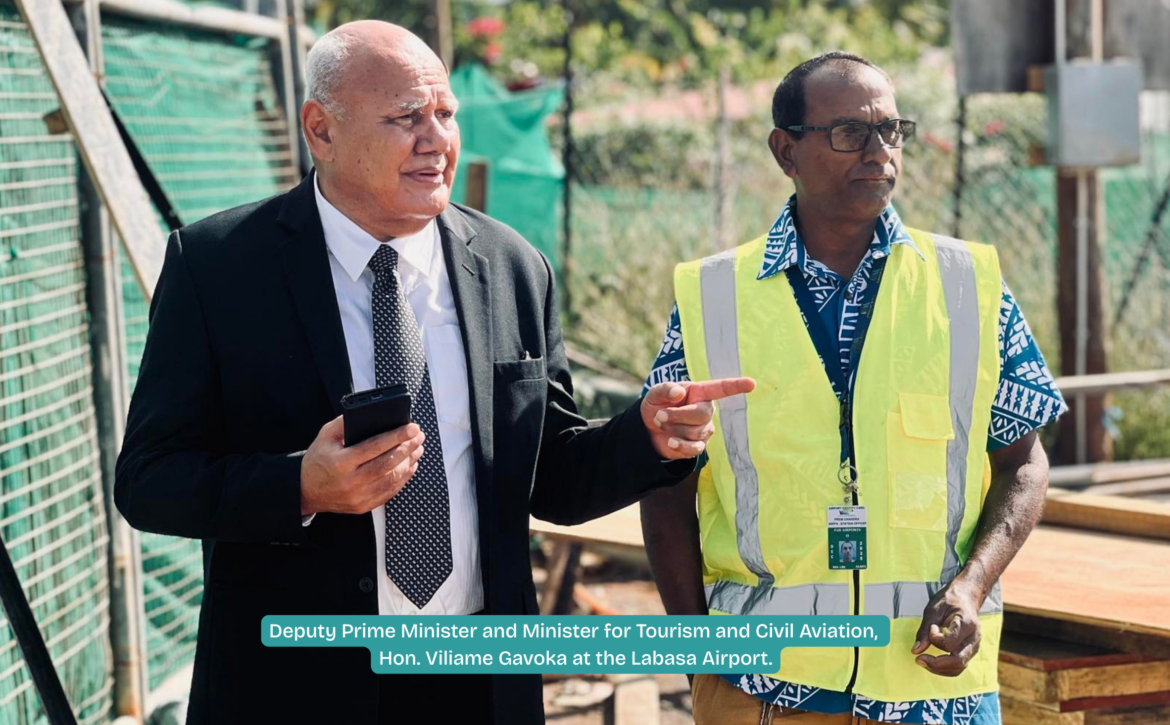
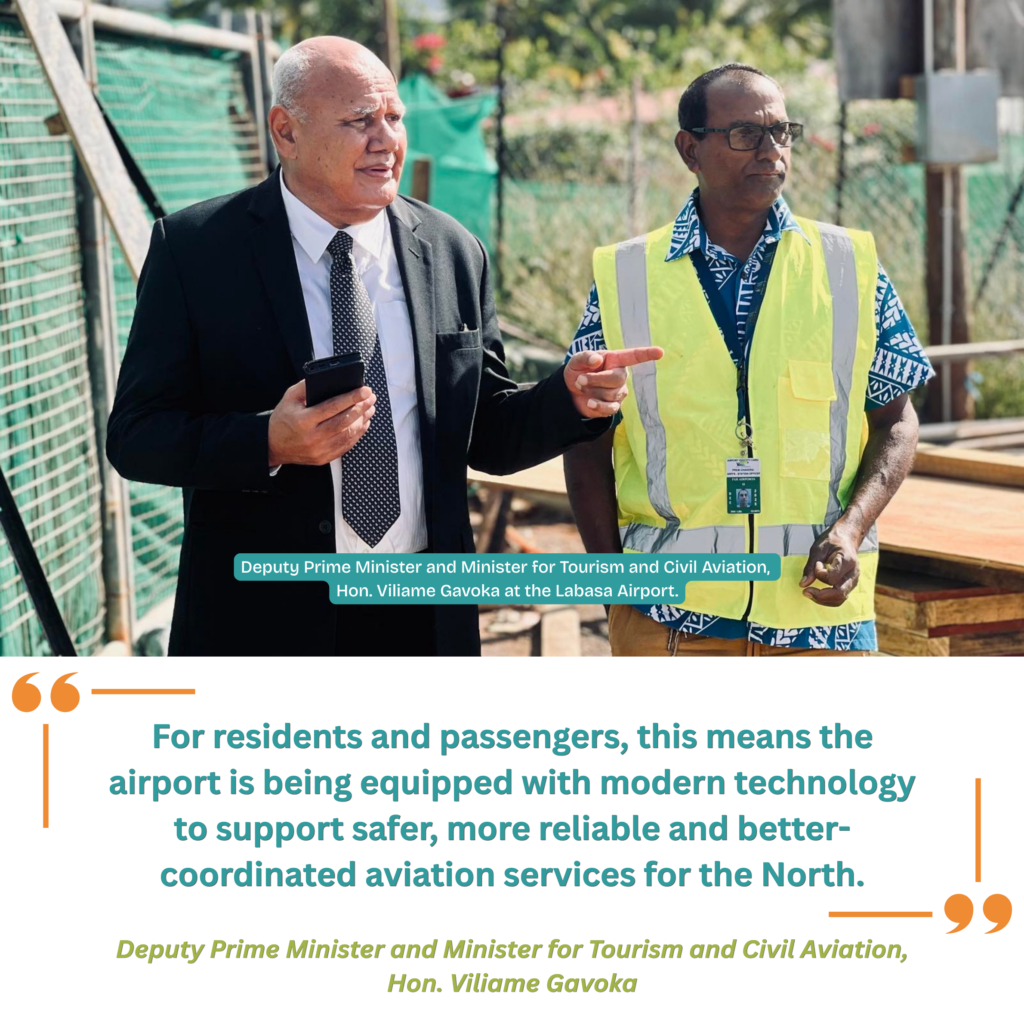
Deputy Prime Minister and Minister for Tourism and Civil Aviation, Hon. Viliame Gavoka, said the investment reflects the Government’s commitment to strengthening the foundations for sustainable tourism and regional development in Vanua Levu.
“For residents and passengers, this means the airport is being equipped with modern technology to support safer, more reliable and better-coordinated aviation services for the North,” he said.
“The planned remote tower AFIS system for Labasa Airport is part of a wider effort to modernise tourism-enabling infrastructure and essential services, while supporting communities, businesses and visitors who rely on safe and dependable transport links,” he added.
“Aviation connectivity is critical for Vanua Levu’s future. Through the Na Vualiku Project, the Government is investing in practical, long-term improvements that strengthen access, safety, reliability and confidence in the North as a sustainable tourism destination,” Hon. Gavoka said.
Labasa Airport is a key gateway for Vanua Levu, supporting residents, visitors, businesses, government services and essential service providers. The planned remote tower AFIS system is expected to improve aviation services and will support the tourism sector by helping strengthen regional connectivity and operational resilience.
Fiji Airports Chief Executive Officer, Mesake Seavula Nawari, said the project is an important step forward in strengthening aviation services for Vanua Levu and supporting Fiji’s broader economic development.
He said that the remote tower’s architecture will enable real-time operational visibility and monitoring from a centralized facility in Nadi, supporting safe and efficient remote service delivery in Labasa.
“By modernising aerodrome service delivery at Labasa through advanced technology, we are enhancing regional connectivity, supporting tourism growth and helping ensure safe, reliable air transport for our communities and visitors,” he explained.
The remote tower AFIS system is one of several aviation-related investments being supported under the Na Vualiku Project to strengthen connectivity and enable sustainable tourism development in Vanua Levu and Taveuni.
The Na Vualiku Project supports coordinated investments in tourism-enabling infrastructure, essential public services, regional connectivity, enterprise development, climate resilience, environmental and social planning, and community-based tourism.
Driving Delivery Forward: 4th Na Vualiku Project Steering Committee Meeting
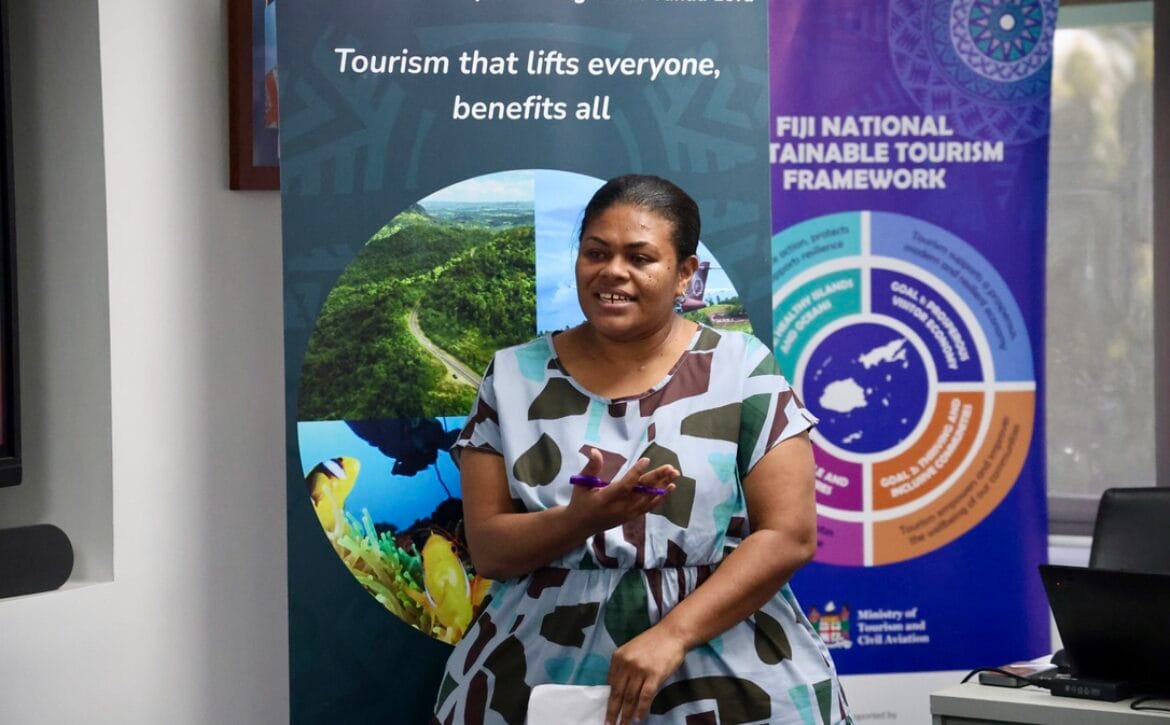
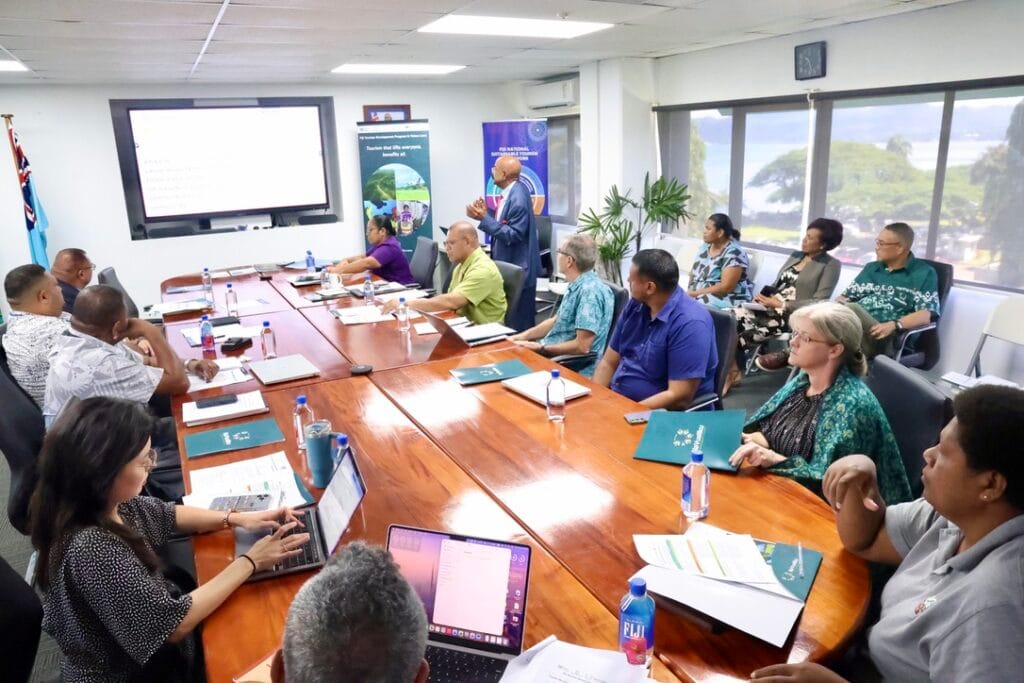
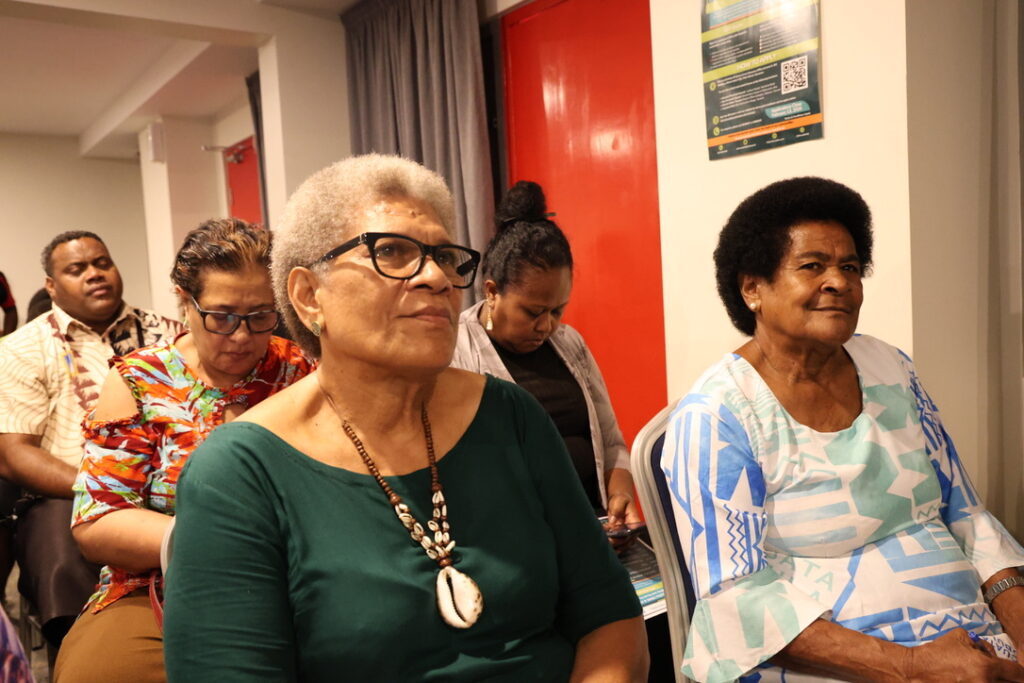
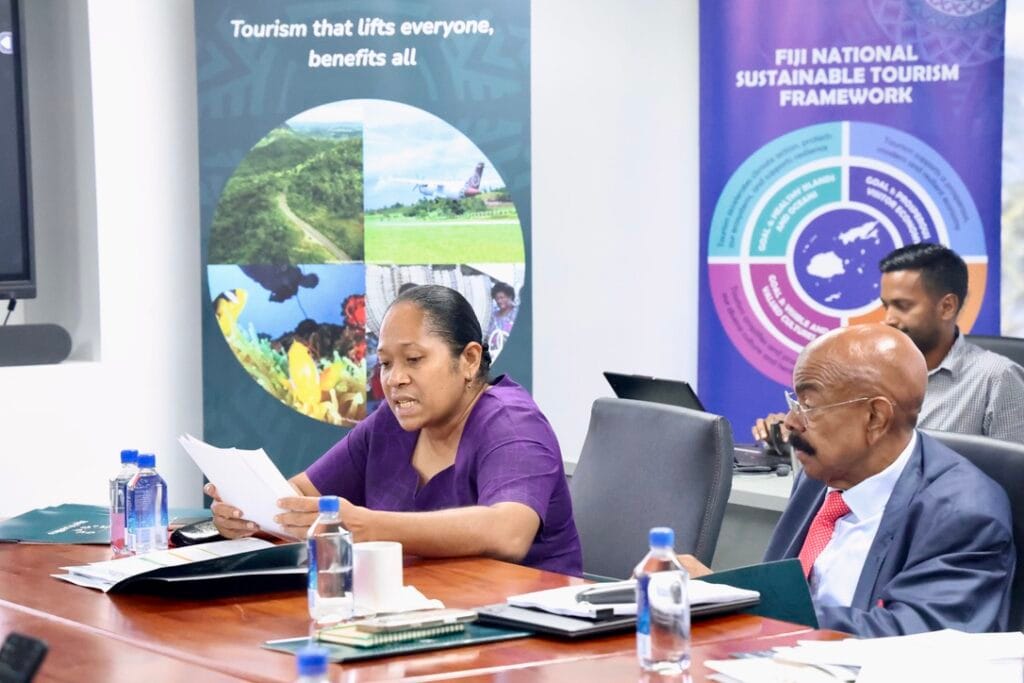
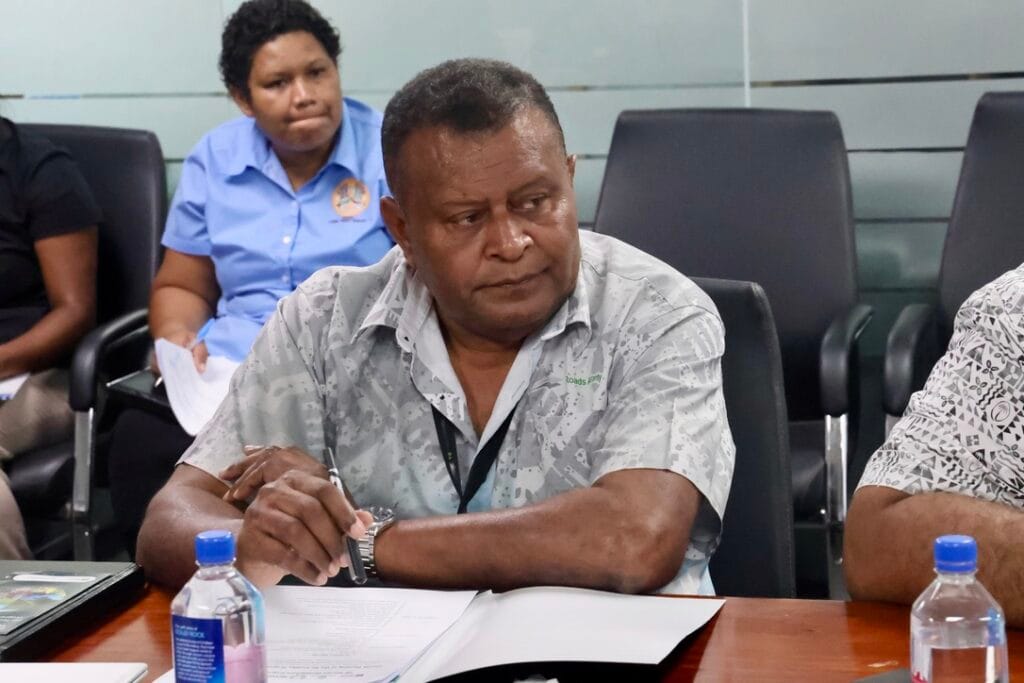
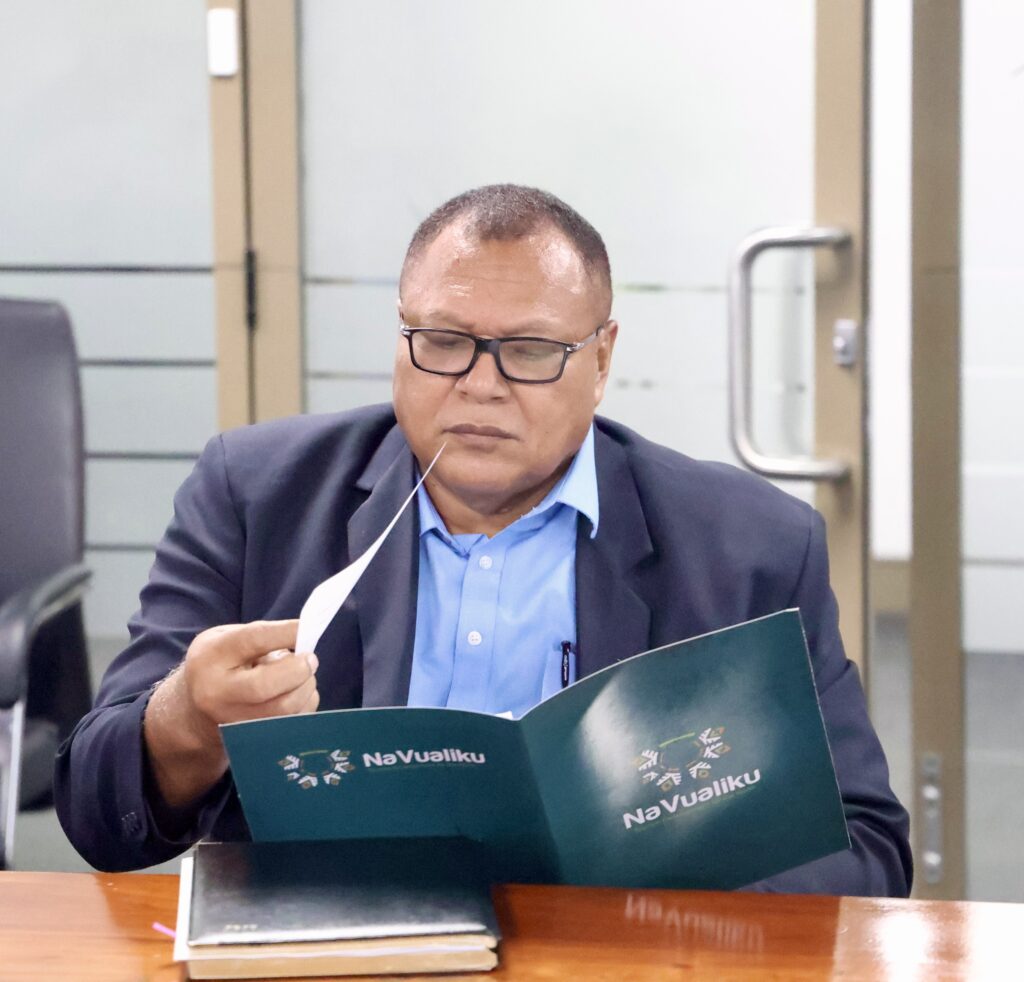
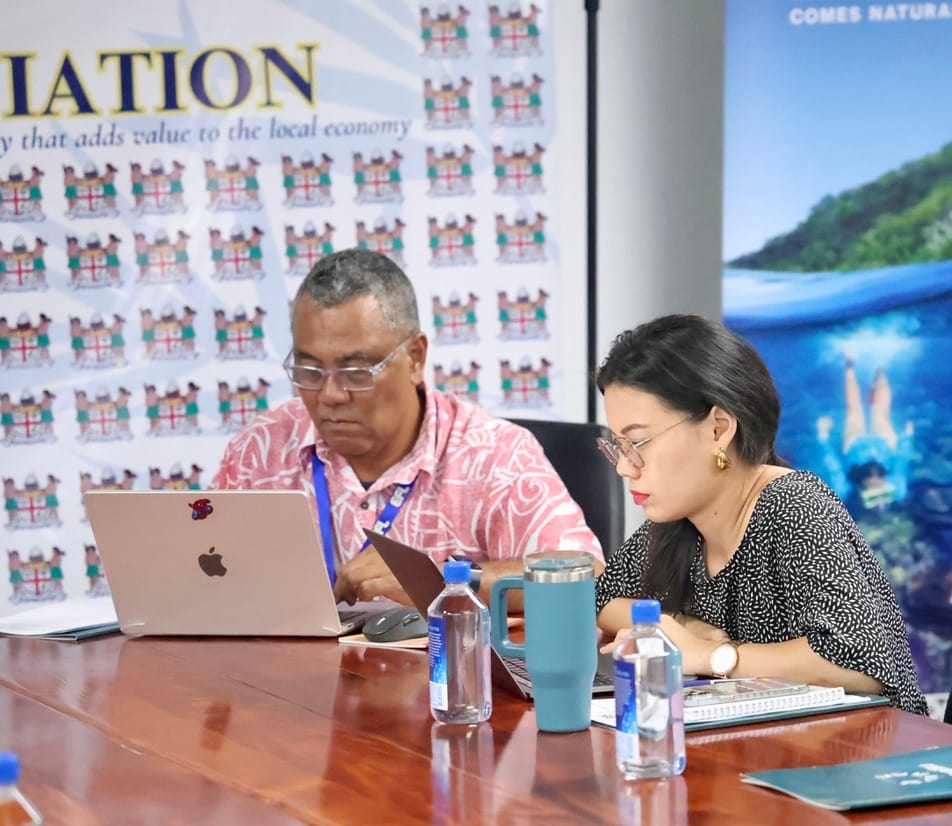
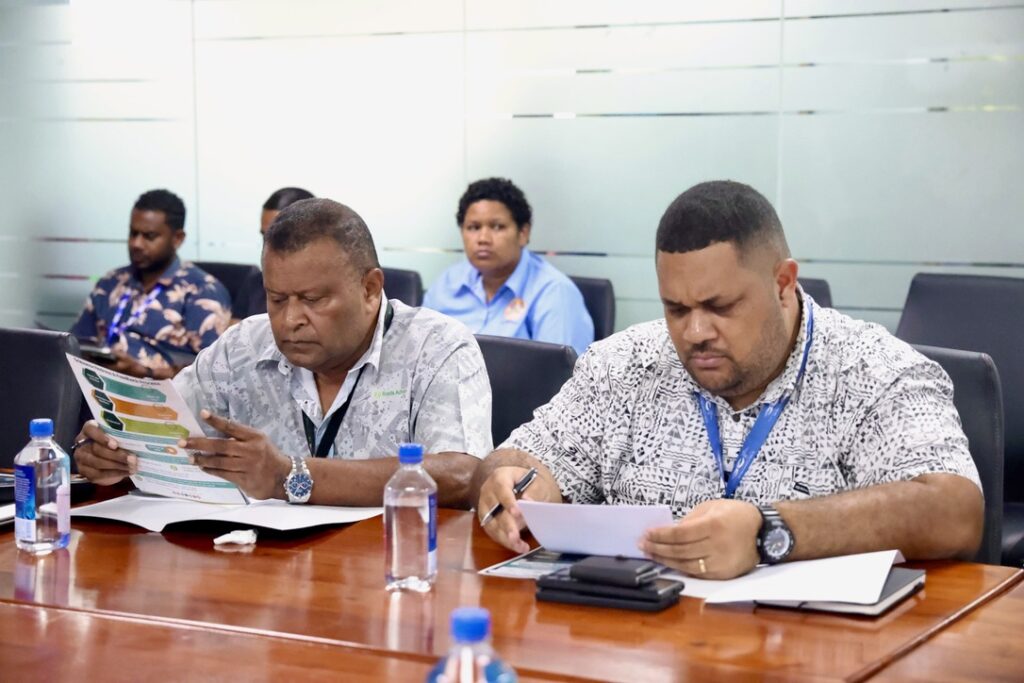
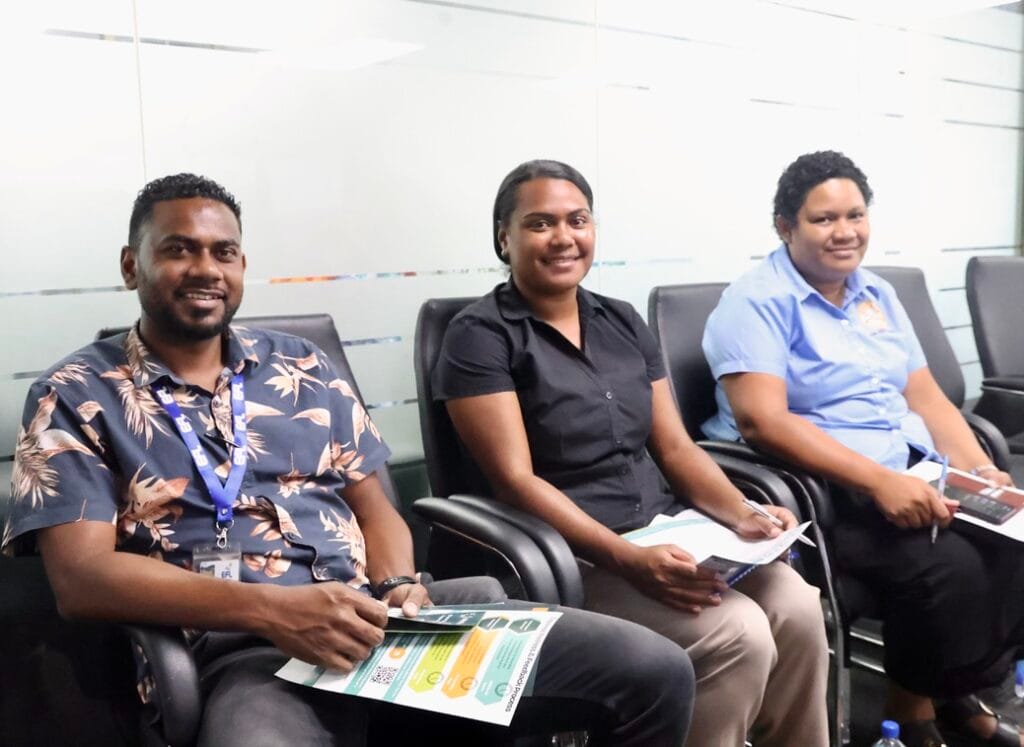
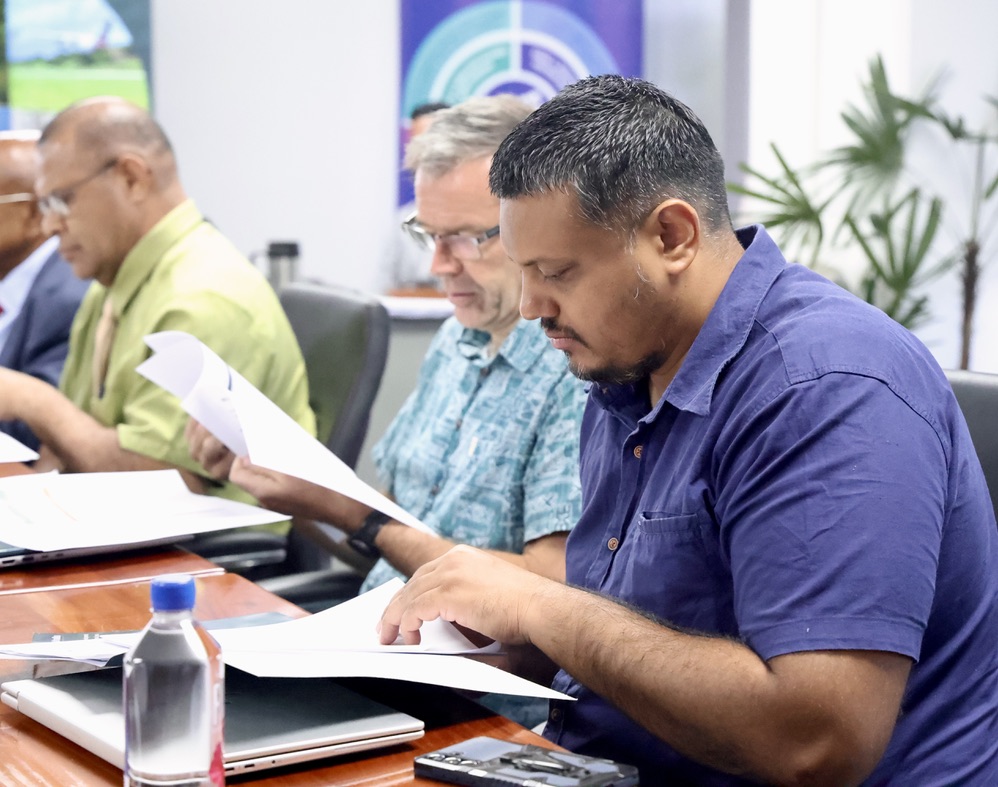
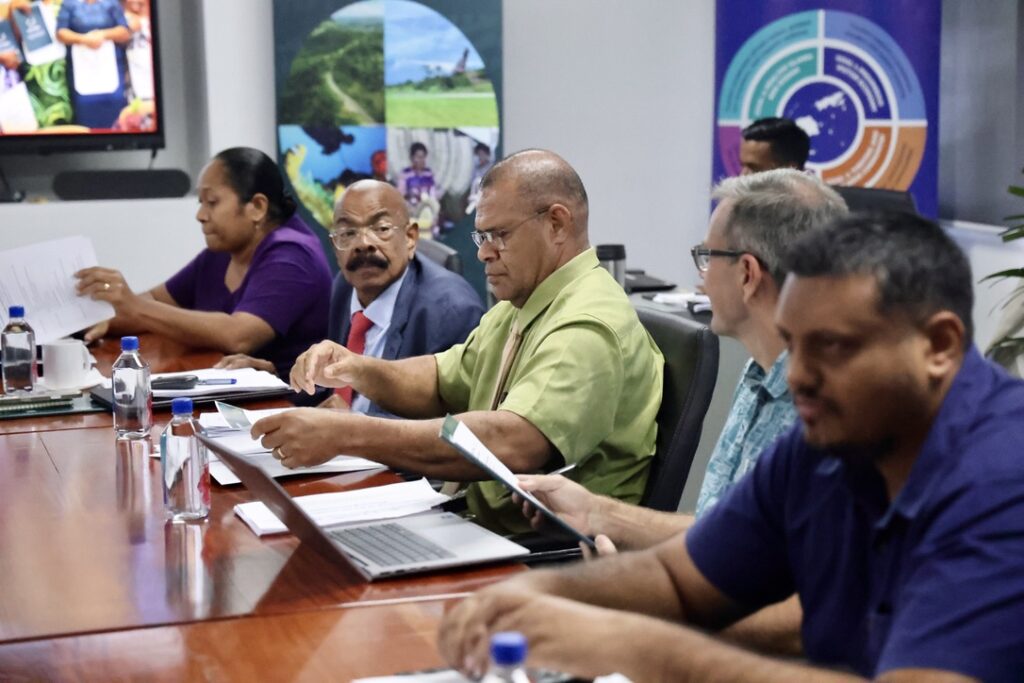
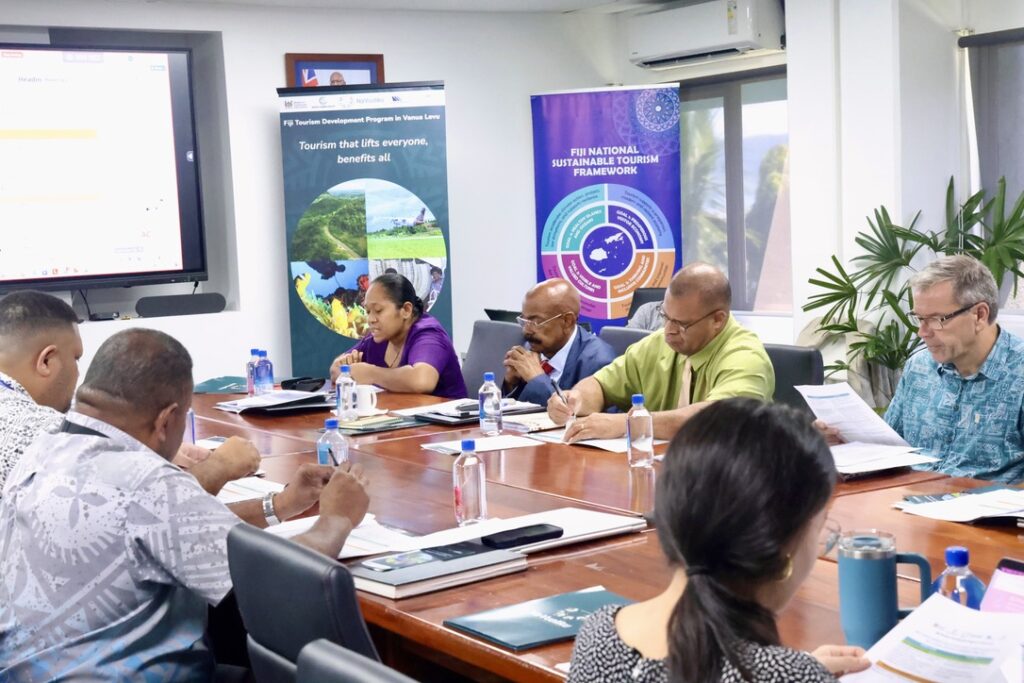
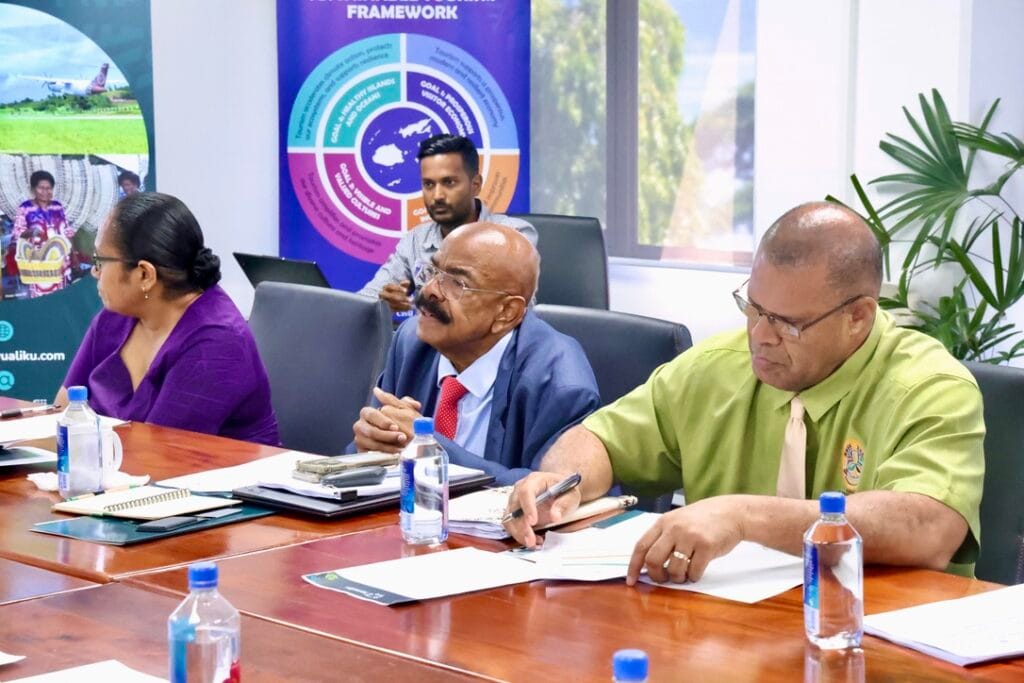
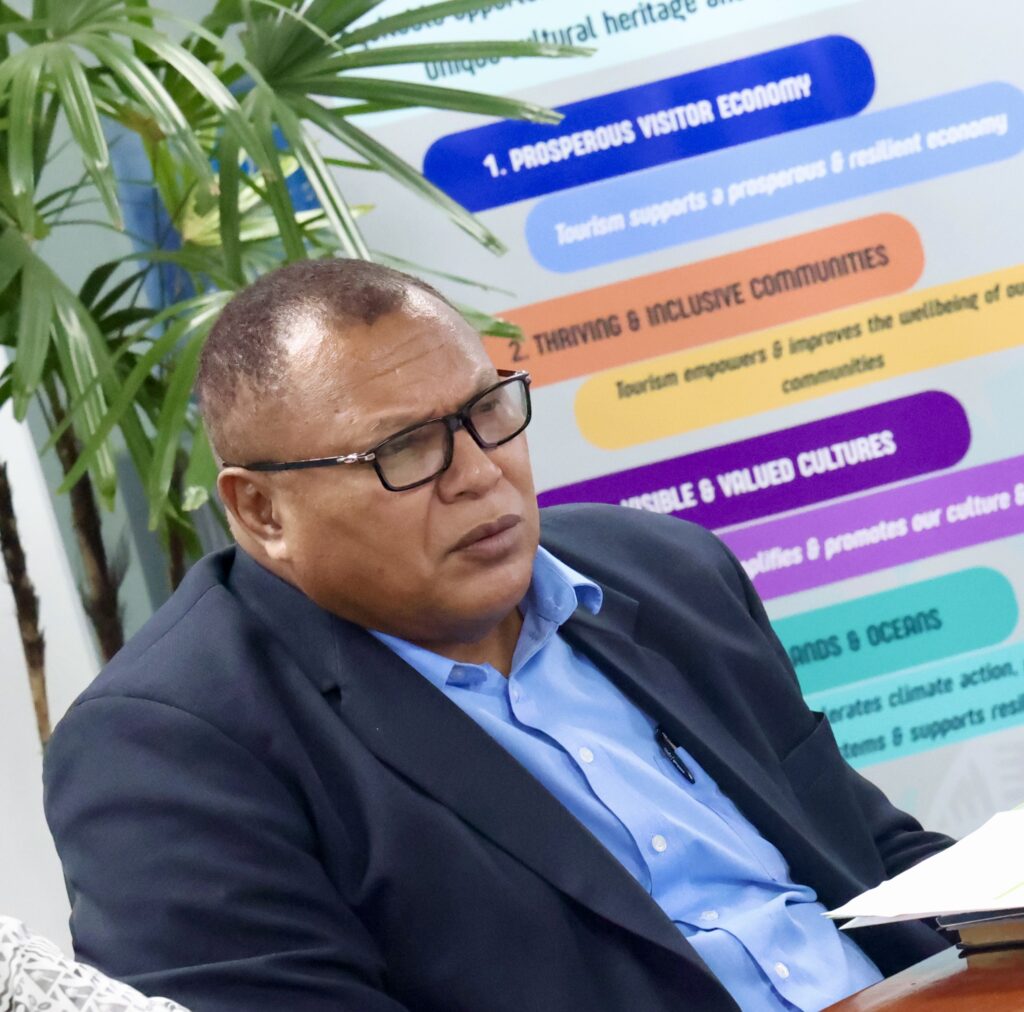
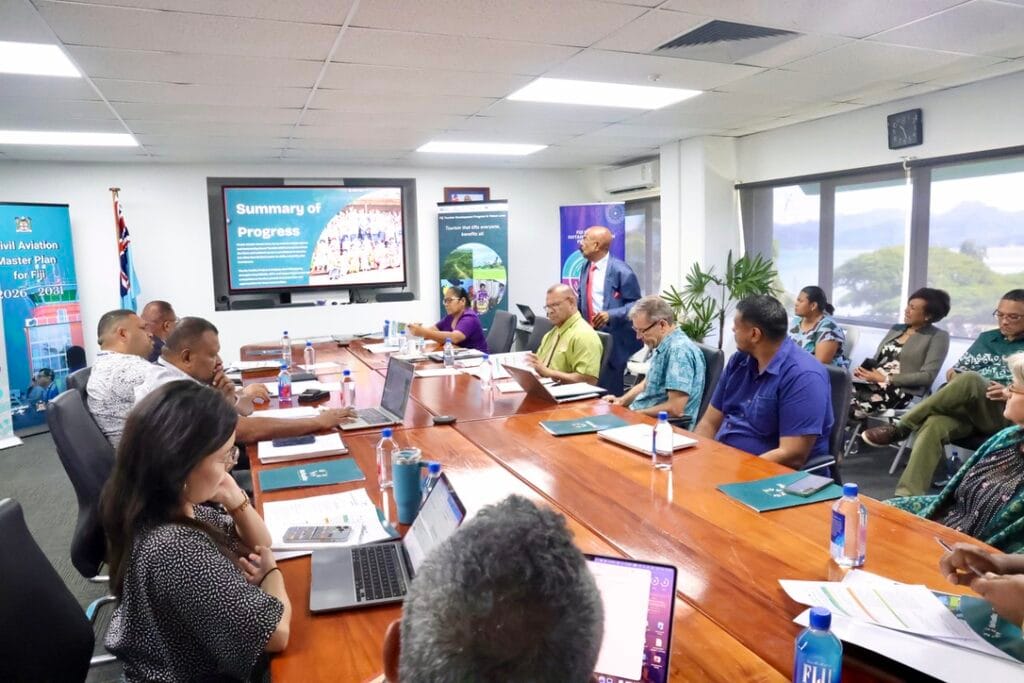
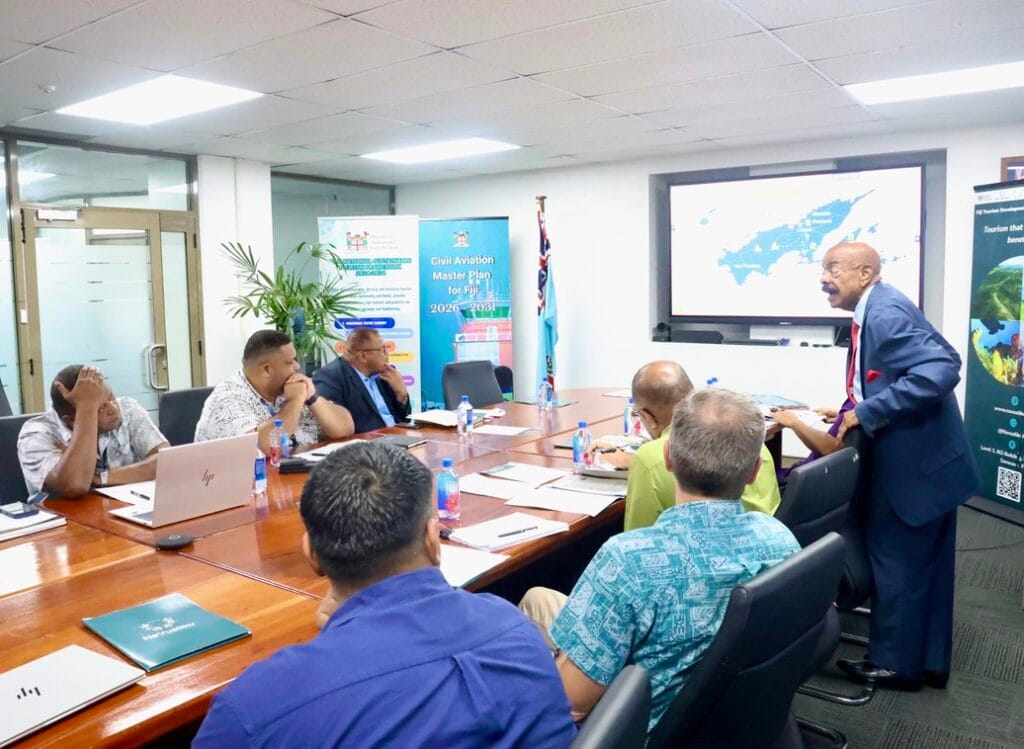
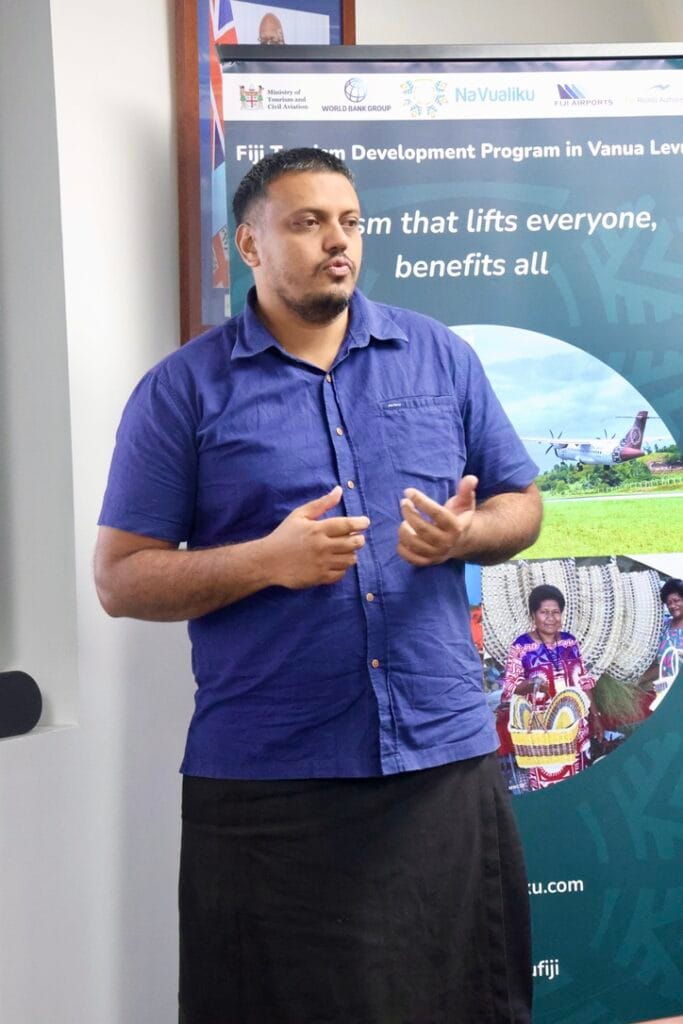
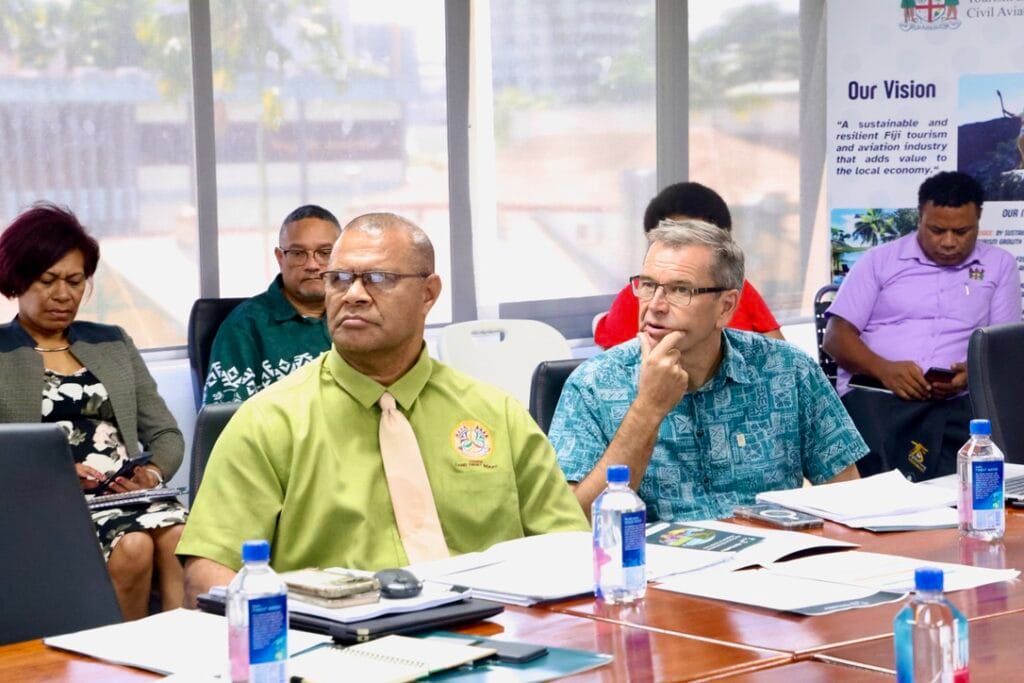
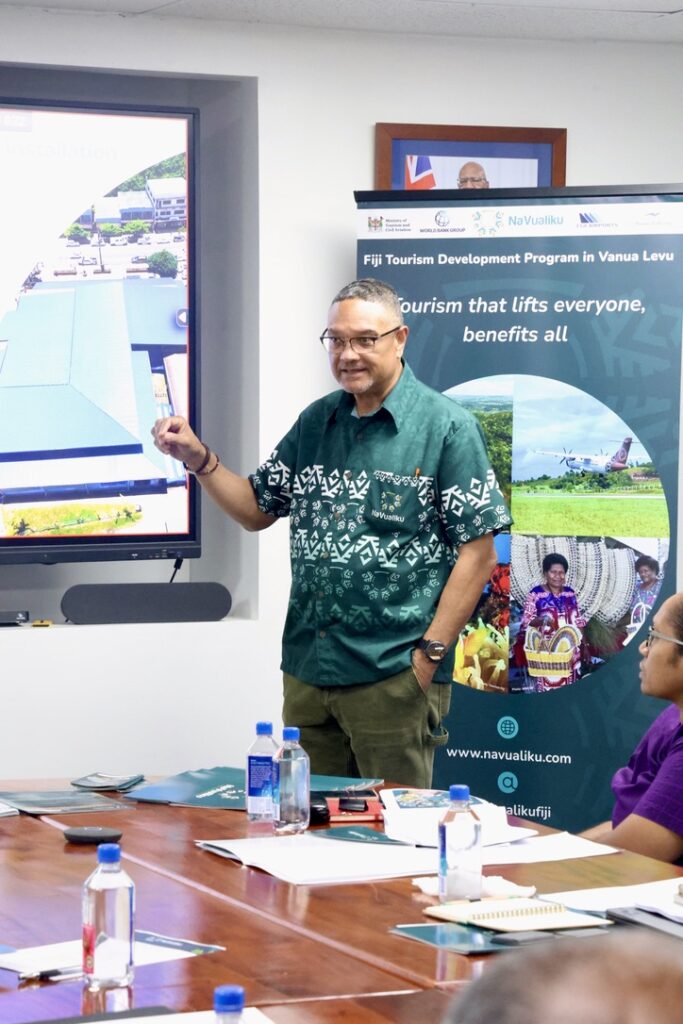
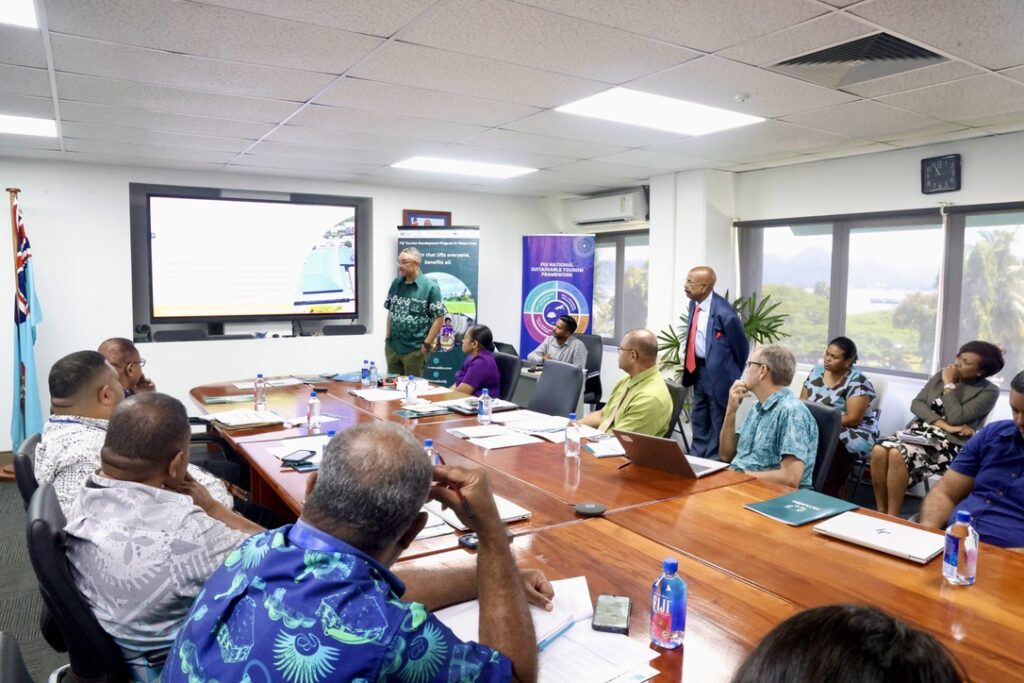
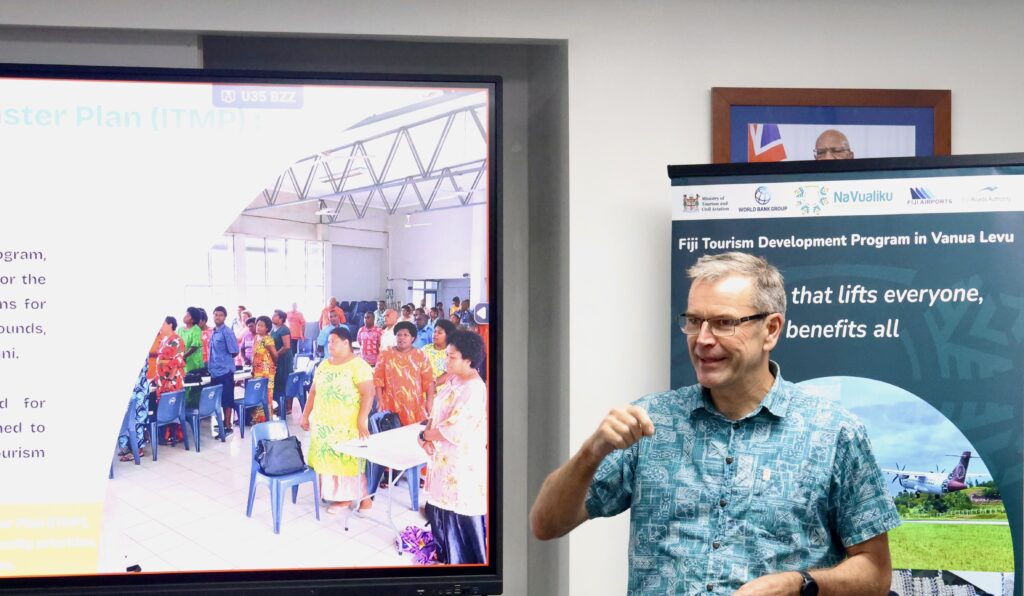
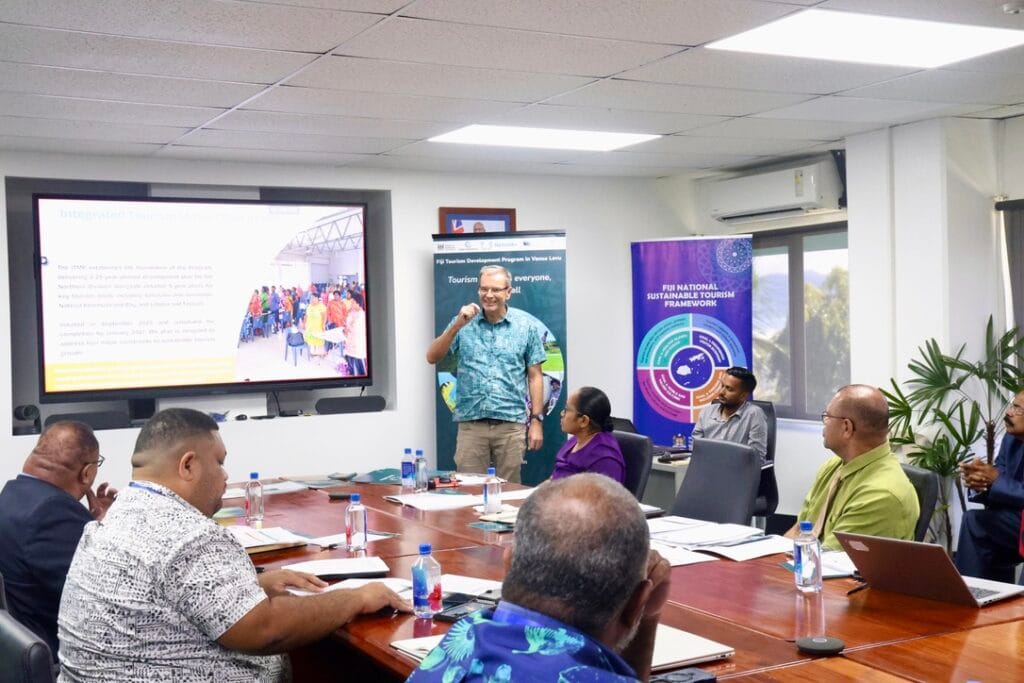
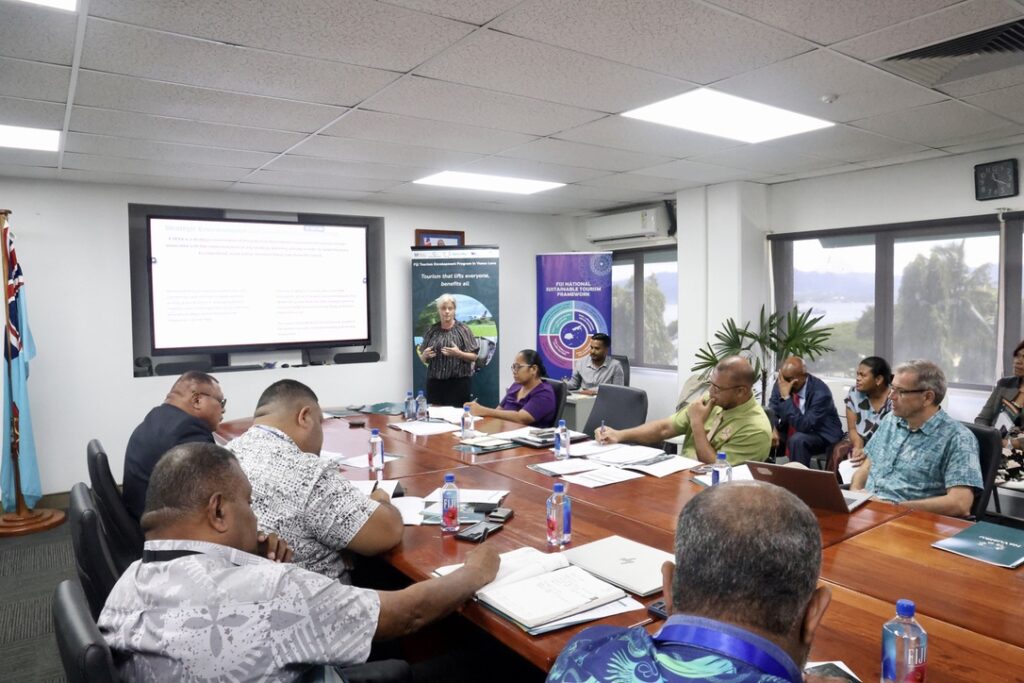
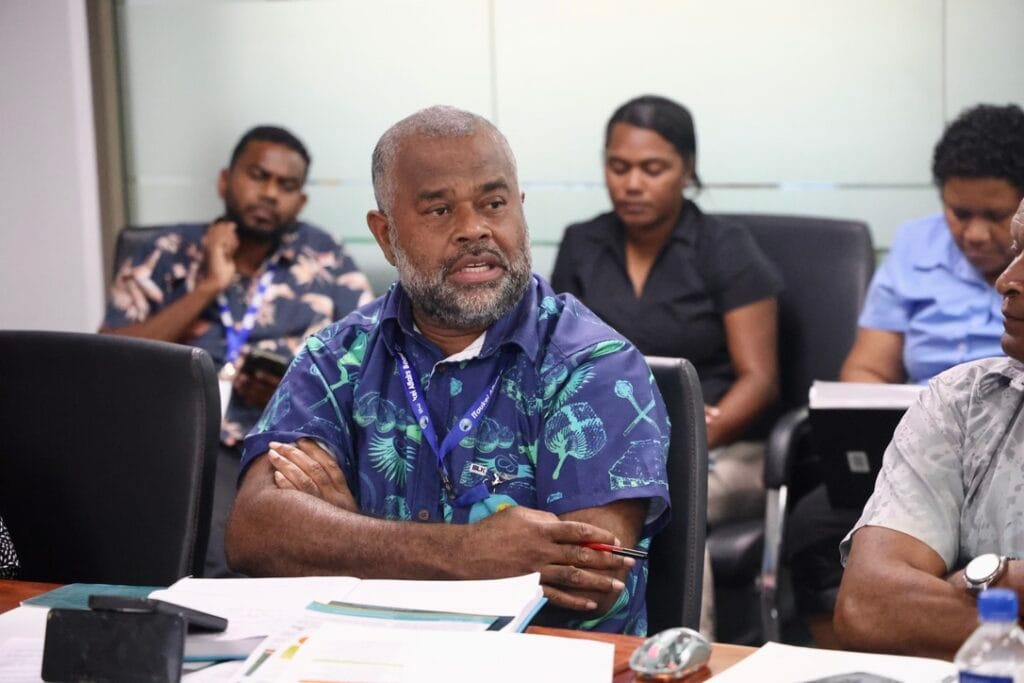
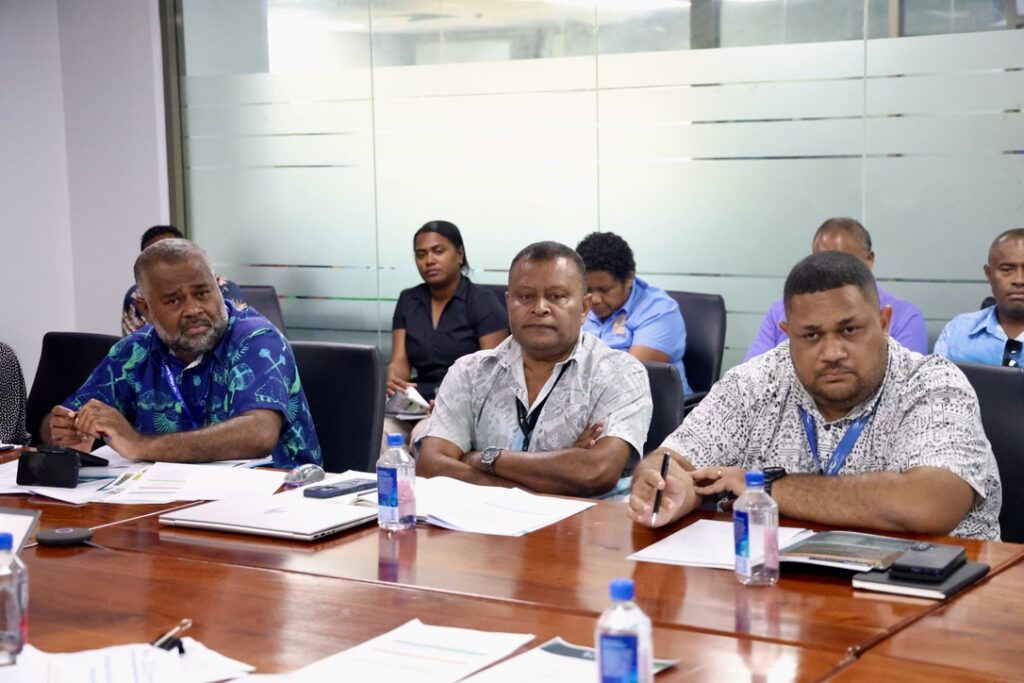
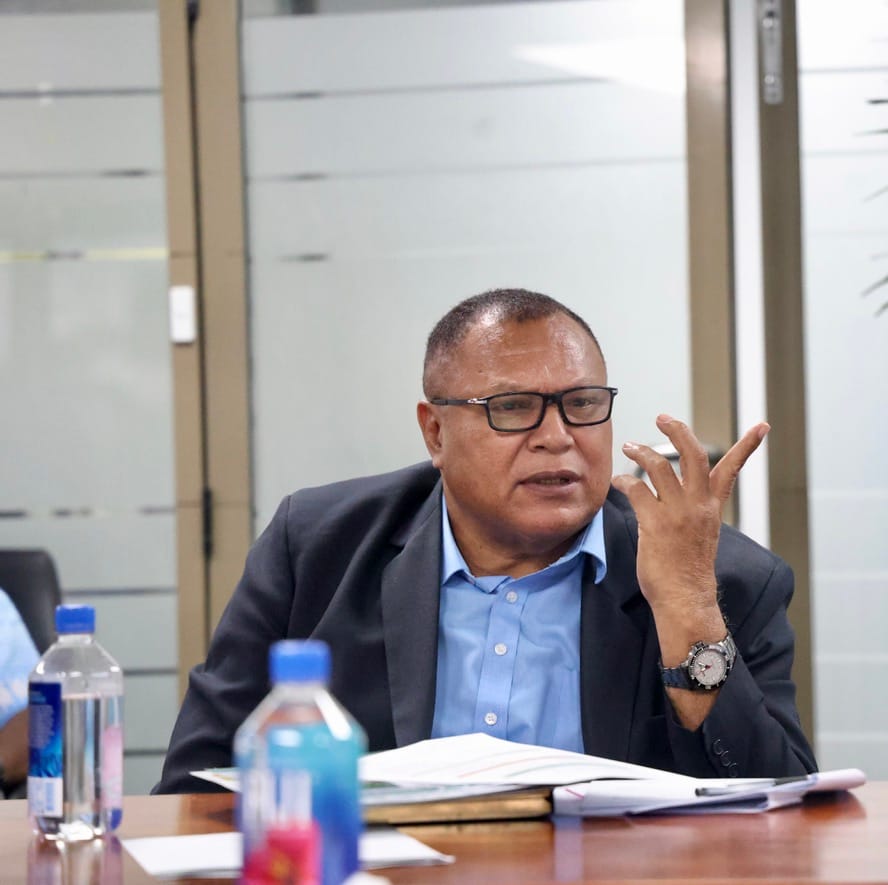
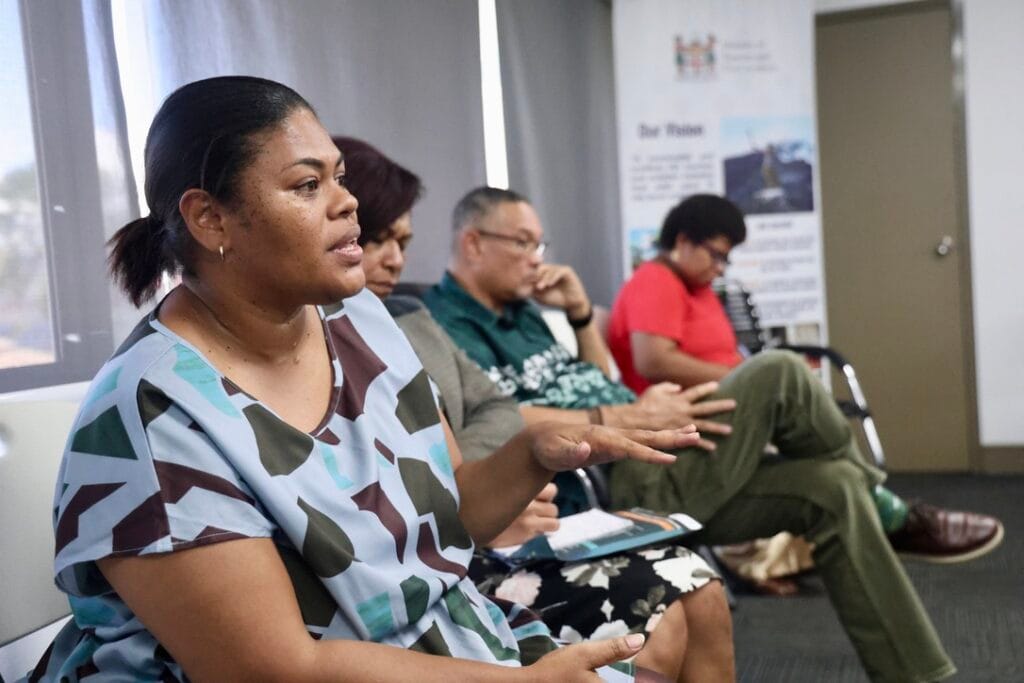
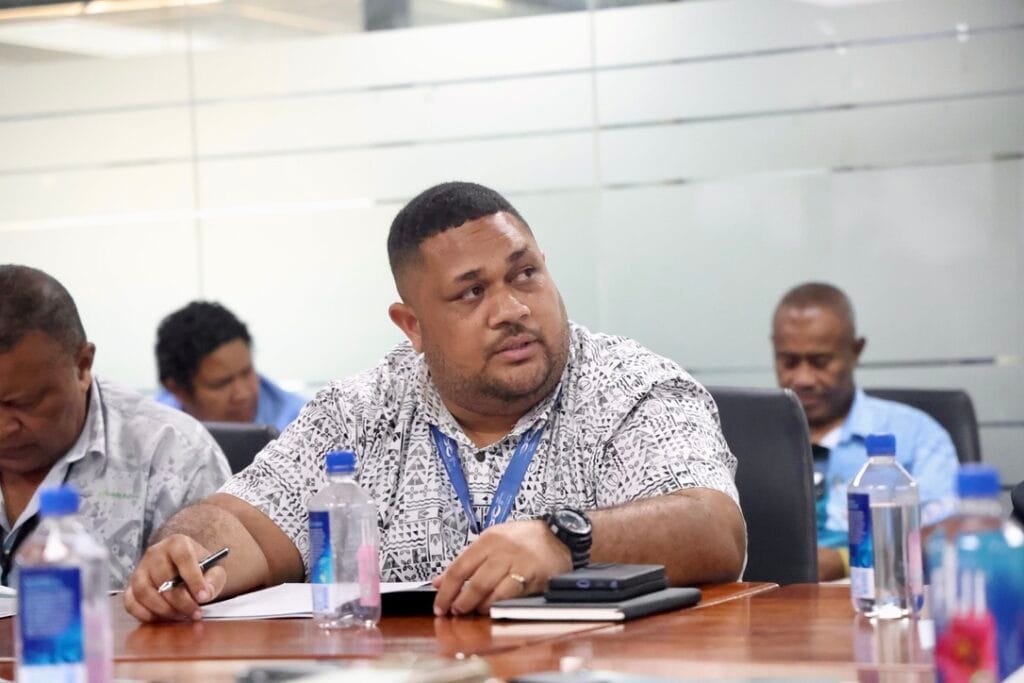
The Na Vualiku Project convened its 4th Steering Committee Meeting yesterday at the Ministry of Tourism and Civil Aviation, bringing together members representing key government agencies and partners to review progress, address implementation challenges, and align on priorities for the next phase of delivery.
Work on the ground is picking up pace.
Since the previous meeting, the Project has continued to scale-up across multiple fronts, supported by strengthened capacity within the Central Project Management Unit (CPMU) and an expanding portfolio of activities.
Across the Project:
42 contracts have been signed to date, valued at USD 18.8 million
10 contracts are currently under implementation, valued at USD 14.1 million
These investments span infrastructure, planning, and community-focused initiatives, reflecting a coordinated approach to unlocking tourism potential while ensuring sustainability and resilience.
What this means for you:
More projects are moving from planning into implementation and works. This means services and improvements you can start to see soon and benefit from.
Progress Across Priority Areas – Here’s what is moving forward and why it matters:
The meeting highlighted steady progress across key sectors that underpin tourism development in Vanua Levu and Taveuni:
Aviation and Connectivity
Runway strengthening works at Labasa Airport have been completed, improving operational reliability.
Photos: Operational Labasa Airport
More planning is underway for future improvements, including feasibility studies for future aviation needs, such as a potential new airport and runway extensions to inform decisions, and a remote tower Automatic Flight Information Service (AFIS), are advancing, with key milestones expected in April–June 2026.
What this means for you:
Safer, more reliable flights, better connections, and easier travel for families, businesses, and visitors.
Resilient Infrastructure
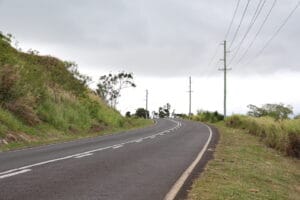
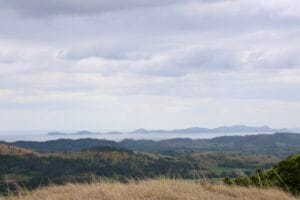
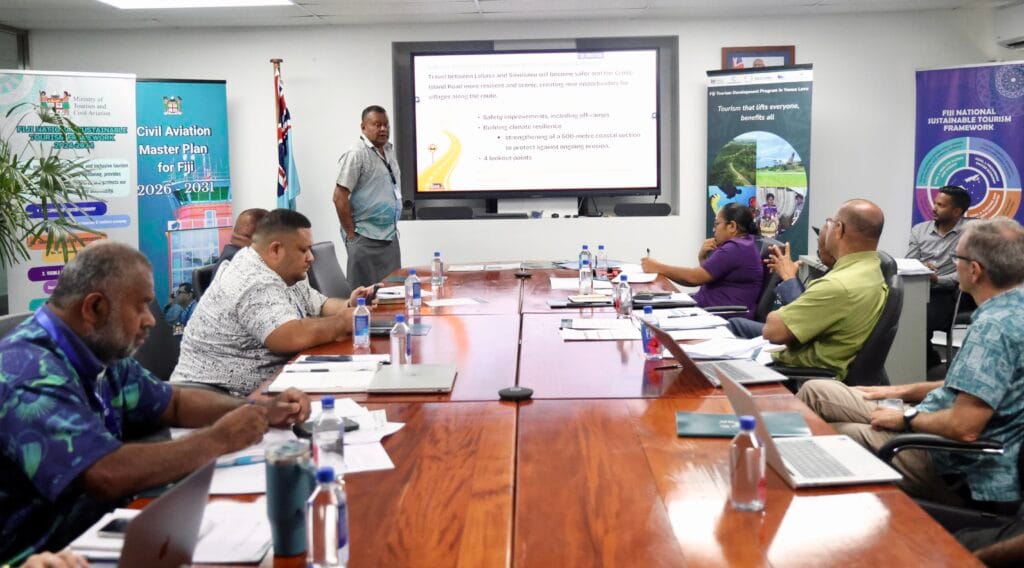
The Labasa–Savusavu Cross-Island Road and scenic lookouts activity is scheduled for implementation in FY 2026–2027. Once underway, these upgrades will improve safety, enhance climate resilience, and create new opportunities for communities along the corridor, with four scenic lookouts in the pipeline.
Photos: The Labasa–Savusavu Cross-Island Road
Essential Services and Environmental Management
Work is underway to improve how waste is managed and how basic services are delivered.
Solid waste management planning is progressing, with stakeholder engagement at its forefront, focusing on both immediate improvements and long-term infrastructure solutions, with initial upgrade works expected to commence in late 2026. Sanitation planning and solar feasibility studies for public buildings in Labasa and Savusavu are also advancing, with feasibility work targeted for completion by mid-2026, supporting more efficient and sustainable service delivery.
What this means for you:
Cleaner communities, better public services, and lower energy costs over time.
Strategic Planning for Long-Term Growth
A long-term tourism plan is being developed to guide growth over the next 25 years, with completion expected by January 2027.
An environmental and social assessment will be finalised by April 2026 to make sure development protects land, culture, and communities.
What this means for you:
Tourism growth will be properly planned, avoid harm to the environment and communities, and bring real benefits to local people.
Expanding Opportunities for Communities
Ensuring that tourism growth translates into tangible local benefits remains central to the Project.
The MSME and Community-Based Tourism (CBT) support programs have generated strong interest, with over 300 applications received for grants and capacity building initiatives. These programs are designed to strengthen local enterprises, including women-led businesses, and enable greater participation in the tourism economy.
Next steps include finalising beneficiary selection, mobilising delivery partners, and commencing rollout in May–June 2026.
Strengthening the Evidence Base
Work is underway to strengthen the data and evidence that underpin Project delivery. The Baseline Study will establish key indicators across infrastructure, services, employment, and MSMEs, with completion expected by June 2026, while improvements to the International Visitor Survey will enhance insights into visitor expenditure, experience, and behaviour.
These efforts will support more informed decision-making and ensure that progress can be measured over time.
Coordinated Delivery and Key Challenges
The Steering Committee continues to play a critical role in ensuring alignment, oversight, and timely decision-making across agencies and partners.
Looking Ahead
Work will continue to accelerate over the coming months, with more projects moving into delivery.
The focus remains simple:better infrastructure, stronger local businesses, and protecting what makes Vanua Levu and Taveuni special.

 Read more in our latest newsletter: https://navualiku.com/newsletters/