
Savusavu’s First Sanitation Master Plan Is on the Way
Savusavu will have its first Participatory Sanitation Master Plan through the World Bank-financed Na Vualiku Project.
The 10-month technical assessment has started and will help understand the town’s current wastewater situation, assess practical options, and guide future sanitation decisions.
This work is important because sanitation may not always be visible, but it protects public health, households, businesses, the environment and Savusavu Bay.
The technical assessment will also help inform possible wastewater and faecal sludge treatment infrastructure under Phase II of the Fiji Tourism Development Program in Vanua Levu.
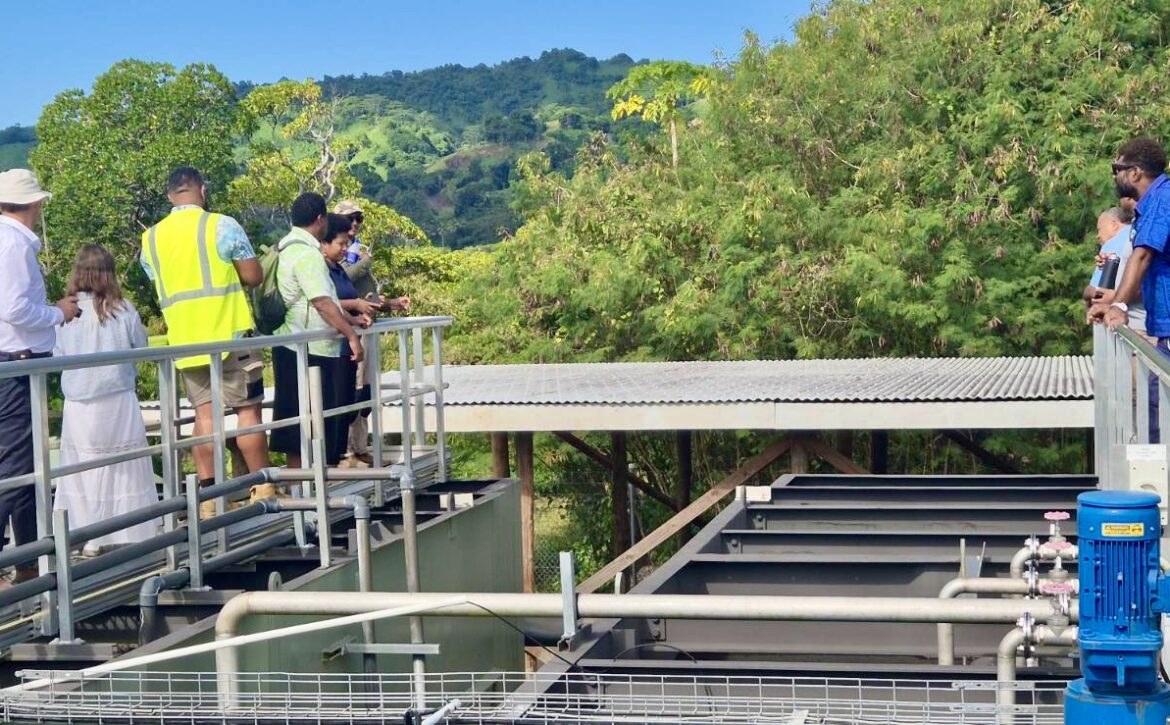
This week, the Na Vualiku Project team, sanitation technical experts and Water Authority of Fiji colleagues are in Savusavu carrying out technical discussions, stakeholder engagement and site visits as part of this work.
The team has engaged with the Cakaudrove Provincial Administrator’s Office, Macuata Provincial Council Office, community representatives, the Savusavu Public Health team, the Savusavu Town Council CEO and Health Inspector, members of the Northern Solid Waste Task Force, the Savusavu Chamber of Commerce and other key stakeholders.
Earlier in Suva, the team also engaged with key government and technical agencies, including the Department of Environment, Department of Lands, iTaukei Land Trust Board, iTaukei Affairs, and the Department of Water and Sewerage.
The team also visited the existing Nawi Island treatment facility to better understand current infrastructure and operational arrangements.
These engagements and site visits are part of the first step in the 10-month technical process — listening, understanding current conditions, assessing options carefully, and building the evidence needed for better sanitation services, stronger future infrastructure, and a cleaner, healthier Savusavu.
Keep an eye out for an upcoming interview with the team explaining what the Savusavu Participatory Sanitation Master Plan is, why Savusavu needs one, and how this work will support future sanitation decisions.
