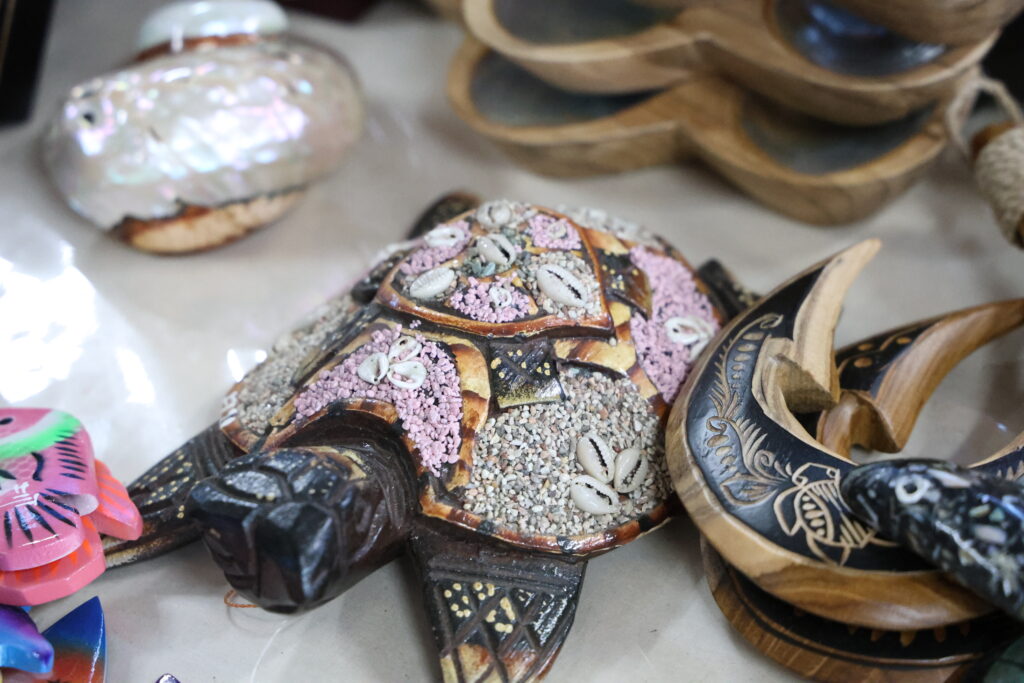
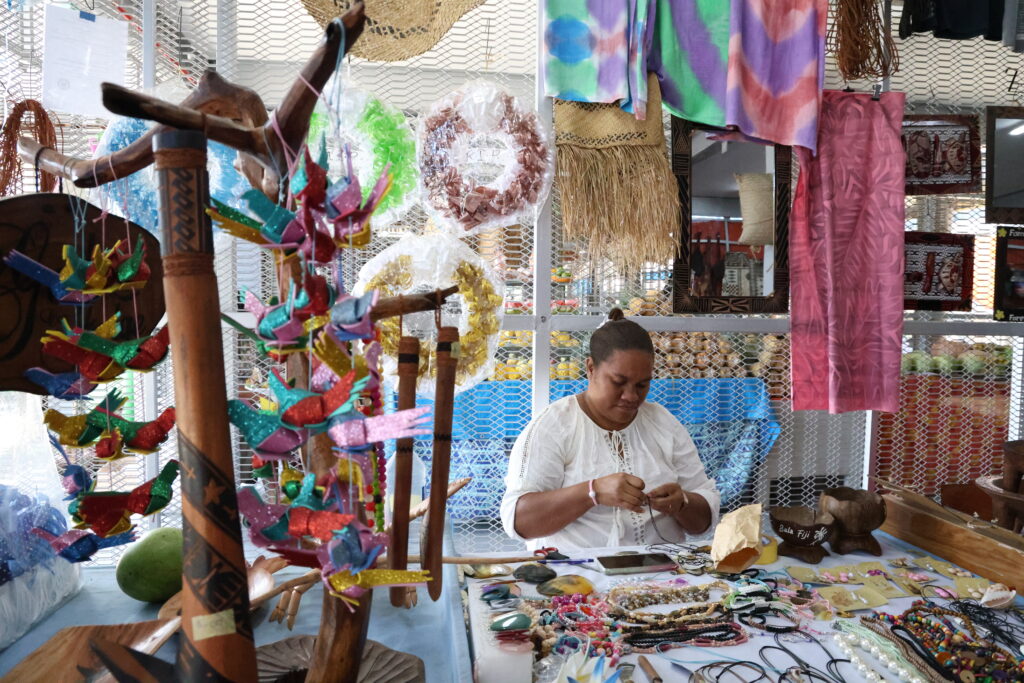
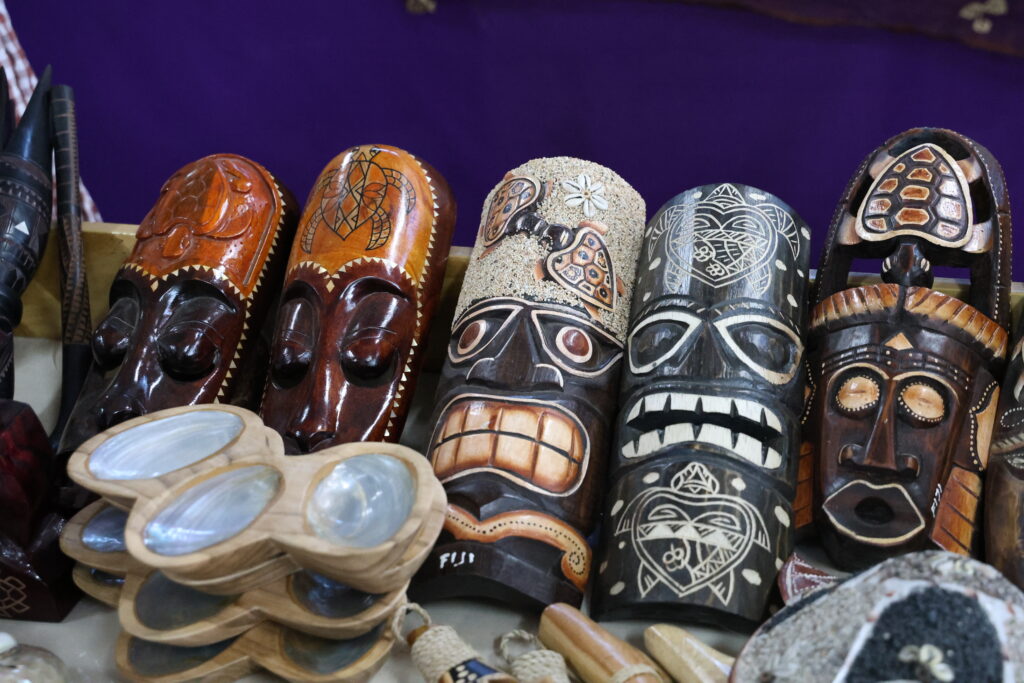
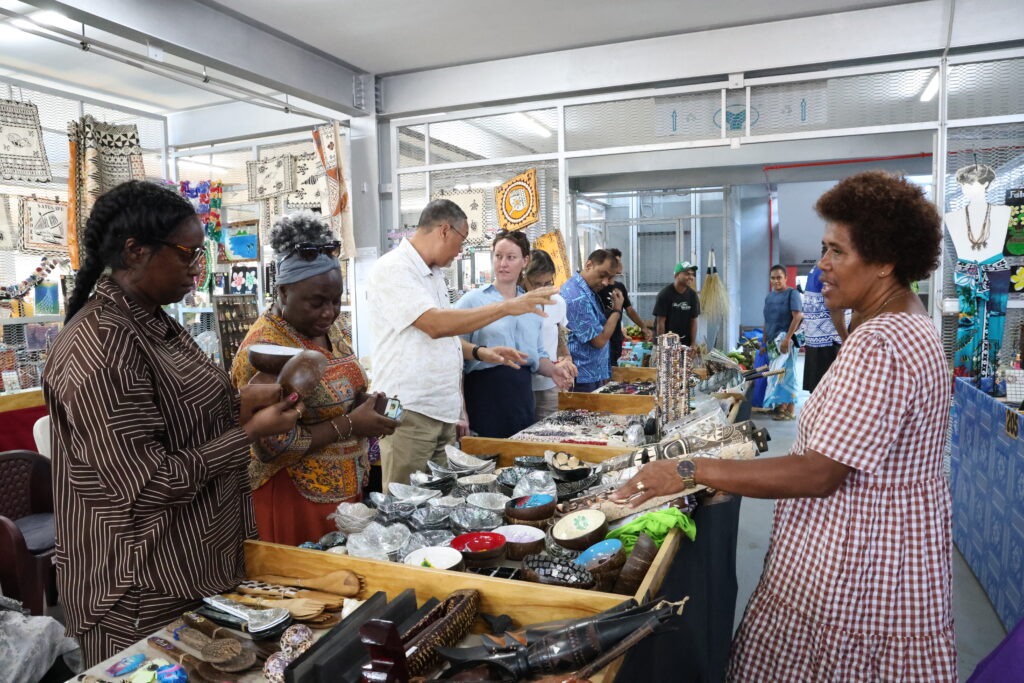
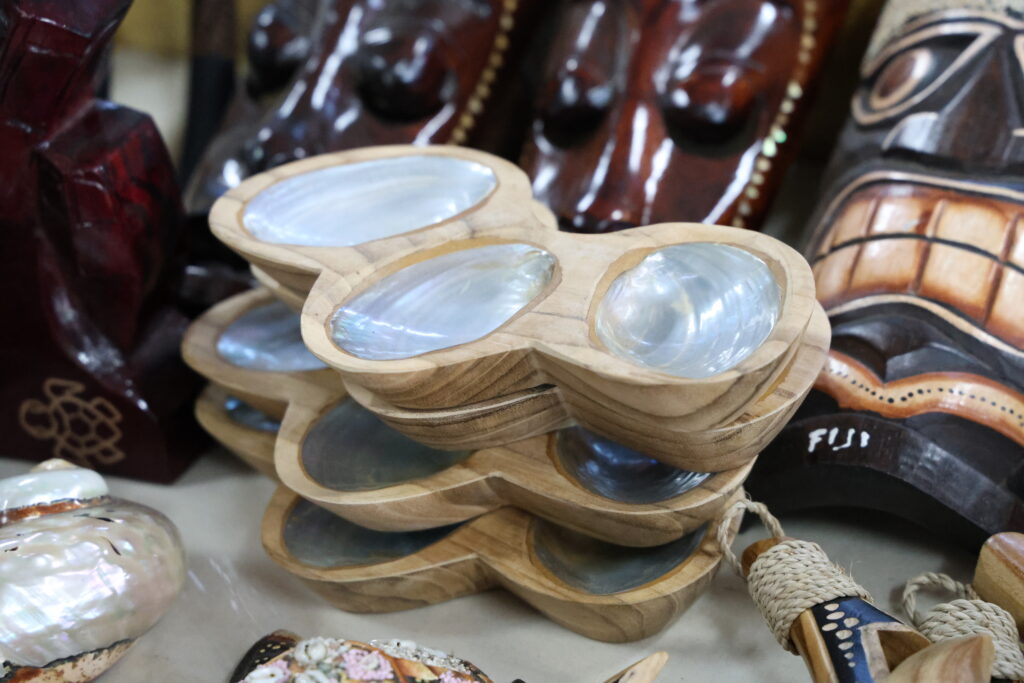
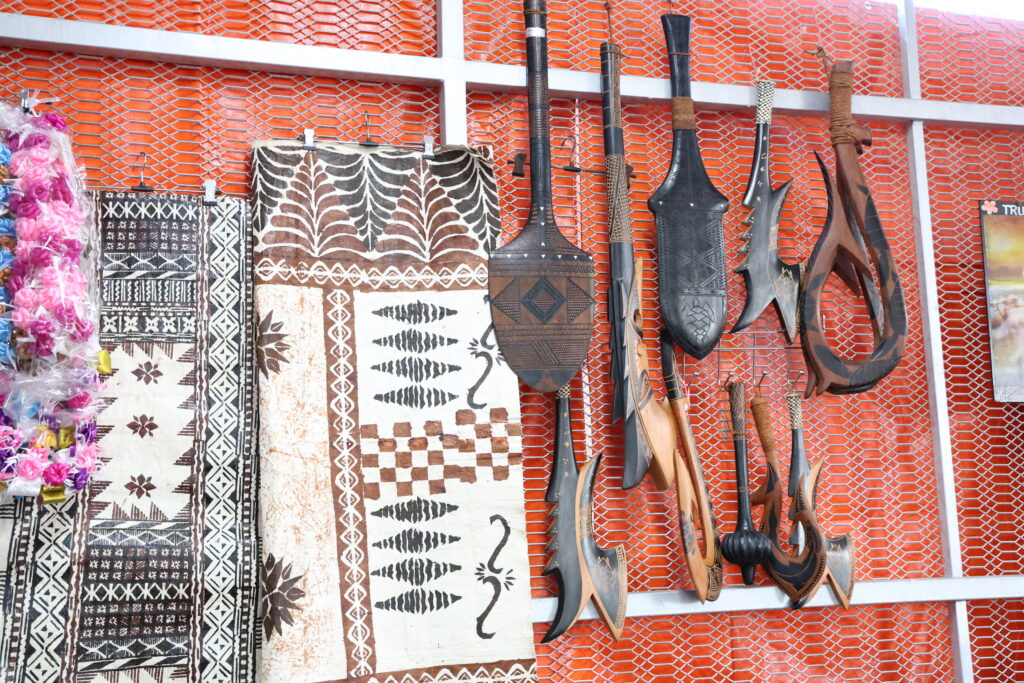
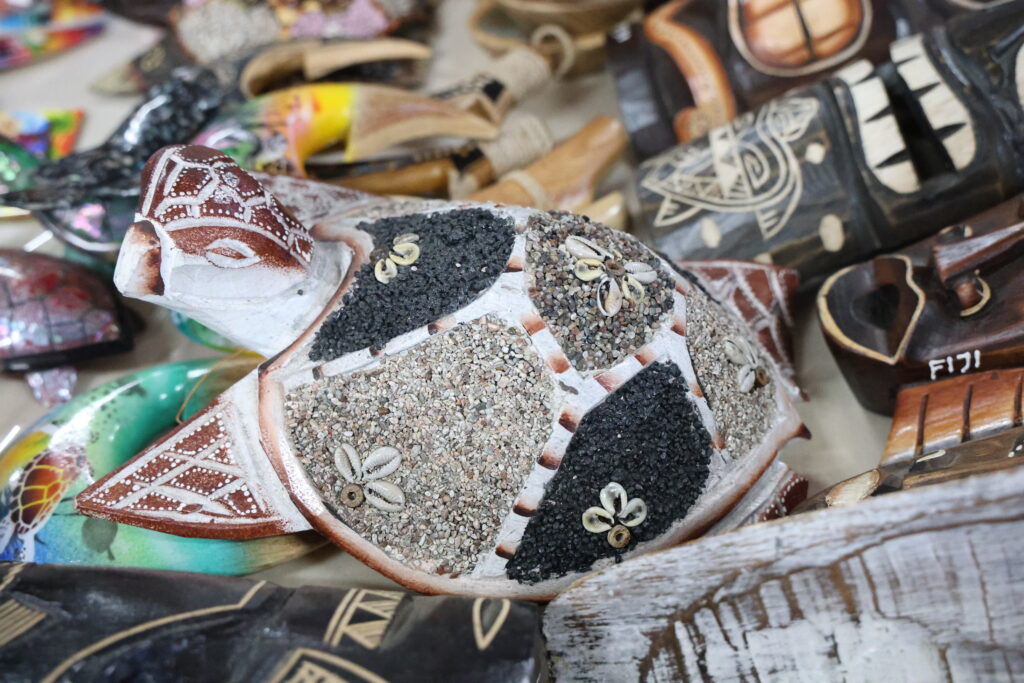
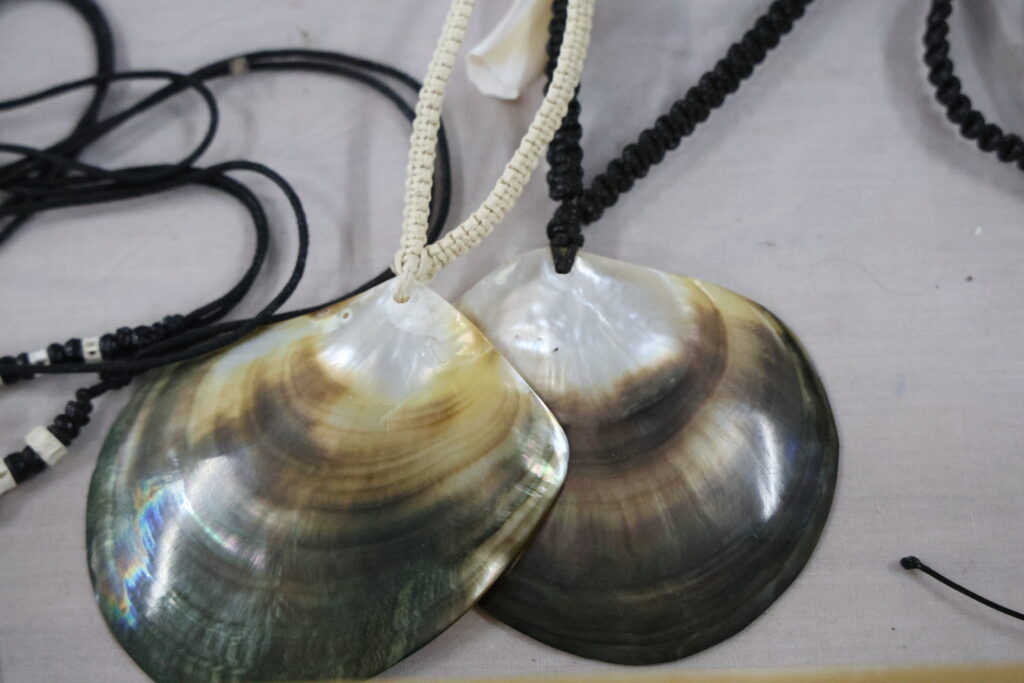
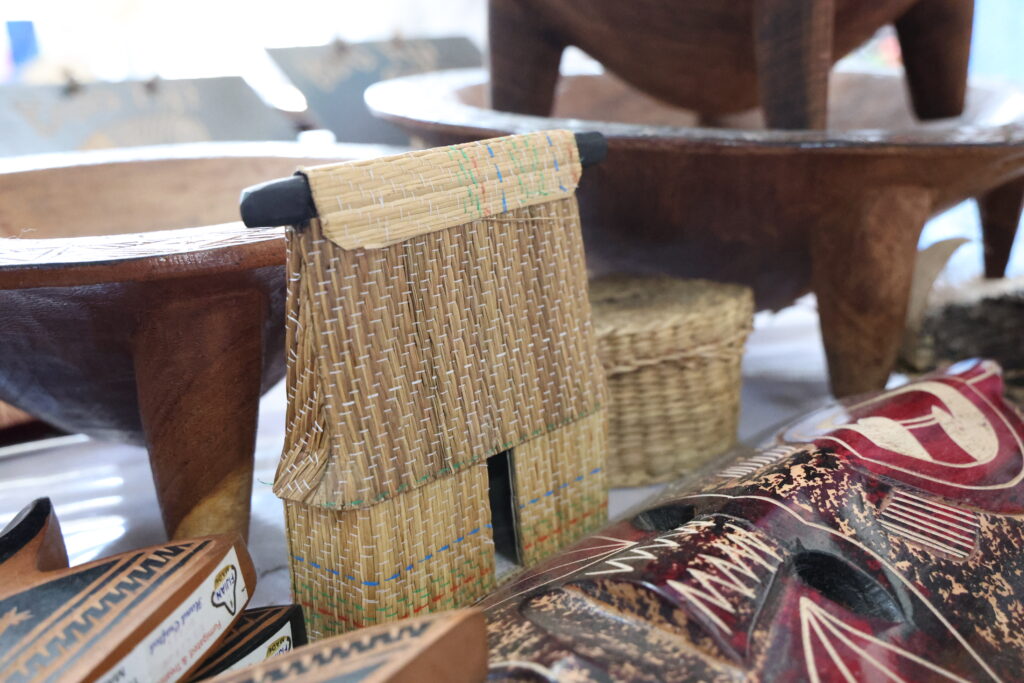
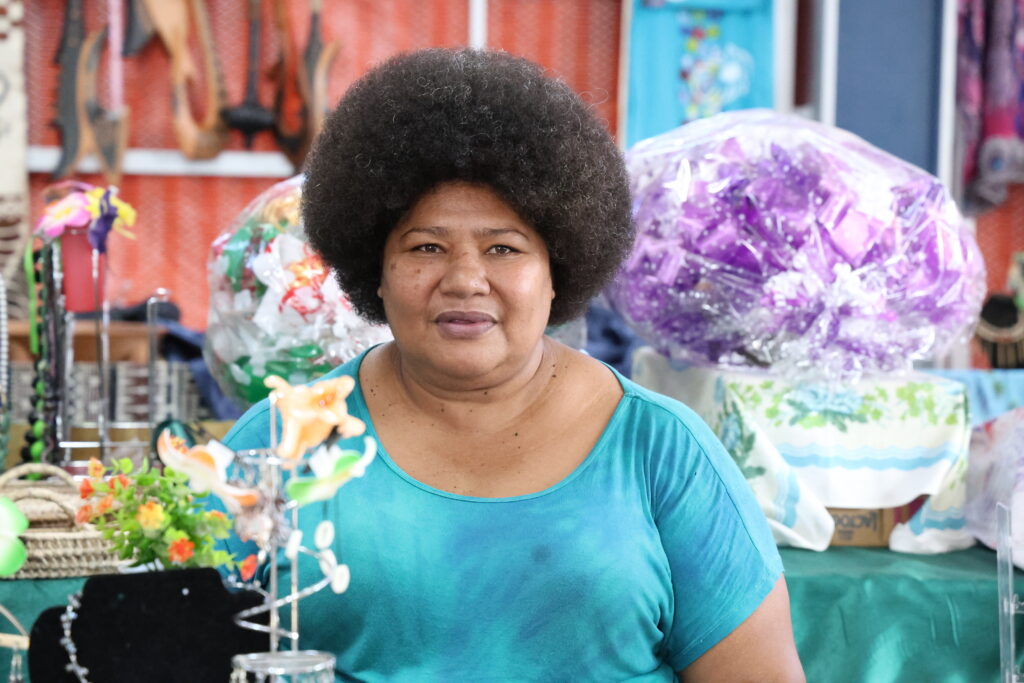
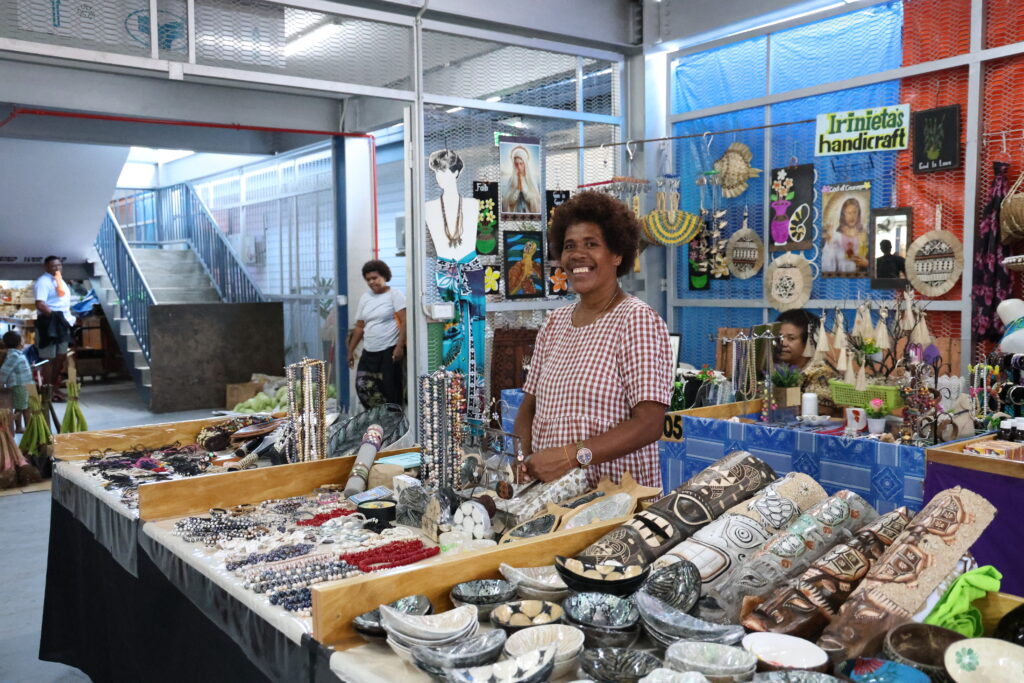
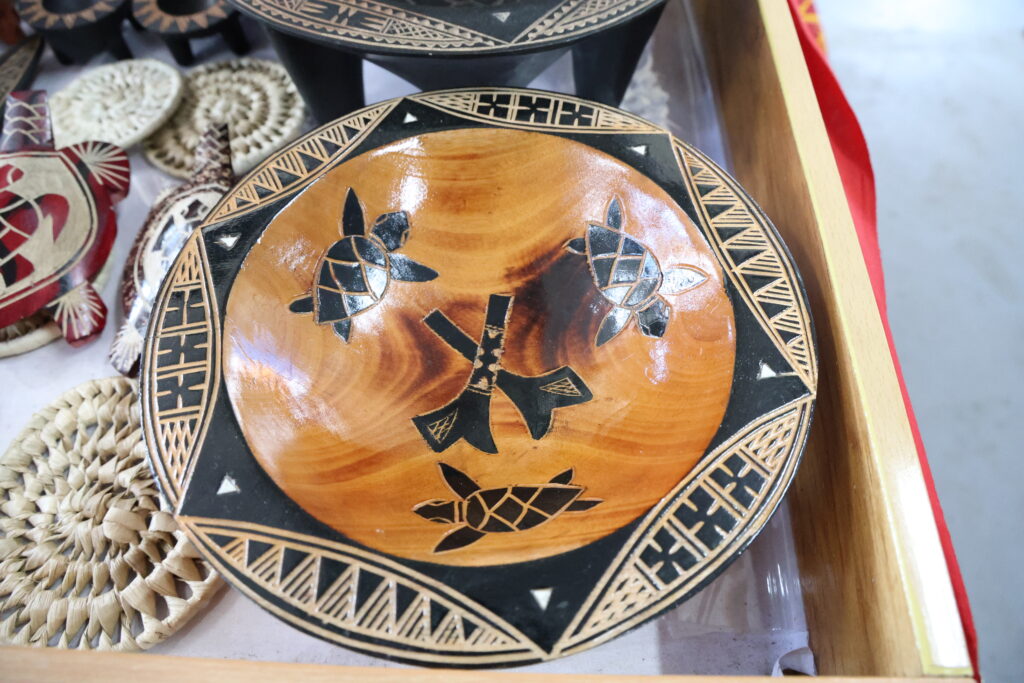
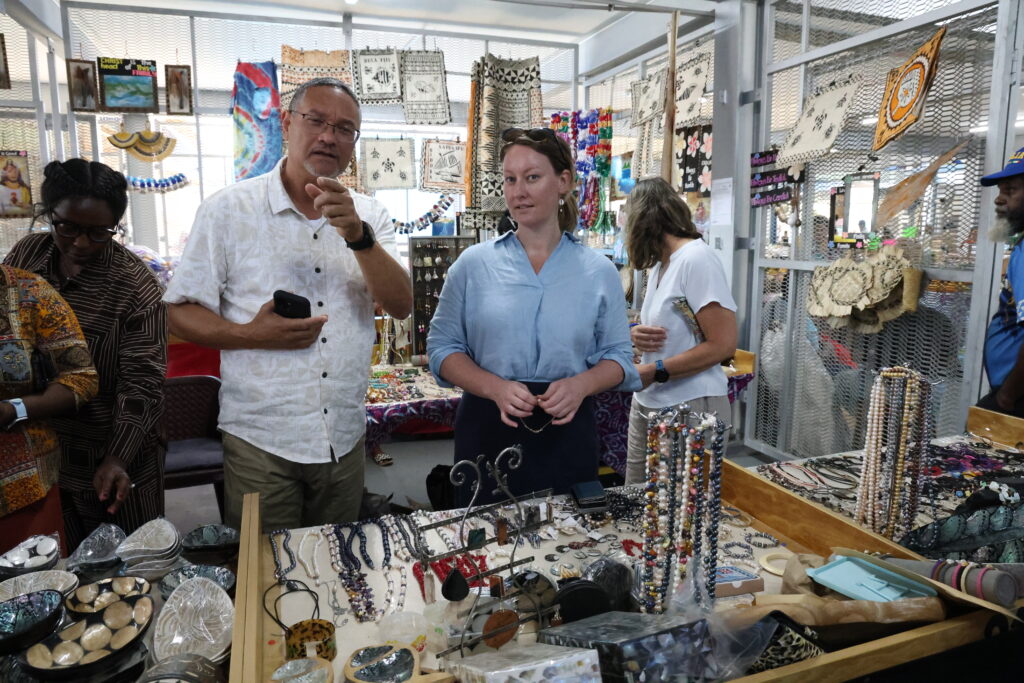
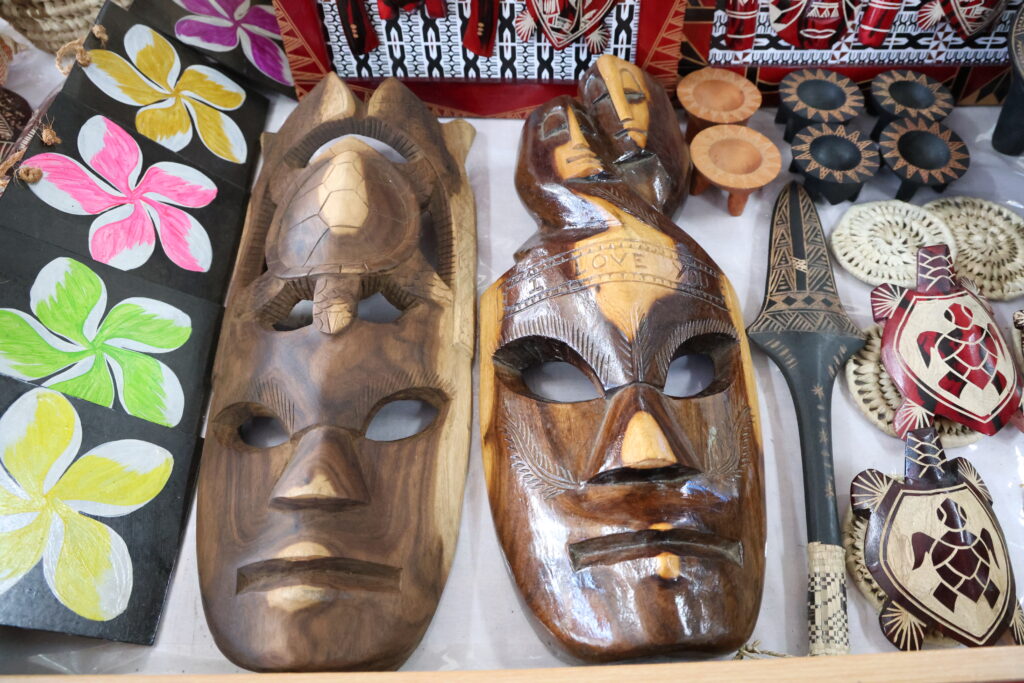
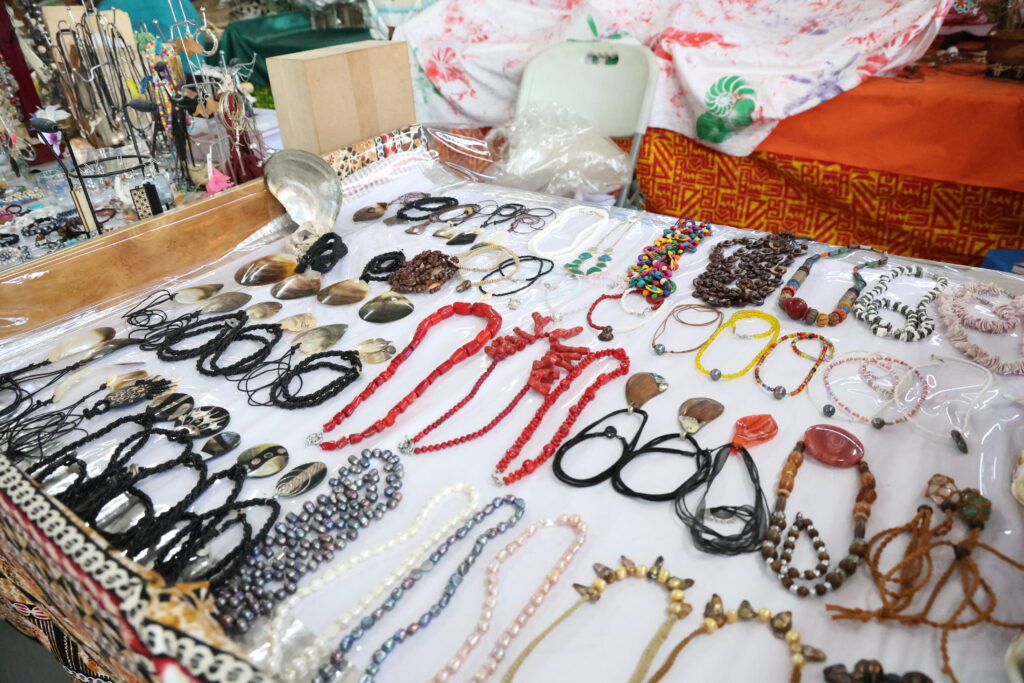
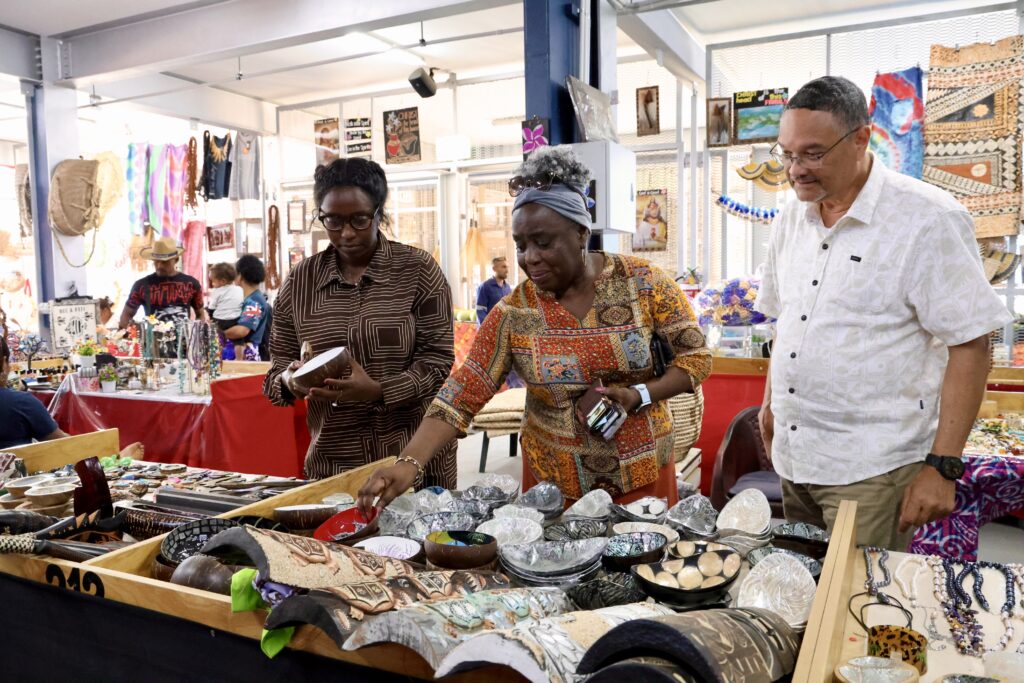
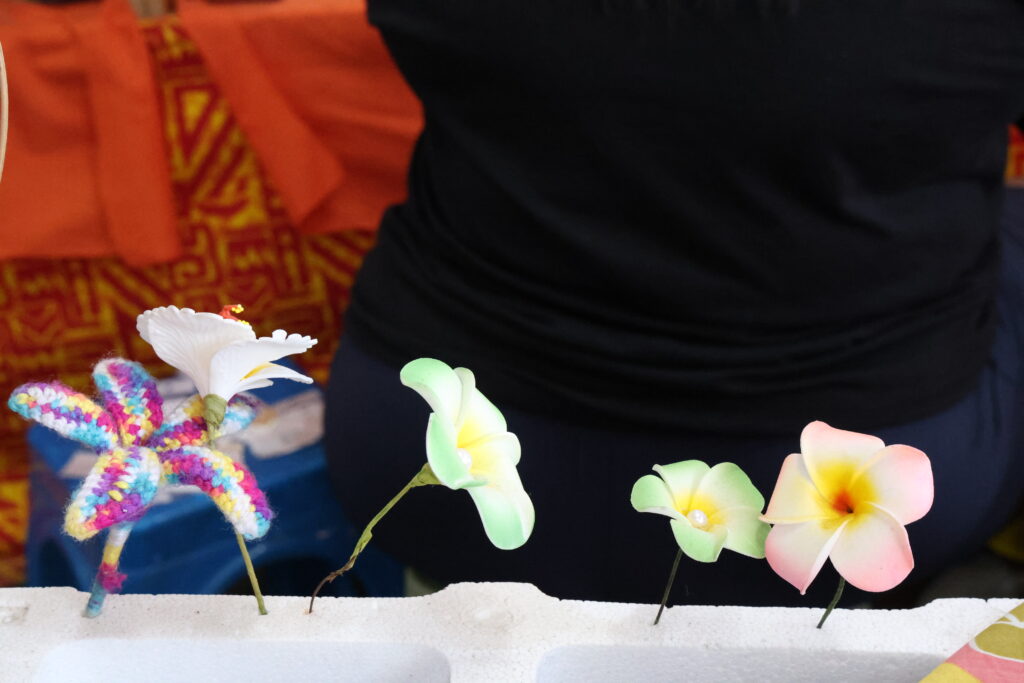
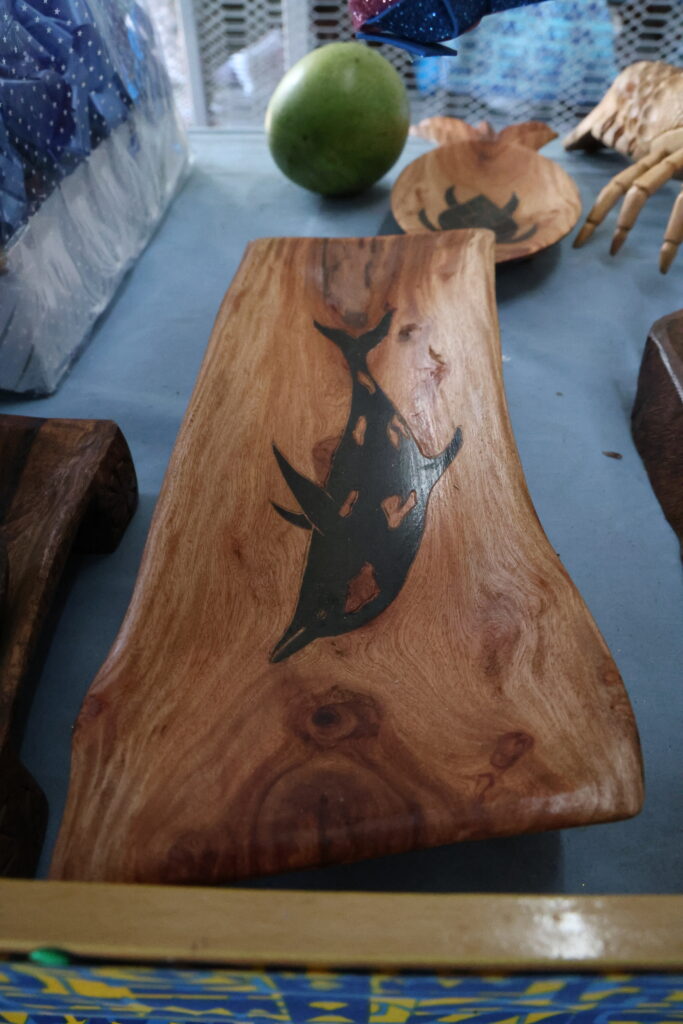
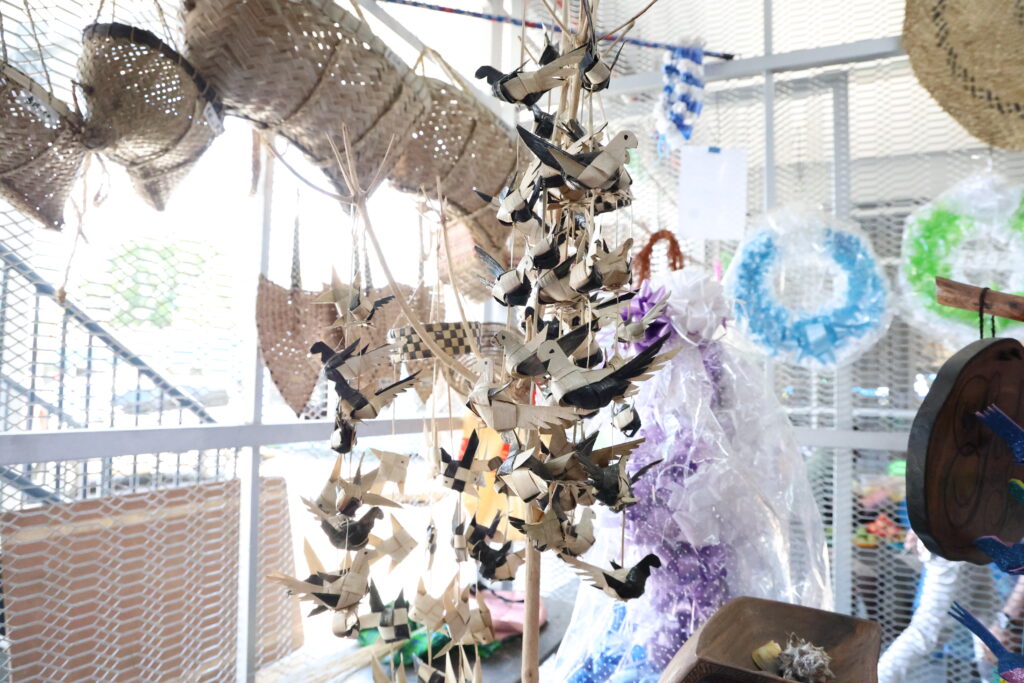
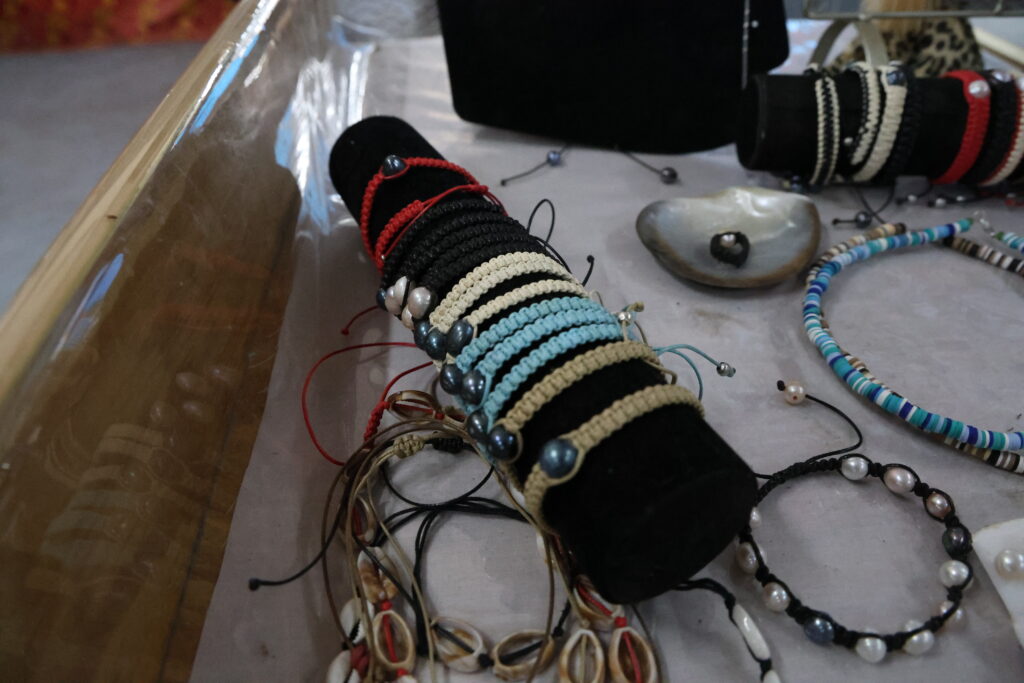
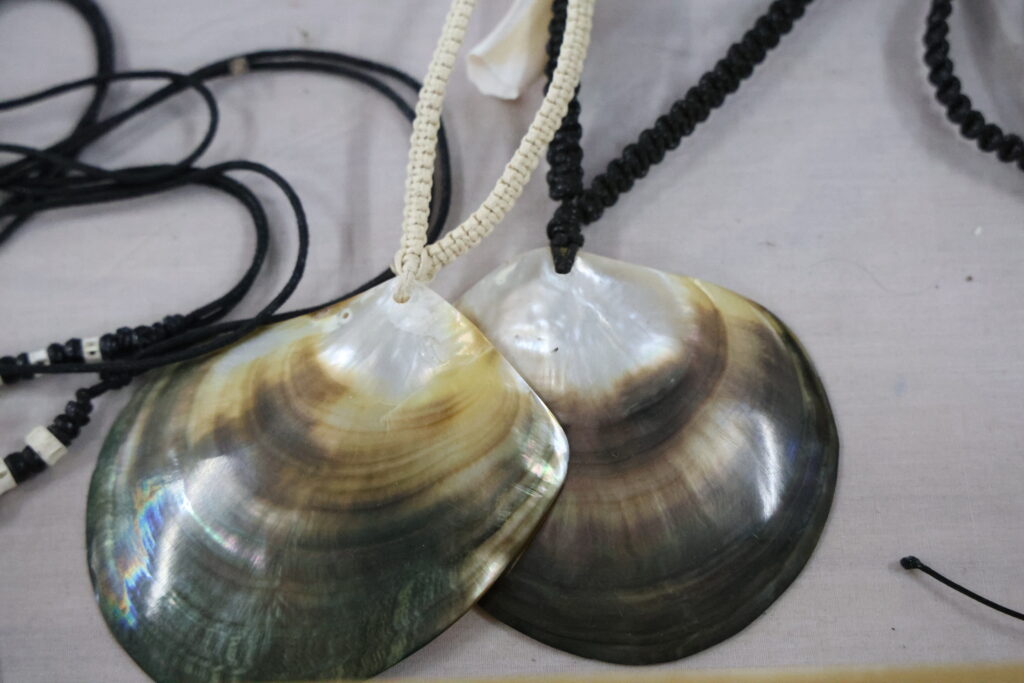
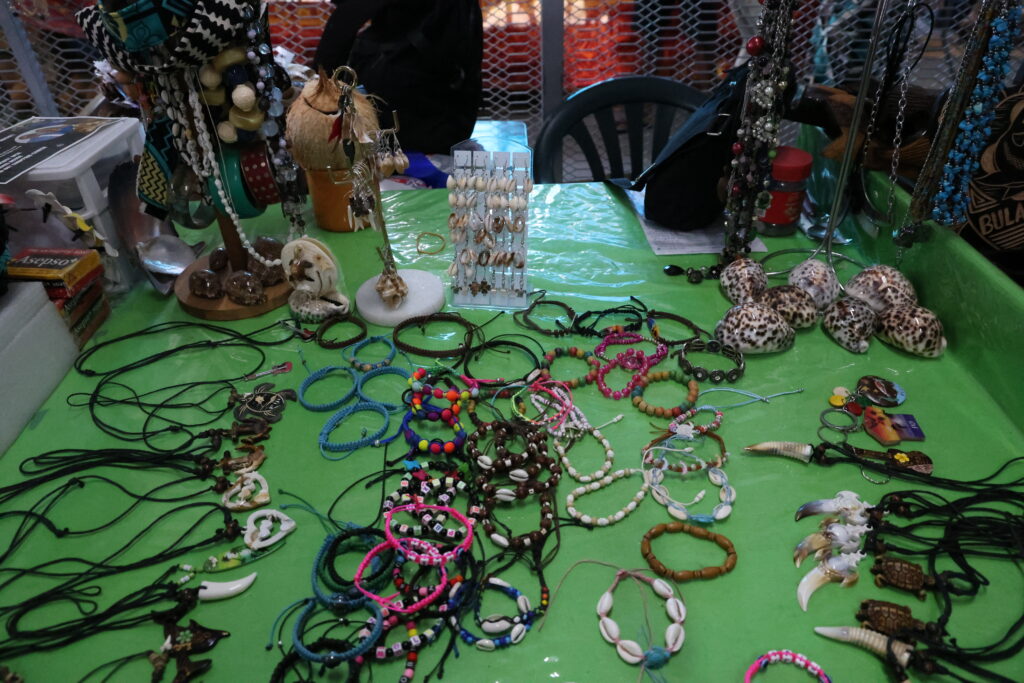
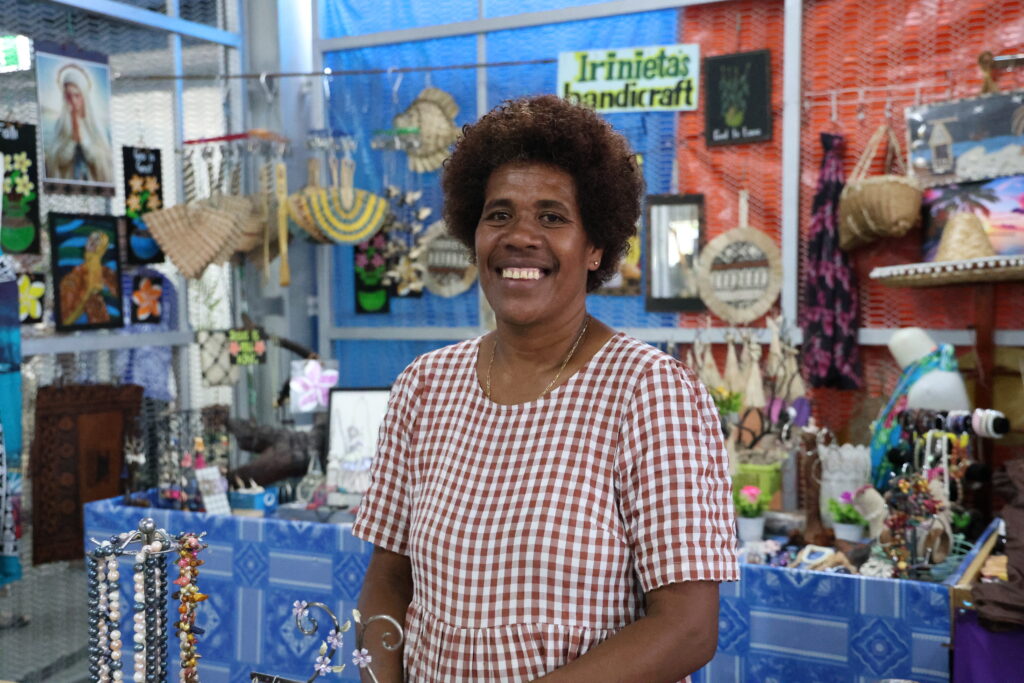
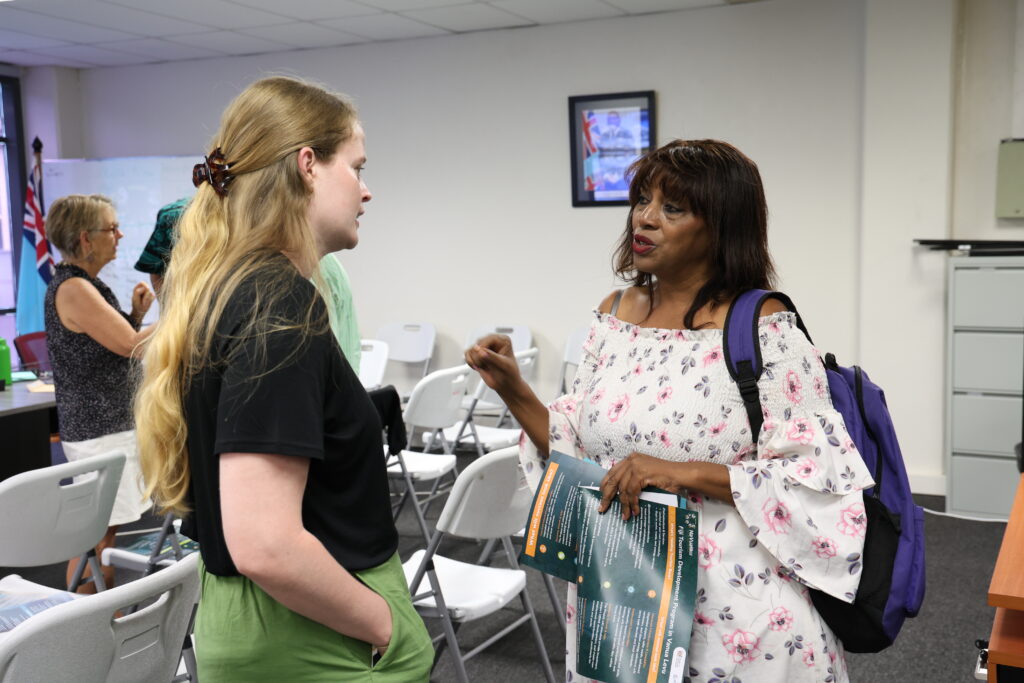
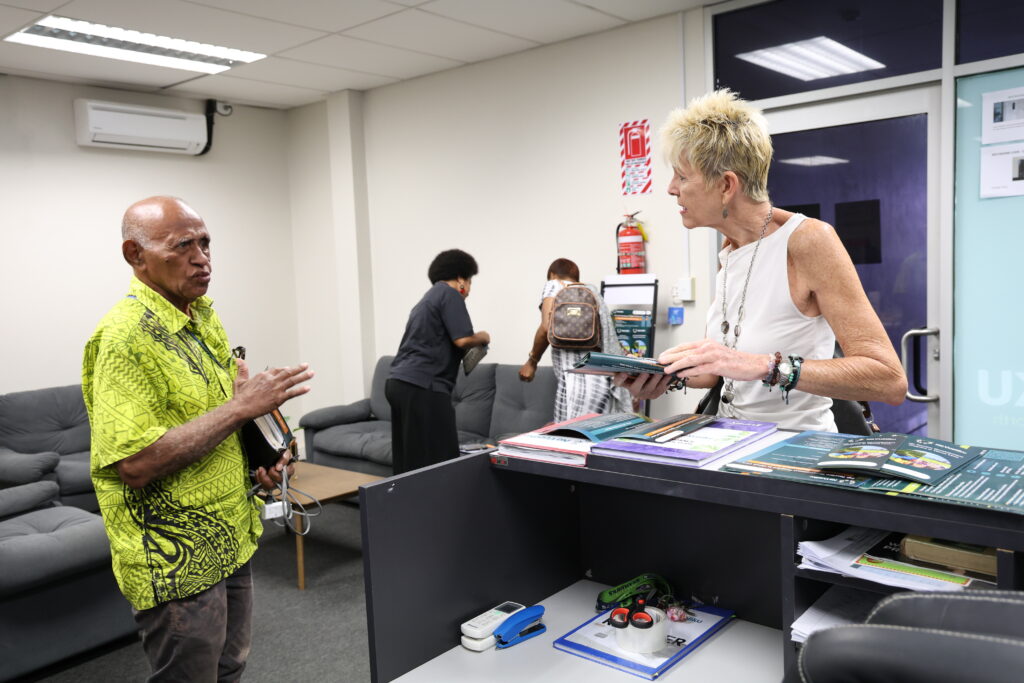
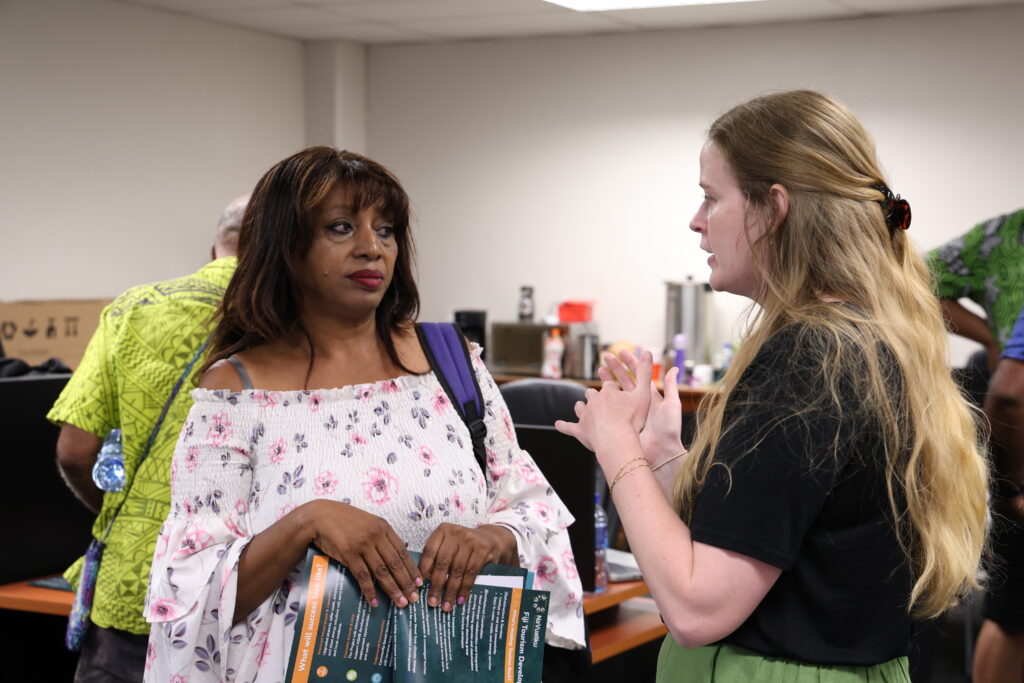
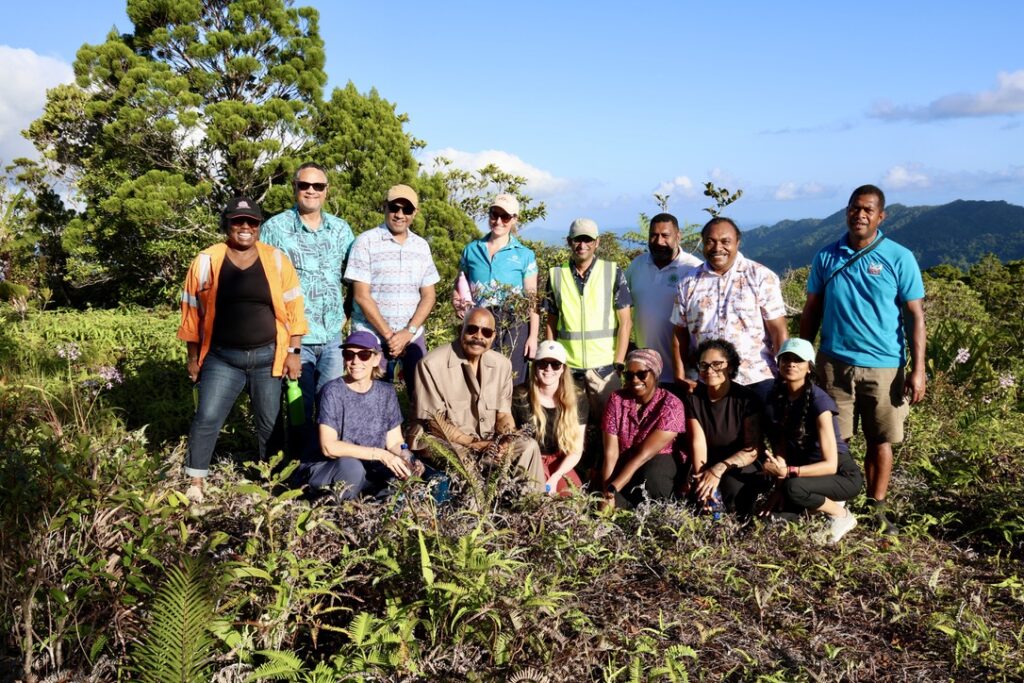
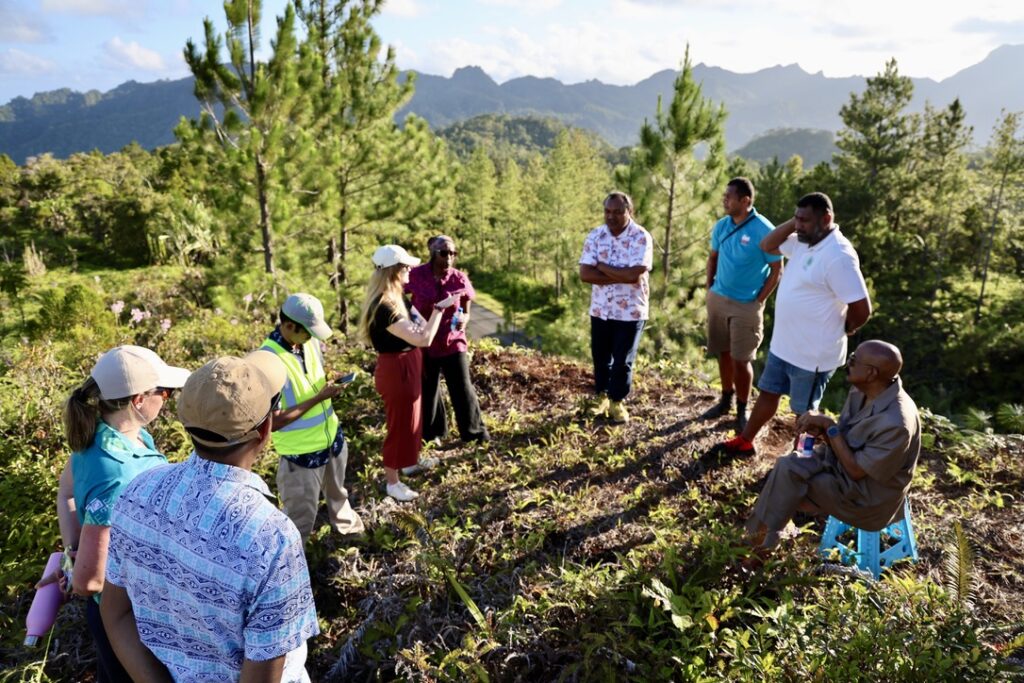
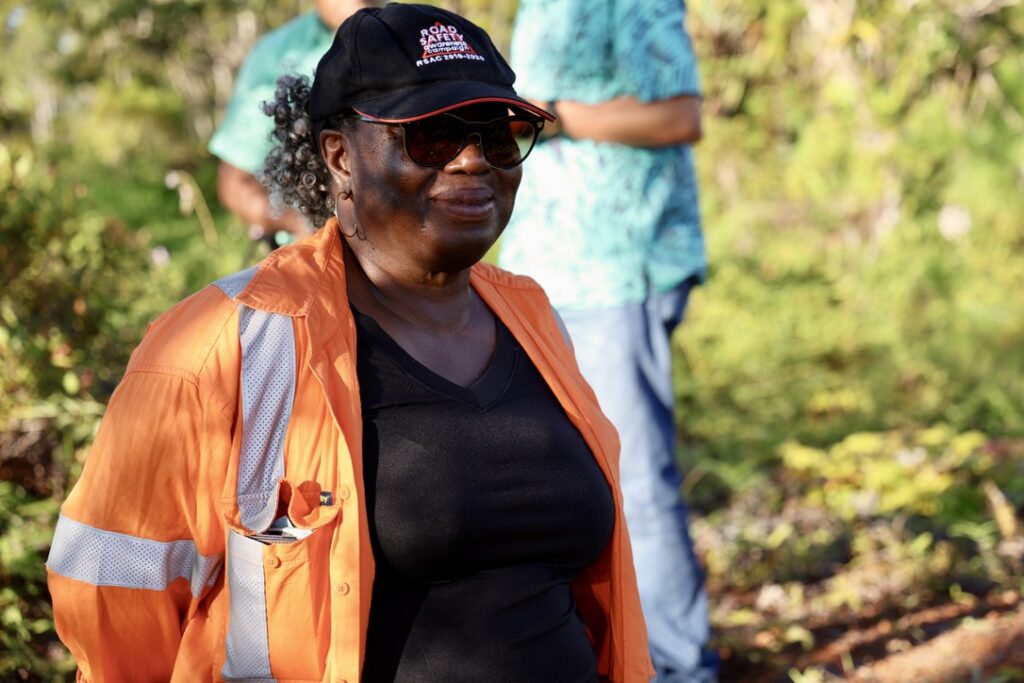
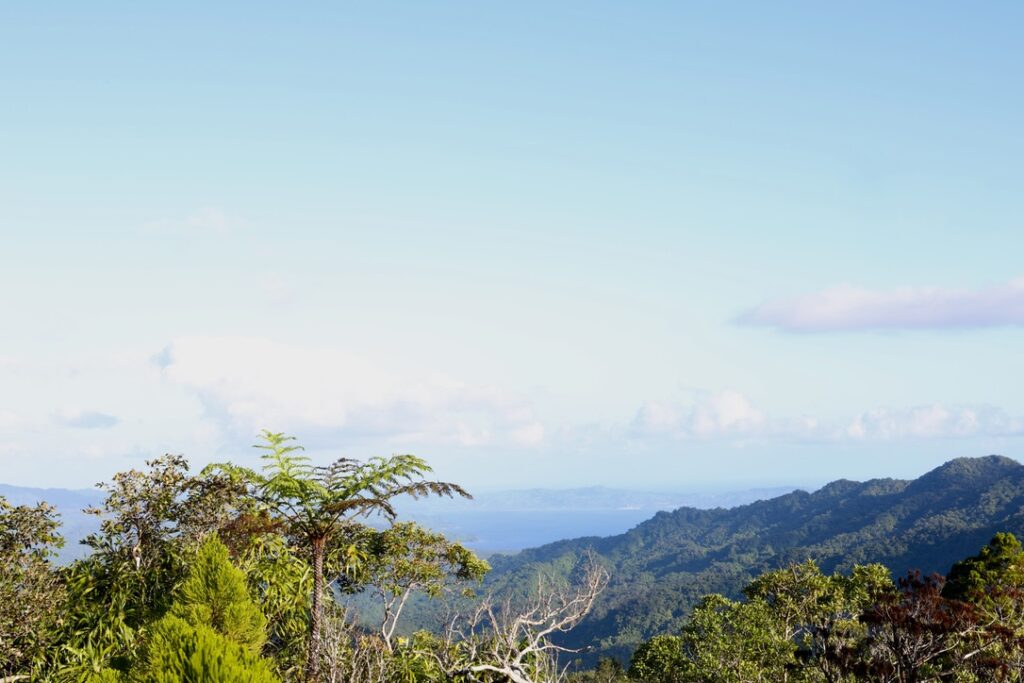
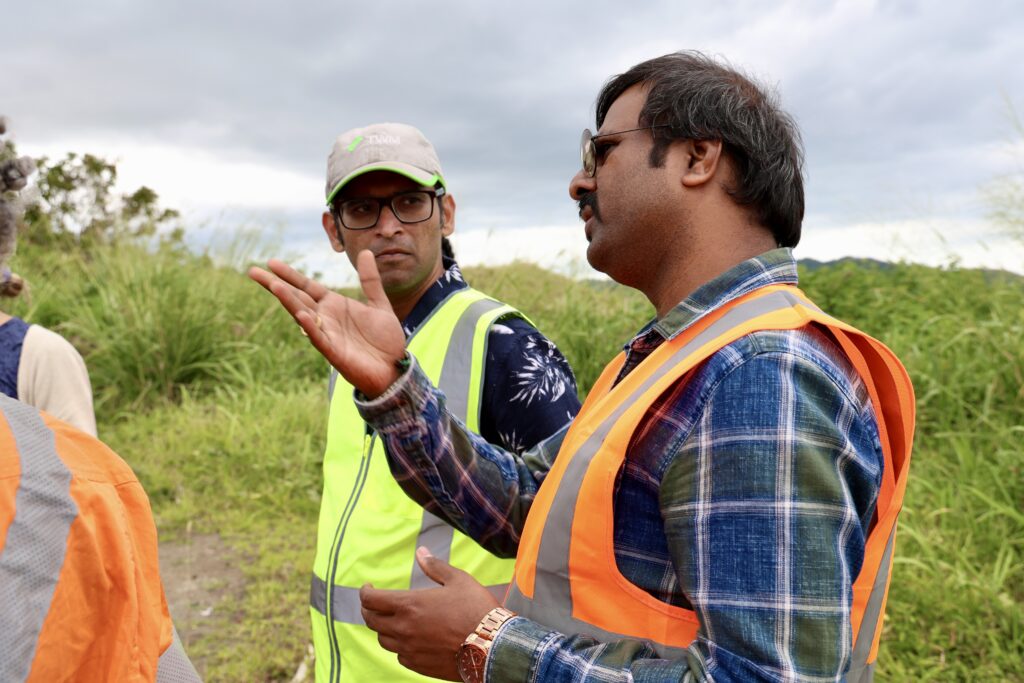
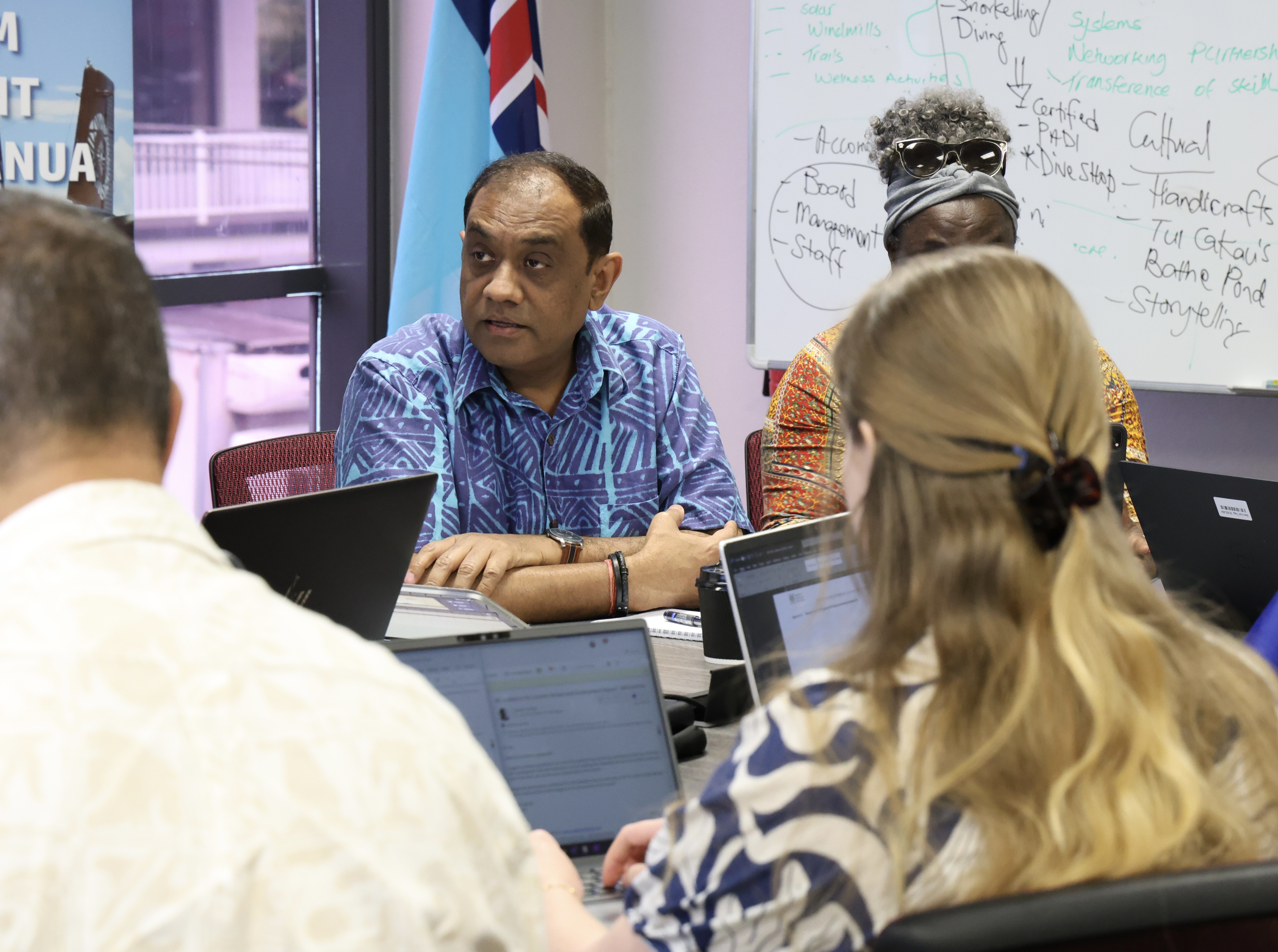
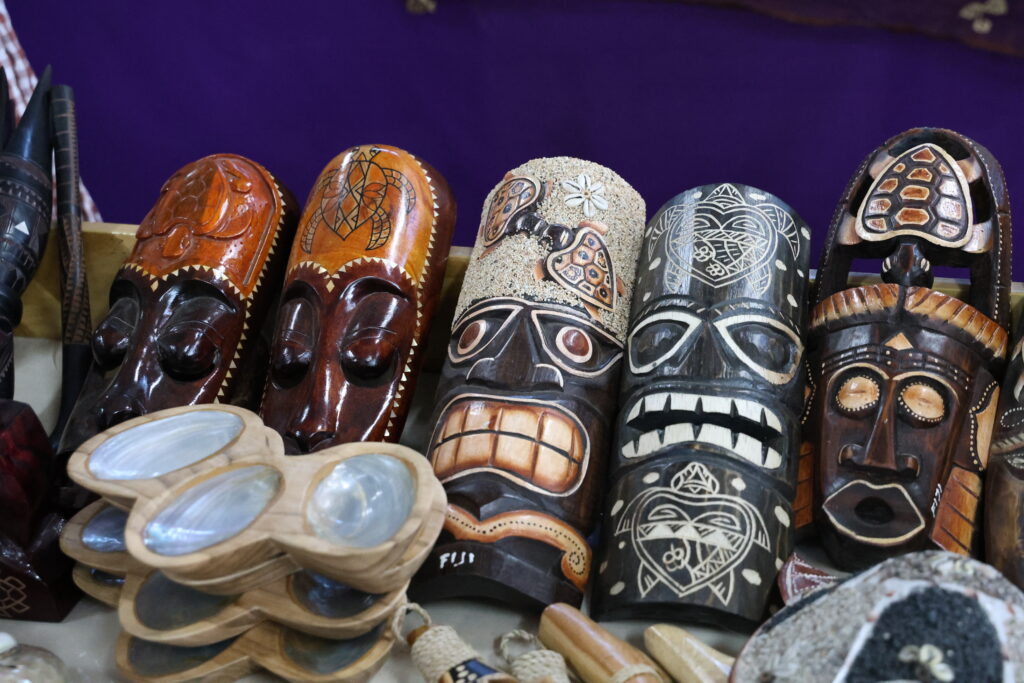
🌱 Following the World Bank team’s 5th Implementation Support Mission, the Na Vualiku Project is finalising plans for a pilot program to support community-based sustainable tourism ventures, as well as tourism-related MSMEs and women’s cultural enterprises in Vanua Levu.
Launching later this year, the program will provide grants to finance small infrastructure that will enhance community-based tourism and connect MSMEs and women’s cultural enterprises with business development services to help support business growth.
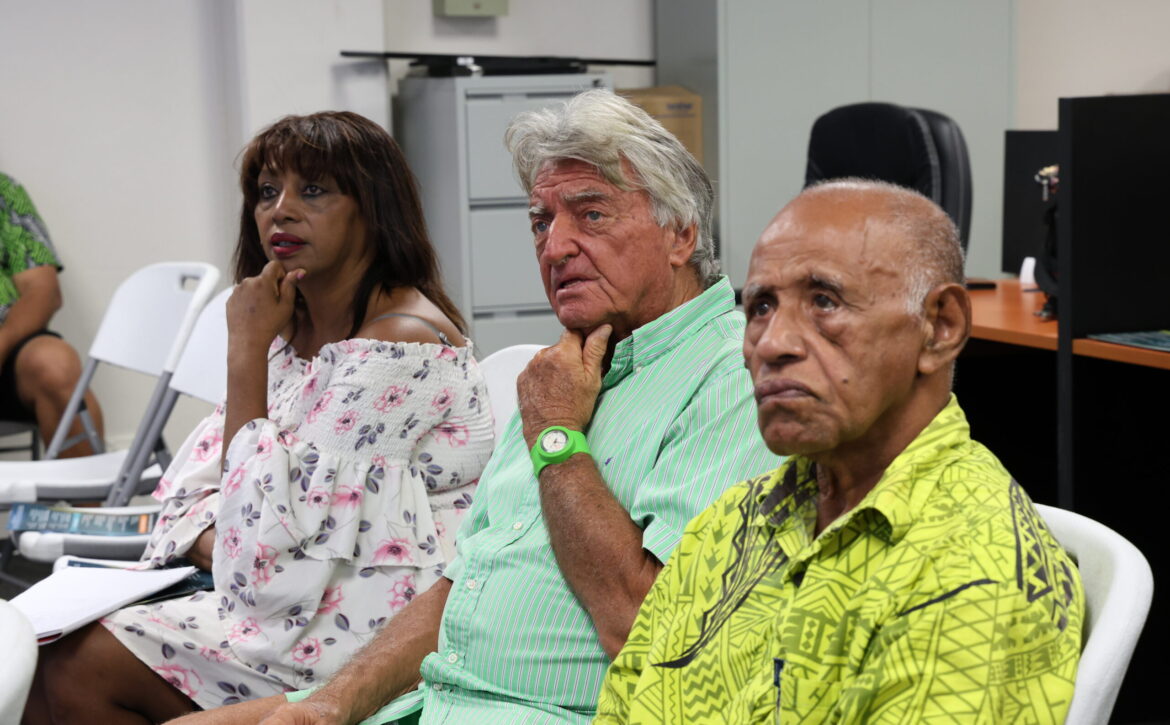
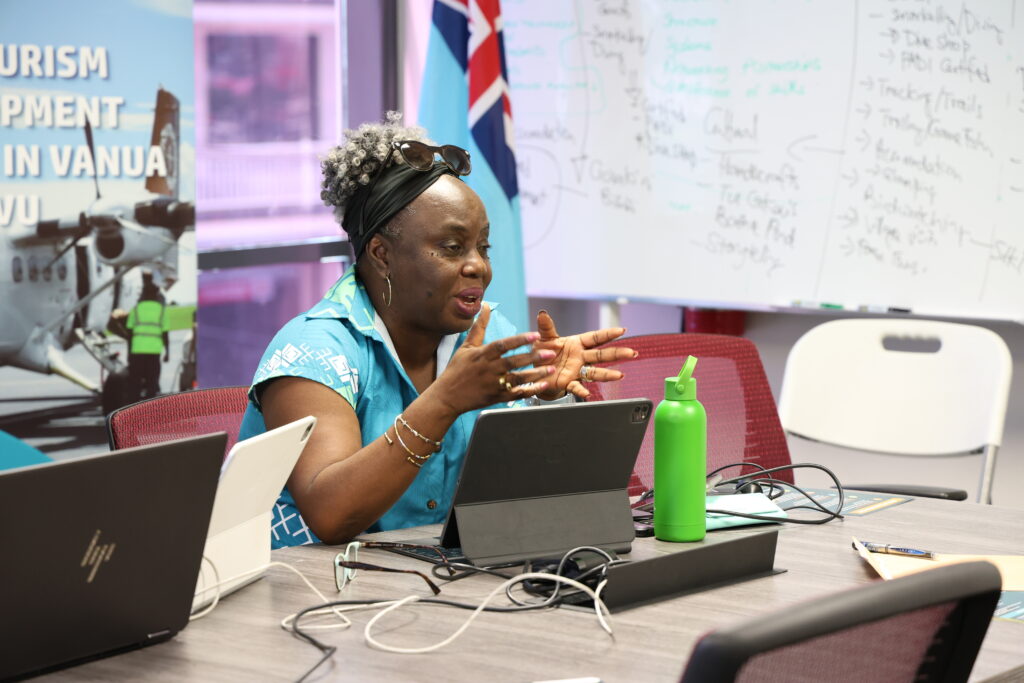
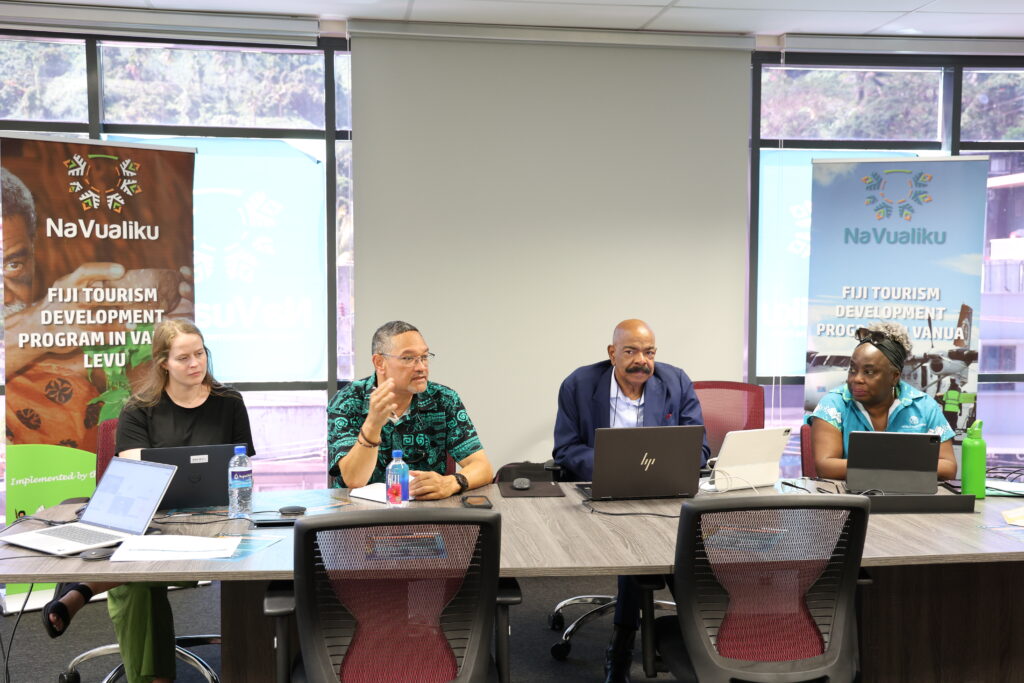
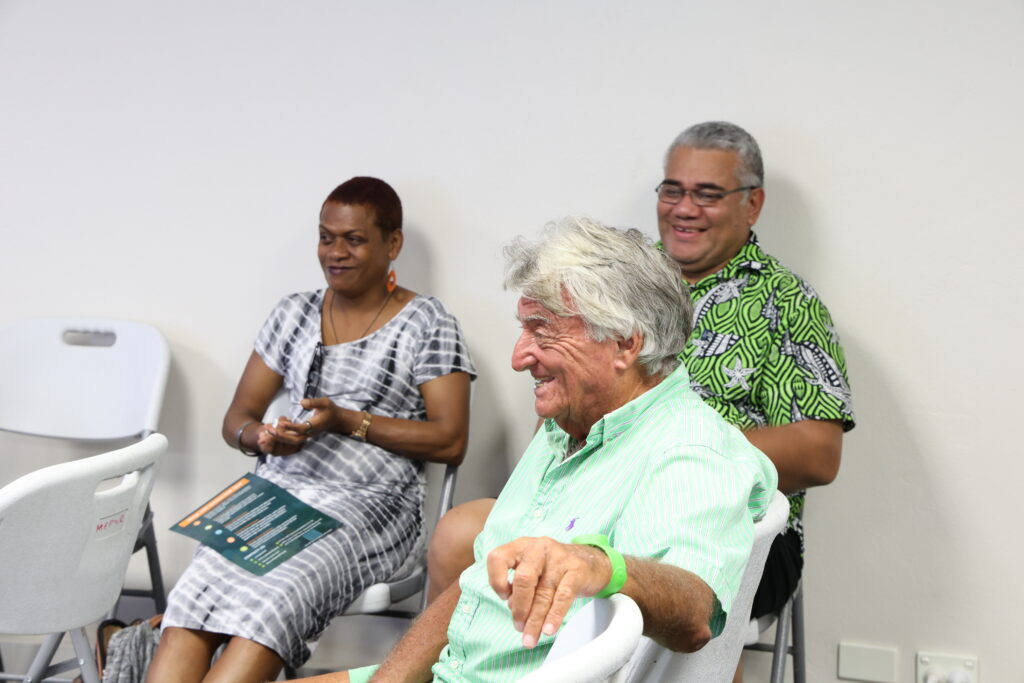
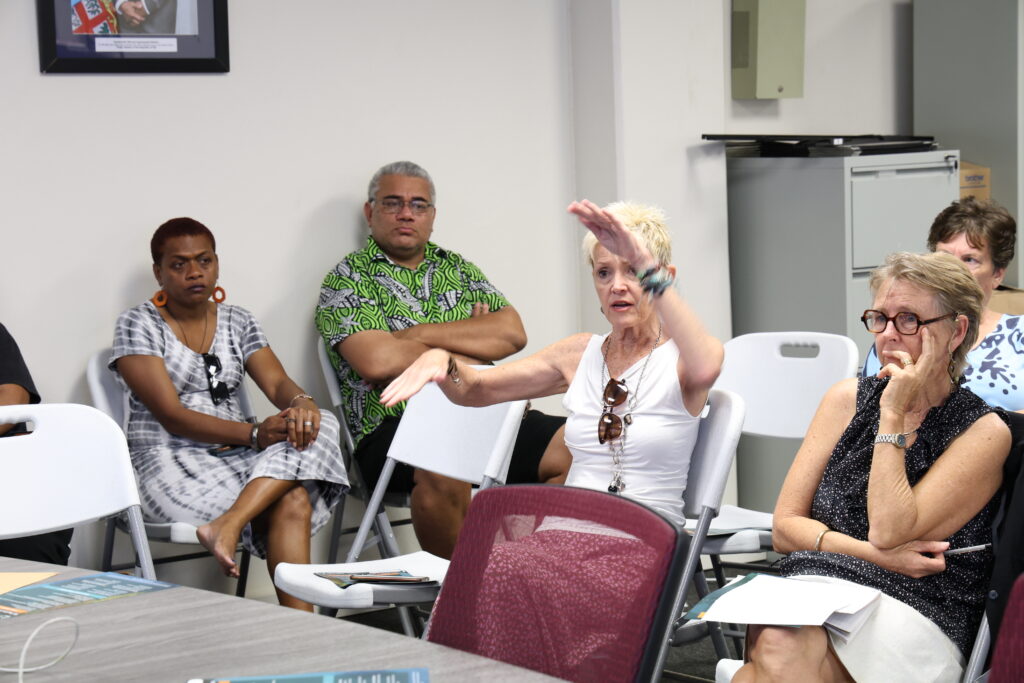
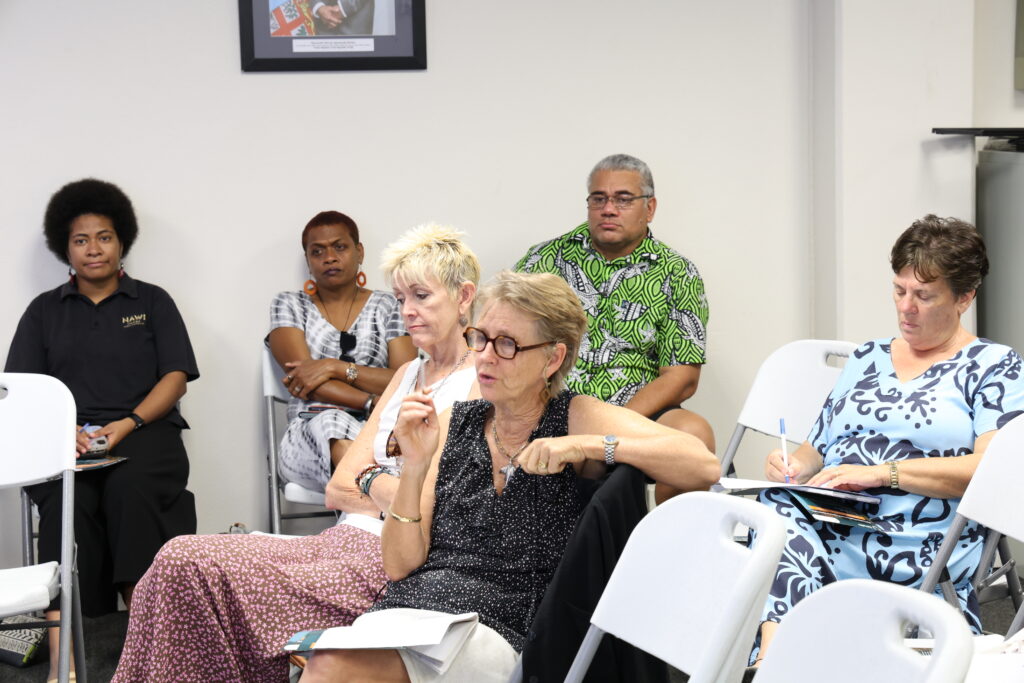
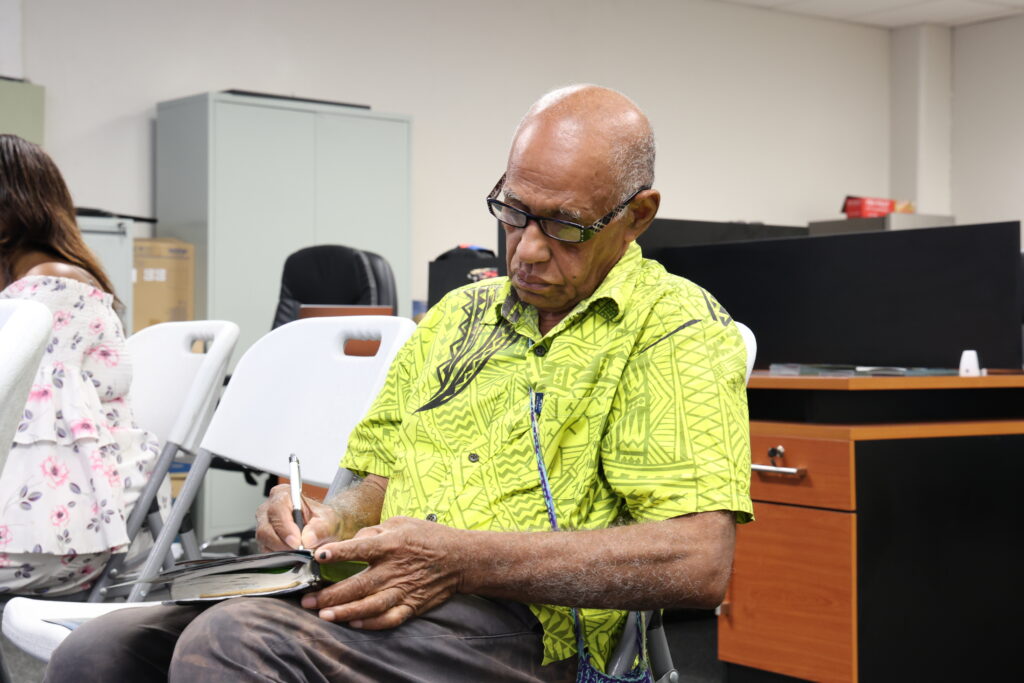
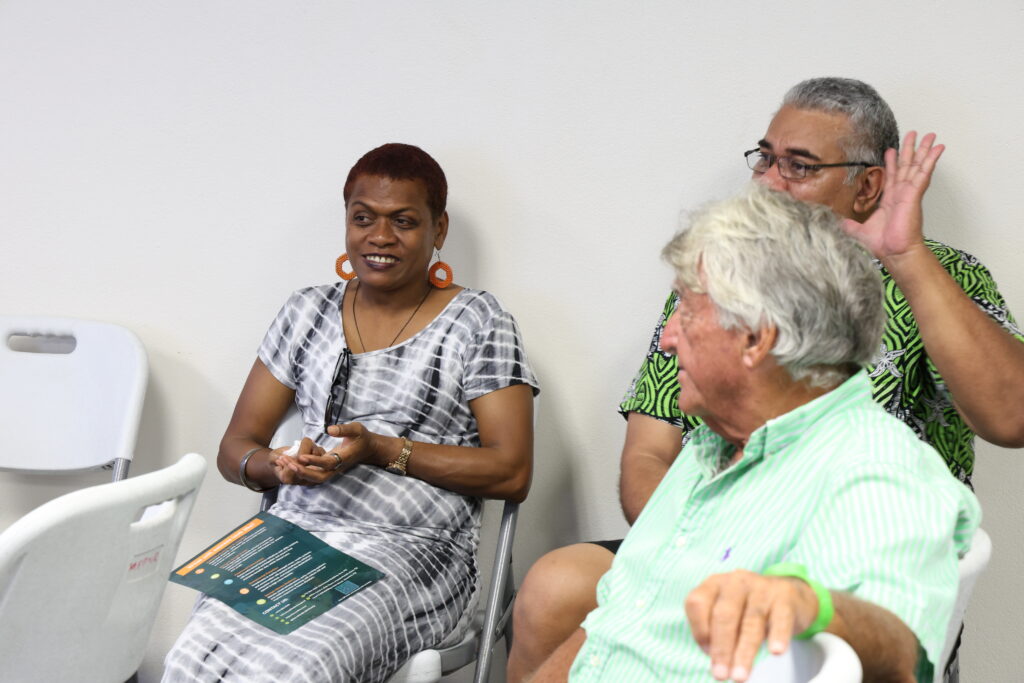
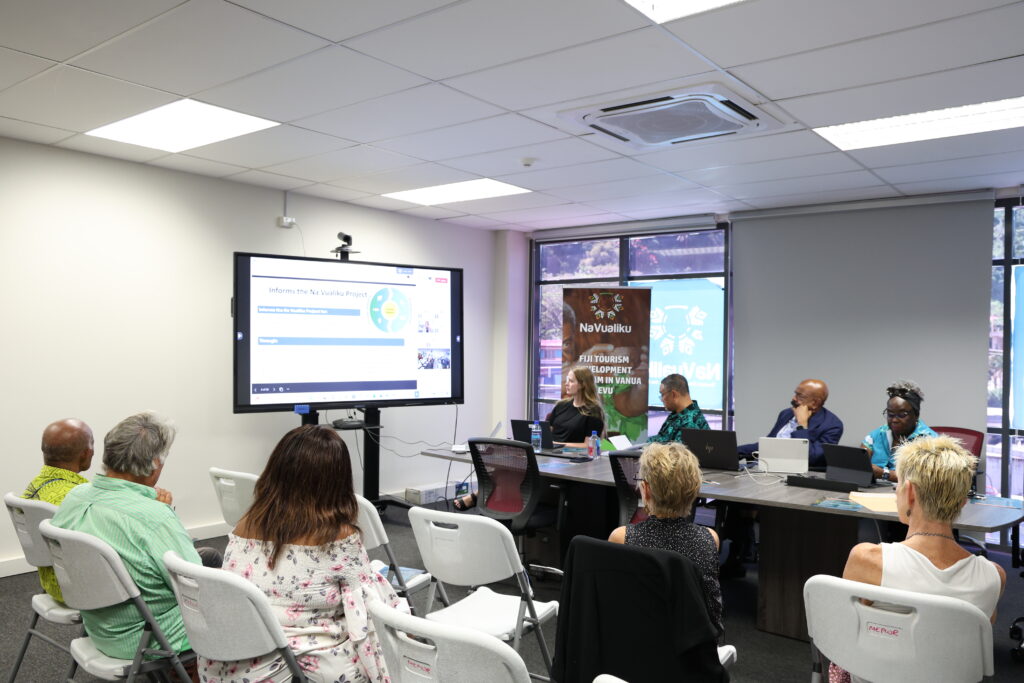
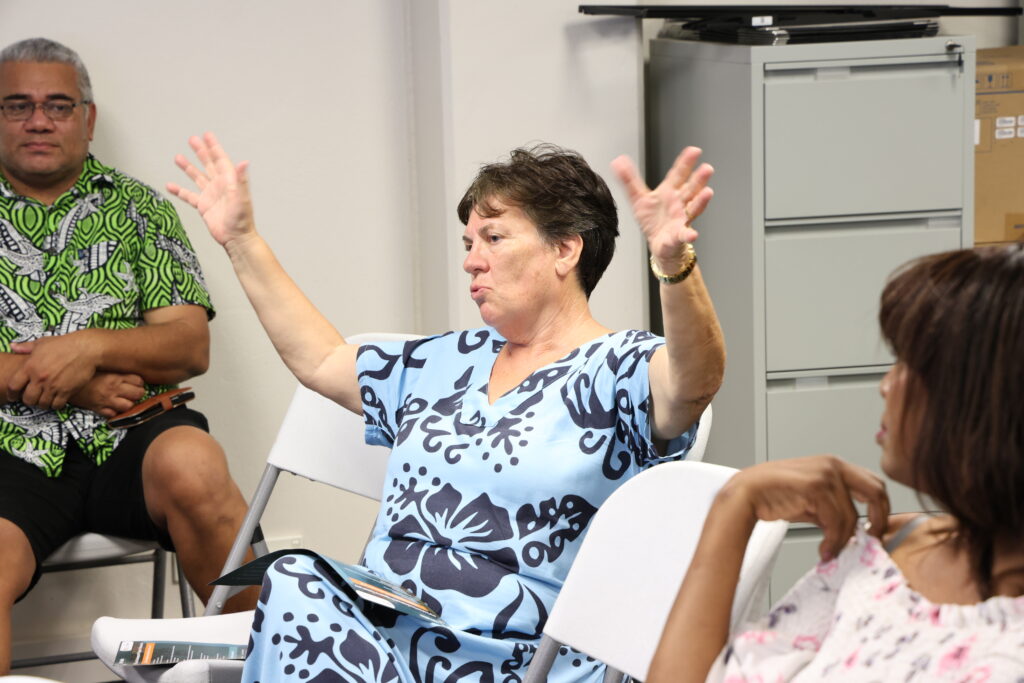
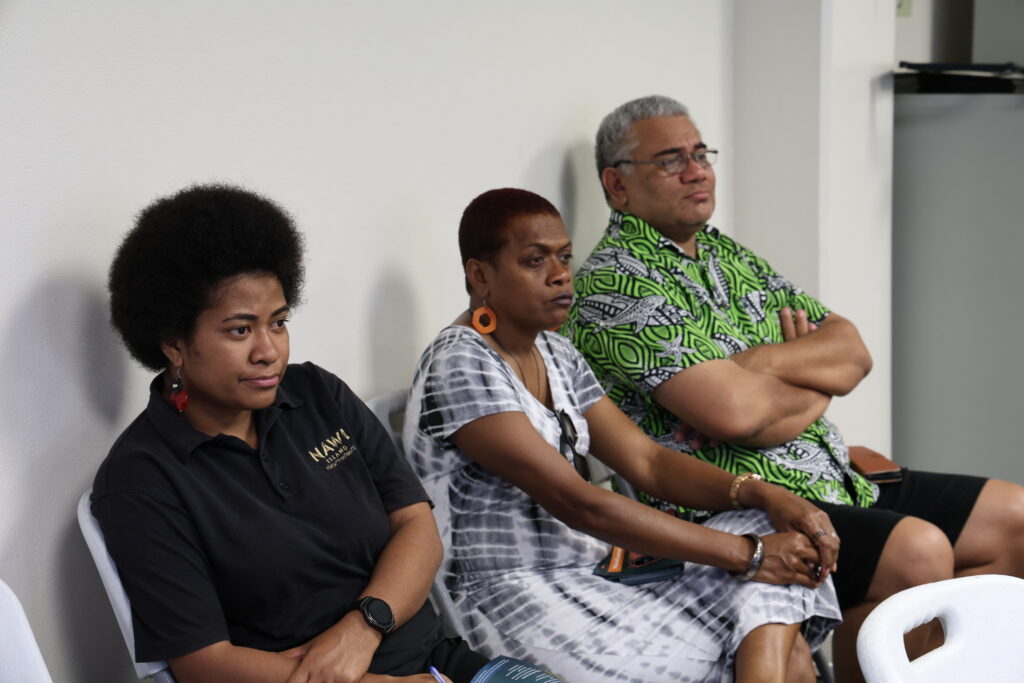
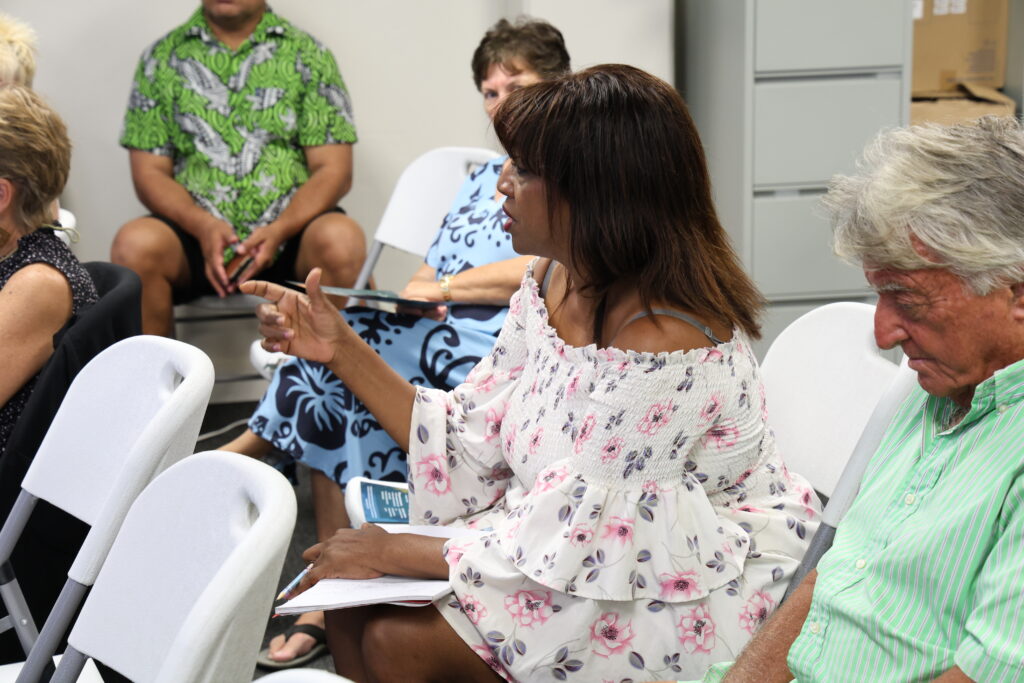
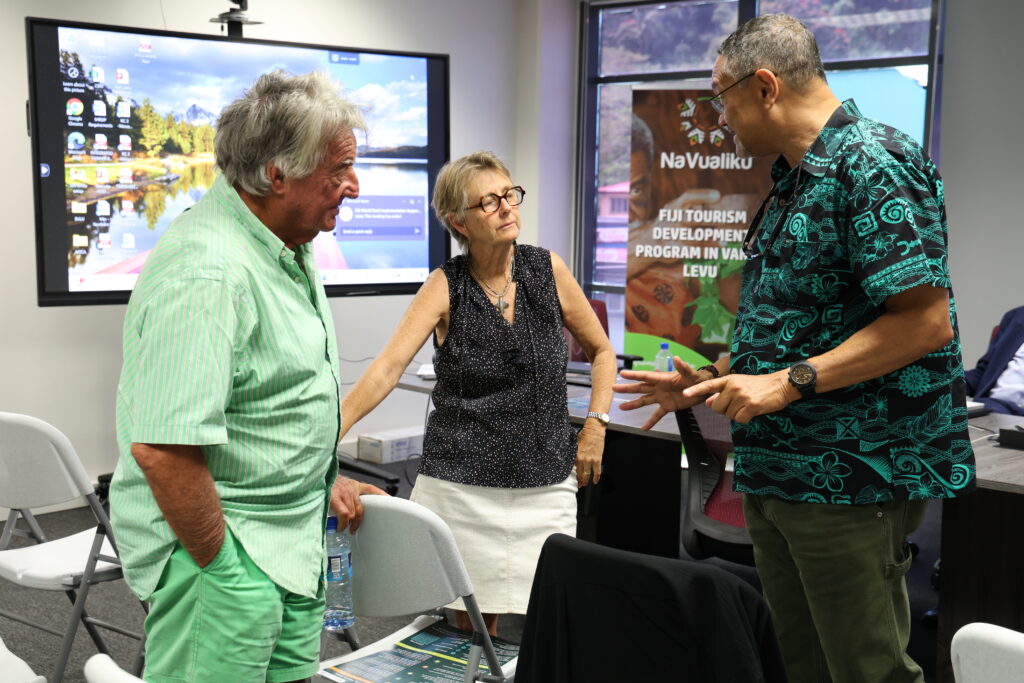
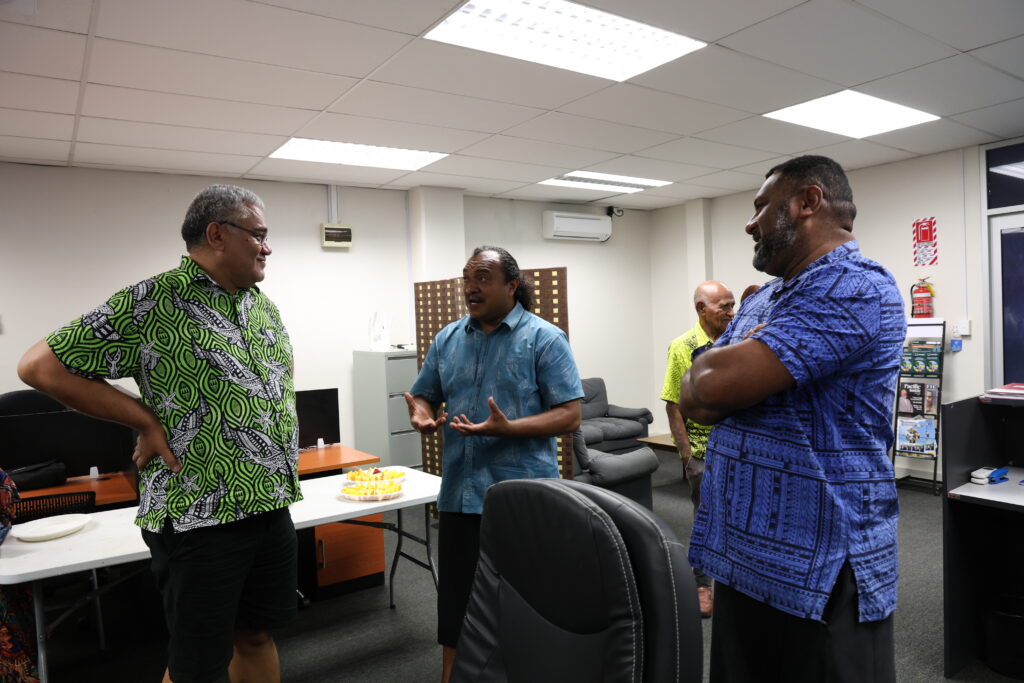
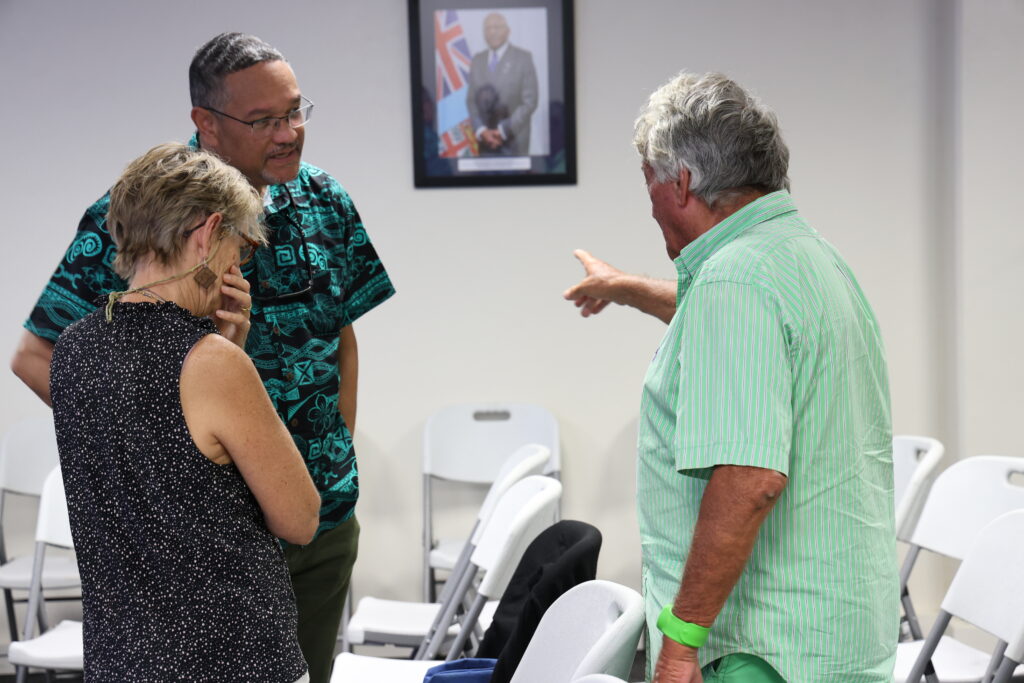
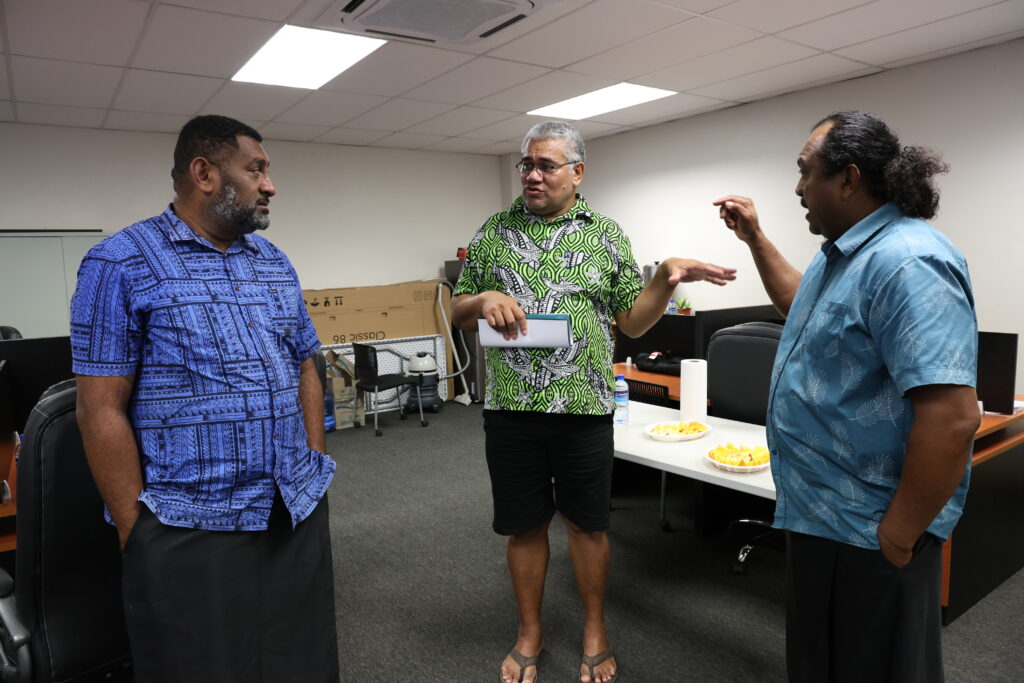
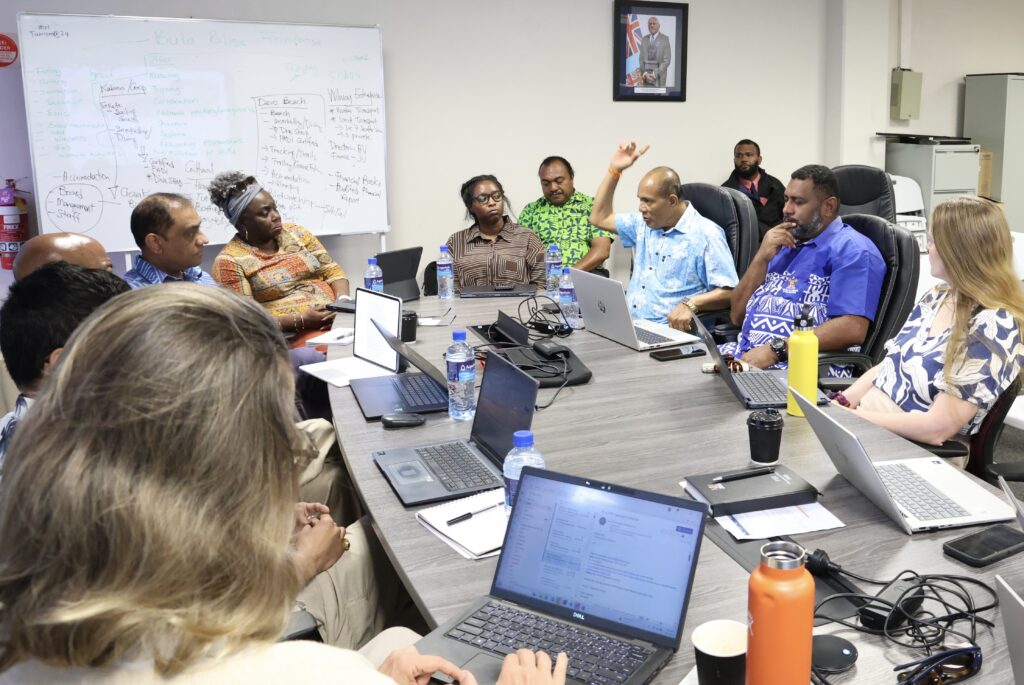
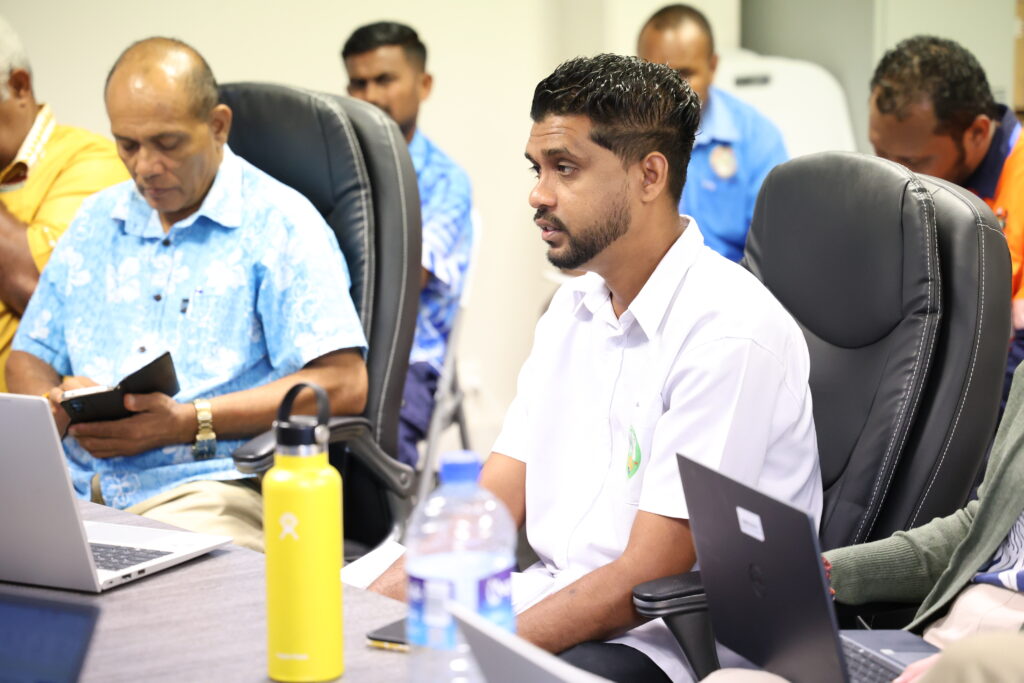
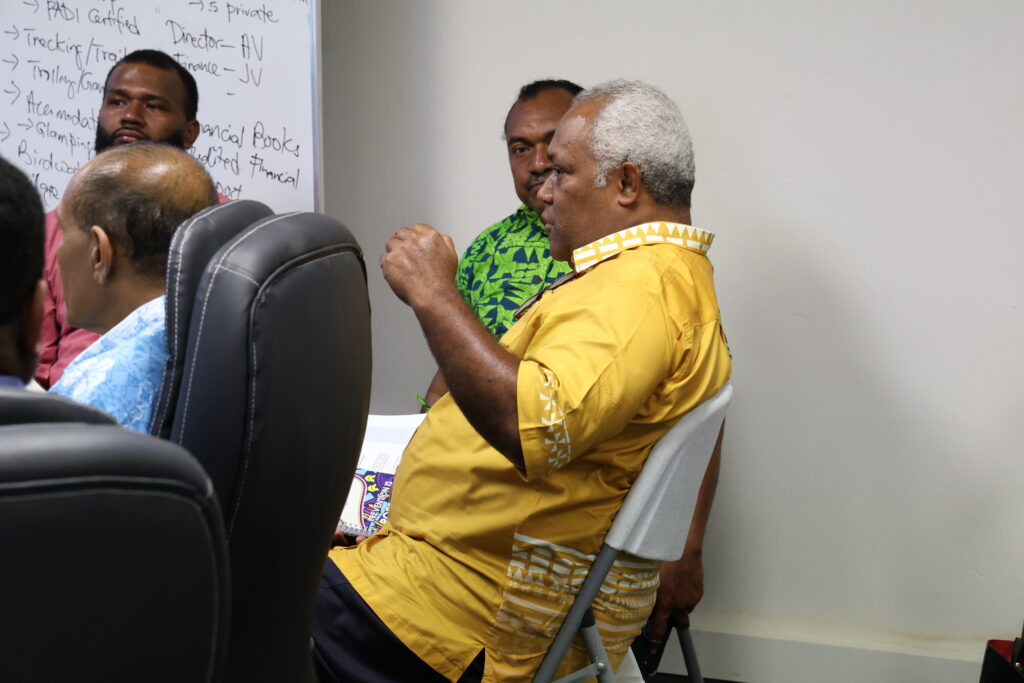
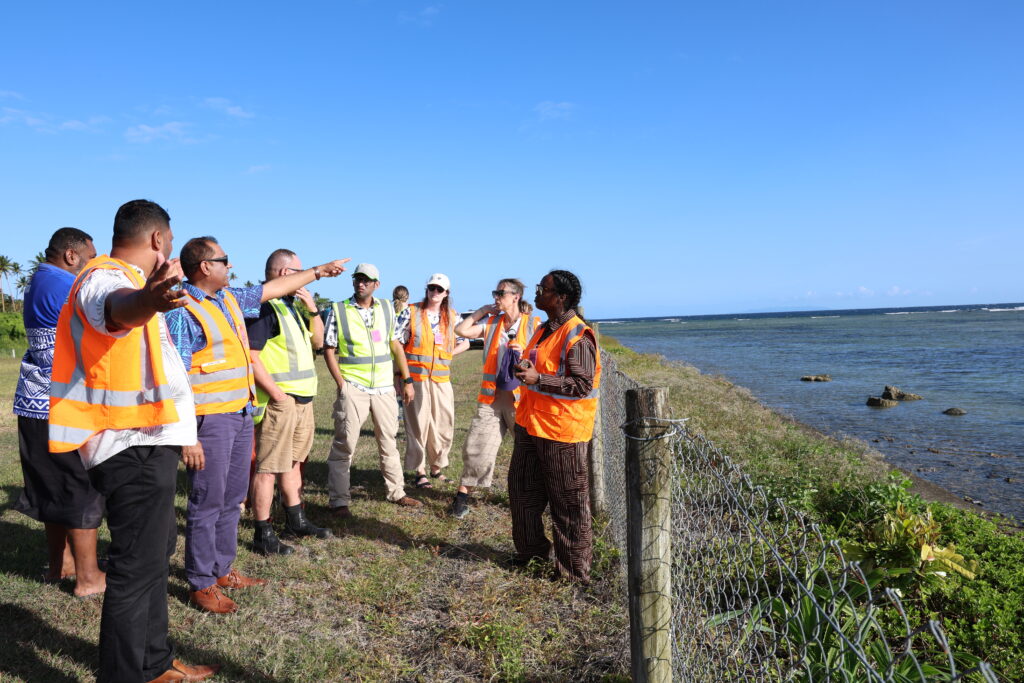
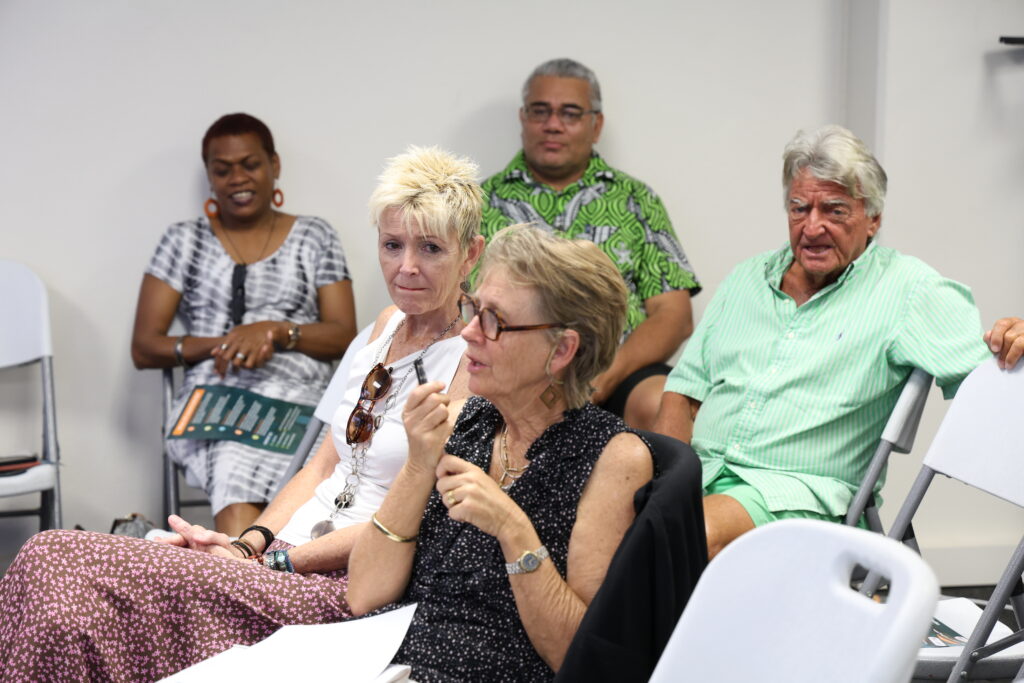
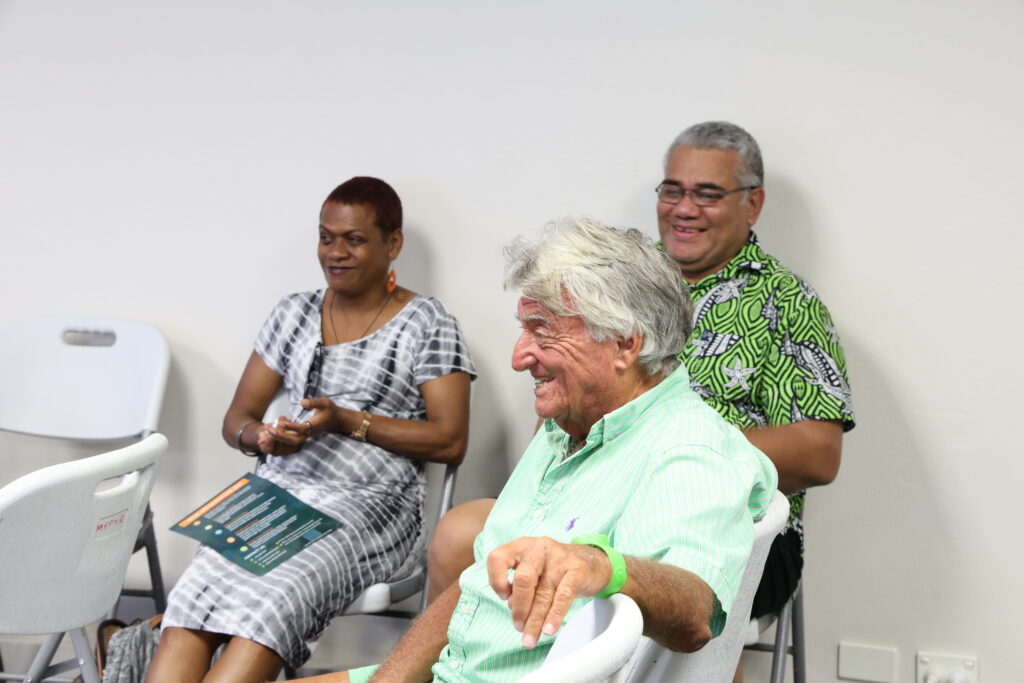
The Na Vualiku Project team and the World Bank, as part of the 5th Implementation Support Mission, met with the Savusavu Tourism Association to discuss project progress.
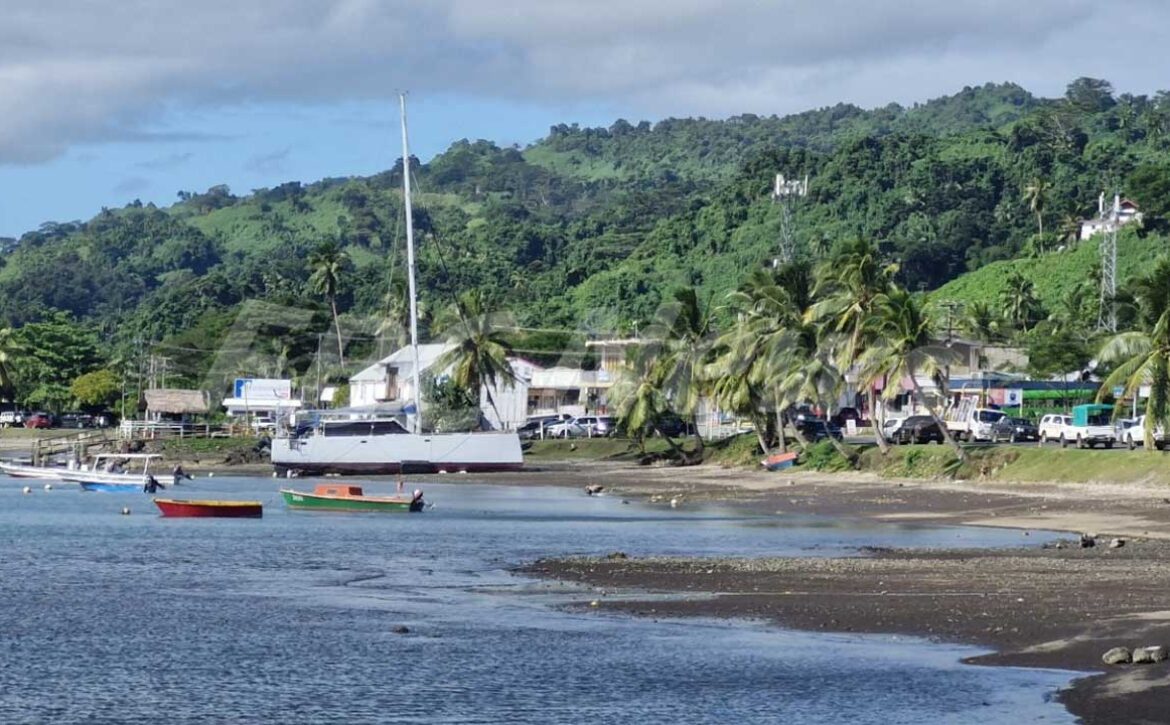
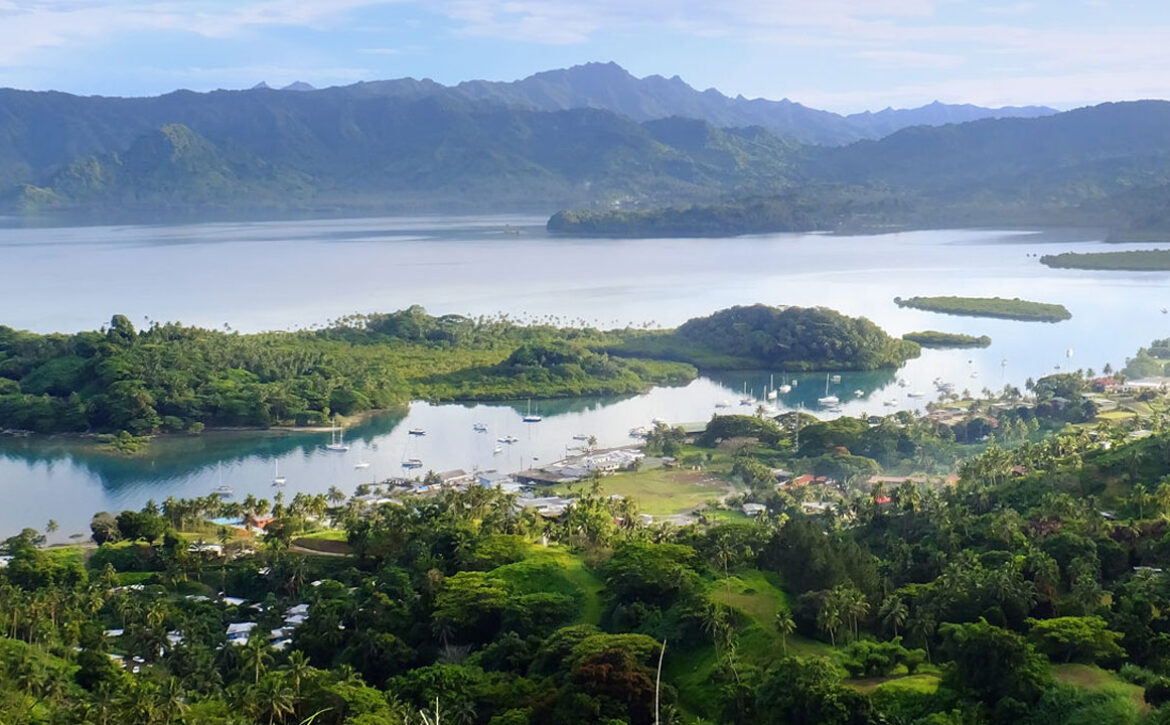
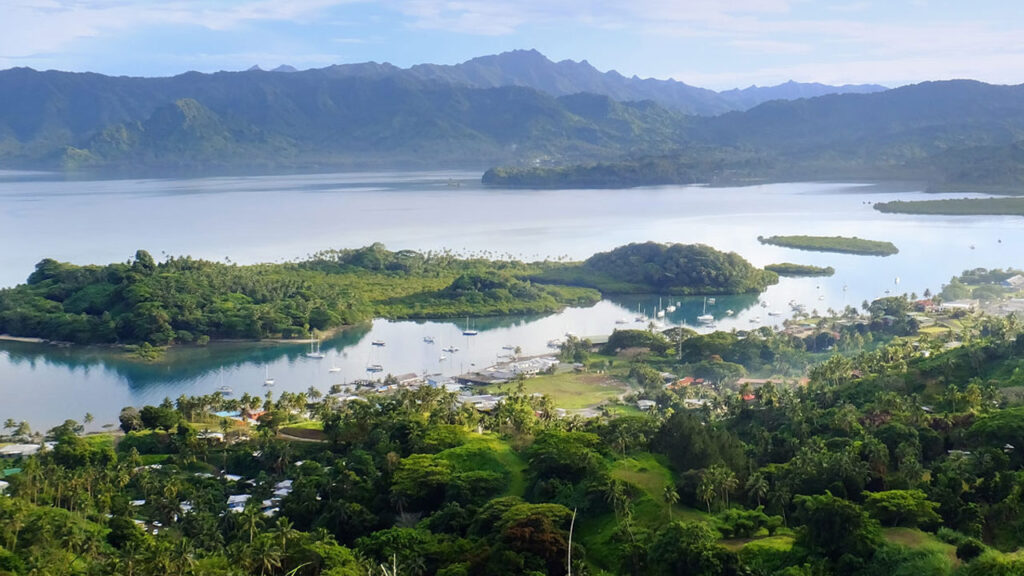
Updates focused on air transport and town upgrades, including beautification, traffic management, improving pedestrian safety, and protecting the region’s biodiversity — all key to shaping Savusavu’s future as a hub for sustainable tourism.
Suva Fiji October 9, 2025 — With contracts valued at over FJ$22 million already signed and more major procurements in the pipeline, the Fiji Tourism Development Program in Vanua Levu (Na Vualiku Project) is gaining momentum towards building a resilient, inclusive, and sustainable tourism economy for Vanua Levu and Taveuni.
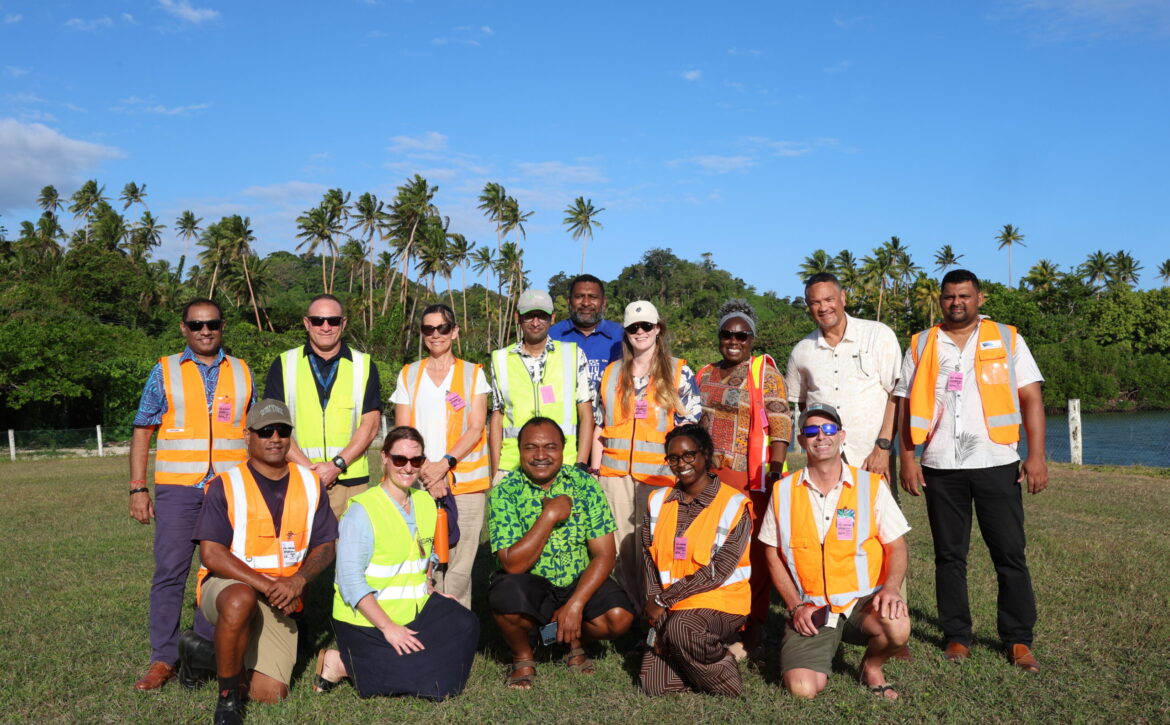
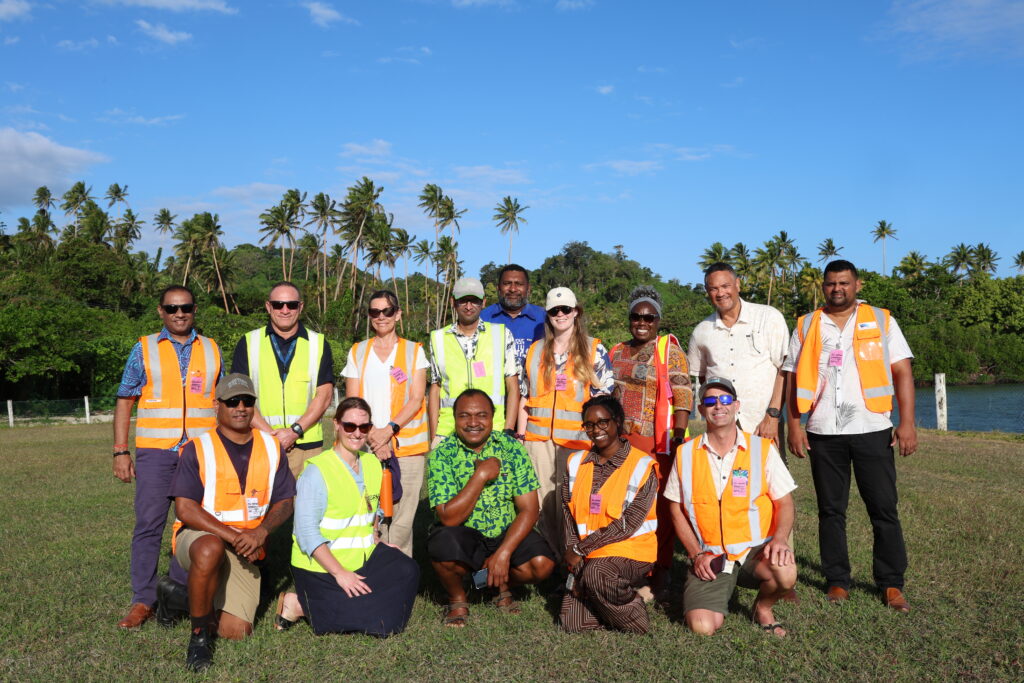
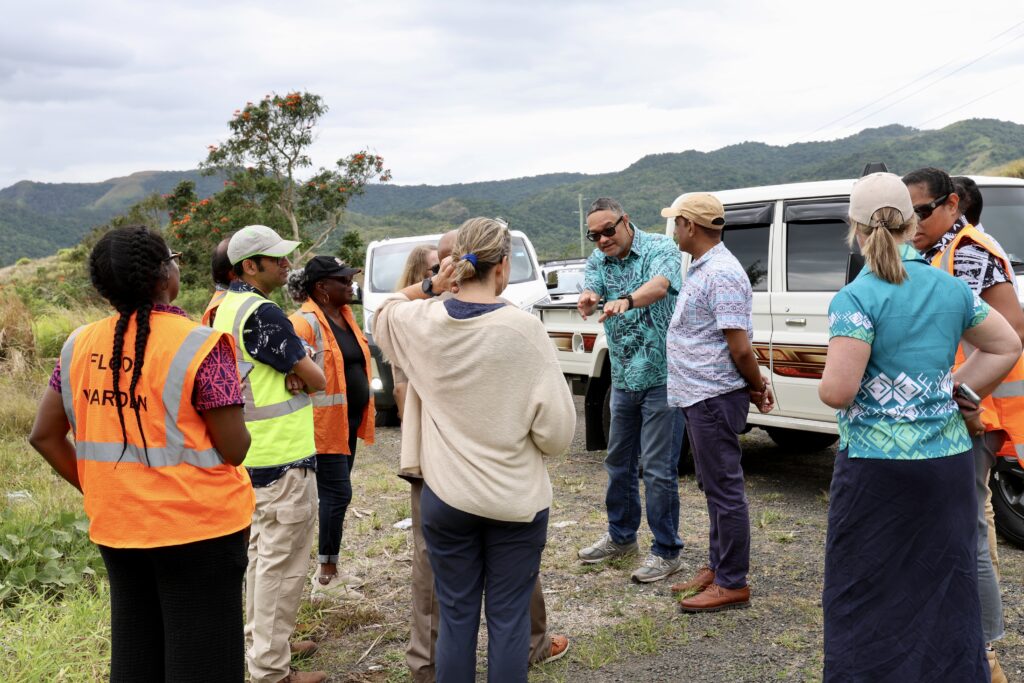
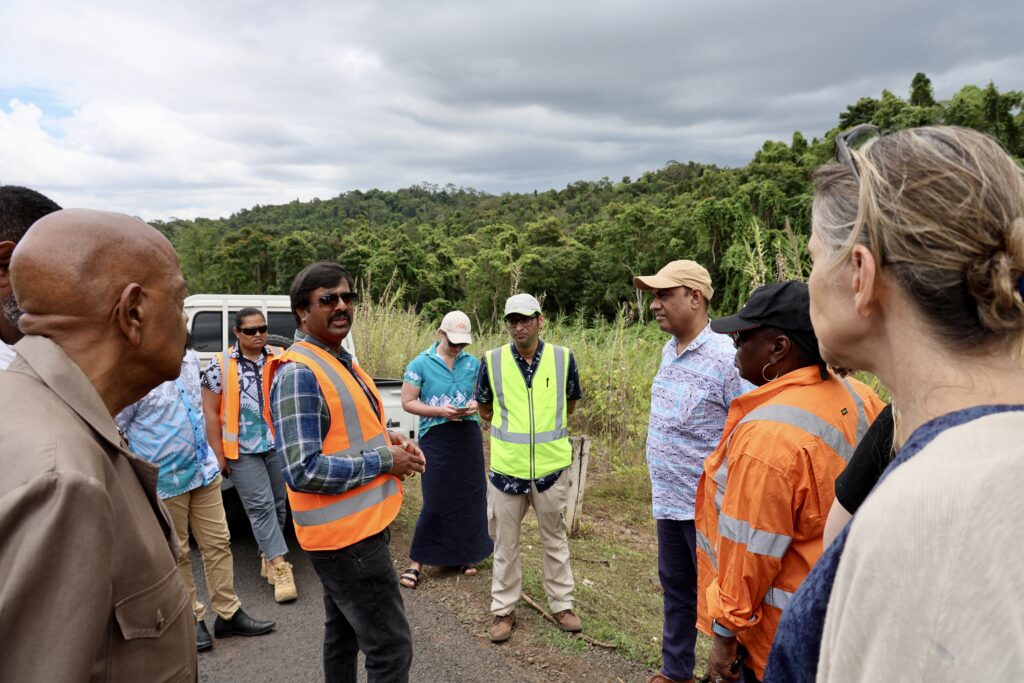
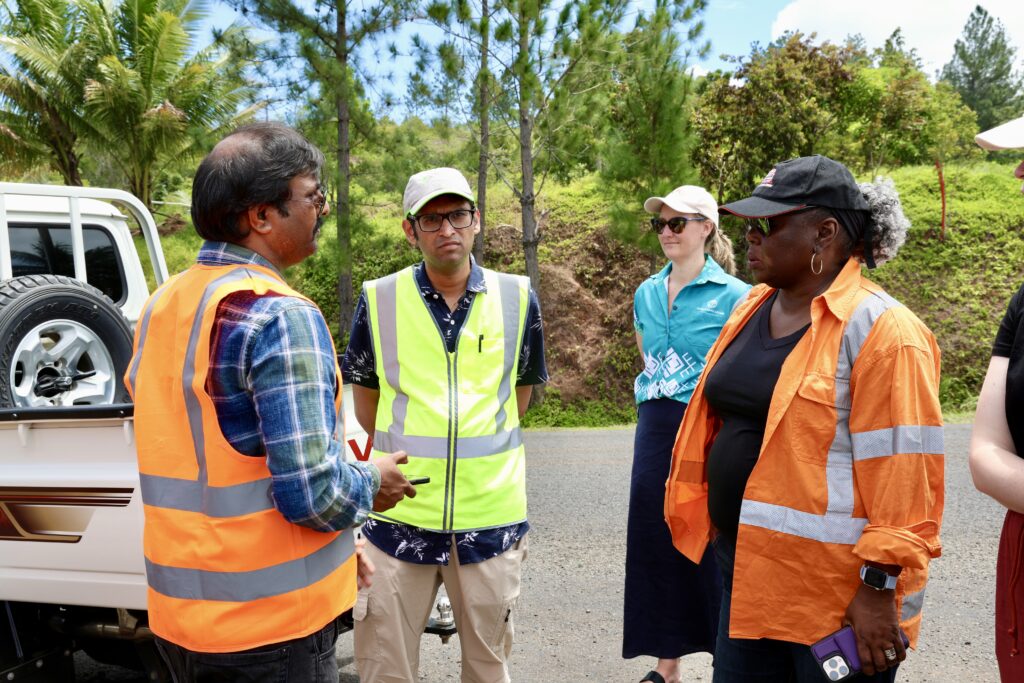
The World Bank, in partnership with the Ministry of Tourism and Civil Aviation (MTCA), has successfully concluded the fifth implementation support mission for the Program. Held from 28 September to 9 October 2025, the mission brought together government ministries, development partners, provincial councils, community leaders, and the private sector to take stock, share insights and confirm next steps and advance Fiji’s tourism transformation in the North.
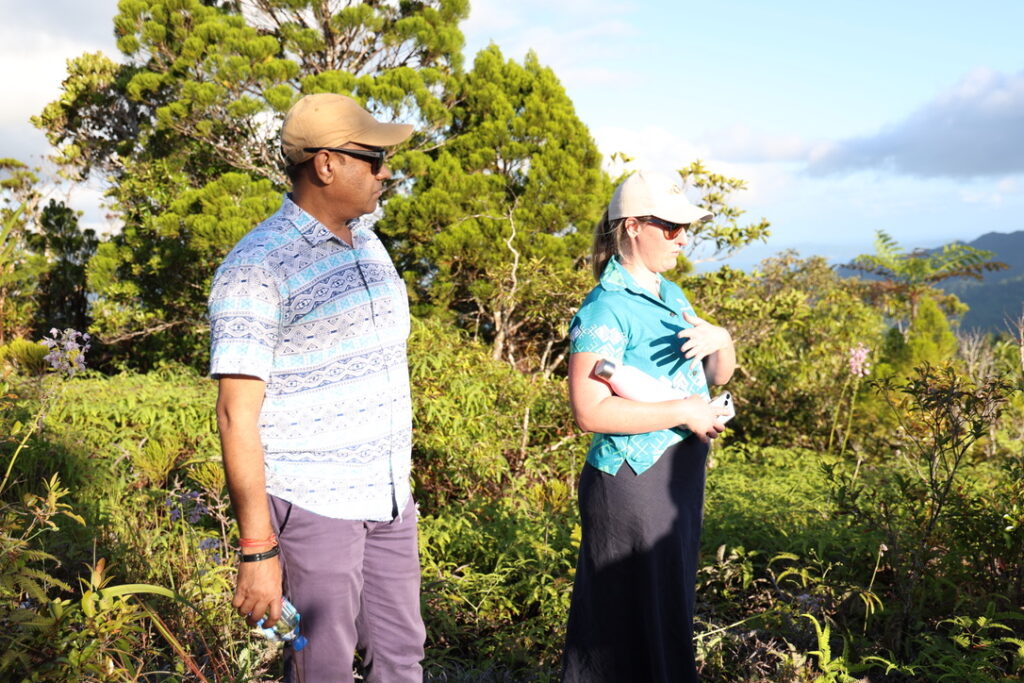
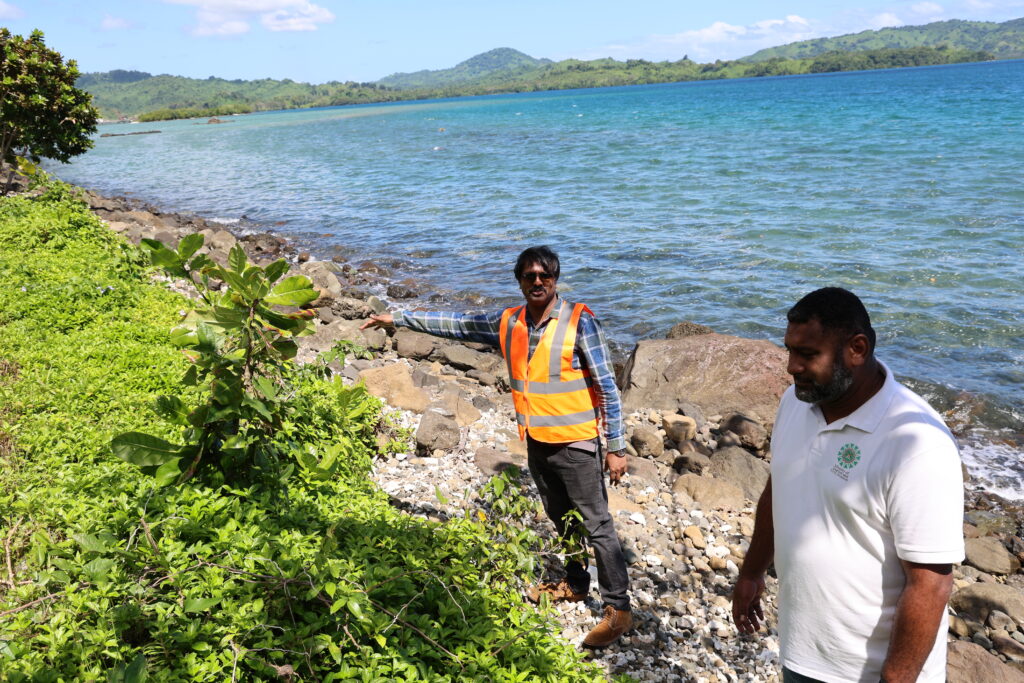
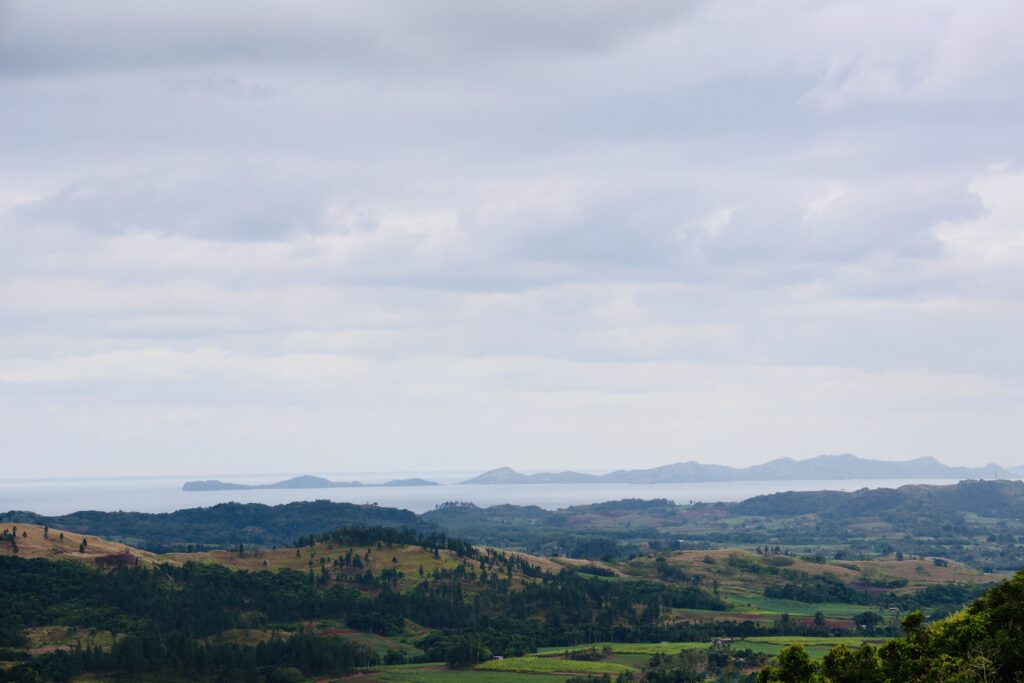
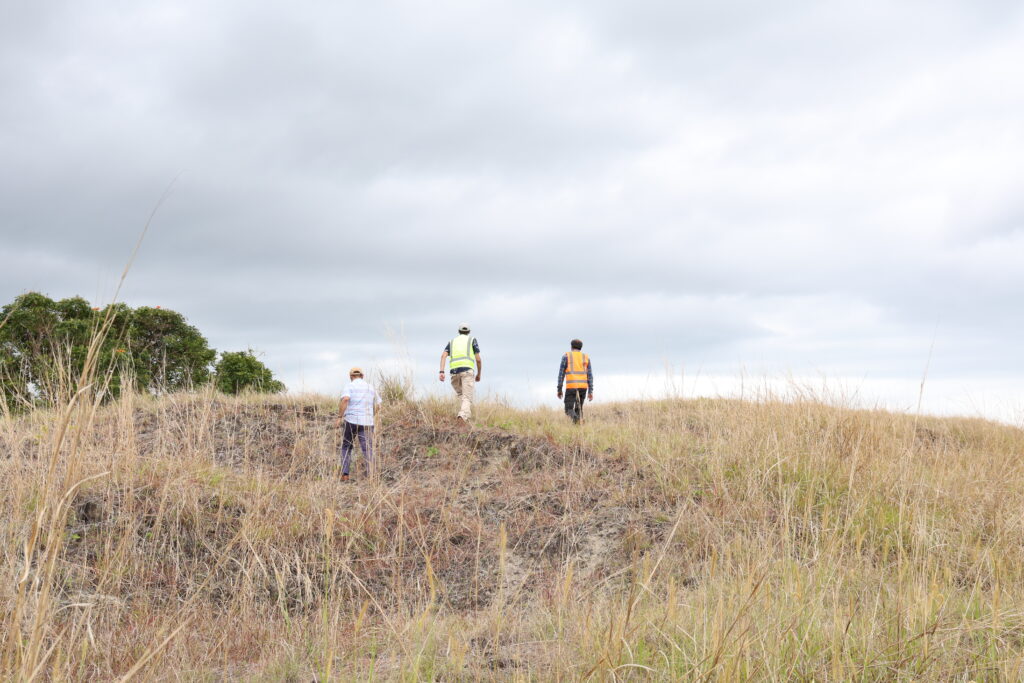
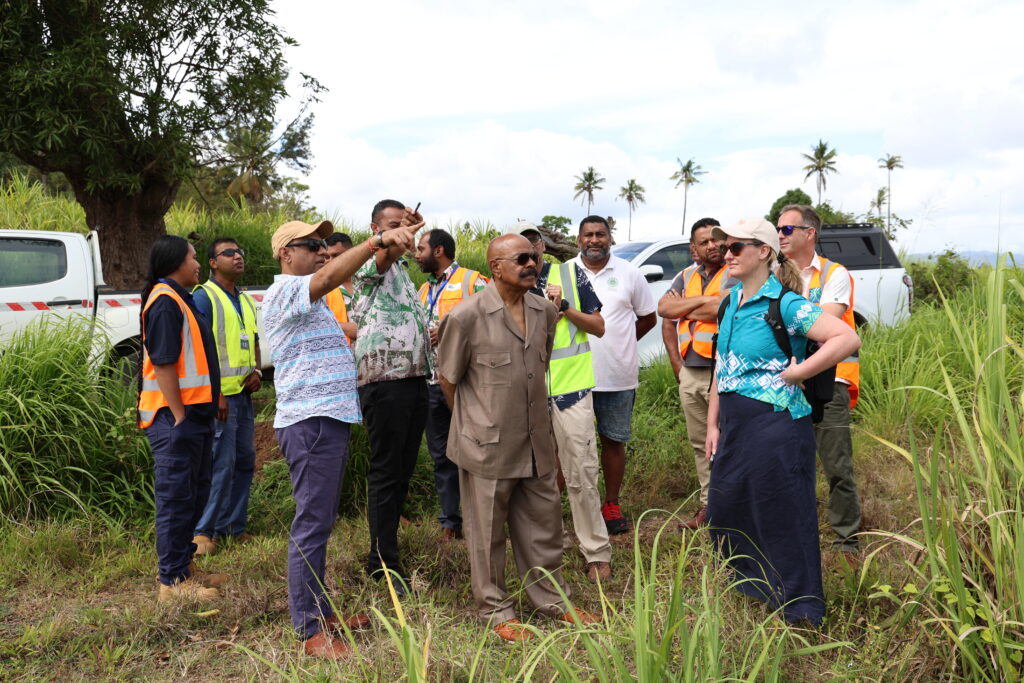
Over twelve days, the World Bank mission team engaged in site visits, stakeholder consultations, and technical meetings across Nadi, Labasa, Savusavu and Suva.
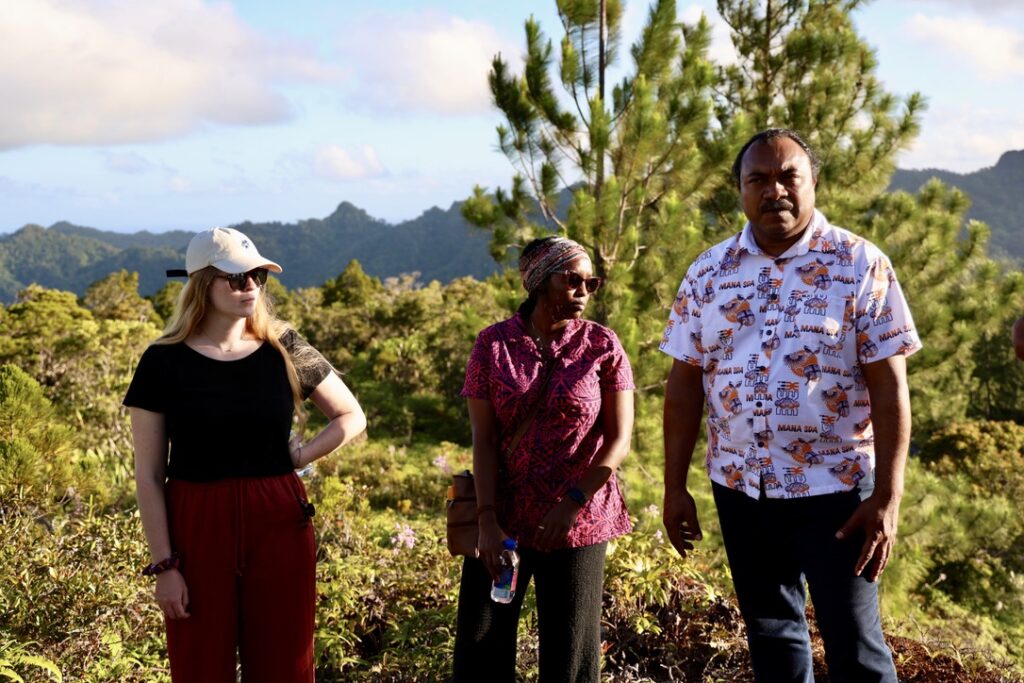
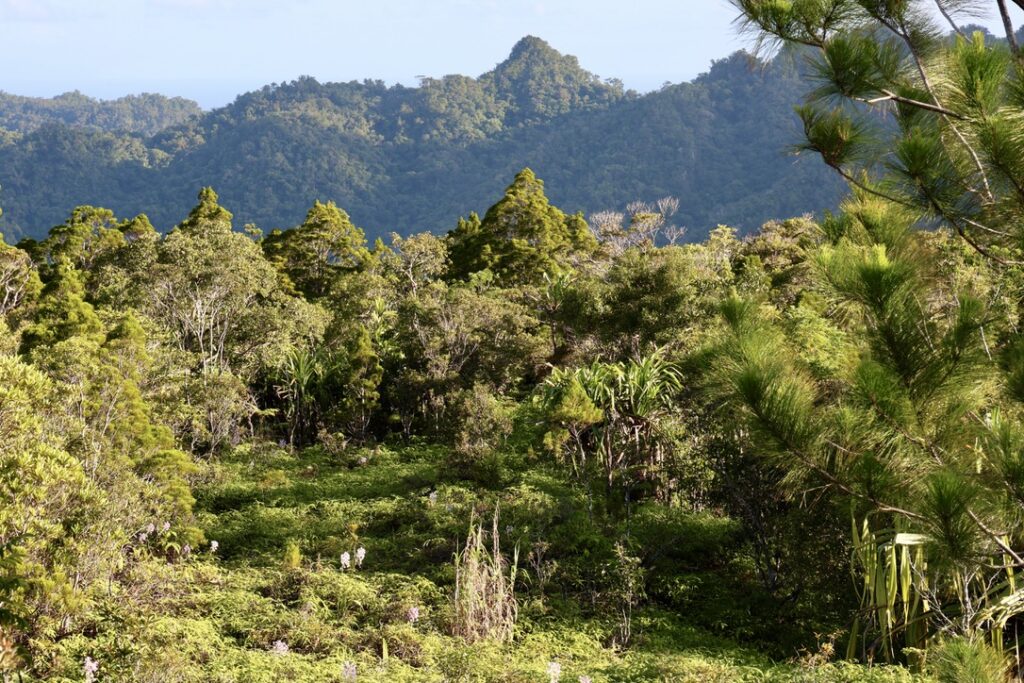
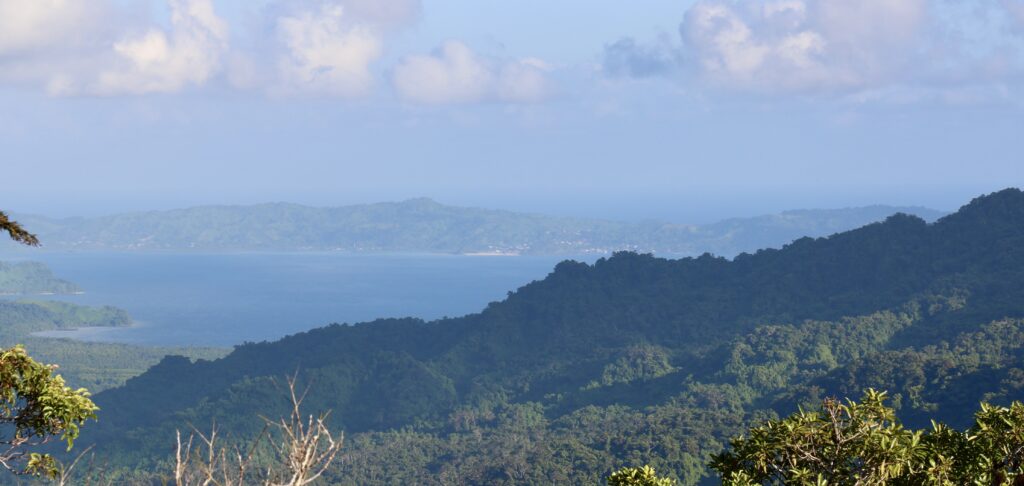
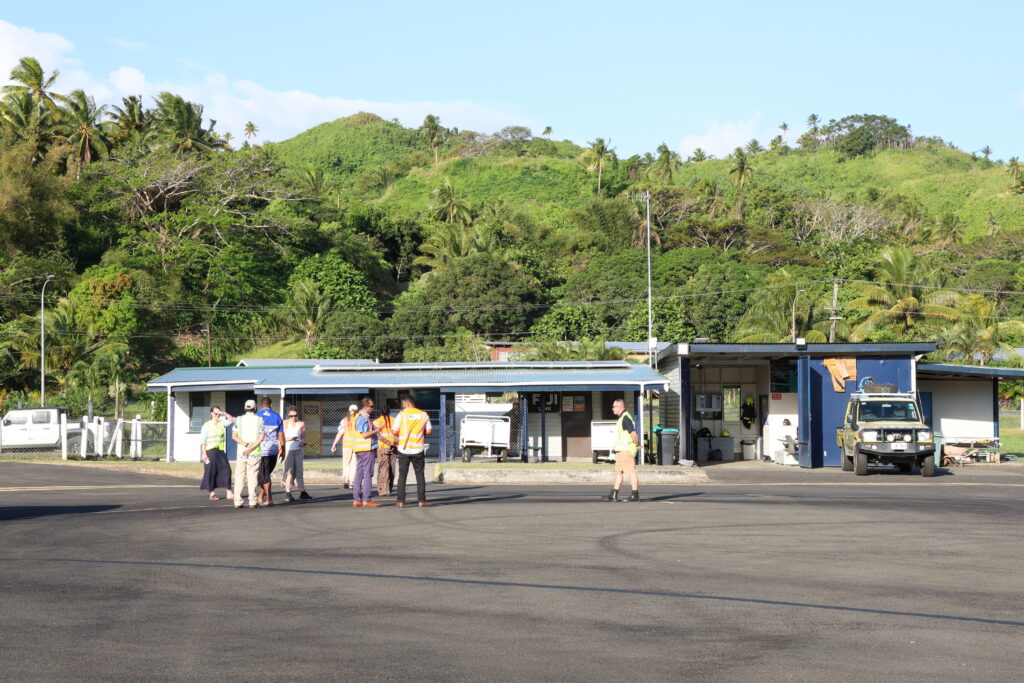
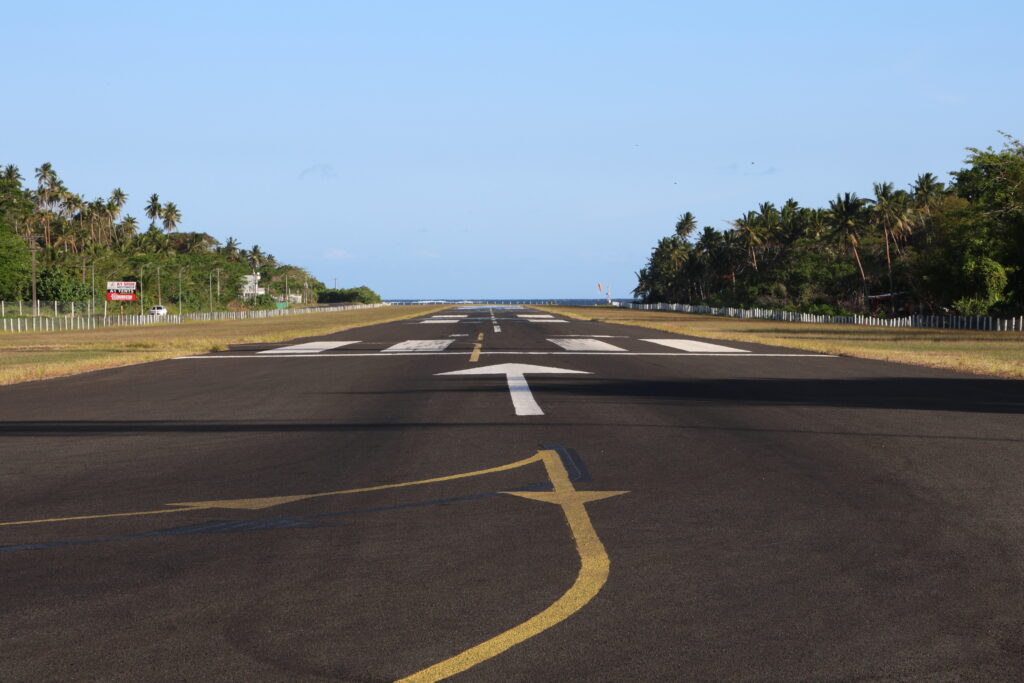
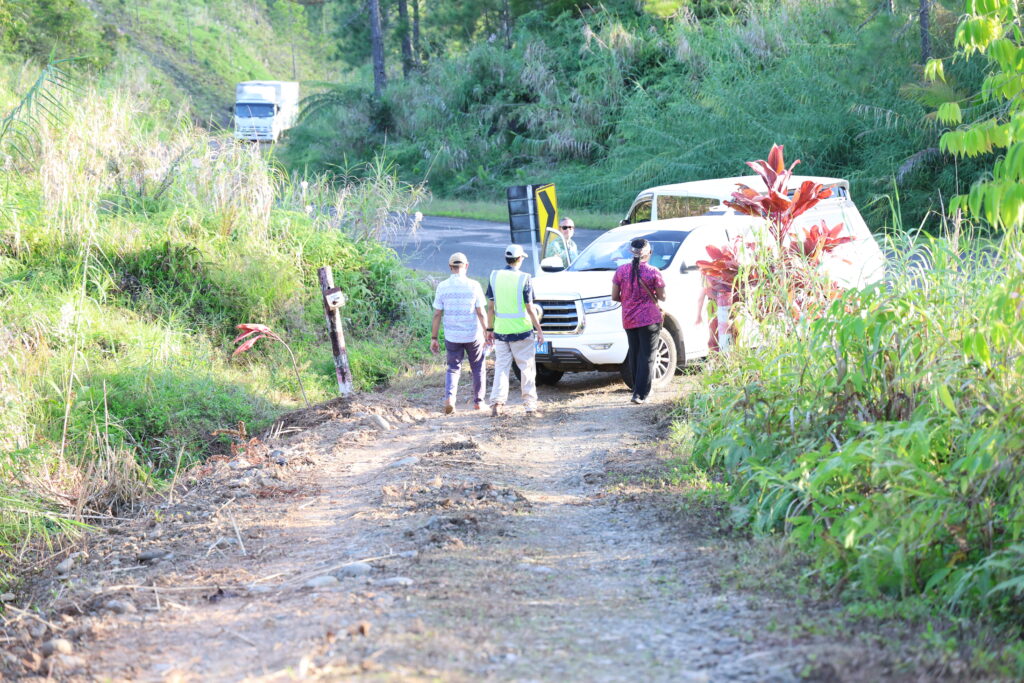
Discussions focused on critical infrastructure works, sustainable tourism planning, environmental safeguards, and targeted support for micro, small, and medium enterprises (MSMEs), women-led entrepreneurs, and community-based tourism organizations. Field inspections at Labasa and Savusavu airports, the Labasa–Savusavu scenic road, and Waisali Forest Reserve allowed the team to witness first-hand the current status and identify priority areas for further investment.
Key program milestones were highlighted during the mission. Work on the Integrated Tourism Master Plan (ITMP) has commenced with a team of technical specialists engaged via a consortium of Hidria and IOS Partners. This Master Plan will deliver a 25-year phased development framework for the Northern Division, alongside detailed 5-year development plans for key tourism areas including Savusavu and surrounding areas, the Natewa Peninsula and Natewa Bay, Labasa, and Taveuni.
In parallel, a pilot community-based tourism grant scheme is set to launch before the end of the year to support small tourism-related infrastructure in communities to help them improve their tourism products and the economic benefits flowing from tourism to local communities.
Infrastructure development remains a cornerstone of the program. Design and supervision contracts for the Labasa and Savusavu airport upgrades have been awarded,
while procurement for a remote tower system and feasibility study of a potential new domestic airport is underway. The Labasa–Savusavu road upgrade has now entered a 12-month design and supervision phase, marking a major step to enhancing visitor access, safety and amenities. Complementary initiatives, including a wastewater and sanitation investment strategy for Savusavu and a feasibility study for solar installations on public buildings, underscore the Project’s commitment to climate resilience and sustainable growth.
Capacity-building and data collection initiatives are also moving forward. The upgraded International Visitor Survey (IVS) is in the field, with initial results expected in early 2026, while a Baseline Survey to establish socio-economic benchmarks for the Program will begin shortly.
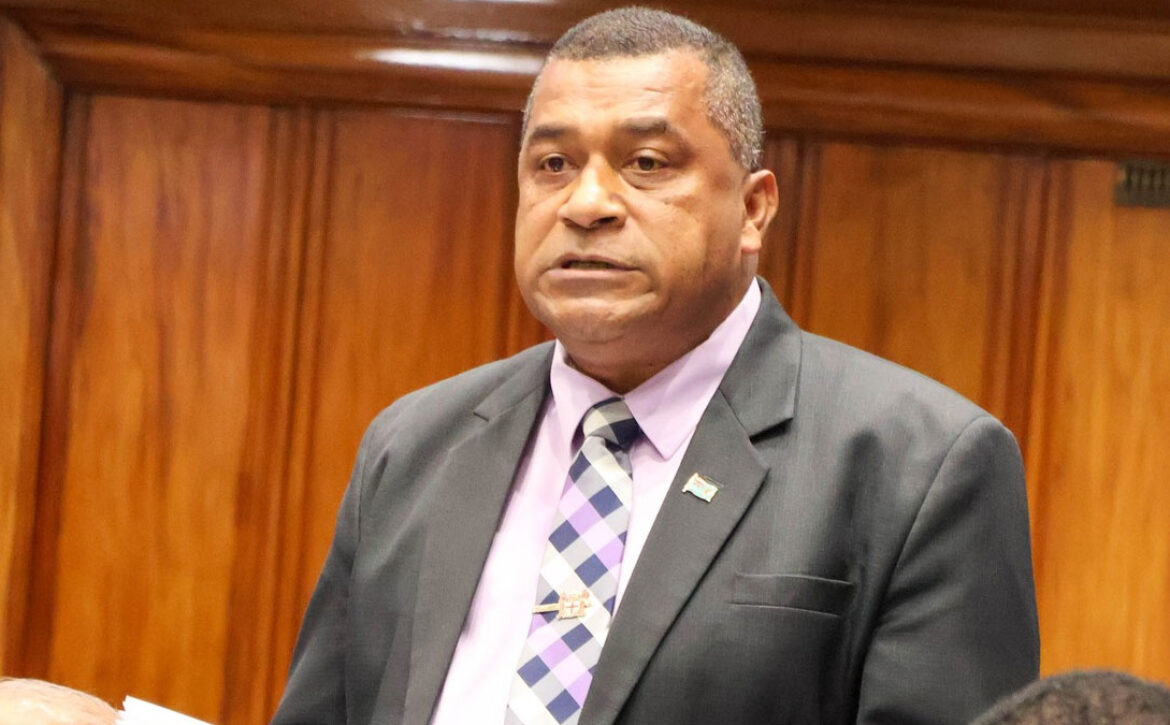
Speaking at the conclusion of the mission, Deputy Prime Minister and Minister for Tourism and Civil Aviation Hon. Viliame Gavoka noted: “This mission was about listening, validating, and coordinating with our communities and partners. The work in Vanua Levu must reflect not only the promise of growth, but also the values of inclusion, resilience, and sustainability that define Fiji’s vision for tourism.”
The mission concluded in Suva with wrap-up meetings involving the Ministry of Finance, implementing agencies, and development partners, reaffirming a coordinated pathway forward. With momentum building and major infrastructure investments on the horizon, the Project is accelerating efforts toward delivering lasting economic opportunities, improved connectivity, and enhanced environmental safeguards for Vanua Levu and Taveuni.
Significant efforts are underway to transform Savusavu – including installation of CCTV cameras and more foot patrols by Police to improve safety, proper landfill and a centralised sewerage treatment plant and parking meters in the town.
This has been highlighted by Minister for Local Government, Maciu Nalumisa during the debate on Consolidated Review Report of the Savusavu Town Council 2014 and 2015 Annual Reports.
He says to strengthen the approach on drug-related issues, the Council has conducted meetings with the Divisional Police Commander Northern and the Officer in Charge of Savusavu Police Station regarding police visibility in town, especially on weekends, and increasing foot patrols in hotspot areas.
Nalumisa says the Council has provided a location for a new police post in town.
The Minister further says that under the Na Vualiku Project, funded by the World Bank, they have identified a proposed site in the Savudrodro area for a proper landfill in Savusavu and a budget of $6.75 million has been allocated.
He says a feasibility study will be conducted by environmental consultants.
Nalimisa also says that a centralised sewerage treatment plant is also part of the Na Vualiku Project and relevant stakeholders and the working group are collaborating to ensure the project is implemented efficiently.
He further says the Ministry has also consented to the redevelopment of Ratu Ganilau Park in partnership with the Fiji Sports Council where terms and conditions have been discussed by both parties.
The Minister says the Council will continue to explore public-private partnerships.
Nalumisa also says that as of 30 June 2025, the Town Council has collected 71.31 percent of the rates that were in arrears, and as part of efforts to boost revenue, 10 digital parking meters have been procured for Savusavu Town, with plans approved but awaiting gazetting.
The Ministry of Local Government is working closely with the Savusavu Town Council to strengthen the beautification efforts.
Speaking in Parliament, Minister Maciu Nalumisa highlighted that beautification is a key component of the NaVualiku Tourism Program.
He says a full-time officer has been appointed to lead these initiatives.
The project is funded by the World Bank, and the Council is looking for a suitable site for landfill in the Savusavu.
He says $6.75 million has been allocated for solid waste management and the landfill project, spanning from Savusavu to Labasa.
“This initiative is also one of the components of the NaVualiku Tourism Project. Environmental stakeholders and the working group are working closely to ensure that this project is carried out efficiently and effectively.”
Assistant Minister for Transport, Naisa Tuinaceva, echoed similar sentiments, stating that Savusavu town can be a tourism hub.
“Despite the modest population of around 6,000, Savusavu stands as an entry point for Vanua Levu’s tourism. With high-value resorts, it is a hotspot for Fiji’s tourism.”
NaVualiku Tourism Program aims to enhance the infrastructure in Savusavu that will create more jobs by attracting tourists.
The Ministry is also developing a tourism master plan for Savusavu in line with the Blue Town model.
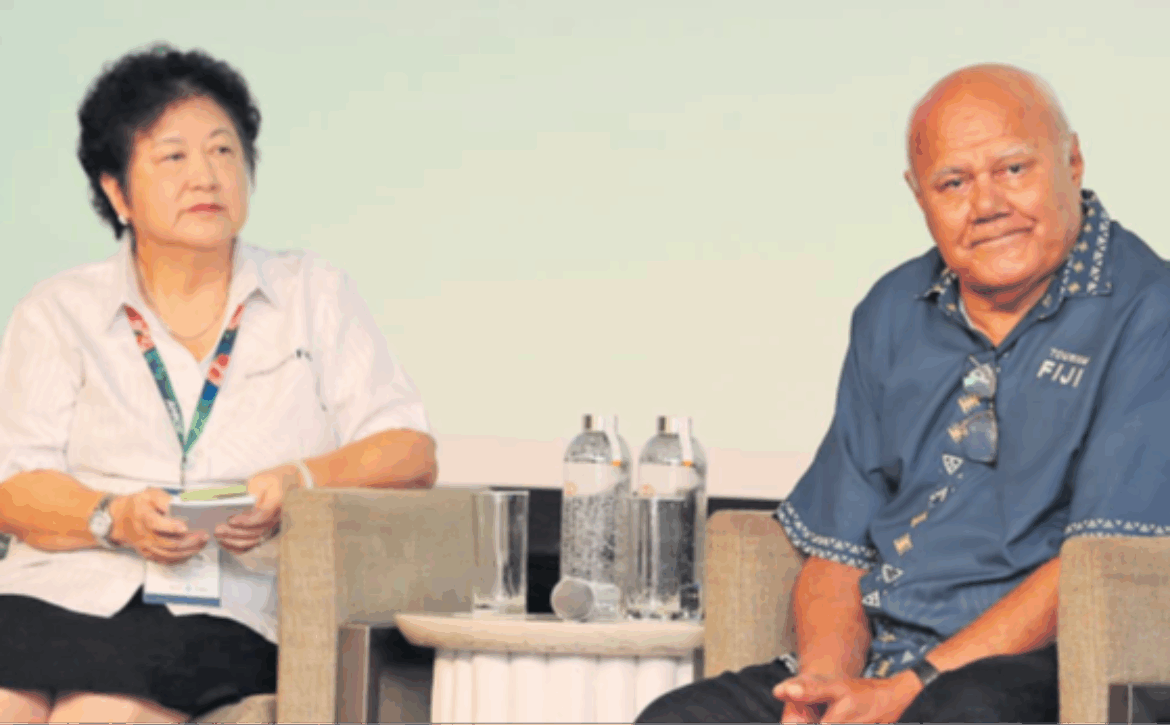
Investment Fiji is looking beyond traditional markets and tapping into exciting new demand from Asia, North and Central America even South America, says board chairperson Jenny Seeto.
Speaking at the Asia Pacific Hotel Industry Conference & Exhibition (AHICE) Pacific Islands event in Nadi this week, Ms Seeto said Investment Fiji aimed to create an inclusive tourism industry that uplifts communities, protects the environment and leaves a lasting impact.
“We are on a digital transformation trajectory, the National Digital Strategy goals and the landing of the Google Bulikula and Tabua subsea cables are both crucial in positioning Fiji to be a regional digital hub in addition to Fiji being the hub of the Pacific,” Ms Seeto said.
She said Investment Fiji was guided by a 10-year framework designed to revitalise and future-proof our industry, with sustainability, resilience and inclusivity as our foundation pillars.
“Every investment, every project and every policy has to consider our people, our planet and the future of travel.
“We’re especially excited about the Na Vualiku Project in the North, with the support of the World Bank, a major $US200 million (approx $F448m) investment is being channeled into infrastructure development in our Northern region.”
Ms Seeto said that included roads, reliable power, water systems, waste management and better airport access.
“In the context of tourism, Investment Fiji focuses on promoting various types of tourism to attract foreign investment and create opportunities for economic growth which includes sports tourism, medical tourism and adventure tourism.
“The Government is offering attractive incentive tax packages for tourism related industries and other sectors of the economy.”
Note: This article was first published on the print version of the Fiji Times dated June 28, 2025
President Ratu Naiqama Lalabalavu has backed a major World Bank-funded initiative aimed at strengthening sustainable tourism development in Vanua Levu.
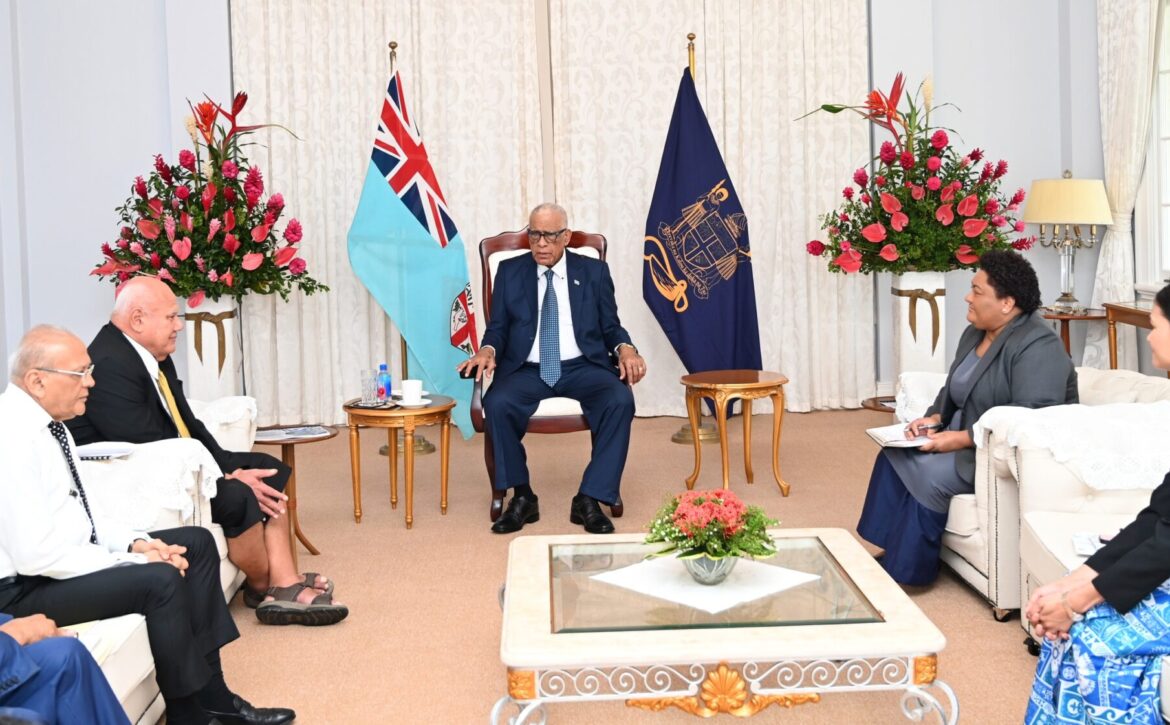
The President was briefed on the Na Vualiku Project during a courtesy call from Deputy Prime Minister and Minister for Tourism and Civil Aviation Viliame Gavoka at State House yesterday.
The Na Vualiku Project aims to improve infrastructure, boost private sector engagement, and promote environmental sustainability across targeted tourism sites in the Northern Division.
The project aims to strengthen infrastructure and essential services, improve environmental sustainability, and promote private sector engagement in the tourism sector.
The Ministry of Tourism and Civil Aviation is leading implementation, with support from the Fiji Roads Authority, Fiji Airports Limited, and the Savusavu Town Council.
Key investments include resilient infrastructure, nature-based attractions, and improved waste and sewage systems.
The initiative also seeks to empower Fijian women in the tourism industry.
The President also welcomed the update and reaffirmed his full support for the project.
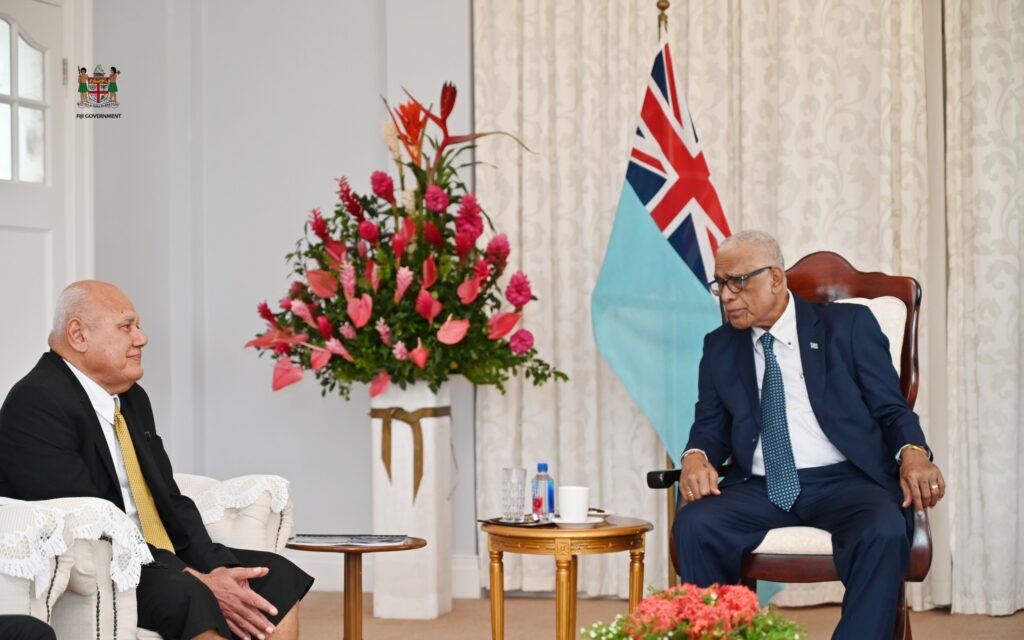
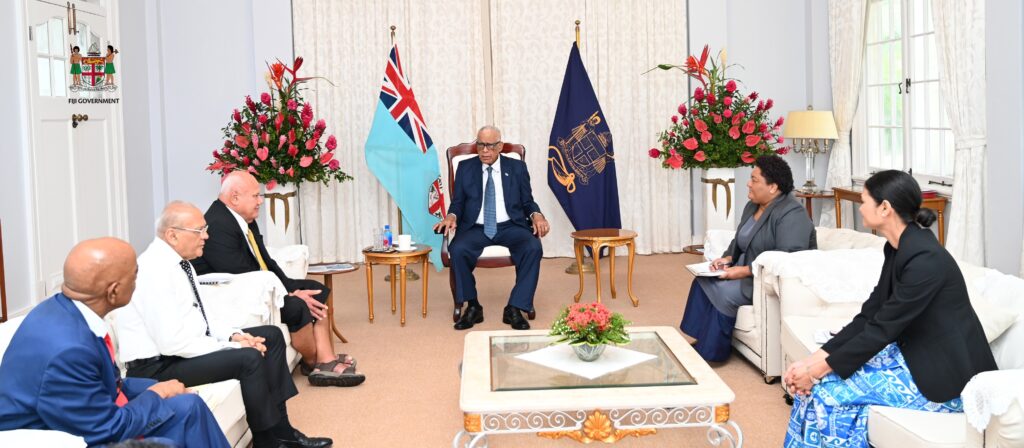
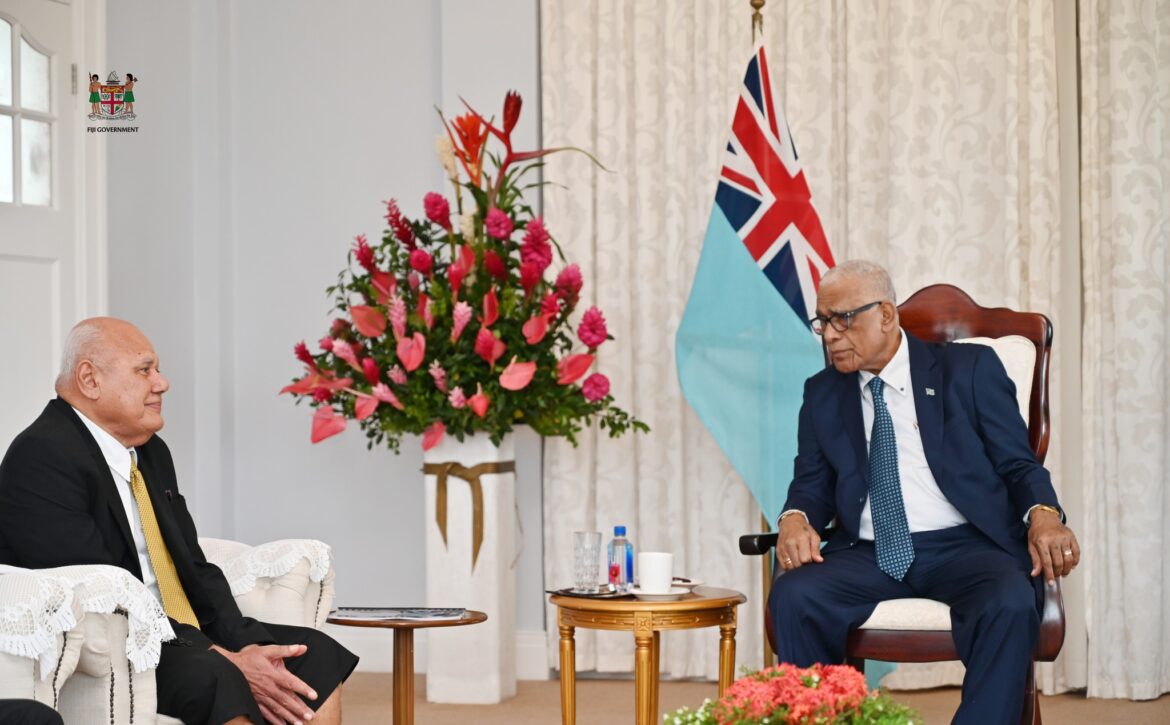
The President of the Republic of Fiji, His Excellency Ratu Naiqama Lalabalavu, today received a courtesy call from the Deputy Prime Minister and Minister for Tourism and Civil Aviation, the Honourable Viliame Gavoka, at State House.
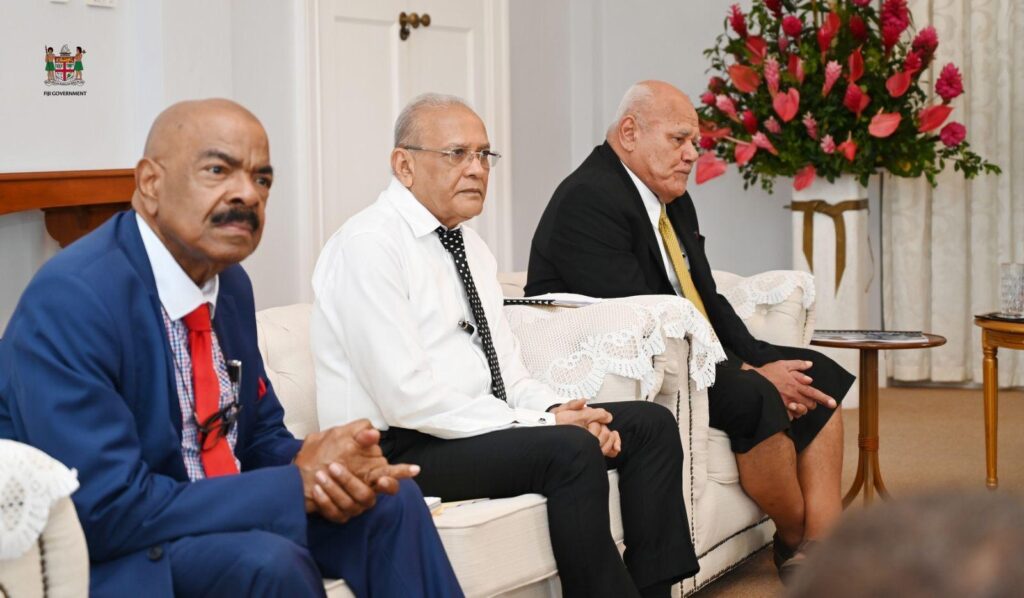
The Deputy Prime Minister was accompanied by the Fiji Airports Limited Board Chair, Mr. Hasmukh Patel; Na Vualiku Project Manager, Mr. Marlon Lezama; Director for Tourism, Ms. Jacinta Lal; and Kelepi Dainaki, General Manager Assets & Infrastructure (Fiji Airports) and Tevita Cokanasiga Roko Tui Saravanua.
The purpose of the visit was to brief the Head of State on the implementation of the World Bank funded Fiji Tourism Development Program in Vanua Levu, known as ‘Na Vualiku’ (the Project).
The Na Vualiku Project aims to:
· Strengthen targeted infrastructure and essential services,
· Enhance coordination and encourage private sector participation in tourism and
· Improve the environmental sustainability of tourism assets.
The Ministry of Tourism and Civil Aviation (MTCA) is the lead implementing agency, with support from the Fiji Roads Authority, Fiji Airports Limited, and the Savusavu Town Council.
This initiative supports sustainable tourism development and is expected to yield significant environmental benefits through investments in resilient tourism infrastructure, nature-based tourism attractions, and critical facilities and services, such as waste and sewage management. The Project also seeks to harness the untapped productive potential of Fijian women in the tourism sector.
President Lalabalavu thanked the Deputy Prime Minister and his delegation for the visit and acknowledged the importance of such collaborative efforts in advancing sustainable tourism and economic development in Vanua Levu. He expressed his full support and confirmed his willingness to do his part in the implementation of the project.
Significant progress is underway through the ‘Na Vualiku’ Fiji Tourism Development Programme, aimed at transforming Vanua Levu into a thriving tourism hub.
Starting next month, an Integrated Tourism Master Plan will guide this development by identifying priority areas, outlining funding strategies, and including environmental and social safeguards.
Deputy Prime Minister and Minister for Tourism Viliame Gavoka says a proposal will be made this month with the National Trust, local communities, and the private sector to build a visitor centre and create business plans.
He adds that under the program, a contract will be awarded next month for the design and supervision of pavements, fencing, a new terminal at Savusavu, and new fire stations at both airports.
“We’re in the process of procuring remote travel and automatic flight information systems for Labasa and Savusavu airports. Looking to future growth, an expression of interest has been issued for a feasibility study for a new airport in Vanua Levu, alongside an air connectivity study for Taveuni and master planning for Labasa and Matei airports.”
Gavoka announced that the ‘Na Vualiku’ program will launch an MSME pilot program in October to support small, community, and women-owned tourism businesses.
Additionally, an updated International Visitor Survey will begin this month to improve data collection and visitor feedback for businesses and the government.
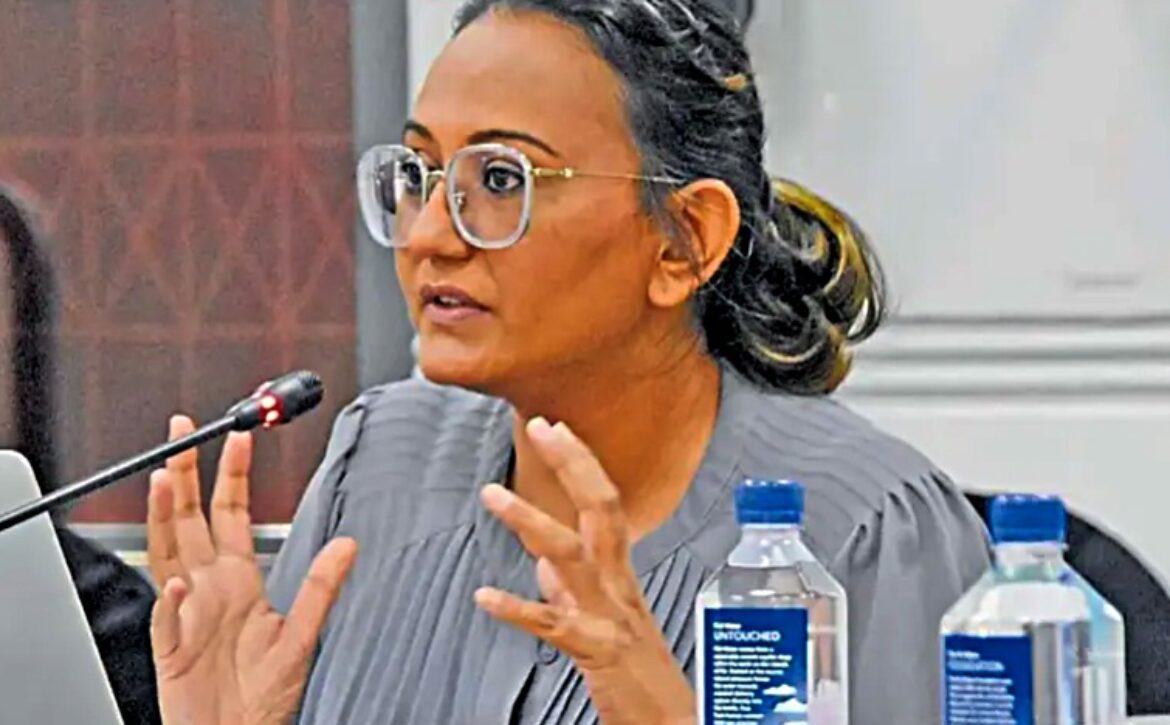
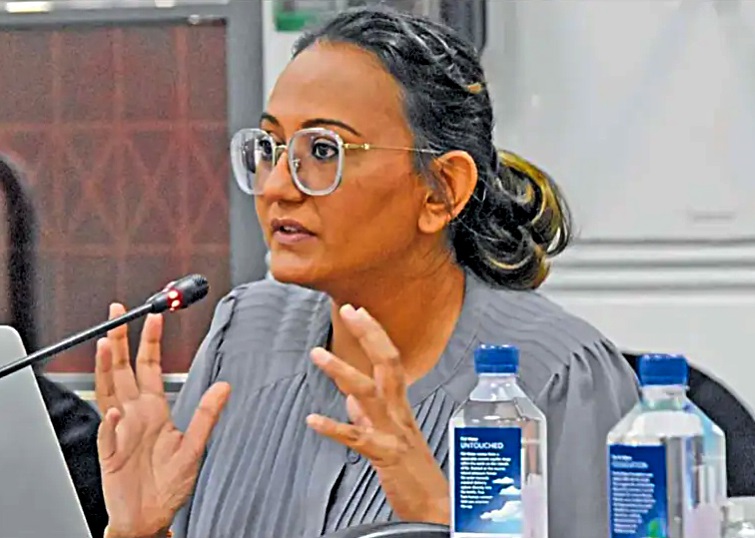
Fixing the waste management problem within the tourism sector needs a collective approach, says permanent secretary for Local Government Sheema Sharma.
As a panelist at the Pacific Recycling Foundation roundtable discussions on Global Recycling Day in Nadi on Wednesday, Ms Sharma said from an industry point of view, one hotel alone could not make a difference.
“We obviously need a collective approach,” she said.
“We need the tourism stakeholders and agencies to work very closely with the Ministry of Tourism.”
Ms Sharma said the National Sustainable Tourism Framework featured the issue of waste management and how recycling could be embedded into a hotel operation.
Ms Sharma’s comments were in response to a concern about the tourism industry’s role in Fiji’s economy and also its contribution to waste generation.
She said a number of hotels in Nadi and other areas were looking at how they could recycle waste.
“And as Ms Lenora Qereqeretabua had mentioned, these hotels put dispensers and reusable bottles in rooms now.
“But it’s more than that, it’s the food waste. What should they do with that?
“And obviously there are certain things they cannot recycle and that should be the only thing going to any form of dump site.
“I think you will find a lot more smaller operations doing a lot more towards recycling and working closely with the Ministry of Tourism because they do have a framework that looks at sustainability.”
Ms Sharma said ministries of Tourism and Local Government were collaborating on the Na Vualiku project where West-based solutions could be applied in the Northern Division in terms of sustainable waste disposal.
“There are initiatives in place, and we just need to bring them together.”