
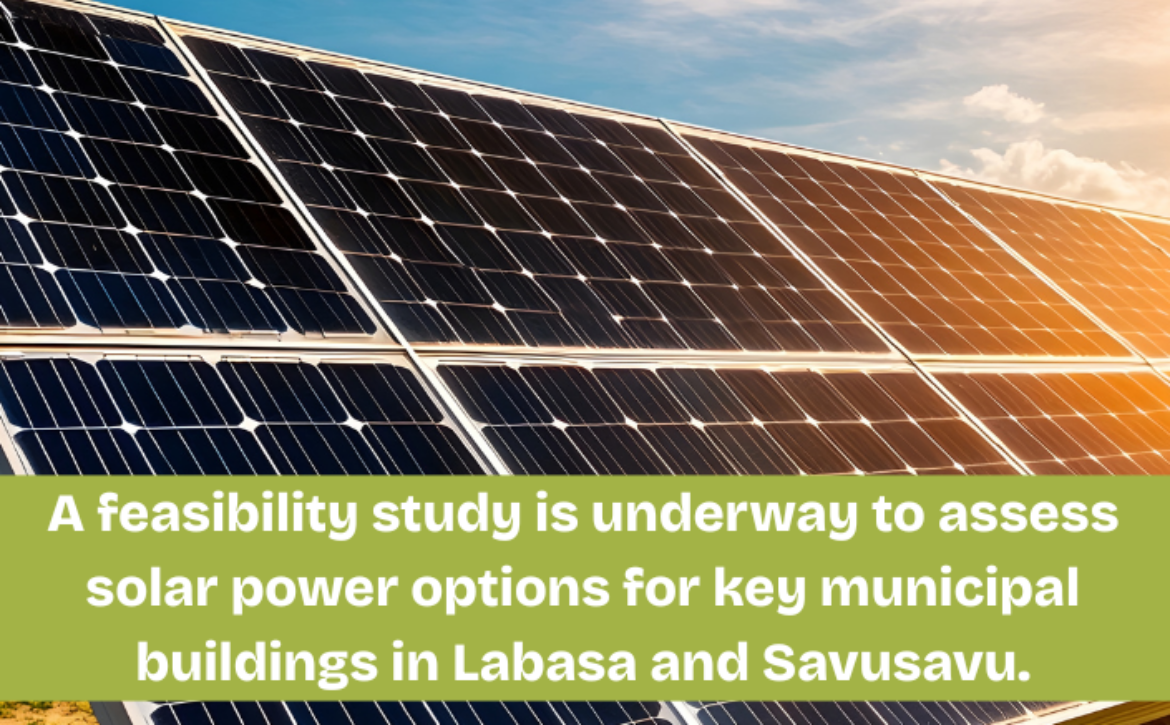
𝑺𝒐𝒍𝒂𝒓 𝑭𝒆𝒂𝒔𝒊𝒃𝒊𝒍𝒊𝒕𝒚 𝑺𝒕𝒖𝒅𝒚 𝑳𝒂𝒖𝒏𝒄𝒉𝒆𝒅 𝒇𝒐𝒓 𝑴𝒖𝒏𝒊𝒄𝒊𝒑𝒂𝒍 𝑪𝒐𝒖𝒏𝒄𝒊𝒍 𝑩𝒖𝒊𝒍𝒅𝒊𝒏𝒈𝒔 𝒊𝒏 𝑳𝒂𝒃𝒂𝒔𝒂 𝒂𝒏𝒅 𝑺𝒂𝒗𝒖𝒔𝒂𝒗𝒖
A new feasibility study to help reduce electricity costs, increase the use of clean energy, and improve community services across Labasa and Savusavu.
The Ministry of Tourism and Civil Aviation (MTCA), through the Fiji Tourism Development Program in Vanua Levu (Na Vualiku Project), has commenced a feasibility study to assess solar power options for key municipal buildings in Labasa and Savusavu in Vanua Levu.
The study responds to ongoing challenges in the North, including where municipal councils face high energy costs to power public infrastructure such as markets, bus stands, and parks, vulnerability to supply disruptions due to reliance on diesel-based electricity generation and exposure to climate related hazards.
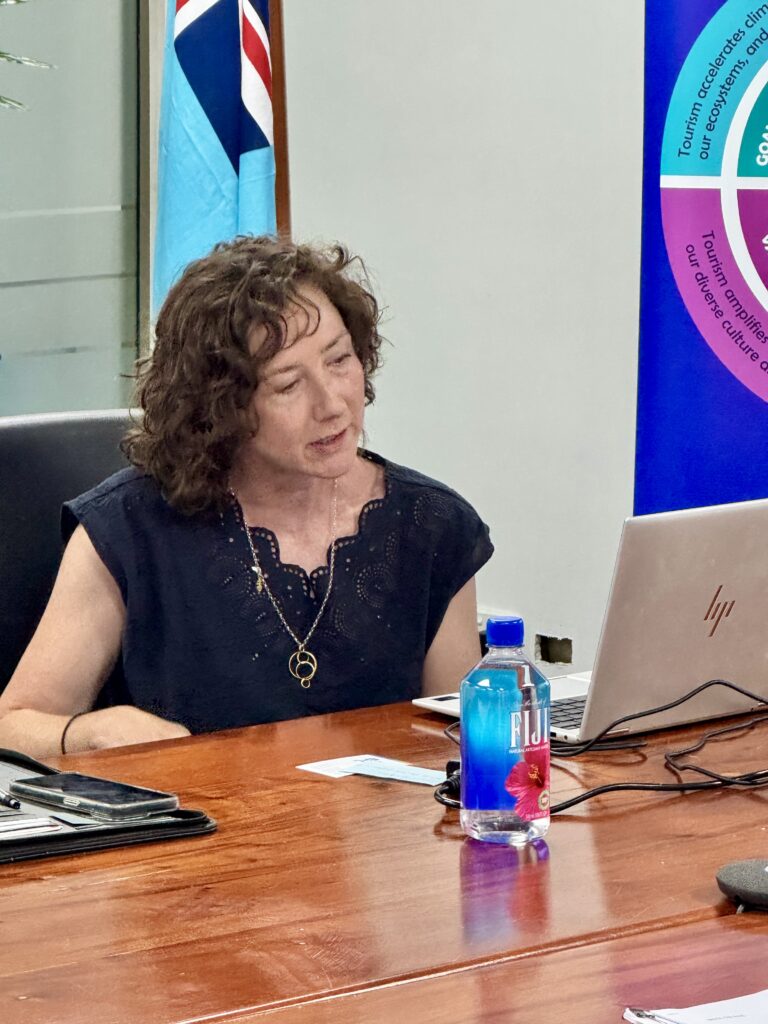
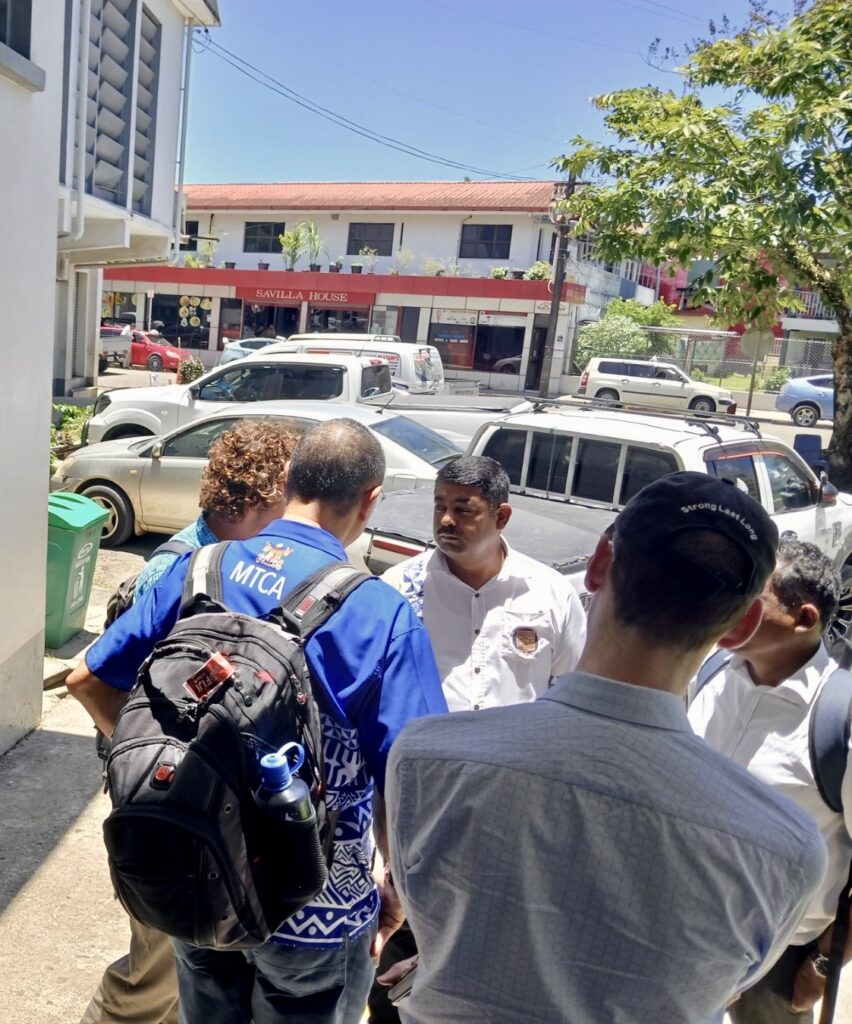
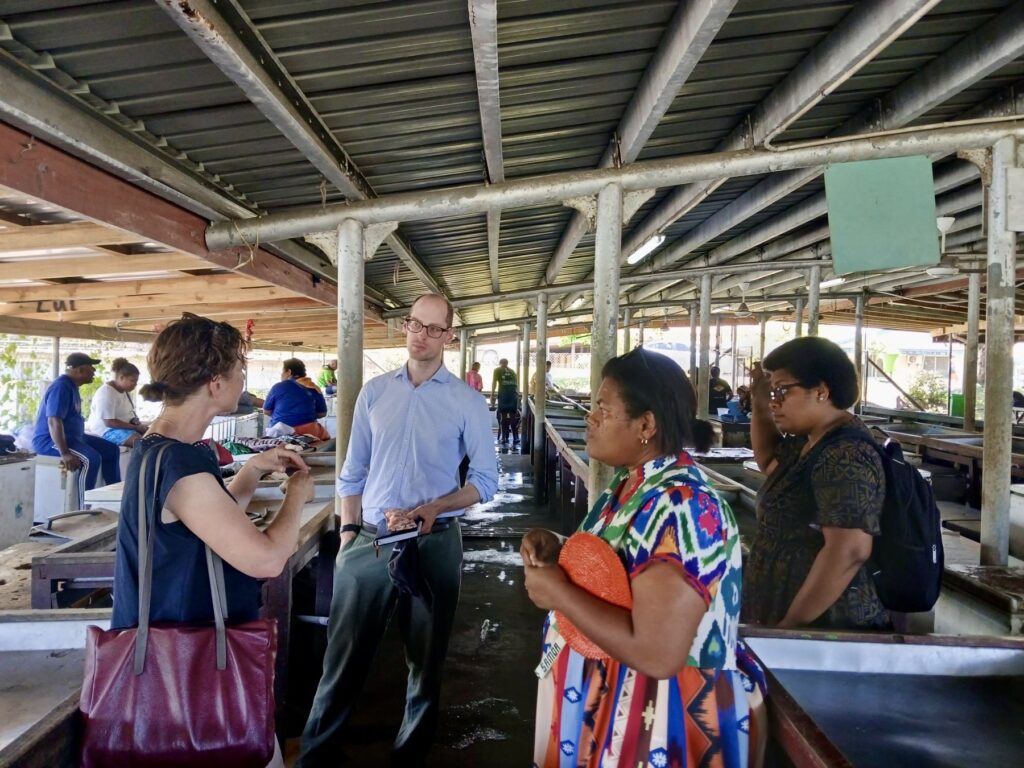
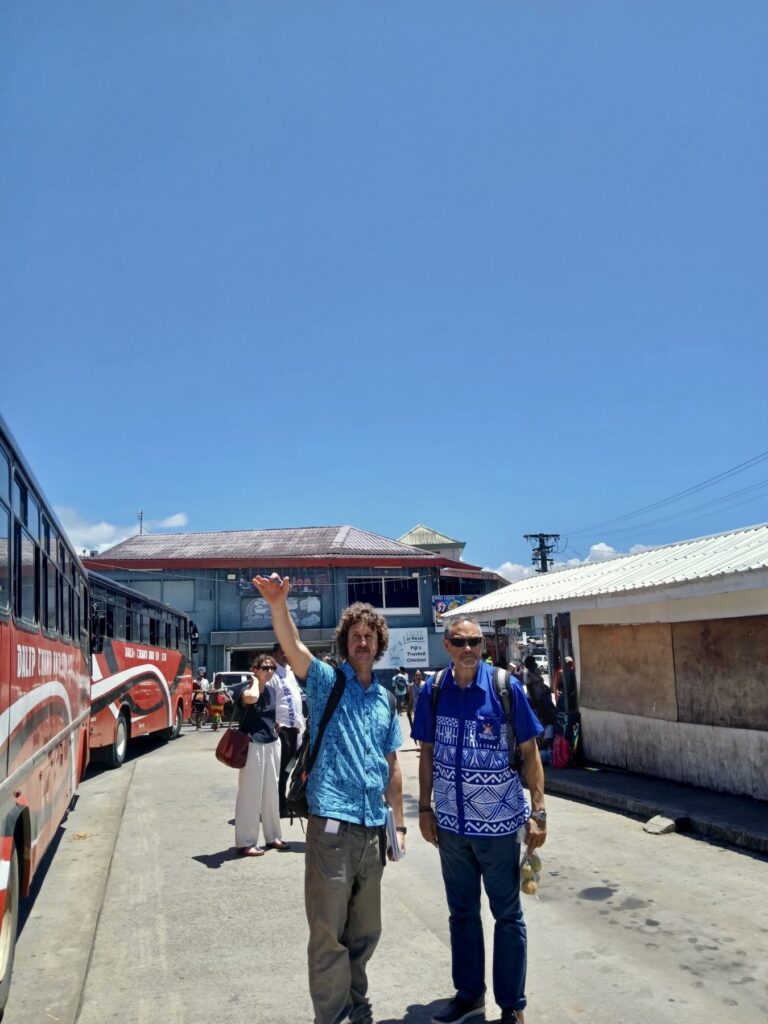
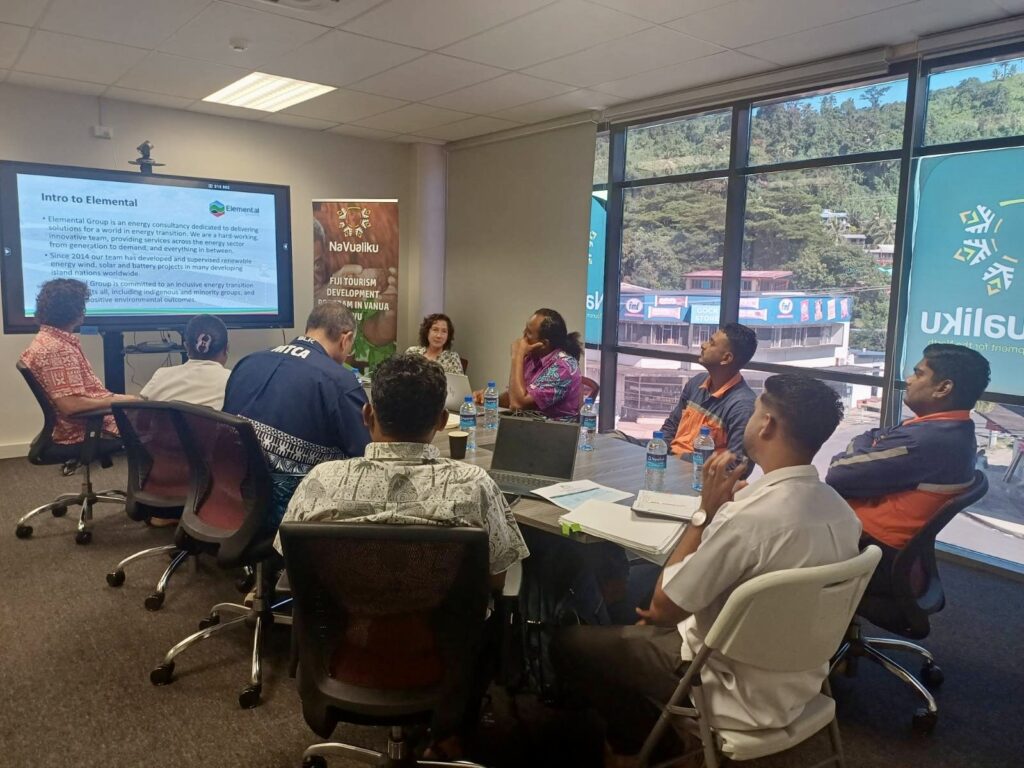
Elemental Power and Renewables, a consulting group based in New Zealand, which has been engaged to carry out the feasibility study, is in Vanua Levu already assessing whether solar photovoltaic (PV) systems can be installed safely and effectively at selected sites.
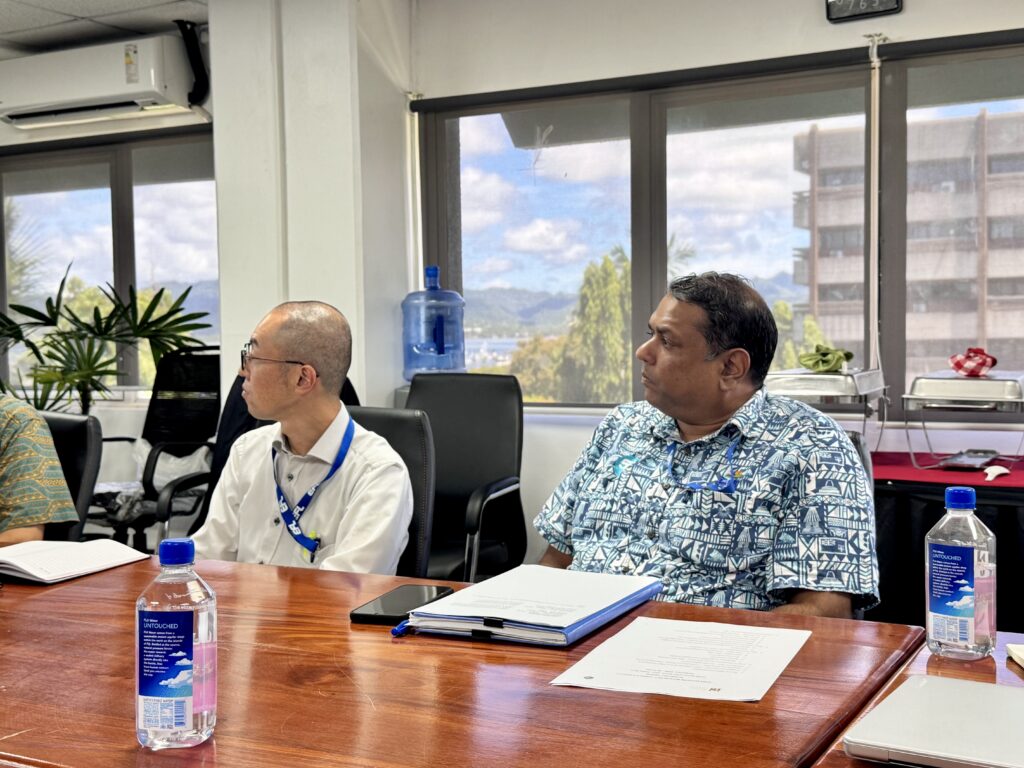
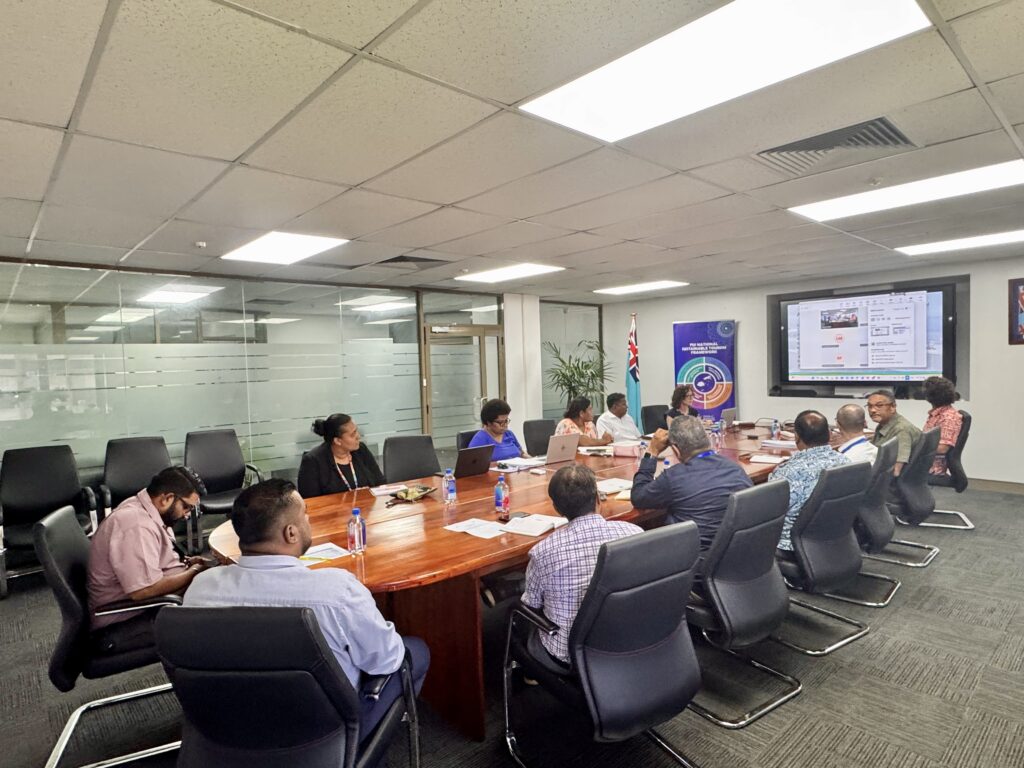
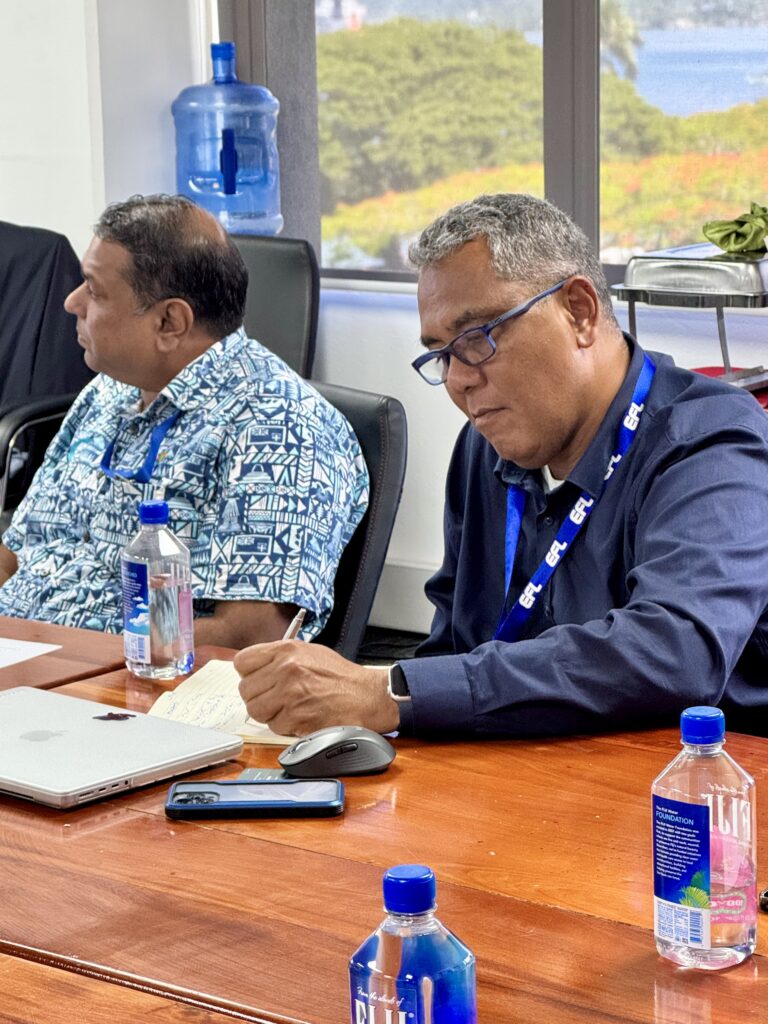
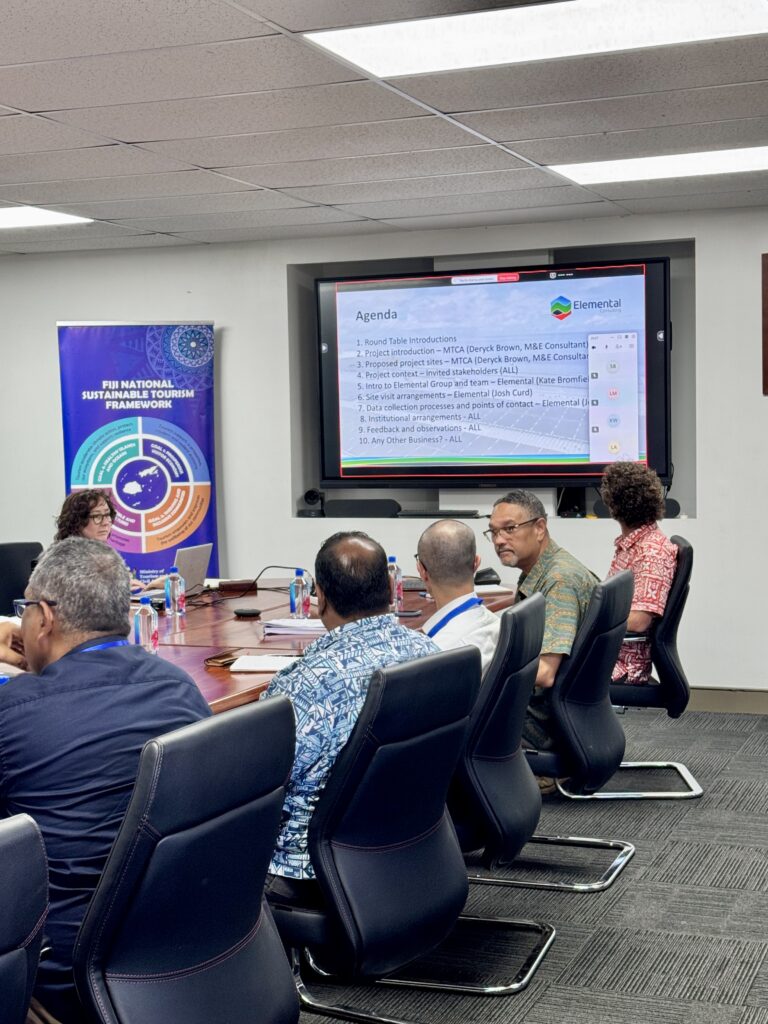
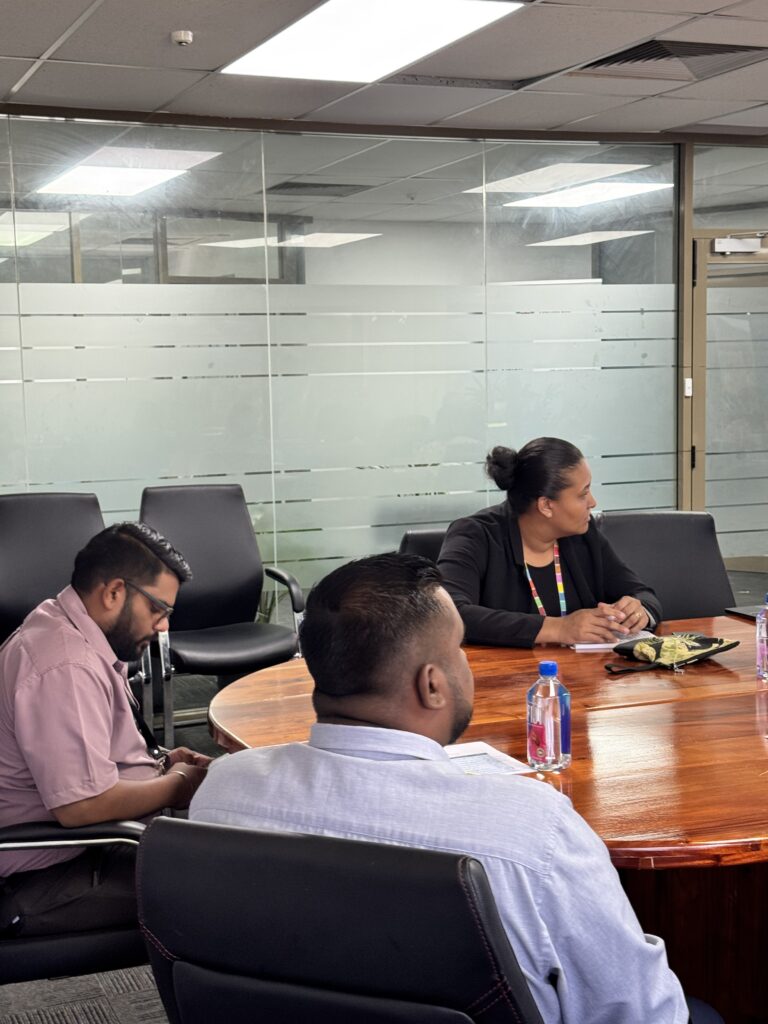
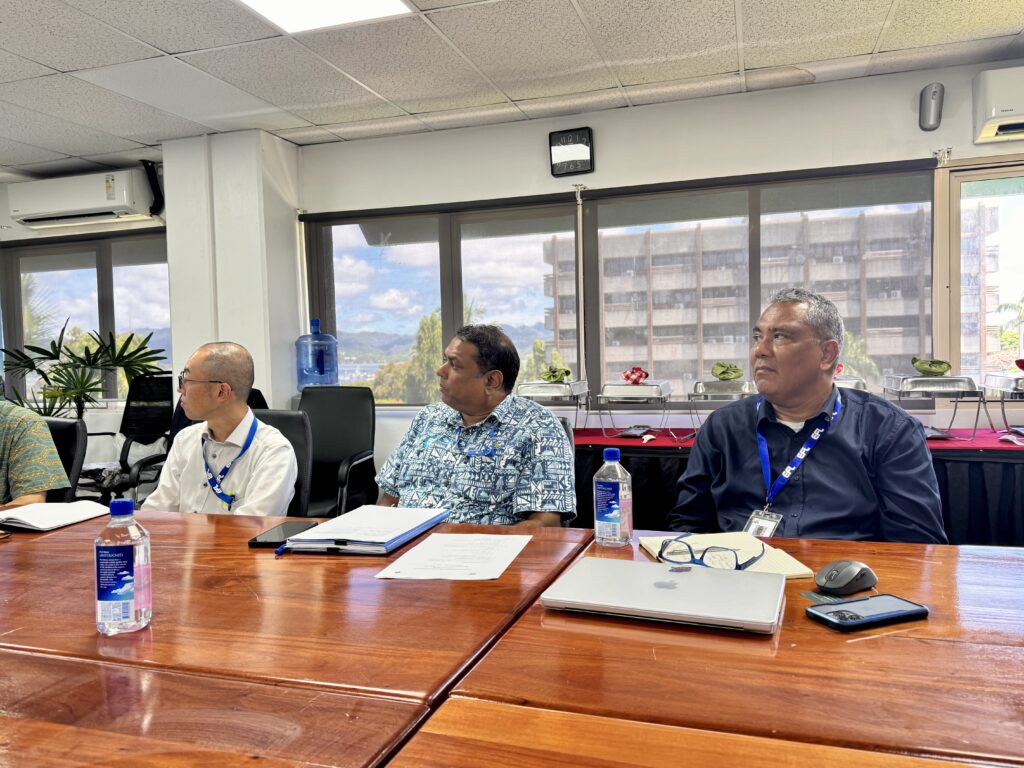
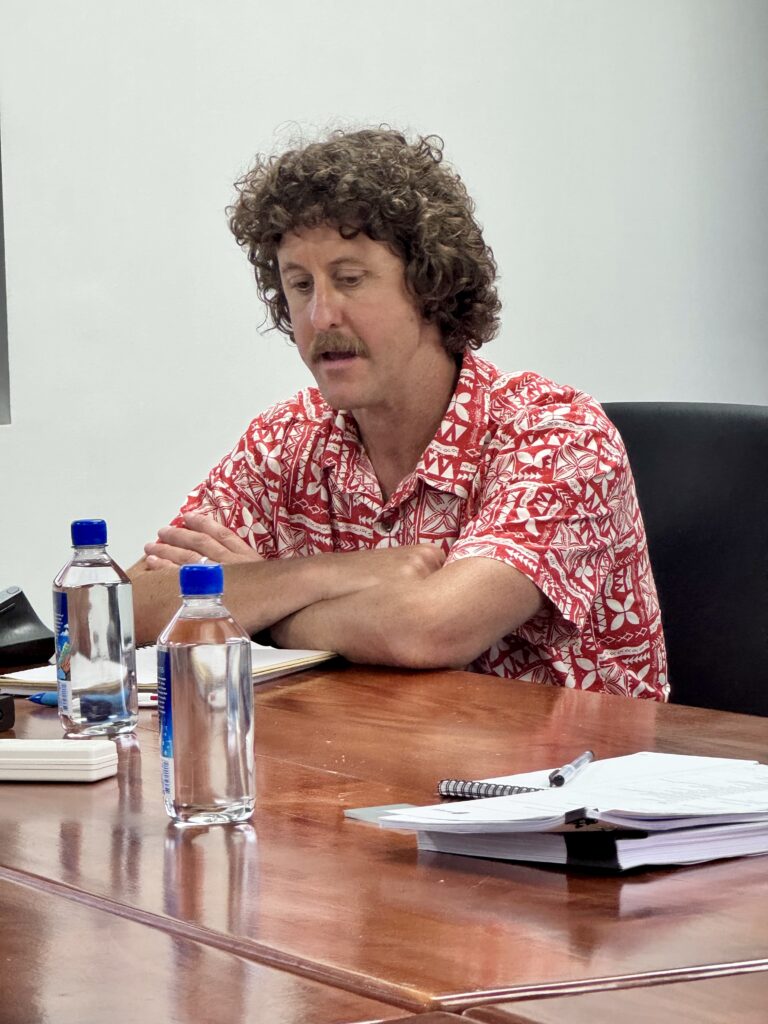
The team began its first on-the-ground stakeholder meetings in Suva with key organisations including Energy Fiji Limited (EFL), the Fijian Competition and Consumer Commission (FCCC), and the Department of Environment. These discussions support early alignment on technical requirements, regulatory considerations, and safe grid integration options.
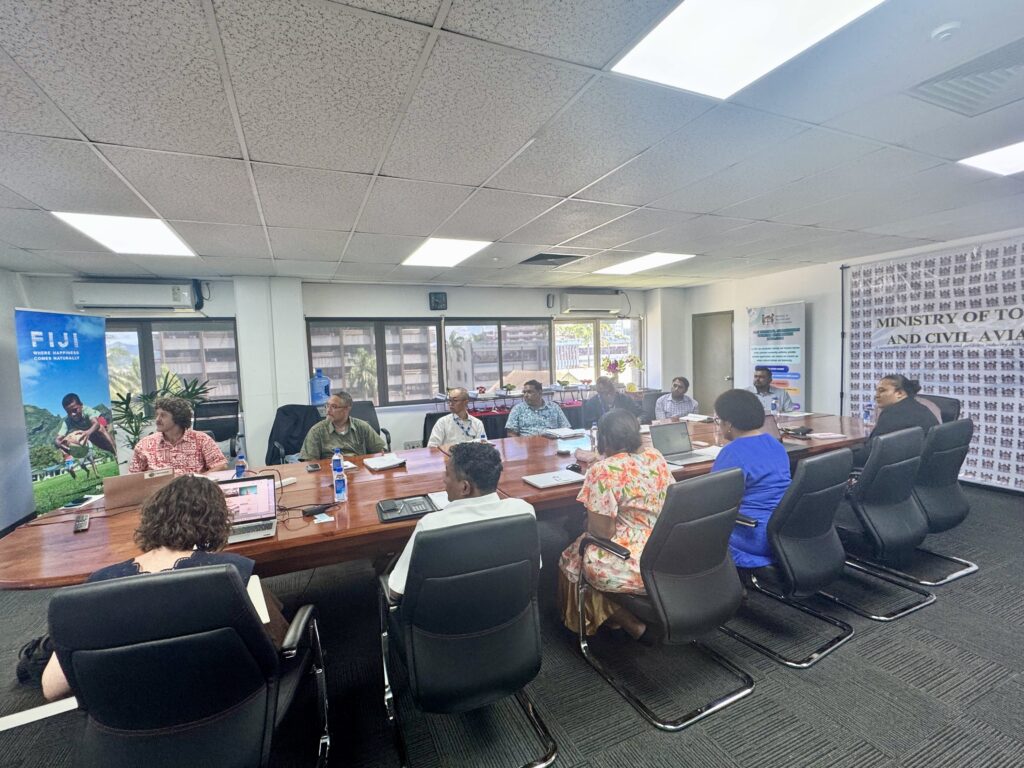
The feasibility study will provide the technical and financial information needed to guide next steps for solar PV installations in Labasa and Savusavu.
When public buildings and facilities pay high power bills, it reduces the resources available for other essential services. Solar power can help lower operating costs over time, which may allow facilities to reinvest in improvements that benefit the public.
This feasibility study also supports Fiji’s shift toward cleaner, more sustainable energy. That means less reliance on traditional energy sources and more long-term resilience for public infrastructure, especially as communities face rising costs and changing climate conditions.
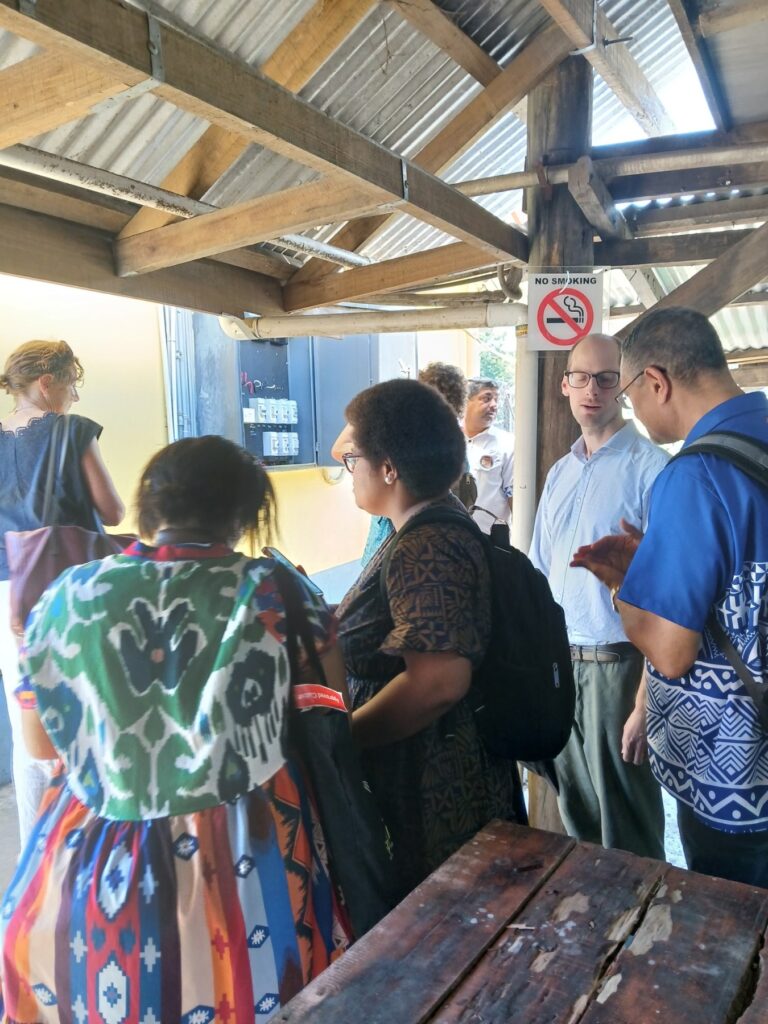
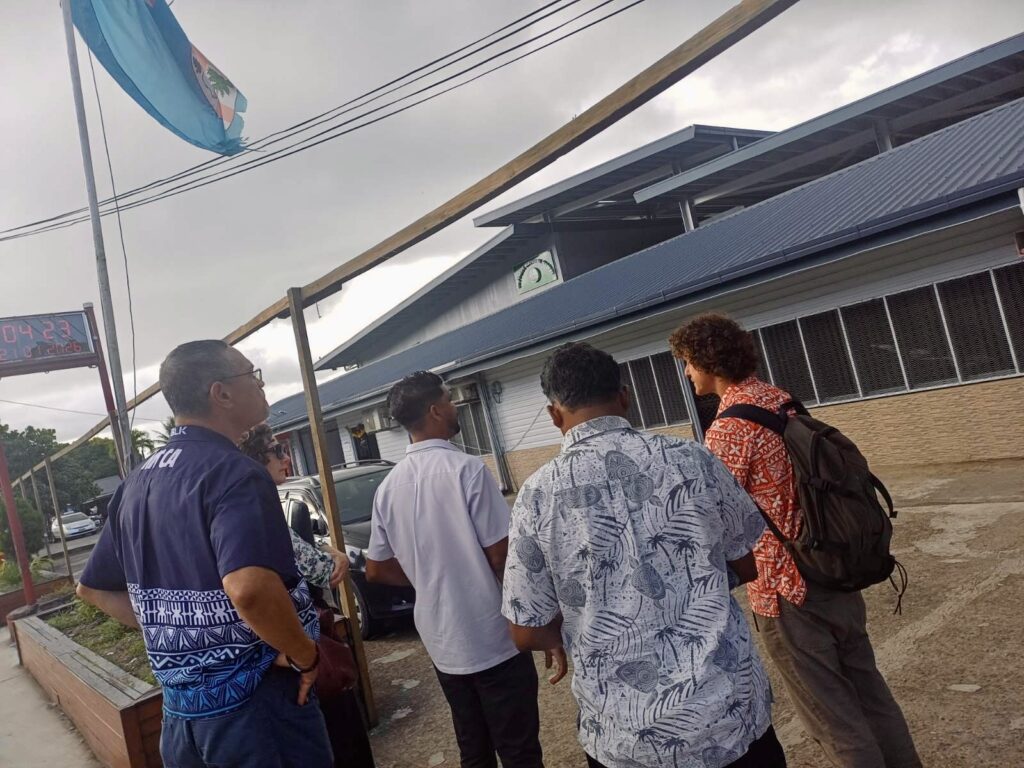
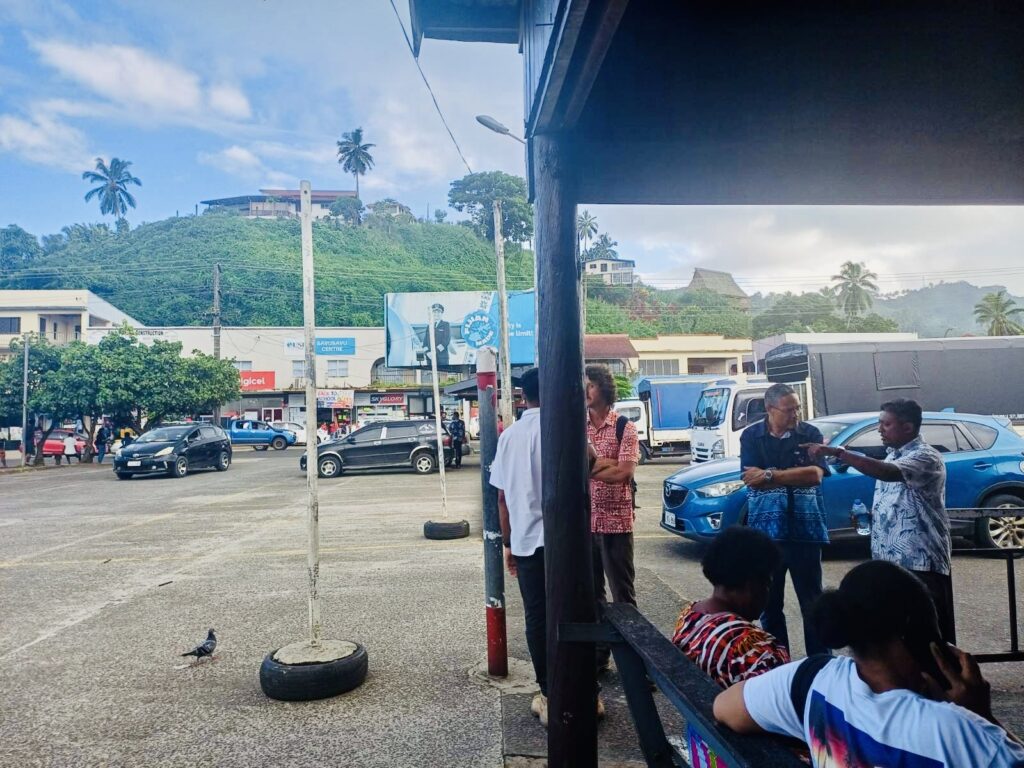
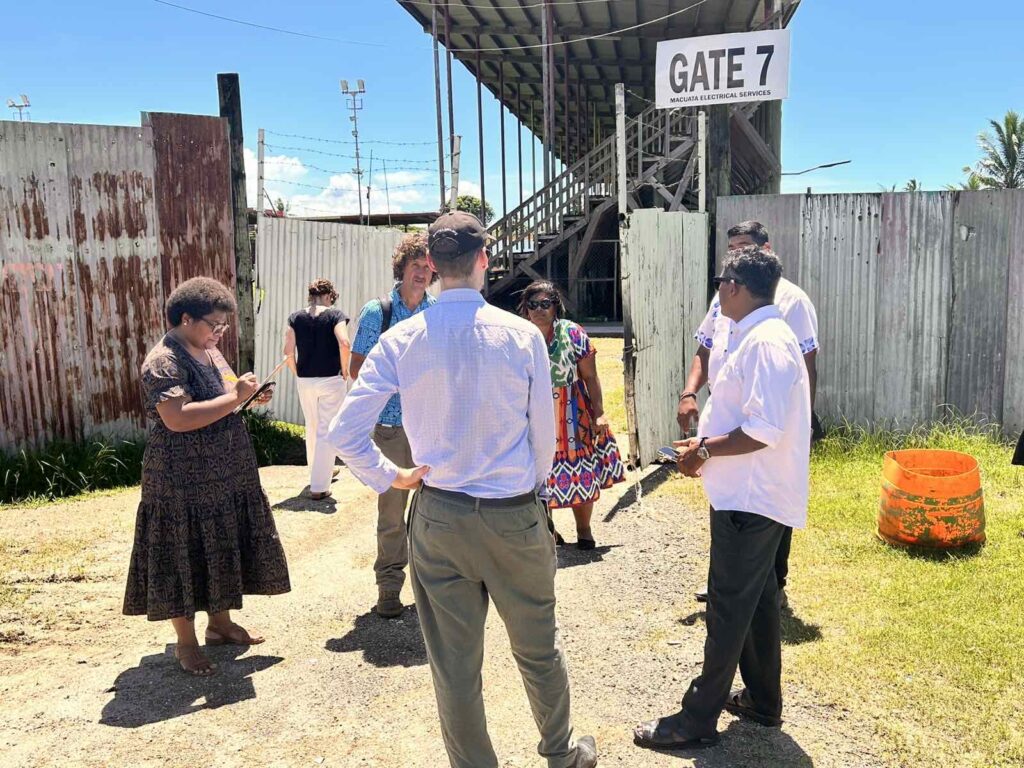
In Vanua Levu, the team is carrying out technical site inspections and collecting detailed data on power use as well as weather patterns. The team will also be considering the structural integrity of the structures to accommodate solar panels. The feasibility study will investigate and identify possible options for solar PV installation for Savusavu and Labasa Municipality areas.
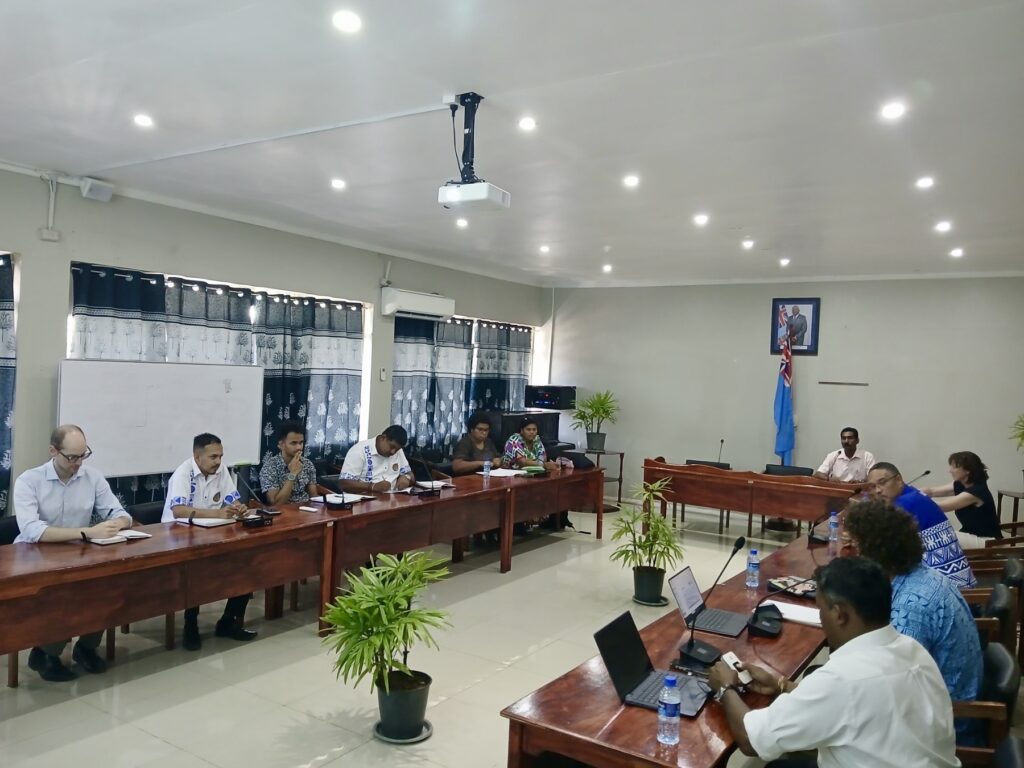
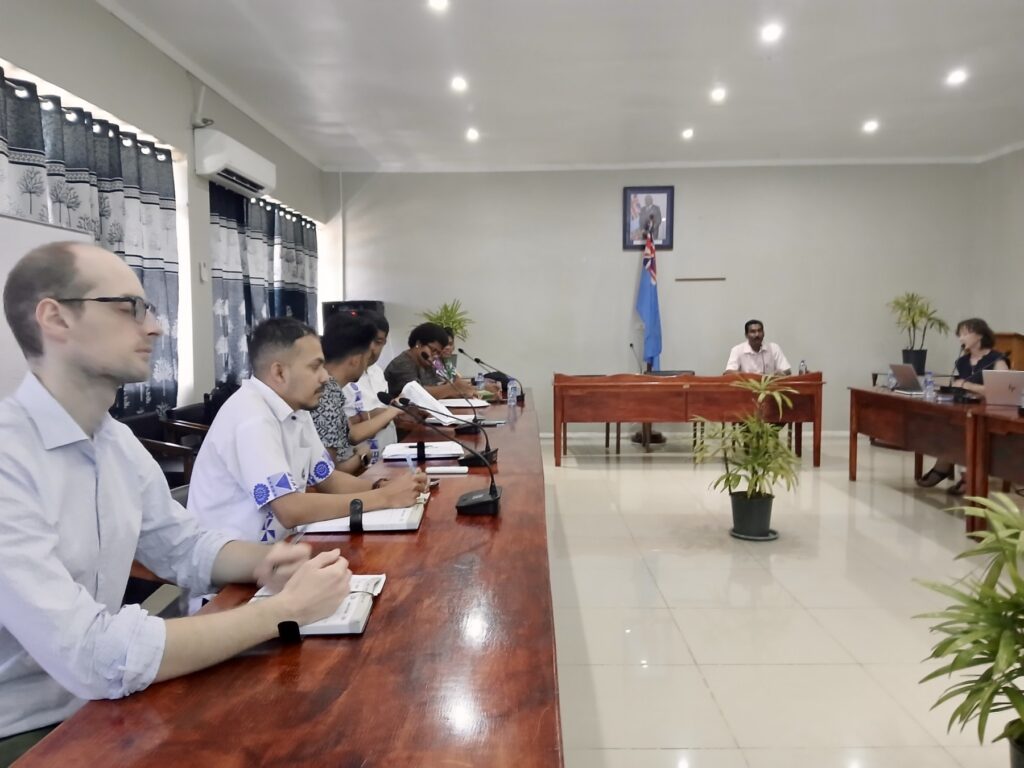
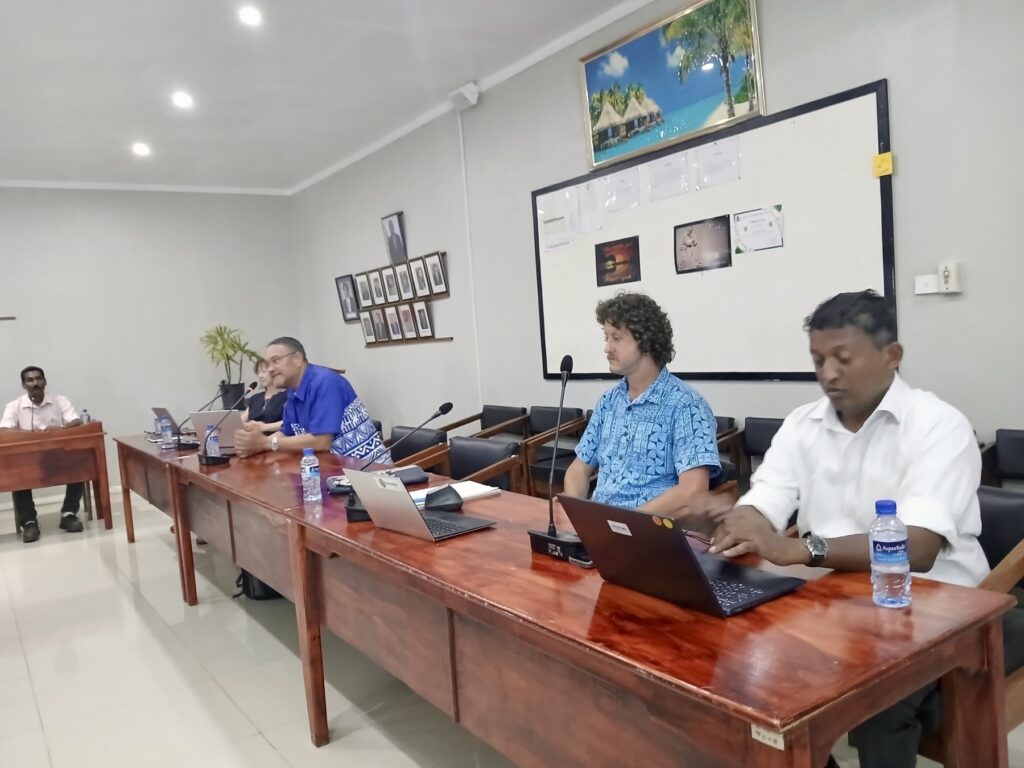
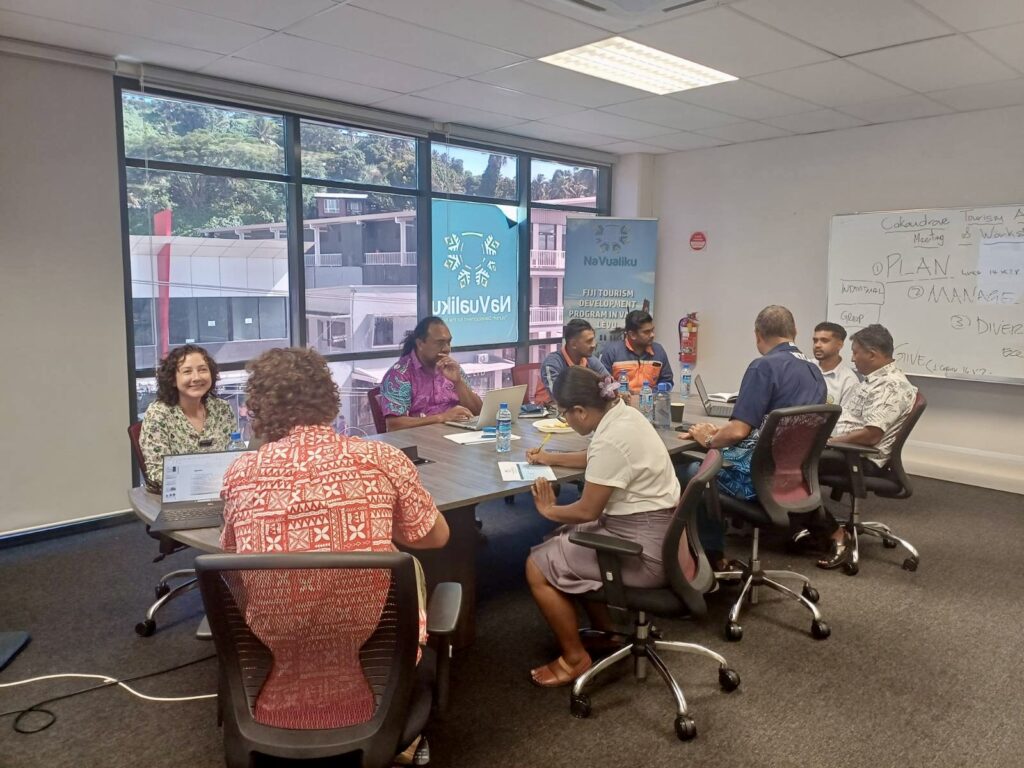
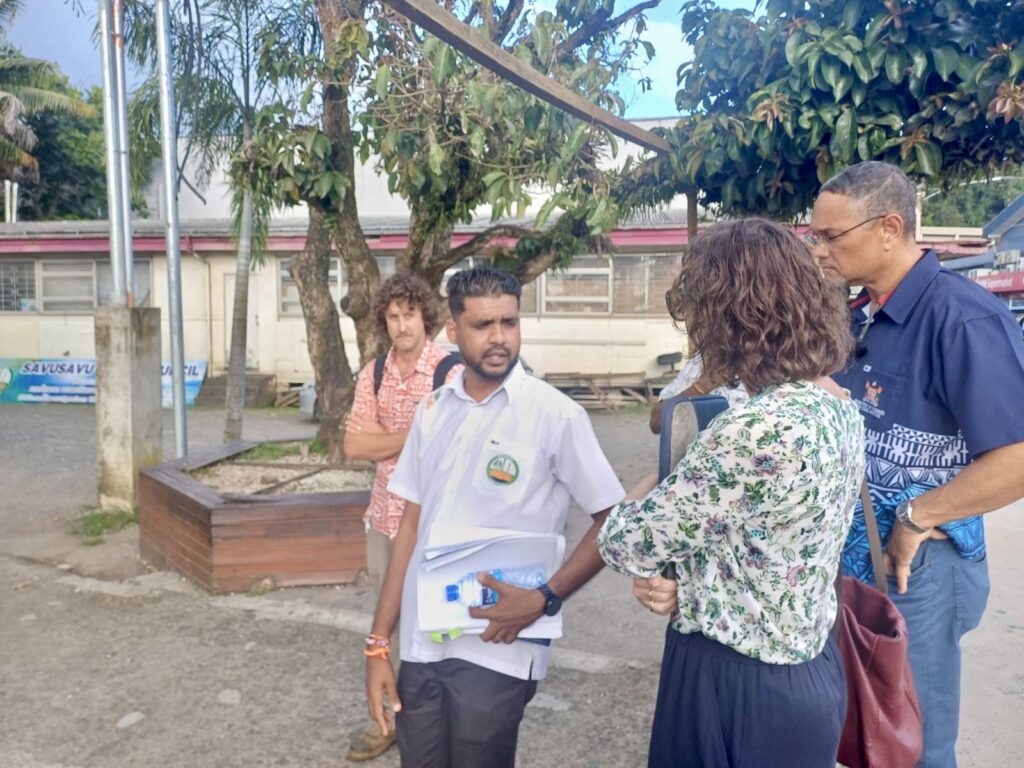
The study will also include environmental and social risk screening, financial and economic analysis, and the preparation of procurement-ready documents to support the next steps. Stakeholder engagement and capacity building will form a critical part of the assignment.
The Na Vualiku Project is a government-led initiative designed to unlock the sustainable tourism potential of Vanua Levu and Taveuni. The Project is funded through a loan from the World Bank and is implemented by the Ministry of Tourism and Civil Aviation as the lead agency, in collaboration with Fiji Airports and Fiji Roads Authority.
