Solid Waste Management
Infrastructure Transformation in the North
Elevating Environmental Standards to Safeguard Fiji’s Tourism Value: 🌿 Landfills vs. Dumps
The true foundation of a thriving, world-class tourism industry lies not just in pristine reef systems, lush rainforests, and world-renowned hospitality, but in how meticulously we safeguard our natural assets.
Sustainable growth requires robust public infrastructure capable of preserving the very environment that draws visitors from around the globe. However, regional growth introduces real structural pressures on environmental health, particularly regarding how waste is managed. Traditional rubbish disposal methods are increasingly unsuited to meet the needs of growing municipalities and modern tourism standards.
Protecting the “Friendly North” starts with building the right infrastructure to keep our environment pristine! 🌿🗑️
The Na Vualiku Project’s Solid Waste Management initiative is designed to modernize the infrastructure needed to transition the Northern Division toward an engineered, sustainable waste system.
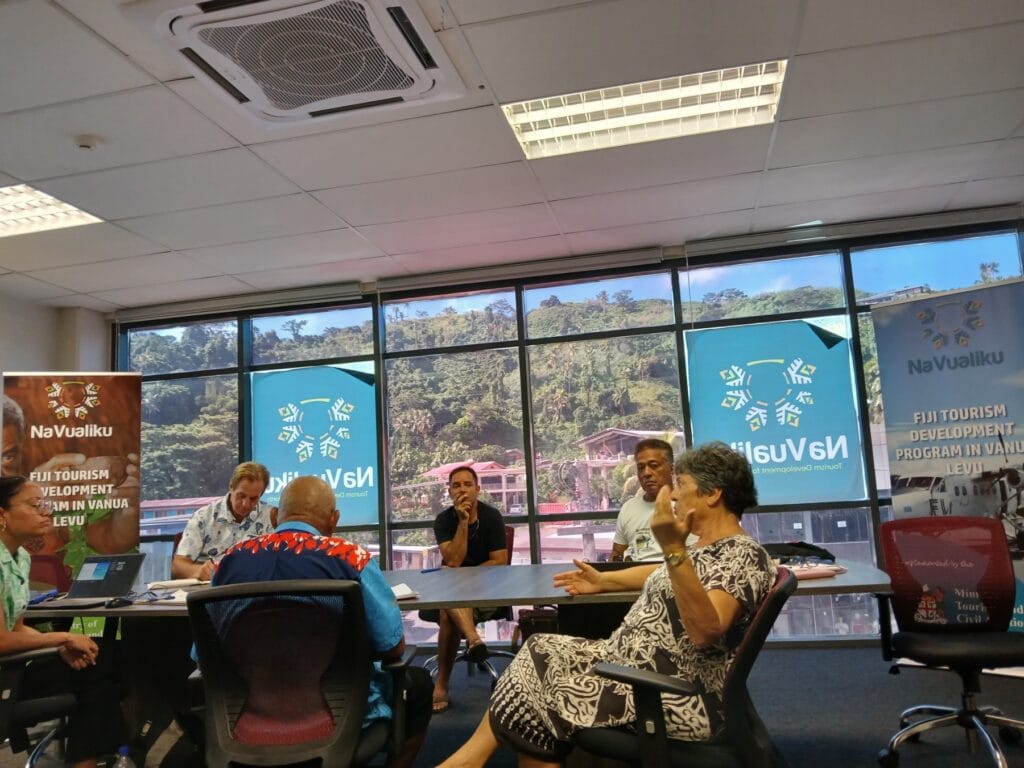
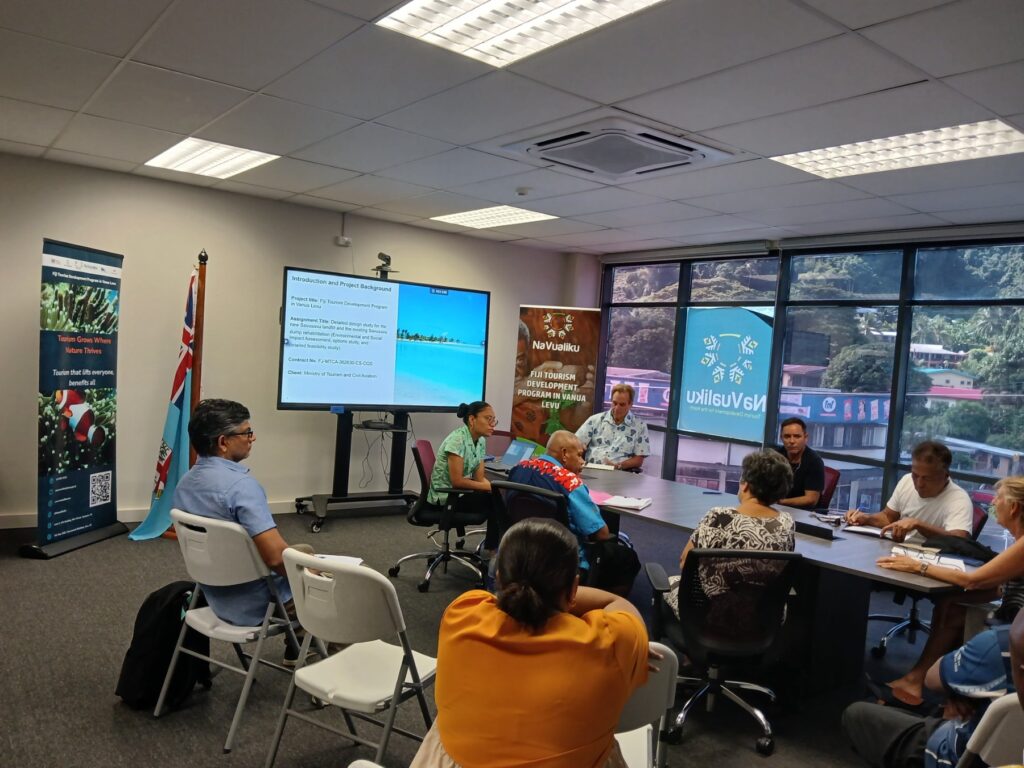
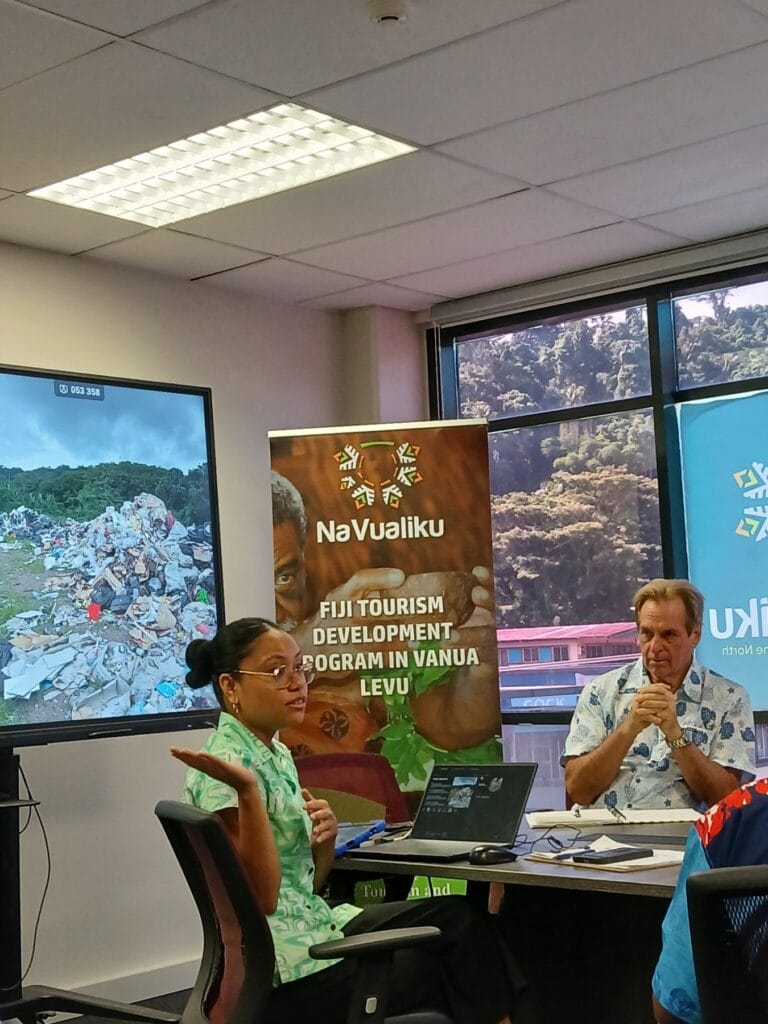
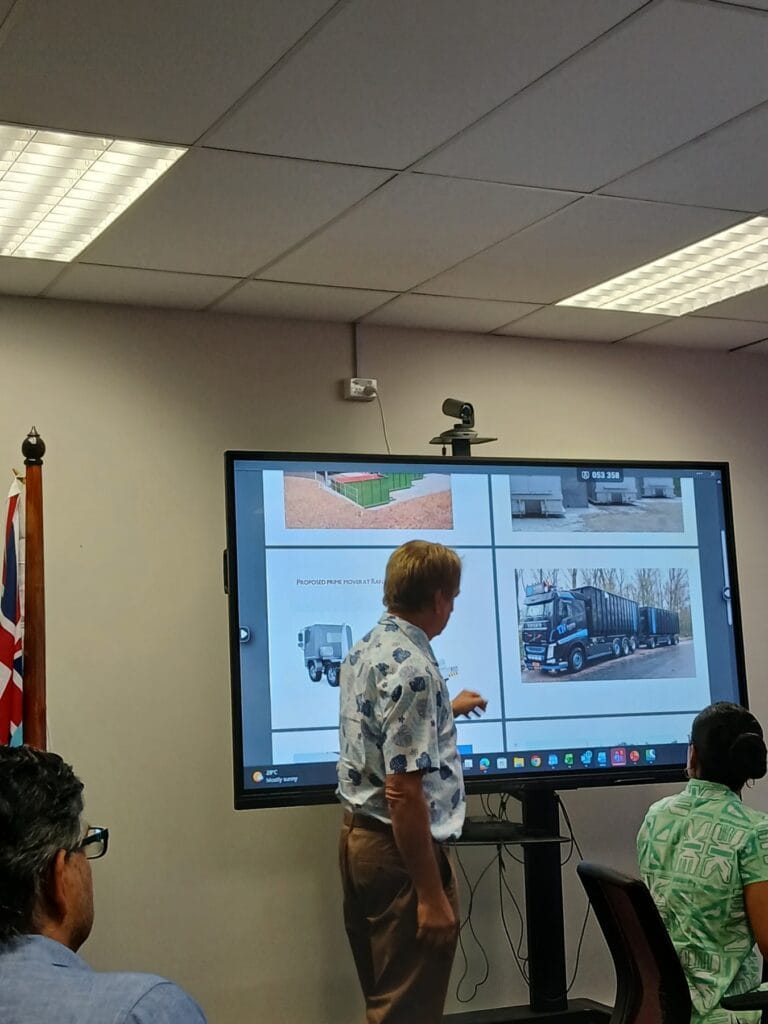
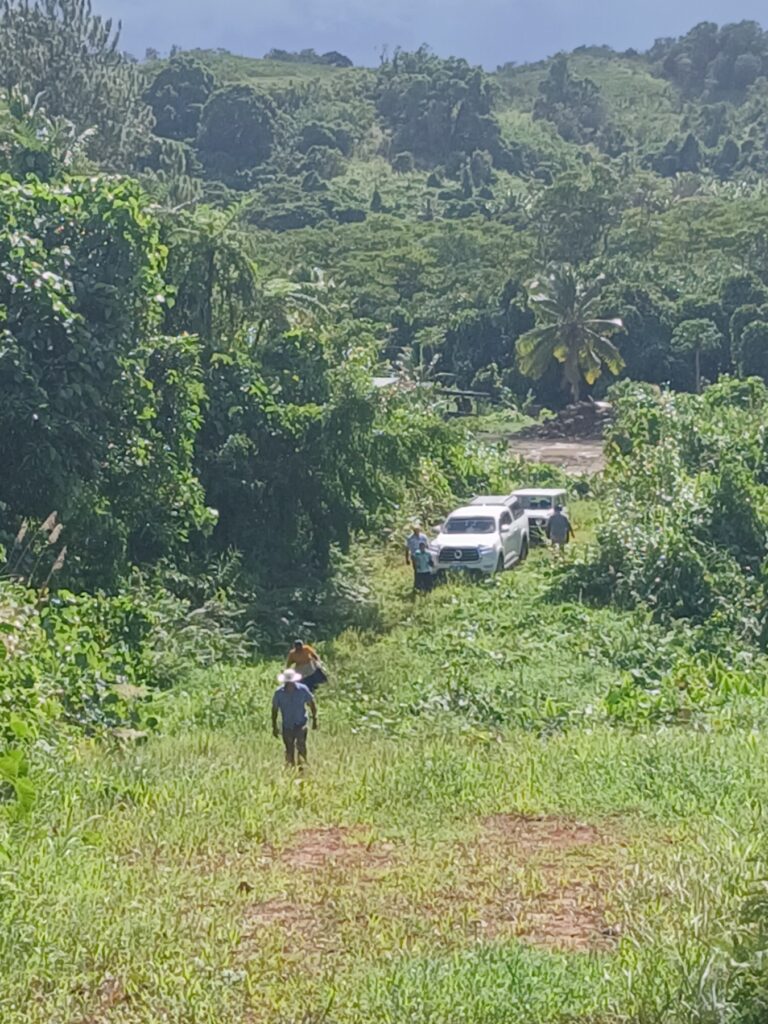
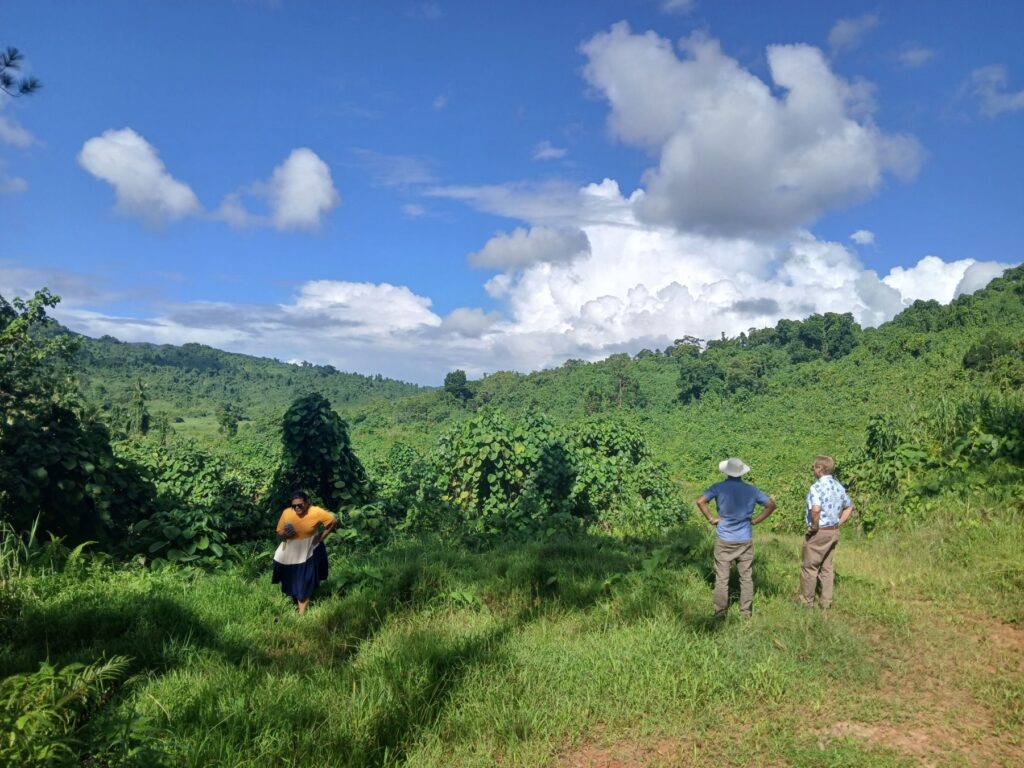
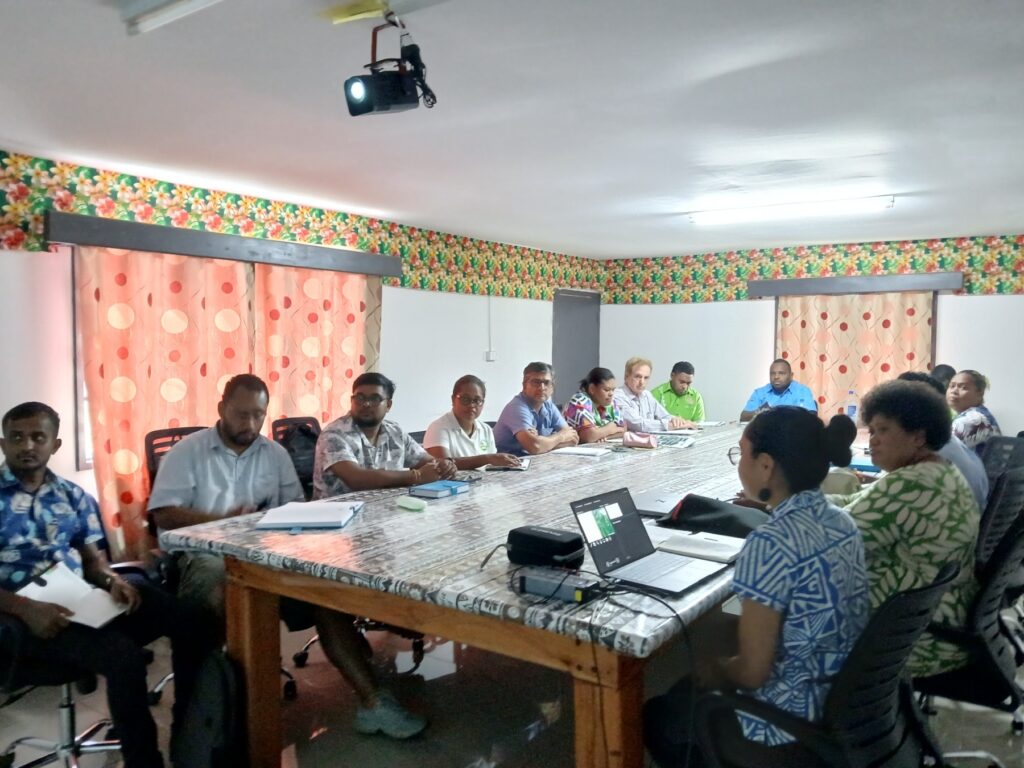
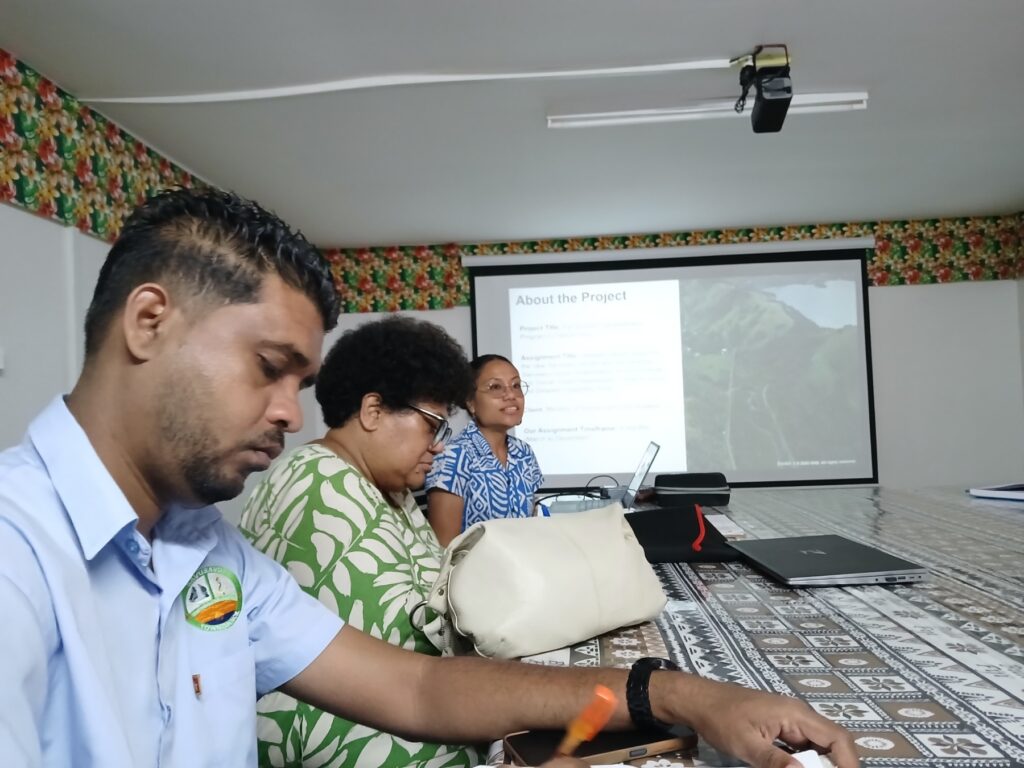
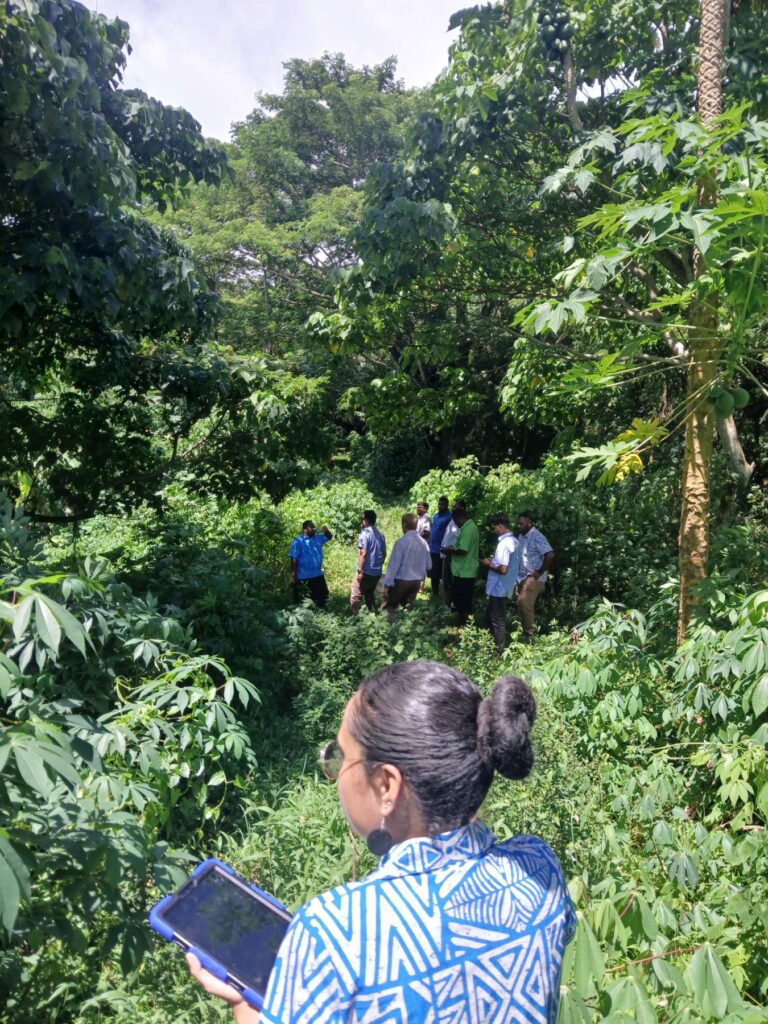
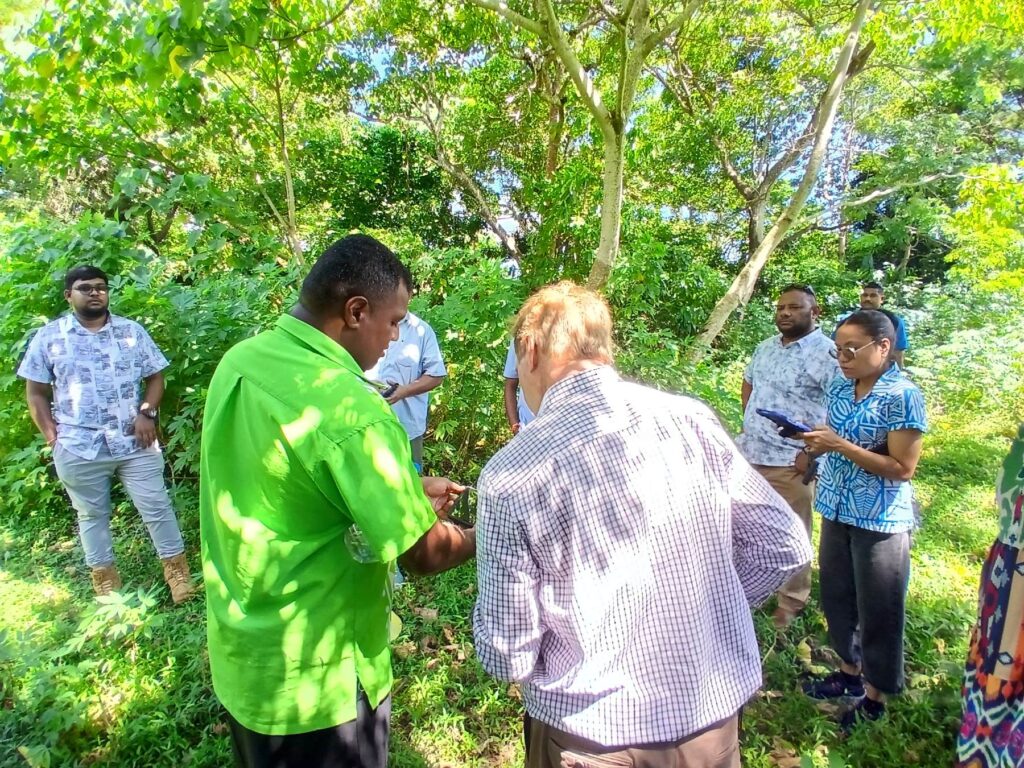
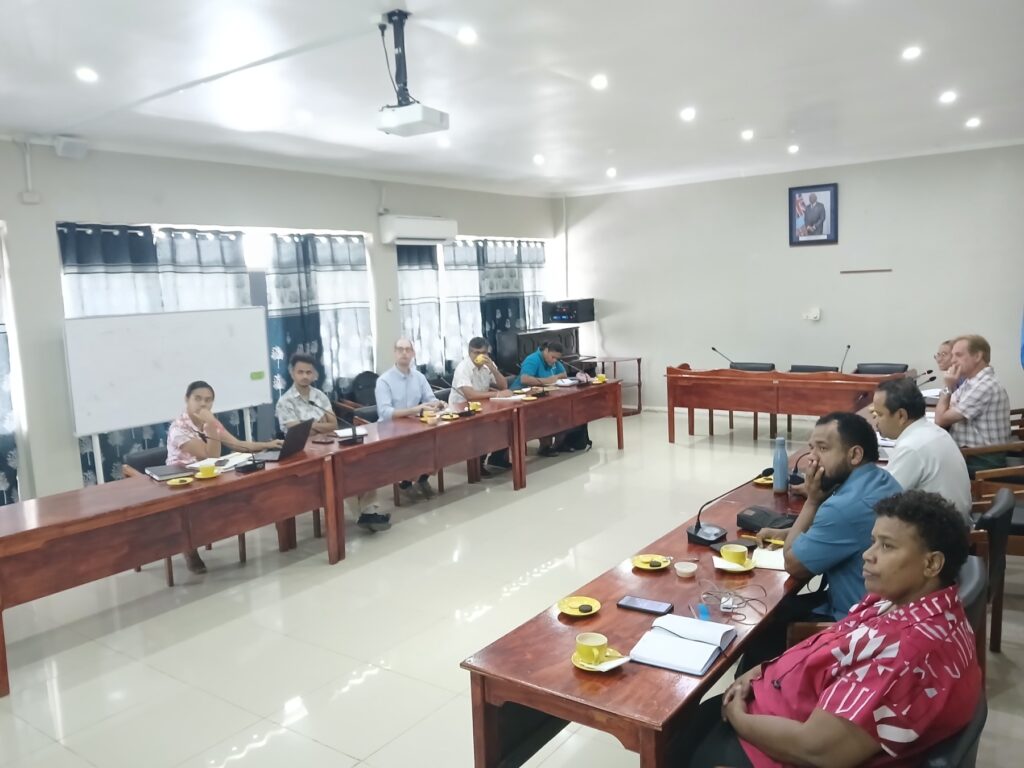
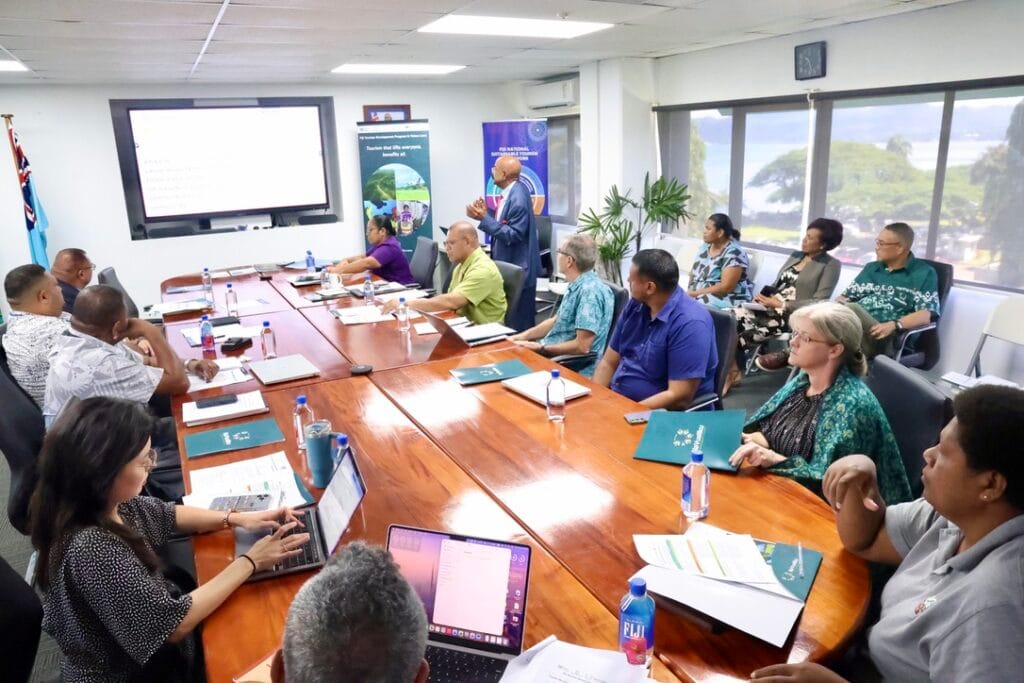
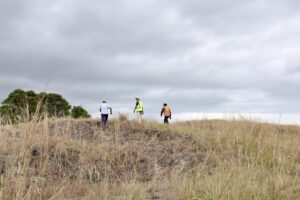
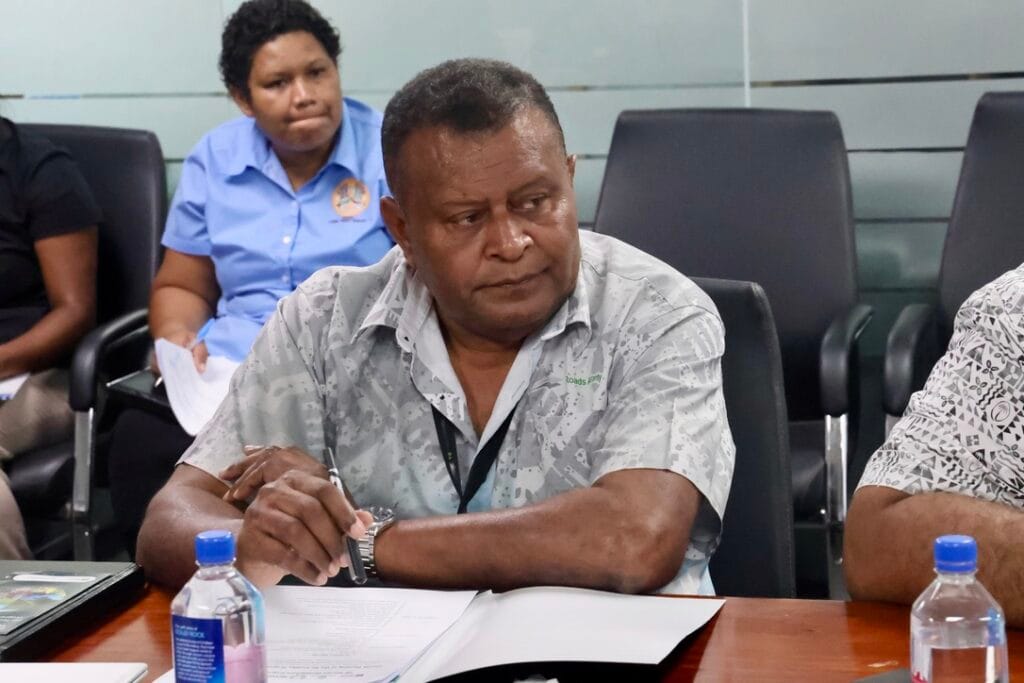
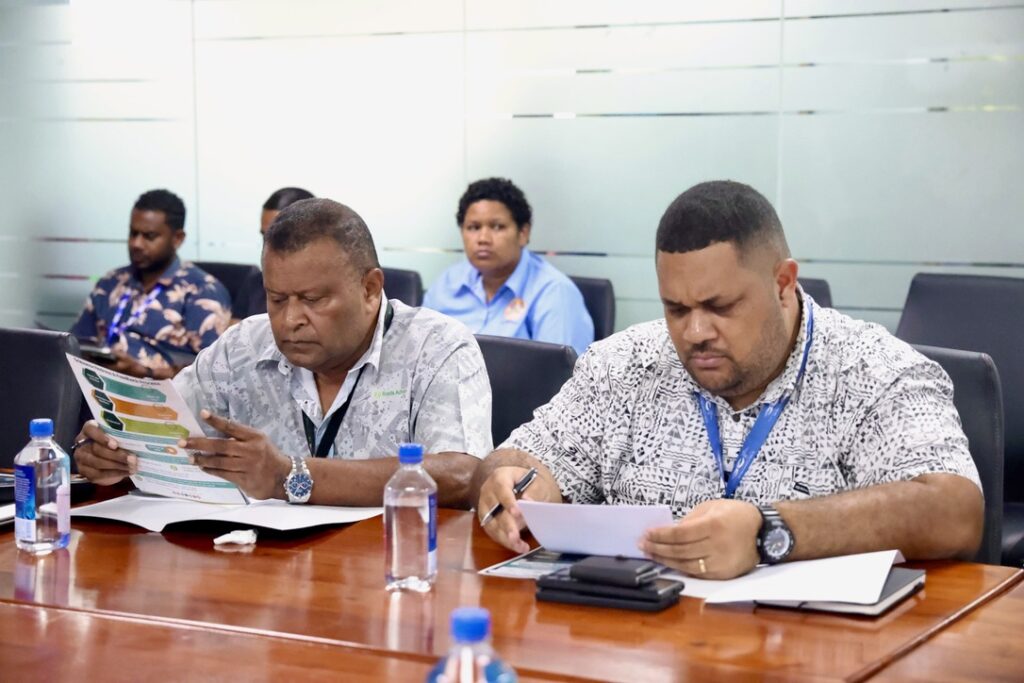
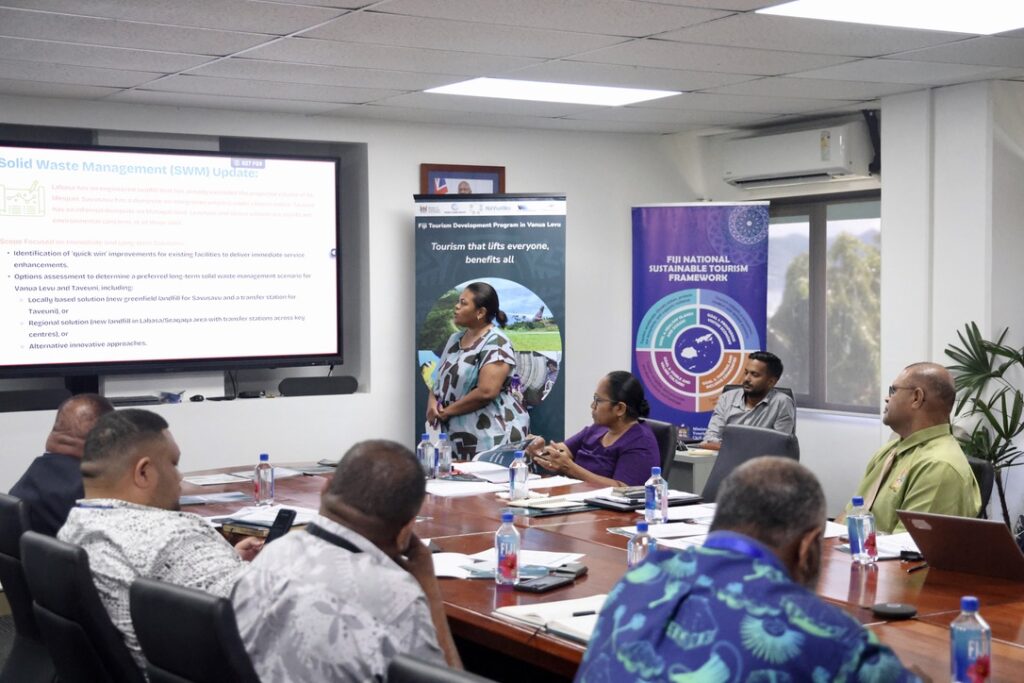
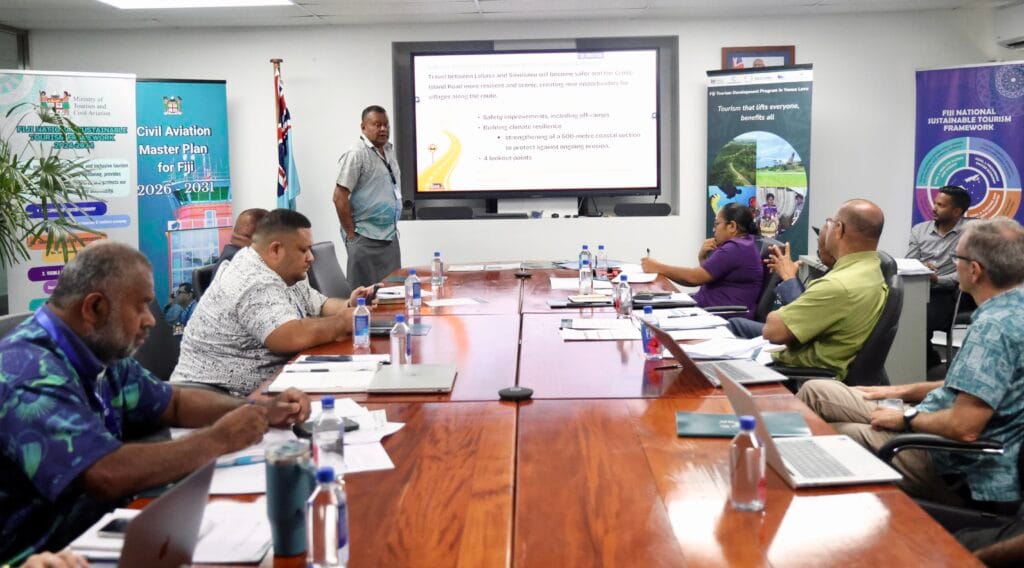
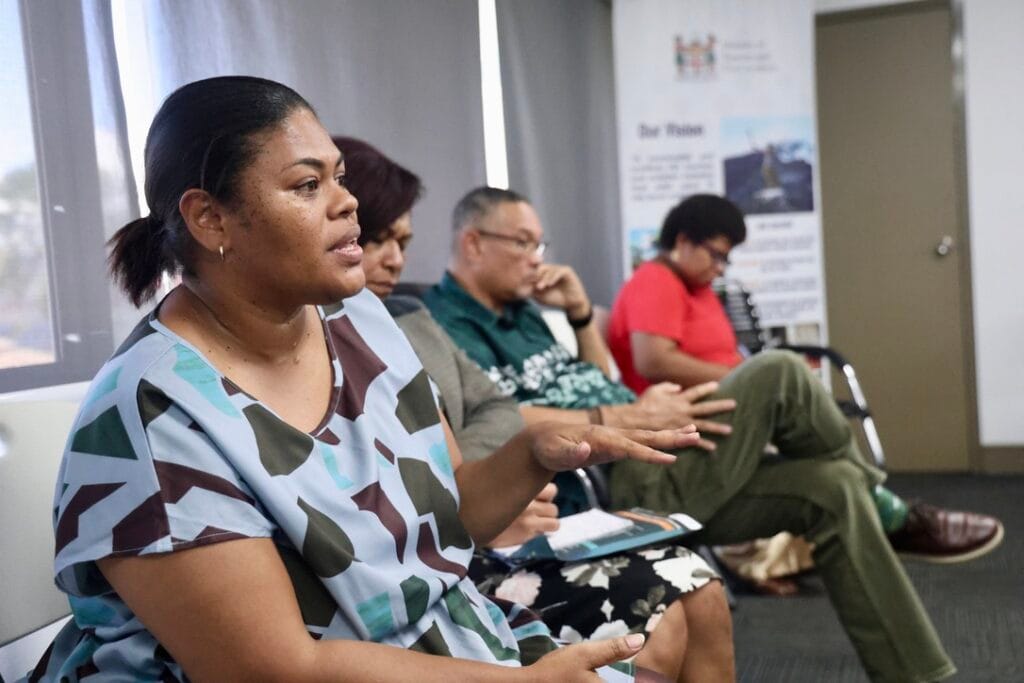
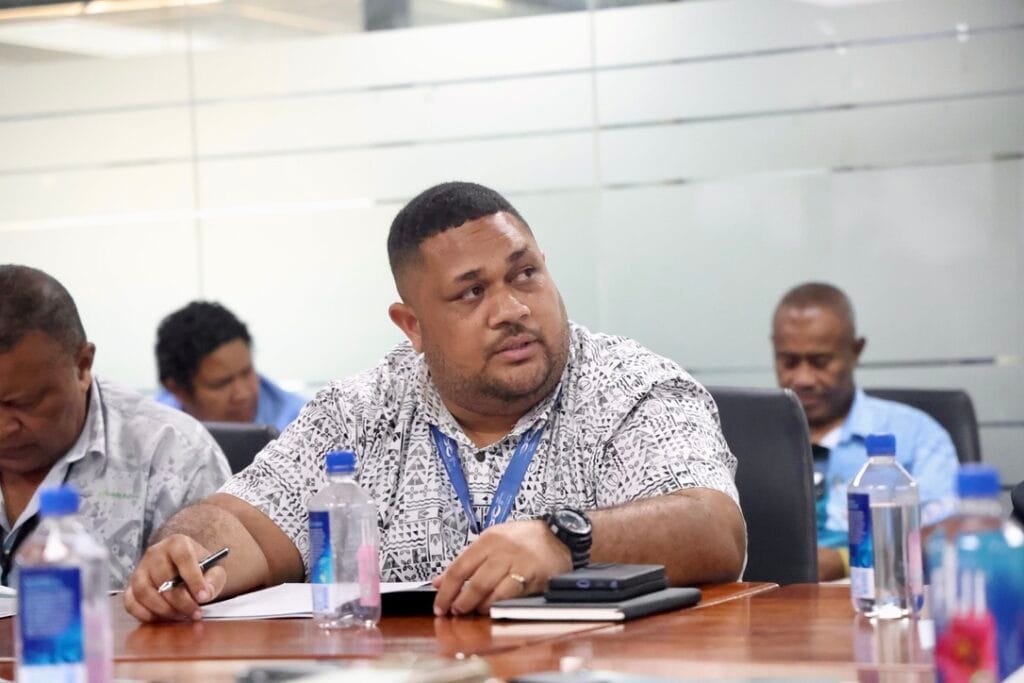
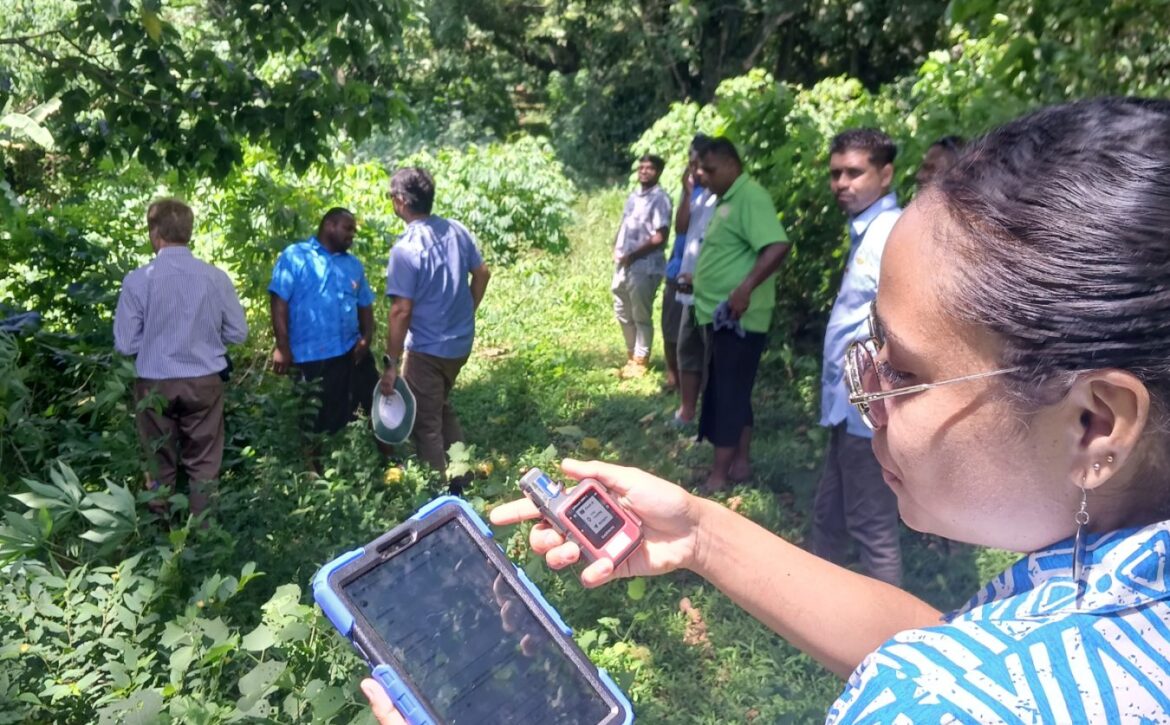
Following initial, extensive stakeholder consultations and site visits, the Project is advancing strategic technical assessments and practical options tailored for Labasa, Savusavu, Taveuni, and surrounding areas. This groundswell of preparatory planning ensures that our upcoming interventions directly serve the needs of local towns and traditional custodians alike.
Understanding the Infrastructure Shift: Dumps vs. Engineered Landfills
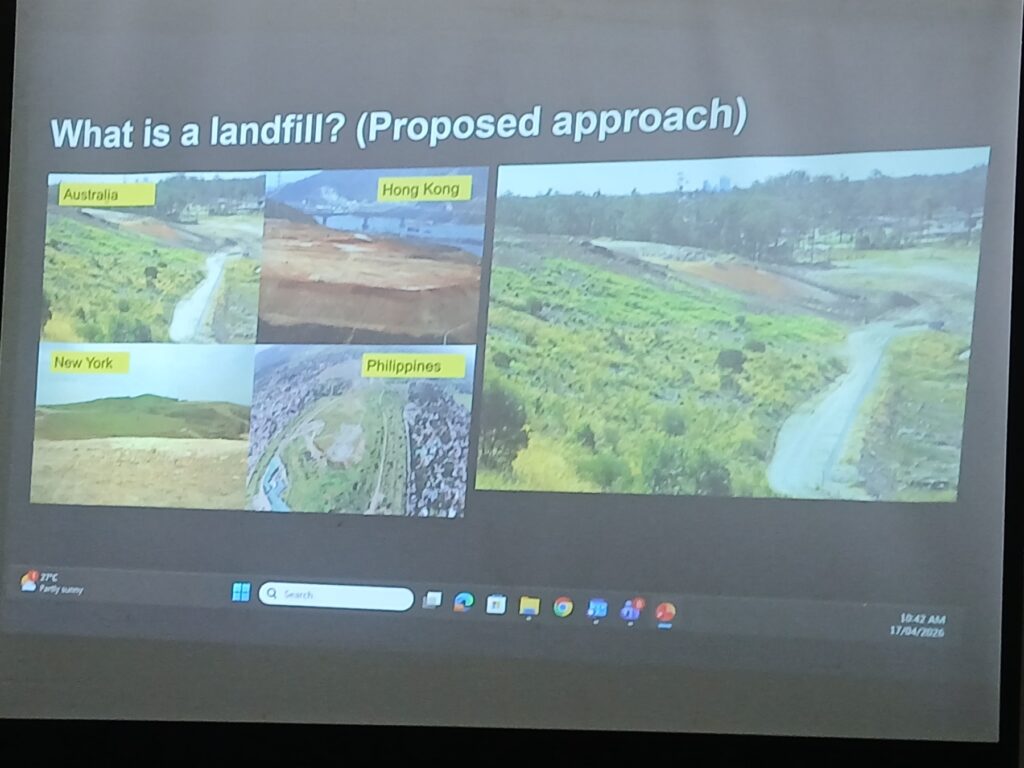
A rubbish dump and a landfill may sound similar, but they are completely different in how they protect people, land, water, and our shared environment:
- The Traditional Rubbish Dump: Typically an open or poorly controlled site where waste is placed with limited planning, engineering, or protective barriers. These unmanaged sites create foul odors, attract disease-carrying pests, release smoke if burned, and critically allow toxic, polluted liquid to seep into soil, rivers, groundwater, and pristine coastal ecosystems.
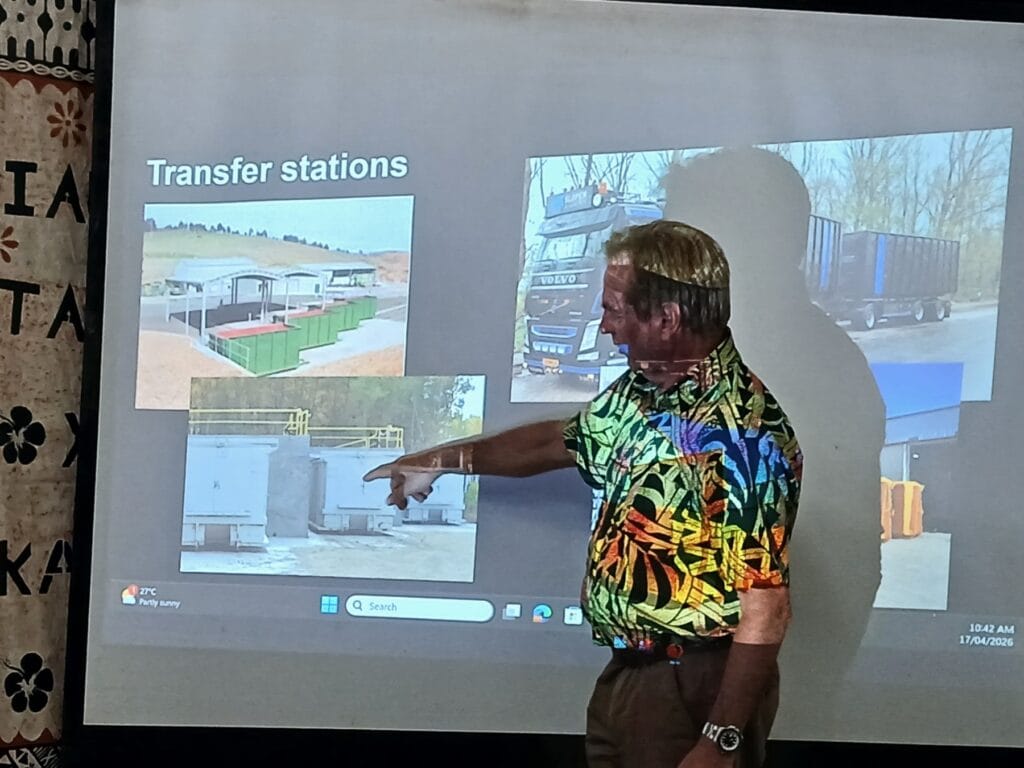
- The Engineered Landfill: A highly planned, modern facility engineered to control exactly where waste goes, how it is compacted, and how it is covered. Proper landfills utilize sophisticated containment designs to capture contaminated liquid and runoff, implement waste sorting and drainage systems, ensure strict access control, and utilize long-term site monitoring to keep nearby communities and natural ecosystems safe.
Turning Plans Into Action: The Timeline
Moving from administrative planning to active delivery, our project timelines are geared toward making an immediate, practical impact:
- July 2026 Milestone: The Project is on track to officially identify immediate, early improvements that can be executed directly at current disposal facilities.
- November 2026 Mobilization: Ground works are expected to commence on-site for these early improvements, establishing an operational bridge while technical planning continues on the long-term, engineered regional waste management infrastructure options.
The Broader Impact: Securing the Future of Northern Tourism
Sustainability cannot be bought or imported; it is forged by protecting the health of our communities, keeping our towns clean, and safeguarding the natural assets of Vanua Levu and Taveuni.
Through the #NaVualikuProject work is underway to plan a safer, cleaner solid waste management system across Labasa, Savusavu, and Taveuni. Our goals go far beyond simply finding more space for trash; together with stakeholders, we are planning a sustainable infrastructure that mitigates environmental risks and protects our town ecosystems.

 Read more in our latest newsletter: