
Empowering 60,000 Fijians ~ from local communities and entrepreneurs to workers and travellers.
Benefits for Communities

By 2033, the Program will deliver:

  • New tourism jobs – with inclusive opportunities for women and youth.
  • Improved essential services such as water, waste management, and energy for both communities and visitors.
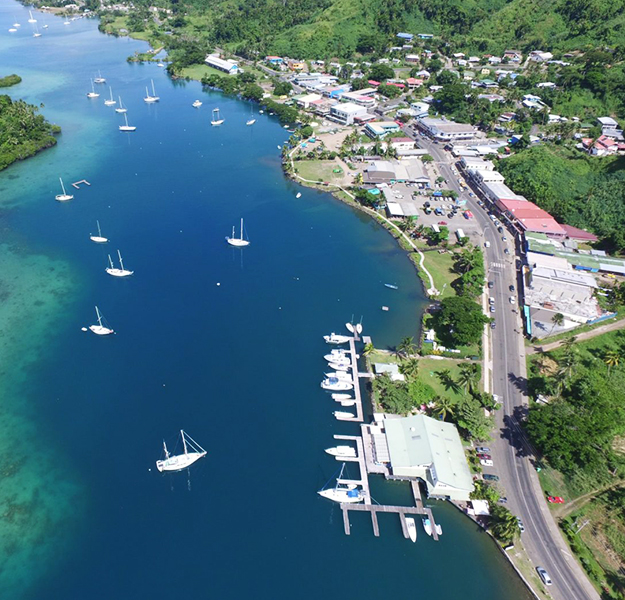
  • Resilient infrastructure that connects towns, villages, and key tourism sites across Vanua Levu.
  • Expanded conservation areas to protect reefs, forests, and cultural heritage.
  • Stronger local enterprises through MSME support and increased private sector investment.
Boosting women-led MSMEs through skills, quality, and market access.

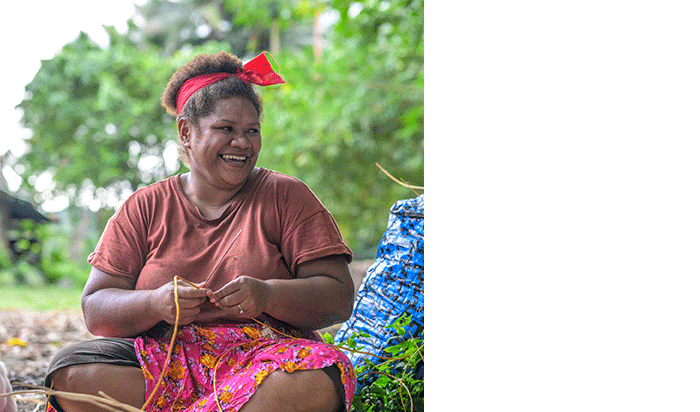
Nearly one third of women’s employment in Fiji before the pandemic was in tourism, hospitality, and retail, and the vast majority are self-employed in micro to small enterprises. In Vanua Levu, a sizable share of women’s self-employment is in the production of handcrafts and cultural products. Component 1 of the Project also supports existing MSMEs to increase their sales of tourism and tourism-related products and services, and will boost their competitiveness, the quality of their offer, market access, and access to business development services.


Growing community incomes through sustainable tourism and conservation.

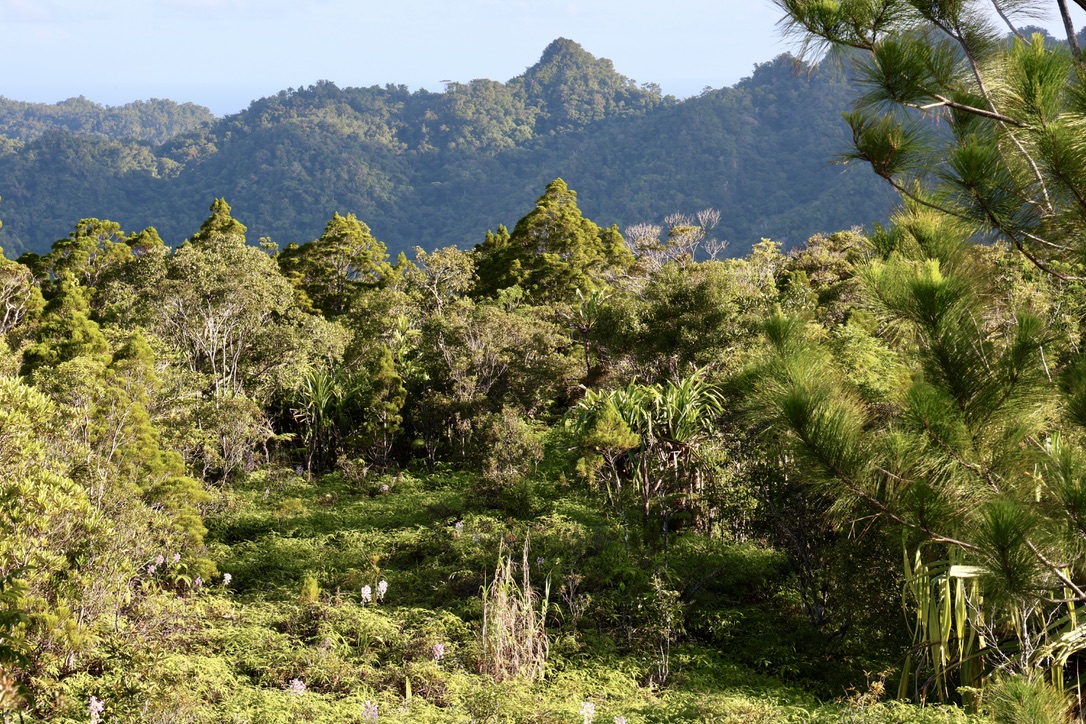
Community-based tourism initiatives, including the rehabilitation of the Waisali Rainforest Reserve on community-owned land, will strengthen knowledge of tourism and conservation, build business and hospitality skills, and ultimately generate higher incomes for local communities. The wider tourism industry will also benefit through improved environmental sustainability, health and hygiene standards, and overall cleanliness — enhancing Vanua Levu’s appeal as a destination.

Positive Impacts of Transportation Investments

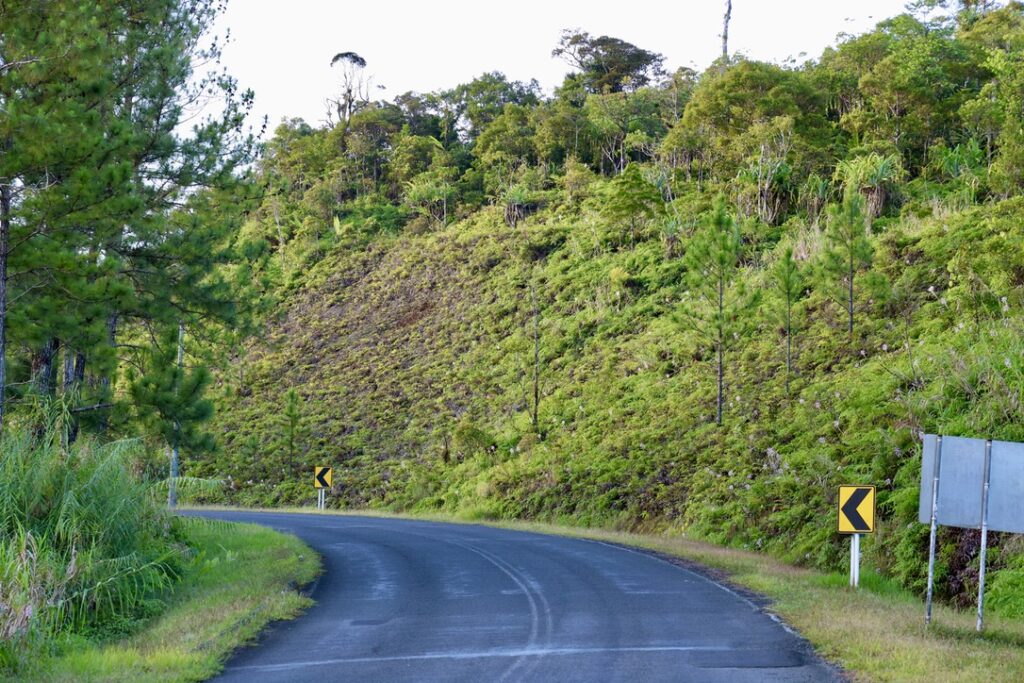
The Program’s planned transportation investments will improve road safety for both residents and visitors, reduce travel times for trade and business activities, and create new opportunities for environmentally friendly travel, including bicycle paths and pedestrian walkways.

Waste Management Improvements

Investments in solid waste and wastewater management will strengthen environmental sustainability by protecting both land and marine ecosystems. These improvements will also benefit agriculture, aquaculture, and fisheries MSMEs, giving them access to cleaner, healthier natural resources.

What will success look like?
🏗️ Improved Infrastructure & Liveability:

Upgraded airports, safer roads, enhanced sanitation, and clean energy solutions will serve both tourists and local residents.

💼 Economic Growth & Jobs:

The Project will stimulate private investment, support MSME development, and create new employment opportunities, particularly for women and youth.

👩🏽‍💼Empowered Communities:

Community-based tourism initiatives and skills training will increase local participation and ensure that economic benefits stay within Vanua Levu.

🌿 Environmental Protection:

Investments in marine managed areas, waste systems, and conservation will protect biodiversity, enhance ecosystem services, and improve the destination’s appeal to high-value tourists.

🤝 Stronger Climate Resilience:

Climate-smart infrastructure, early warning systems, and resilient tourism planning will reduce risk and improve response to future disasters.

At its heart, the Program is about creating a thriving, inclusive tourism economy in Vanua Levu

~ one that empowers communities, protects the environment, and offers world-class experiences for visitors.