Woven into the North: The souvenir becomes a story. The story becomes an experience.
The Women Behind Some of Vanua Levu and Taveuni’s Most Distinctive Tourism Stories
From Kuta gathered in Vanua Levu’s wetlands to a Tagimoucia flower recreated in Tapa and pearl shells polished into jewellery, generations of Indigenous women have carried knowledge that gives Fiji’s North something no destination can simply reproduce.
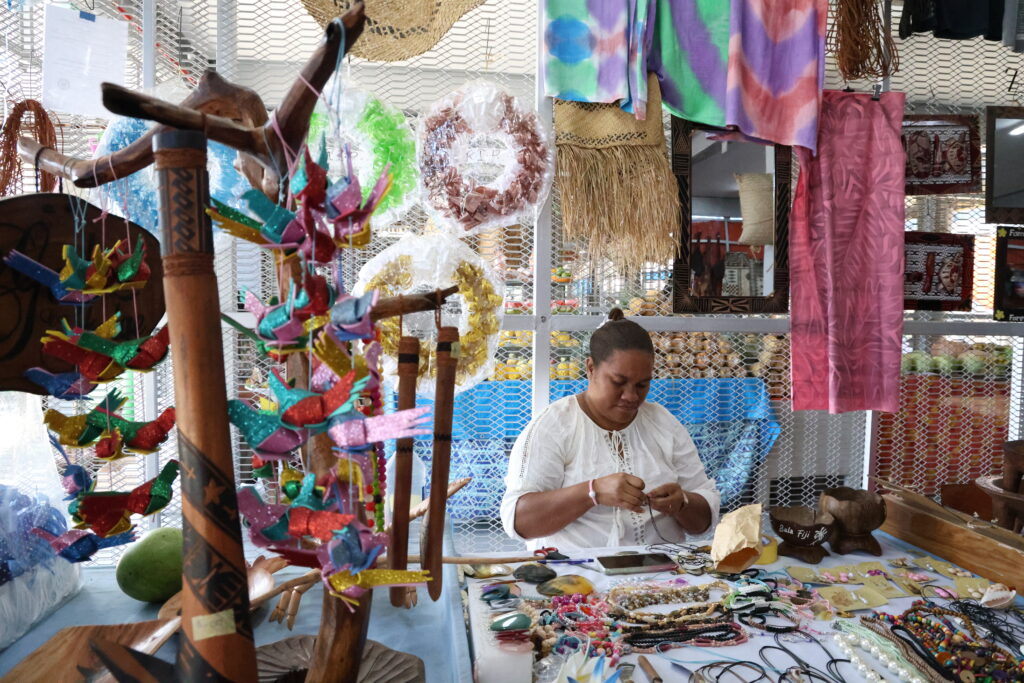
A visitor browsing a market in Vanua Levu may see a woven mat, a fan or a handcrafted bag. What is less immediately visible is everything that came before it.
The harvest by hand. The patterns learnt from an elder. The knowledge of which material to use, when to harvest it and how to turn it into something that will last for decades.
Across Vanua Levu and Taveuni, much of that knowledge has been held and passed on by women. And from a tourism perspective, that matters.
Travellers can find beautiful beaches, forests and coral reefs in many parts of the world. What they cannot find anywhere else are the traditions, materials, stories and expressions that belong specifically to the communities of Fiji’s North.
On 5 September, International Day of the World’s Indigenous Women and Girls, we look at some of the women helping keep those traditions alive and at how culture, creativity and enterprise can become part of a richer visitor experience and a stronger local tourism economy.
A plant that carries the identity of Vanua Levu
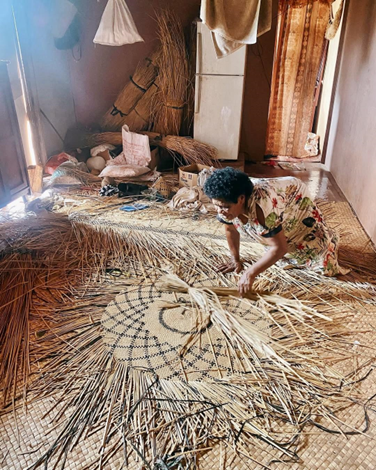
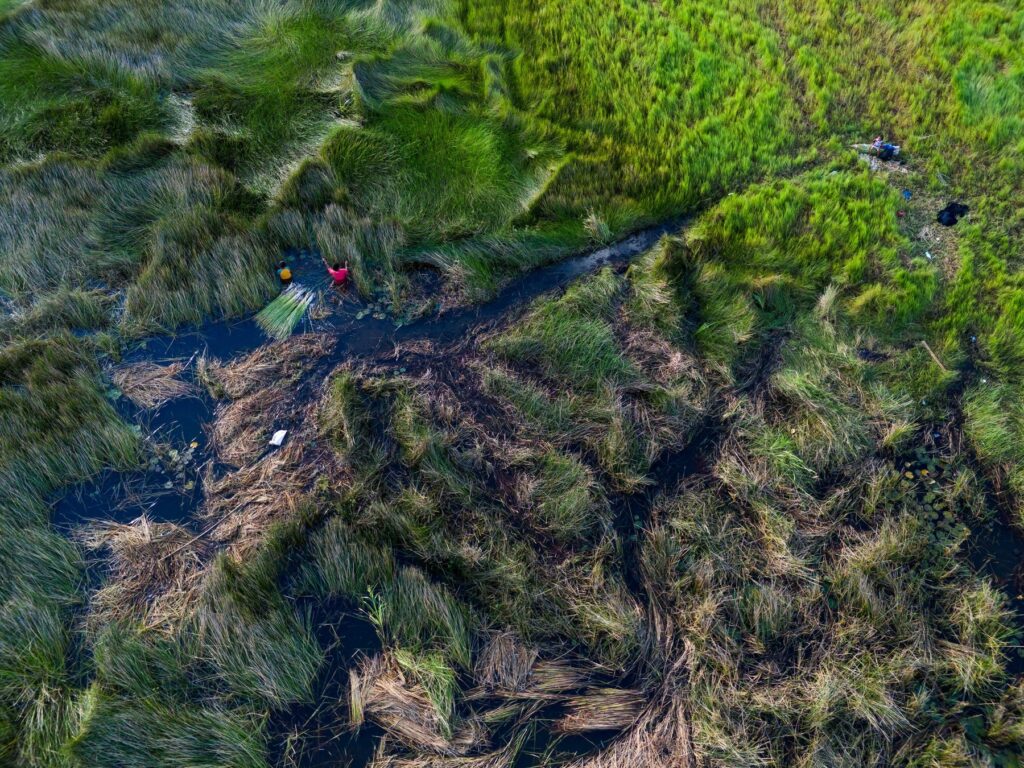
Across Bua and Macuata, two of Vanua Levu’s three provinces, one of the strongest examples begins not in a handcraft workshop, but in a wetland.
Kuta (Eleocharis) is a freshwater sedge traditionally gathered and woven by artisans, particularly women, into mats, ceremonial clothing and other handicrafts.
Its connection with Vanua Levu runs deep. Kuta clothing can identify a person’s cultural connection with one of the island’s three provinces, while its distinctive weaving has increasingly found its way into contemporary products such as handbags and home décor. But producing it is far removed from simply picking up material and beginning to weave.
Harvesting can mean long periods standing in wet, muddy ponds, gathering the kuta by hand before it is dried in the sun and prepared for weaving. Women often work together through the demanding process, with conversation, laughter and singing becoming part of the work itself.
The result carries something a mass-produced souvenir cannot: a direct connection to landscape, community and inherited knowledge of the North.
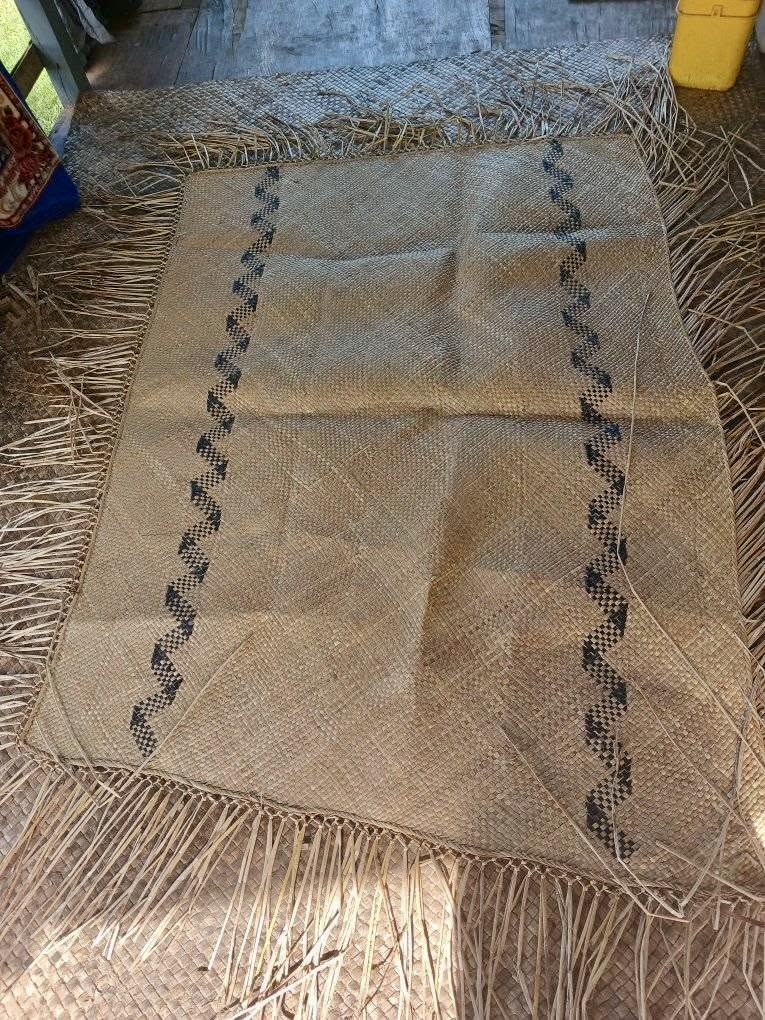
A kuta mat on a visitor’s wall, or a locally made bag taken home from Vanua Levu, can therefore tell a much bigger story about where it came from.
And the tradition is finding new economic expression. In Bua, women have been working through cooperatives to develop kuta products including mats, home décor, ceremonial garlands and traditional wedding attire, alongside training intended to strengthen their ability to generate income from the craft.
For tourism, that is where an object becomes more than something to buy. It becomes a story of origin and identity.
In Namuka, not just any mat will do
Travel deeper into Macuata and the story becomes even more local.
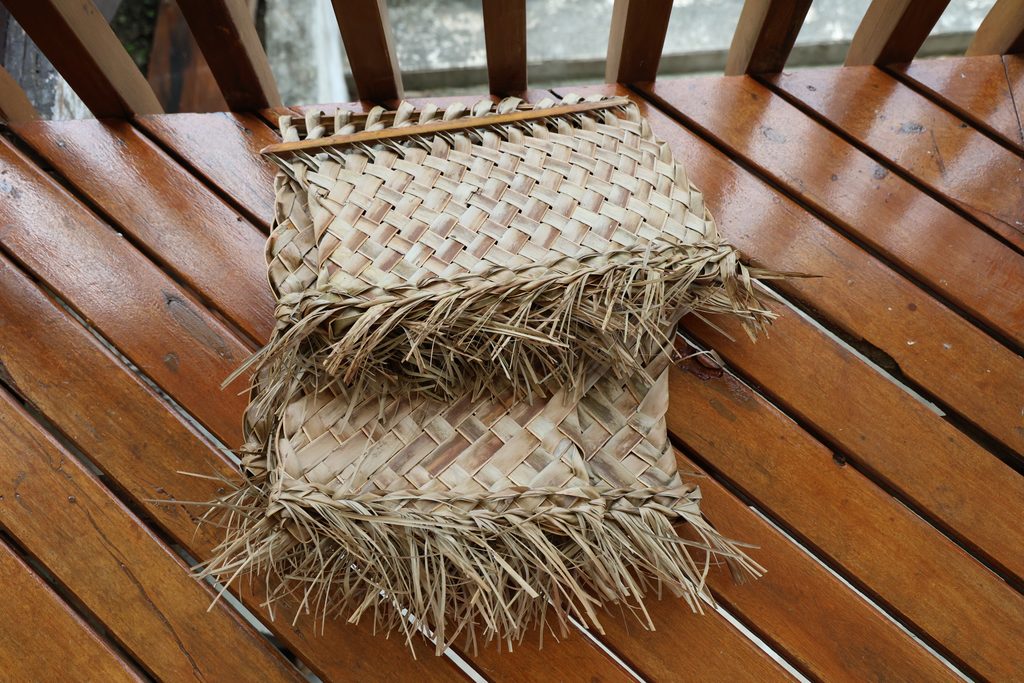
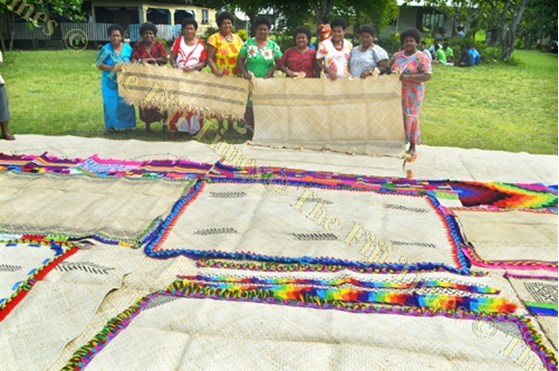
At Nabubu in the district of Namuka, women are known for a mat with its own identity: the Loga vaka Namuka. It is made using voivoi tagane, a species of pandanus with strong, slender leaves. Women from the community have described the finished mats as thicker and more durable than commonly woven varieties, with some lasting for decades.
Just as importantly, the knowledge belongs to the community and its cultural traditions.
For a traveller, knowing that changes the experience. The attraction is no longer simply, “Here is a handmade mat.” It becomes: Why is this mat from Namuka? What makes its pandanus different? Who knows how to make it? How did that knowledge survive?
Those are the details that distinguish one destination from another. And increasingly, they are the details travellers remember.
On Taveuni, an island flower becomes something you can take home
Across the Somosomo Strait on Taveuni, another story brings tradition, creativity and contemporary enterprise together.
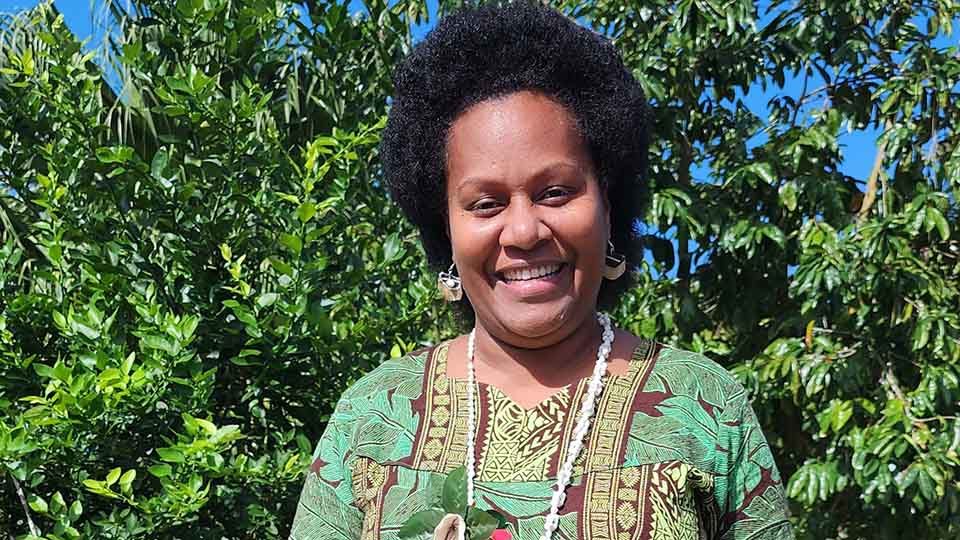
Emily Waqalevu, from Soqulu, Taveuni, began experimenting with leftover tapa cloth and pandanus leaves used by her mother. From those materials grew Kalumalua Kreation and an idea unmistakably connected to Taveuni.
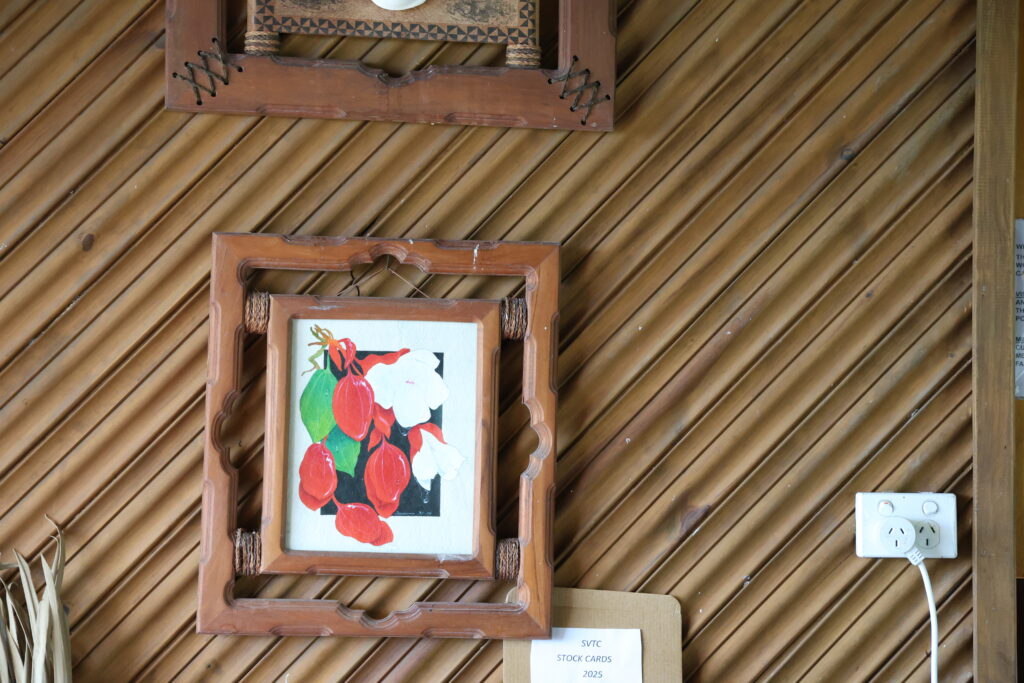
Emily became the first person in Fiji documented by the World Intellectual Property Organization to recreate the Tagimoucia flower, endemic to Fiji, using tapa bark and acrylic paint.
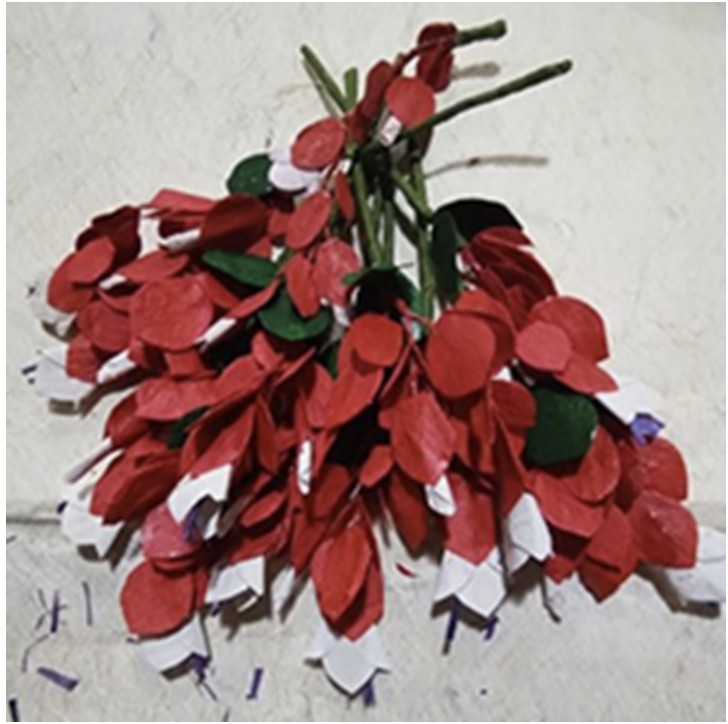
The red-and-white Tagimoucia is inseparable from Taveuni’s identity. Emily transformed its familiar shape into earrings, necklaces, hairpieces, garlands and other handmade pieces.
It is an especially compelling example of what cultural tourism can look like when tradition is allowed to evolve. The material is traditional. The inspiration comes from the island. But the product is contemporary and designed for a market that extends well beyond the village where it began.
A traveller leaves Taveuni carrying something beautiful. But they are also carrying a small piece of the island’s story.
Emily’s work has another dimension. Through her involvement with the Indigenous women’s organisation in Cakaudrove, she has also helped share tapa-making techniques with other women, ensuring that entrepreneurship does not have to come at the expense of transmitting traditional knowledge.
From bark cloth to pearl shell
Across Cakaudrove, stretching from southeastern Vanua Levu to Taveuni, traditional craft carries a distinctive northern identity.
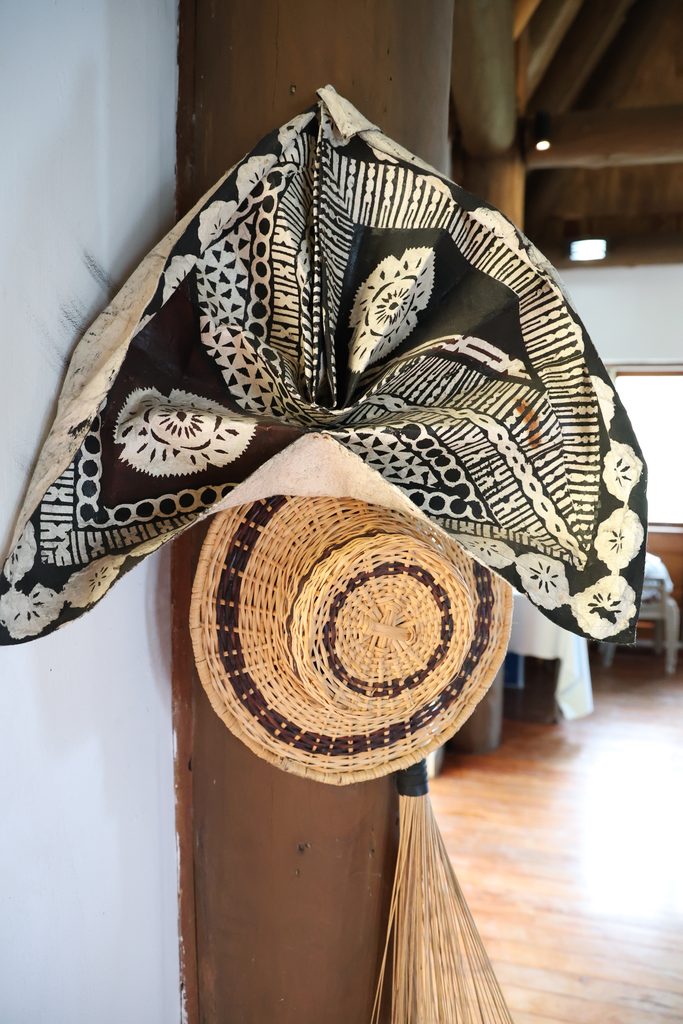
In Taveuni, generations of women in the Vanua of Bouma have practised the art of masi making, transforming the inner bark of the paper mulberry tree into cloth through a painstaking process of stripping, soaking, beating, joining and decorating the fibres by hand.
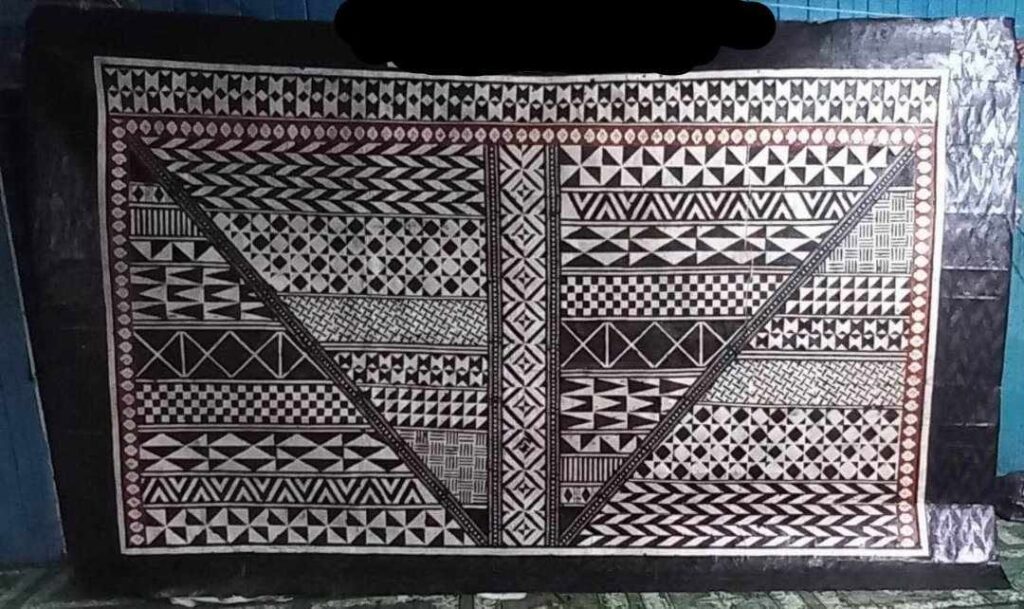
The finished cloth is far more than decorative. Masi has long accompanied important moments in Fijian life, from weddings and funerals to chiefly and ceremonial occasions. In Cakaudrove, the distinctive masi bolabola style is recognised for its bold, strongly defined patterns, giving the craft a visual identity connected to this part of Fiji.
For a visitor, that connection to a community is what gives masi its tourism value. A piece bought on Taveuni is not simply an attractive souvenir; it carries the story of the material, the women who prepared it, the techniques passed between generations and the cultural traditions in which it continues to be used.
Today, masi sits comfortably alongside contemporary tourism products, appearing in artwork, clothing, accessories and handicrafts available to visitors, while remaining rooted in the cultural practices from which it came.
And in Taveuni, women are finding tourism value in another part of the island’s environment: the sea.
In Somosomo, a women’s cooperative, Somosomo Women’s Handicraft Center, has developed skills in transforming mother-of-pearl shells and mabé pearls into jewellery and handicrafts. Shells from Taveuni’s surrounding marine environment are cut, shaped, polished and finished by hand before returning to the visitor economy as earrings, pendants and other locally made pieces.
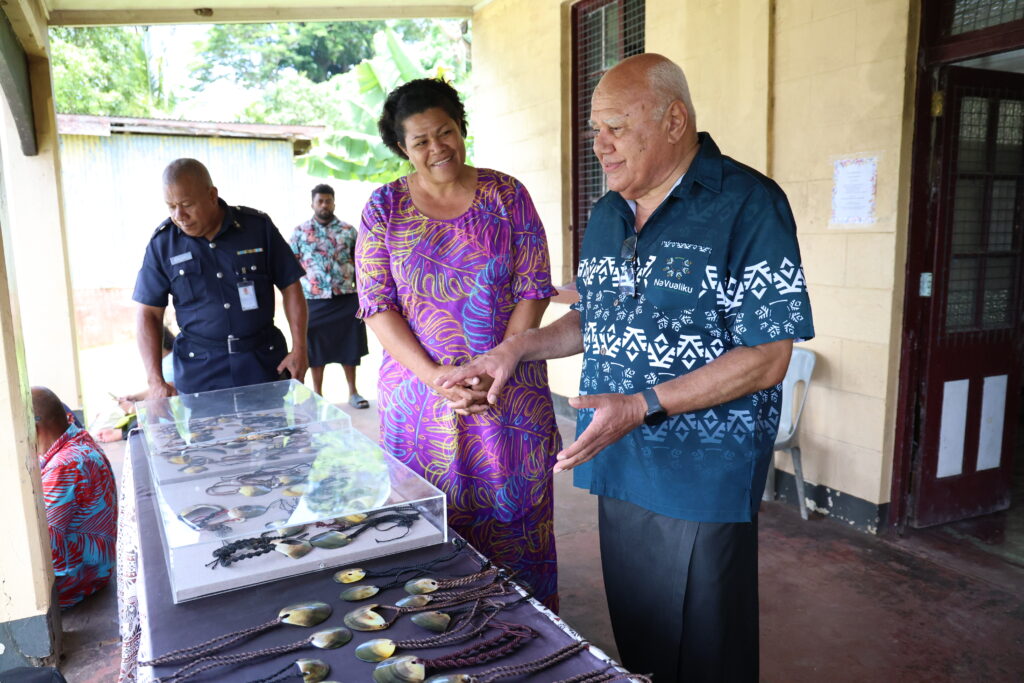
The contrast is striking: bark harvested from the land and shell produced by the sea, transformed through the knowledge and creativity of local women into products that travellers can carry home.
Together, they illustrate an important part of the North’s tourism story. Some of the most memorable tourism experiences are not limited to the attractions visitors stand in front of or photograph. They are also the things made or crafted only there, objects whose value comes from where they originated, who made them and the story they carry.
How Na Vualiku is helping turn cultural tourism into local opportunity
That is part of the wider opportunity the World Bank-financed Fiji Tourism Development Program in Vanua Levu (Na Vualiku Project) is working to strengthen through two complementary streams.
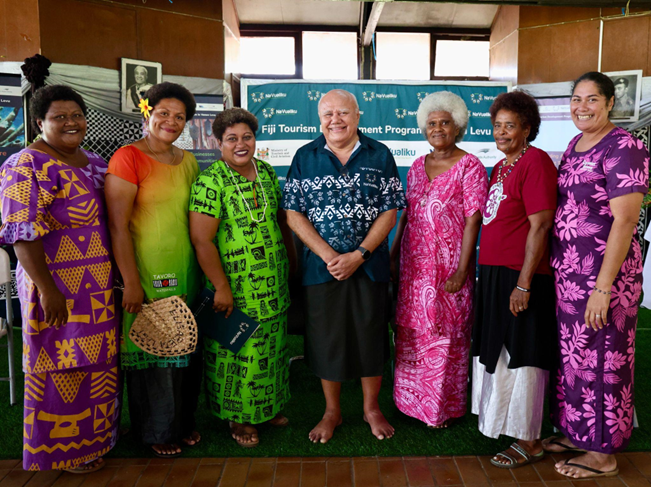
For eligible Community-Based Tourism (CBT) operators, the Program provides grant funding to strengthen tourism products, experiences and small-scale visitor facilities. This could include a cultural or handicraft display centre where women from the community can demonstrate their skills and sell locally made products, or a CBT experience built around cultural activities in which women play a central role. In this way, women’s cultural enterprises can add value to a broader community tourism experience or form an important part of the community-owned tourism product itself.
Alongside this, a capacity-building stream directly supports women-led cultural enterprises, tourism MSMEs and CBT operators with practical business skills and advisory support. This includes areas such as financial management, marketing and digital promotion, customer service, business compliance and improving readiness to reach tourism markets.
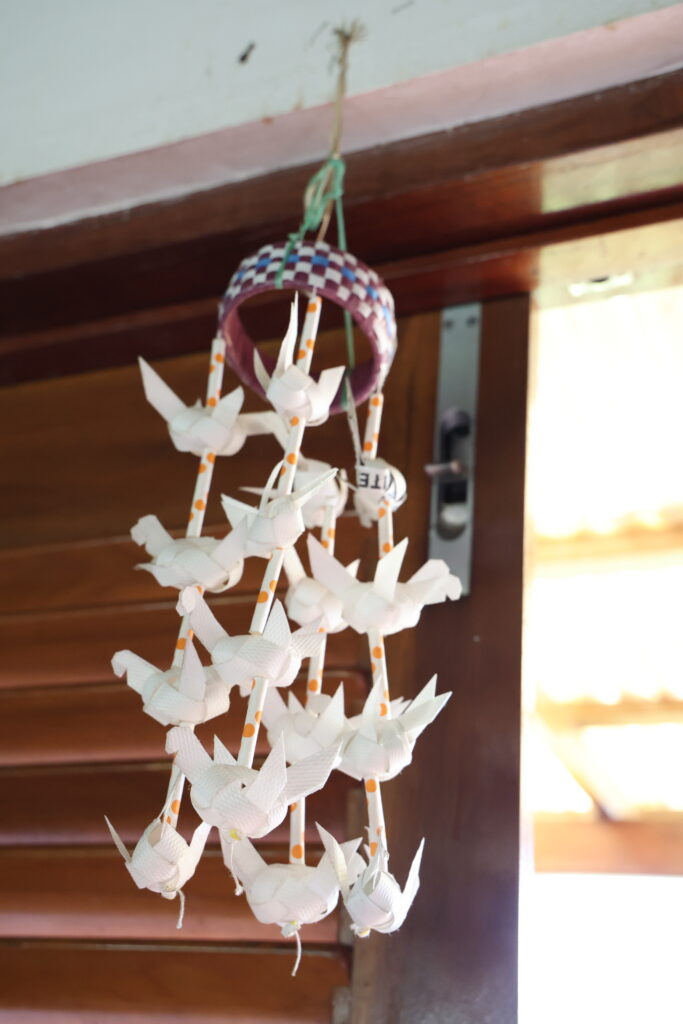
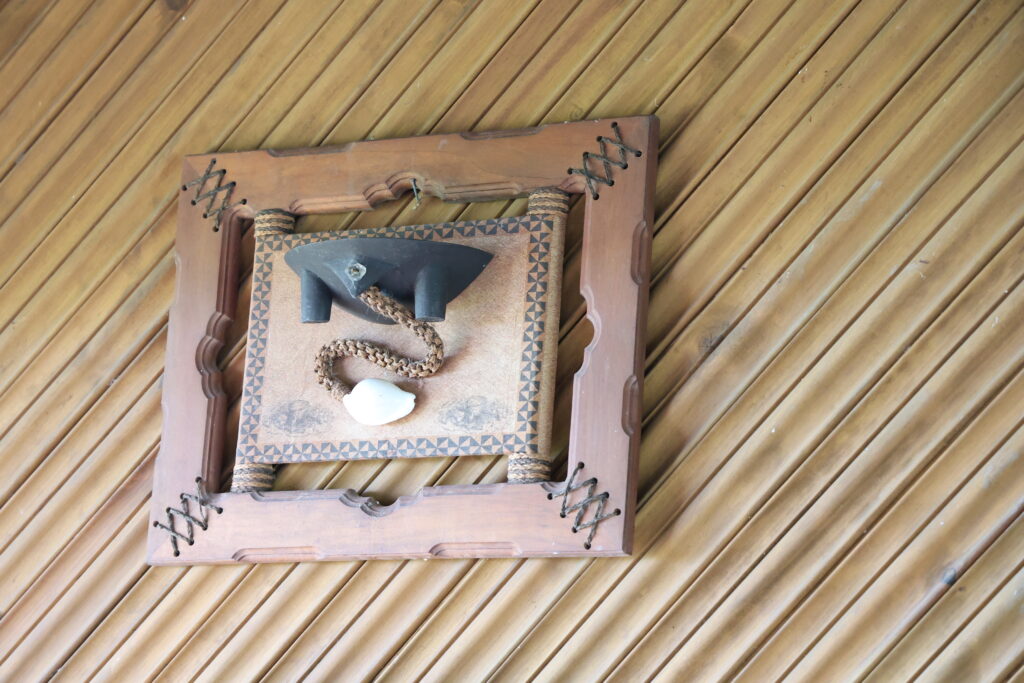
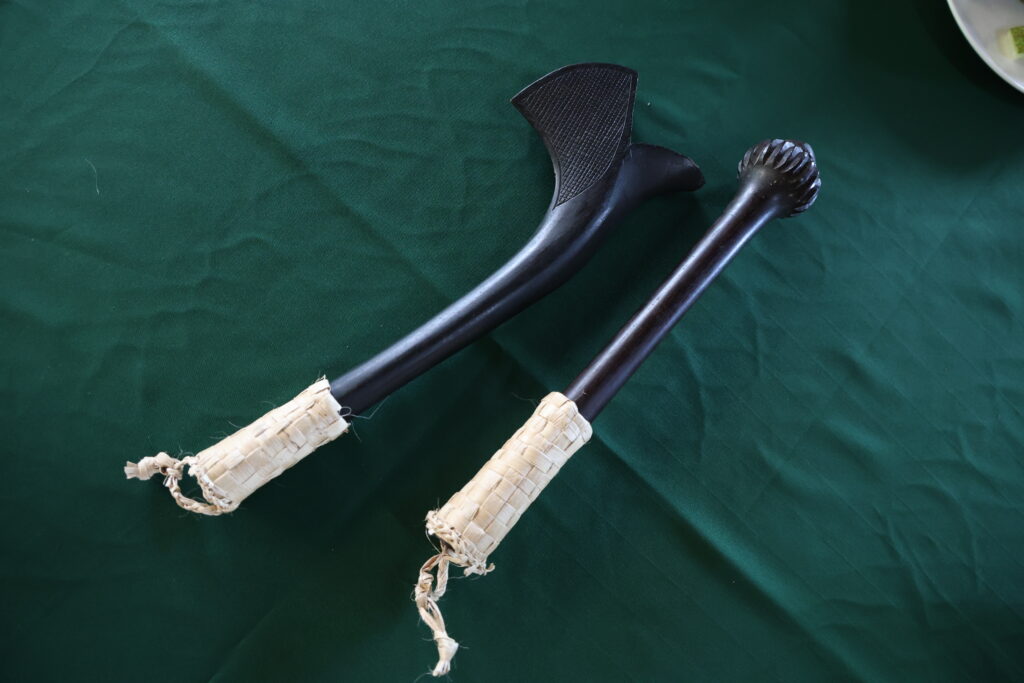
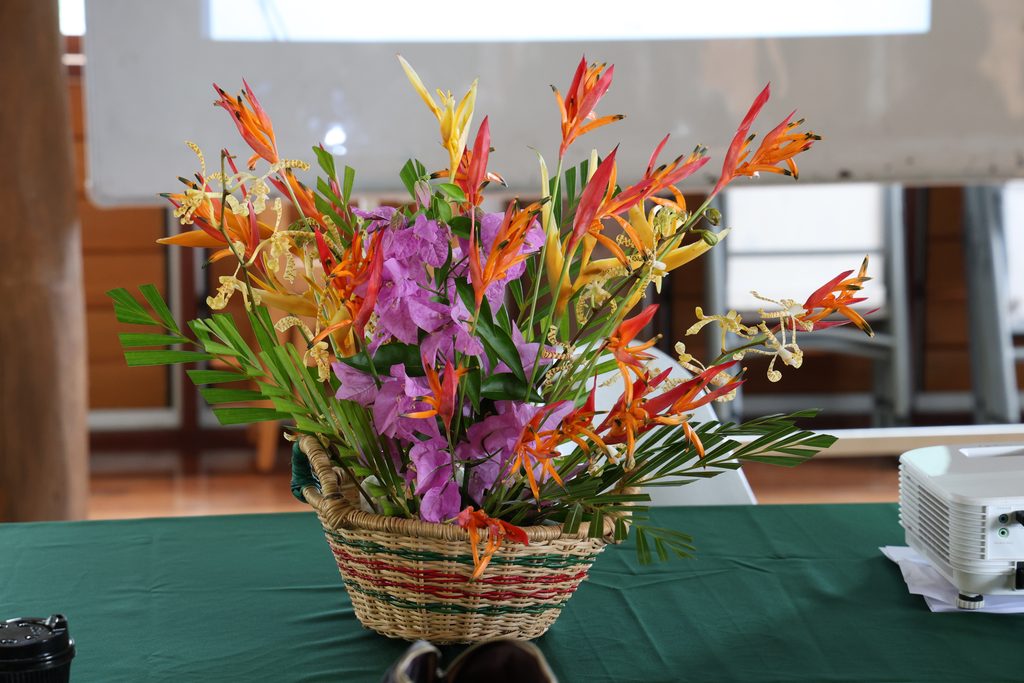
Handicrafts at the Na I Soqosoqo Vakamarama I Taukei ni Cakaudrove. Photo: Na Vualiku Project