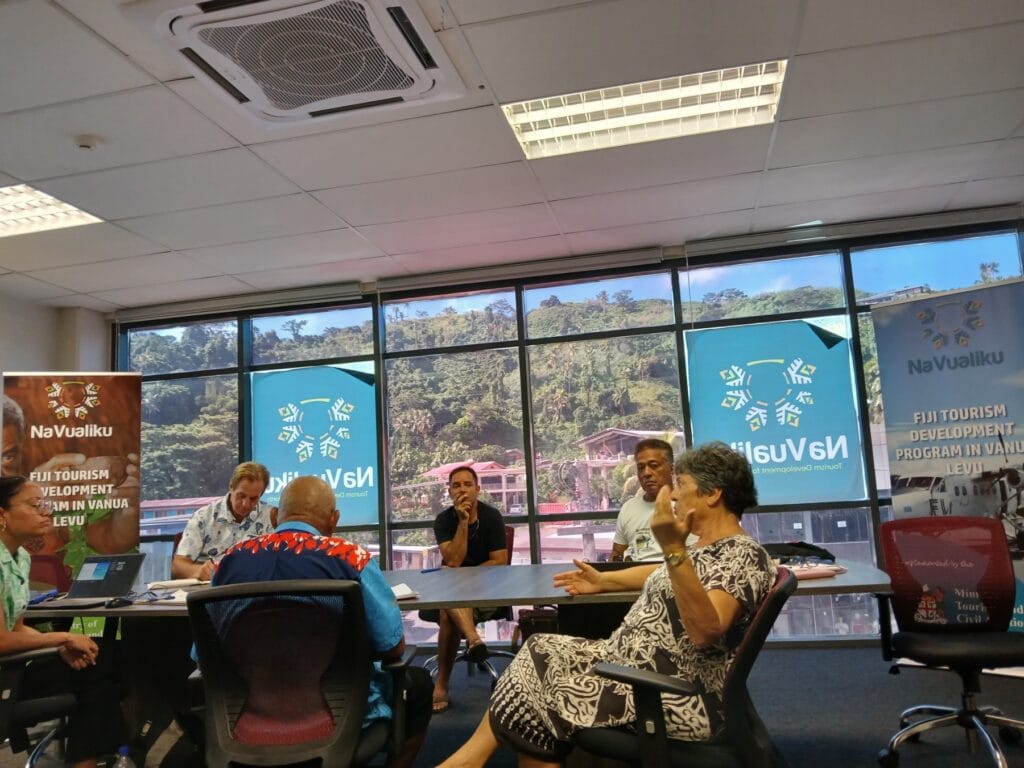
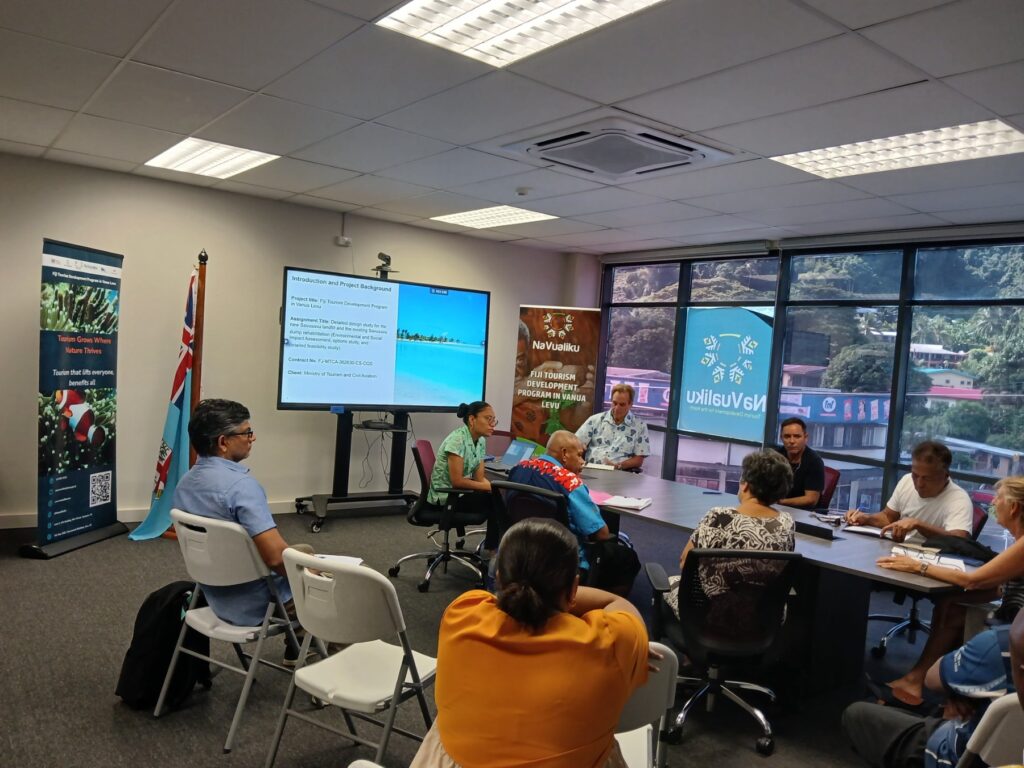
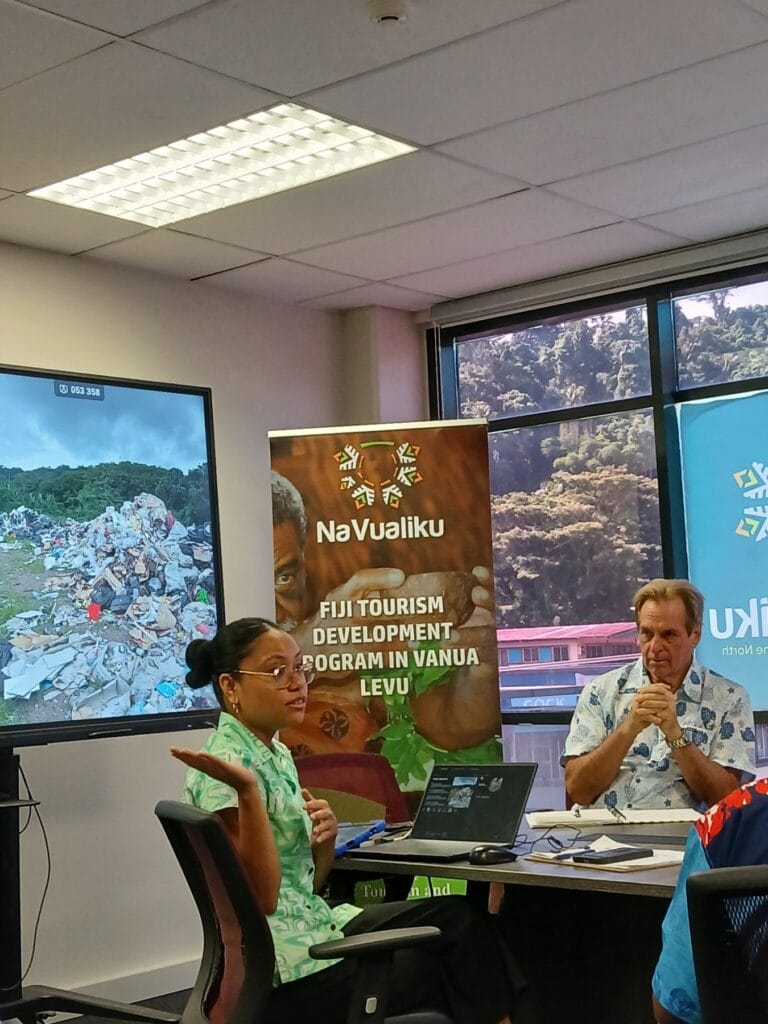
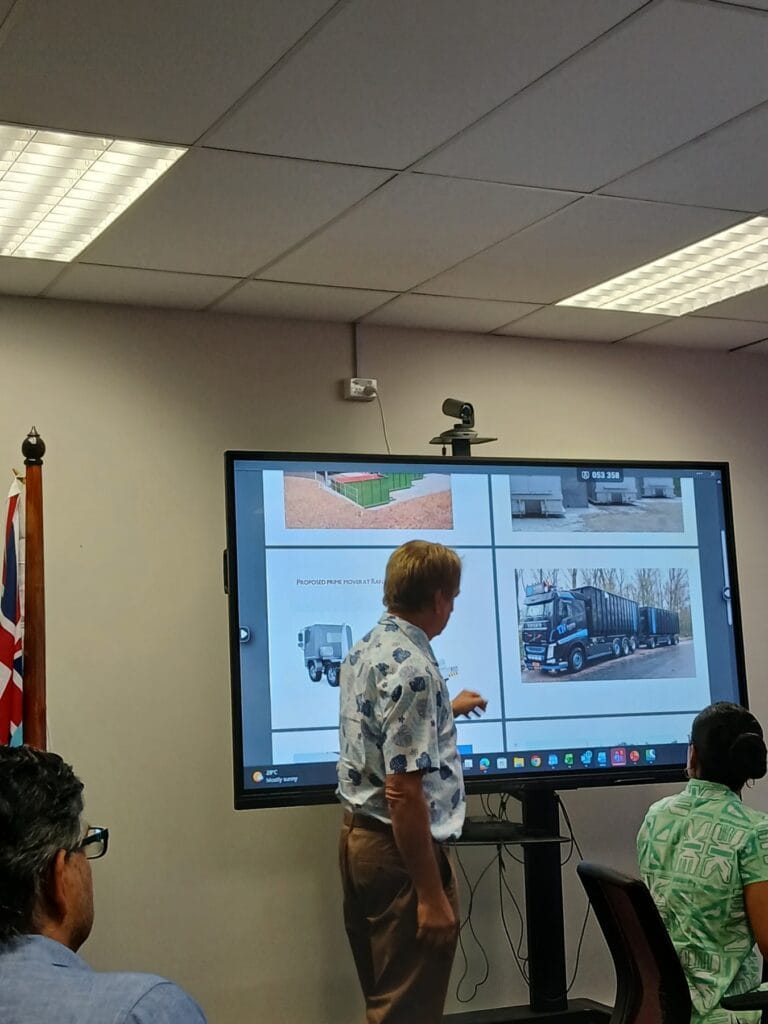
Savusavu will have its first Participatory Sanitation Master Plan through the World Bank-financed Na Vualiku Project.
The 10-month technical assessment has started and will help understand the town’s current wastewater situation, assess practical options, and guide future sanitation decisions.
This work is important because sanitation may not always be visible, but it protects public health, households, businesses, the environment and Savusavu Bay.
The technical assessment will also help inform possible wastewater and faecal sludge treatment infrastructure under Phase II of the Fiji Tourism Development Program in Vanua Levu.
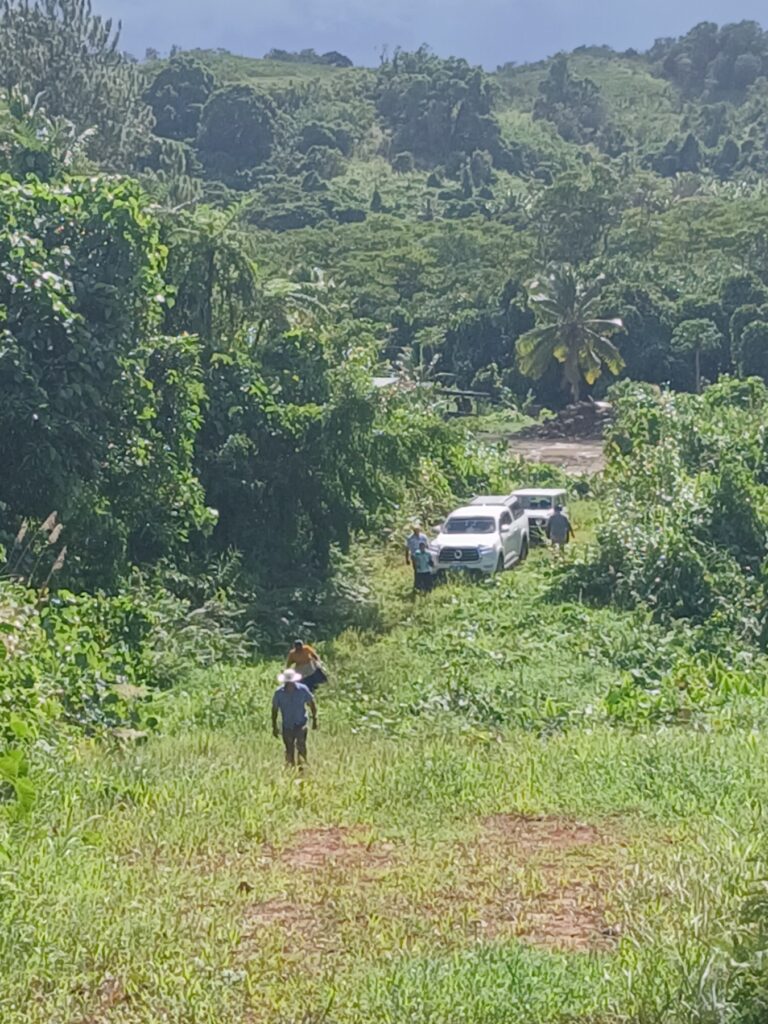
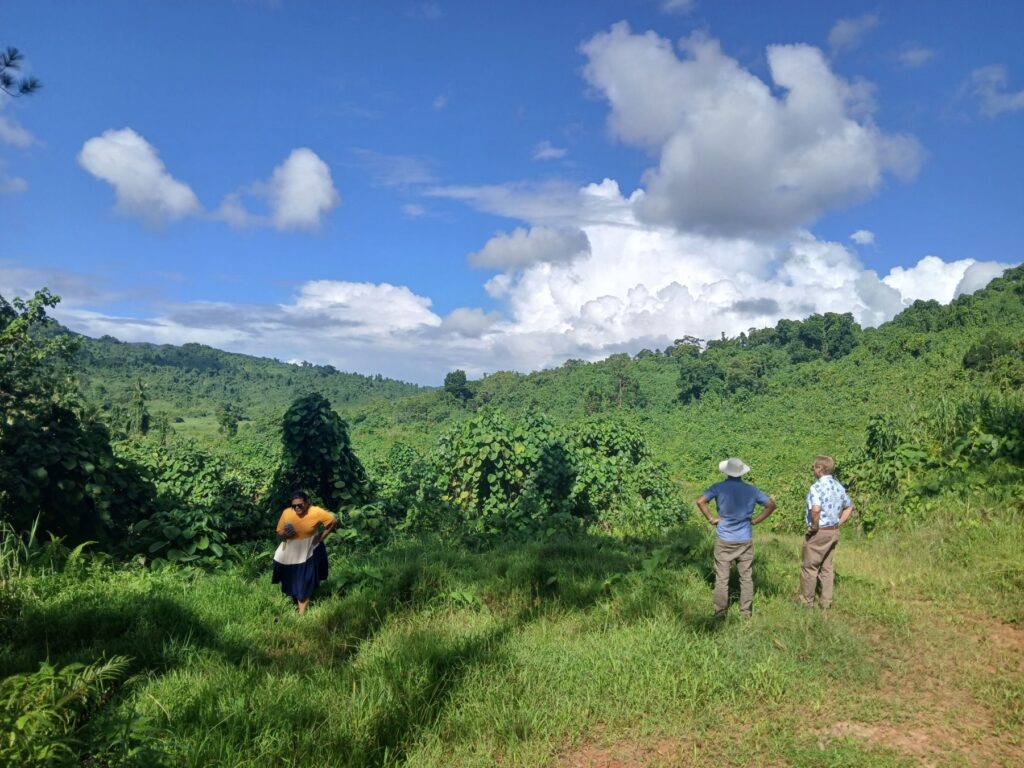
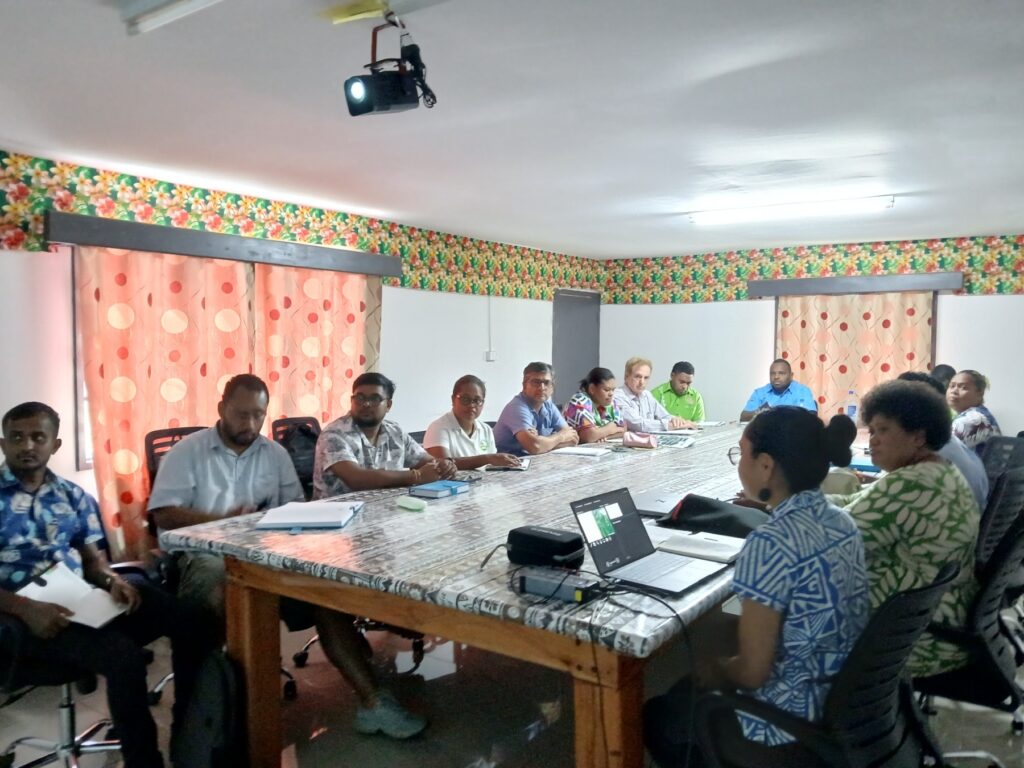
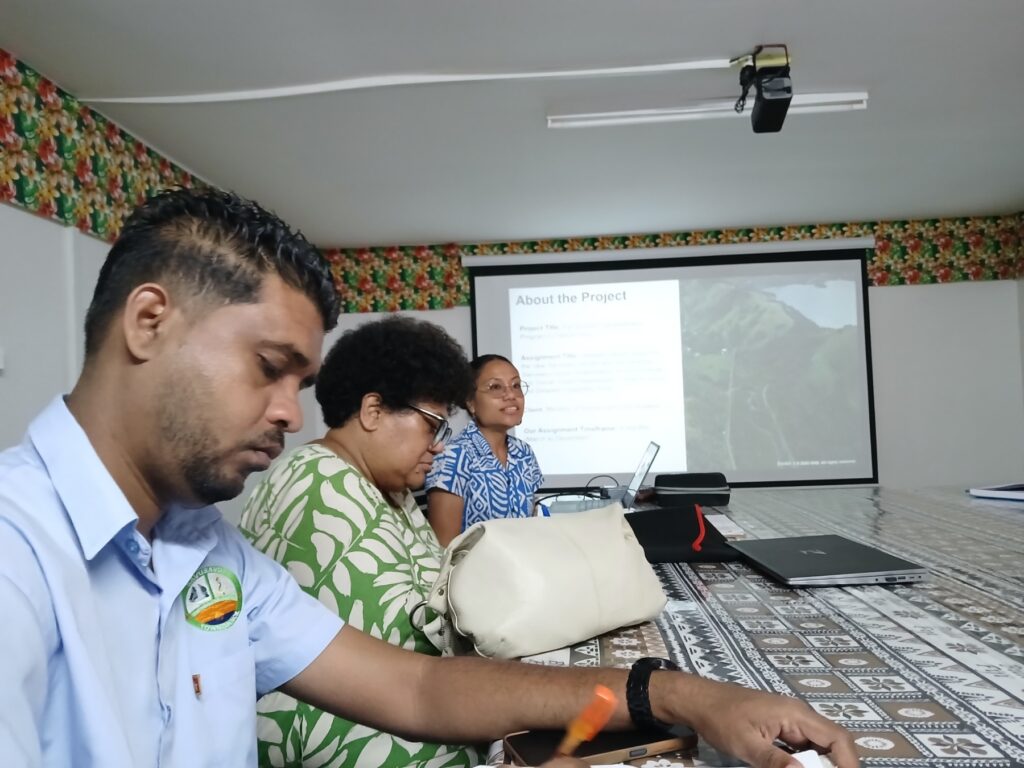
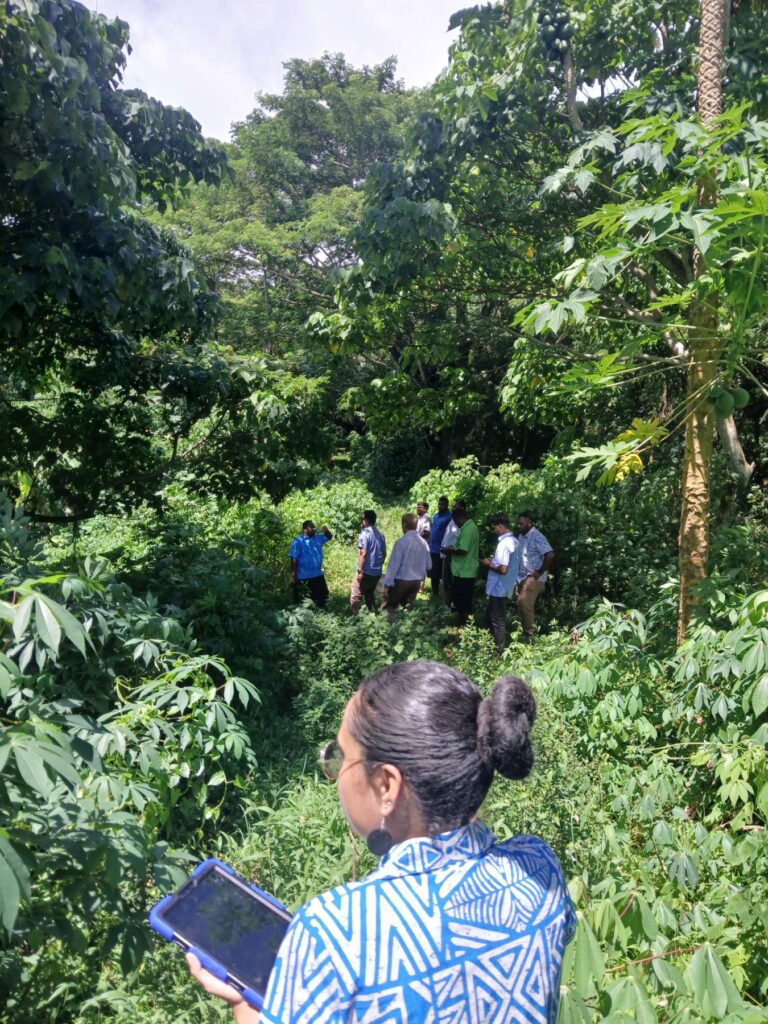
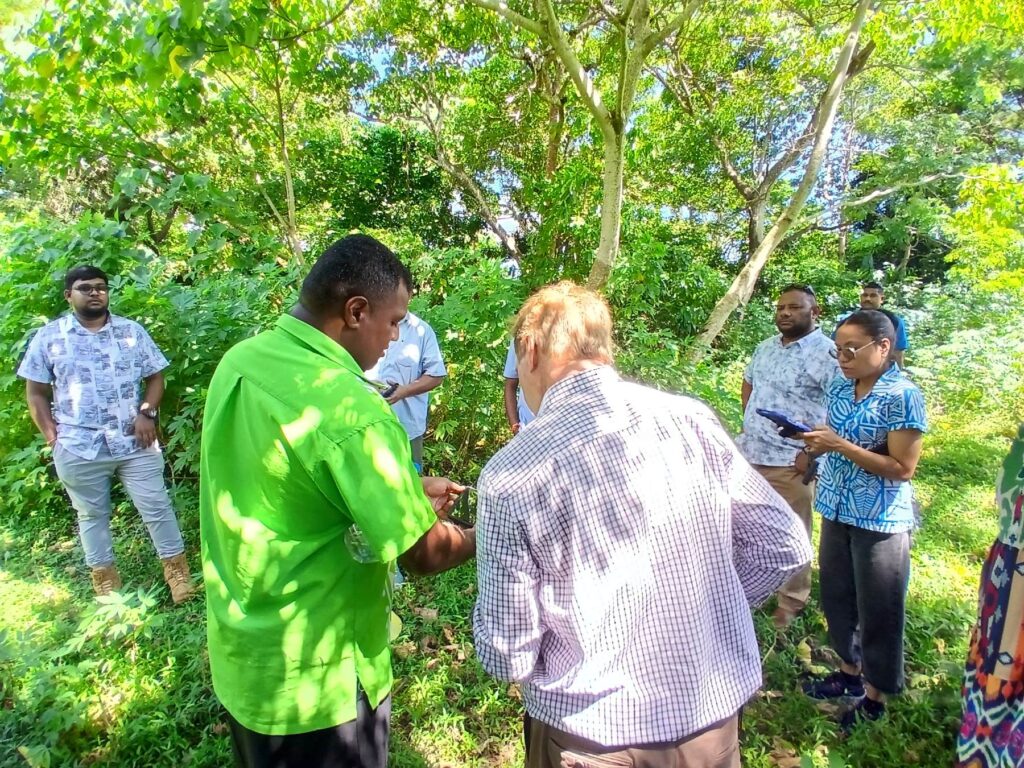
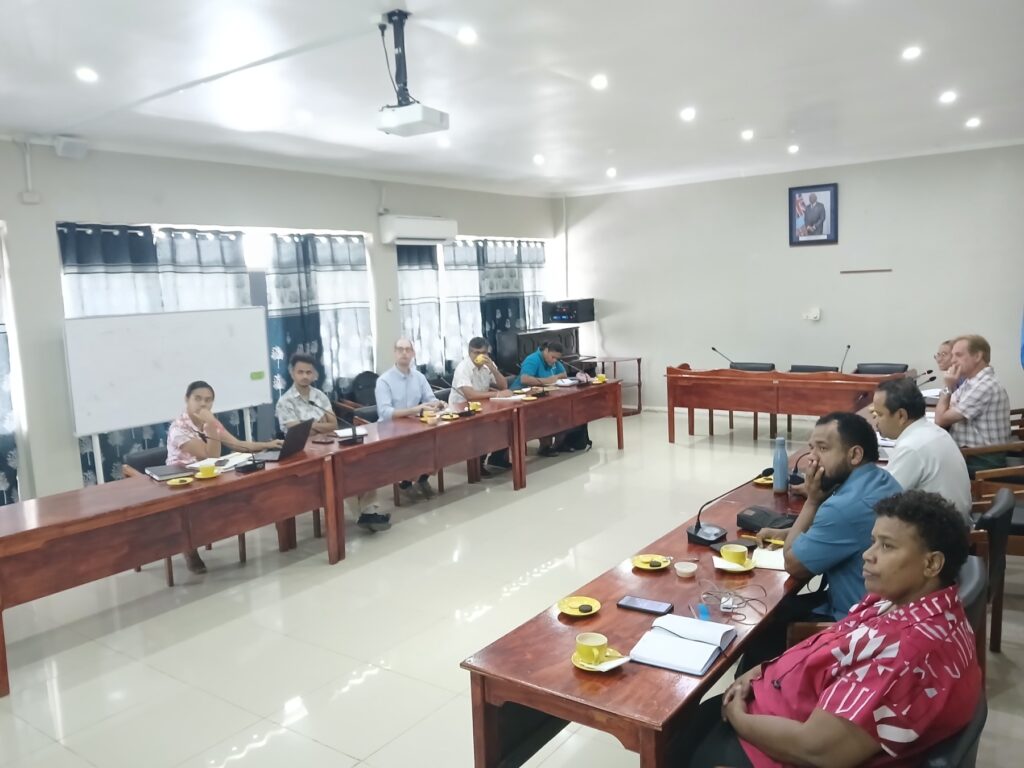
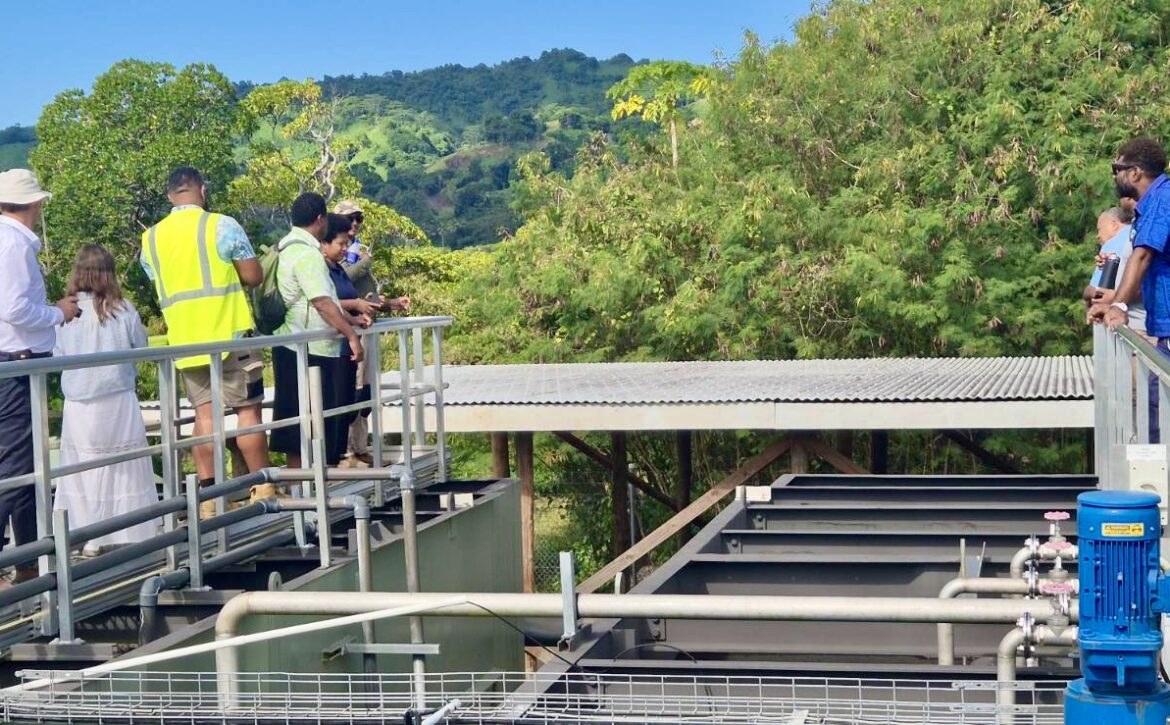
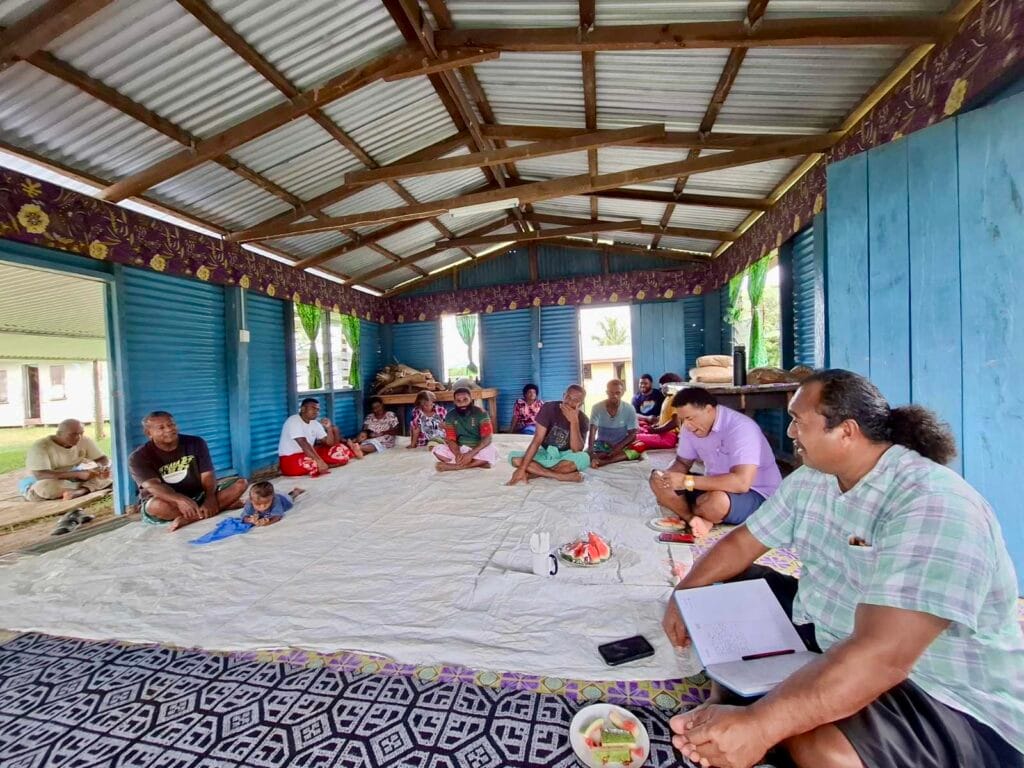
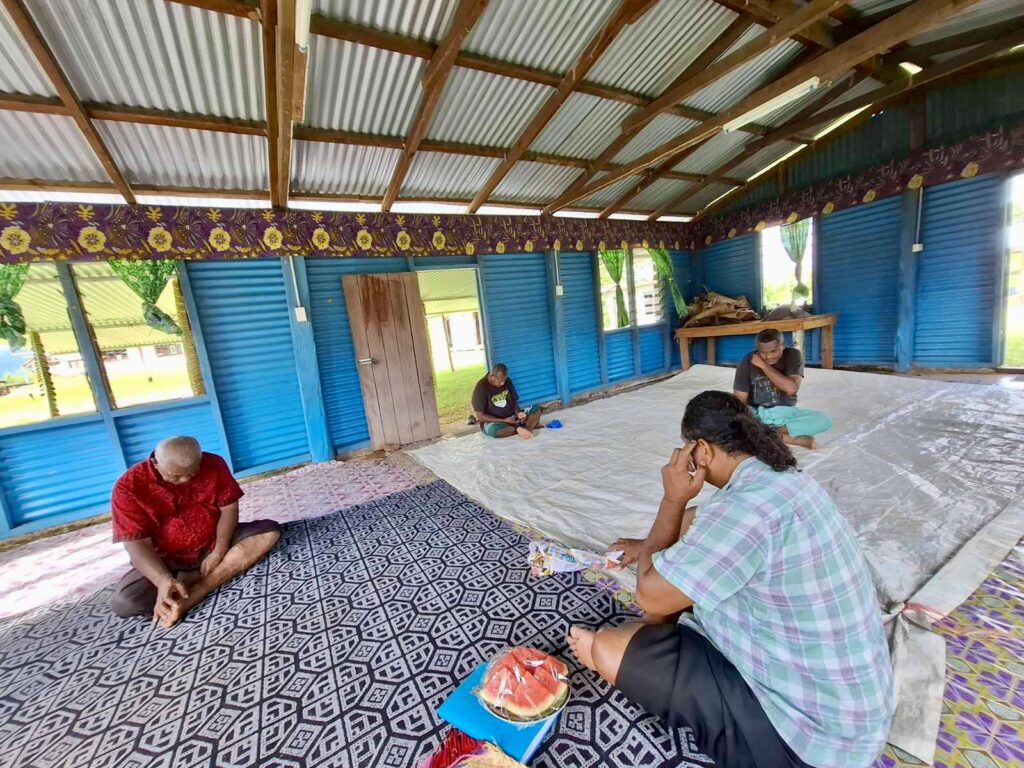
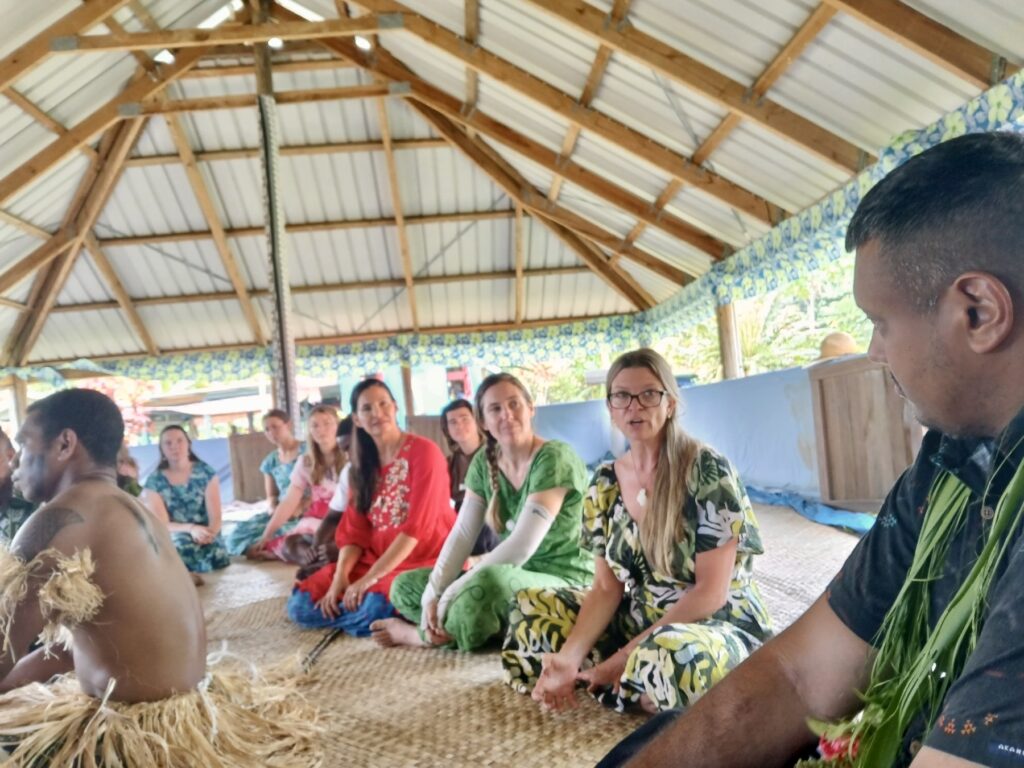
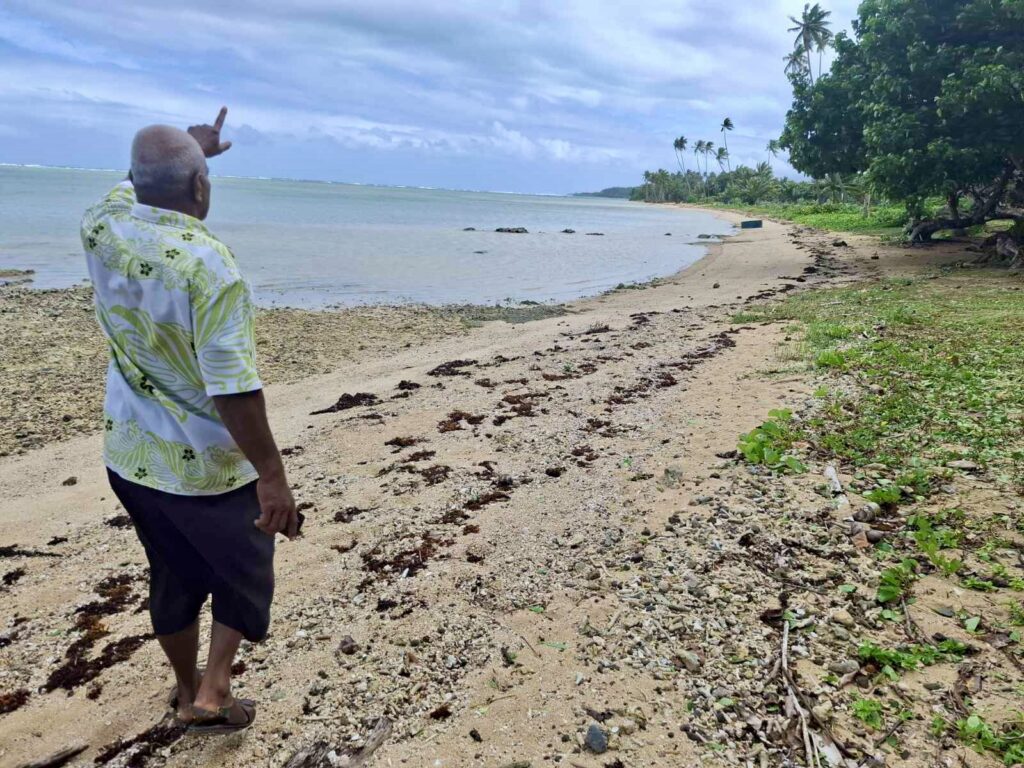
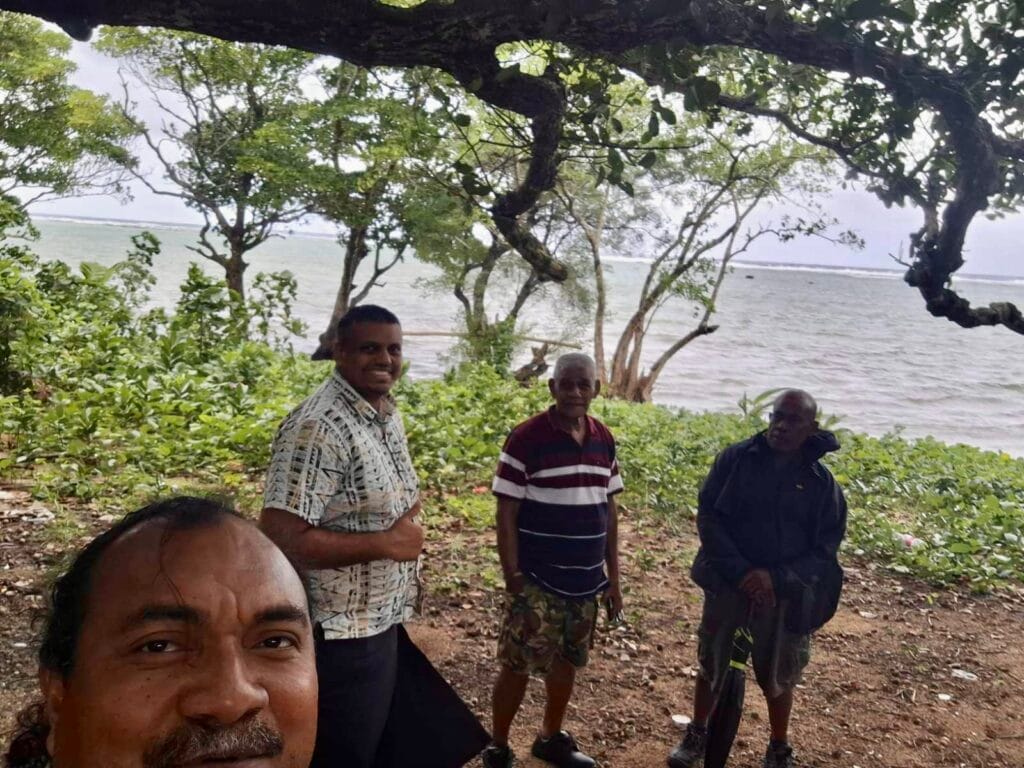
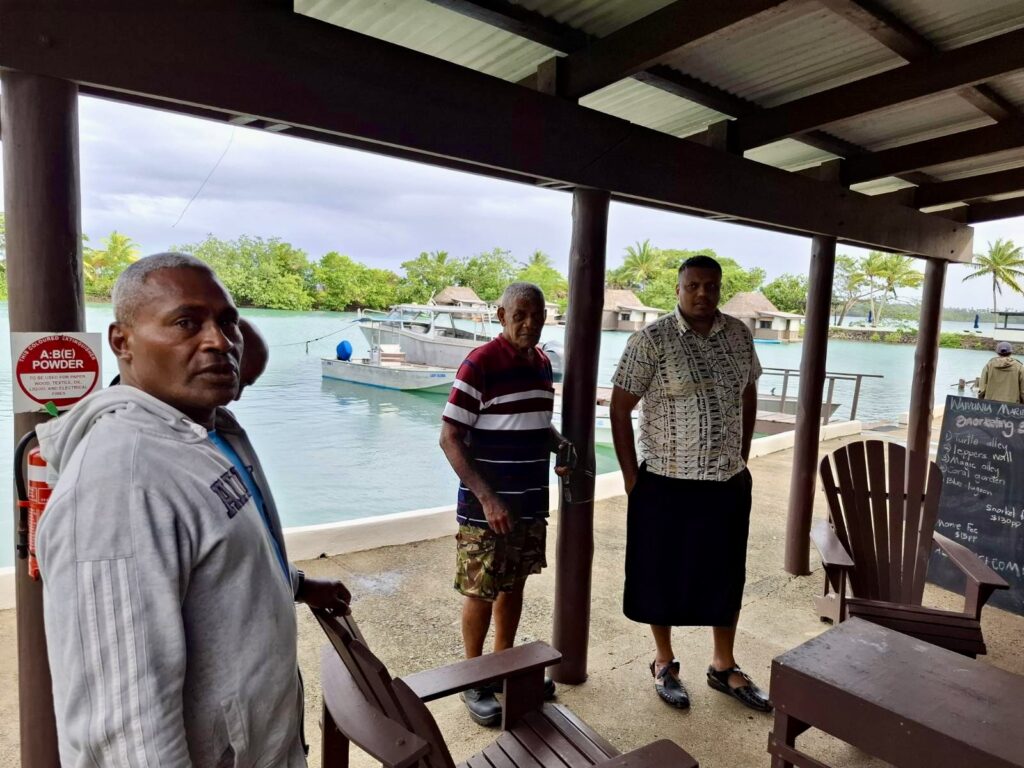
This week, the Na Vualiku Project team, sanitation technical experts and Water Authority of Fiji colleagues are in Savusavu carrying out technical discussions, stakeholder engagement and site visits as part of this work.
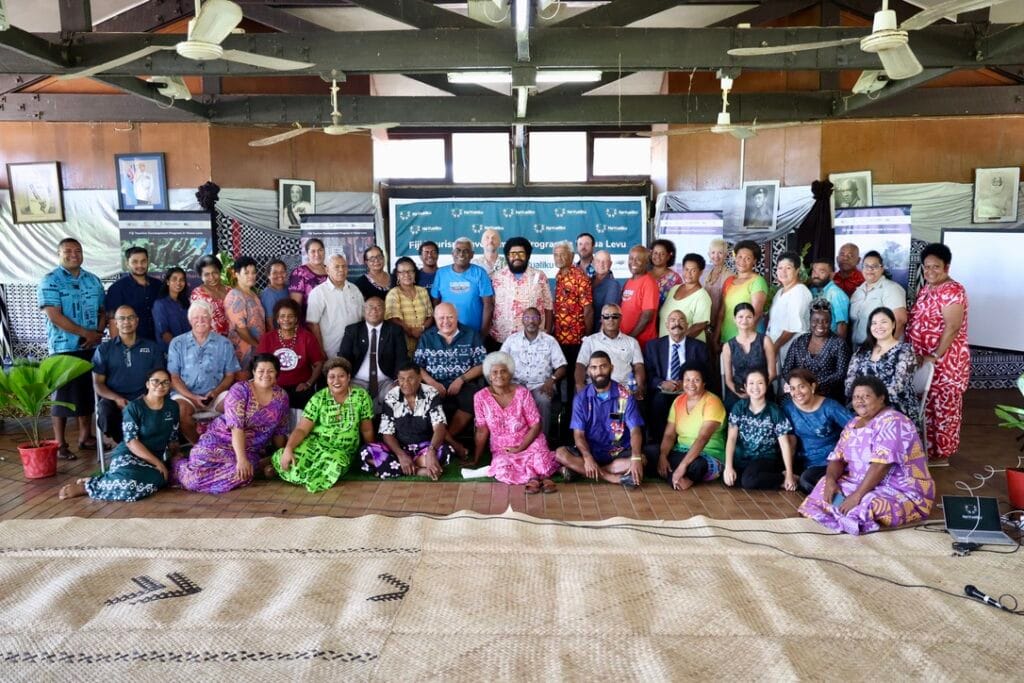
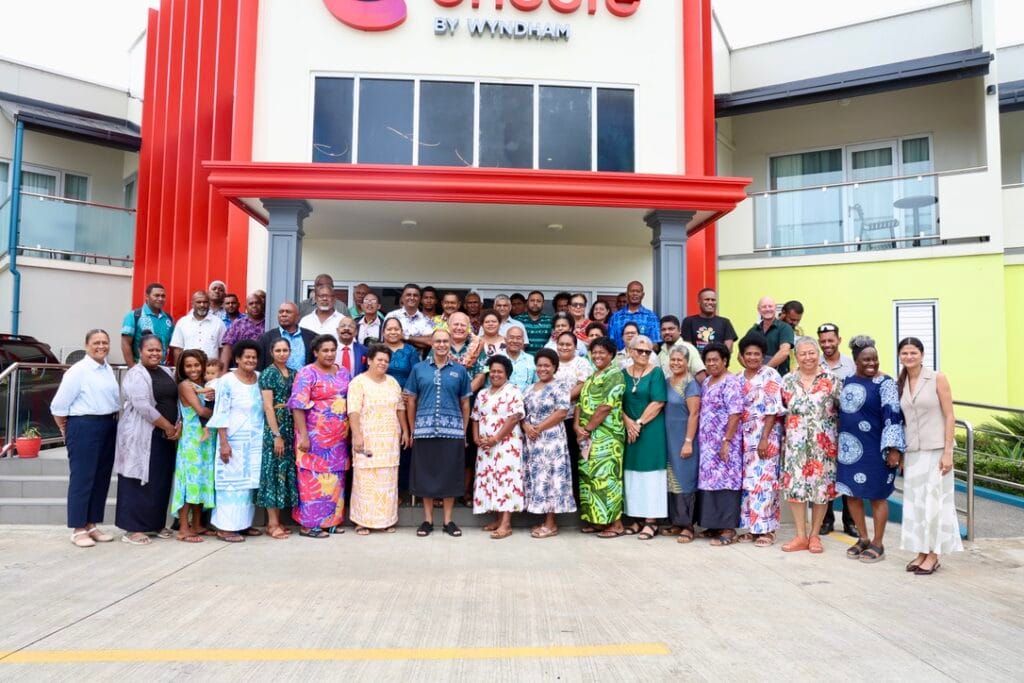
The team has engaged with the Cakaudrove Provincial Administrator’s Office, Macuata Provincial Council Office, community representatives, the Savusavu Public Health team, the Savusavu Town Council CEO and Health Inspector, members of the Northern Solid Waste Task Force, the Savusavu Chamber of Commerce and other key stakeholders.
Earlier in Suva, the team also engaged with key government and technical agencies, including the Department of Environment, Department of Lands, iTaukei Land Trust Board, iTaukei Affairs, and the Department of Water and Sewerage.
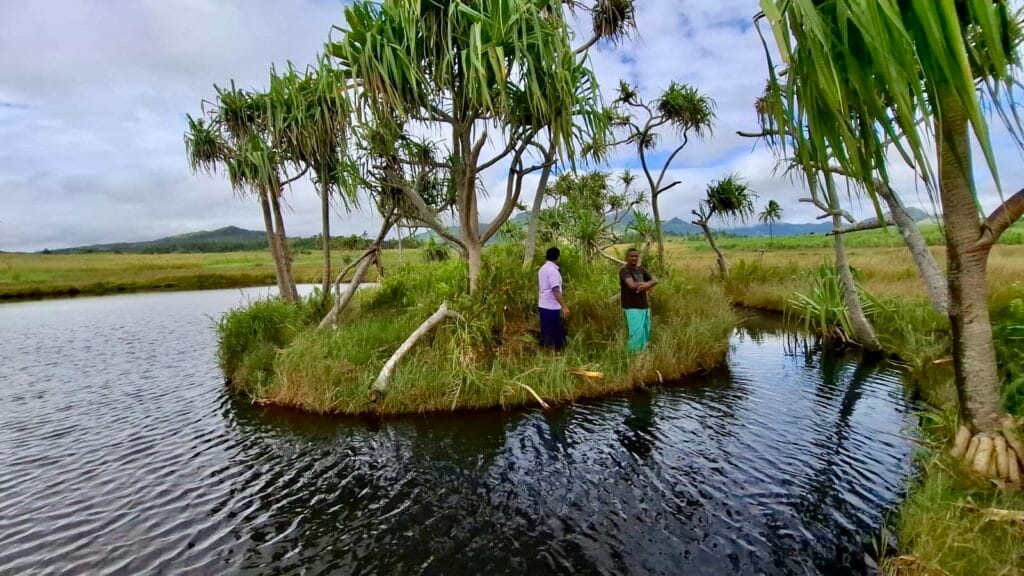
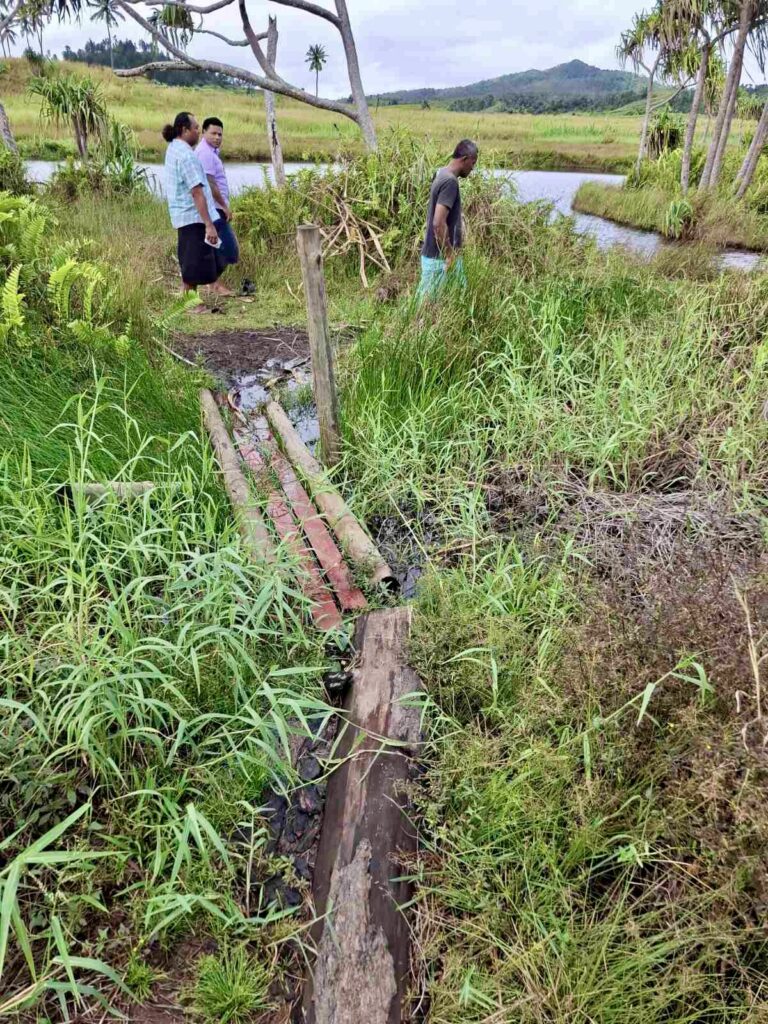
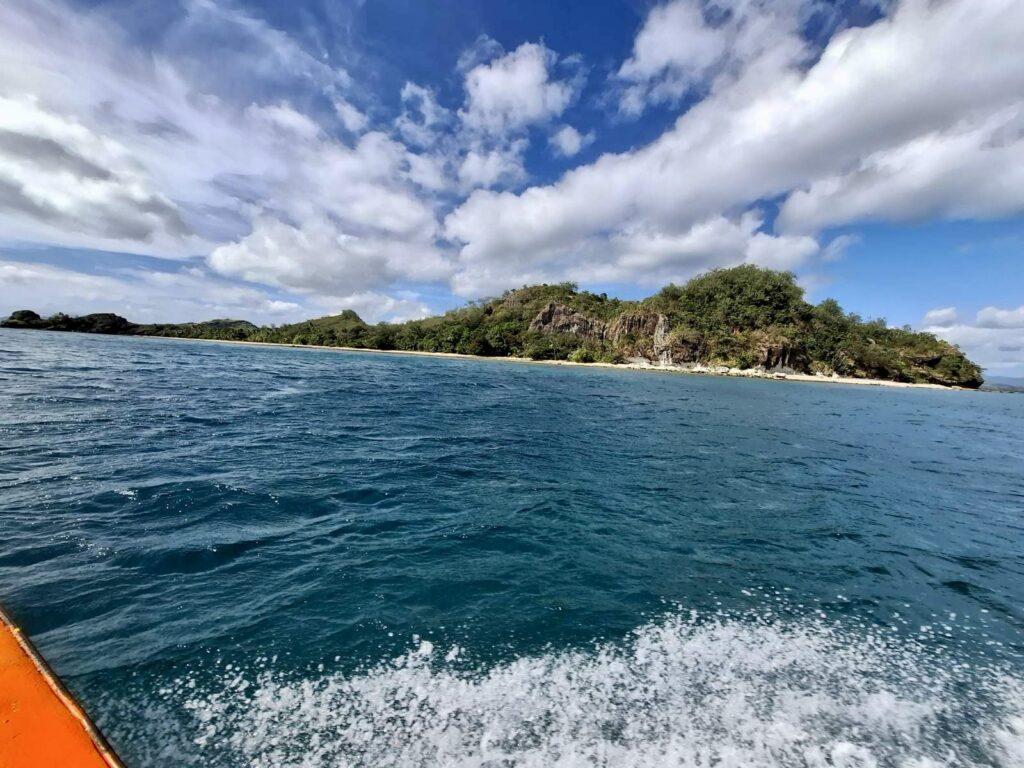
The team also visited the existing Nawi Island treatment facility to better understand current infrastructure and operational arrangements.
These engagements and site visits are part of the first step in the 10-month technical process — listening, understanding current conditions, assessing options carefully, and building the evidence needed for better sanitation services, stronger future infrastructure, and a cleaner, healthier Savusavu.
Keep an eye out for an upcoming interview with the team explaining what the Savusavu Participatory Sanitation Master Plan is, why Savusavu needs one, and how this work will support future sanitation decisions.
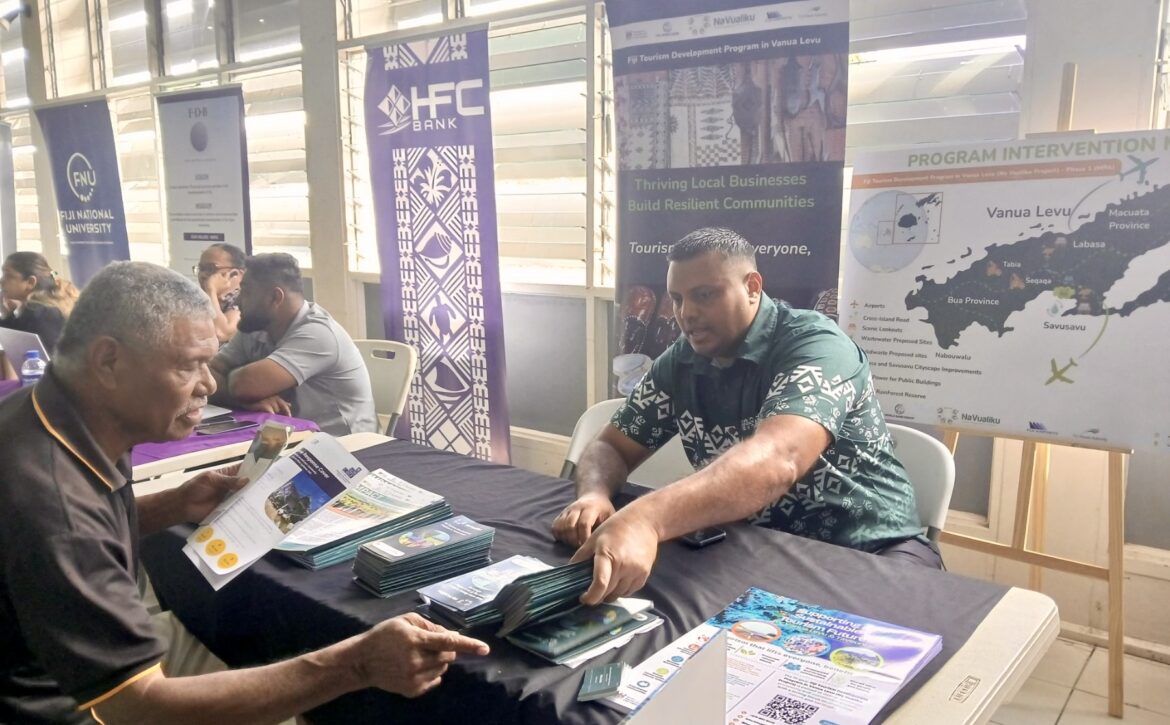
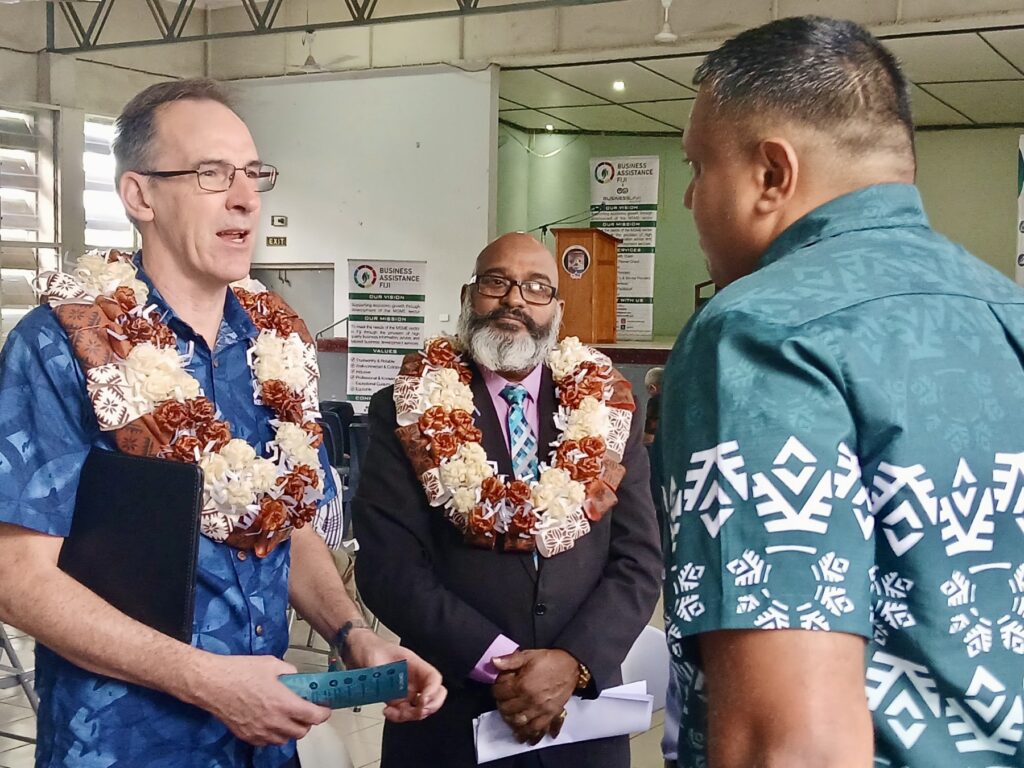
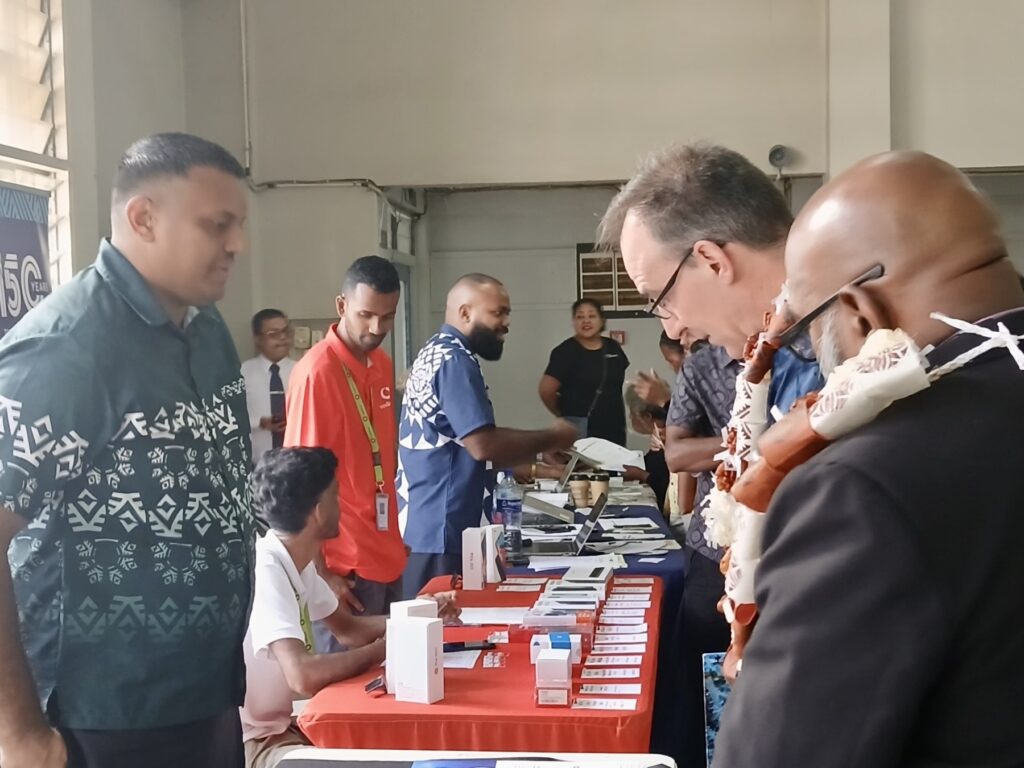
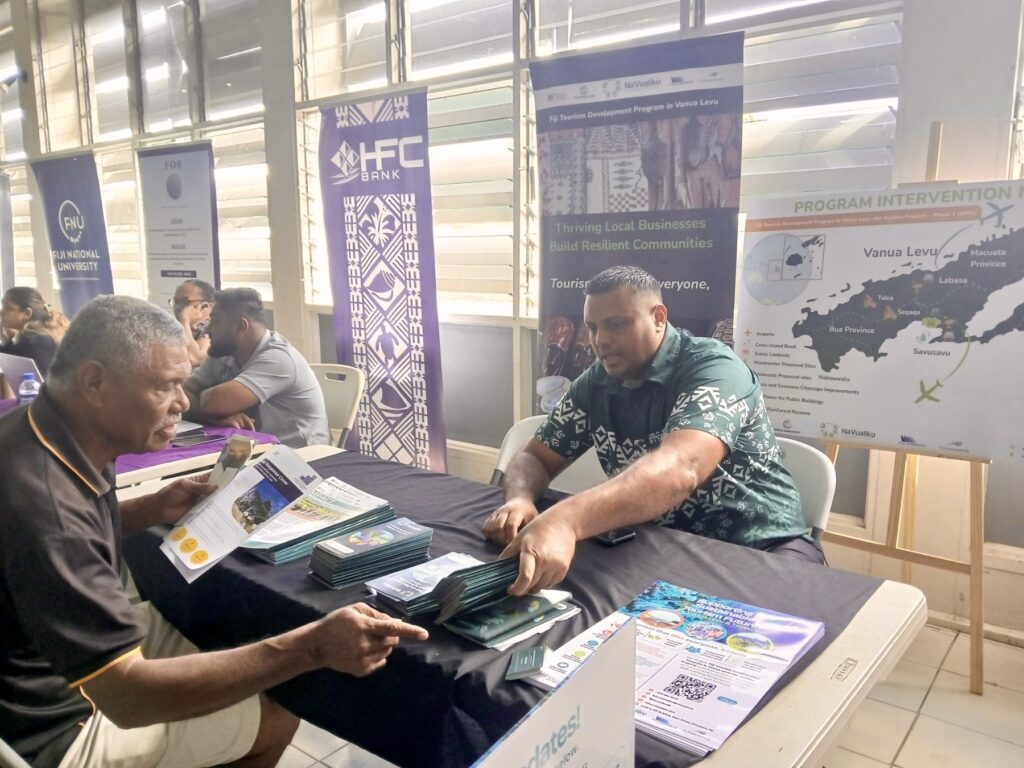
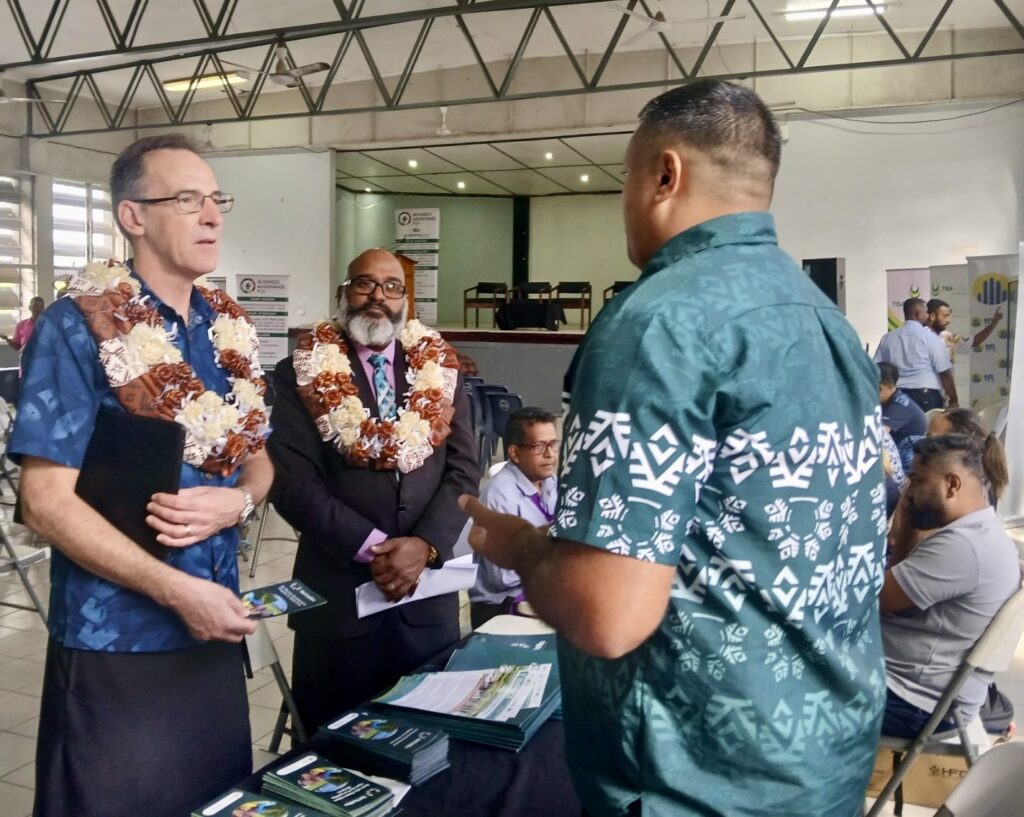
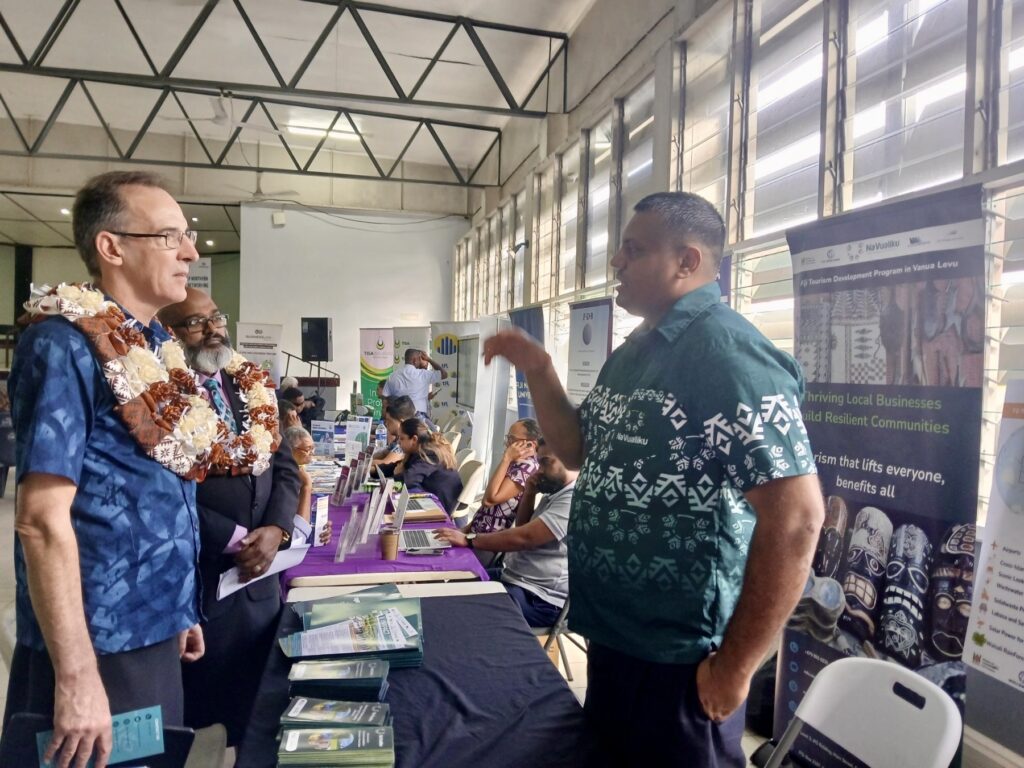
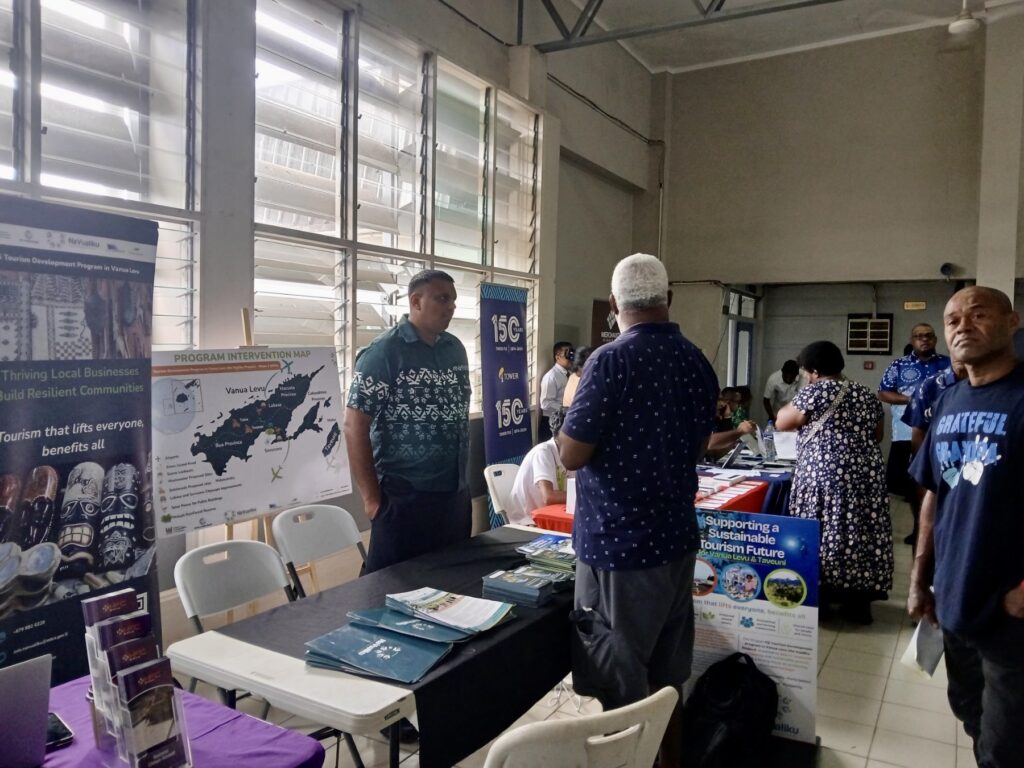
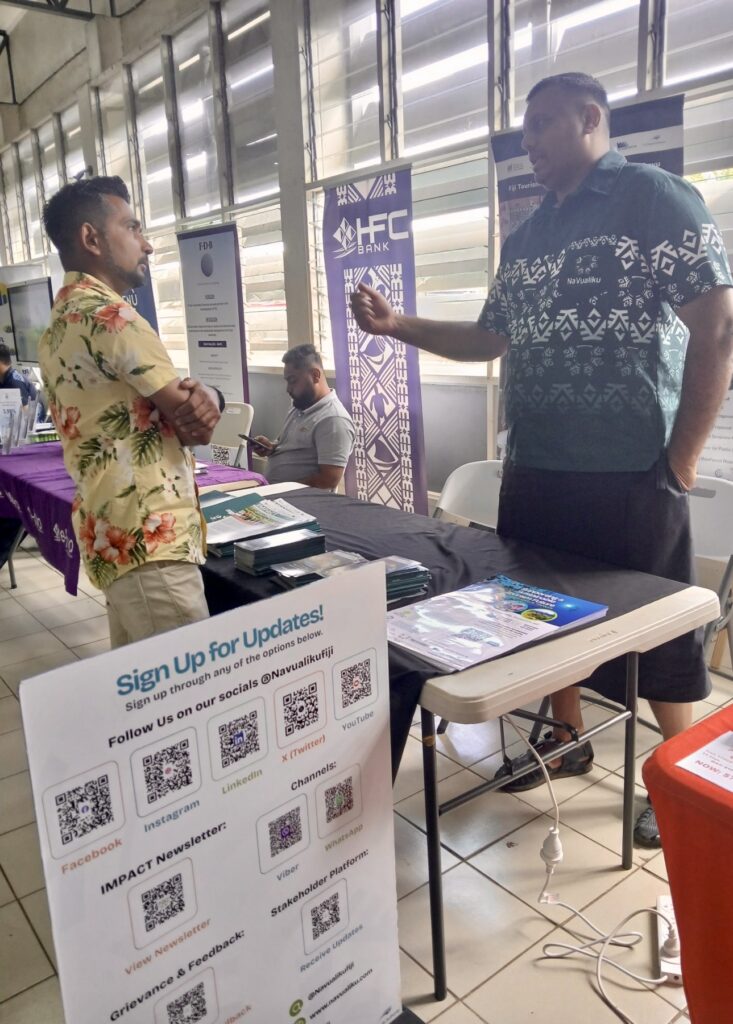
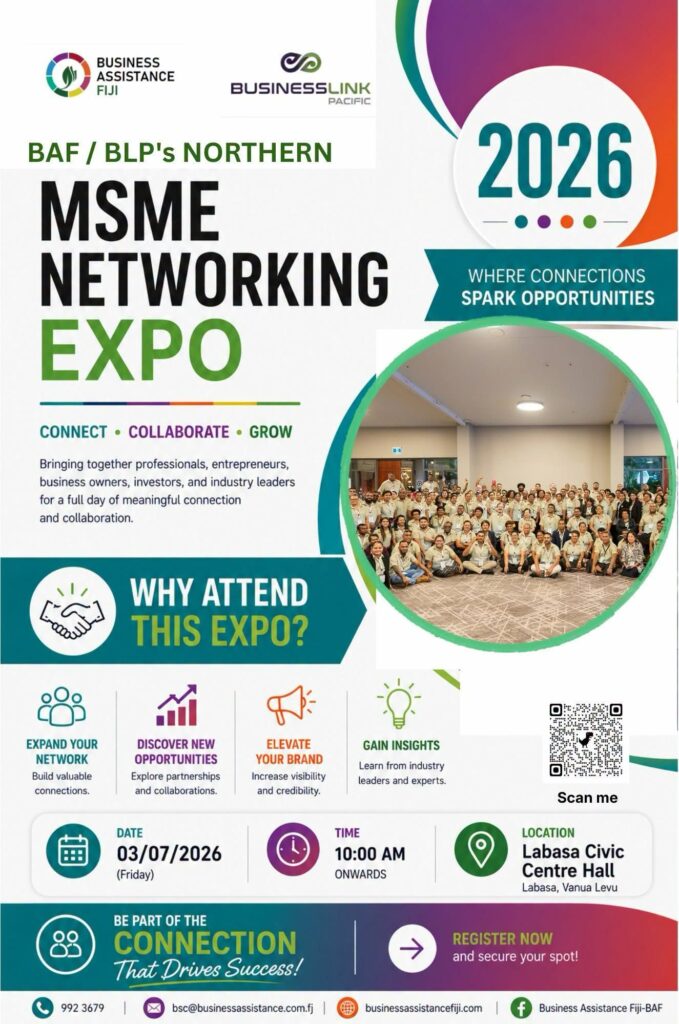
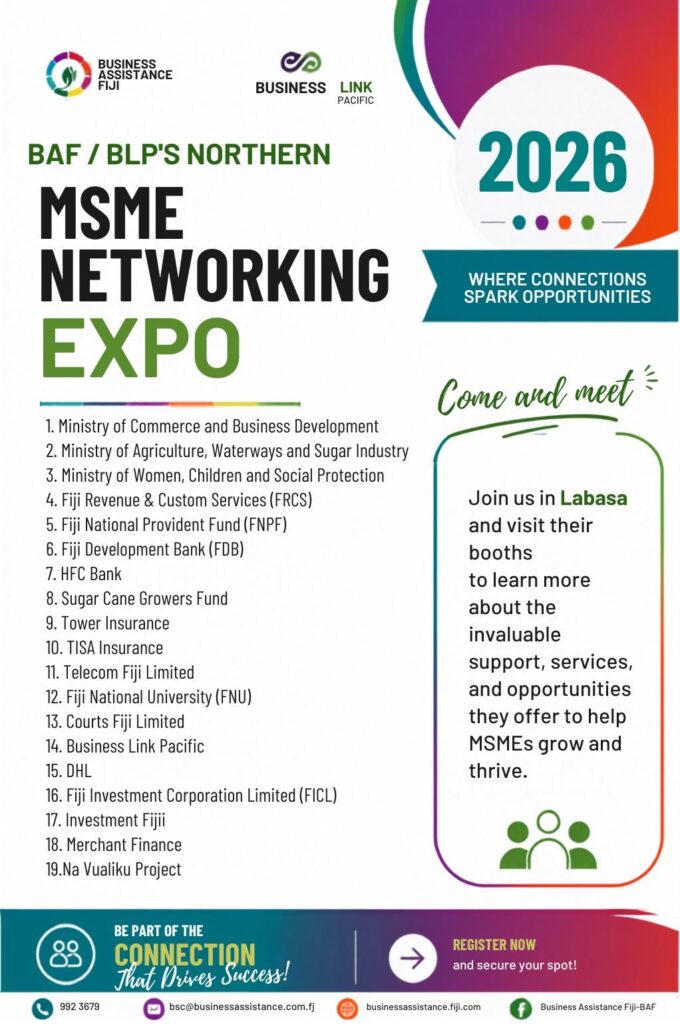
Come and visit our booth, meet the team, and learn more about the Fiji Tourism Development Program in Vanua Levu, particularly our MSME Support Program and what it means for tourism MSMEs and community-based tourism operators across Vanua Levu and Taveuni.
Whether you are a small business owner, tourism operator, community representative or simply interested in what’s happening under Na Vualiku — we’d love to meet you.
Come by, say hello, and have a chat with us today.
Why Targeted Support for MSMEs is the Key to Sustainable Tourism in the North
The true driving force of tourism in Vanua Levu and Taveuni lies in the resourcefulness of our local entrepreneurs: our Micro, Small and Medium Enterprises (MSMEs), the craftship of our women’s cultural enterprises, and the shared custodianship and stewardship of our community-based tourism (CBT) communities.
These innovators already possess the talent, vision, and cultural heritage that make the Northern Division unforgettable. However, scaling an enterprise comes with distinct structural challenges. Even the most driven business owners encounter hurdles when trying to fund infrastructure upgrades, master complex regulatory compliance, or break into competitive digital marketplaces.
The Na Vualiku Project’s MSME and CBT Support Program was designed to address these exact gaps; not by changing the core of these businesses, but by providing the resources and expertise they need to scale on their own terms.
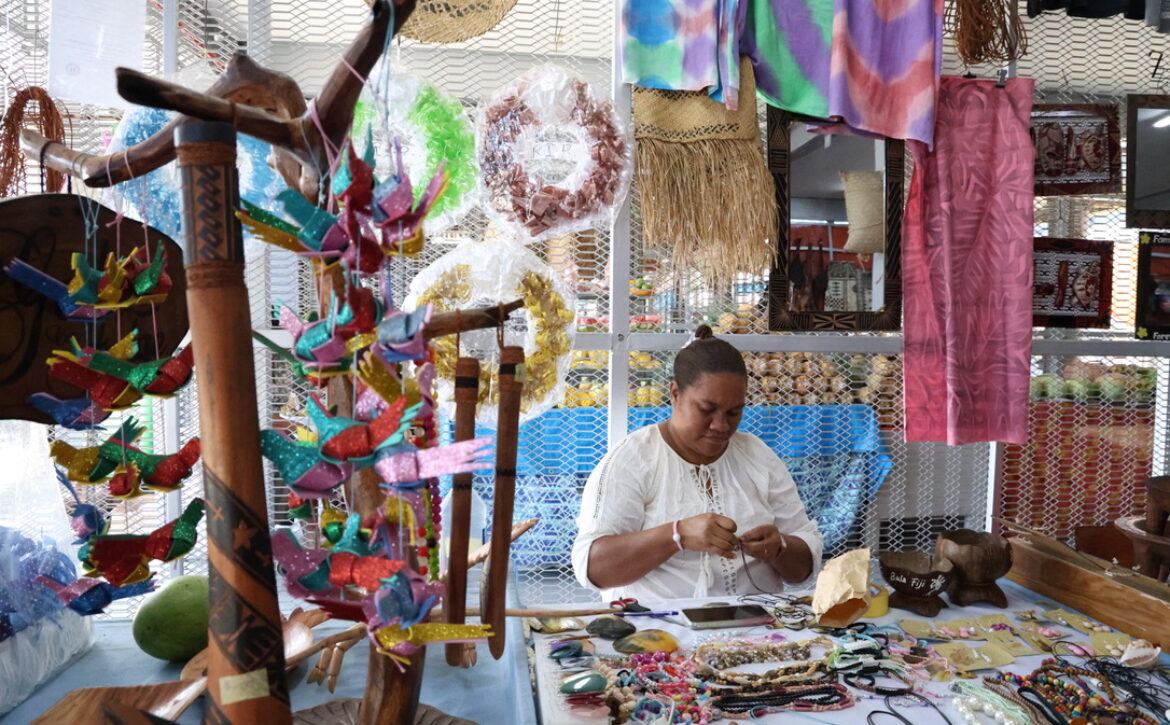
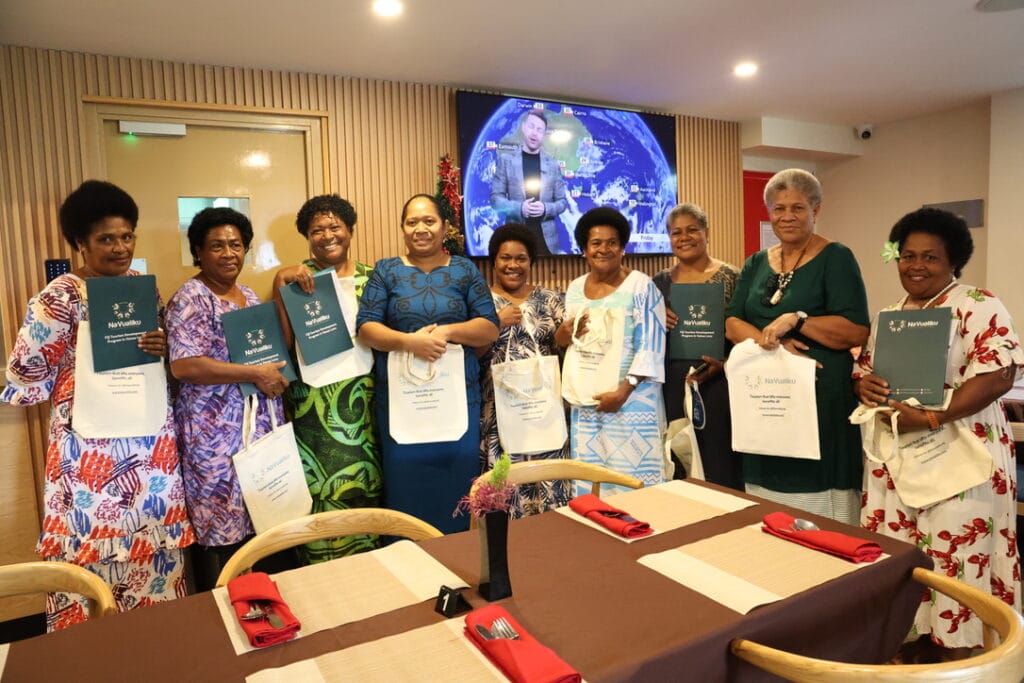
MSMEs, women’s cultural enterprises, and CBT operators across Vanua Levu and Taveuni could apply for targeted training and funding for small-scale infrastructure for selected CBT operators under the Na Vualiku MSME and CBT Support Program. It aims to strengthen local tourism businesses, improve visitor experiences, and ensure that tourism growth delivers direct benefits to communities at the grassroots level.
Through the Program, MSMEs, women’s cultural enterprises, and CBT operators will access capacity-building support covering business registration and regulatory compliance, financial literacy and record-keeping, marketing and digital promotion, tourism quality standards, and business readiness for financing and investment.
Following the official launch of the program in December 2025, by the Deputy Prime Minister and Minister for Tourism and Civil Aviation, Hon. Viliame Gavoka, local operators across Labasa, Savusavu, and Taveuni responded with immense enthusiasm. This groundswell of local interest culminated in a highly successful application window closing on February 13, 2026.
Strong Demand for MSME Support Program Out of a total of 315 applications received under the MSME and Community-Based Tourism (CBT) Support Program, around 30% were for the Community-Based Tourism Grant component, while about 70% were for the Capacity Building component.
The strong response reflects the deep interest and demand among local businesses, women-led enterprises, and community-based tourism operators who participated in outreach sessions and completed the application process. It also points to a clear need for both community-based tourism support and broader business development assistance to improve products, services, systems, and market readiness. As our teams travel across the North for field visits this month, we are focusing on how the Program’s two core components work together to unlock this local potential:
🛠️ Unleashing Potential: CBT Infrastructure Upgrades Great visitor experiences require functional, sustainable spaces. Through the capital grant component of the MSME and CBT Support Program, selected community-owned enterprises will be supported to upgrade their physical properties. From developing low-impact eco-trails and clear signage to installing renewable energy solutions and modern waste management facilities, such structural enhancements would allow communities to welcome visitors safely while protecting their natural resources.
📊 Sharpening the Operational Edge: Strategy & Capacity Building In tandem with infrastructure, local business owners are continually refining their management systems. By working one-on-one with specialized Business Development Service (BDS) advisors through our program, selected entrepreneurs would master practical tools for long-term success. Such hands-on mentorship will cover everything from financial record-keeping and strategic pricing to digital promotion and investment readiness.
The Broader Impact: Grassroots Self-Reliance When local businesses are equipped with the right infrastructure and strategic tools, the entire northern tourism model permanently shifts from a top-down industry into a grassroots movement. True sustainability cannot be bought or imported; it is forged by keeping local ownership and local hands at the absolute center of economic growth. As DPM Gavoka emphasized during the initial December roll-out, “Tourism thrives when our communities thrive.”
Responding to the overwhelming demand, the Na Vualiku Project is doing more than just supporting local businesses; we are helping create pathways to anchor economic benefits of tourism directly within the villages, families, and valleys of Vanua Levu and Taveuni. Empowering these local creators ensures that the growth of the North remains self-reliant, resilient, and proudly driven by the very people who make the “Friendly North” extraordinary.
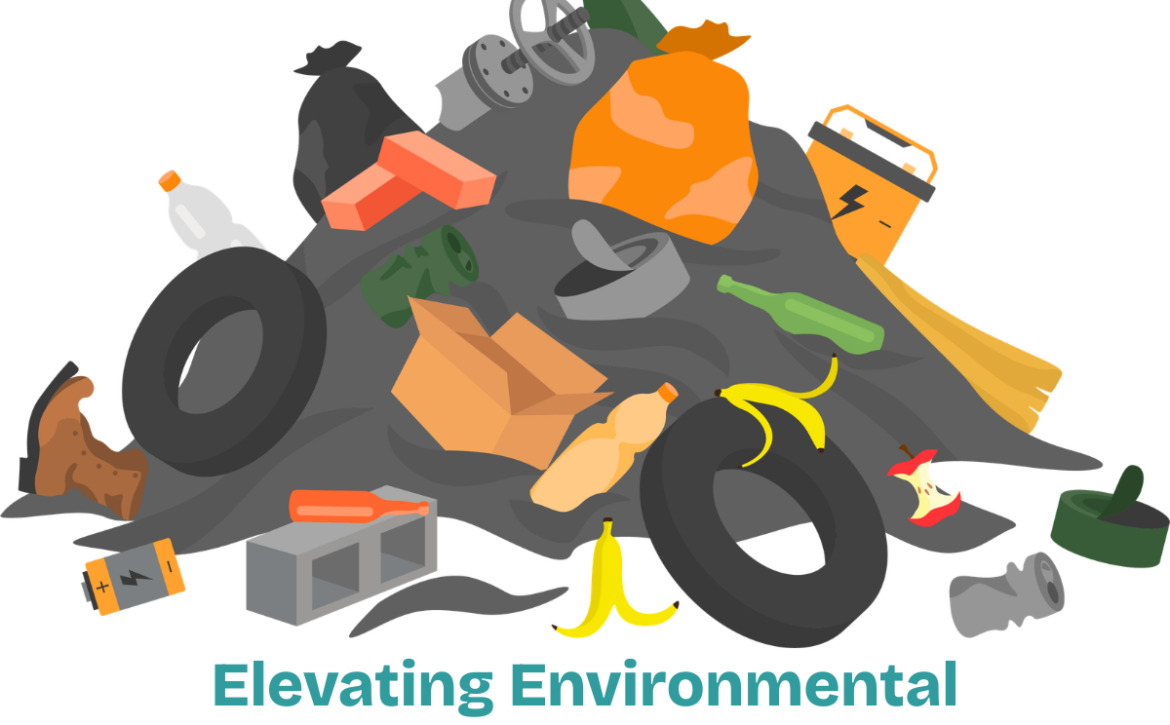
Elevating Environmental Standards to Safeguard Fiji’s Tourism Value: 🌿 Landfills vs. Dumps
The true foundation of a thriving, world-class tourism industry lies not just in pristine reef systems, lush rainforests, and world-renowned hospitality, but in how meticulously we safeguard our natural assets.
Sustainable growth requires robust public infrastructure capable of preserving the very environment that draws visitors from around the globe. However, regional growth introduces real structural pressures on environmental health, particularly regarding how waste is managed. Traditional rubbish disposal methods are increasingly unsuited to meet the needs of growing municipalities and modern tourism standards.
Protecting the “Friendly North” starts with building the right infrastructure to keep our environment pristine! 🌿🗑️
The Na Vualiku Project’s Solid Waste Management initiative is designed to modernize the infrastructure needed to transition the Northern Division toward an engineered, sustainable waste system.
Following initial, extensive stakeholder consultations and site visits, the Project is advancing strategic technical assessments and practical options tailored for Labasa, Savusavu, Taveuni, and surrounding areas. This groundswell of preparatory planning ensures that our upcoming interventions directly serve the needs of local towns and traditional custodians alike.
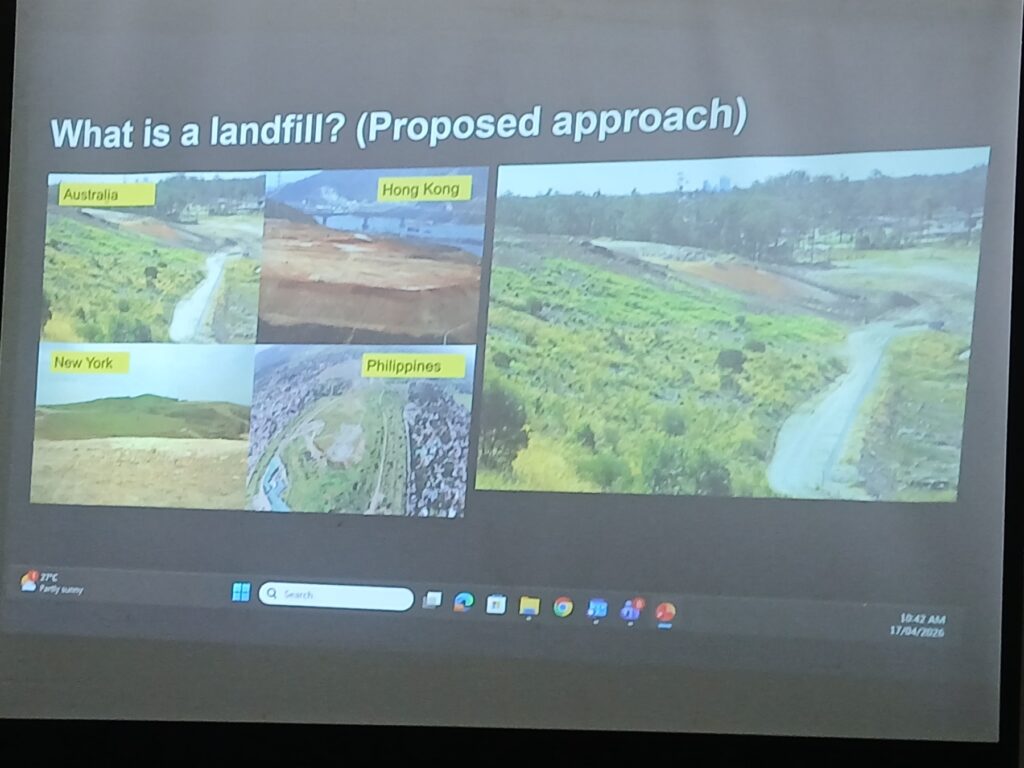
Understanding the Infrastructure Shift: Dumps vs. Engineered Landfills
A rubbish dump and a landfill may sound similar, but they are completely different in how they protect people, land, water, and our shared environment:
The Traditional Rubbish Dump: Typically an open or poorly controlled site where waste is placed with limited planning, engineering, or protective barriers. These unmanaged sites create foul odors, attract disease-carrying pests, release smoke if burned, and critically allow toxic, polluted liquid to seep into soil, rivers, groundwater, and pristine coastal ecosystems.
The Engineered Landfill: A highly planned, modern facility engineered to control exactly where waste goes, how it is compacted, and how it is covered. Proper landfills utilize sophisticated containment designs to capture contaminated liquid and runoff, implement waste sorting and drainage systems, ensure strict access control, and utilize long-term site monitoring to keep nearby communities and natural ecosystems safe.
Turning Plans Into Action: The Timeline
Moving from administrative planning to active delivery, our project timelines are geared toward making an immediate, practical impact:
July 2026 Milestone: The Project is on track to officially identify immediate, early improvements that can be executed directly at current disposal facilities.
November 2026 Mobilization: Ground works are expected to commence on-site for these early improvements, establishing an operational bridge while technical planning continues on the long-term, engineered regional waste management infrastructure options.
The Broader Impact: Securing the Future of Northern Tourism
Sustainability cannot be bought or imported; it is forged by protecting the health of our communities, keeping our towns clean, and safeguarding the natural assets of Vanua Levu and Taveuni.
Through the #NaVualikuProject work is underway to plan a safer, cleaner solid waste management system across Labasa, Savusavu, and Taveuni. Our goals go far beyond simply finding more space for trash; together with stakeholders, we are planning a sustainable infrastructure that mitigates environmental risks and protects our town ecosystems.
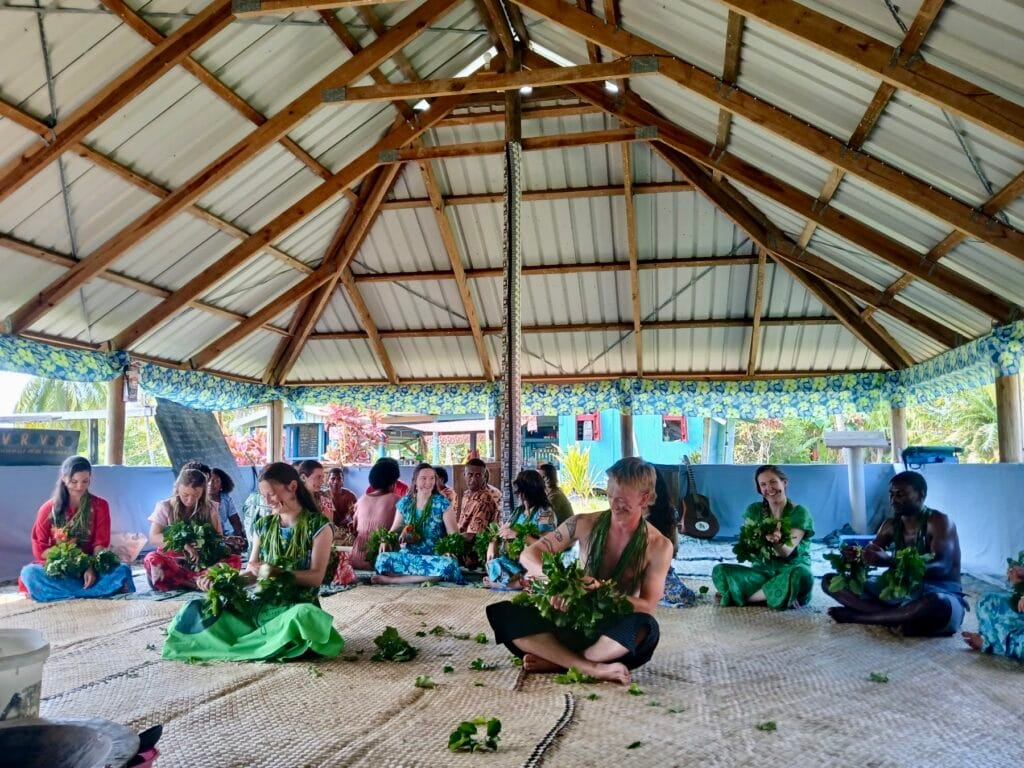
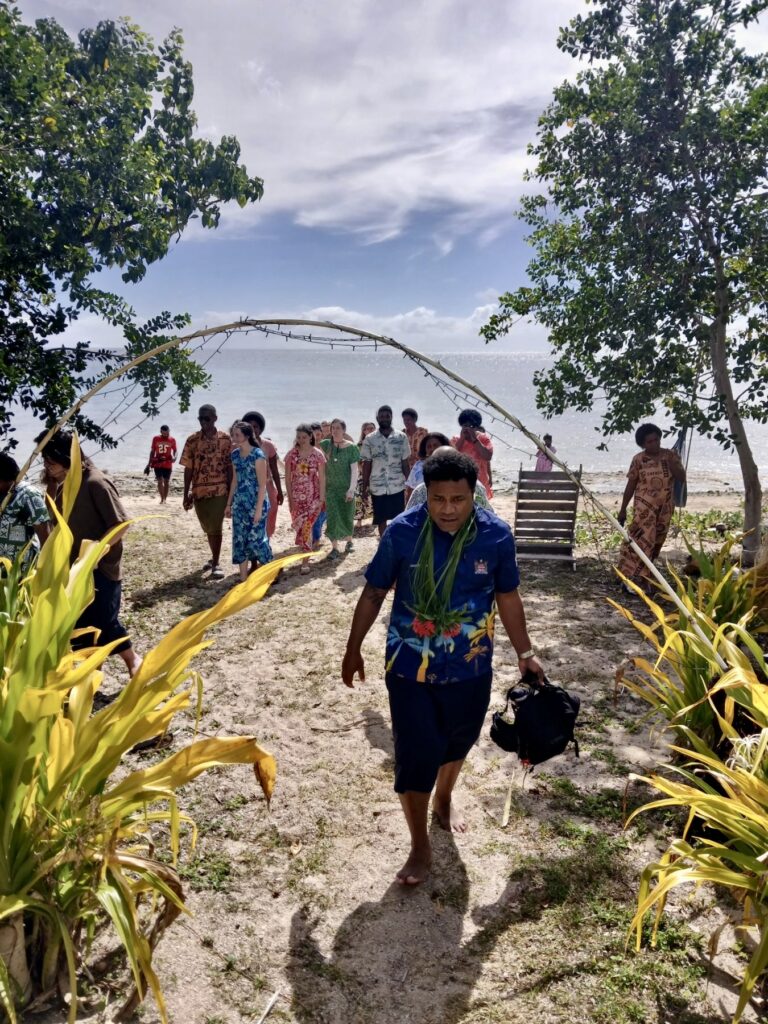
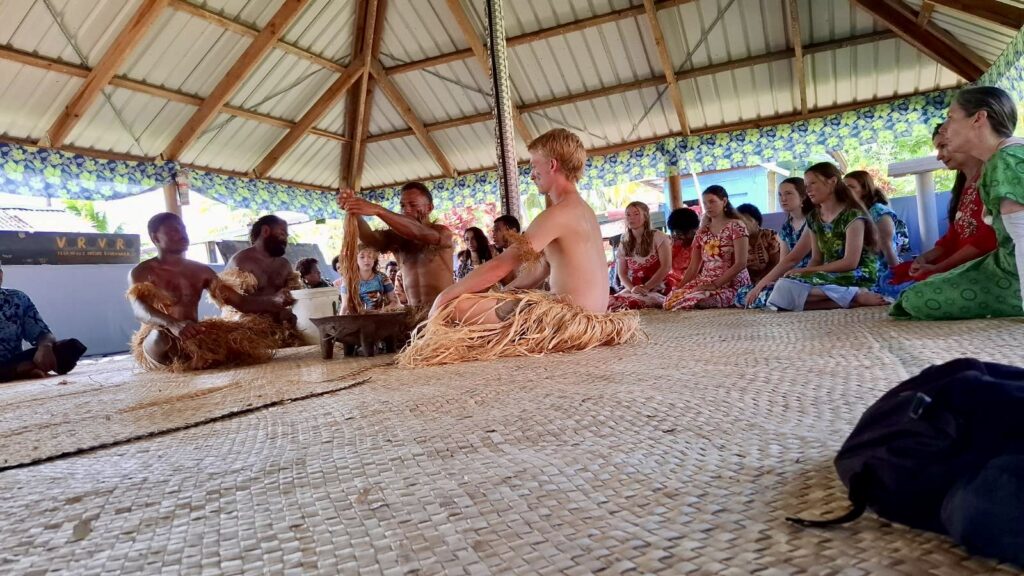
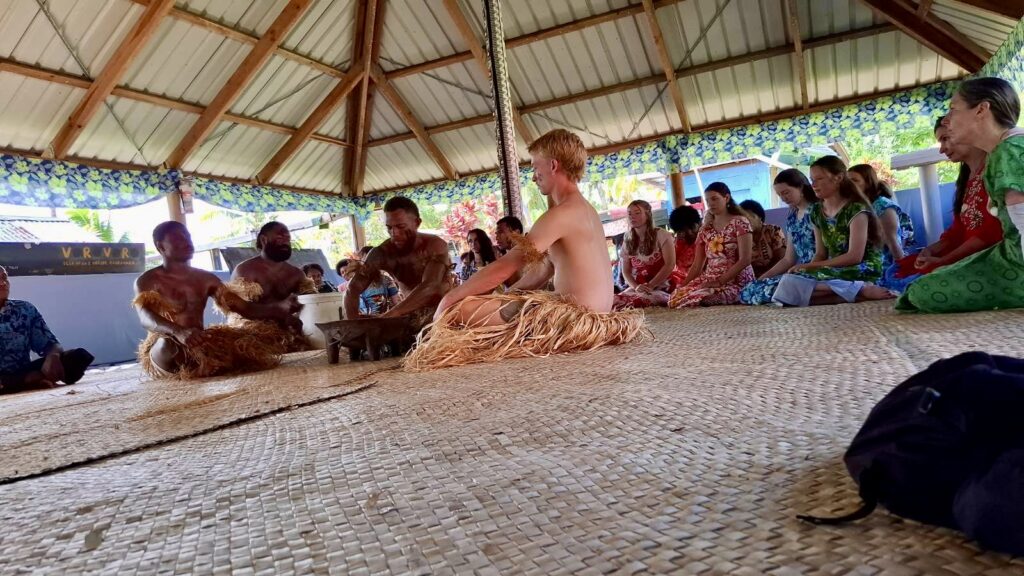
📍Across #VanuaLevu and #Taveuni, communities are working hard to grow their community-based tourism products and experiences so that they are locally led, culturally grounded, and connected to real opportunities for families, villages, and MSMEs.
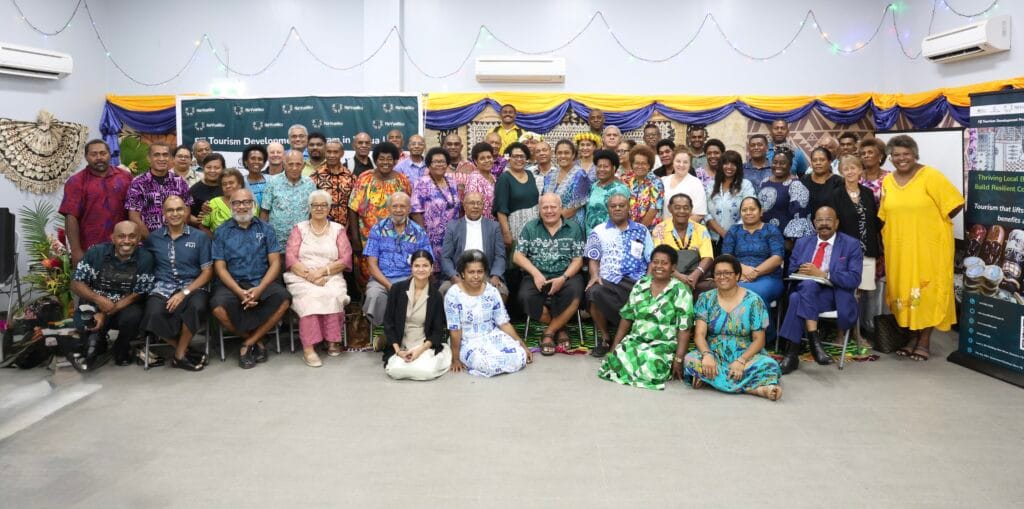
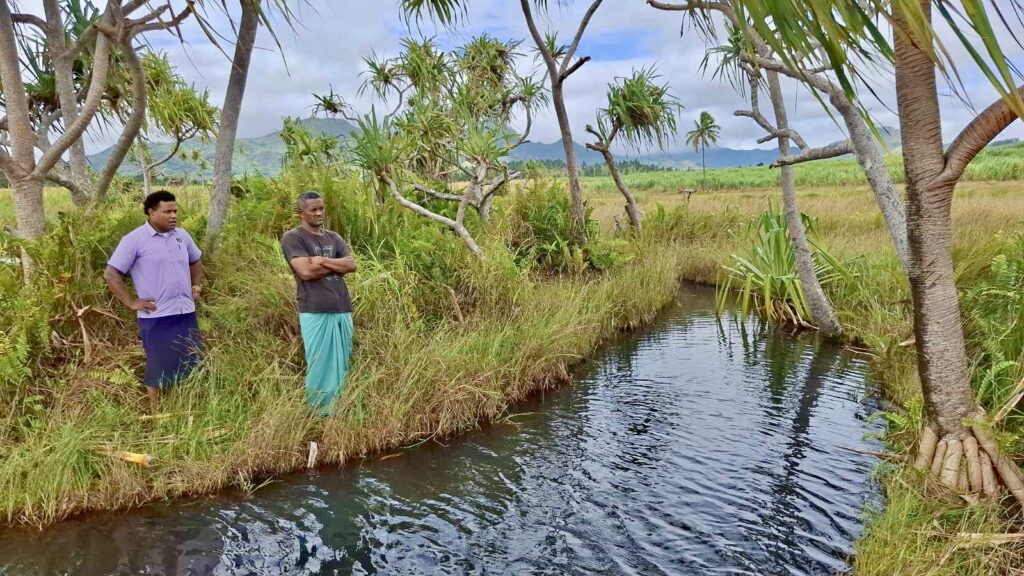
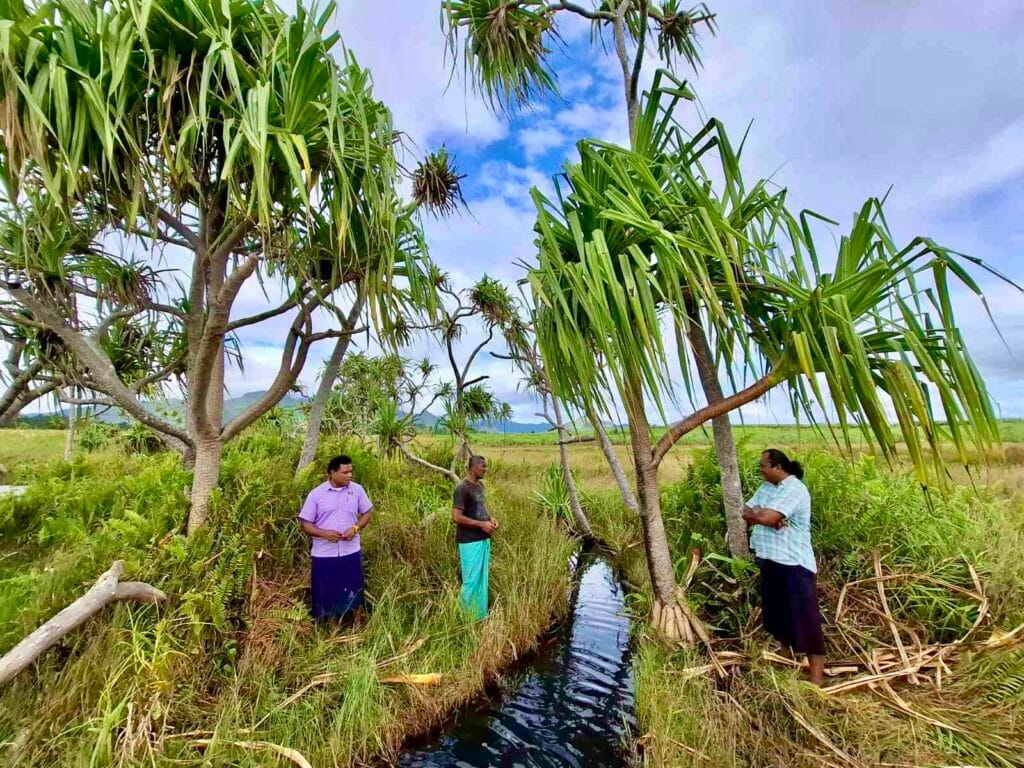
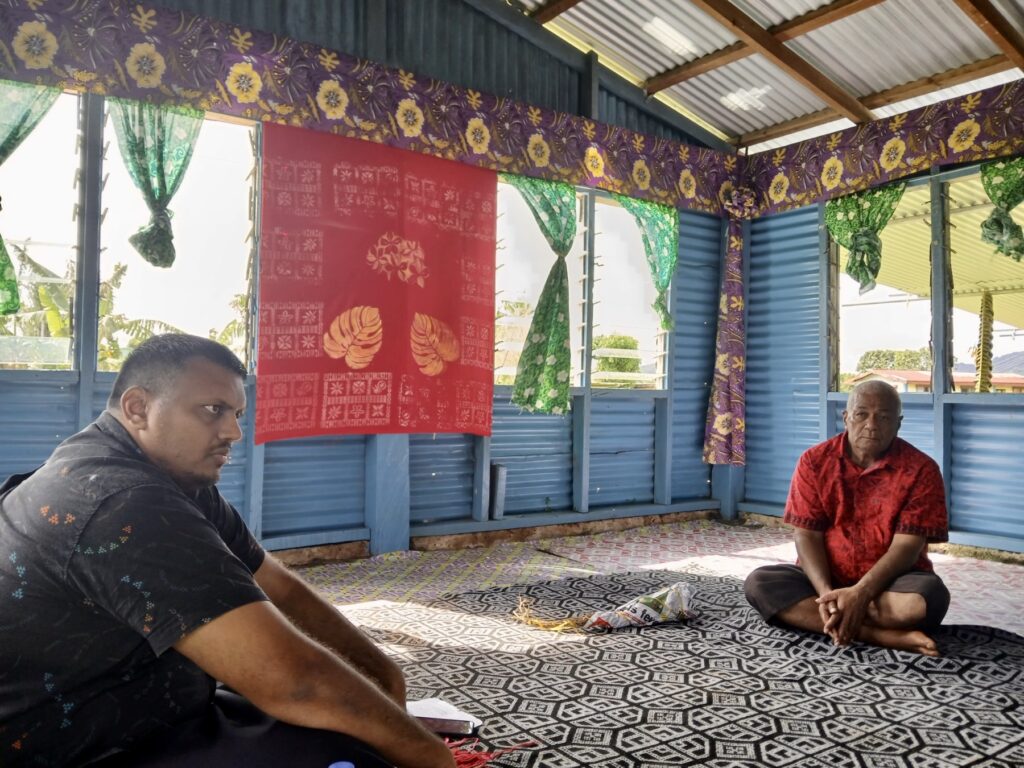
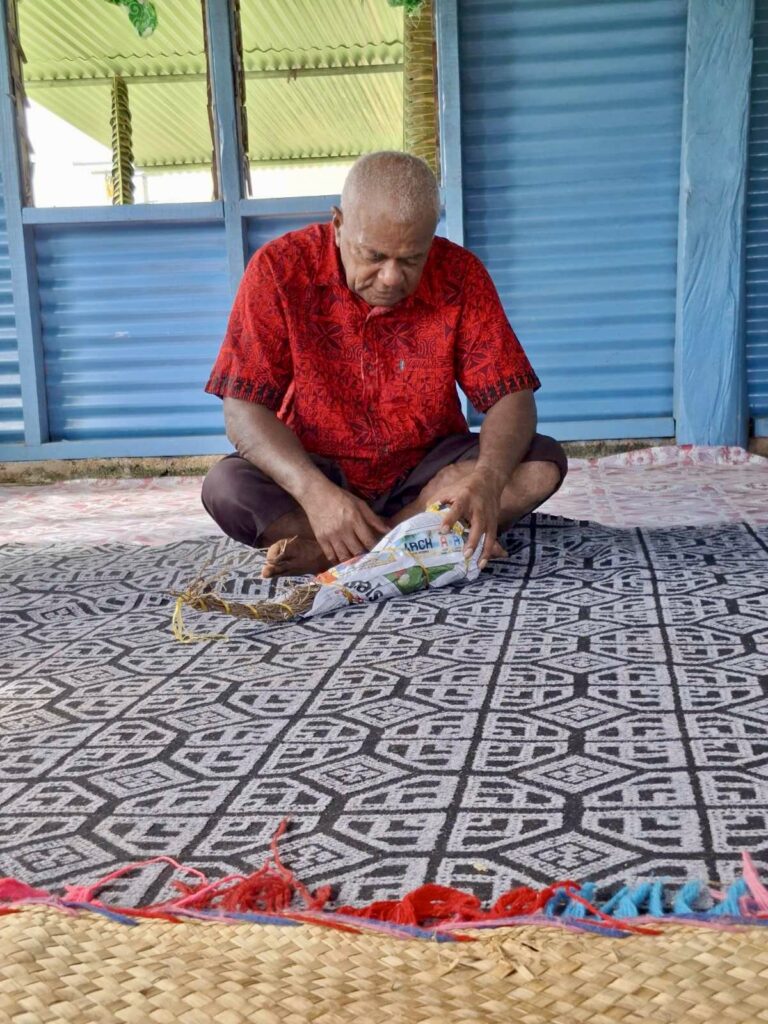
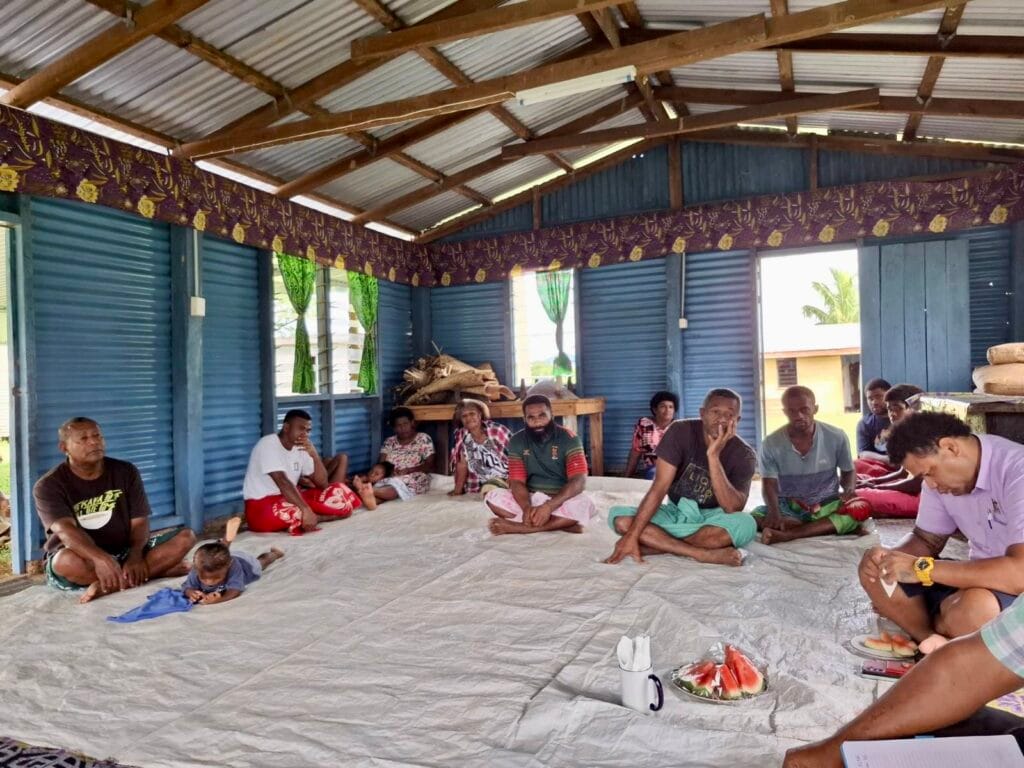
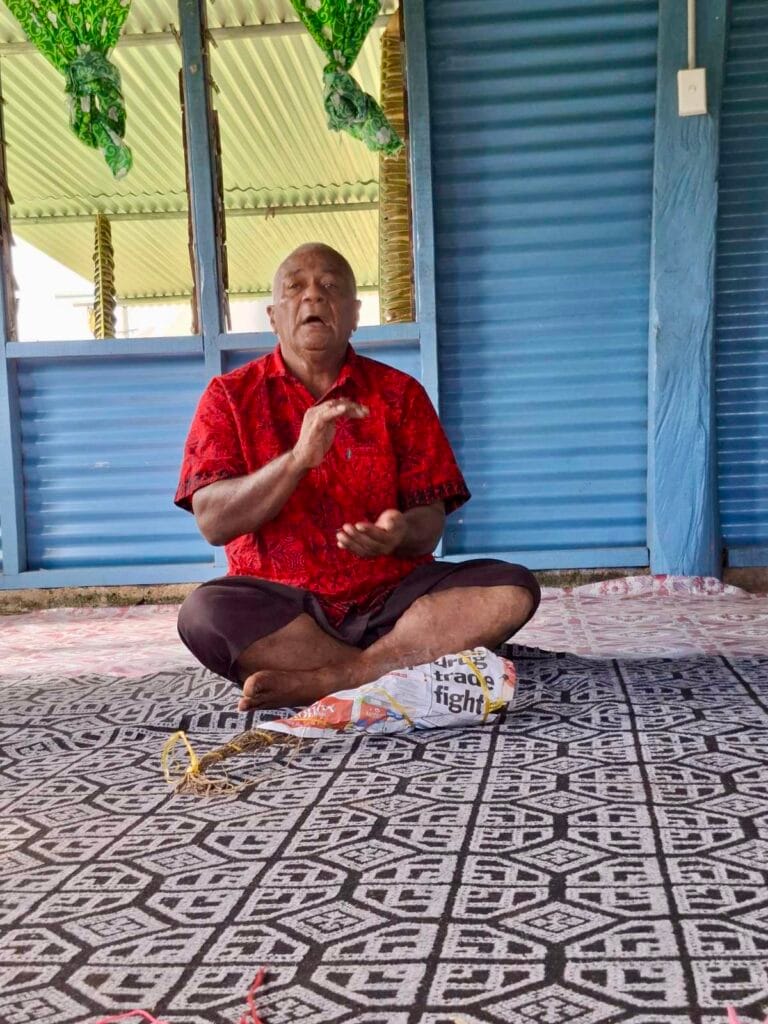
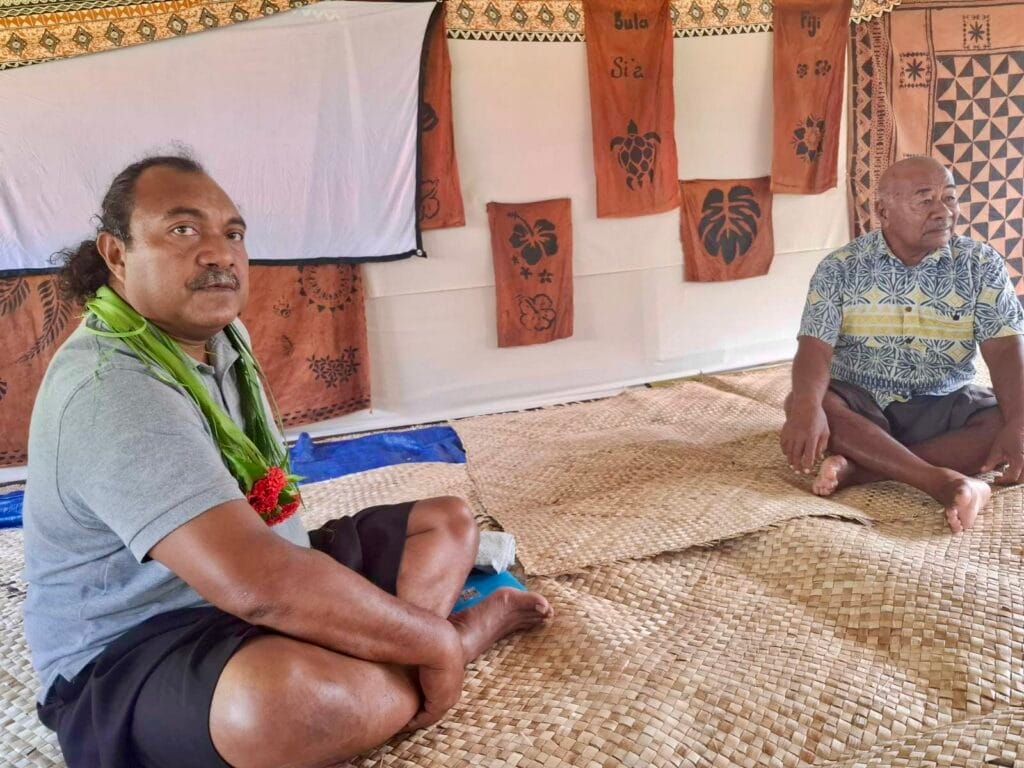
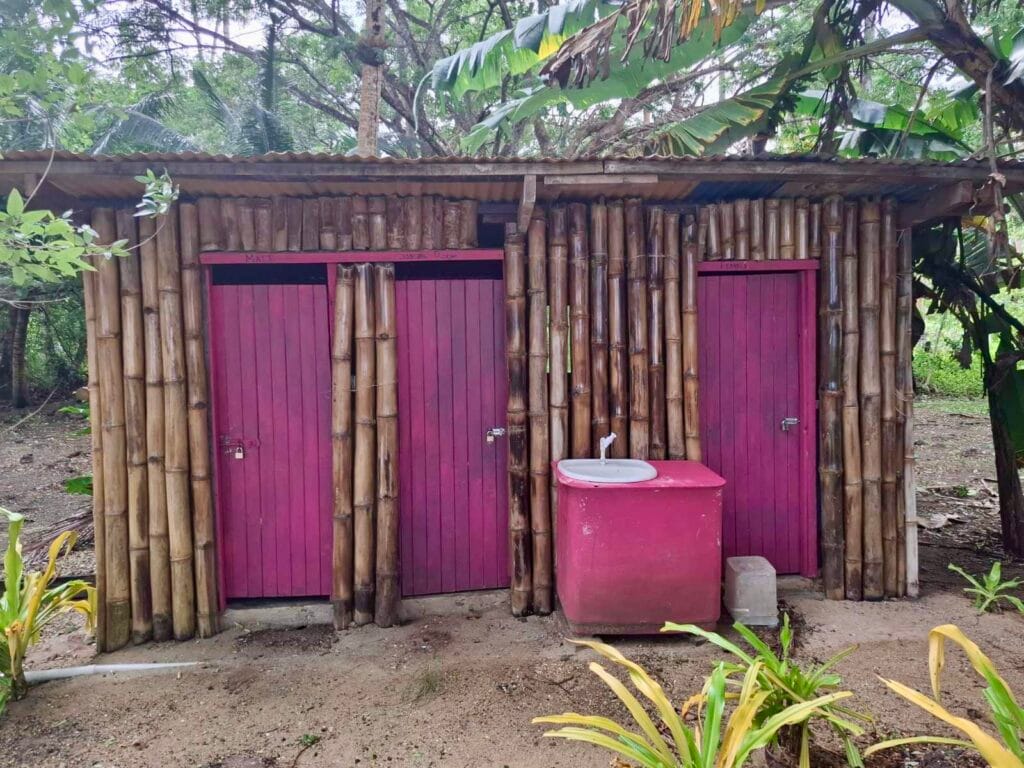
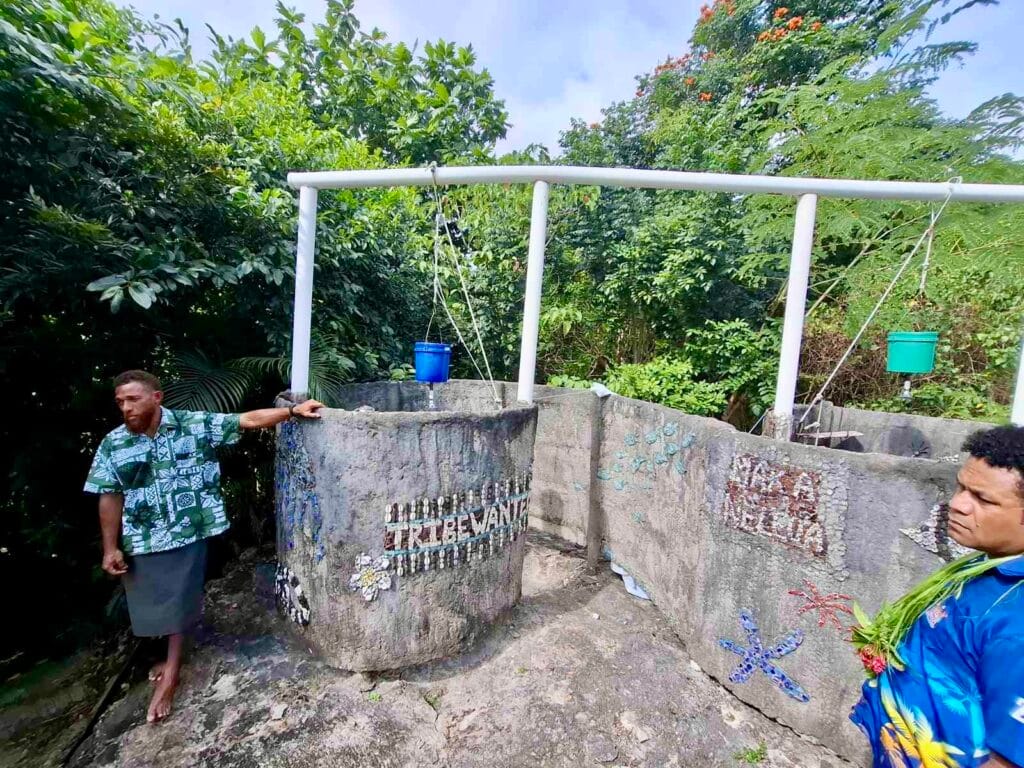
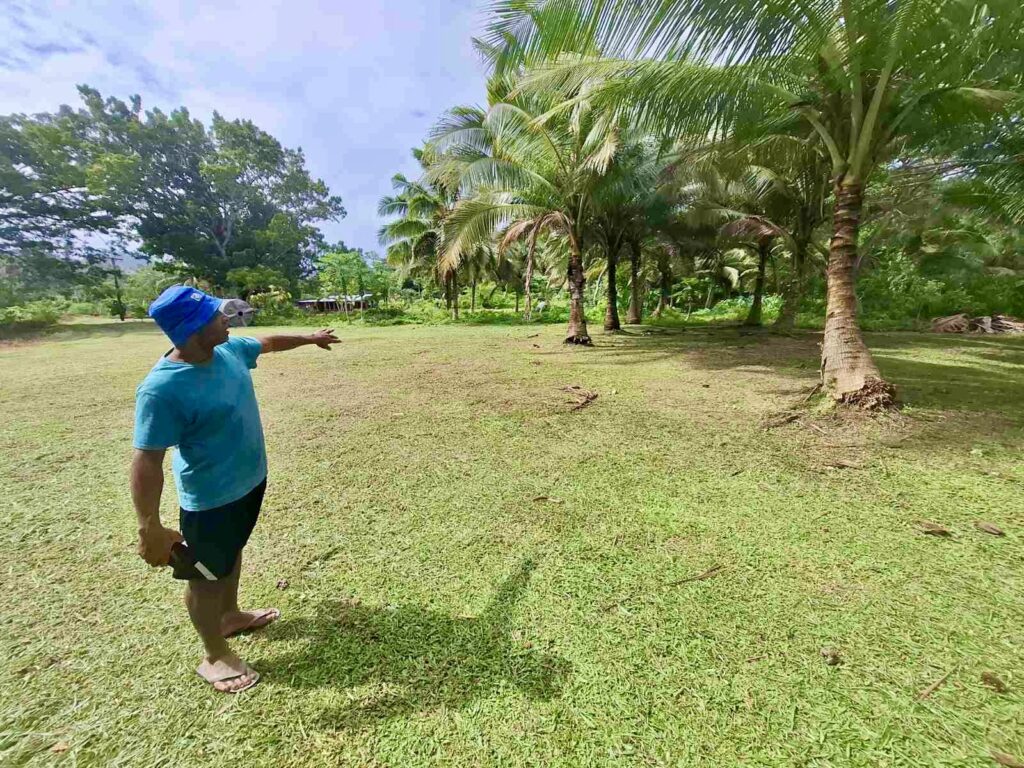
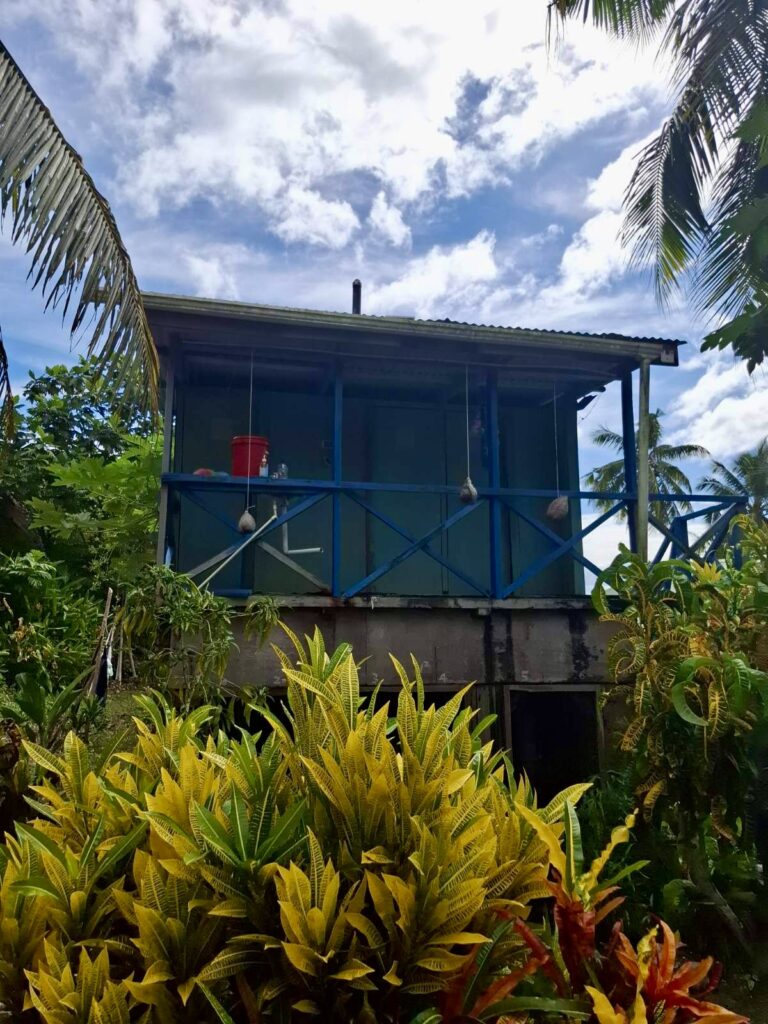
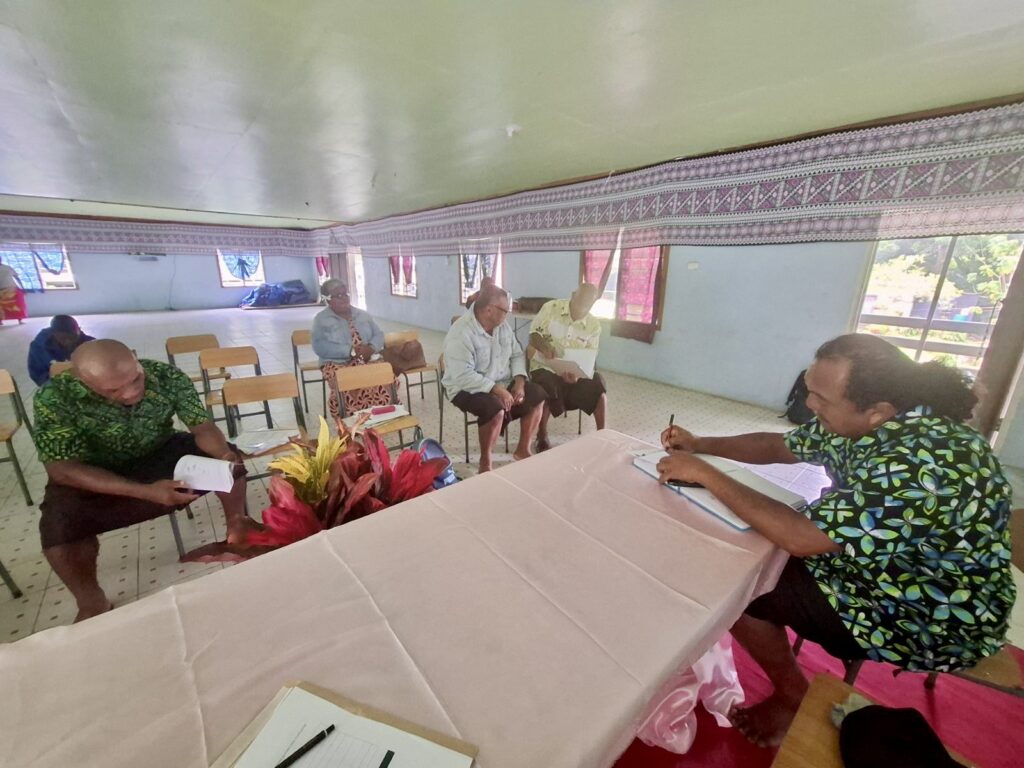
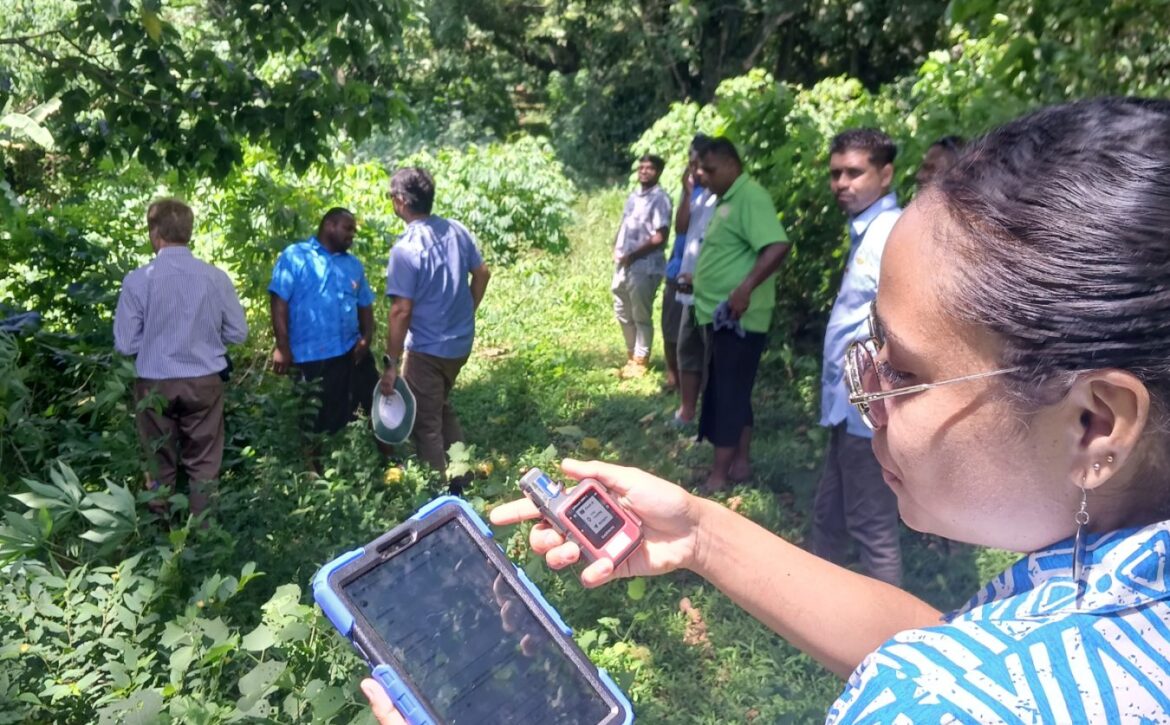
As part of our #MSME and Community-Based Tourism (CBT) Support Program’s screening and assessment process, the Na Vualiku Project team has begun visiting shortlisted applicants under the CBT Grant component.
These visits are helping the team meet the people behind the applications, understand their tourism activities, assess their readiness, and identify the type of support that could help them strengthen infrastructure and services, enhance visitor experiences, build resilience, and create more value for their communities and the wider tourism industry in the North. 🤝🌿
Ninety five applications were received under the Na Vualiku CBT Program, showing strong interest from communities wanting to participate more meaningfully in the North’s tourism growth.
These site visits do not confirm final selection. They form part of the due diligence process to assess eligibility, readiness, the type of support required, and to identify eligible beneficiaries for CBT grant assistance.
Shortlisted applicants have been contacted directly from the Project team.
Through the Fiji Tourism Development Program in Vanua Levu, the Na Vualiku Project aims to support #communitybasedtourism operators, #MSMEs, and #womenledenterprises to build stronger businesses, improve livelihoods, and contribute to tourism development that delivers broader benefits for families, communities, and the local economy.
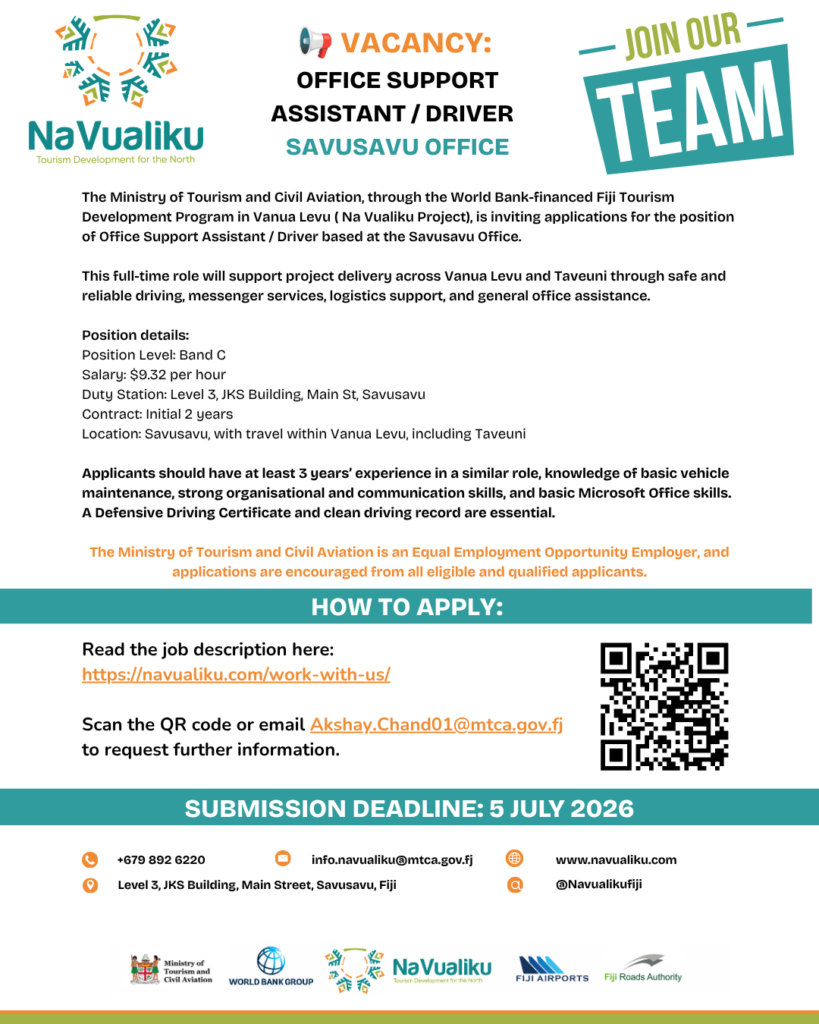
The Ministry of Tourism and Civil Aviation, through the #NaVualikuProject, is inviting applications for the position of Office Support Assistant / Driver based at the Savusavu Office.
This full-time role will support project delivery across #VanuaLevu and #Taveuni through safe and reliable driving, messenger services, logistics support, and general office assistance.
📍 Duty Station: Level 3, JKS Building, Main St, Savusavu 💼 Position Level: Band C 🕒 Contract: Initial 2 years 🚗 Travel: Within Vanua Levu, including Taveuni
Interested applicants can access the full job description and application details here
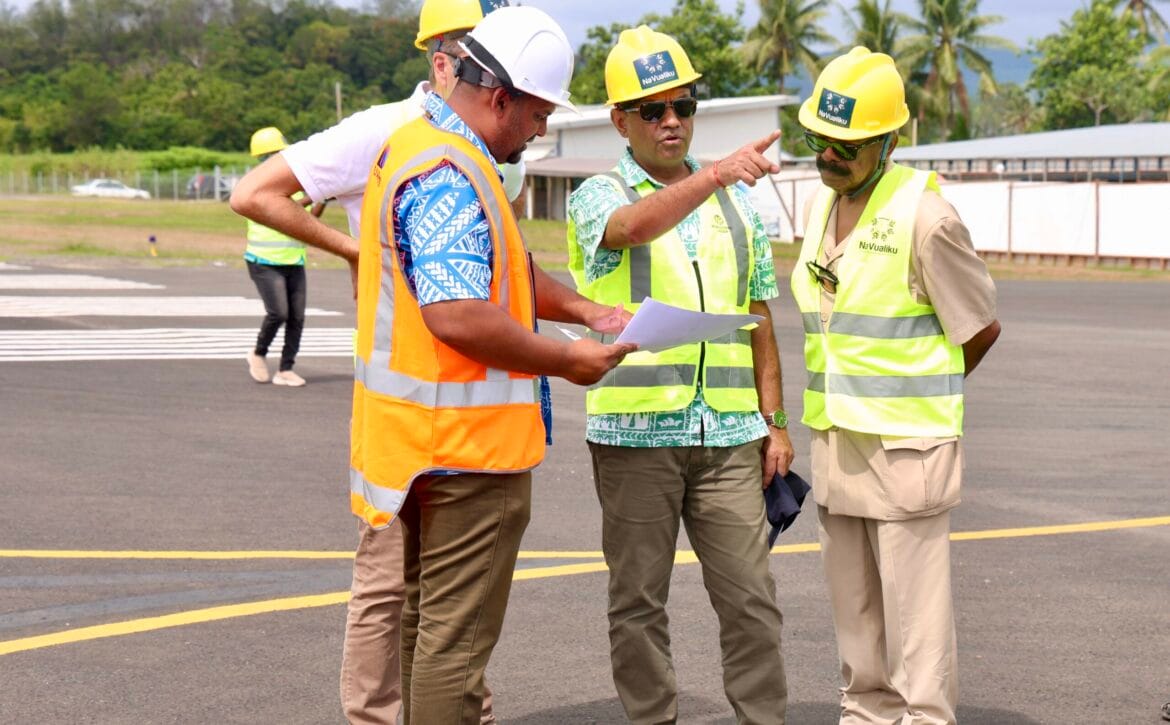
Watch this video to learn more about progress at Labasa Airport under the World Bank-financed Fiji Tourism Development Program in Vanua Levu, locally known as the Na Vualiku Project.
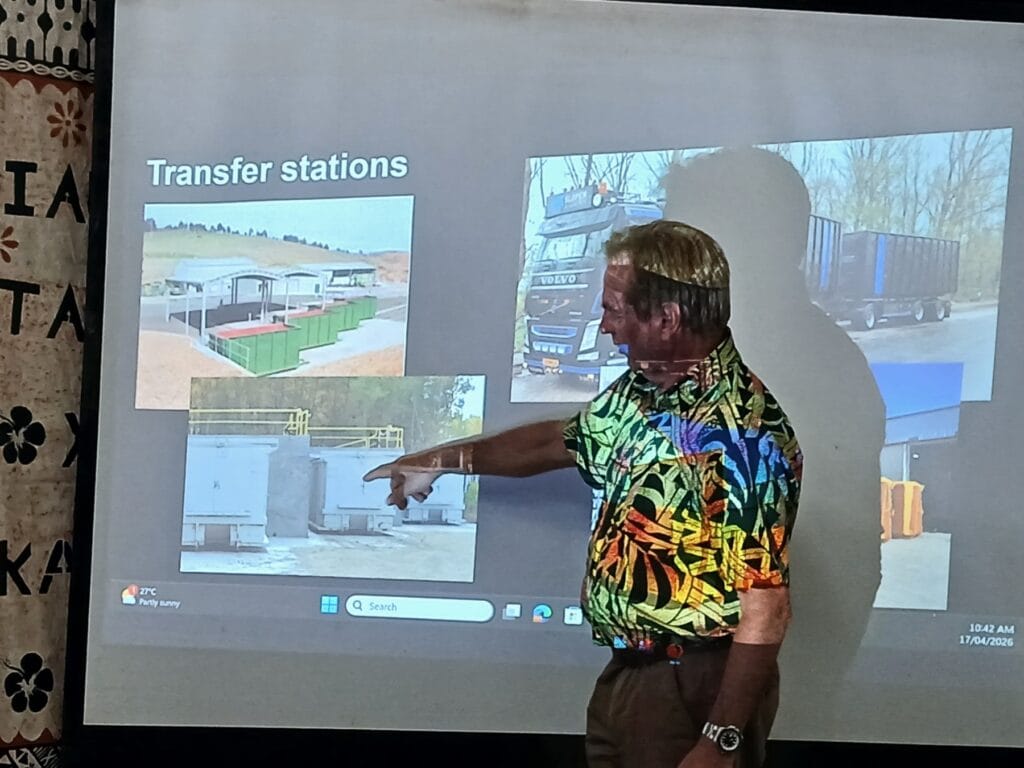
Through the Na Vualiku Project, work is underway to support better solid waste management planning for the Northern Division.
This includes technical assessments, site visits, stakeholder discussions, and analysis of practical options for Labasa, Savusavu, Taveuni, and surrounding areas.
The goal is not simply to find more space for waste. It is to plan a safer, cleaner, and more sustainable system that reduces environmental risks, protects communities, and supports the long-term growth of tourism and local development across Vanua Levu and Taveuni.
Better waste management is essential for healthier communities, cleaner towns, protected natural assets, and a stronger tourism future. Read more in our latest newsletter: https://navualiku.com/newsletters/
How can tourism development protect natural assets, support climate action and create long-term benefits for local communities?
The Fiji Tourism Development Program in Vanua Levu, also known as the Na Vualiku Project, is supporting a more integrated approach to sustainable tourism development in the country’s northern region.
This World Environment Day, the global theme, “Inspired by Nature. For Climate. For Our Future,” closely reflects the direction of the Program’s work across Vanua Levu and Taveuni.
Through consultations and planning discussions, communities and stakeholders have consistently highlighted the importance of a tourism future that protects the environment, maintains cultural authenticity and delivers real benefits for local people. This message is central to the Program’s approach.
Inspired by Nature
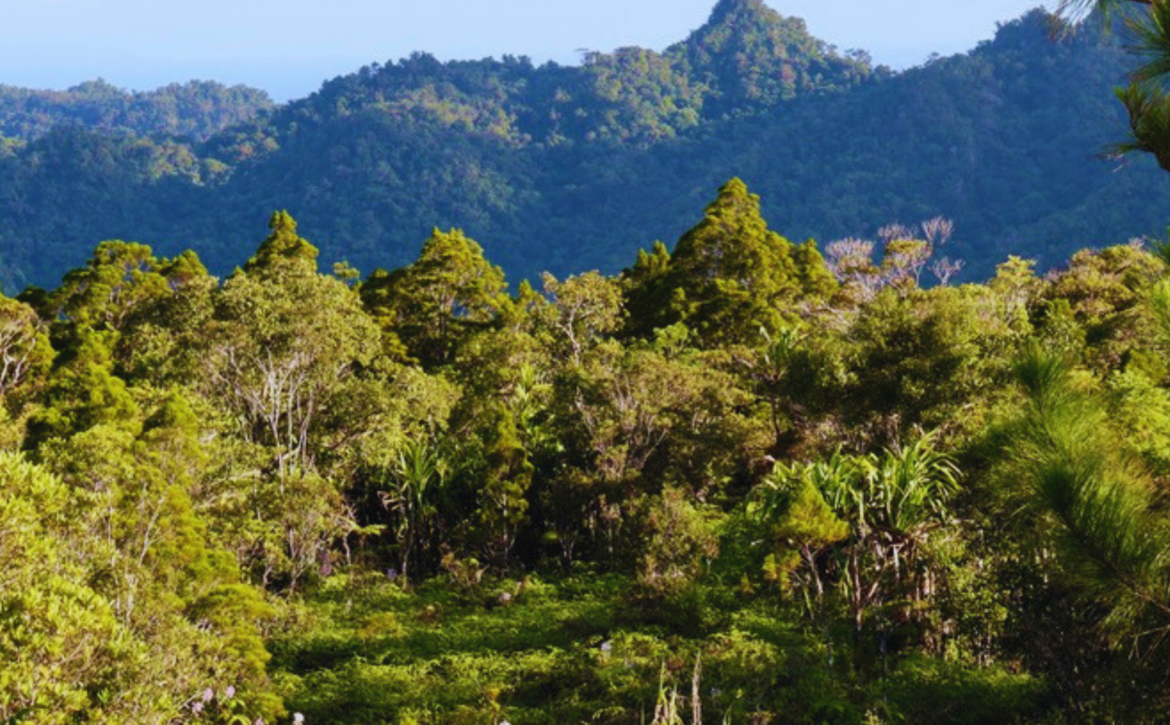
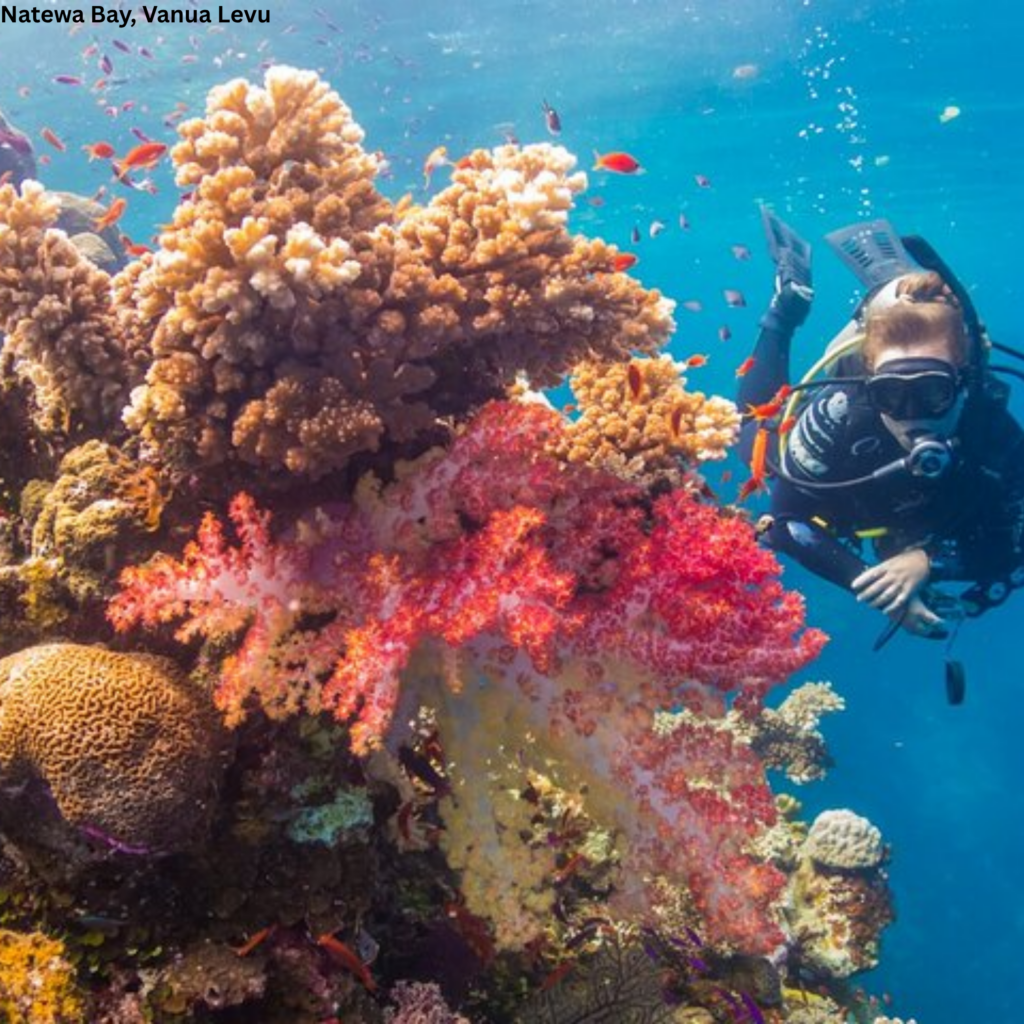
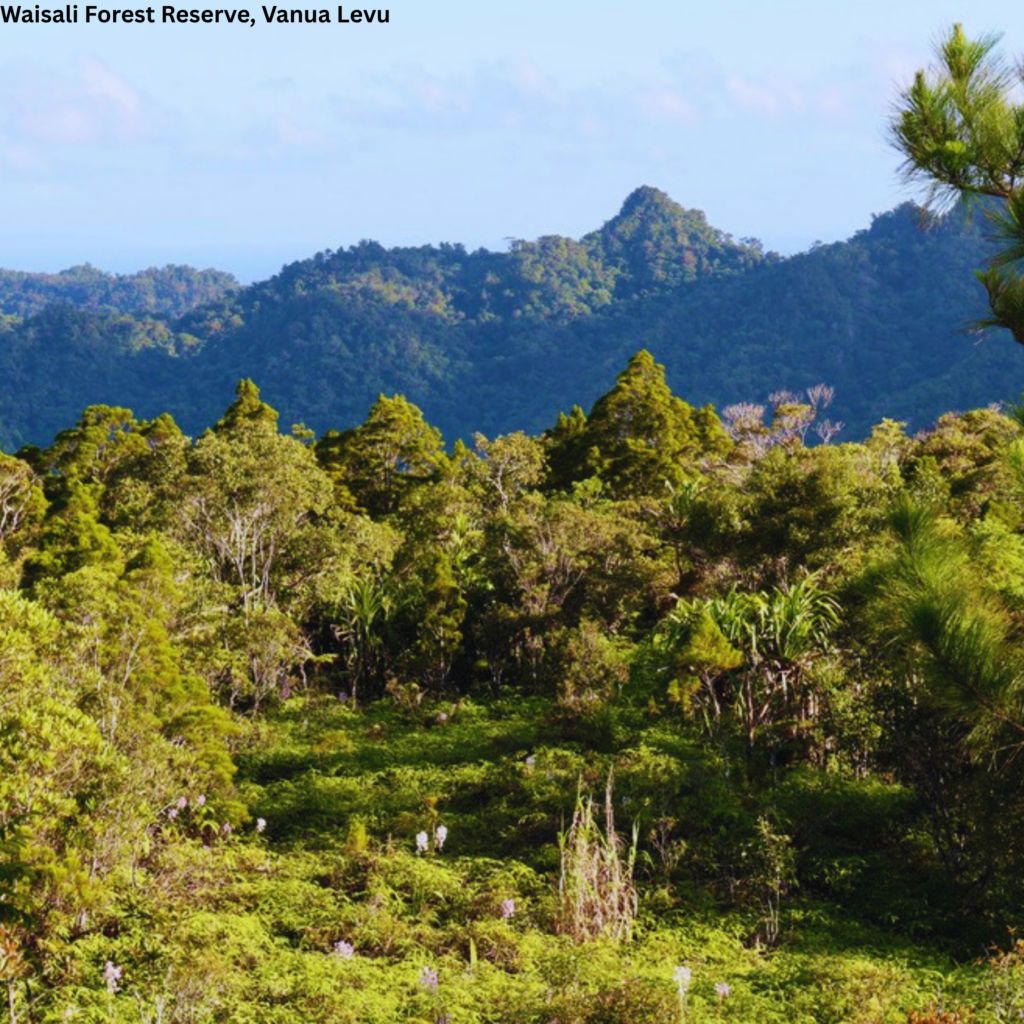
Vanua Levu and Taveuni’s tourism potential is closely linked to the natural and cultural assets that define the destination. Forests, rivers, reefs, coastlines, cultural sites, towns and community landscapes all contribute to the visitor experience and the wellbeing of local communities.
Through the Integrated Tourism Master Plan, the Program is supporting long-term destination planning that recognises these assets as the foundation for sustainable tourism growth. The Strategic Environmental and Social Assessment is helping identify environmental and social risks early, so future development can be better informed by climate, community and environmental considerations.
For Climate
Climate action is reflected in the way energy, waste, infrastructure and services are planned and delivered.
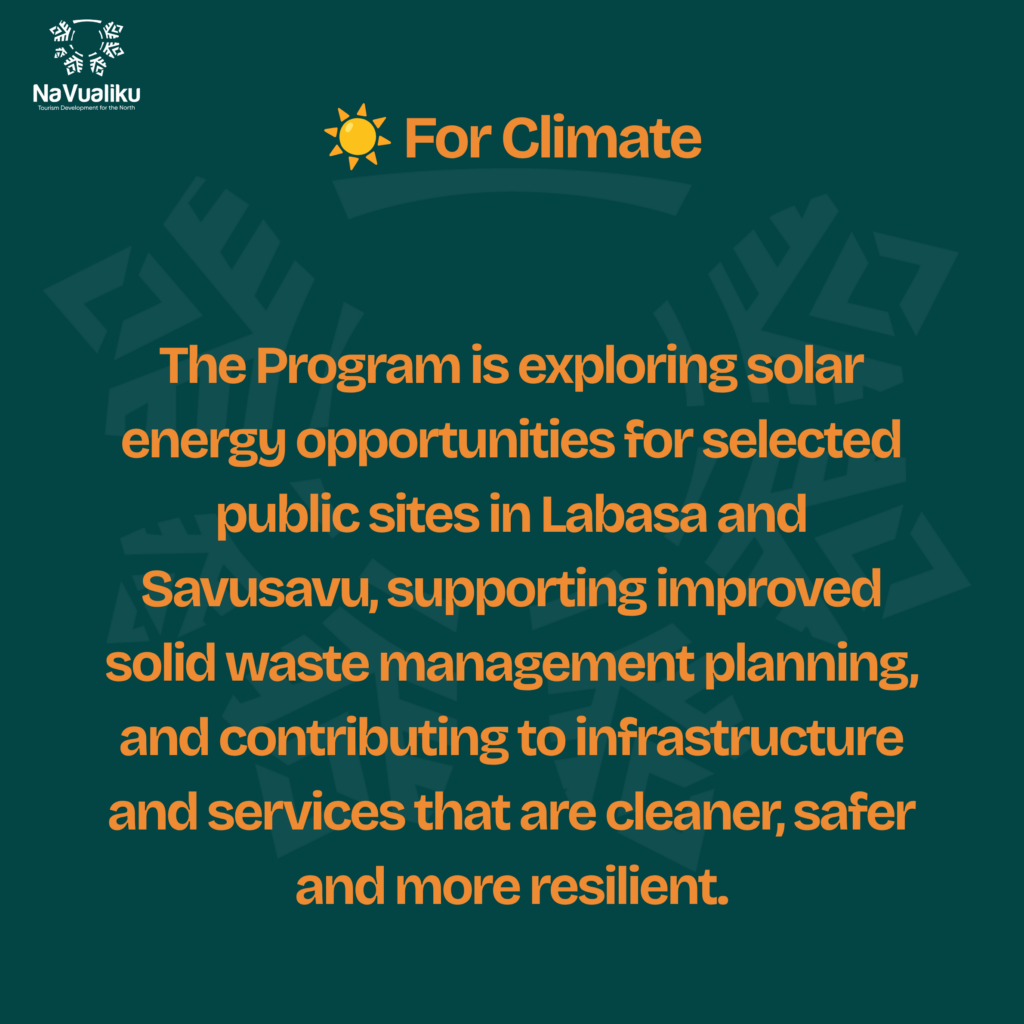
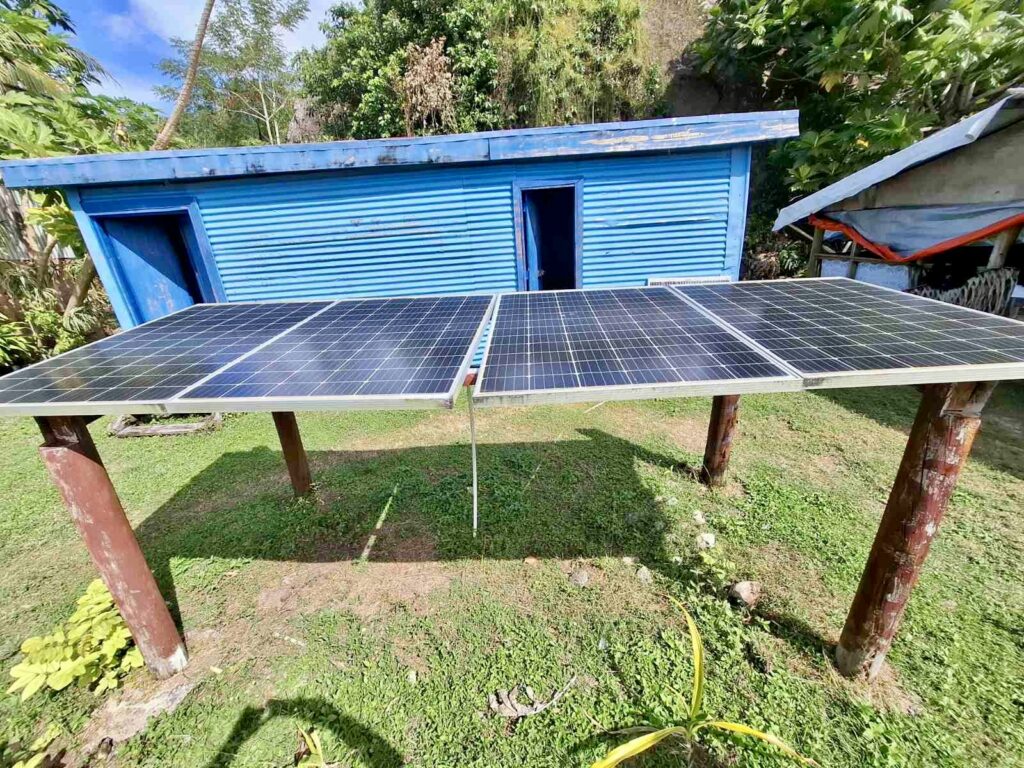
The Program is exploring solar energy opportunities for selected public sites in Labasa and Savusavu, including high-use public infrastructure. Renewable energy is a practical example of climate action and can support cleaner energy use, stronger essential services and more resilient public infrastructure over time.
The Program is also supporting improved solid waste management planning for the Northern Division. This work is important for cleaner towns, healthier communities, protected natural assets and destination readiness. In parallel, work on infrastructure, cityscape planning, airport planning, road resilience and sanitation is helping strengthen the systems that sustainable tourism depends on.
For Our Future
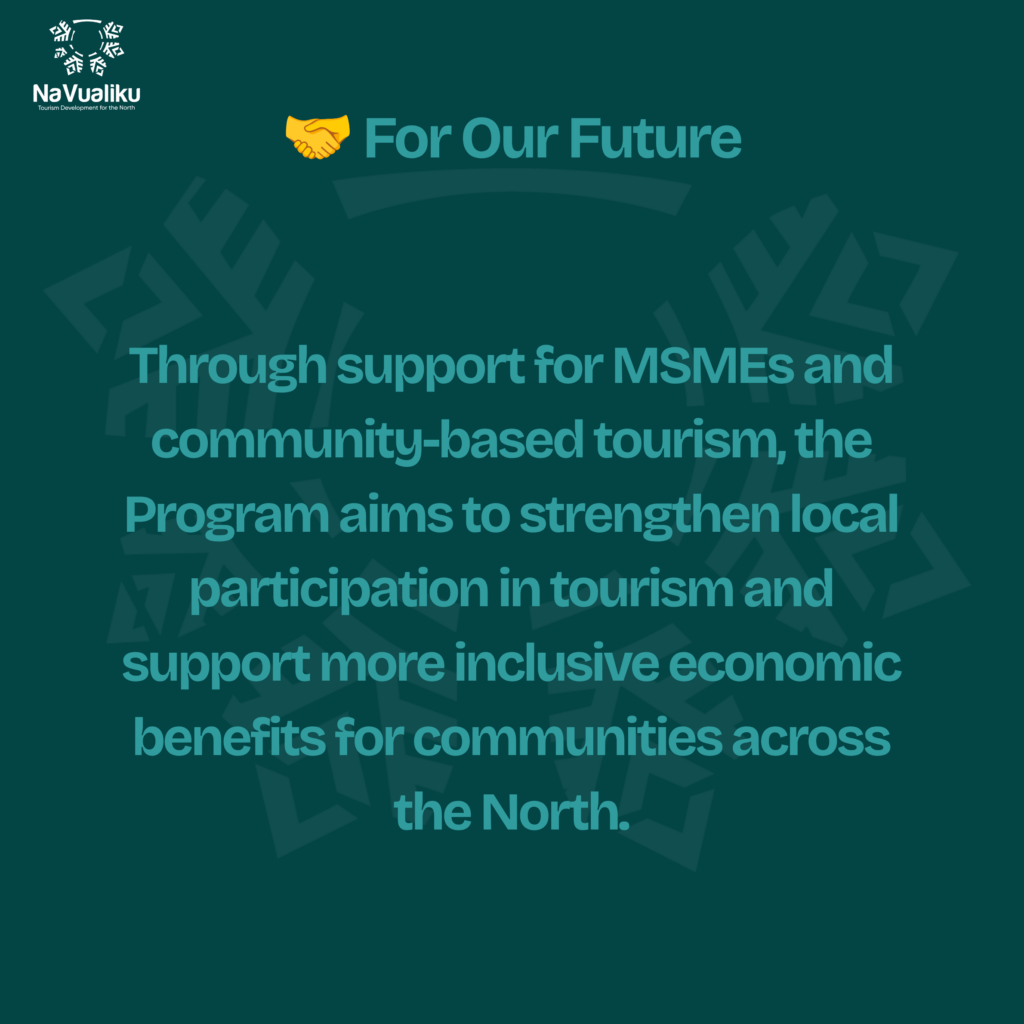
Sustainable tourism must create opportunities for people. Through support for micro, small and medium enterprises and community-based tourism, the Program is helping strengthen local participation in tourism development.
This matters because climate resilience is also economic resilience. When communities have stronger local enterprises, better services, improved infrastructure and a healthier environment, they are better positioned to benefit from tourism growth and manage future risks.
On World Environment Day, the Na Vualiku Project recognises that the environment is not separate from development. It is the foundation for long-term tourism growth, community wellbeing and climate resilience.
By linking destination planning, environmental and social assessment, renewable energy, waste management, resilient infrastructure and local enterprise support, the Fiji Tourism Development Program in Vanua Levu is helping support a more sustainable, inclusive and resilient tourism future for Fiji’s northern region.

 Read more in our latest newsletter: