Powering Life-Saving Services at Savusavu Hospital
 Communications and Outreach Specialist
May 6, 2026
Communications and Outreach Specialist
May 6, 2026

 Communications and Outreach Specialist
May 6, 2026
Communications and Outreach Specialist
May 6, 2026
During severe weather events, demand for medical care can rise at the very moment power systems, roads, supply chains, and emergency services are under the greatest pressure. Fiji has already seen how devastating the consequences can be when severe weather, health emergencies, and power disruptions collide.
Reliable Power for Essential Services
Reliable power is not just about keeping the lights on. In a hospital, reliable electricity can determine whether care continues safely and without interruption.
In a hospital, electricity helps keep essential care running, including nebulizers and oxygen machines that support patients with breathing difficulties, defibrillators that save lives during a cardiac arrest, the beeping monitors that help health workers track a patient’s condition, vaccine fridges, and medical testing equipment. It also supports communication systems used to coordinate emergency response, and patient care.
Solar power does not only help reduce electricity costs over time. It also strengthens energy resilience for such essential services. And, such reliability can make the difference between life and death.
The Fiji Tourism Development Program in Vanua Levu (Na Vualiku Project) is undertaking a feasibility study to assess how solar power can help reduce electricity costs, increase the use of clean energy, and support better public services in Labasa and Savusavu.
Savusavu Hospital has been included as one of the sites under assessment.
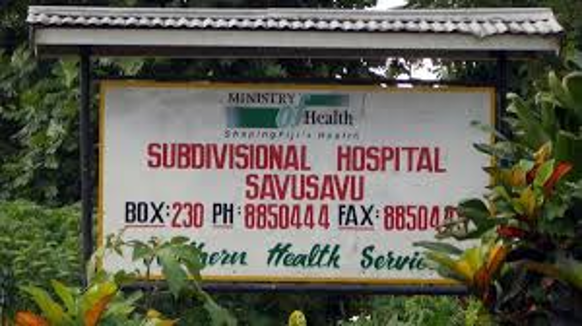
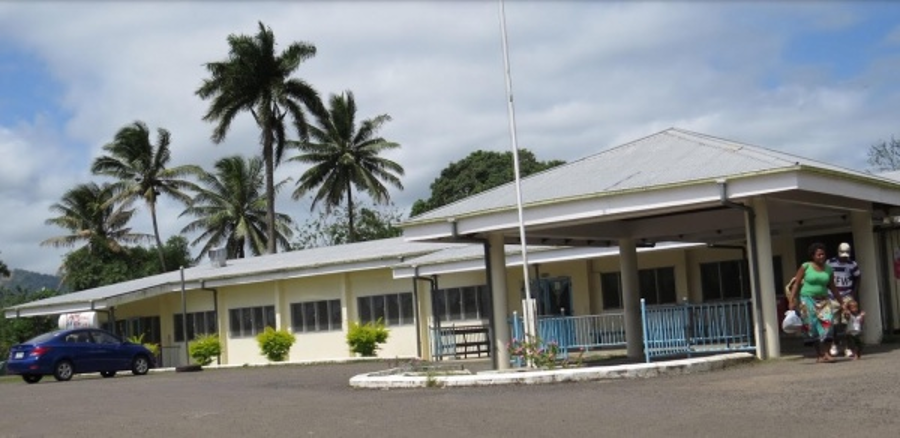
Image: Savusavu Hospital
Assessing Solar Power at Savusavu Hospital
This is particularly important for a key sub-divisional health facility that forms part of the wider public healthcare network in the Northern Division. In this context, reliable electricity is not only important for one facility. It supports continuity across a wider system of care.
Savusavu Hospital already relies on dedicated backup power arrangements during outages. The feasibility study is looking at whether solar PV can complement existing systems and provide additional resilience, while also considering the hospital’s building structures, electrical systems, future power needs, safety requirements, and long-term maintenance arrangements.
Why Rooftop Solar Is Being Considered
The current assessment is focused on rooftop solar because available land within the hospital site is limited and may be needed for future health service needs. Rooftop installation also offers a practical, lower-impact option for a working hospital environment.
The feasibility study is reviewing roof areas that are more suitable for assessment, including the central building with a newer roof and the main building above the Emergency Department, where roof upgrading is already underway.
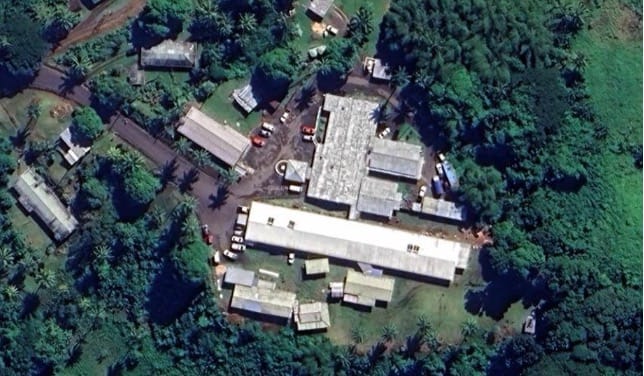
Image: Google image of the Savusavu Hospital
Supporting Future Health Needs
The study will also consider practical needs such as vaccine refrigeration, emergency services, and the hospital’s future energy demand as services and equipment expand. If solar PV is installed, hospital electricians and relevant technical staff would be upskilled to support system monitoring and maintenance.
If the site meets the required technical, structural, financial, environmental, and social criteria, the next phase would move into detailed design, supply, and installation.
A Wider Shift Toward Resilient Energy
For patients sitting in a waiting room, for health workers responding to urgent needs, and for families depending on care during difficult moments, energy resilience is not an abstract issue. It is part of what allows a hospital to function when people need it most.
Fiji’s health sector is already moving toward cleaner and more resilient energy solutions, particularly for rural and maritime facilities.
This is part of the country’s broader commitment to increase renewable energy use, reduce dependence on imported fossil fuels, and strengthen climate resilience across essential public services. Fiji’s Nationally Determined Contribution (NDC) Implementation Roadmap 2017–2030 targets close to 100 percent renewable energy power generation by 2030.
Recent solar installations at facilities such as Lomaloma Sub-Divisional Hospital in Vanuabalavu show how solar power can support 24/7 electricity, oxygen concentrators, refrigeration, and emergency care.
The assessment at Savusavu Hospital builds on this wider national shift by examining whether rooftop solar PV can safely and practically strengthen energy resilience at one of the Northern Division’s key sub-divisional health facilities.
Through this work, the Na Vualiku Project is supporting practical steps toward cleaner energy, lower operating costs, and more resilient public infrastructure and essential services in Vanua Levu.