
Vanua Levu is Set to Take Off: A New Chapter in Fiji’s Hidden Paradise
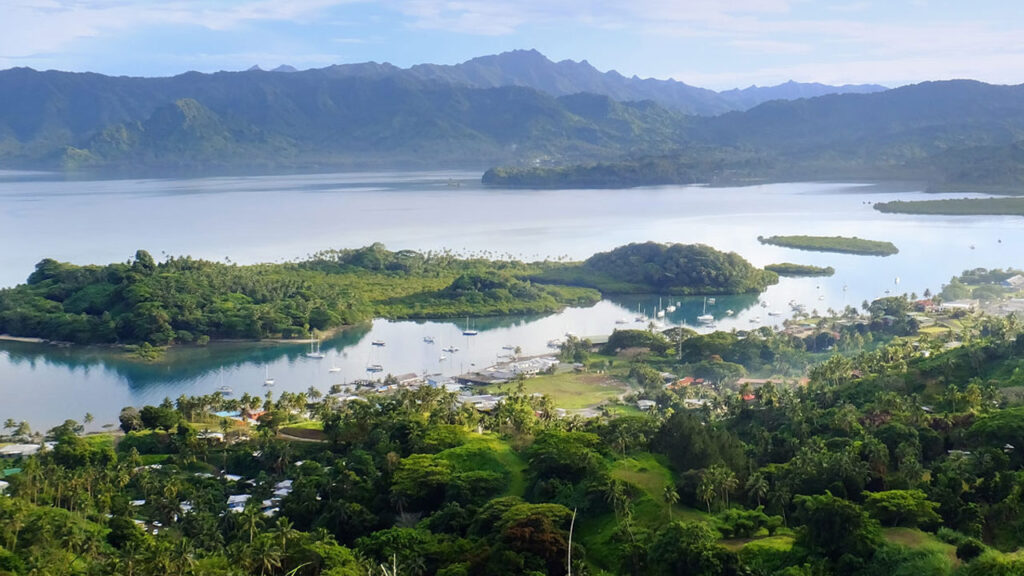
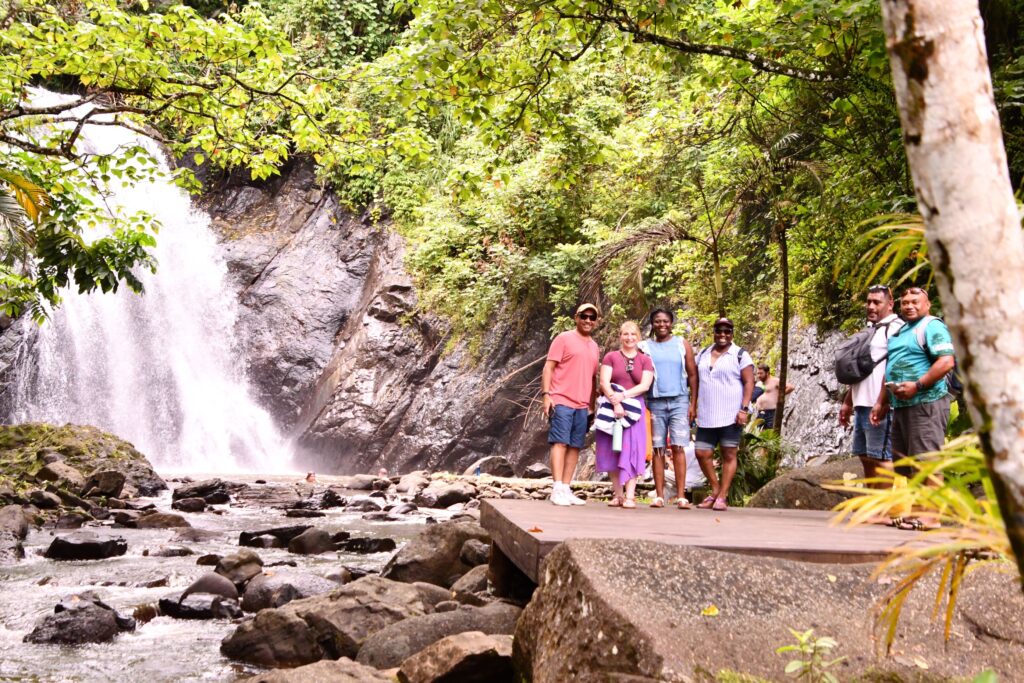
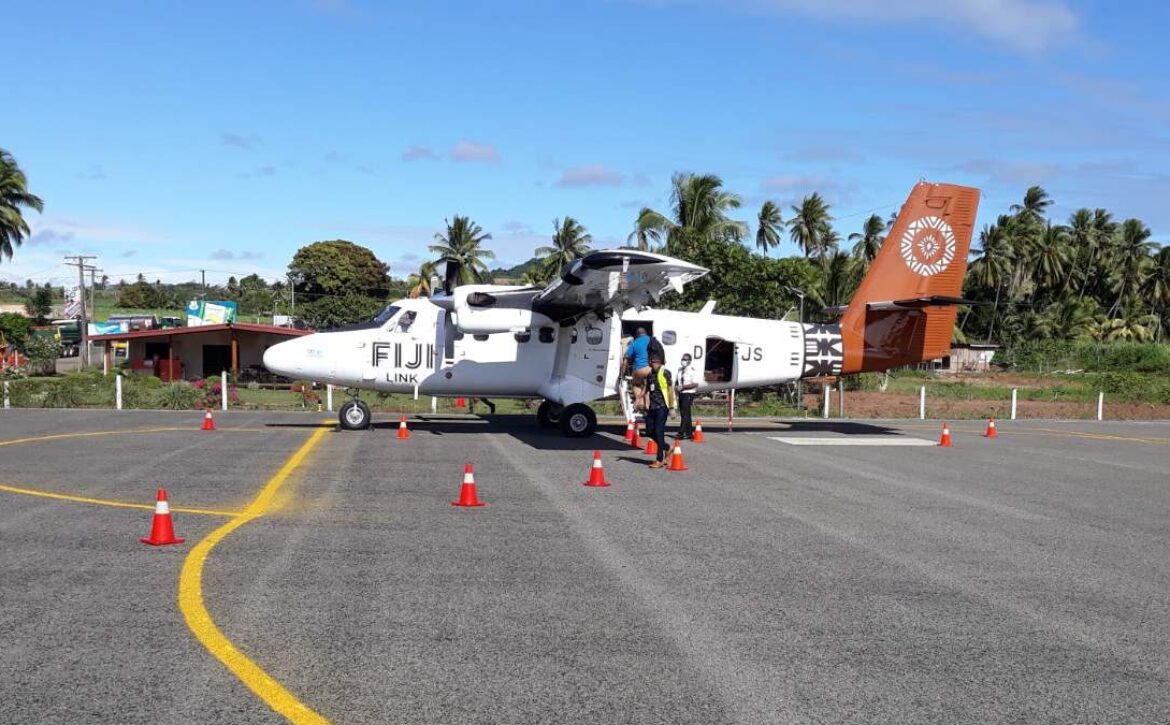
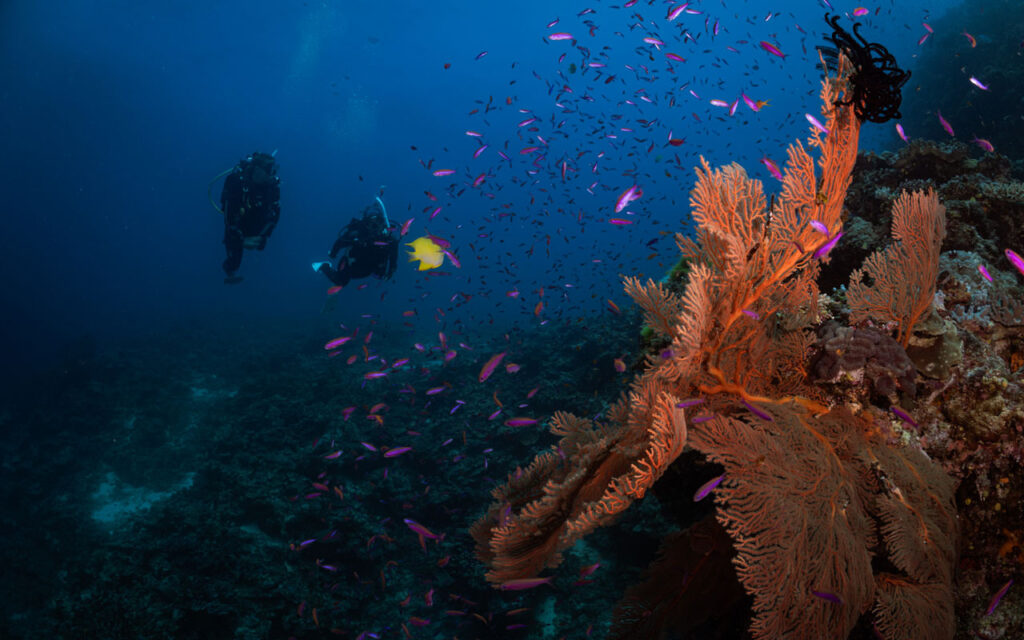
Vanua Levu, home to the vibrant towns of Savusavu and Labasa, has long been one of Fiji’s best-kept secrets. With emerald peaks, vibrant coral reefs, and a deeply rooted cultural heritage, the island offers an experience unlike anywhere else in the country. Yet despite its natural beauty, Vanua Levu has remained just out of reach for many, held back by limited and costly flight options.
Unlike Viti Levu, Fiji’s main tourism and business hub, Vanua Levu has faced challenges with infrastructure and transport links.
For travellers and locals alike, getting to and from the island has often been a challenge, slowing tourism growth, deterring investment, and limiting opportunities for communities across the north.
That is starting to change.
Thanks to the World Bank-financed Fiji Tourism Development Program in Vanua Levu (Na Vualiku Project) with the Ministry of Tourism and Civil Aviation as the lead implementing agency, a new chapter is taking flight.
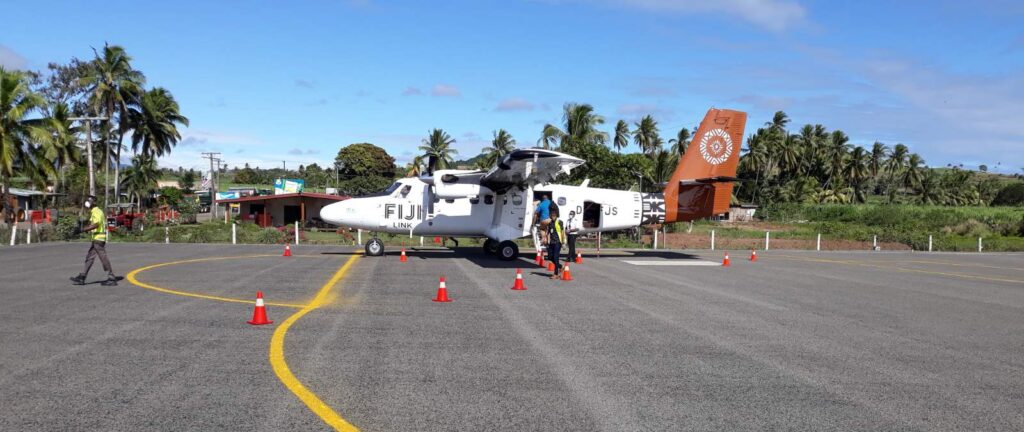
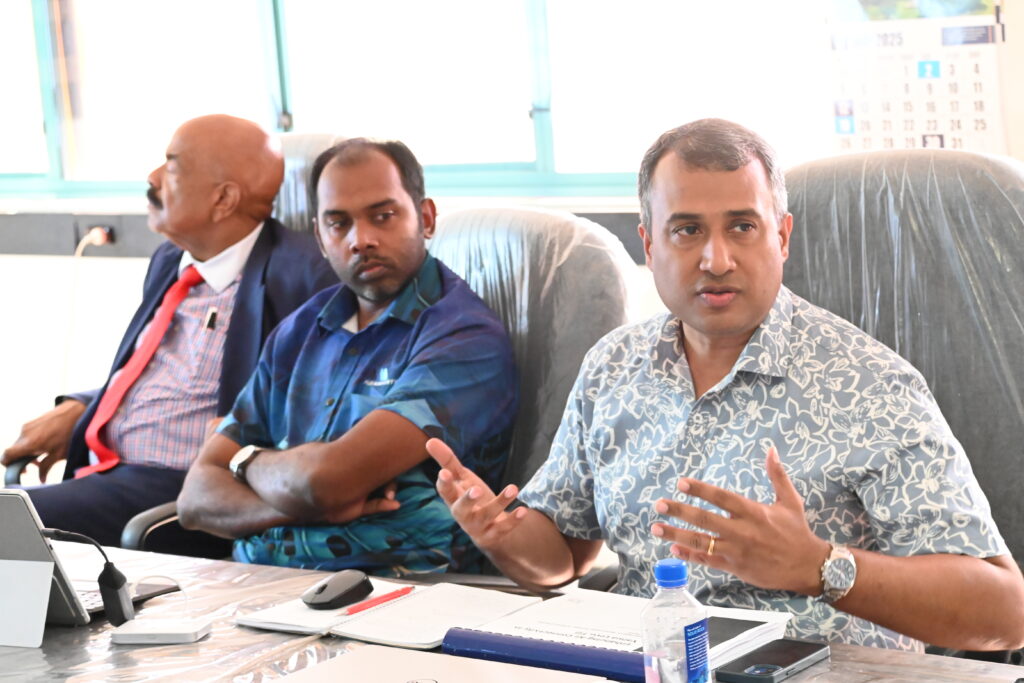
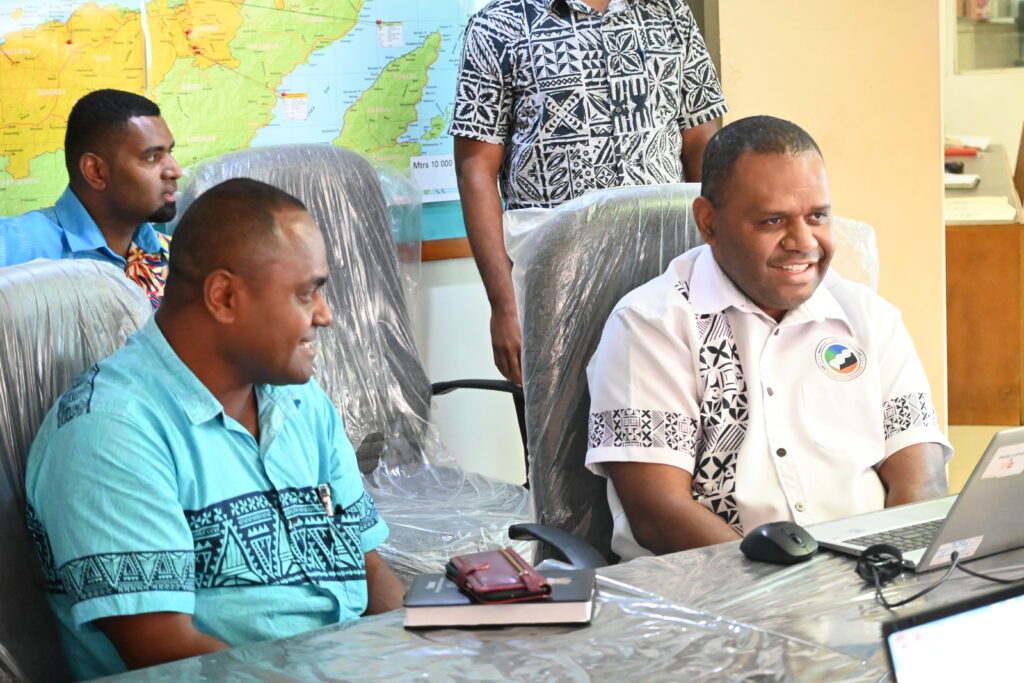
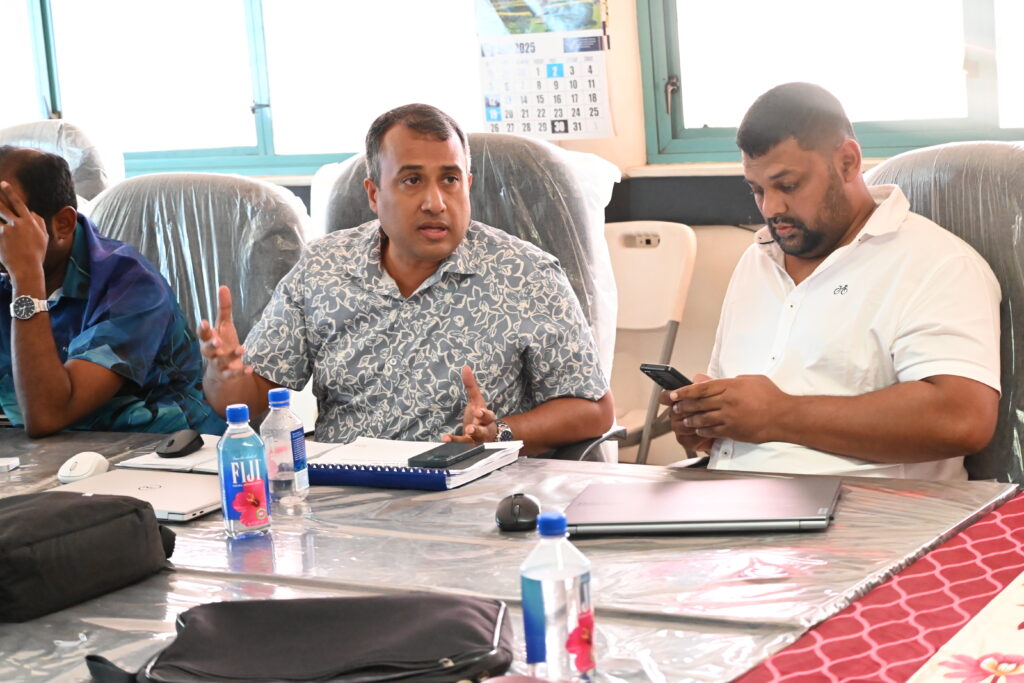
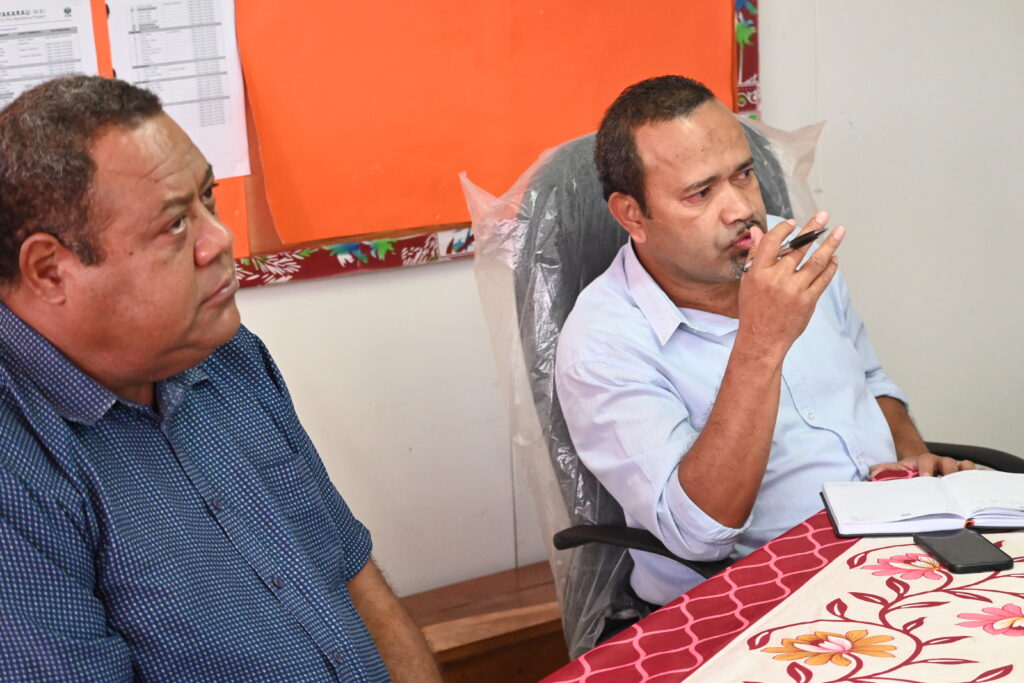
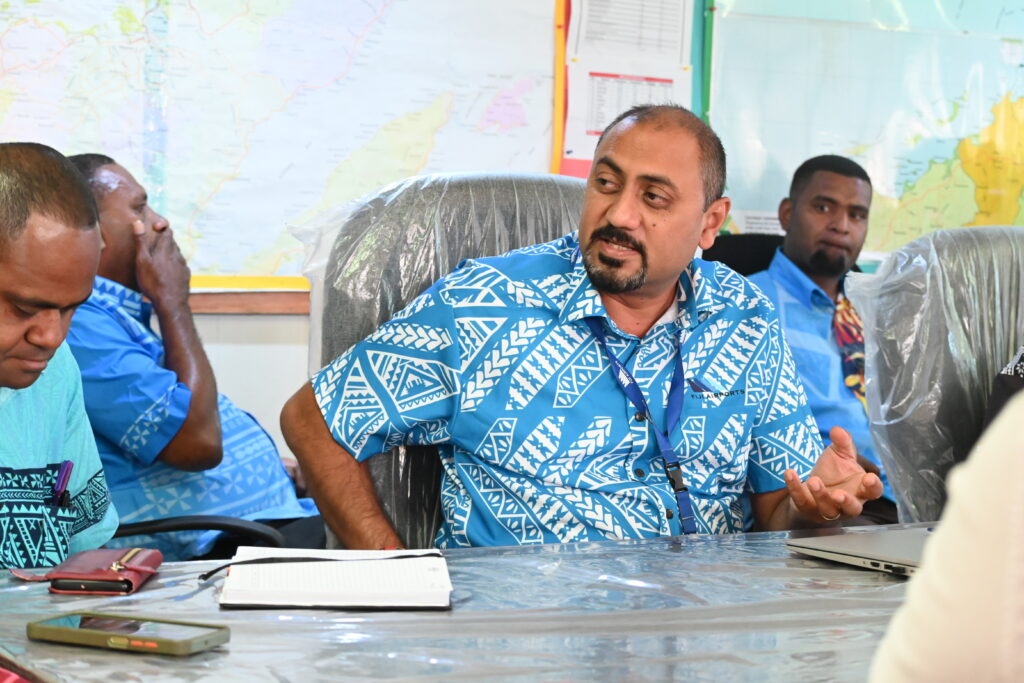
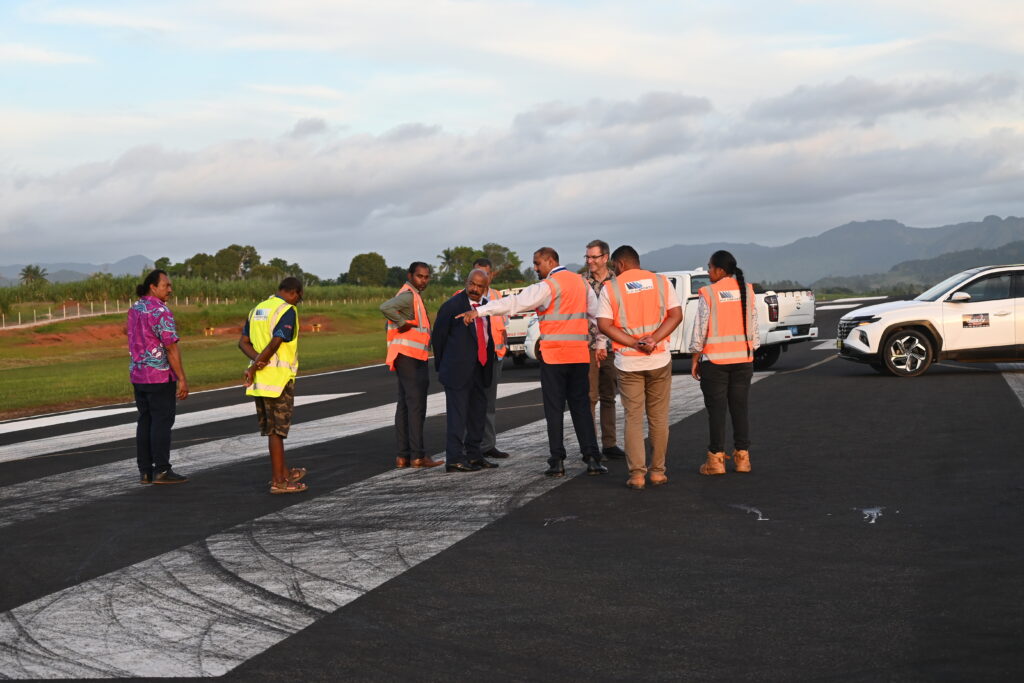
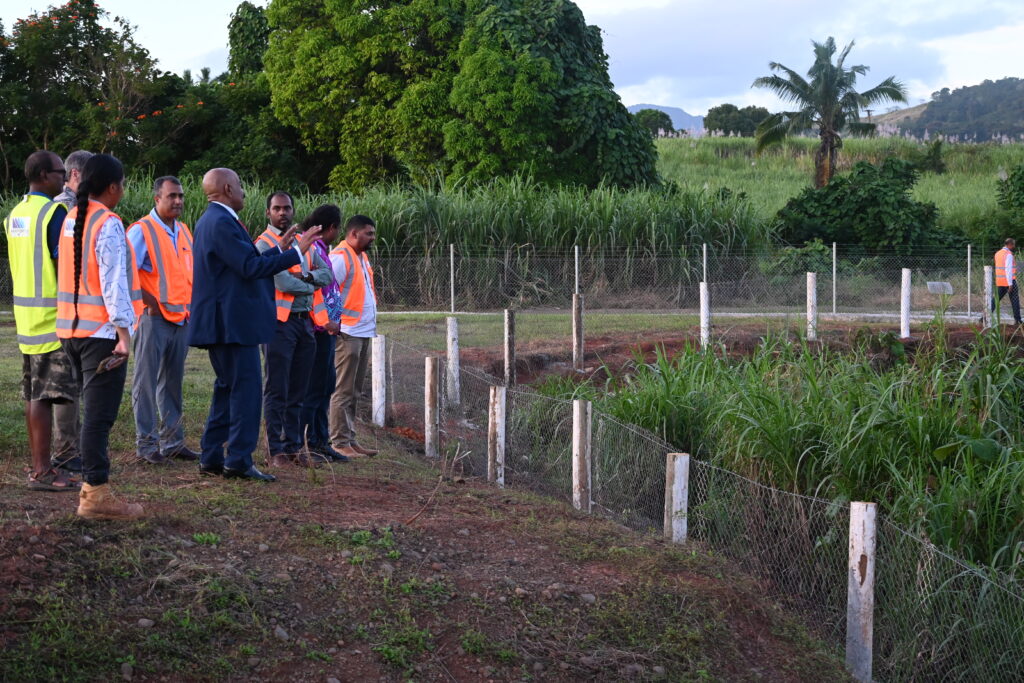
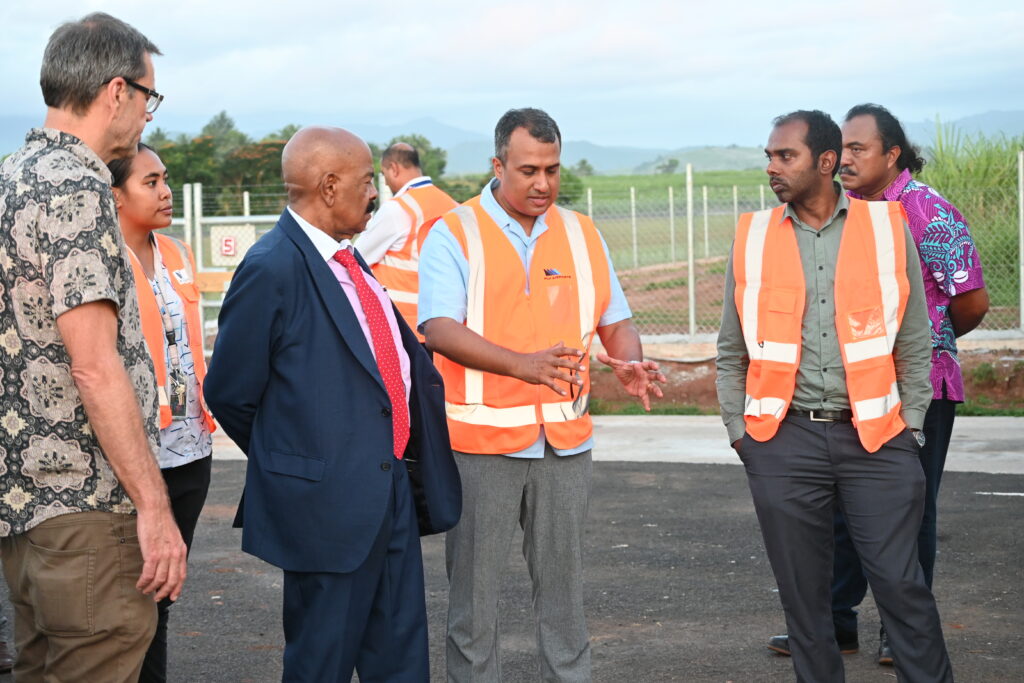
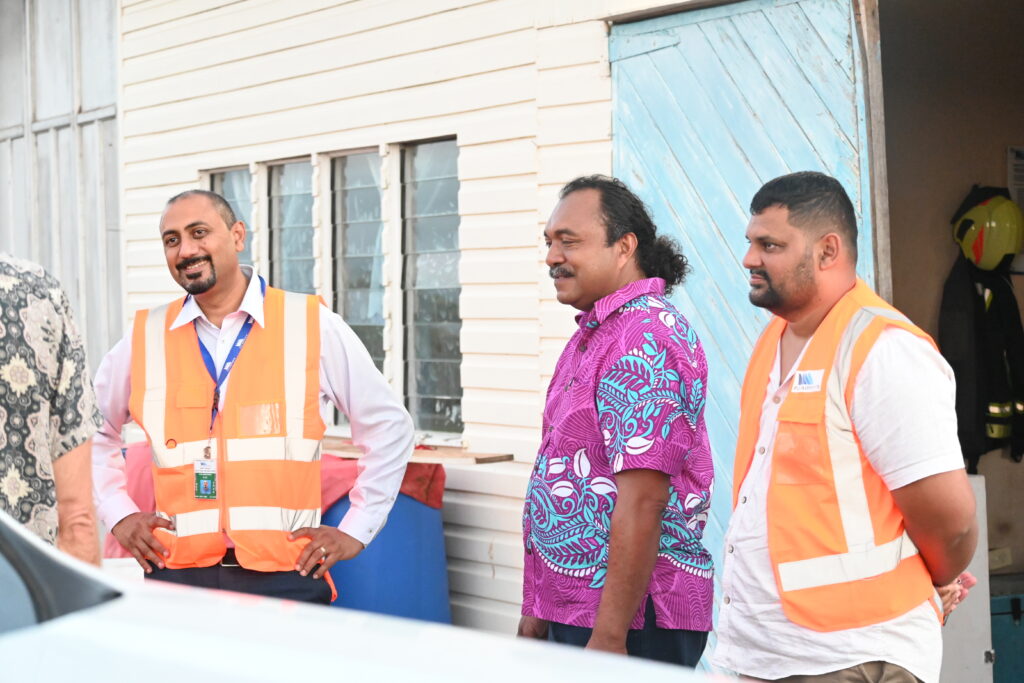
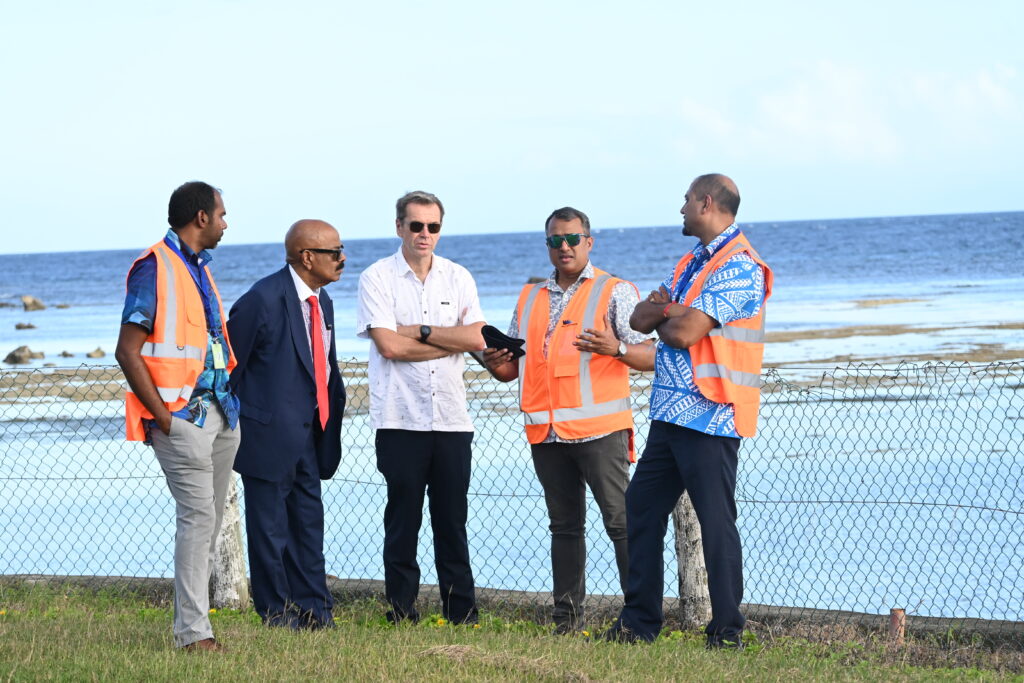
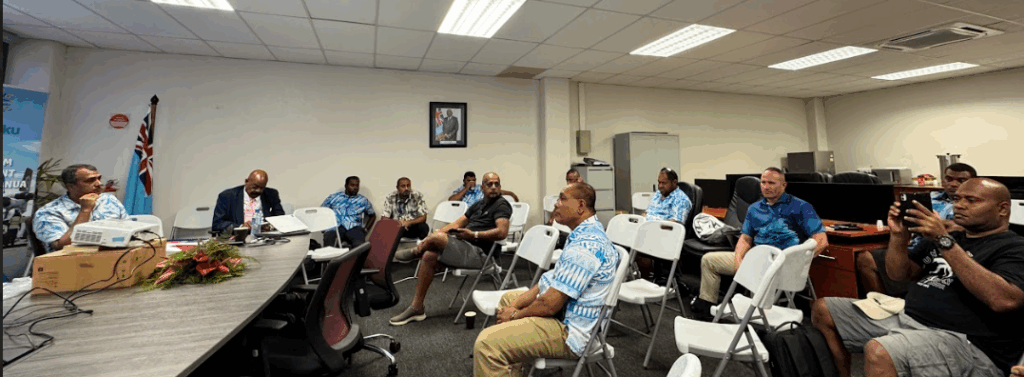
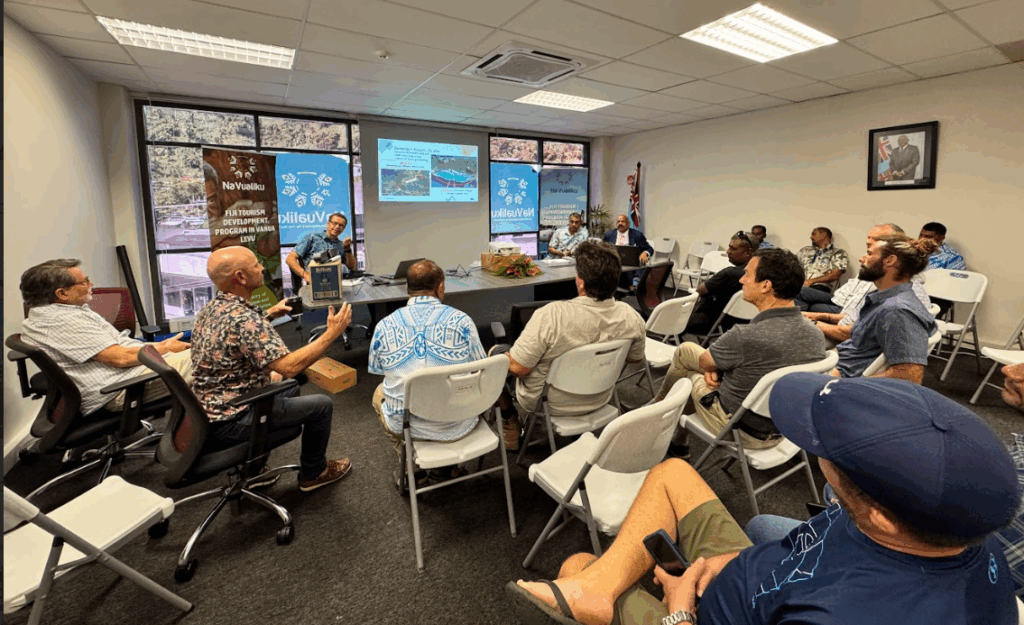
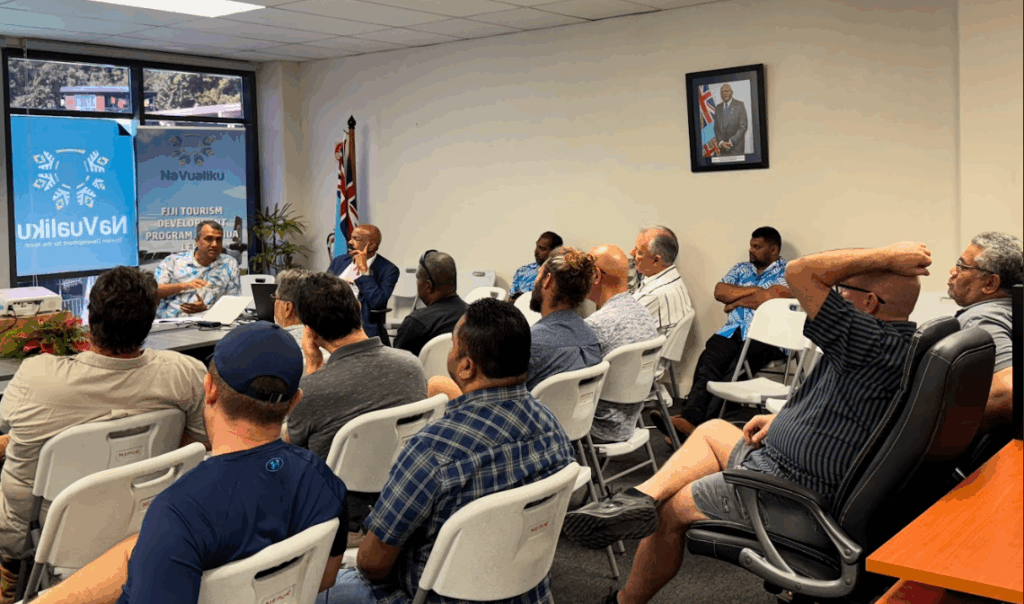
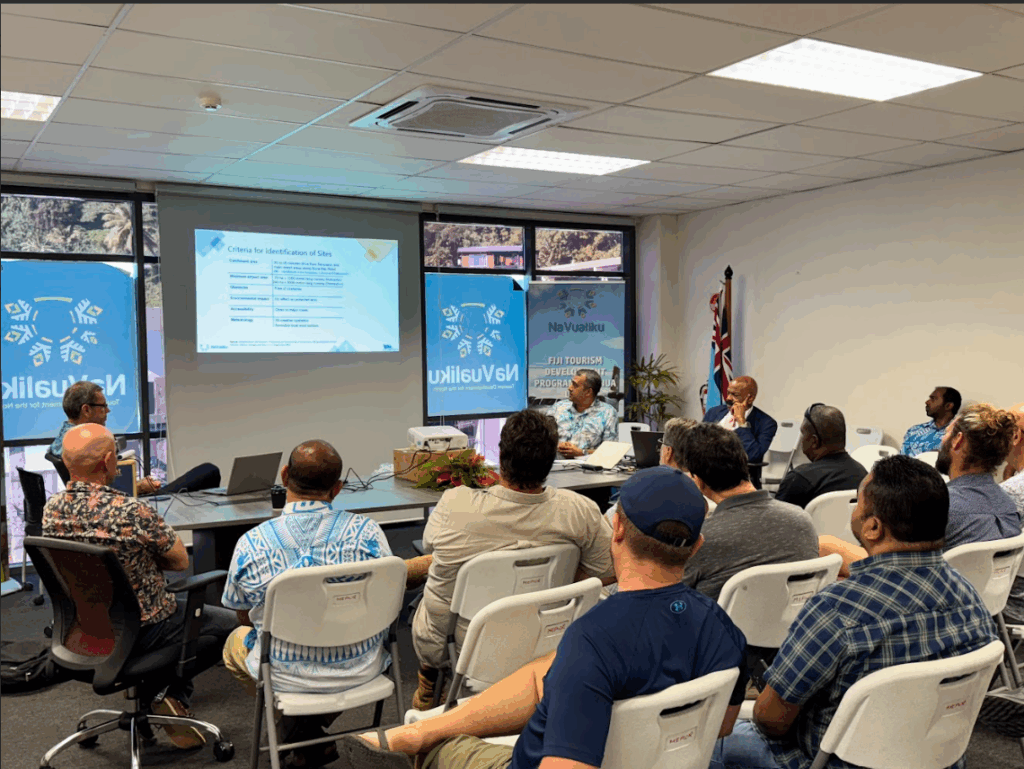
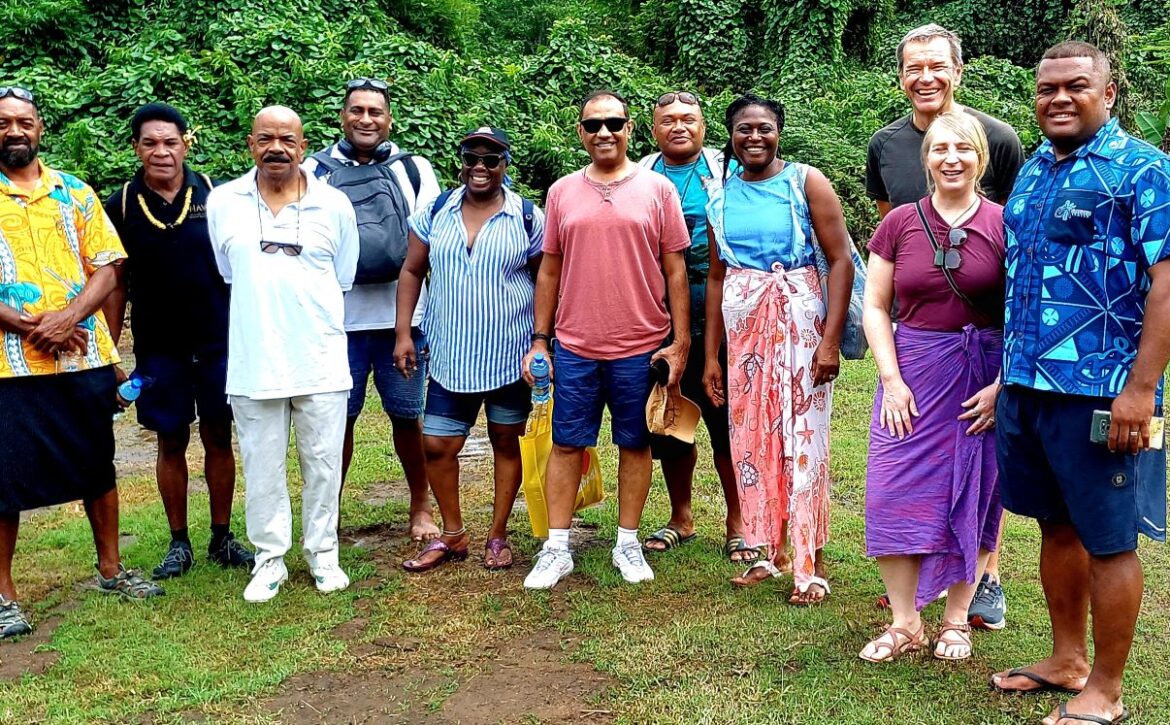
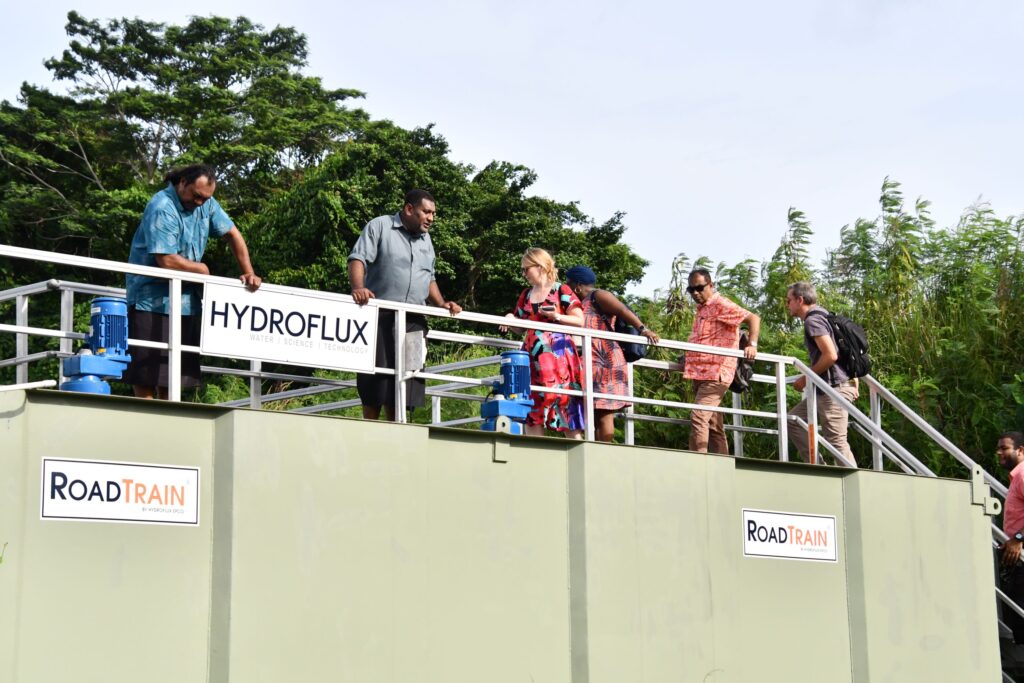
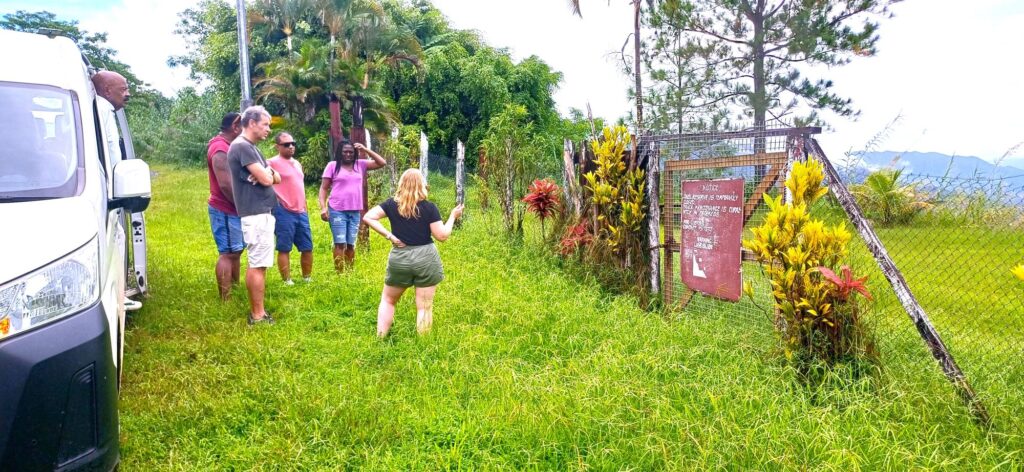
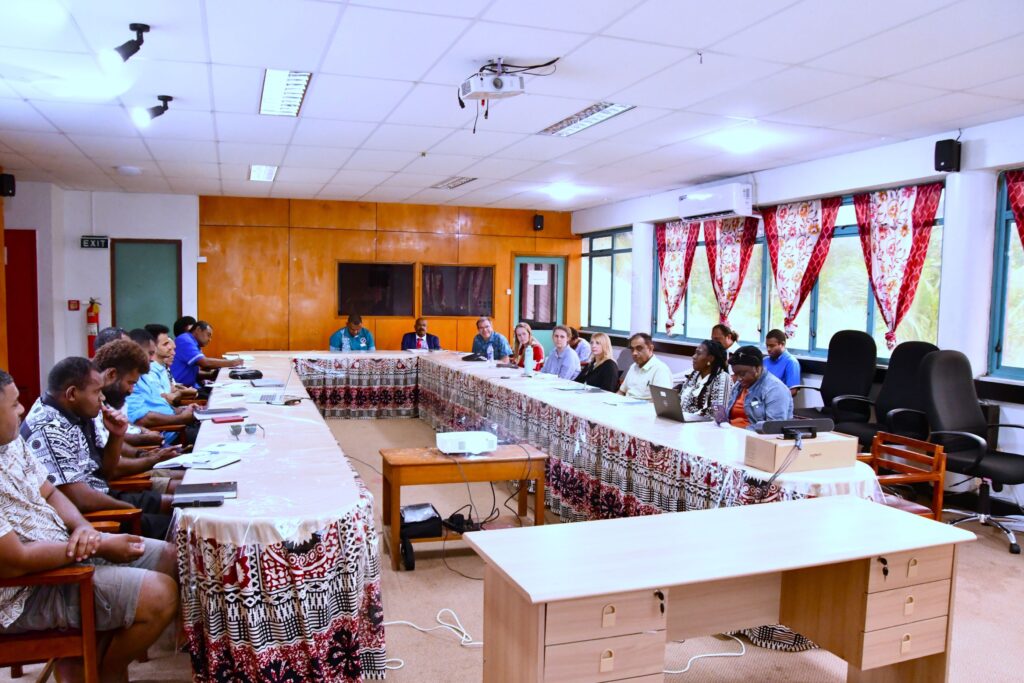
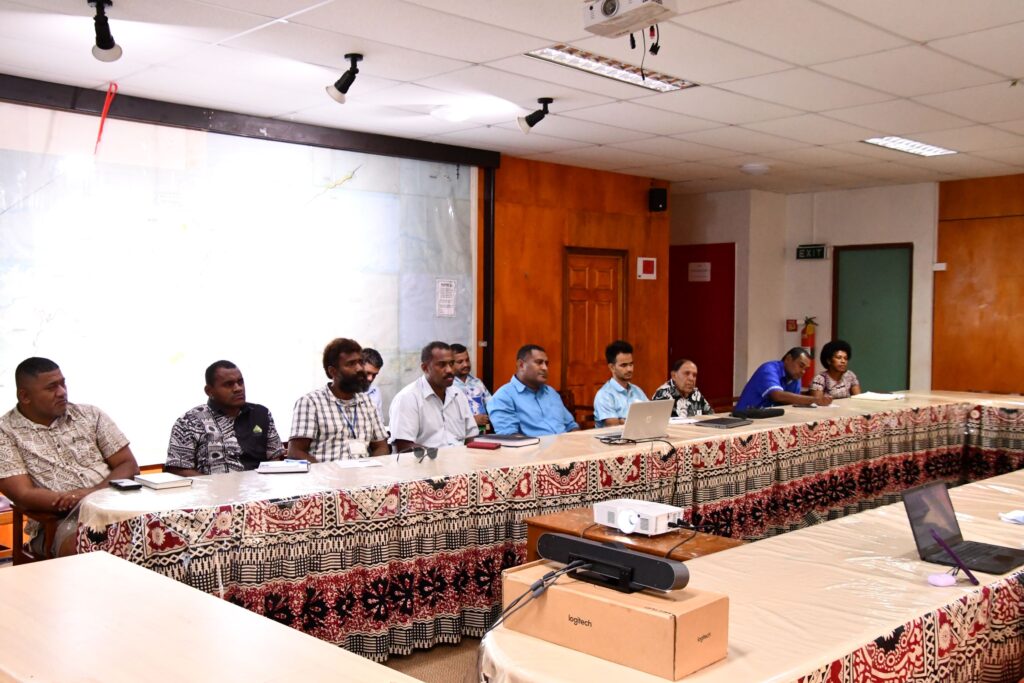
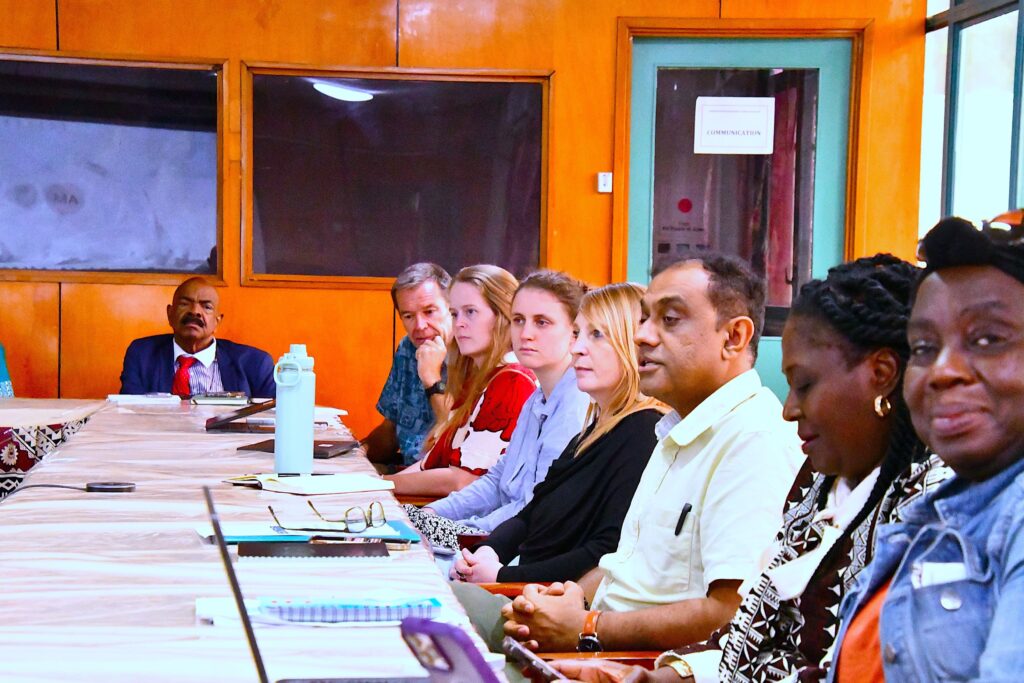
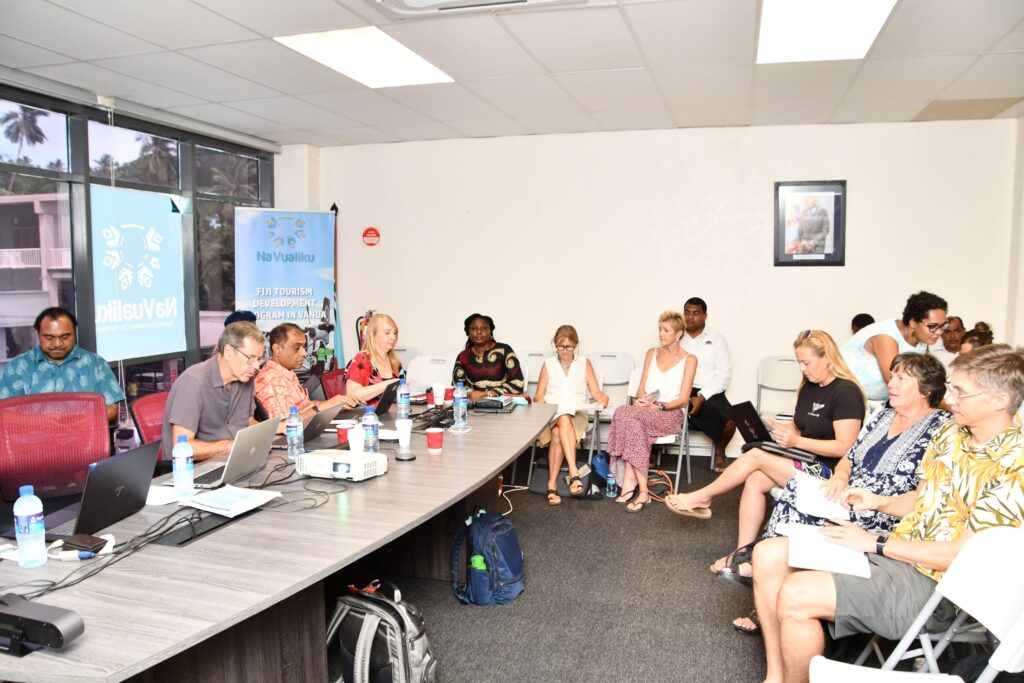
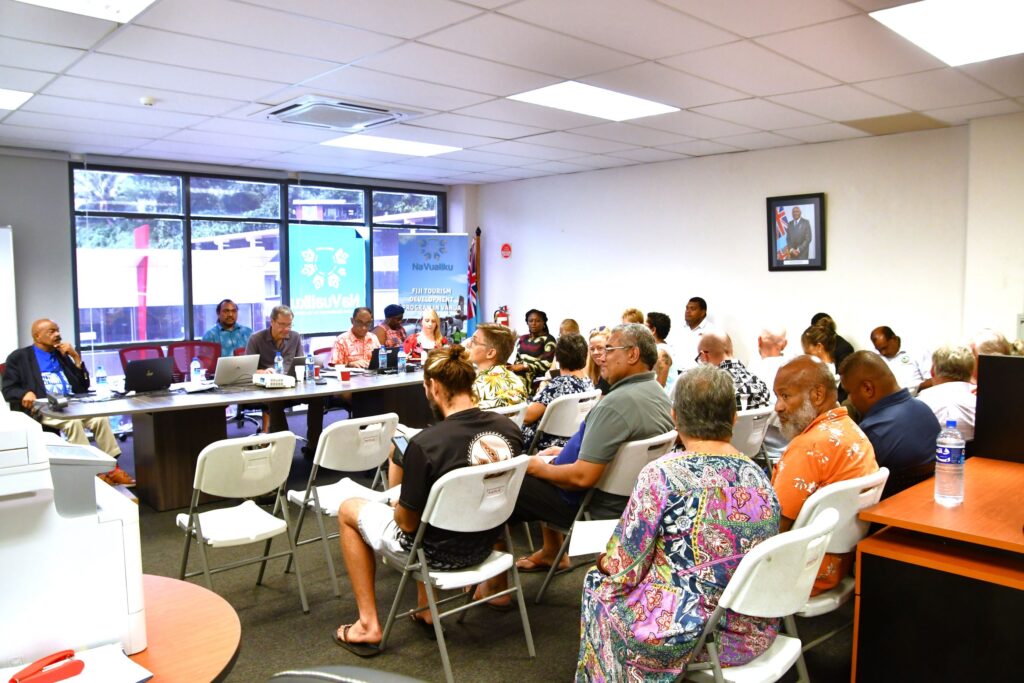
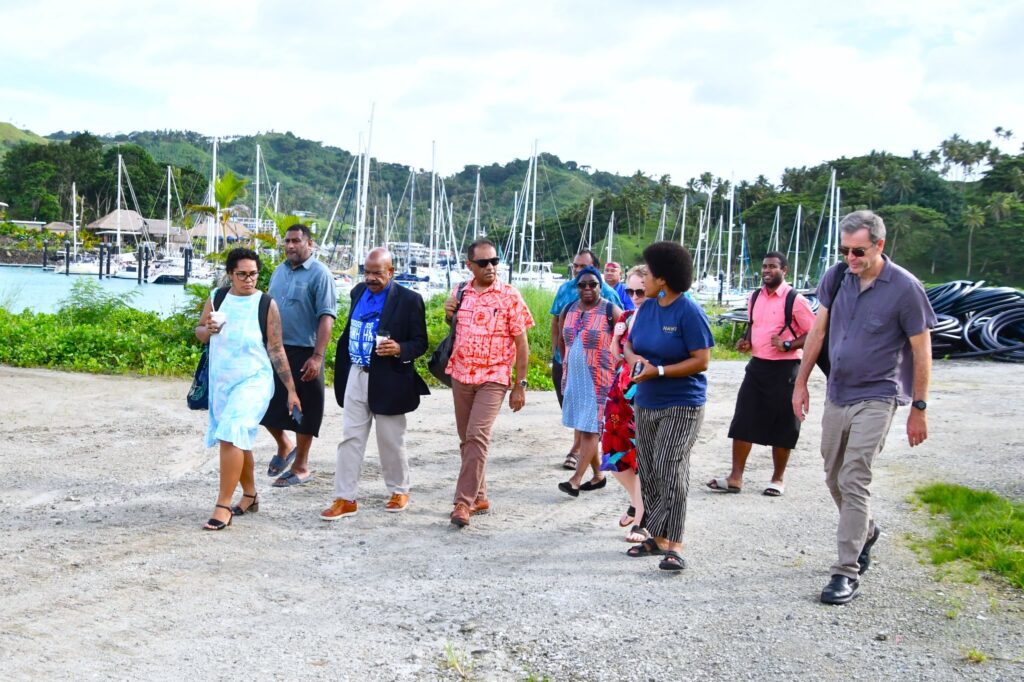
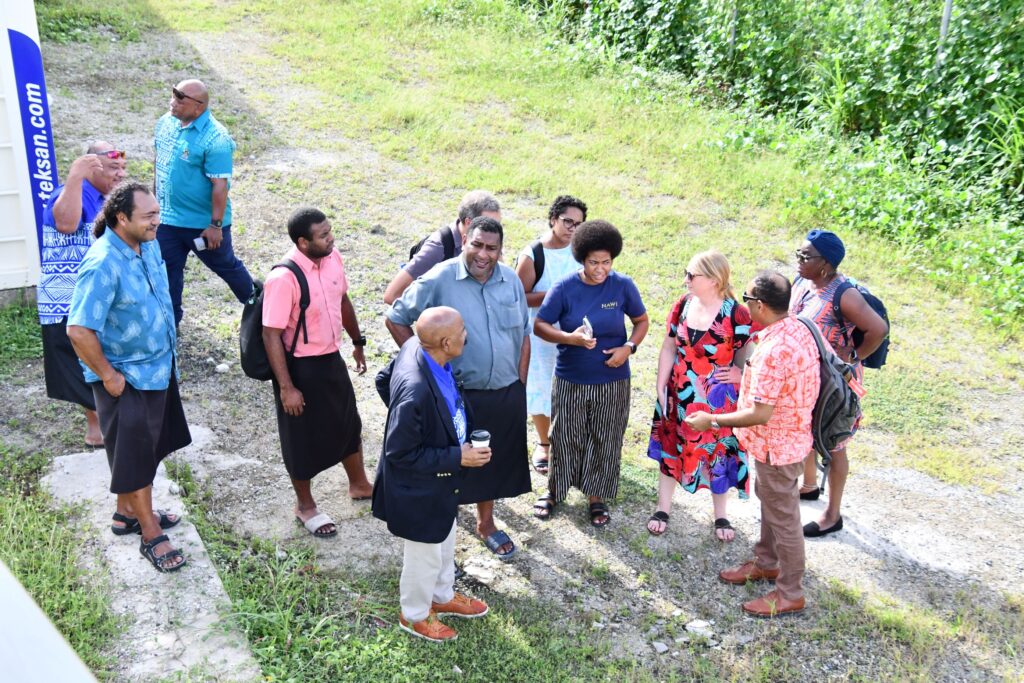
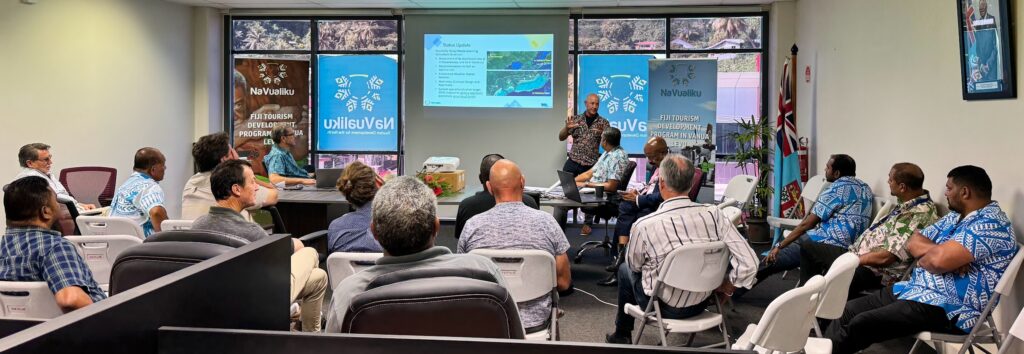
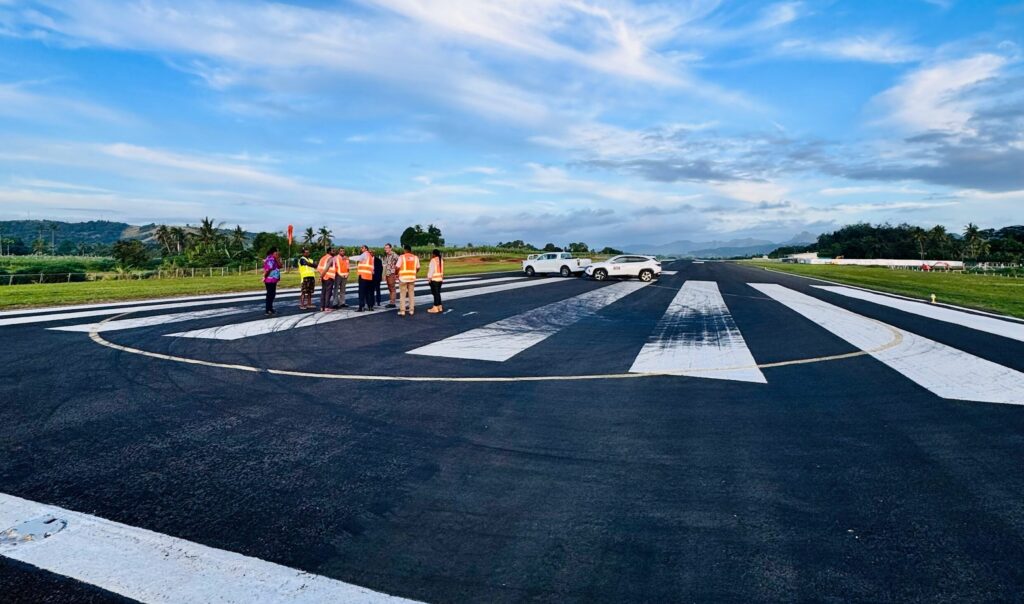
Recently, the Na Vualiku team together with Airports Fiji representatives, travelled to Savusavu and Labasa to engage with local stakeholders and share updates on upcoming activities to transform Vanua Levu’s air and road connectivity landscape.
In Labasa, a range of upgrades is planned to complement the new terminal building and perimeter fencing being installed by Fiji Airports. These include runway improvements, a study into a potential runway extension, a new integrated fire station and car park, an enhanced access road, better drainage and stronger embankments.
Labasa Airport will also see the installation of a Remote Tower Aerodrome Flight Information System (AFIS), a state-of-the-art, camera-based air traffic system digitally connected to Fiji Airport’s Nadi control centre.
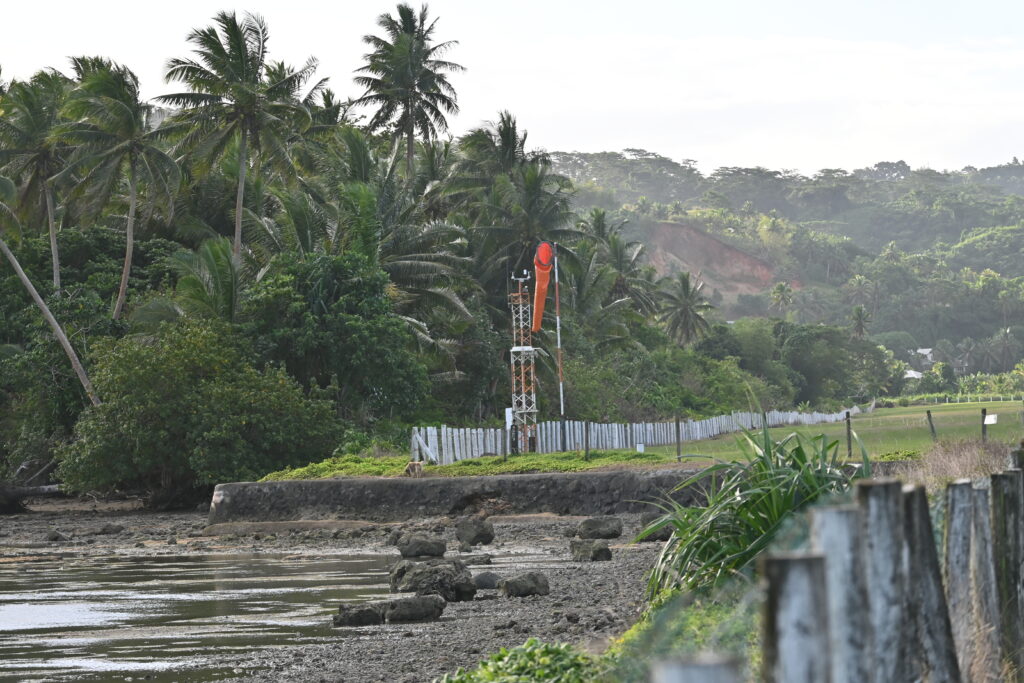
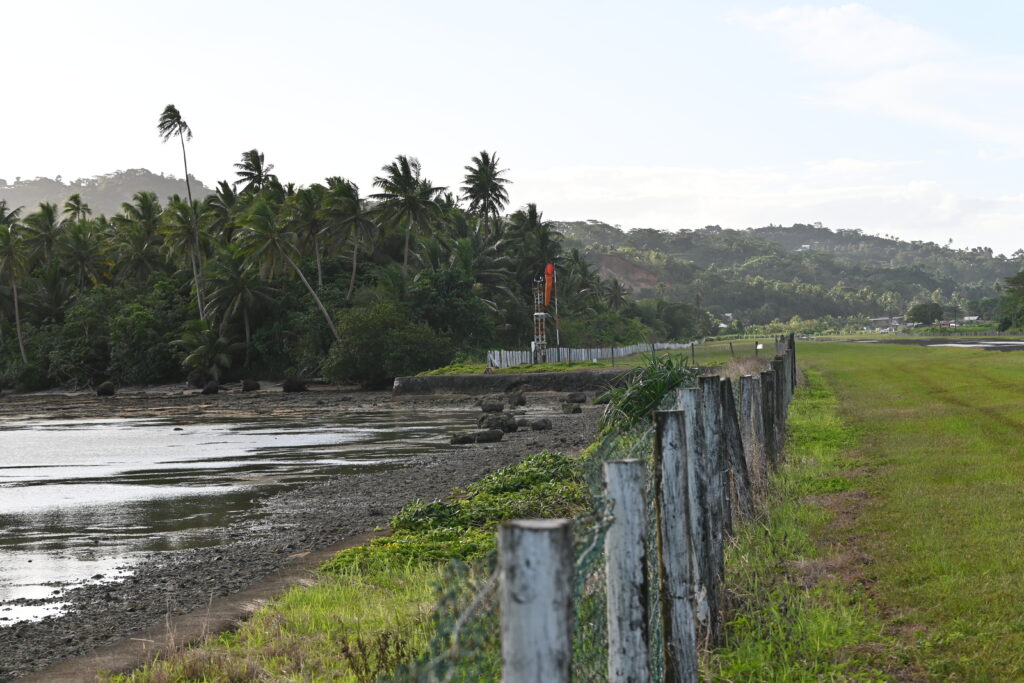
In Savusavu, a brand-new terminal and car park is being designed to reflect Vanua Levu’s distinct identity and sense of place.
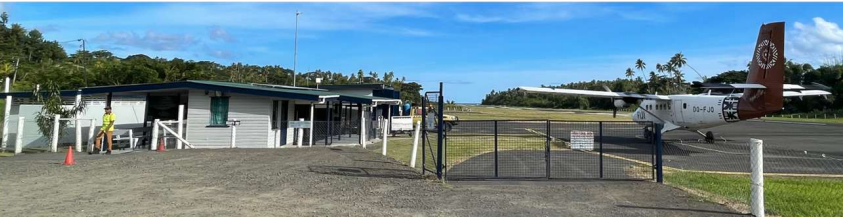
Supporting infrastructure upgrades include improving the runway pavement, construction of a new integrated fire station, reinforce seawalls, and improve stormwater drainage.
In Taveuni, a study will inform future development, including a master plan to explore the possibility of servicing larger aircraft (50–72 seat turboprops) and determine the timeline for future capital investments.

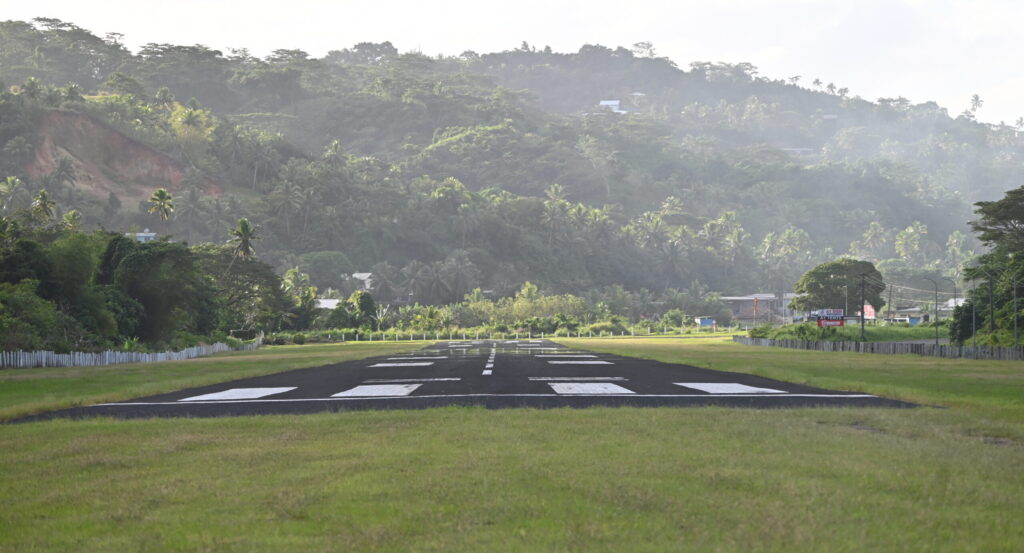
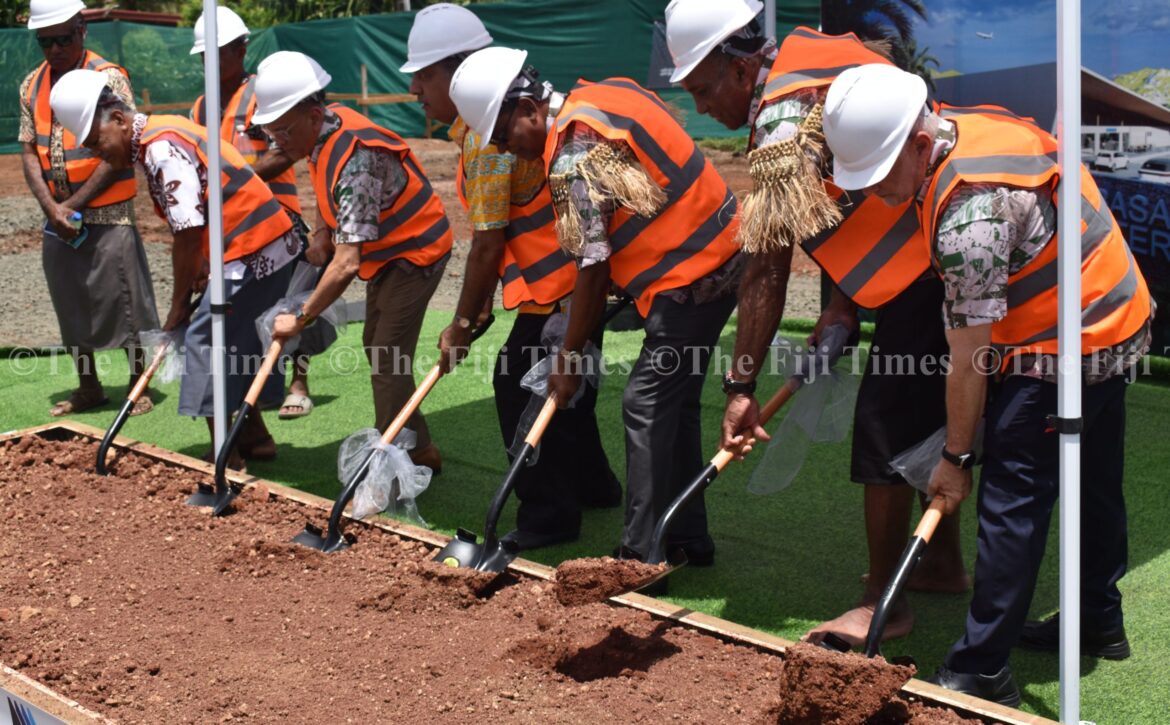
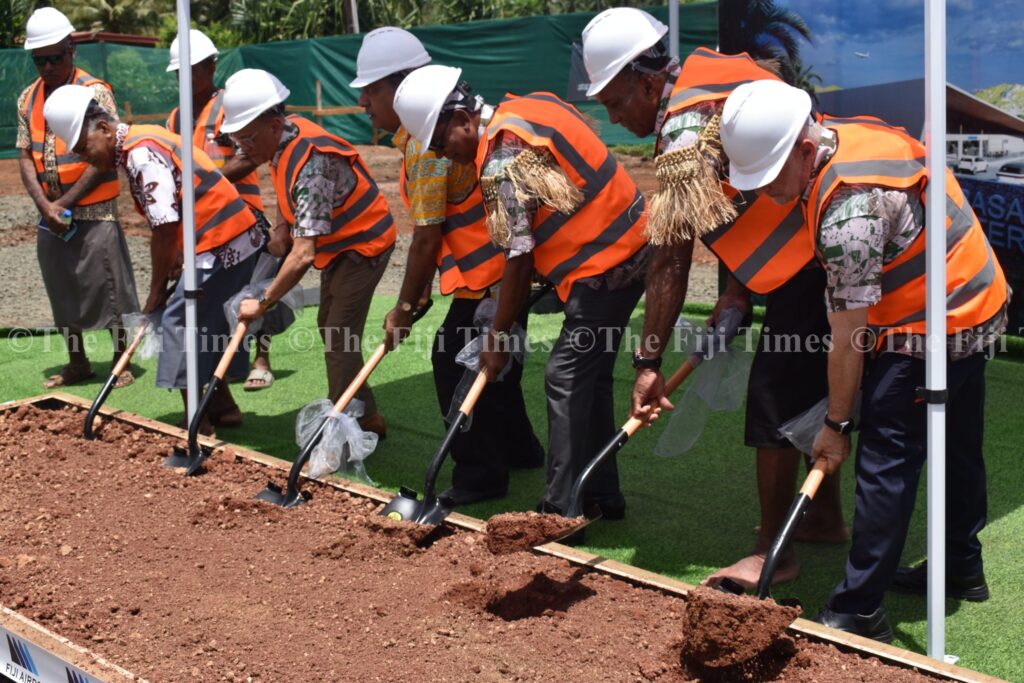
At the heart of this transformation is the proposed development of a new domestic airport for Vanua Levu.
Following consultation and a detailed pre-feasibility study, four sites, one in Nasarawaqa and three closer to Savusavu, have been shortlisted from an initial pool of 19 locations for a detailed feasibility study.
These sites offer strong potential to host either a 1,200-metre domestic runway on 70 hectares, or a 3,000-metre runway on 240 hectares that would allow potential to service larger aircrafts in the future. The study is expected to finish by April 2026, with a recommended site to be presented to the Government of Fiji.
Recognising that connectivity doesn’t end at the runway, the Project will also improve the critical cross-island road linking Labasa and Savusavu via Seaqaqa.
Road safety, travel time, and reliability will be enhanced, supported by a climate-informed accident database to guide ongoing maintenance and upgrades.
This is more than just infrastructure.
It’s a transformation, one that could unlock Vanua Levu’s full potential and usher in a new era of prosperity for Fiji’s northern region.
Now, the wheels are starting to turn and the runway is clear for take-off.