World Environment Day 2026: Inspired by Nature. For Climate. For Our Future.
 Communications and Outreach Specialist
June 5, 2026
Communications and Outreach Specialist
June 5, 2026

 Communications and Outreach Specialist
June 5, 2026
Communications and Outreach Specialist
June 5, 2026
How can tourism development protect natural assets, support climate action and create long-term benefits for local communities?
The Fiji Tourism Development Program in Vanua Levu, also known as the Na Vualiku Project, is supporting a more integrated approach to sustainable tourism development in the country’s northern region.
This World Environment Day, the global theme, “Inspired by Nature. For Climate. For Our Future,” closely reflects the direction of the Program’s work across Vanua Levu and Taveuni.
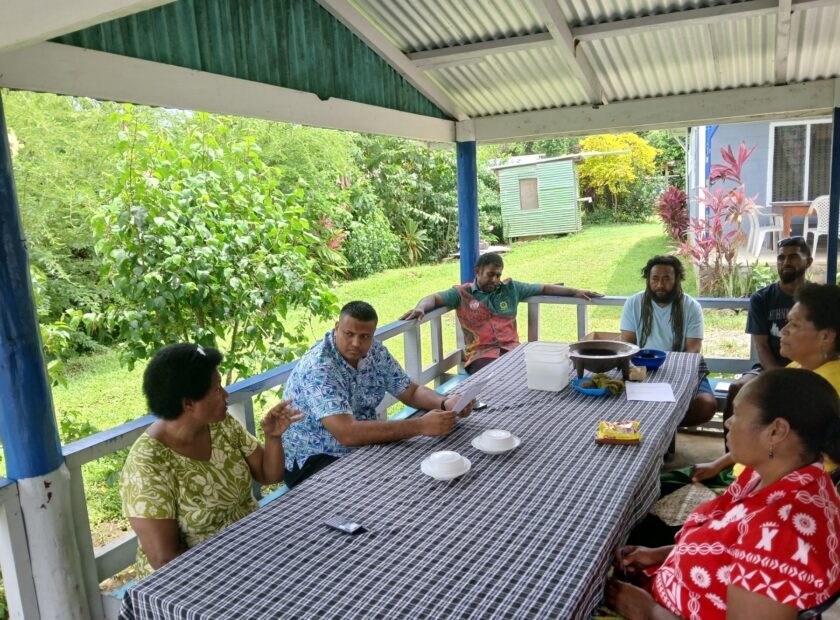
Through consultations and planning discussions, communities and stakeholders have consistently highlighted the importance of a tourism future that protects the environment, maintains cultural authenticity and delivers real benefits for local people. This message is central to the Program’s approach.
Inspired by Nature
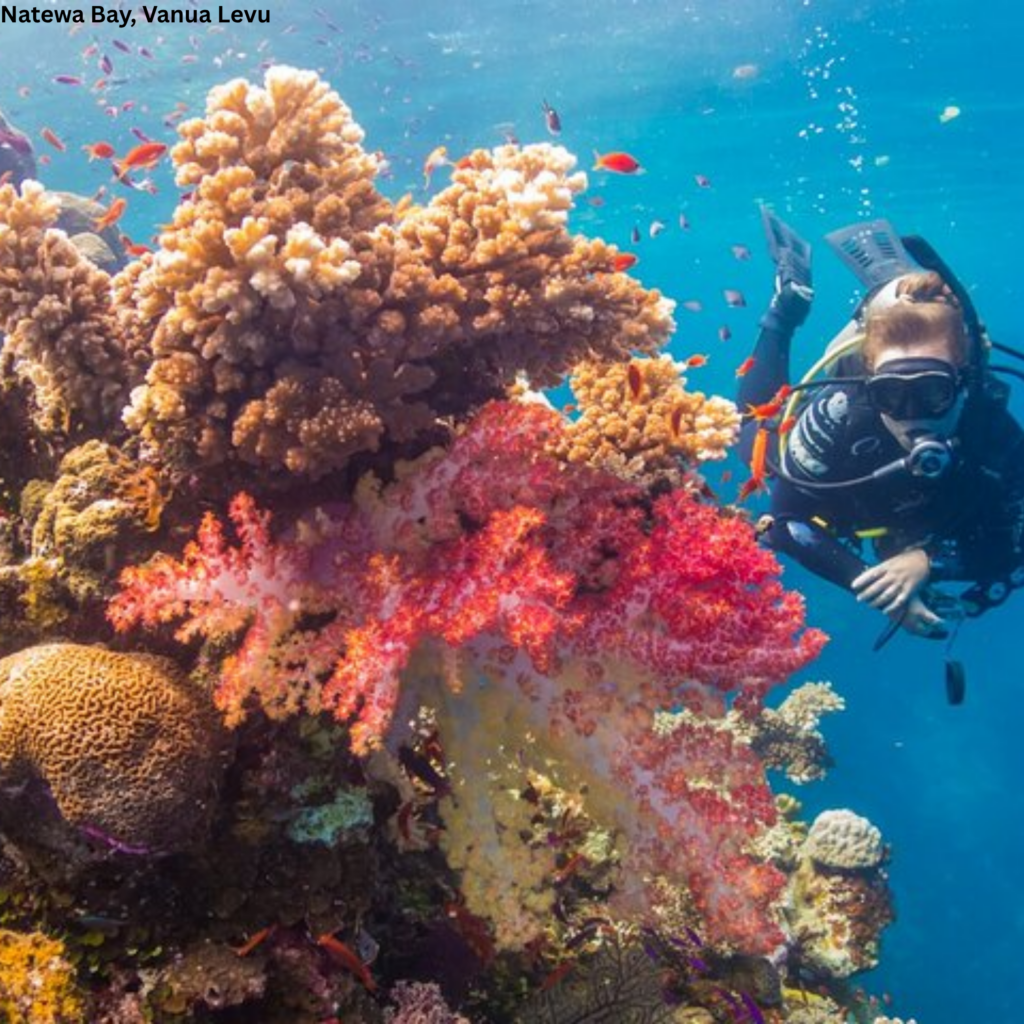
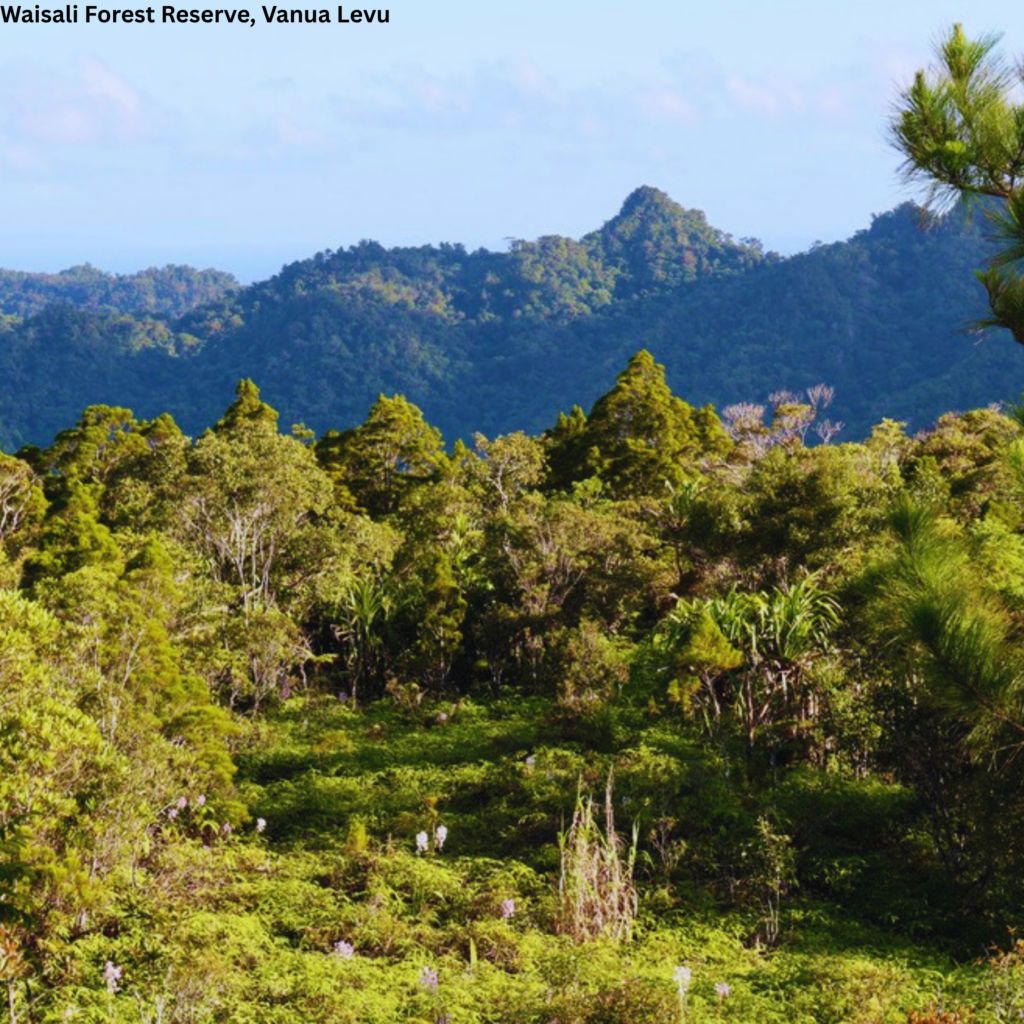
Vanua Levu and Taveuni’s tourism potential is closely linked to the natural and cultural assets that define the destination. Forests, rivers, reefs, coastlines, cultural sites, towns and community landscapes all contribute to the visitor experience and the wellbeing of local communities.
Through the Integrated Tourism Master Plan, the Program is supporting long-term destination planning that recognises these assets as the foundation for sustainable tourism growth. The Strategic Environmental and Social Assessment is helping identify environmental and social risks early, so future development can be better informed by climate, community and environmental considerations.
For Climate
Climate action is reflected in the way energy, waste, infrastructure and services are planned and delivered.
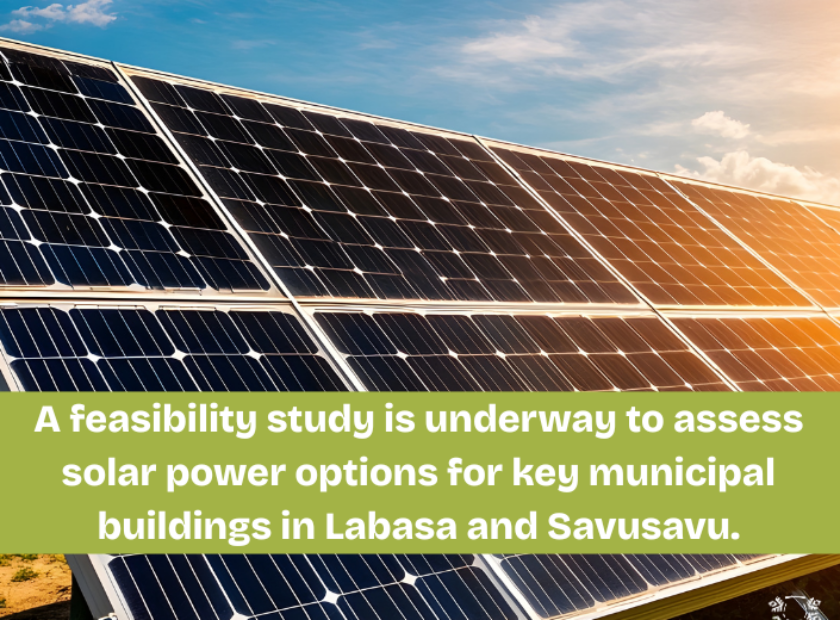
The Program is exploring solar energy opportunities for selected public sites in Labasa and Savusavu, including high-use public infrastructure. Renewable energy is a practical example of climate action and can support cleaner energy use, stronger essential services and more resilient public infrastructure over time.
The Program is also supporting improved solid waste management planning for the Northern Division. This work is important for cleaner towns, healthier communities, protected natural assets and destination readiness. In parallel, work on infrastructure, cityscape planning, airport planning, road resilience and sanitation is helping strengthen the systems that sustainable tourism depends on.
For Our Future
Sustainable tourism must create opportunities for people. Through support for micro, small and medium enterprises and community-based tourism, the Program is helping strengthen local participation in tourism development.
This matters because climate resilience is also economic resilience. When communities have stronger local enterprises, better services, improved infrastructure and a healthier environment, they are better positioned to benefit from tourism growth and manage future risks.
On World Environment Day, the Na Vualiku Project recognises that the environment is not separate from development. It is the foundation for long-term tourism growth, community wellbeing and climate resilience.
By linking destination planning, environmental and social assessment, renewable energy, waste management, resilient infrastructure and local enterprise support, the Fiji Tourism Development Program in Vanua Levu is helping support a more sustainable, inclusive and resilient tourism future for Fiji’s northern region.